What Is Swab Tip Shedding and Why Should Buyers Check It?

Swab tip shedding refers to visible fiber loss, loose particles, or unstable tip material from a sampling swab. For medical buyers, laboratories, distributors, and diagnostic kit manufacturers, tip shedding should be checked because it can affect product appearance, customer confidence, sample handling, and quality complaints.
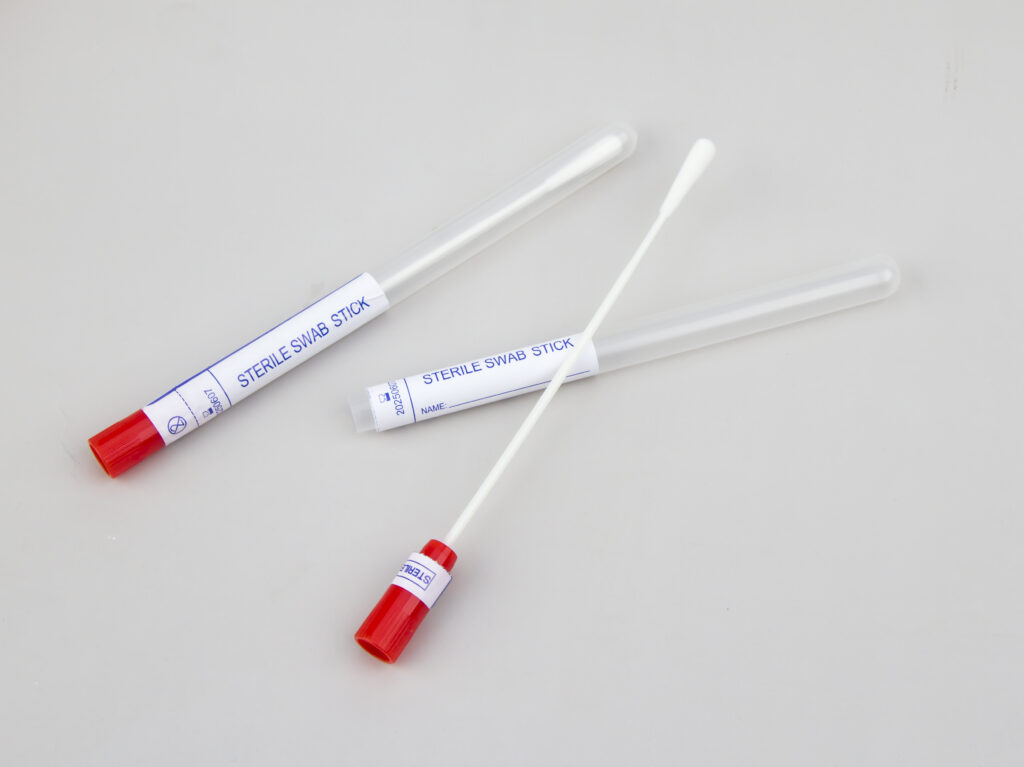
A sampling swab may look acceptable in a catalog photo, but buyers should still review real samples. Tip consistency, fiber attachment, packaging protection, shaft handling, and supplier quality control all matter before bulk ordering.
What Is Swab Tip Shedding?
Swab tip shedding means that fibers or particles from the swab tip become loose during handling, storage, opening, or use. It may be seen as visible lint, loose flocking, uneven tip surface, or material loss from the sampling head.
The issue may appear in different swab types, including flocked swabs, polyester swabs, rayon swabs, cotton swabs, or foam swabs, depending on material and production quality.
Why Buyers Should Check Tip Shedding
Buyers should check tip shedding because the swab tip is the part that contacts the sample or collection site. If the tip looks unstable, customers may question product quality even before using the product.
For diagnostic, medical, and laboratory workflows, consistent swab tip quality helps reduce complaints and supports repeat orders.
Tip Shedding and Flocked Swabs
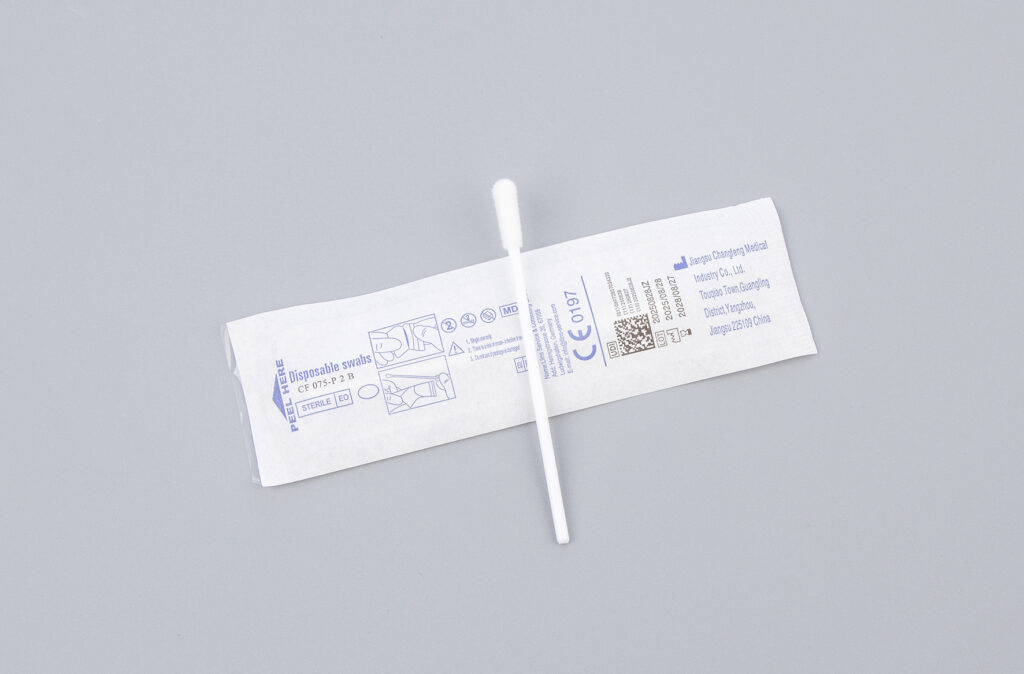
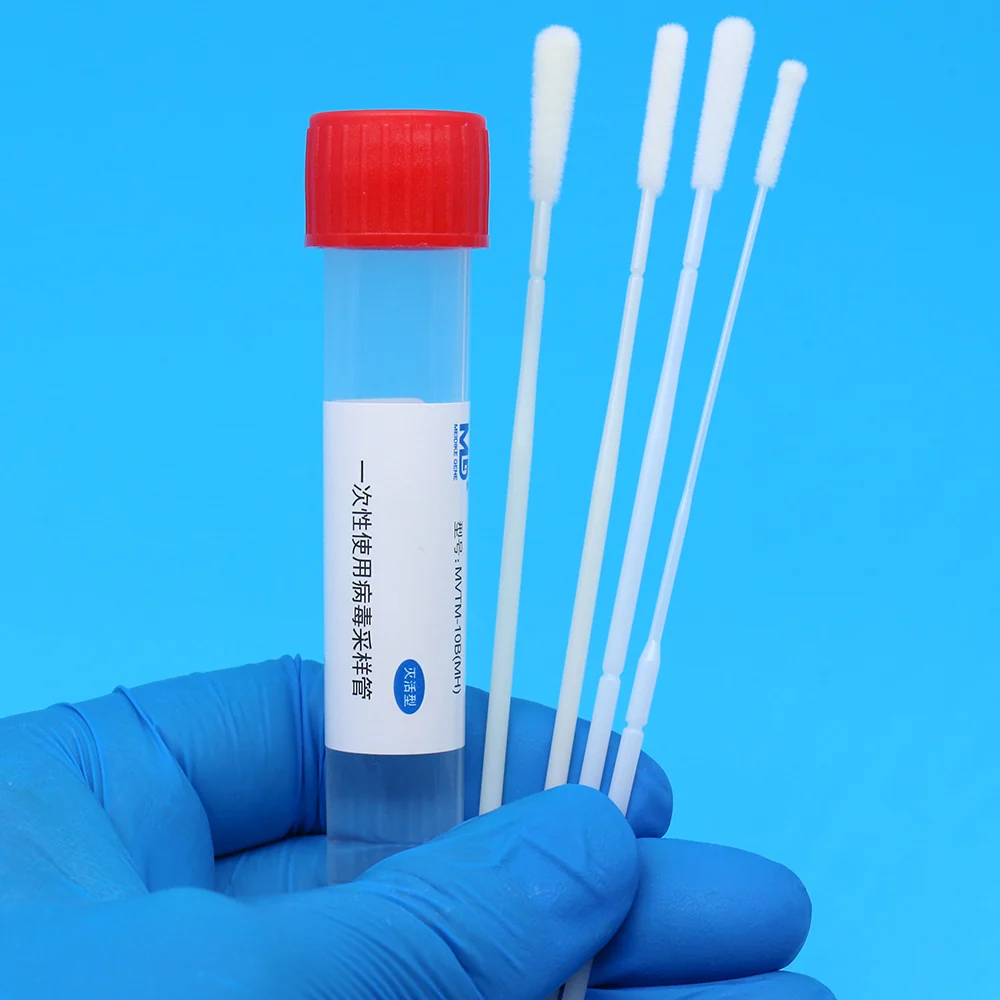
Flocked swabs use short fibers attached to the tip surface. Buyers should check whether the flocked surface is uniform, clean, and stable. Uneven flocking, visible loose fibers, or damaged tips may indicate poor process control.
When comparing flocked swab samples, buyers should check several pieces from the same batch instead of judging only one sample.
Tip Shedding and Polyester Swabs
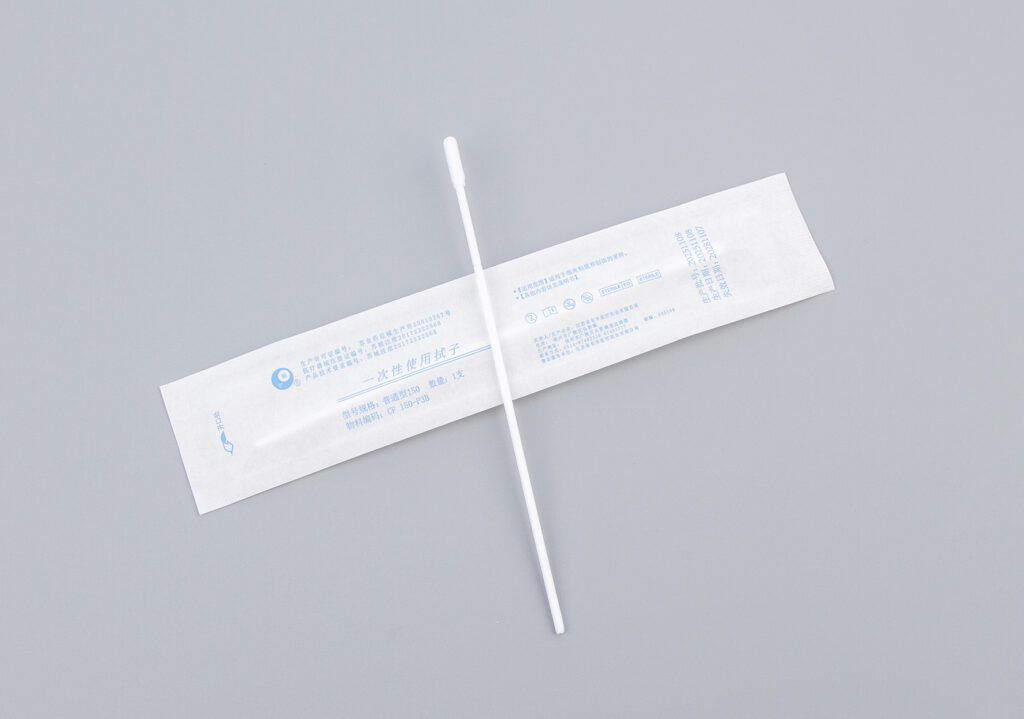
Polyester swabs use synthetic fiber tips. Buyers should check whether the tip is wrapped or formed consistently and whether fiber material remains stable during handling and packaging opening.
Polyester fiber swabs with sheath should also be checked to confirm that the sheath protects the tip without crushing or loosening the material.
Common Causes of Tip Shedding
Tip shedding may be related to material quality, fiber attachment, production process, cutting or forming quality, packaging friction, rough transport, or poor storage conditions.
Buyers do not need to diagnose the production cause themselves, but they should ask suppliers to review any visible shedding or unusual tip condition.
Check Packaging Protection
Packaging can affect tip condition. A pouch that is too tight, a sheath that presses the tip, or weak carton protection may increase the risk of tip damage during storage and shipping.
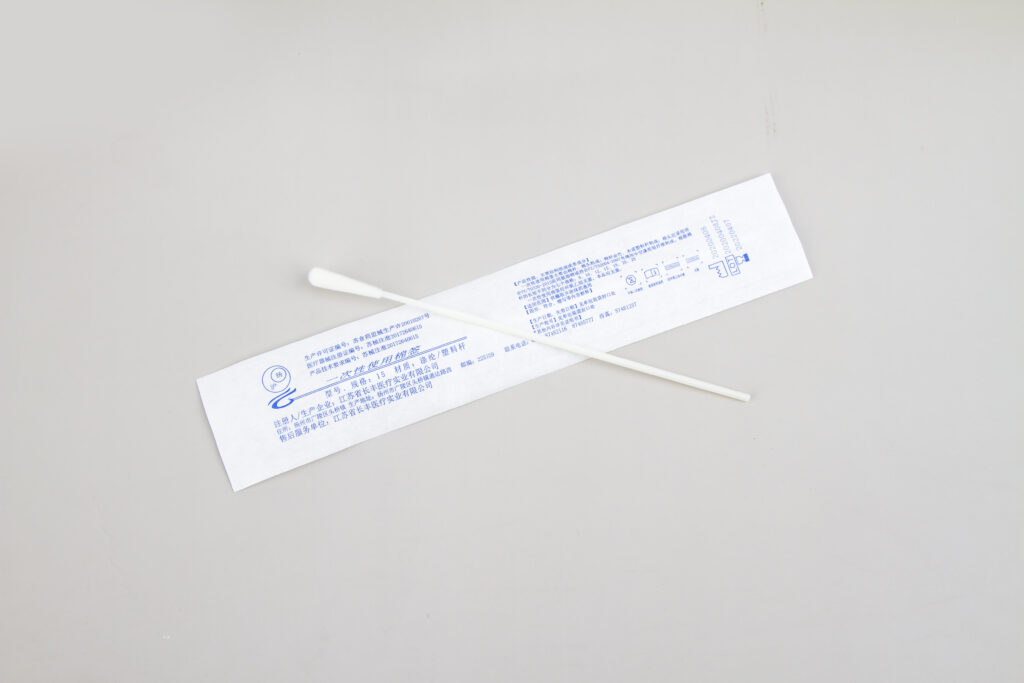
Buyers should review pouch size, pouch material, inner box layout, carton strength, and whether the swab tip is protected during transport.
Check Samples Before Bulk Ordering
Before bulk orders, buyers should request samples and inspect several pieces. They can check whether tips are clean, uniform, centered, firmly attached, and free from obvious loose fibers or particles.
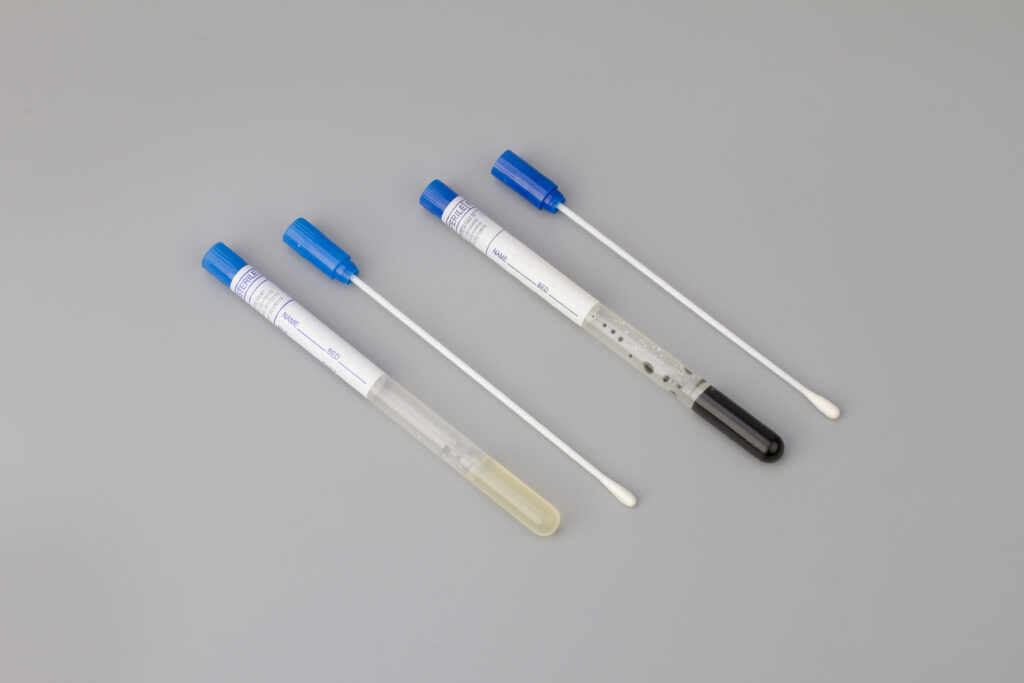
If the swab will be used with a tube or kit, buyers should also test packaging opening, tube insertion, breakpoint use, and final kit handling.
Tip Shedding and Customer Complaints
Visible tip shedding can lead to complaints from hospitals, laboratories, distributors, or diagnostic kit customers. Even if the swab is not used yet, poor appearance can affect acceptance.
Clear lot number traceability helps buyers and suppliers review the affected batch when customer feedback occurs.
What Buyers Should Ask Suppliers
Buyers can ask about tip material, production method, quality inspection, packaging protection, sample availability, lot number traceability, shelf life, storage conditions, and whether pre-shipment photos or inspection support can be provided.
What Buyers Should Check Before Ordering
Before ordering swabs in bulk, buyers should check tip material, tip shape, tip consistency, visible shedding, shaft design, packaging, sterile status, pouch seal, lot number, expiration date, shelf life, carton protection, samples, MOQ, lead time, and documentation.
Common Mistakes
One common mistake is checking only price and ignoring tip quality. Another mistake is approving one perfect sample without checking batch consistency.
Buyers should also avoid approving final packaging without confirming that it protects the swab tip during shipping.
Conclusion
Swab tip shedding matters because it affects product appearance, customer confidence, handling quality, and complaint risk. Buyers should check real samples, packaging protection, lot traceability, and supplier quality control before bulk orders.
Changfeng Medical supplies sampling swabs for diagnostic, clinical, and laboratory applications, including nasal swabs, large-headed flocked swabs, polyester fiber swabs with sheath, media-coated swabs, and double-tip throat swabs. Contact us to discuss swab quality, packaging options, and bulk supply solutions for your market.
FAQ
What is swab tip shedding?
Swab tip shedding means visible fiber loss, loose particles, or unstable tip material from the swab tip.
Why should buyers check swab tip shedding?
It helps buyers reduce quality complaints and confirm tip consistency before bulk ordering.
Can packaging affect swab tip shedding?
Yes. Tight pouches, poor sheath fit, weak cartons, or rough transport may affect tip condition.
What should buyers check in samples?
Buyers should check tip uniformity, visible loose fibers, packaging protection, shaft handling, and batch consistency.