How to Choose Sampling Swabs for Contract Manufacturing Projects?

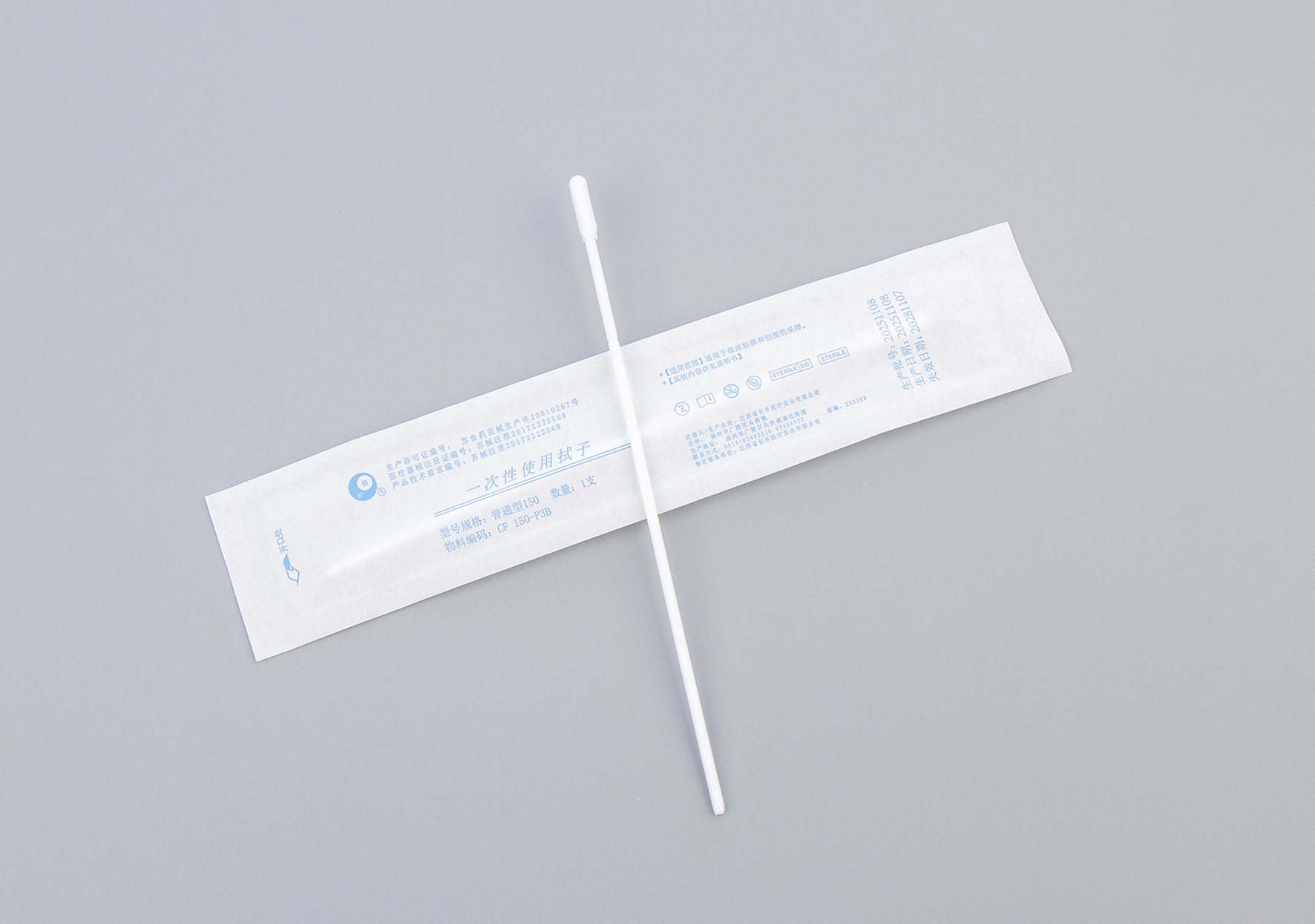
Contract manufacturing projects often require sampling swabs that match a buyer’s product specification, packaging design, kit assembly process, and long-term supply plan. These projects may involve private label packaging, diagnostic kit components, tube compatibility, custom labels, or repeated production batches.
For medical device companies, diagnostic kit manufacturers, distributors, and brand owners, the right swab supplier should support stable specifications, sample approval, packaging coordination, shelf life management, and clear communication.
What Are Contract Manufacturing Swab Projects?
A contract manufacturing swab project is a cooperation where a supplier produces swabs or swab-related components according to the buyer’s requirements. The product may be a standard swab with private label packaging or a swab assembled into a larger collection kit.
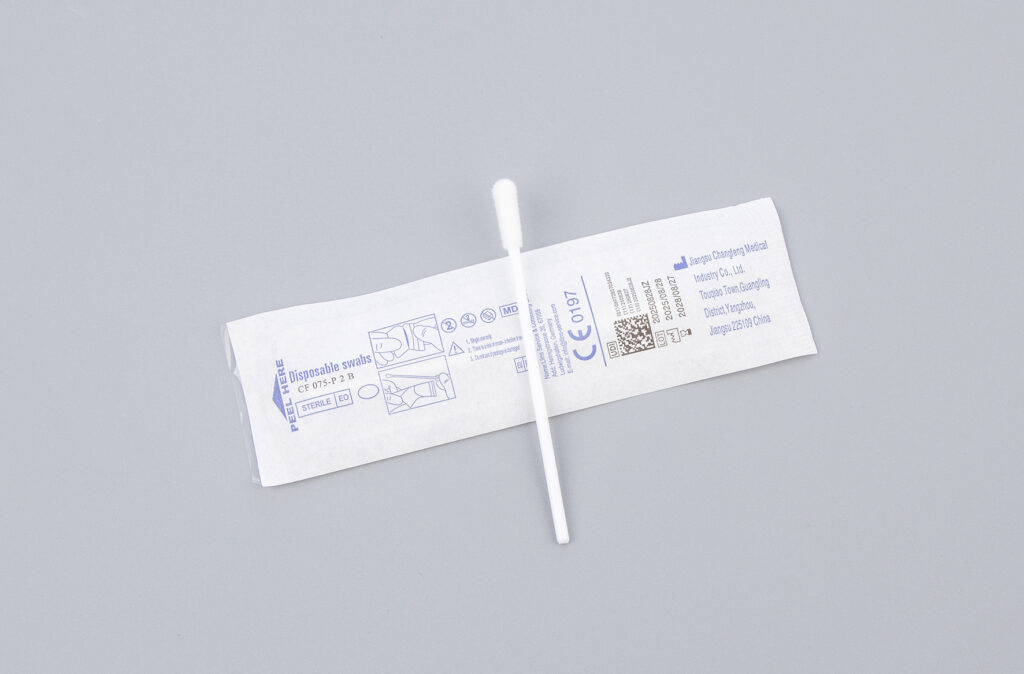
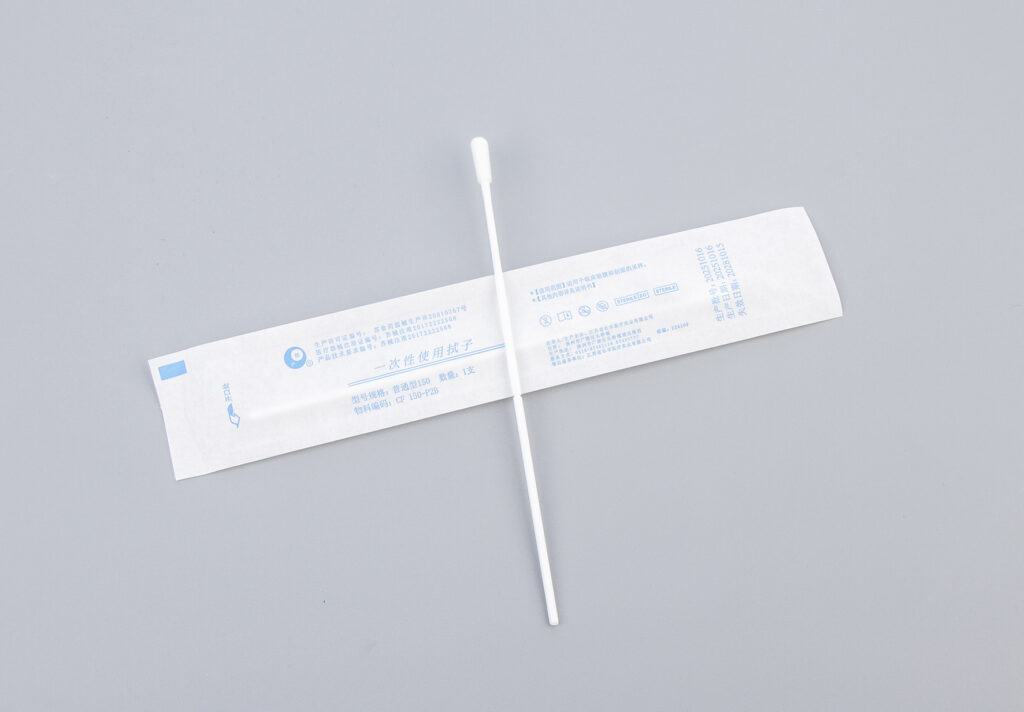
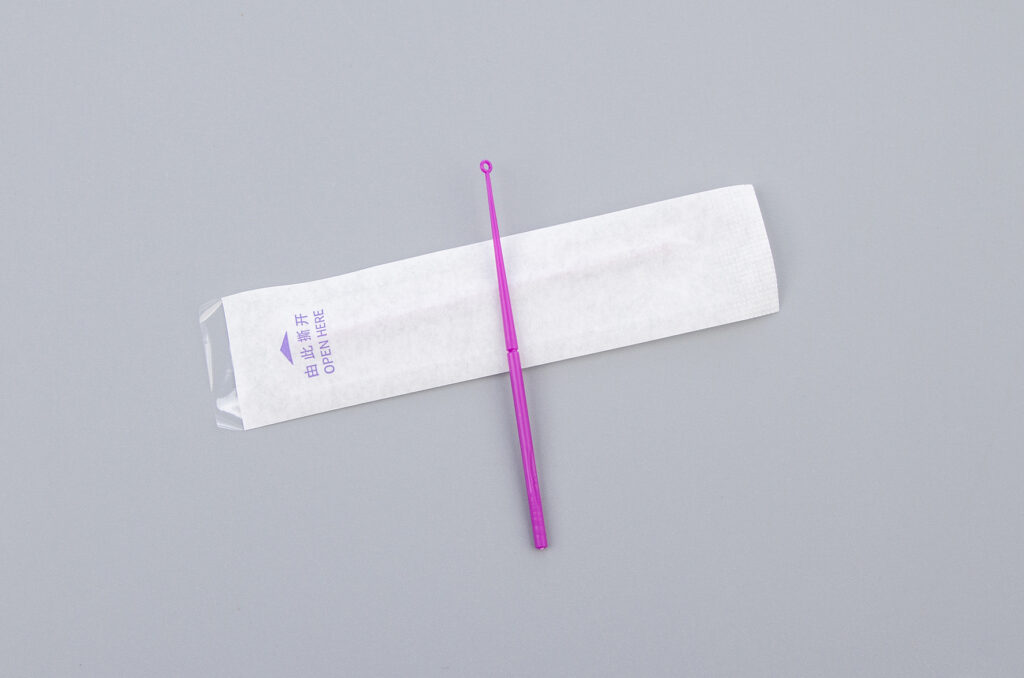
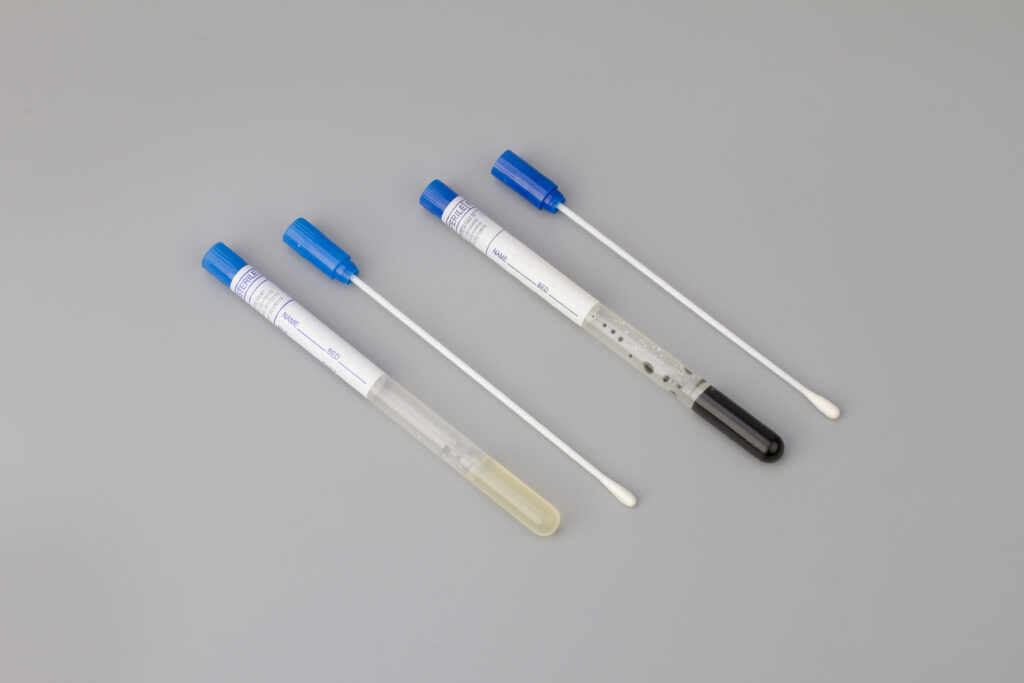
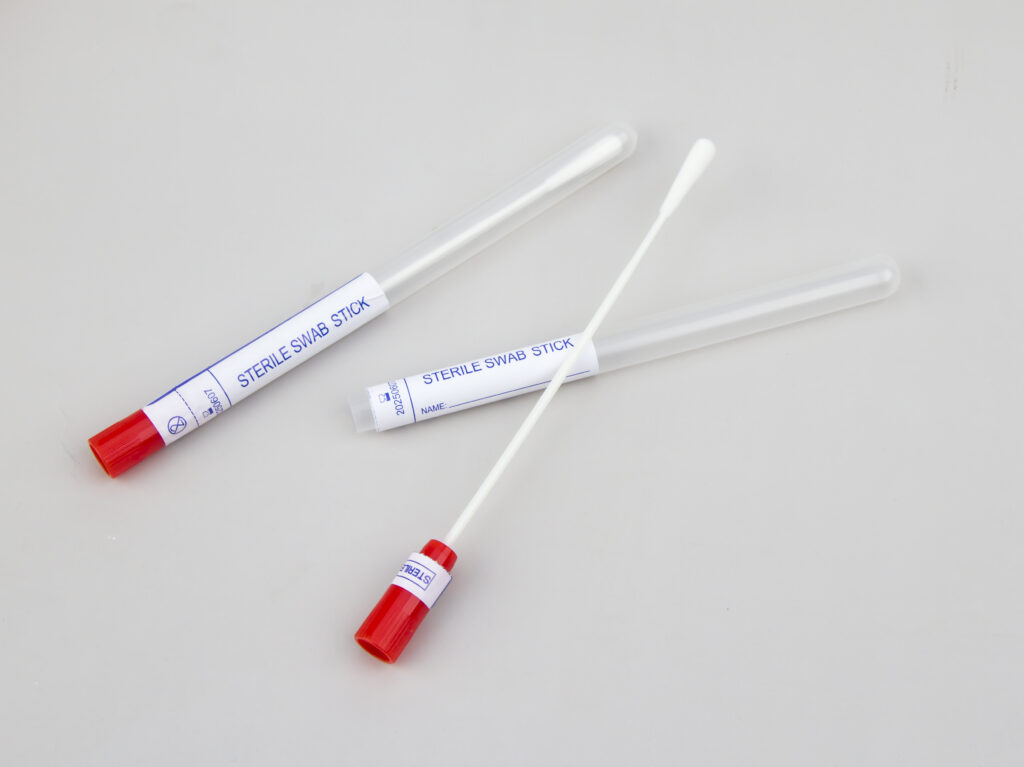
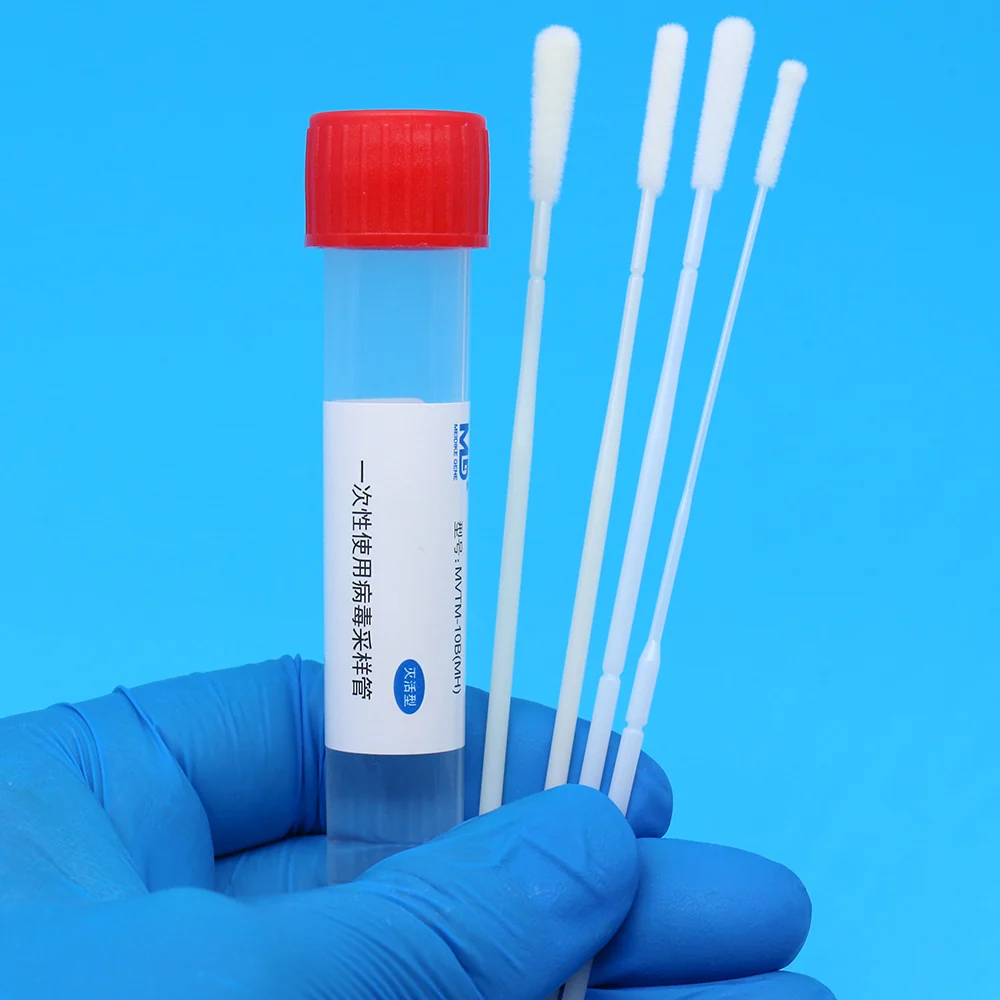
Common products may include nasal swabs, throat swabs, sterile dry swabs, flocked swabs, polyester swabs with sheath, transport swabs, and swab kit components.
Start with a Clear Product Specification
The product specification should be confirmed before quotation and sampling. Buyers should define swab type, tip material, tip size, shaft material, shaft length, shaft flexibility, breakpoint, sterile status, packaging format, and intended workflow.
A clear specification reduces sample revisions and helps suppliers quote accurately.
Confirm Application and Workflow
Contract manufacturing swabs may be used for diagnostic kits, clinical collection, laboratory workflows, public health programs, hospital supply, or distributor inventory. Each workflow may require different product details.
If the swab is used with a tube, medium, extraction buffer, or kit box, the full system should be tested together.
Check Material and Shaft Design
Tip material affects collection, absorption, and sample release. Shaft material, length, diameter, flexibility, and breakpoint affect handling and tube compatibility.
Buyers should not approve a swab based only on appearance. Samples should be tested in the real workflow.
Review Sterile Status and Packaging
If the product must be sterile, buyers should confirm sterile status, packaging format, lot number, expiration date, shelf life, storage conditions, and available sterilization information.
Packaging should protect the product and match the buyer’s branding or kit assembly requirements.
Private Label and Artwork
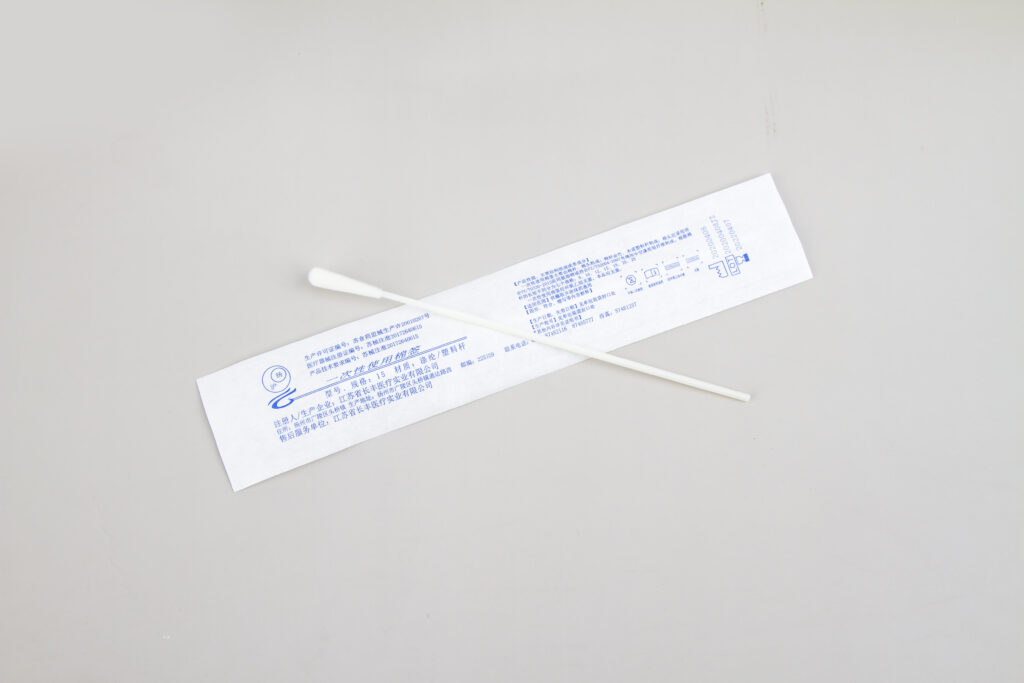
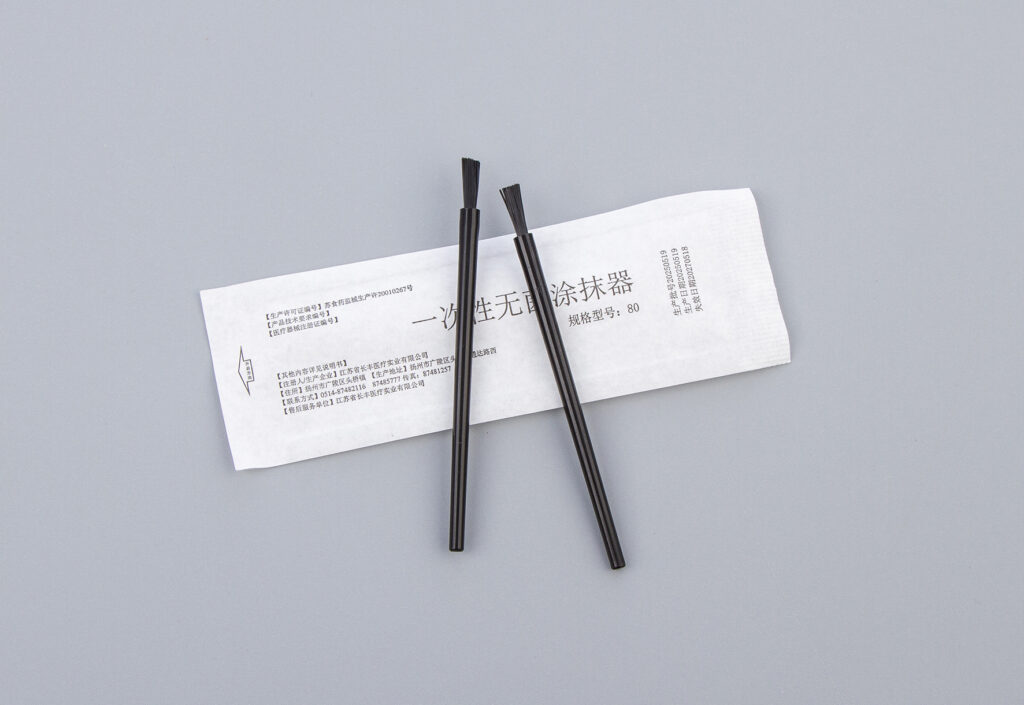
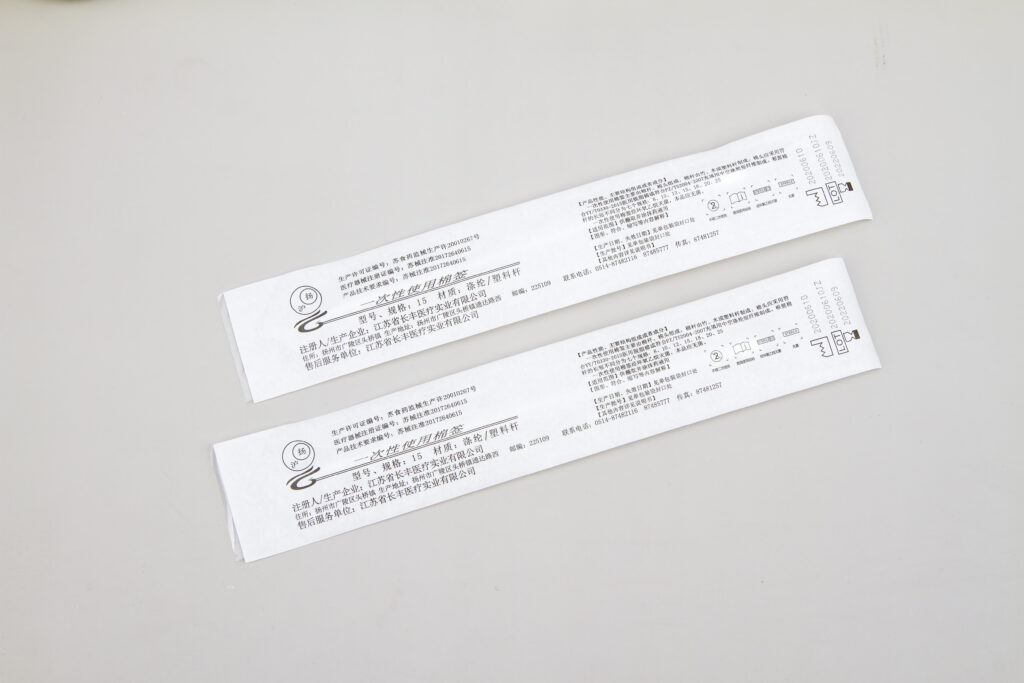
Contract manufacturing projects often include private label packaging. This may involve printed pouches, tube labels, inner boxes, instruction sheets, barcodes, and carton marks.
Buyers should approve artwork, language, logo placement, barcode position, lot number area, expiration date area, and real printed samples before mass production.
Sample Approval Process
Sample approval should include product samples, packaging samples, tube fit, breakpoint performance, label clarity, carton marks, and final kit layout if applicable.
Buyers should keep approved samples for future repeat order comparison.
MOQ, Lead Time, and Repeat Orders
Contract manufacturing may require higher MOQ and longer lead time than standard products because of custom packaging, printing, assembly, or material planning.
Buyers should confirm MOQ, sample time, artwork approval time, production schedule, shipping plan, and repeat order support.
Documentation Support
Depending on the project, buyers may need product specification sheets, packing information, shelf life information, sterilization information, certificates, invoice, packing list, and other export documents.
Documentation requirements should be discussed before production begins.
Quality Consistency
Long-term contract manufacturing depends on consistency. Suppliers should avoid changing materials, pouches, labels, carton quantities, or specifications without buyer approval.
Buyers should compare repeat shipments with approved samples and written specifications.
What Buyers Should Check Before Ordering
Before ordering sampling swabs for contract manufacturing projects, buyers should check application, specification, tip material, shaft design, breakpoint, tube fit, sterile status, packaging artwork, labels, shelf life, samples, MOQ, lead time, carton packing, repeat order support, and documents.
Common Mistakes
One common mistake is starting private label artwork before confirming the final product specification. Another mistake is approving a swab sample without checking packaging and kit assembly.
Buyers should also avoid unclear communication about MOQ, lead time, shelf life, and document requirements.
Conclusion
To choose sampling swabs for contract manufacturing projects, buyers should confirm specifications, materials, sterile status, packaging, artwork, samples, kit compatibility, shelf life, MOQ, lead time, and documentation. A reliable supplier should support both product quality and project coordination.
Changfeng Medical supplies sampling swabs for diagnostic, clinical, laboratory, OEM, and private label projects. Contact us to discuss contract manufacturing swab specifications, packaging options, and bulk supply solutions.
FAQ
What are contract manufacturing swabs?
They are swabs produced according to a buyer’s specifications, private label needs, or kit assembly requirements.
Can contract manufacturing include private label packaging?
Yes. It may include printed pouches, labels, boxes, barcodes, instruction sheets, and carton marks.
Why is sample approval important?
Sample approval confirms product design, packaging, tube fit, labels, and final workflow before mass production.
What should buyers confirm before ordering?
Buyers should confirm specifications, packaging, sterile status, shelf life, MOQ, lead time, artwork, samples, and documents.