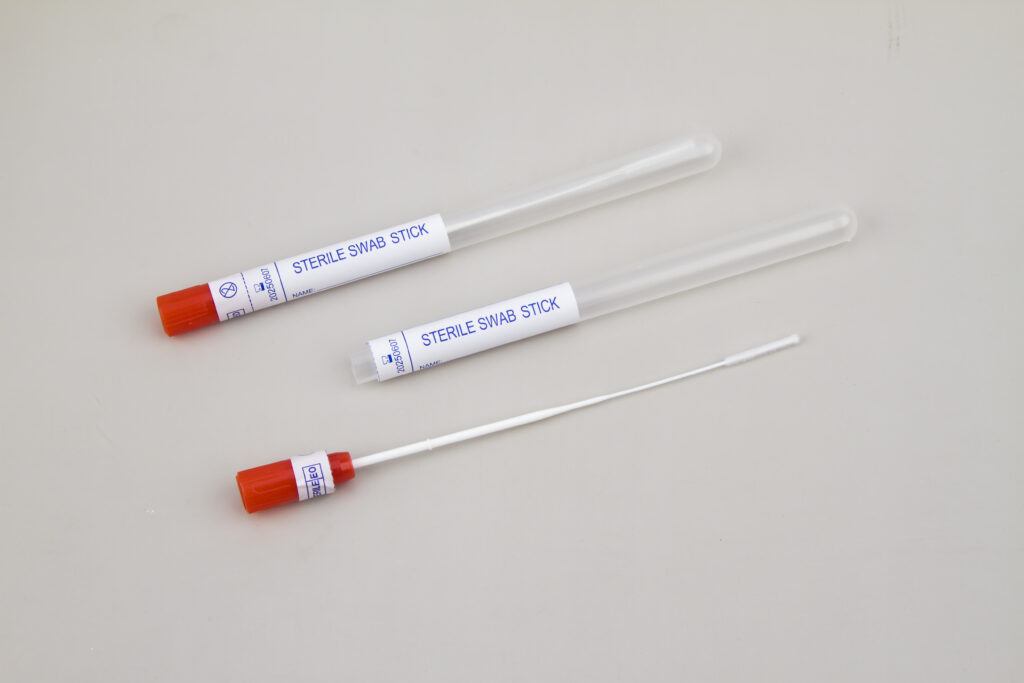
What Is Swab Shaft Diameter and Why Does It Matter?

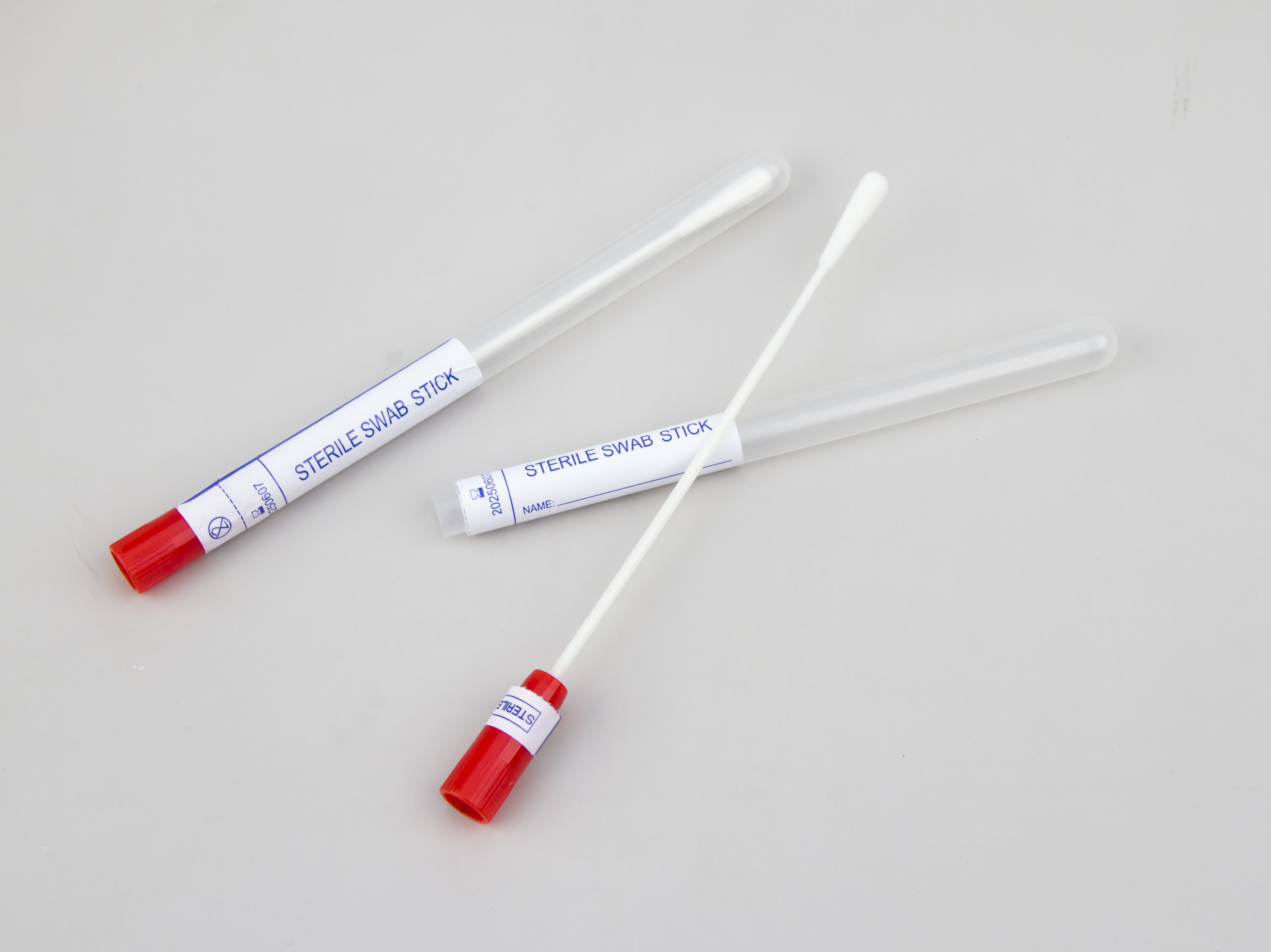
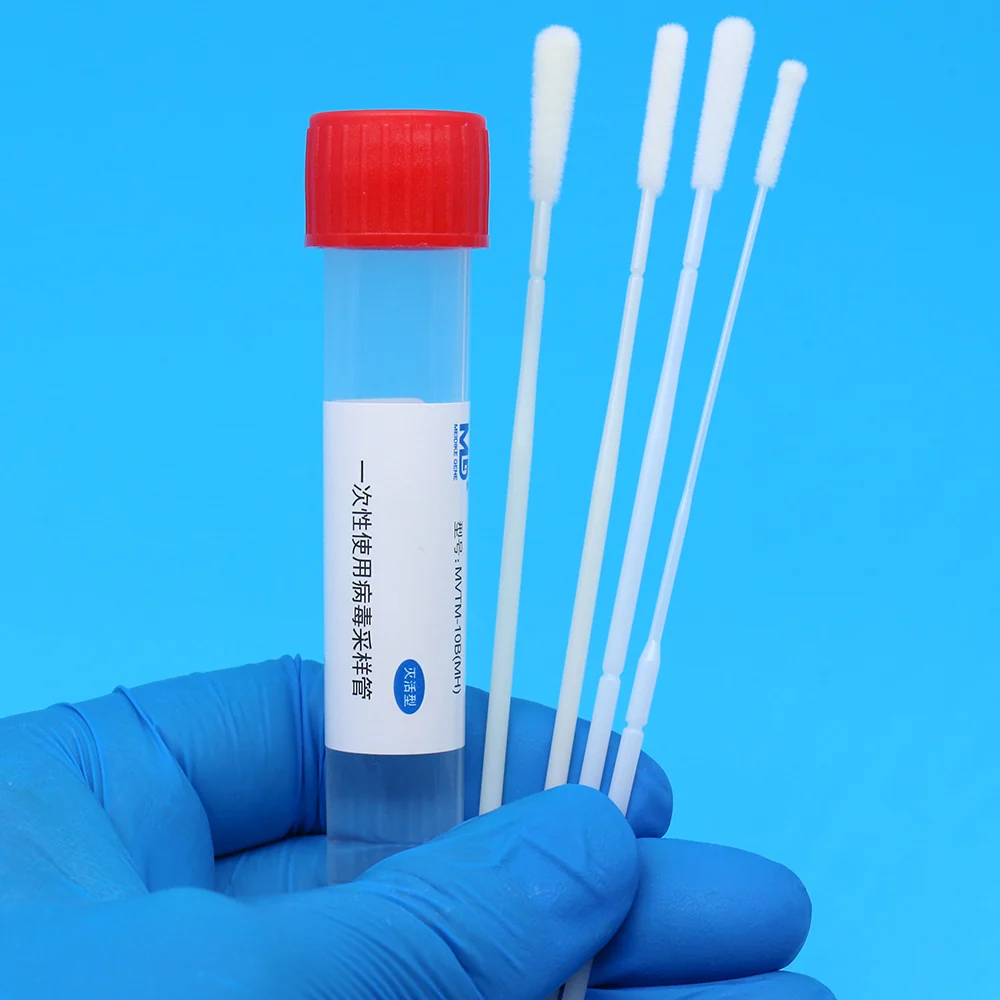
Swab shaft diameter is the thickness of the swab handle or shaft. It may look like a small specification, but it can affect handling, flexibility, tube compatibility, breakpoint performance, packaging size, and the overall user experience.
For medical buyers, laboratories, diagnostic companies, distributors, and procurement teams, shaft diameter should be reviewed together with tip material, shaft length, breakpoint position, sterile packaging, and the final workflow.
What Is Swab Shaft Diameter?
Swab shaft diameter refers to the width or thickness of the shaft. A thinner shaft may bend more easily, while a thicker shaft may feel more stable and stronger during handling.
The correct shaft diameter depends on the collection site, shaft material, swab length, tip size, tube design, and whether a breakpoint is required.
Why Shaft Diameter Matters
Shaft diameter affects how the swab feels during use. It may influence flexibility, grip, reach, strength, and whether the swab can fit into a tube or collection kit after use.
A swab with the right tip but the wrong shaft diameter may still be unsuitable for the customer’s workflow.
Shaft Diameter and Flexibility
In general, a thinner shaft can be more flexible, while a thicker shaft can feel more rigid. However, flexibility also depends on shaft material and length, so diameter should not be checked alone.
For nasopharyngeal swabs, a thinner flexible shaft may be required. For throat swabs or large-headed swabs, a more stable shaft may be preferred.
Shaft Diameter and Collection Site
Different collection sites may require different shaft designs. Nasal swabs, nasopharyngeal swabs, throat swabs, oral swabs, and general laboratory swabs may not use the same shaft diameter.
Buyers should confirm the intended collection site before choosing shaft diameter or approving samples.
Shaft Diameter and Tube Compatibility
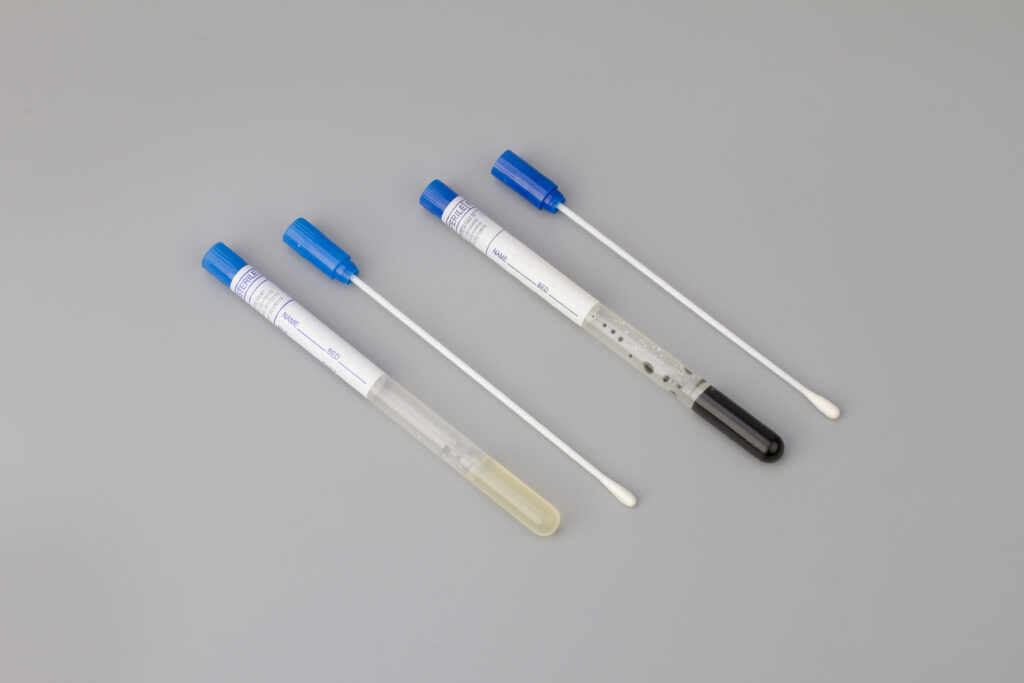
If the swab is used with a tube, shaft diameter can affect insertion, breaking, cap closure, and storage inside the tube. The shaft should fit the tube opening and leave enough space for the cap to close after the breakpoint is used.
Buyers should test the swab with the actual tube, cap, medium volume, and kit packaging before bulk ordering.
Shaft Diameter and Breakpoint Design
Many collection swabs include a breakpoint. Shaft diameter can affect breaking force and how cleanly the shaft snaps at the intended point.
The breakpoint should be strong enough during collection but easy enough to break when placed into the tube according to the workflow.
Shaft Diameter and Tip Size
Shaft diameter should match the swab tip size. A large-headed flocked swab may need a stronger shaft for stable handling, while a small nasal or nasopharyngeal swab may need a thinner shaft design.
Tip and shaft should always be evaluated as one product system.
Shaft Diameter and Packaging
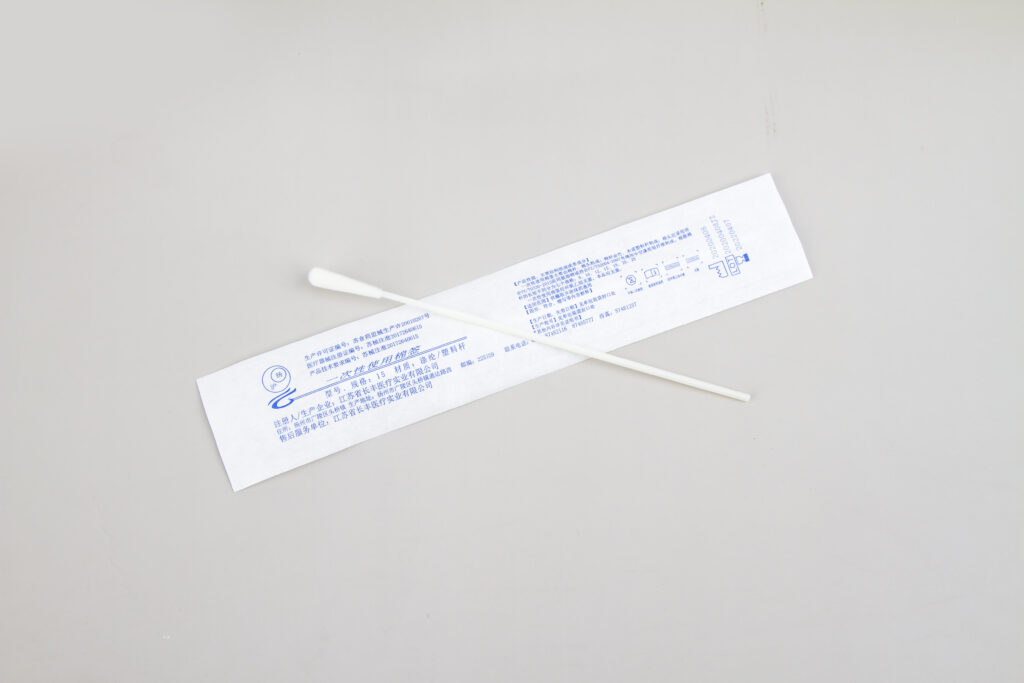
Shaft diameter may also affect pouch size, protective sheath design, tube fit, and final kit layout. A small change in shaft size may require changes to packaging dimensions or carton packing.
For private label orders, buyers should check whether packaging artwork and pouch size still match the final product.
What Buyers Should Check Before Ordering
Before ordering sampling swabs, buyers should check shaft diameter, shaft material, total length, flexibility, breakpoint, tip size, collection site, tube opening, cap space, sterile packaging, shelf life, samples, MOQ, lead time, and documentation.
Common Mistakes
One common mistake is checking shaft length but ignoring shaft diameter. Another mistake is approving the swab without testing tube fit and breakpoint performance.
Buyers should also avoid assuming that two swabs with similar photos have the same shaft diameter.
Conclusion
Swab shaft diameter matters because it affects flexibility, handling, collection site suitability, tube compatibility, breakpoint performance, packaging, and kit assembly. Buyers should confirm shaft diameter as part of the full swab specification.
Changfeng Medical supplies sampling swabs for diagnostic, clinical, laboratory, and distribution channels, including nasal swabs, large-headed flocked swabs, polyester fiber swabs with sheath, media-coated swabs, and double-tip throat swabs. Contact us to discuss swab specifications and bulk supply solutions.
FAQ
What is swab shaft diameter?
It is the thickness or width of the swab shaft.
Why does shaft diameter matter?
It affects flexibility, handling, tube fit, breakpoint performance, and packaging compatibility.
Is a thinner shaft always better?
No. A thinner shaft may be more flexible, but some workflows require stronger and more stable handling.
What should buyers test?
Buyers should test shaft diameter together with tip size, shaft length, breakpoint, tube fit, cap closure, and packaging.