How to Recommend the Right Sampling Swab to Customers?

Recommending the right sampling swab to customers requires understanding the application, collection site, test workflow, tip material, shaft design, sterile packaging, tube compatibility, shelf life, and budget. A good recommendation is not based only on the lowest price or the most popular model.
For medical consumable suppliers and distributors, clear recommendation questions can help customers choose suitable swabs faster and reduce repeated sample changes.
Start with the Customer’s Application
The first question should be how the customer will use the swab. Possible applications include nasal collection, throat collection, oral collection, laboratory sampling, diagnostic kit assembly, transport medium systems, field sampling, or hospital procurement.
Confirm the Collection Site
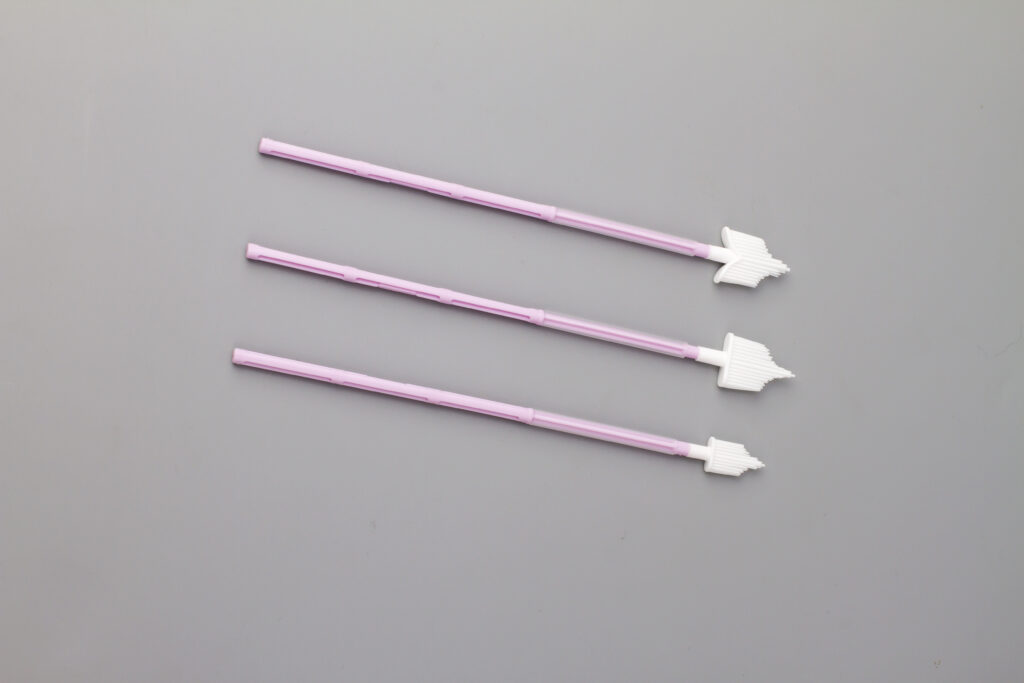
Collection site affects tip size, shaft length, shaft flexibility, and packaging. Nasal swabs, nasopharyngeal swabs, throat swabs, and oral swabs should not be treated as fully interchangeable.
Ask About Tip Material
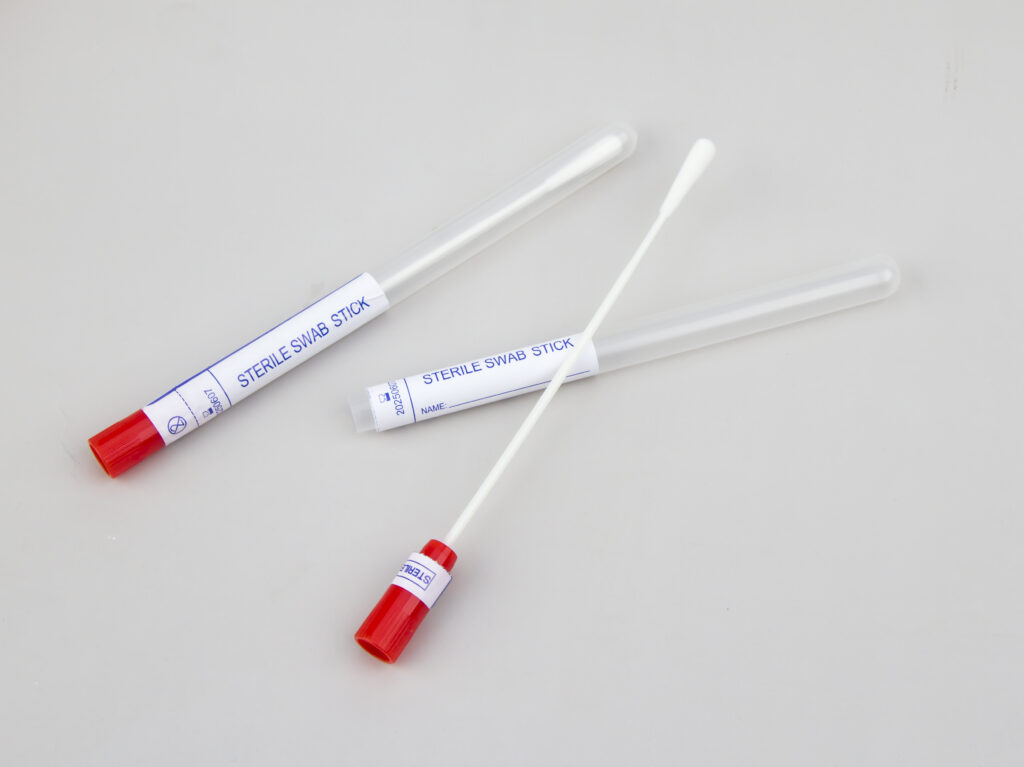
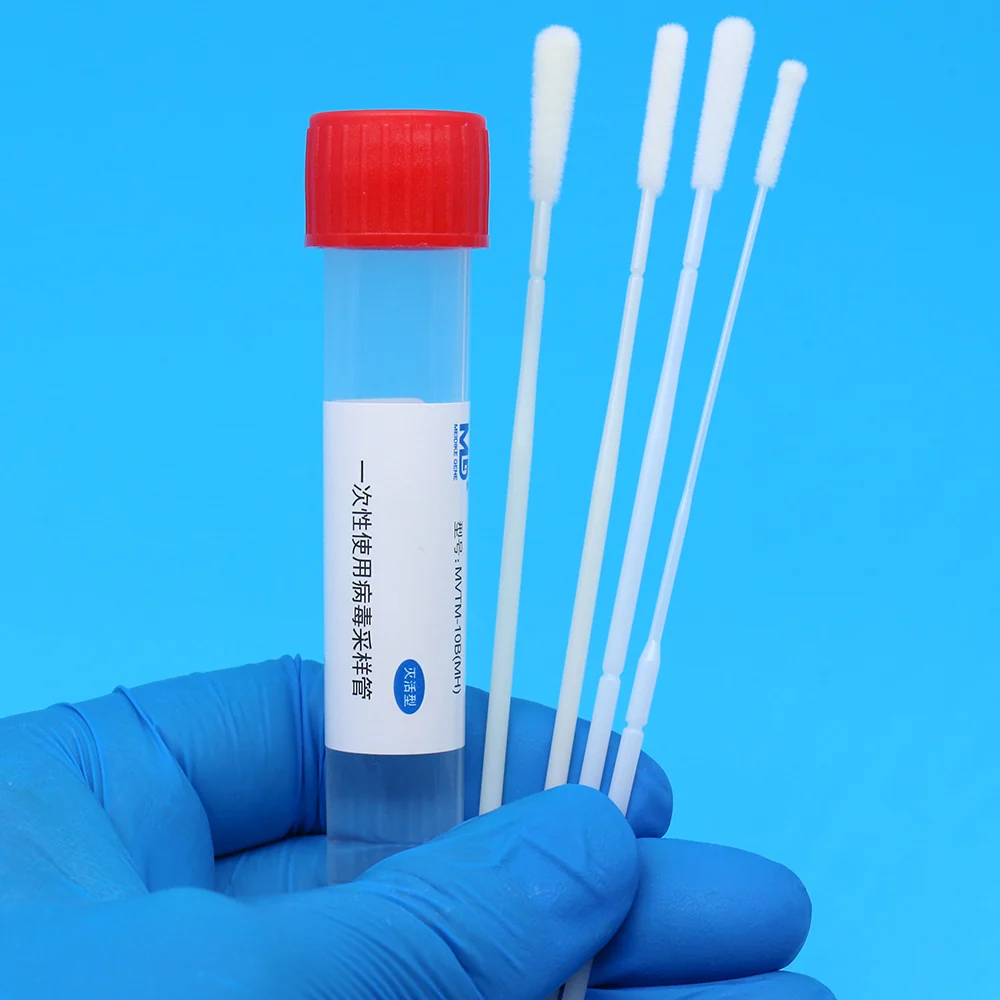
Tip material affects absorption, sample release, compatibility, and customer acceptance. Common options include nylon flocked fiber, polyester fiber, foam, rayon, cotton, and other materials.
Ask About Shaft Design
Shaft material, length, diameter, flexibility, and breakpoint position can affect handling and tube fit. A nasopharyngeal swab may require a flexible shaft, while a throat swab may require stable handling.
Confirm Dry Swab or Transport System
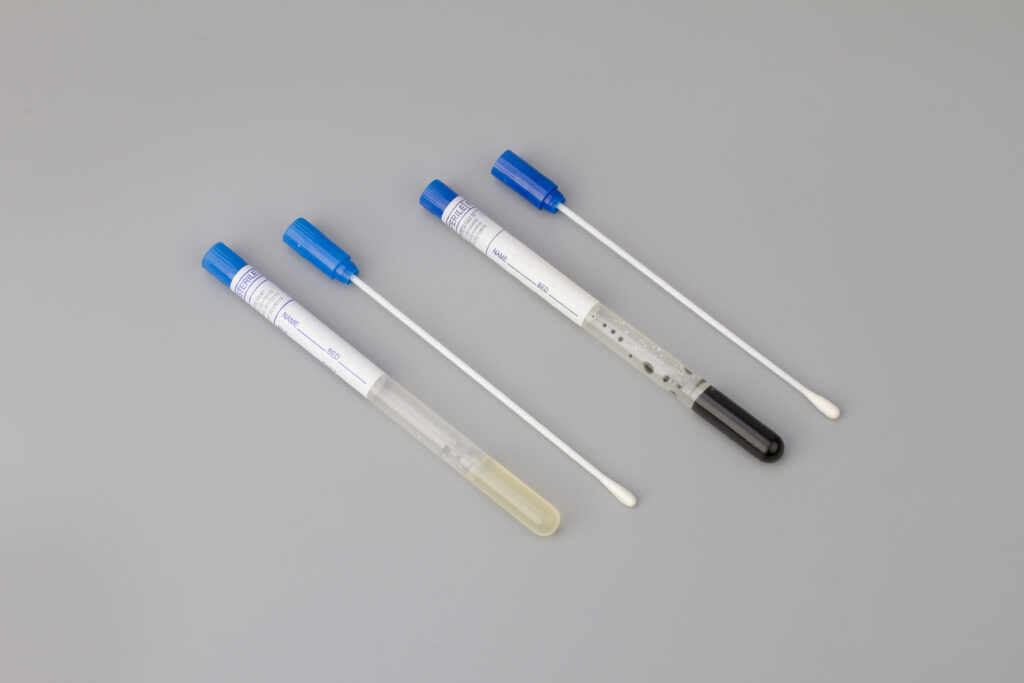
Some customers need dry swabs, while others need transport swabs, swabs with medium, media-coated swabs, or complete collection kits. The swab format should match the testing workflow.
Check Sterile Packaging Requirement
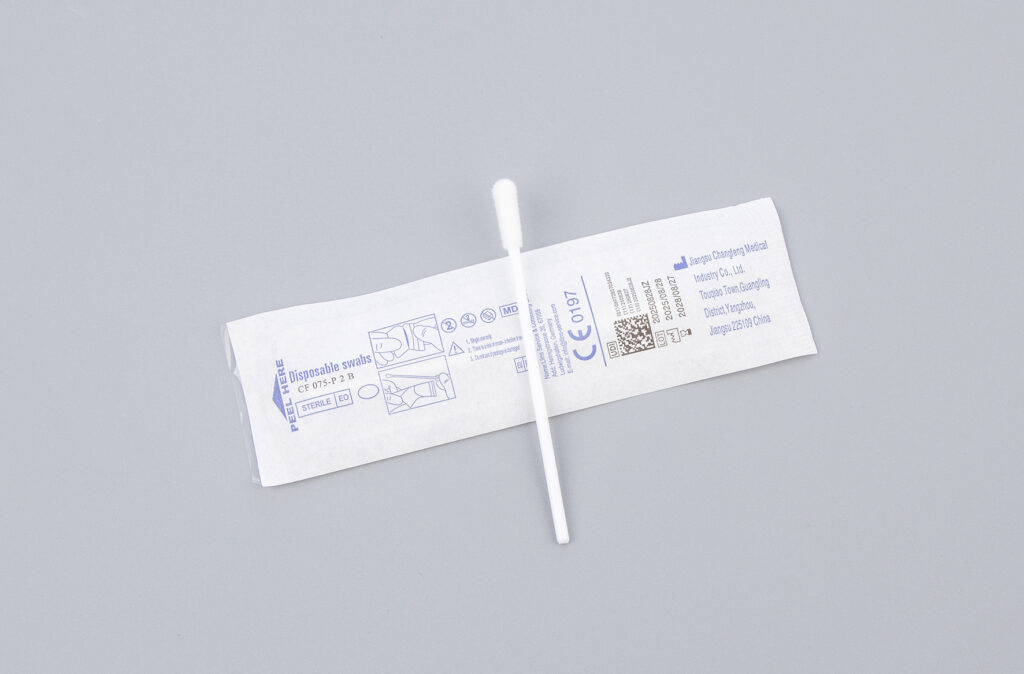
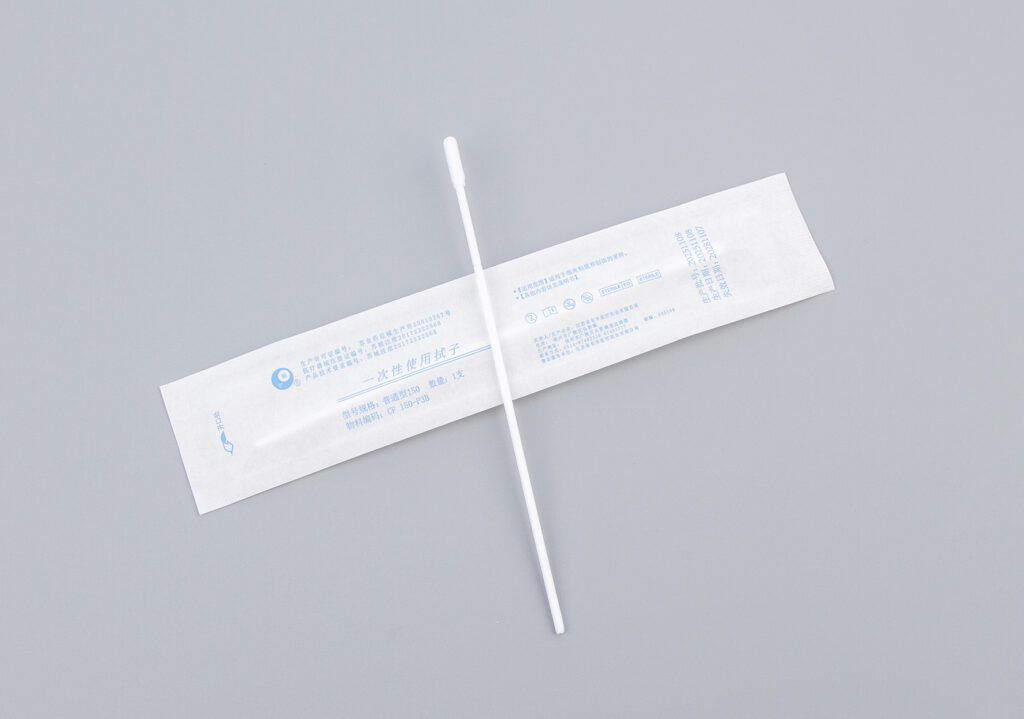
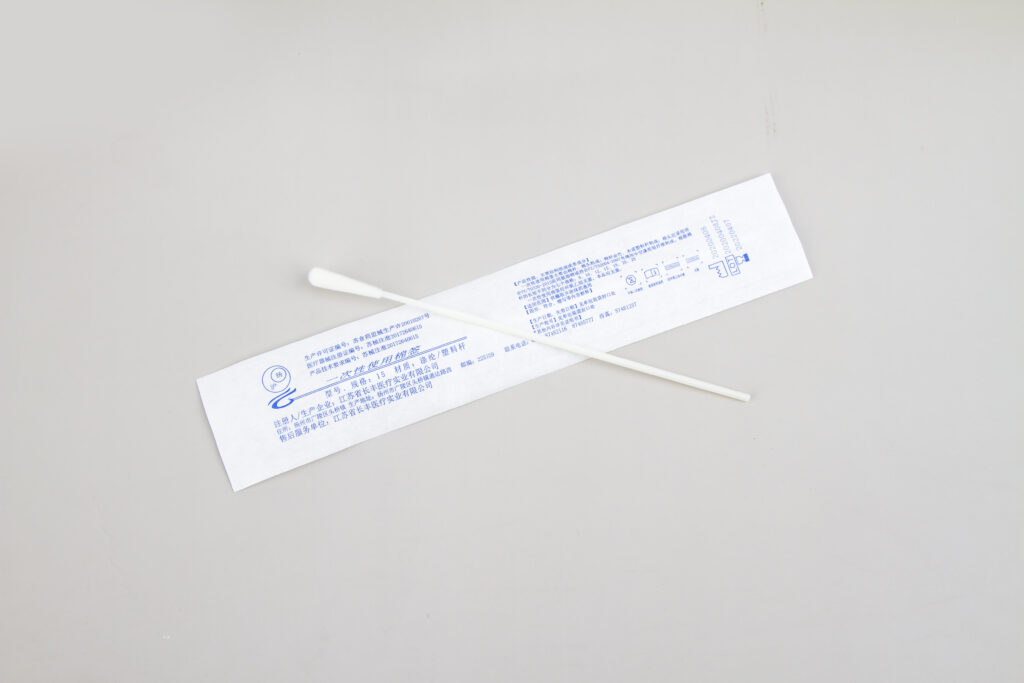
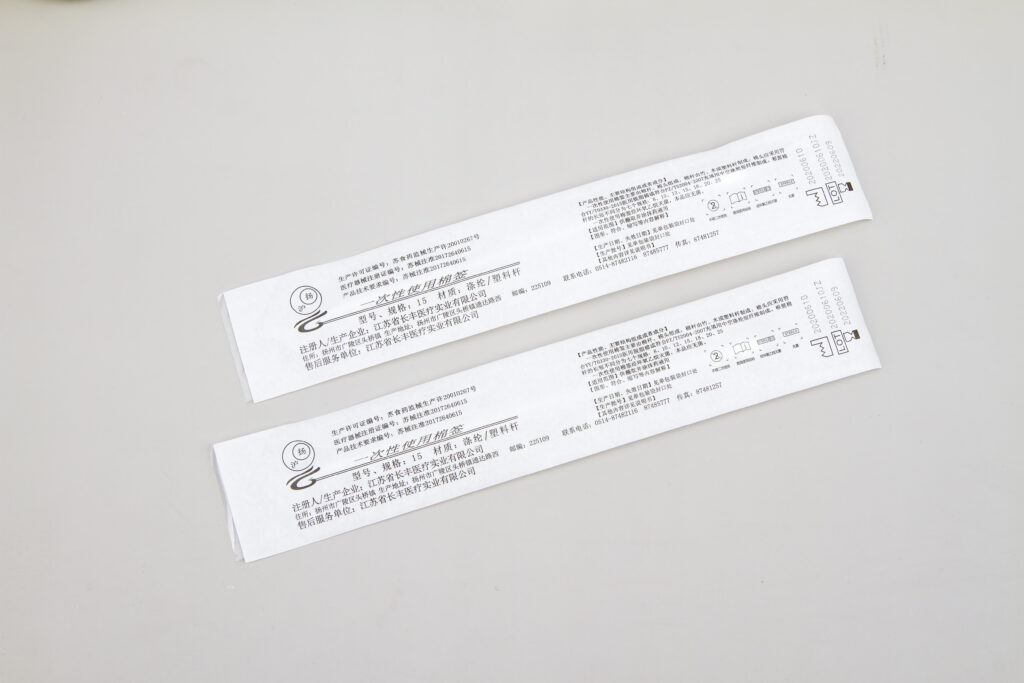
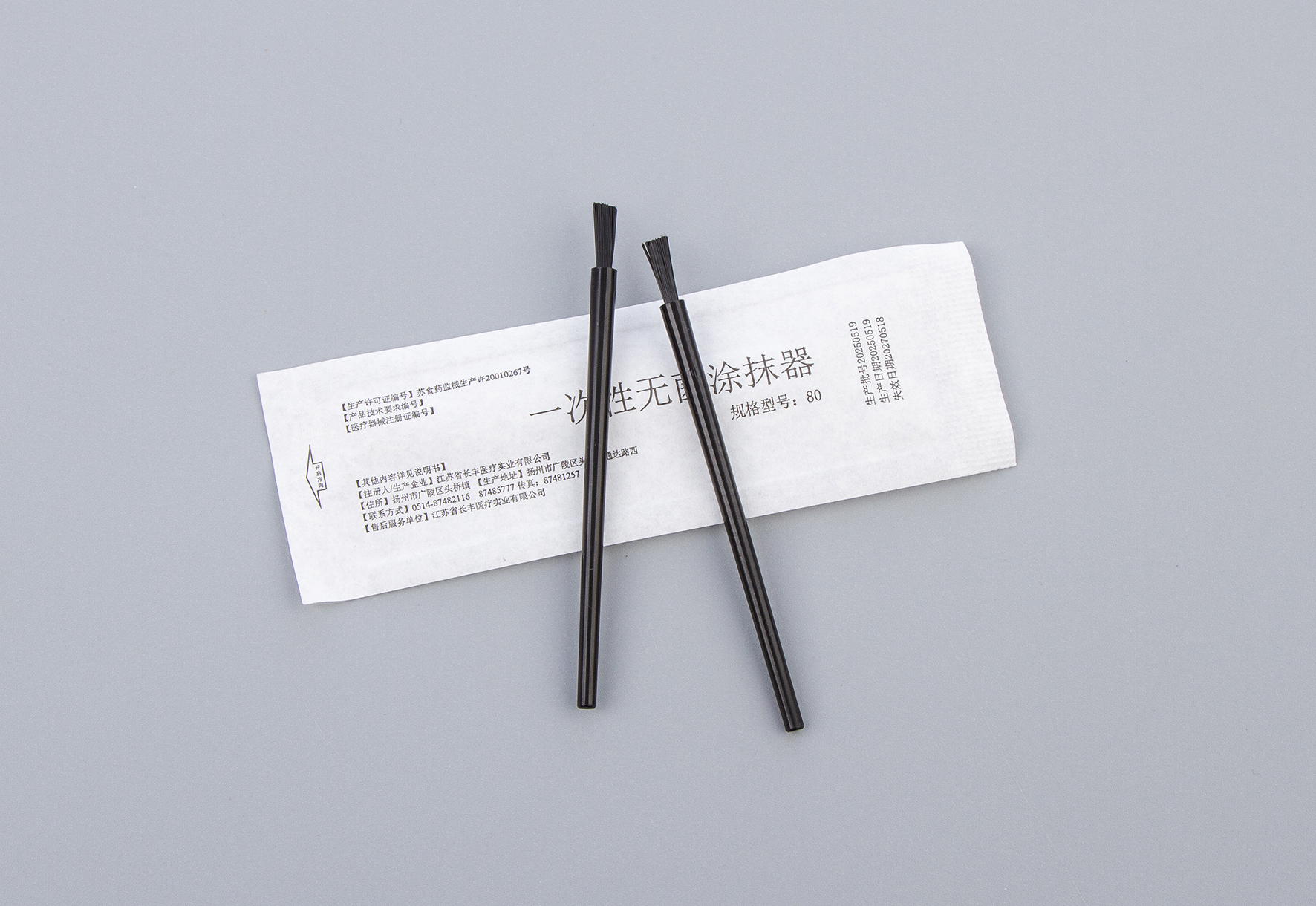
Suppliers should ask whether the customer needs sterile individually packaged swabs. If sterile status is required, packaging, lot number, expiration date, shelf life, and sterilization information should be confirmed.
Ask About Tube or Kit Compatibility
If the customer is assembling diagnostic kits or collection kits, the swab should be tested with the actual tube, cap, medium, pouch, box, and instruction sheet.
Discuss Packaging and Private Label Needs
Some customers require standard packaging, while others need private label pouches, boxes, labels, barcodes, instruction sheets, or carton marks. Packaging requirements should be discussed before quotation.
Provide Samples for Confirmation
Samples help customers compare tip quality, shaft handling, packaging, tube fit, and overall presentation. For custom or bulk orders, sample approval should include both product and packaging.
Prepare a Recommendation Checklist
A useful recommendation checklist includes application, collection site, swab type, tip material, shaft design, breakpoint, dry or transport format, sterile status, packaging, tube compatibility, shelf life, private label needs, MOQ, lead time, and documents.
Common Recommendation Mistakes
One common mistake is recommending the cheapest model before understanding the workflow. Another mistake is sending too many similar options without explaining the differences.
Conclusion
To recommend the right sampling swab to customers, suppliers should ask about application, collection site, material, shaft design, sterile packaging, tube compatibility, shelf life, and private label needs. A structured recommendation process helps customers make faster purchasing decisions.
Changfeng Medical supplies sampling swabs for diagnostic, clinical, laboratory, and distribution channels, including nasal swabs, large-headed flocked swabs, polyester fiber swabs with sheath, media-coated swabs, and double-tip throat swabs. Contact us to discuss customer swab selection and bulk supply solutions.
FAQ
How can suppliers recommend the right sampling swab?
They should ask about application, collection site, material, shaft design, sterile packaging, tube compatibility, and customer workflow.
Why is collection site important?
Collection site affects tip size, shaft flexibility, length, and handling requirements.
Should customers test samples first?
Yes. Samples help confirm material, handling, packaging, tube fit, and workflow compatibility.
What should be included in a swab recommendation checklist?
The checklist should include swab type, material, shaft design, breakpoint, packaging, sterility, tube fit, shelf life, MOQ, lead time, and documents.