How to Choose Sampling Swabs for Large-Volume Orders?


Choosing sampling swabs for large-volume orders requires more planning than placing a small trial order. Buyers need to confirm specifications, sample approval, packaging consistency, shelf life, carton packing, supplier capacity, lead time, and documentation before committing to bulk procurement.
For distributors, diagnostic companies, laboratories, public health projects, and procurement teams, large-volume swab purchasing is a supply chain decision. A small detail that looks acceptable in a sample can become a major issue when multiplied across thousands or millions of pieces.
Start with a Clear Product Specification
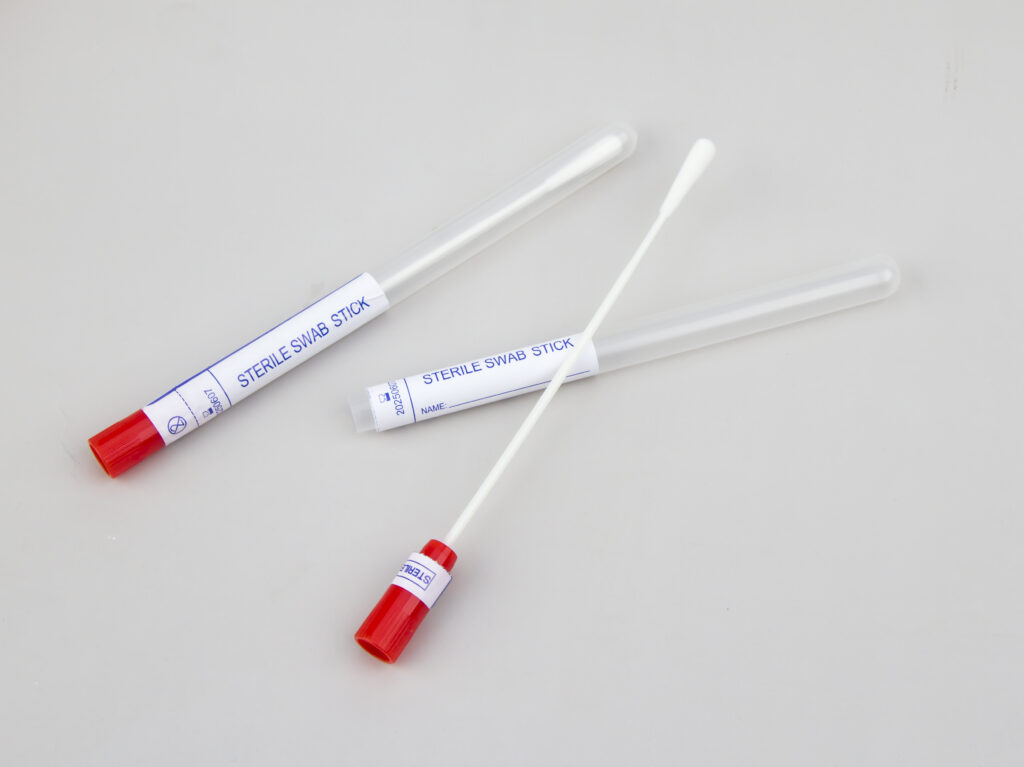
The first step is to define the swab specification clearly. Buyers should confirm swab type, tip material, tip size, shaft material, shaft length, shaft flexibility, breakpoint position, sterile status, packaging format, shelf life, and carton quantity.
A clear specification helps buyers compare quotations fairly and gives suppliers a stable production reference.
Confirm the Intended Application
Large-volume orders may be used for hospitals, laboratories, diagnostic kit assembly, distribution inventory, field sampling programs, or public health projects. Each application may require different packaging, documentation, and shelf life planning.
Buyers should avoid ordering a general swab model without confirming whether it matches the final user workflow.
Request and Approve Samples
Sample approval is important before large-volume purchasing. Buyers should check tip quality, shaft handling, breakpoint, sterile pouch, labels, tube fit, carton presentation, and overall consistency.
If private label packaging is required, both product samples and packaging samples should be approved before mass production.
Check Supplier Production Capacity
Large-volume orders require stable production capacity. Buyers should ask whether the supplier can support the required quantity, production schedule, packaging workload, and repeat order plan.
Capacity should be discussed before final quotation, especially for customized packaging, printed pouches, swab kits, or urgent delivery projects.
Review Packaging Consistency
Packaging consistency is critical in large orders. Pouch material, seal strength, printing clarity, lot number, expiration date, inner box label, carton mark, and barcode position should remain consistent across the order.
Buyers should confirm whether products will be produced in one batch or multiple batches and how packaging information will be managed.
Check Shelf Life and Lot Control
Shelf life affects inventory planning and customer acceptance. Buyers should confirm total shelf life, remaining shelf life before shipment, expiration date format, lot number printing, and storage conditions.
For large-volume orders, lot number traceability helps manage inventory, batch review, and customer feedback.
Check Carton Packing
Carton packing affects shipping cost, warehouse handling, and product protection. Buyers should confirm pieces per pouch, pieces per box, boxes per carton, carton dimensions, gross weight, net weight, carton marks, and pallet requirements if needed.
Large-volume orders should use practical packing that supports loading, storage, and distribution.
Plan Lead Time and Delivery Schedule
Large-volume orders may require longer lead time than small orders. Buyers should plan time for sample approval, artwork approval, material preparation, production, sterilization if required, packaging, inspection, and shipment.
If the order is urgent, buyers should confirm what quantity can be delivered first and whether split shipments are possible.
Check Documentation Before Production
Documentation needs should be confirmed early. Buyers may need product specifications, packing information, shelf life information, sterilization information, certificate of conformity, invoice, packing list, and other export documents.
For tenders or large projects, document requirements should be reviewed before order confirmation.
Pre-Shipment Inspection
Before shipment, buyers should inspect product quality, pouch packaging, labels, lot number, expiration date, carton marks, packing quantity, and document consistency. Pre-shipment photos or inspection reports can help catch obvious issues.
Common Mistakes
One common mistake is placing a large order before approving final packaging. Another mistake is comparing suppliers only by unit price without checking capacity, shelf life, carton packing, or documents.
Buyers should also avoid unclear specifications, because unclear requirements can lead to inconsistent production.
Buyer Checklist
Before ordering sampling swabs in large volume, buyers should check application, specification, samples, supplier capacity, sterile status, packaging, shelf life, lot number, carton packing, MOQ, lead time, private label artwork, inspection plan, and documentation.
Conclusion
To choose sampling swabs for large-volume orders, buyers should evaluate the full supply system: product specification, sample approval, packaging consistency, shelf life, lot control, carton packing, supplier capacity, lead time, and documentation.
Changfeng Medical supplies sampling swabs for diagnostic, clinical, laboratory, and distribution channels, including nasal swabs, large-headed flocked swabs, polyester fiber swabs with sheath, media-coated swabs, and double-tip throat swabs. Contact us to discuss large-volume swab orders and bulk supply solutions for your market.
FAQ
What should buyers check before large-volume swab orders?
Buyers should check specification, samples, packaging, shelf life, supplier capacity, carton packing, lead time, and documents.
Why is sample approval important?
Sample approval helps confirm product quality, packaging, labels, tube fit, and workflow compatibility before mass production.
Should buyers check supplier capacity?
Yes. Large-volume orders require stable production, packaging, inspection, and delivery capacity.
Why does carton packing matter?
Carton packing affects shipping cost, storage, warehouse handling, and product protection.