
How to Choose the Right Swab Transport System for Microbiological Testing

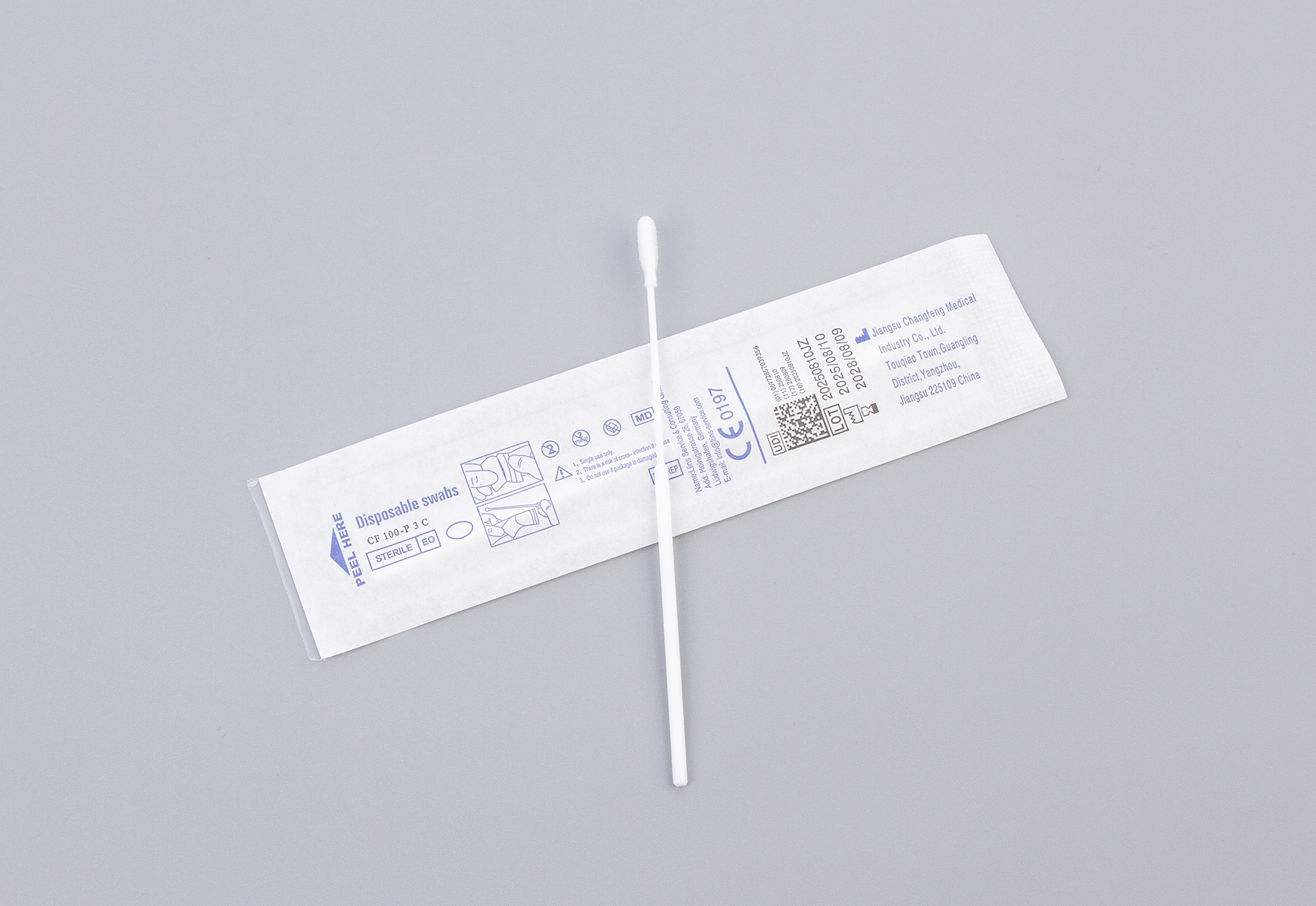
When you purchase swabs for microbiological testing, you’re not just buying a sampling tool—you’re investing in a complete transport system that preserves specimen integrity from collection to analysis. The swab head, preservation medium, tube design, and transport conditions all interact to determine whether your lab results are accurate or compromised. A mismatched system can lead to false negatives, reduced organism viability, and wasted testing resources. This guide breaks down the technical factors that separate reliable swab transport systems from inadequate ones, so you can make procurement decisions that protect diagnostic accuracy.
Understanding the Complete Swab Transport System
A swab transport system consists of four integrated components that work together to maintain specimen quality:
- Swab head material: Determines collection efficiency and release characteristics (flocked nylon, rayon, polyester, or cotton)
- Preservation medium: Maintains organism viability during transport (VTM, UTM, Amies, Stuart’s, or Cary-Blair)
- Tube design: Affects medium volume, seal integrity, and compatibility with lab automation (screw cap vs. snap cap, tube diameter, breakpoint location)
- Transport conditions: Temperature control and time limits that vary by target organism and medium type
The relationship between swab material and medium type is critical. Flocked nylon swabs release 95% of collected material into liquid medium within 60 seconds, while traditional cotton swabs may retain 30-40% of the specimen in the fiber matrix. However, cotton swabs with Amies gel medium can maintain bacterial viability for up to 48 hours at room temperature, making them suitable for settings without cold chain infrastructure.
Matching Transport Medium to Your Testing Protocol
Different preservation media are formulated for specific organism categories and molecular testing platforms. Selecting the wrong medium can inhibit PCR reactions or reduce organism recovery rates by 70% or more.
Viral Transport Medium (VTM)
VTM contains protein stabilizers (bovine serum albumin or gelatin), antibiotics to suppress bacterial growth, and antifungal agents. Standard VTM maintains viral viability for 48 hours at 2-8°C and supports both viral culture and nucleic acid amplification tests. When procuring VTM systems, verify that the medium volume (typically 2-3 mL) is sufficient for multiple test aliquots without dilution effects that reduce detection sensitivity.
Universal Transport Medium (UTM)
UTM is designed for multiplex testing that may include viruses, bacteria, and fungi from a single specimen. The medium supports molecular testing platforms without inhibiting PCR reactions. UTM systems with 1-3 mL volume work well with automated extraction systems that process 200-500 µL input volumes. Confirm that your chosen UTM has validation data for your specific testing platform—some formulations contain components that interfere with certain extraction chemistries.
Amies Transport Medium
Amies medium maintains bacterial viability without promoting growth, making it ideal for aerobic and anaerobic culture. Available in gel or liquid format, Amies systems can preserve specimens for 24-48 hours at room temperature. Gel-based Amies prevents spillage during transport but requires manual swab removal before plating, while liquid Amies supports direct vortexing for automated processing. For laboratories processing high volumes of bacterial cultures, liquid Amies with screw-cap tubes reduces contamination risk compared to snap-cap designs.
Cary-Blair Medium
Specifically formulated for enteric pathogens like Salmonella, Shigella, and Campylobacter, Cary-Blair maintains organism viability for up to 14 days at room temperature. The semi-solid consistency prevents oxygen exposure that would harm anaerobic organisms. When procuring Cary-Blair systems for stool or rectal swabs, verify that the swab shaft length (typically 145-150 mm) accommodates deep specimen collection while the breakpoint sits above the medium level after insertion.
Swab Material and Release Efficiency Impact
The swab head material directly affects how much collected specimen transfers into the preservation medium. This release efficiency determines whether sufficient organism concentration reaches the testing platform.
Flocked swabs use perpendicular nylon fibers that create a brush-like surface with no internal absorption. This structure releases 93-97% of collected material when agitated in liquid medium for 30-60 seconds. Studies comparing flocked swabs to traditional wound swabs show 2-3 log increases in organism recovery for both bacteria and viruses.
Rayon and polyester swabs with wound fiber construction retain 25-35% of specimens in the fiber matrix, even with vigorous vortexing. However, these materials cost 40-60% less than flocked swabs and provide adequate performance when testing high-concentration specimens or when culture sensitivity (rather than molecular detection) is the endpoint.
Cotton swabs absorb specimen into the fiber core, making them unsuitable for liquid-based transport systems. The cellulose structure also contains fatty acids that inhibit PCR amplification. Cotton swabs should only be specified for Amies gel medium systems where the swab remains in the medium until lab processing, or for culture-only applications where cost constraints outweigh sensitivity requirements.
Tube Design Features That Affect Lab Workflow
Beyond the obvious function of containing the medium, tube design impacts automation compatibility, contamination risk, and specimen tracking throughout your workflow.
Cap Design and Seal Integrity
Screw-cap tubes provide superior leak resistance during transport and support centrifugation at speeds up to 3,000 × g without risk of opening. Snap-cap designs reduce sample processing time by 3-5 seconds per specimen but have higher failure rates when subjected to temperature cycling or rough handling. For high-volume labs using automated uncapping systems, confirm that your tube format matches the instrument specifications—many automation platforms require specific cap styles and torque resistance values.
Tube Diameter and Medium Volume
Standard 12 × 75 mm tubes fit most lab rack systems and centrifuges, while 13 × 100 mm or 16 × 100 mm tubes accommodate longer swabs or higher medium volumes. When selecting tube size, consider the minimum medium volume needed for your testing protocol plus a safety margin. Molecular testing platforms typically require 200-500 µL input, but you need sufficient volume for repeat testing, reflex testing, or send-out specimens. A 2 mL fill volume provides 3-4 test aliquots with adequate remaining volume.
Breakpoint Location and Shaft Strength
The swab breakpoint must sit 2-3 mm above the medium level after the swab is fully inserted, preventing the cap from contacting the specimen. Breakpoints positioned too high waste space and make tubes incompatible with standard racks, while breakpoints too low force the cap to compress the swab shaft, potentially causing leaks. Medical-grade polystyrene shafts with molded breakpoints require 1.5-2.5 kg force to snap cleanly without splintering, ensuring safe handling by collection staff.
Temperature Control and Stability Requirements
Transport conditions between collection and lab receipt significantly impact organism viability and nucleic acid stability. Your swab system specification should account for realistic transport scenarios in your distribution network.
Viral specimens in VTM maintain stability for 48-72 hours at 2-8°C, but room temperature transport (20-25°C) reduces this window to 24-48 hours depending on viral type. Enveloped viruses like influenza and SARS-CoV-2 show 1-log reduction in titer after 48 hours at room temperature, while non-enveloped viruses like adenovirus remain stable for 72 hours. If your specimen transport exceeds 24 hours without cold chain, specify VTM formulations with enhanced protein stabilizers that extend room temperature stability.
Bacterial specimens in Amies medium tolerate room temperature transport for 24-48 hours, making them suitable for remote collection sites or mobile testing operations. However, fastidious organisms like Neisseria gonorrhoeae and Streptococcus pneumoniae lose viability faster—specify these specimens for processing within 24 hours or use specialized media like modified Stuart’s transport medium.
For molecular testing, nucleic acid stability is more critical than organism viability. Many UTM formulations contain guanidinium salts or other chaotropic agents that lyse cells immediately upon contact, releasing nucleic acids into a stabilizing solution. These systems maintain RNA and DNA integrity for 7-14 days at room temperature and up to 30 days refrigerated, making them ideal for centralized testing operations that batch specimens.
Automation Compatibility and Barcode Integration
High-throughput laboratories require swab transport systems that integrate seamlessly with automated specimen processors, extractors, and analyzers. Procurement specifications should verify compatibility with your existing or planned automation platforms.
Tube dimensions must match your automation track systems—most platforms accept 12 × 75 mm or 13 × 100 mm tubes with specific cap heights. The tube material needs sufficient rigidity to prevent crushing in gripper mechanisms while maintaining transparency for optical level detection. Verify that the preservation medium does not foam excessively during automated mixing, as foam can trigger liquid level detection errors that stall workflows.
Barcode placement on tubes must align with scanner windows in your automation system. Pre-barcoded tubes reduce transcription errors but require integration with your laboratory information system (LIS). When evaluating suppliers, confirm that barcode formats match your LIS requirements—most systems use Code 128 or 2D Data Matrix formats with specimen ID and collection metadata encoded.
Quality Standards and Regulatory Requirements
Medical device regulations governing swab transport systems vary by market but share common requirements for manufacturing controls, performance validation, and sterility assurance.
FDA-cleared swab systems must meet 21 CFR 880.5420 requirements for collection devices, including biocompatibility testing per ISO 10993 standards. Systems intended for viral detection typically hold Class II 510(k) clearance with performance data demonstrating organism recovery rates and compatibility with specified testing platforms. When procuring for U.S. markets, verify that the manufacturer maintains FDA establishment registration and follows Quality System Regulation (QSR) requirements under 21 CFR 820.
European markets require CE marking under the In Vitro Diagnostic Medical Devices Regulation (IVDR 2017/746), which took full effect in May 2022. IVDR classification depends on intended use—swabs for general microbiology are Class A (lowest risk), while swabs validated for specific high-risk pathogens may be Class B or C with more stringent conformity assessment requirements. Confirm that your supplier has updated CE certificates under IVDR, as older In Vitro Diagnostic Directive (IVDD) certificates are no longer valid.
ISO 13485 certification demonstrates that the manufacturer operates a quality management system specific to medical devices. While not regulatory clearance, ISO 13485 certification indicates consistent manufacturing processes and traceability systems that reduce lot-to-lot variation.
Cost Analysis: System Components vs. Total Testing Cost
Swab transport system costs range from $0.12-0.85 per unit depending on materials, medium type, and packaging format. However, unit price should be weighed against total testing costs and failure rates.
A flocked swab with VTM at $0.65 per unit costs 3-4× more than a basic cotton swab with Amies gel at $0.18, but the flocked system reduces false-negative rates by 15-25% in molecular testing due to superior specimen release. For a laboratory running 500 tests per day, the additional cost of $235 per day ($85,775 annually) may be justified if it prevents even 10 false negatives per month that would require repeat testing, contact tracing, or delayed treatment.
Bulk packaging (500-1000 units per case) reduces per-unit costs by 15-25% compared to individual peel pouches but requires adequate storage space and inventory management. Calculate your typical usage rate and storage capacity to determine optimal order quantities—overstocking increases capital costs and risks expiration, while frequent small orders increase administrative burden and freight costs.
Consider total cost of ownership including freight, storage, training on new systems, and potential automation integration costs. Switching to a lower-cost system that requires manual processing steps may increase labor costs by more than the savings on consumables.
Supplier Evaluation and Quality Assurance
When qualifying swab transport system suppliers, assess both product quality and business reliability to ensure consistent supply and performance.
Manufacturing Capability and Capacity
Request information on production capacity, lead times, and surge capacity. Suppliers with dedicated swab production lines and multiple medium compounding sites can respond to demand spikes more reliably than those outsourcing manufacturing. During the COVID-19 pandemic, many healthcare organizations experienced 8-16 week delays for swab transport systems when suppliers lacked capacity to scale production.
Quality Documentation and Lot Traceability
Each lot should include certificates of analysis (CoA) documenting sterility testing, pH verification for media, and functional testing of swab release efficiency. Traceability documentation should allow correlation between lot numbers and raw material batches, enabling rapid identification of quality issues. Suppliers following ISO 13485 processes typically provide CoA data automatically, while smaller manufacturers may require this as a contract term.
Validation Support and Technical Resources
Suppliers should provide validation protocols and performance data for your specific testing platforms. This includes organism recovery studies, inhibition testing for molecular assays, and stability data under your transport conditions. Technical support staff with laboratory backgrounds can assist with troubleshooting performance issues or protocol optimization, reducing the burden on your quality assurance team.
Frequently Asked Questions
What is the difference between VTM and UTM, and which should I specify for respiratory virus testing?
VTM (Viral Transport Medium) is formulated specifically to maintain viral viability with protein stabilizers, antibiotics, and antifungal agents. UTM (Universal Transport Medium) supports viruses, bacteria, and fungi in a single formulation, making it suitable for syndromic testing panels. For dedicated respiratory virus testing by PCR or viral culture, VTM provides optimal performance at lower cost. Choose UTM when you need flexibility to test for bacterial co-infections like Streptococcus pneumoniae or Bordetella pertussis from the same specimen without recollecting. Both support molecular testing, but verify that your specific UTM formulation has been validated with your PCR platform—some contain components that inhibit certain extraction chemistries.
How long can specimens remain in swab transport medium before processing?
Stability depends on organism type, medium formulation, and storage temperature. Viral specimens in VTM remain viable for 48-72 hours at 2-8°C but only 24-48 hours at room temperature. Bacterial specimens in Amies medium maintain viability for 24-48 hours at room temperature and up to 72 hours refrigerated. For molecular testing only (not culture), UTM with lysis agents can stabilize nucleic acids for 7-14 days at room temperature and 30+ days refrigerated. Always establish maximum transport times based on validation data for your specific testing protocol and transport conditions. When actual transport times exceed stability windows, consider alternative sample types or shipping methods with temperature control.
Can I use the same swab transport system for both PCR testing and bacterial culture?
Some systems support both applications, but many do not. UTM formulations containing guanidinium salts or other chaotropic agents lyse cells immediately, making them unsuitable for bacterial culture even though they excel at molecular testing. Amies medium maintains organism viability for culture but may not provide optimal nucleic acid stability for long-term storage before PCR. If you need dual capability, specify liquid Amies medium paired with flocked swabs—this combination supports culture and provides acceptable PCR performance for same-day or next-day testing. For specimens requiring longer storage before molecular testing, collect two swabs: one in Amies for culture and one in UTM for PCR. The marginal cost of dual collection ($0.40-0.80 per specimen) is typically lower than the cost of failed testing or specimen recollection.
Why do flocked swabs cost so much more than traditional swabs, and are they worth the premium?
Flocked swabs use electrostatic fiber application technology that deposits short nylon fibers perpendicular to the applicator shaft, creating a brush-like structure. This manufacturing process requires specialized equipment and quality controls that increase unit costs by $0.30-0.50 compared to traditional wound swabs. The cost is justified when specimen collection efficiency directly impacts diagnostic accuracy—molecular testing for respiratory viruses, sexually transmitted infections, and wound pathogens all show significantly higher detection rates with flocked swabs (15-25% reduction in false negatives). For high-volume bacterial culture where organism concentrations are typically high, traditional rayon or polyester swabs provide adequate performance at lower cost. Evaluate the premium based on the clinical consequences of false-negative results and the cost of repeat testing in your specific application.
What tube cap type should I specify for automated laboratory workflows?
Screw-cap tubes with external threads provide the best combination of seal integrity, automation compatibility, and standardization across platforms. Most automated uncapping systems are designed for screw-cap tubes with standardized torque requirements (0.5-1.5 N⋅m). Snap-cap tubes reduce manual handling time but many automation systems cannot process them reliably. If your laboratory uses manual workflows, snap-cap tubes with audible closure confirmation are acceptable for ambient temperature transport under 24 hours. For any scenario involving refrigerated transport, cold chain monitoring, or multi-day delays, screw-cap tubes are mandatory to prevent leakage and contamination. Confirm that your chosen tube supplier provides dimensional specifications and torque testing data that match your automation platform requirements.
How do I validate a new swab transport system before switching from our current supplier?
Implement a phased validation approach that tests both analytical performance and operational compatibility. First, conduct side-by-side testing with your current system using 30-50 clinical specimens across your typical organism mix. Test both culture recovery (colony counts on agar plates) and molecular detection (Ct values or target detection rates). Second, evaluate operational factors: does the new system fit your racks and automation? Does the cap torque match your uncapping equipment? Can staff easily break the swab at the designated point? Third, perform stability testing by holding specimens at your typical transport conditions (temperature and time) and comparing results to immediate processing. Document any performance differences greater than 10% and determine if they affect clinical decision-making. Finally, conduct a limited field trial with 3-5 collection sites for 2-4 weeks to identify practical issues before committing to large-volume orders. Maintain documentation of all validation activities for regulatory compliance and quality system requirements.
What are the most common causes of specimen rejection in swab transport systems?
The five most frequent rejection causes are: (1) Leaking tubes due to improper cap closure or damaged threads—screw-cap tubes must be tightened to proper torque (typically 0.8-1.2 N⋅m) but not over-tightened, which can crack the tube. (2) Insufficient specimen volume resulting from inadequate swabbing technique or failure to express specimen into medium—train collection staff to rotate the swab vigorously in medium for 15-30 seconds and squeeze the tube walls to ensure maximum release. (3) Unlabeled or mislabeled specimens—implement barcode systems and verification protocols at the point of collection. (4) Specimens held beyond stability limits—clearly communicate maximum transport times to collection sites and implement tracking systems for specimens approaching time limits. (5) Contaminated specimens from non-sterile collection or cap contamination—ensure collection staff avoid touching the swab tip or tube rim, and use individual peel-pouch packaging that maintains sterility until use. Each rejection wastes $15-45 in material and labor costs and may require patient recollection, making prevention protocols a worthwhile investment.
Should I specify individual packaging or bulk packaging for swab transport systems?
Choose based on your collection environment and volume. Individual peel-pouch packaging maintains sterility until the moment of use and prevents cross-contamination in multi-patient environments. Each pouch adds $0.08-0.15 to unit cost but eliminates the risk of handling contamination and simplifies inventory management at point-of-care locations. Peel pouches also extend shelf life by protecting against humidity and environmental contamination. Bulk packaging (tubes in trays with a common overwrap) reduces costs by 15-25% and works well for high-volume centralized collection facilities with controlled environments and trained staff. However, once opened, bulk packages have limited resealing capability, and unused units may need to be discarded within 30-60 days depending on environmental controls. For mobile collection, home healthcare, or low-volume sites, individual packaging provides better cost-per-usable-unit economics despite higher initial pricing. Calculate total cost including waste from expired bulk packages when comparing options.
Making the Right Choice for Your Laboratory
Selecting a swab transport system requires balancing analytical performance, operational workflow, regulatory requirements, and cost constraints specific to your laboratory environment. Start by defining your testing protocols and target organisms, then work backward to specify compatible medium types and swab materials. Evaluate tube designs against your automation platforms and specimen tracking systems. Factor in realistic transport conditions including temperature control and time delays in your distribution network.
Engage with suppliers who provide comprehensive validation data, technical support, and quality documentation rather than selecting solely on unit price. A well-matched swab transport system reduces false negatives, minimizes specimen rejections, and integrates seamlessly into laboratory workflows—benefits that far exceed the incremental cost differences between options. Implement rigorous validation protocols before committing to large-volume orders, and maintain quality monitoring systems that detect lot-to-lot variations or performance drift over time.
The swab transport system is the critical link between specimen collection and accurate diagnosis. Choosing the right system protects the integrity of every sample that enters your laboratory and ensures that testing resources produce reliable results that support clinical decision-making.