How to Choose Swab Suppliers for Long-Term Cooperation?


Choosing swab suppliers for long-term cooperation requires more than finding a low price. Buyers should evaluate product consistency, sample support, packaging quality, shelf life control, MOQ, lead time, communication speed, private label capability, documentation, and repeat order stability.
For medical distributors, laboratories, diagnostic companies, and procurement teams, a reliable supplier can reduce repeated sample testing, shipment delays, packaging complaints, and customer uncertainty.
Start with Product Range
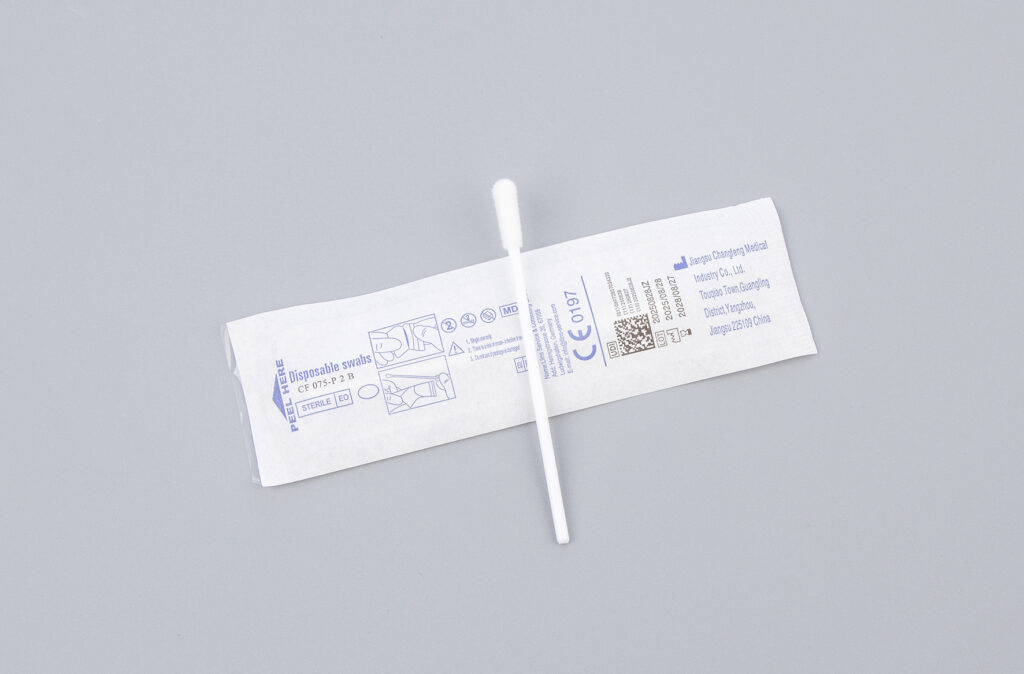
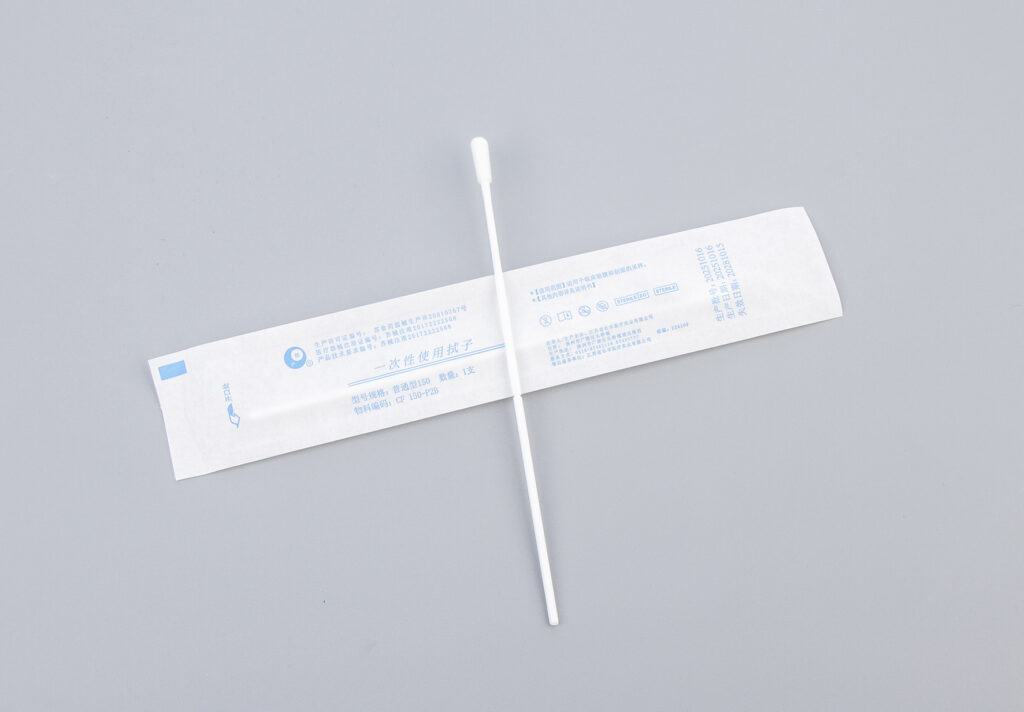
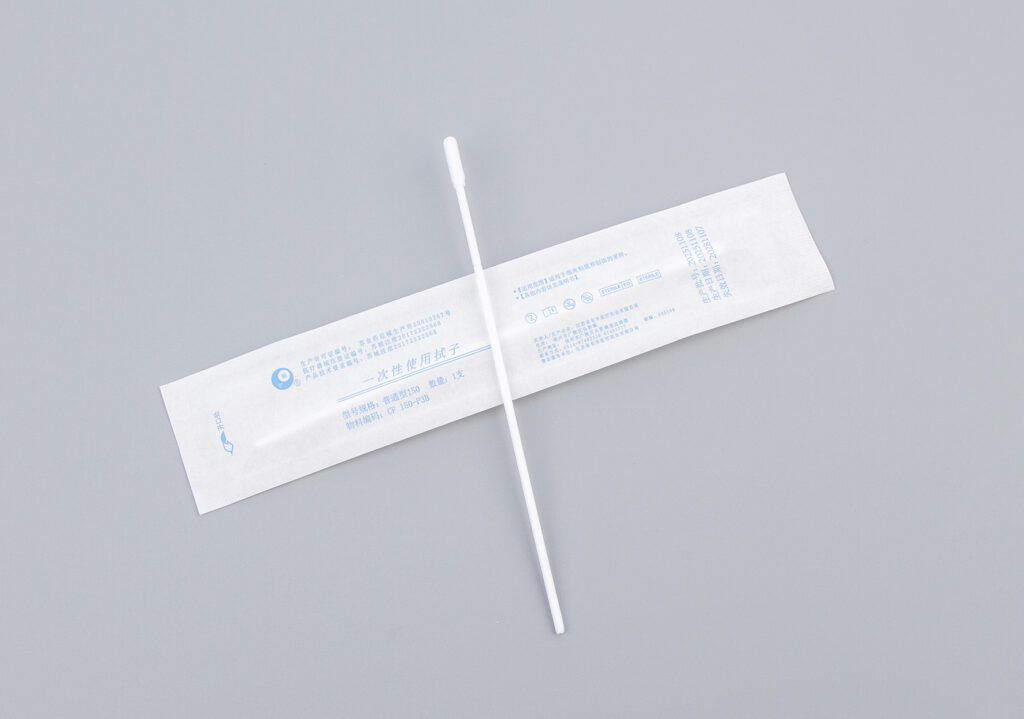
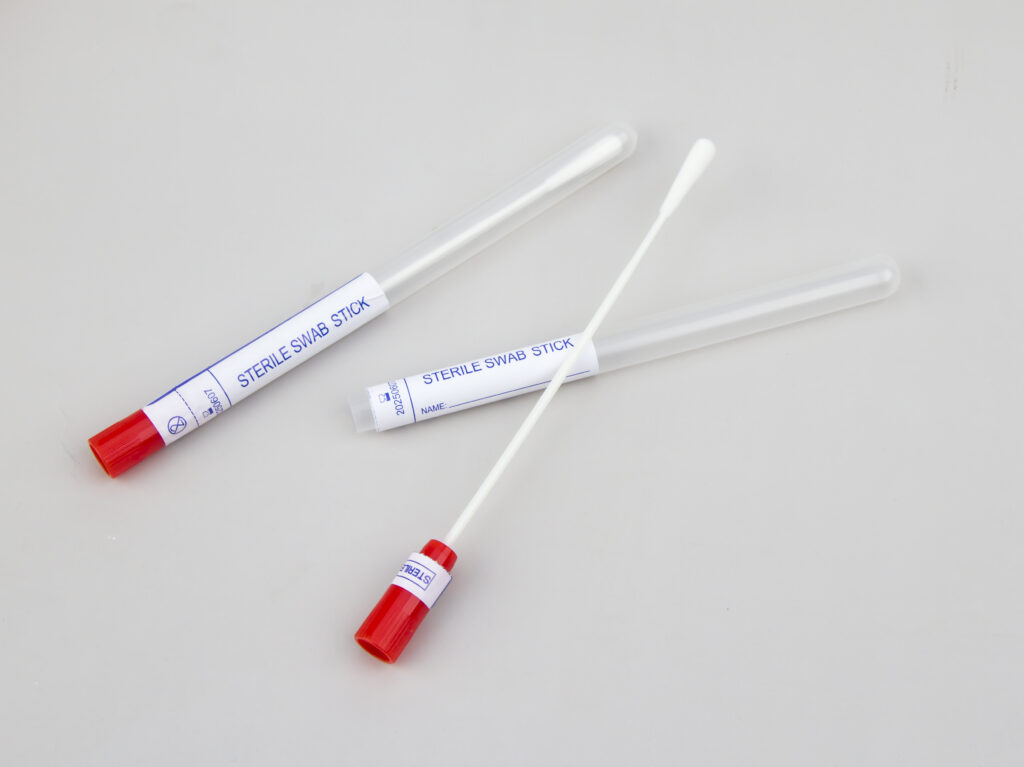
A long-term swab supplier should offer products that match the buyer’s market, such as nasal swabs, throat swabs, flocked swabs, polyester swabs, sterile dry swabs, transport swabs, media-coated swabs, and swabs with sheath.
The product range should be practical, not only broad. Buyers need stable models that can support repeat orders.
Check Specification Clarity
A reliable supplier should provide clear specifications, including tip material, tip size, shaft material, shaft length, flexibility, breakpoint, sterile status, packaging format, shelf life, storage conditions, and carton packing.
Clear specifications help buyers compare quotations and avoid confusion between similar swab models.
Check Sample Support
Samples are important for first orders, customer approval, private label projects, and new product development. Buyers should evaluate whether the supplier can provide samples that match bulk production.
Sample approval should include swab quality, packaging, labels, tube fit, and carton presentation when relevant.
Check Quality Consistency
Long-term cooperation depends on stable quality. Buyers should check whether repeated orders keep the same tip material, shaft design, pouch quality, label format, carton quantity, and shelf life level.
Unexpected changes can affect distributor sales and customer acceptance.
Check Packaging Capability
Packaging capability is important for B2B buyers. Suppliers should support suitable pouch packaging, inner boxes, outer cartons, labels, barcodes, private label artwork, and carton marks when required.
Check Shelf Life Control
Shelf life affects inventory planning and customer acceptance. Buyers should confirm total shelf life, remaining shelf life before shipment, expiration date format, storage conditions, and lot number traceability.
Check MOQ and Lead Time
MOQ and lead time should match the buyer’s sales plan. A supplier with very high MOQ may create inventory pressure, while unstable lead time may affect customer delivery.
Buyers should confirm sample time, production time, packing time, and shipping schedule before placing orders.
Check Communication Quality
Good communication helps solve specification questions, artwork approval, sample changes, document requests, and shipment planning. Slow or unclear communication can become costly in long-term cooperation.
Check Private Label Support
Private label buyers should check whether the supplier can support printed pouches, labels, inner boxes, instruction sheets, barcodes, and carton marks. Artwork approval and printed sample confirmation should be part of the workflow.
Check Documentation
Depending on the market, buyers may need specifications, packing information, sterilization information, shelf life information, certificates, invoice, packing list, and other export documents. Document capability should be discussed before bulk orders.
Check After-Sales Support
A long-term supplier should respond to product questions, packaging complaints, shipment issues, and repeat order requests. After-sales support is especially important for distributors and diagnostic kit companies.
What Buyers Should Check Before Cooperation
Before choosing a swab supplier, buyers should check product range, specification clarity, sample support, quality consistency, packaging capability, sterile options, shelf life, MOQ, lead time, private label support, documents, communication quality, and repeat order stability.
Common Mistakes
One common mistake is choosing suppliers only by the lowest quotation. Another mistake is ignoring packaging, shelf life, and communication speed until after an order problem occurs.
Buyers should also avoid long-term cooperation without approved samples and written specifications.
Conclusion
To choose swab suppliers for long-term cooperation, buyers should evaluate product quality, stable specifications, packaging support, shelf life control, sample service, MOQ, lead time, documents, and communication. A good supplier helps buyers build repeatable and reliable supply.
Changfeng Medical supplies sampling swabs for diagnostic, clinical, laboratory, and distribution channels, including nasal swabs, large-headed flocked swabs, polyester fiber swabs with sheath, media-coated swabs, and double-tip throat swabs. Contact us to discuss long-term swab supply cooperation for your market.
FAQ
What makes a good long-term swab supplier?
A good supplier provides stable specifications, consistent quality, sample support, reliable packaging, shelf life control, documents, and clear communication.
Should buyers choose the lowest-price supplier?
Not always. Buyers should compare product specification, packaging, shelf life, service, documents, and repeat order stability.
Why is sample support important?
Samples help buyers confirm product quality, packaging, labels, tube fit, and customer workflow before bulk orders.
What should buyers check before long-term cooperation?
Buyers should check product range, specification clarity, sample service, quality consistency, packaging, MOQ, lead time, documents, and communication quality.