How to Prepare a Sampling Swab Purchase Requirement List?

A sampling swab purchase requirement list helps buyers communicate clearly with suppliers before quotation, sampling, and bulk production. It should include the intended use, swab type, tip material, shaft design, sterile status, packaging, labels, shelf life, carton packing, MOQ, lead time, and documentation needs.
For medical distributors, laboratories, diagnostic companies, and procurement teams, a clear requirement list can reduce quotation confusion and make supplier comparison much easier.
What Is a Sampling Swab Purchase Requirement List?
A purchase requirement list is a written summary of what the buyer needs from the supplier. It may be sent before requesting a quotation or used internally to approve samples and compare offers.
The list should be specific enough to avoid misunderstandings, but flexible enough to allow the supplier to recommend suitable options.
Start with Intended Use
The first item should be intended use. Buyers should explain whether the swab is for nasal collection, throat collection, diagnostic kits, laboratory sampling, field sampling, hospital procurement, training, or distribution inventory.
The intended use affects almost every other product detail.
Confirm Swab Type
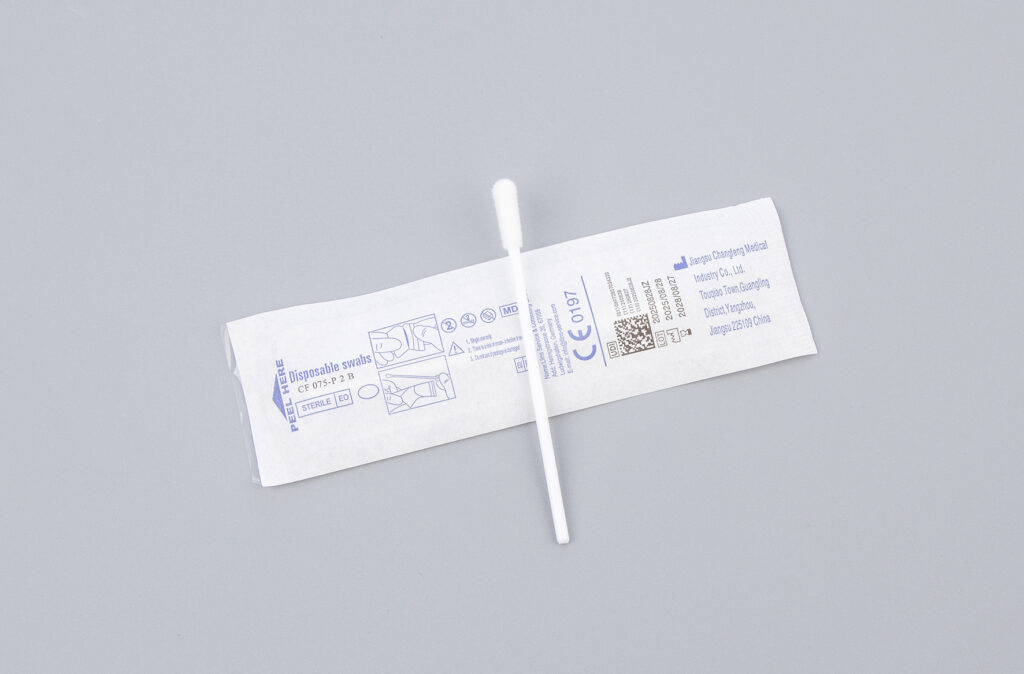
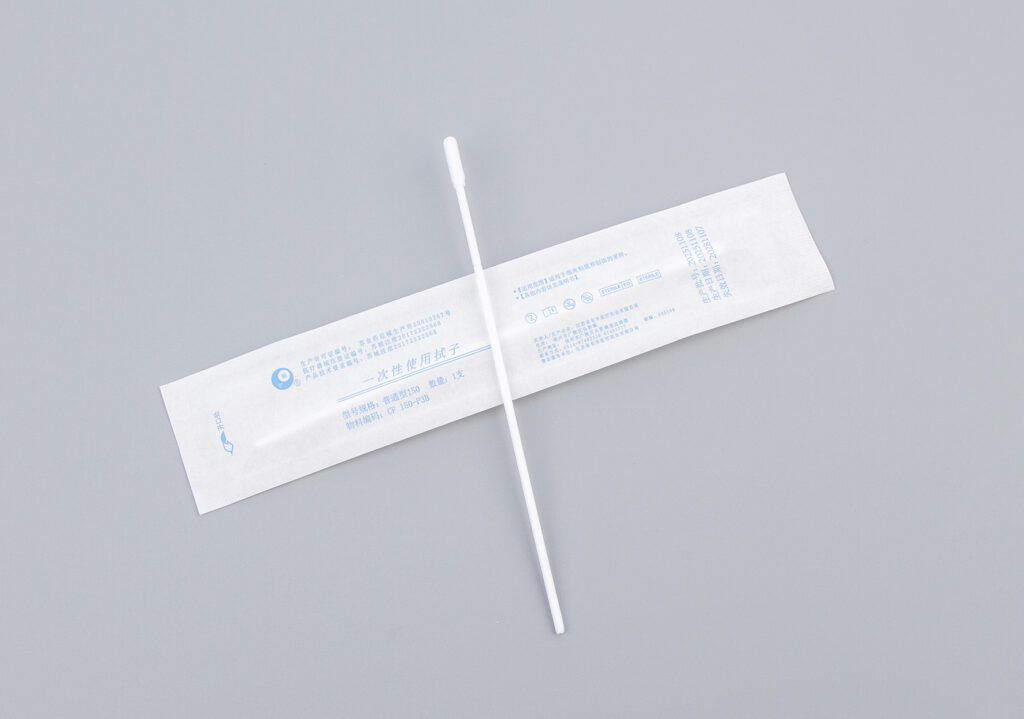
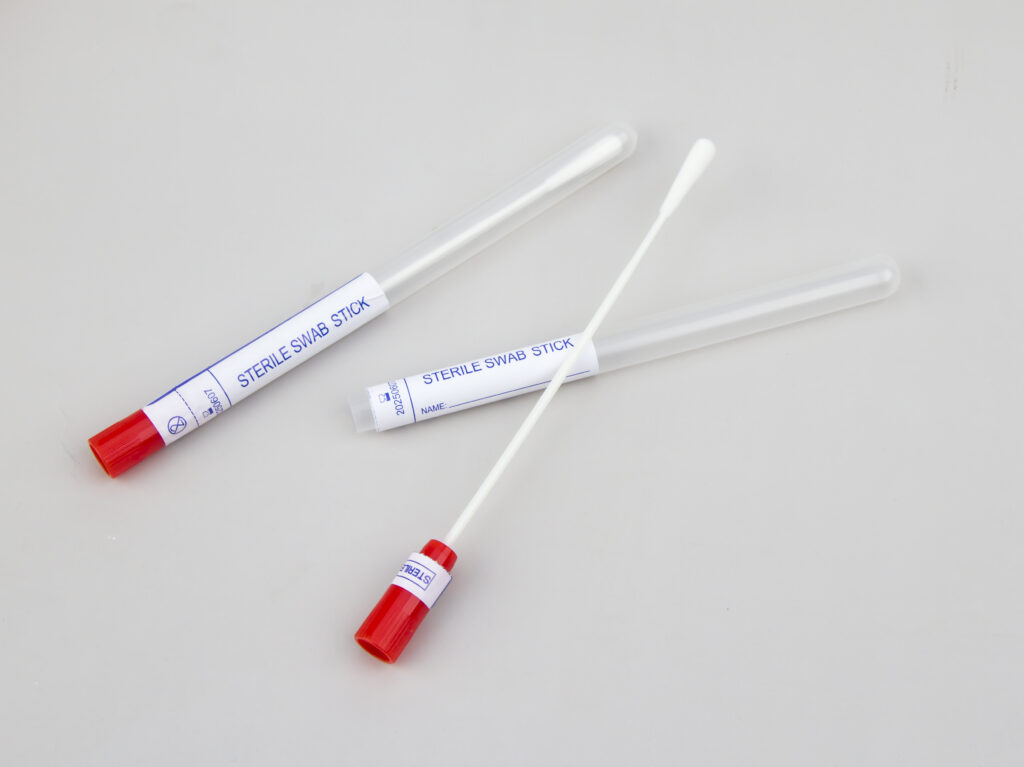
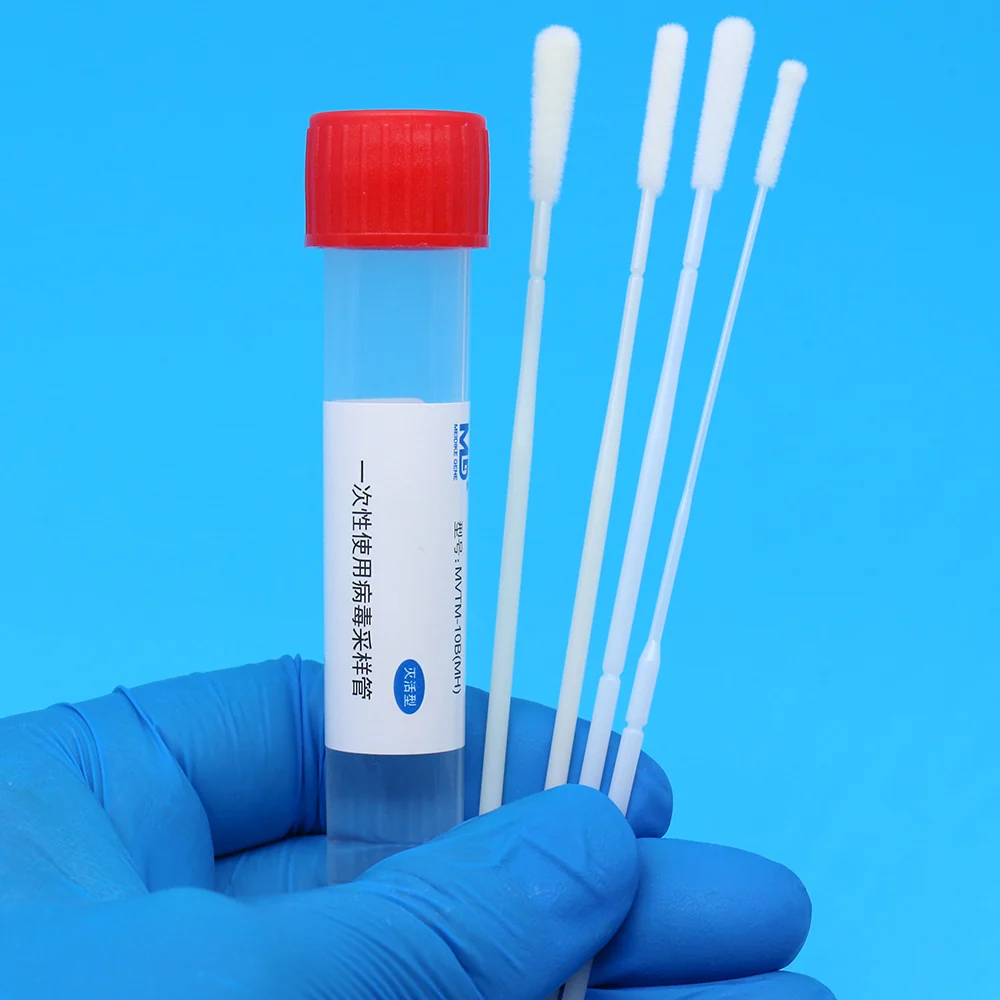
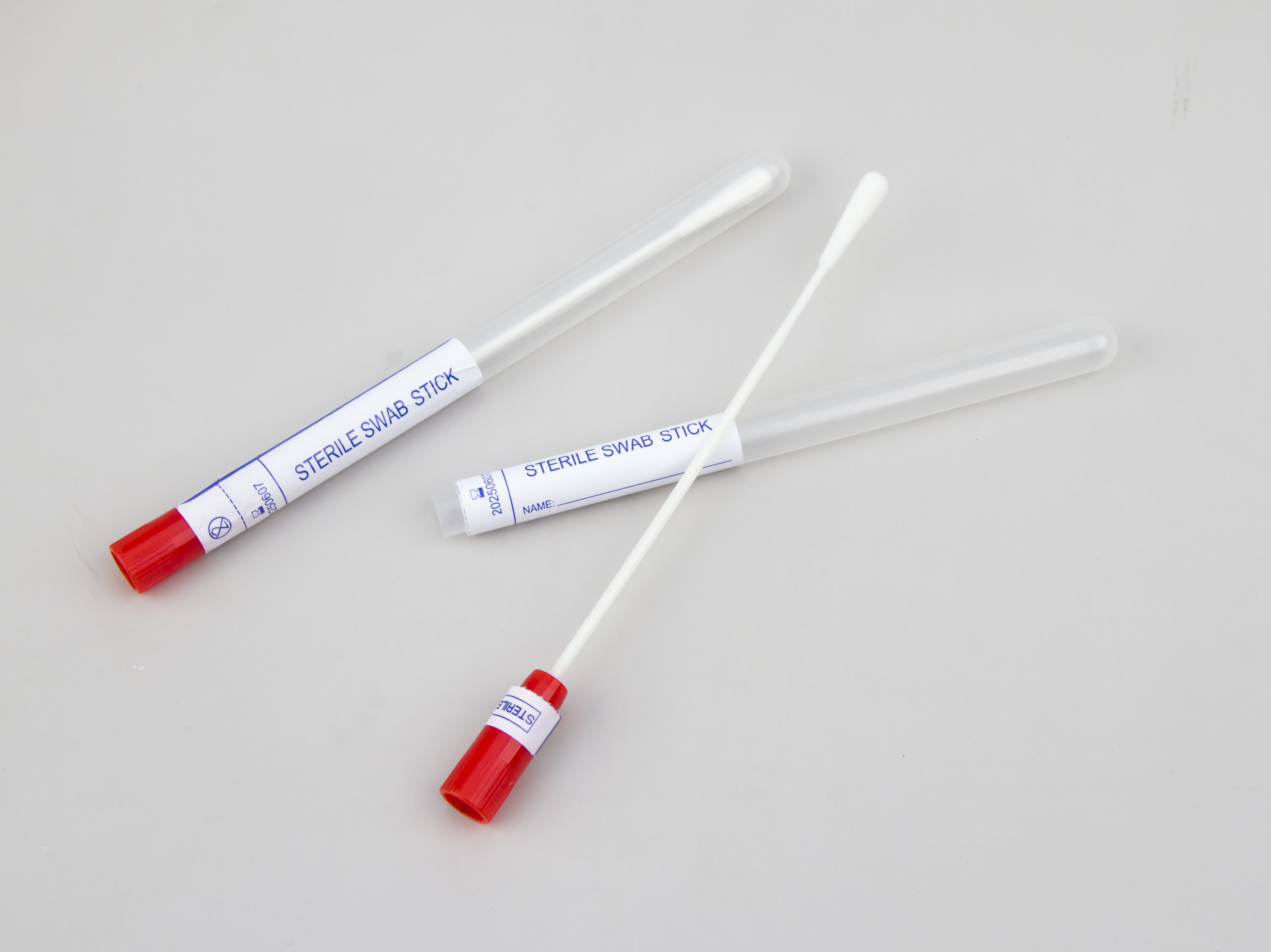
Buyers should specify whether they need nasal swabs, nasopharyngeal swabs, throat swabs, double-tip throat swabs, flocked swabs, polyester swabs, swabs with sheath, dry swabs, transport swabs, or swab kits.
If the buyer is unsure, they can describe the workflow and ask the supplier to recommend suitable models.
List Tip Material Requirements
Tip material may include nylon flocked fiber, polyester fiber, foam, rayon, cotton, or other options. Buyers should state whether a specific material is required or whether alternatives can be considered.
For diagnostic workflows, material compatibility should be confirmed with the test method or customer protocol.
List Shaft Requirements
Shaft requirements may include material, total length, diameter, flexibility, and breakpoint position. If the swab will be used with a tube, the tube length and cap space should also be included.
The shaft should match the collection site, user handling, and kit format.
Clarify Sterile Status
Buyers should state whether they need sterile or non-sterile swabs. If sterile swabs are needed, the requirement list should include sterile packaging, shelf life, lot number, expiration date, and available sterilization information.
Describe Packaging Requirements
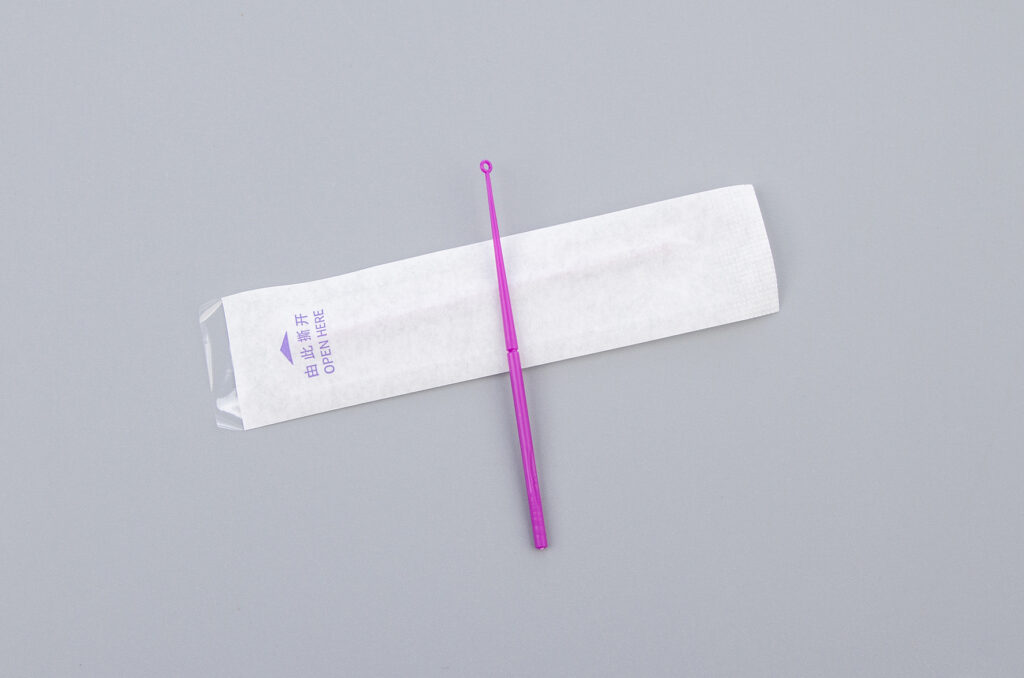
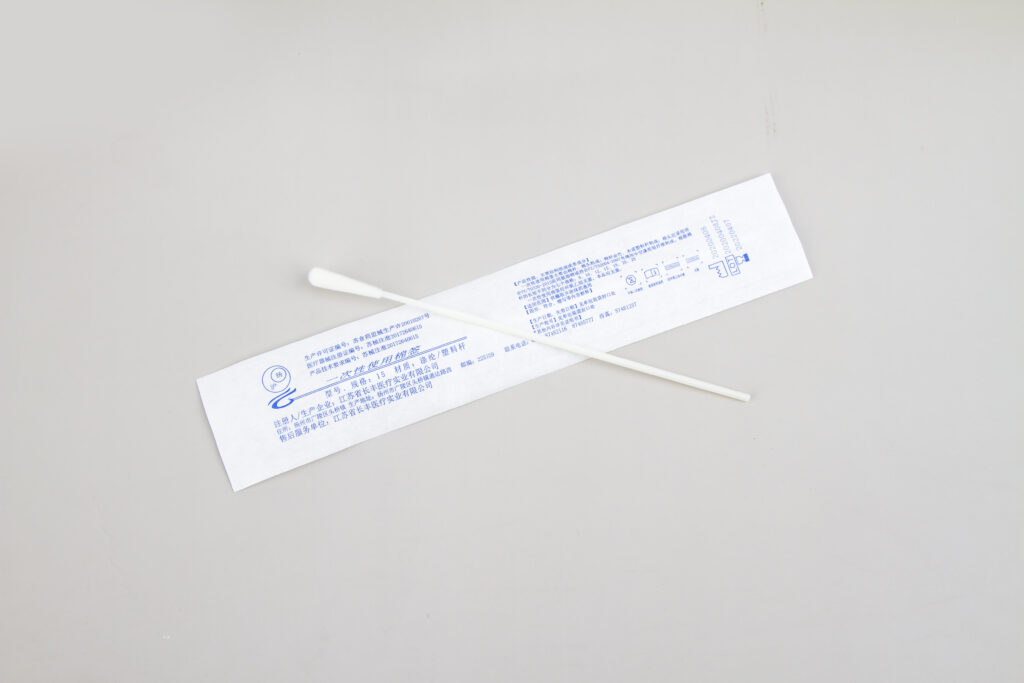
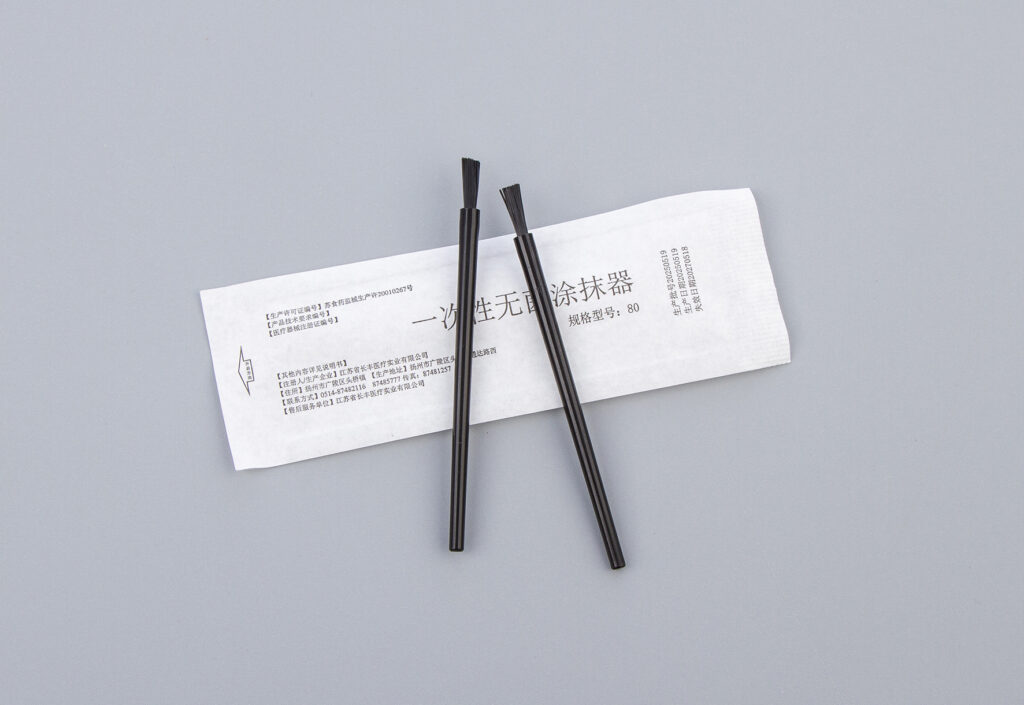
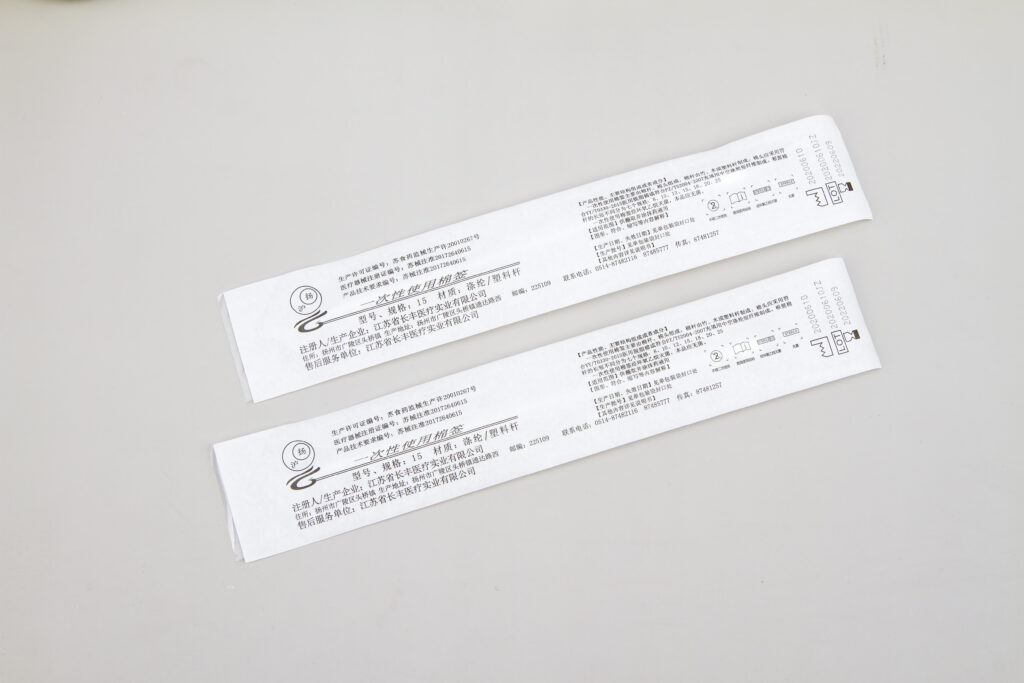
Packaging requirements may include individual pouch, bulk pack, swab with sheath, tube pack, kit pack, inner box quantity, outer carton quantity, labels, barcodes, and private label artwork.
Packaging should match the customer’s market, warehouse, and distribution needs.
Include Tube or Medium Requirements
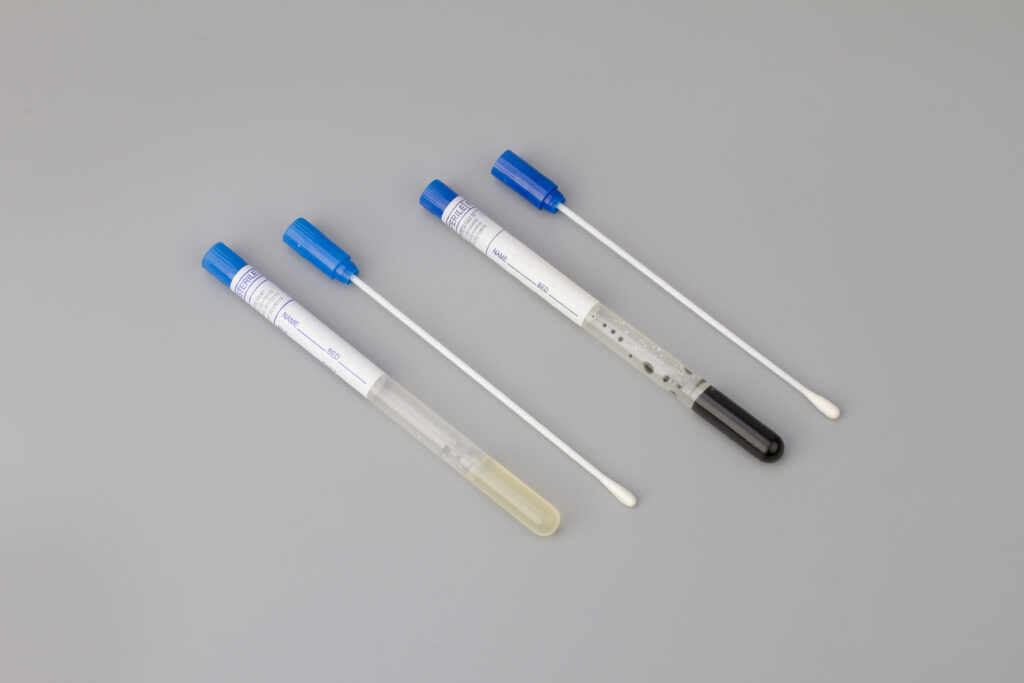
If the swab is used with a tube, transport medium, extraction buffer, or collection kit, buyers should include tube size, medium type, medium volume, cap design, label needs, and storage conditions.
Swab, tube, cap, medium, and packaging should be evaluated as one system.
State Shelf Life and Storage Needs
Shelf life requirements should be listed clearly, especially for distributors, tenders, hospital procurement, and long shipping routes. Buyers should ask for total shelf life and remaining shelf life before shipment.
Add Quantity, MOQ, and Lead Time
The list should include target order quantity, acceptable MOQ, requested delivery schedule, sample needs, and whether the order is standard packaging or private label packaging.
This helps suppliers quote accurately and avoid later changes.
List Documentation Requirements
Depending on the market, buyers may need specification sheets, packing information, sterilization information, shelf life information, certificate of conformity, invoice, packing list, or other export documents.
Document needs should be confirmed before the order is finalized.
Sample Approval Requirements
Buyers should state whether they need product samples, packaging samples, tube samples, artwork proofs, or pre-production samples. Sample approval should include both product and packaging details.
Common Mistakes
One common mistake is sending only a product name, such as medical swab or sterile swab, without detailed requirements. Another mistake is requesting price before confirming material, packaging, and sterile status.
Buyers should also avoid approving a quotation if the supplier specification is unclear.
Conclusion
A sampling swab purchase requirement list helps buyers get accurate quotations, compare suppliers fairly, approve samples efficiently, and reduce bulk order risks. It should cover intended use, swab type, material, shaft, sterility, packaging, shelf life, quantity, lead time, and documentation.
Changfeng Medical supplies sampling swabs for diagnostic, clinical, laboratory, and distribution channels, including nasal swabs, large-headed flocked swabs, polyester fiber swabs with sheath, media-coated swabs, and double-tip throat swabs. Contact us to discuss sampling swab requirements and bulk supply solutions for your market.
FAQ
What should be included in a sampling swab purchase requirement list?
It should include intended use, swab type, material, shaft design, sterility, packaging, shelf life, quantity, lead time, and documents.
Why is a requirement list useful?
It helps suppliers quote accurately and helps buyers compare products fairly.
Should buyers include packaging details?
Yes. Packaging affects price, customer acceptance, shelf life, labels, carton packing, and distribution.
Should buyers request samples?
Yes. Product samples and packaging samples should be reviewed before bulk orders whenever possible.