How to Choose Sampling Swabs for Clinic Supply Chains?

Choosing sampling swabs for clinic supply chains requires more than finding a standard product at a low price. Clinics may need different swabs for specimen collection, laboratory sending, diagnostic kits, routine medical supply, or temporary stock. Buyers should review product specifications, sterile status, packaging, shelf life, labels, carton packing, and supplier stability before bulk ordering.
For distributors, importers, medical suppliers, and purchasing teams, clinic supply chains often need products that are easy to identify, easy to store, and easy to reorder. A suitable swab should match the customer workflow and also fit the buyer’s inventory and delivery plan.
Start with Clinic Use Cases
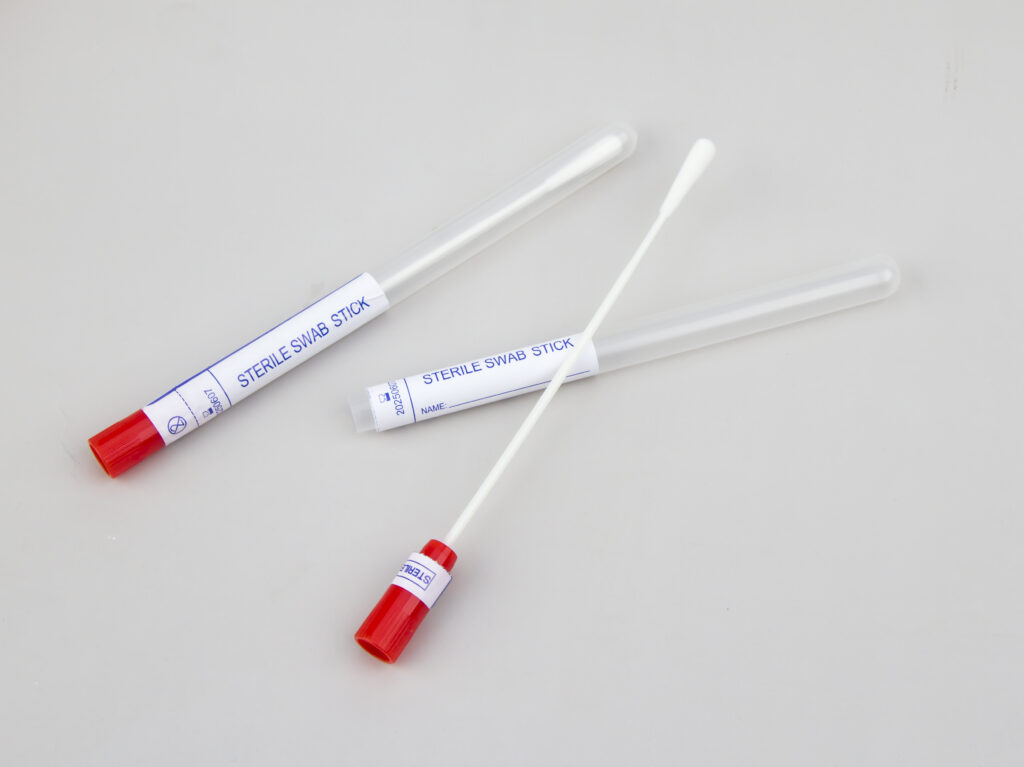
Different clinic customers may use nasal swabs, throat swabs, sterile dry swabs, polyester swabs, flocked swabs, swabs with sheath, or transport swab kits. Buyers should confirm the actual use case before choosing one product for all clinic channels.
The intended workflow affects tip material, shaft length, breakpoint, tube compatibility, sterile packaging, labels, and shelf life requirements.
Confirm Swab Specifications
A clear specification should include swab type, tip material, tip size, shaft material, total length, flexibility, breakpoint position, sterile status, packaging format, shelf life, and carton quantity.
Clinic supply chains can involve repeat orders, so specifications should remain stable between batches. Buyers should ask suppliers to confirm if any material, packaging, or label changes are planned.
Check Sterile Status
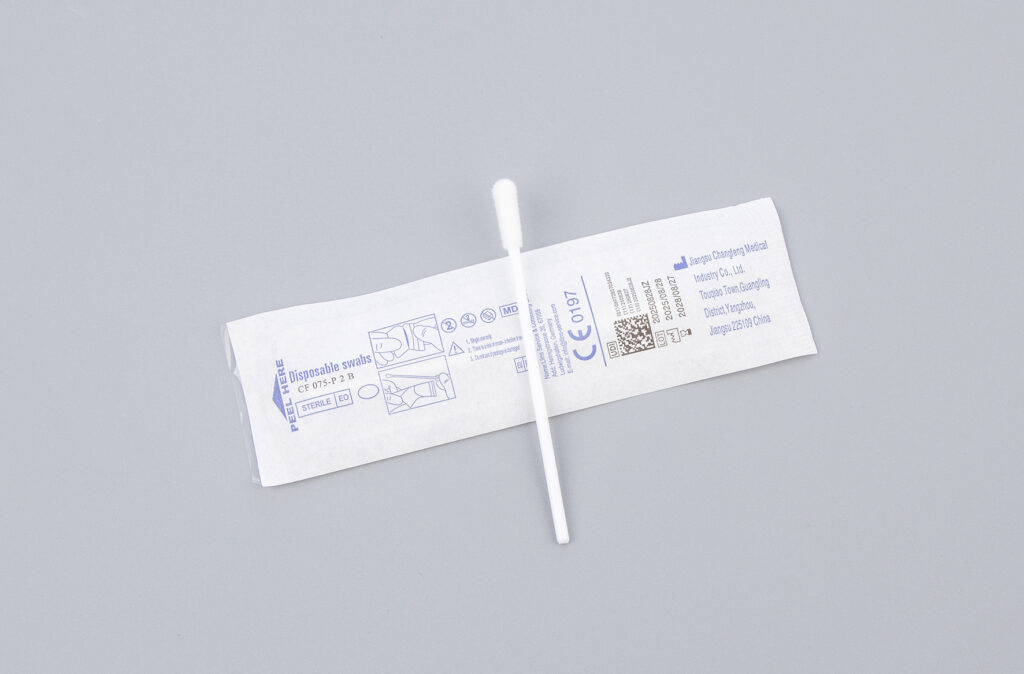
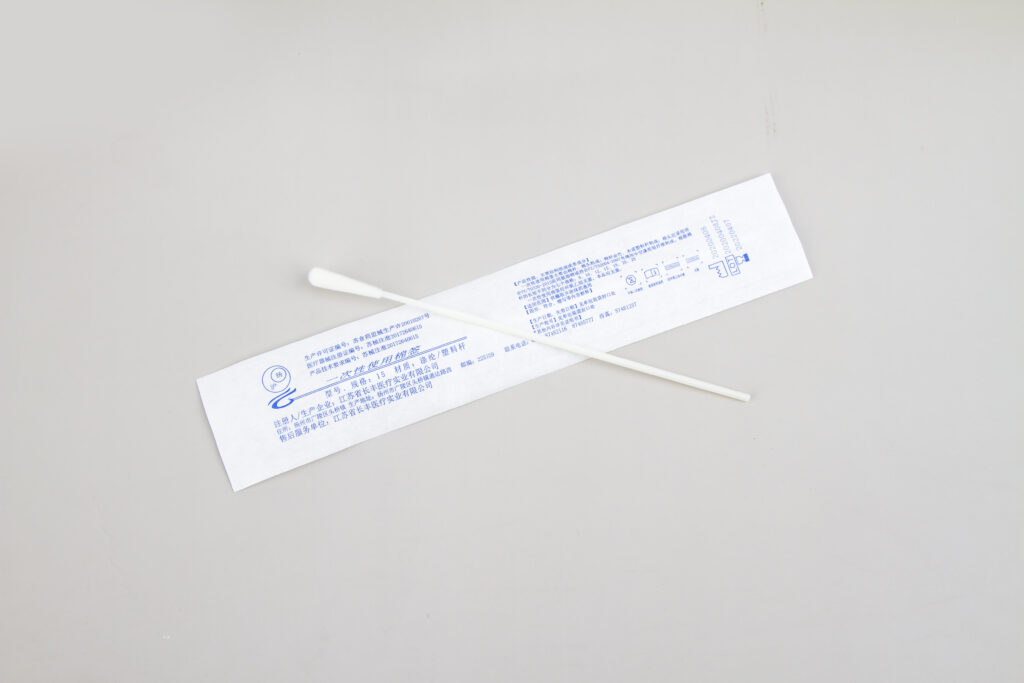
Many clinic workflows may require sterile individually packaged swabs, but not every individually wrapped swab is sterile. Buyers should confirm sterile status, sterilization information, lot number, expiration date, and packaging format with the supplier.
Sterile status should be stated clearly on product documents and packaging where required.
Check Packaging for Clinic Distribution
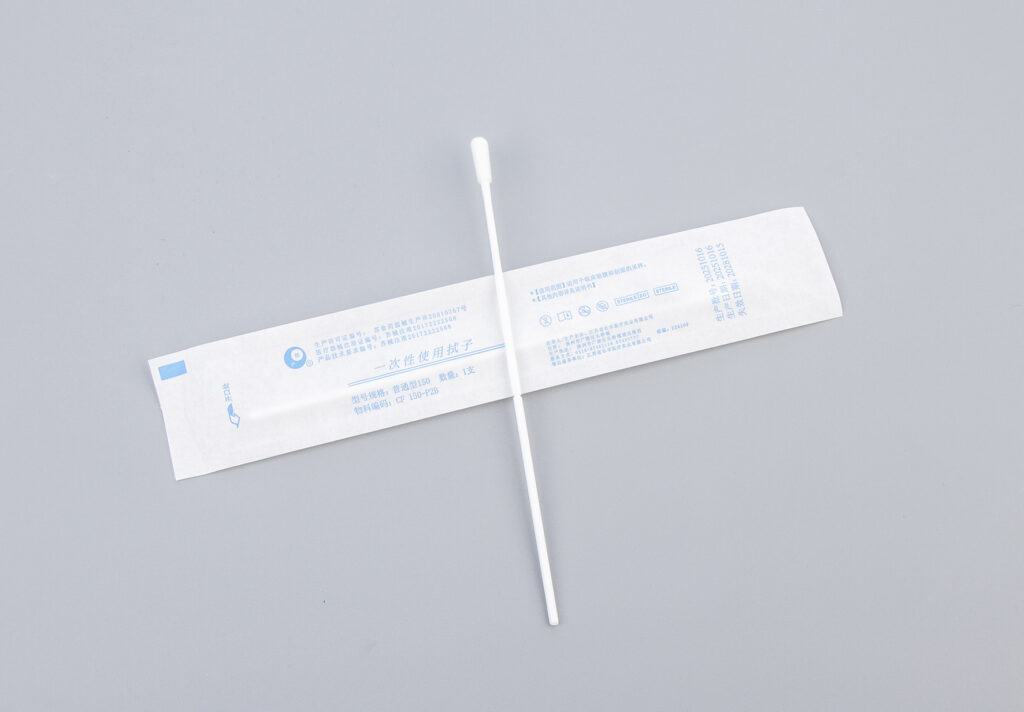
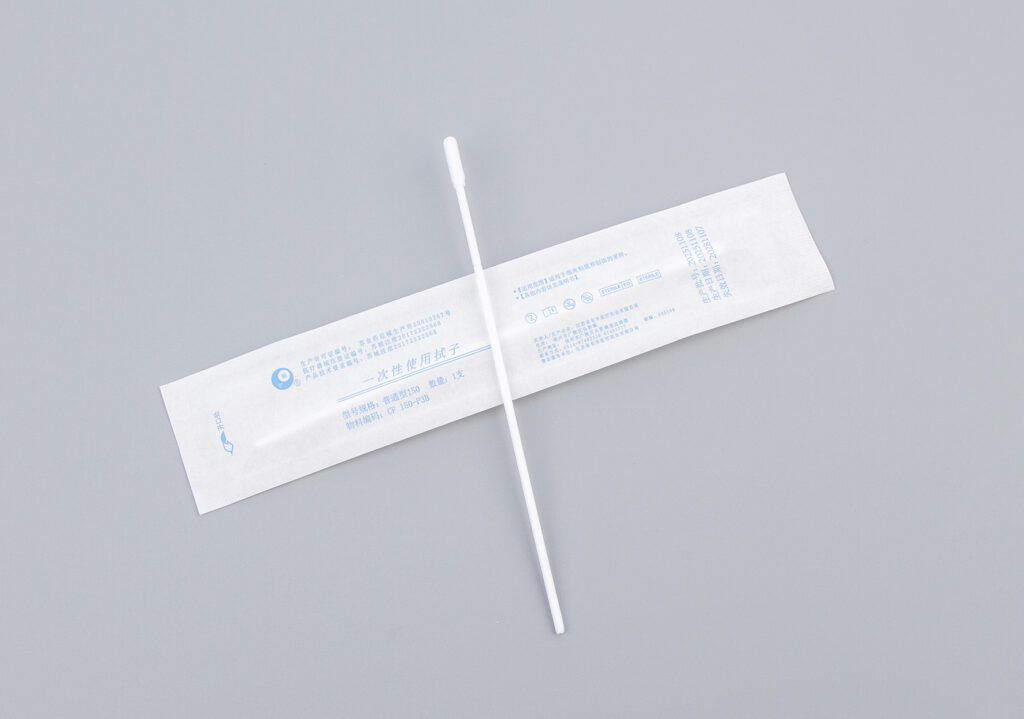
Clinic supply chains often need packaging that supports quick identification and easy storage. Product name, swab type, sterile status, lot number, expiration date, storage conditions, box quantity, and carton marks should be clear.
If clinics reorder frequently, consistent packaging can reduce warehouse confusion and customer complaints.
Check Shelf Life and Stock Rotation
Shelf life is important because products may pass through production, shipping, customs clearance, local warehouse storage, clinic distribution, and final use. Buyers should confirm remaining shelf life before shipment.
For clinic channels, shorter remaining shelf life may create pressure for distributors and customers. Lot number and expiration date should support first-expired, first-out inventory management.
Choose a Practical Product Range
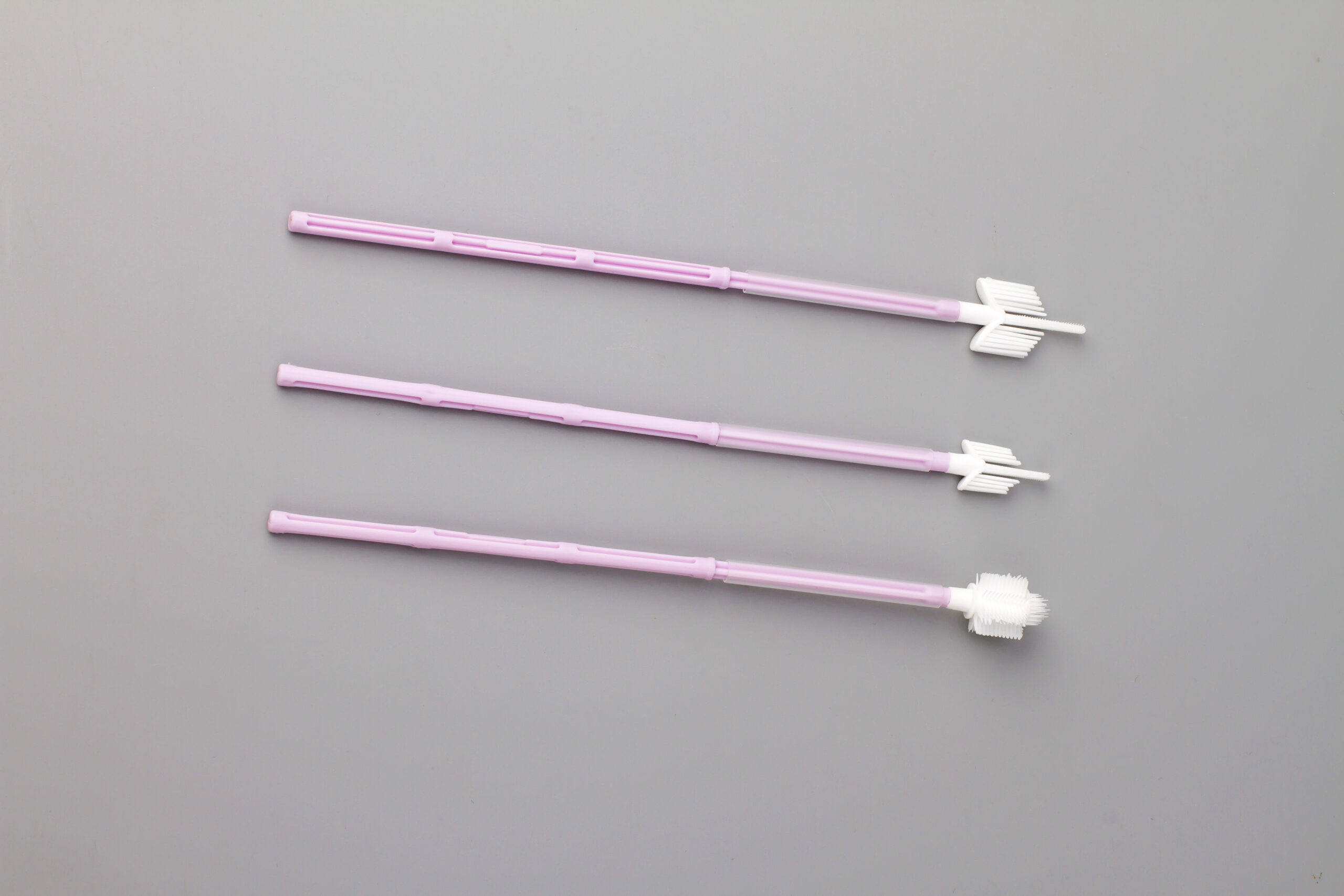
A clinic supply chain may not need every swab model. A practical range may include nasal swabs, throat swabs, sterile dry swabs, and selected transport swab or kit products depending on local demand.
Buyers should balance product variety with inventory pressure. Too many similar models can create stock confusion and slow-moving inventory.
Check Carton Packing
Carton packing affects shipping cost, warehouse handling, clinic distribution, and stock counting. Buyers should check pieces per box, boxes per carton, carton size, gross weight, carton marks, and pallet needs if applicable.
Strong outer cartons are especially important for international shipping and multi-location distribution.
Private Label Options
Some clinic supply chains prefer private label packaging. Private label options may include printed pouches, box labels, barcodes, instruction sheets, and carton marks.
Before production, buyers should approve artwork, language, product name, sterile status, lot number area, expiration date format, barcode position, and carton marks.
Supplier Support
A reliable swab supplier should provide stable specifications, sample support, clear packaging, reasonable MOQ, predictable lead time, and repeat order consistency. Buyers should also ask what documents are available for the target market and customer channel.
What Buyers Should Check Before Ordering
Before ordering sampling swabs for clinic supply chains, buyers should check customer use case, swab type, tip material, shaft design, sterile status, packaging, shelf life, lot number, expiration date, carton packing, private label options, samples, MOQ, lead time, documents, and repeat order stability.
Common Mistakes
One common mistake is choosing only by unit price and ignoring packaging, shelf life, and carton packing. Another mistake is stocking too many similar swabs without clear clinic demand.
Buyers should also avoid bulk orders before sample approval and written specification confirmation.
Conclusion
To choose sampling swabs for clinic supply chains, buyers should evaluate product specification, sterile status, packaging, shelf life, carton packing, private label needs, and supplier reliability. The best product is not only easy to purchase, but also easy to store, distribute, and reorder.
Changfeng Medical supplies sampling swabs for diagnostic, clinical, and laboratory applications, including nasal swabs, large-headed flocked swabs, polyester fiber swabs with sheath, media-coated swabs, and double-tip throat swabs. Contact us to discuss clinic supply chain requirements, packaging options, and bulk supply solutions for your market.
FAQ
What swabs are commonly used in clinic supply chains?
Common options may include nasal swabs, throat swabs, sterile dry swabs, flocked swabs, polyester swabs, and transport swab kits depending on clinic workflow.
Why is shelf life important for clinic suppliers?
Shelf life affects warehouse planning, customer distribution, stock rotation, and product acceptance.
Can clinic swabs be private labeled?
Yes. Private label options may include pouches, labels, boxes, barcodes, instruction sheets, and carton marks depending on supplier capability and order quantity.
What should buyers confirm before bulk ordering?
Buyers should confirm specification, sterility, packaging, shelf life, carton packing, samples, MOQ, lead time, and documents.