What Is Swab Certificate Documentation and Why Do Buyers Need It?

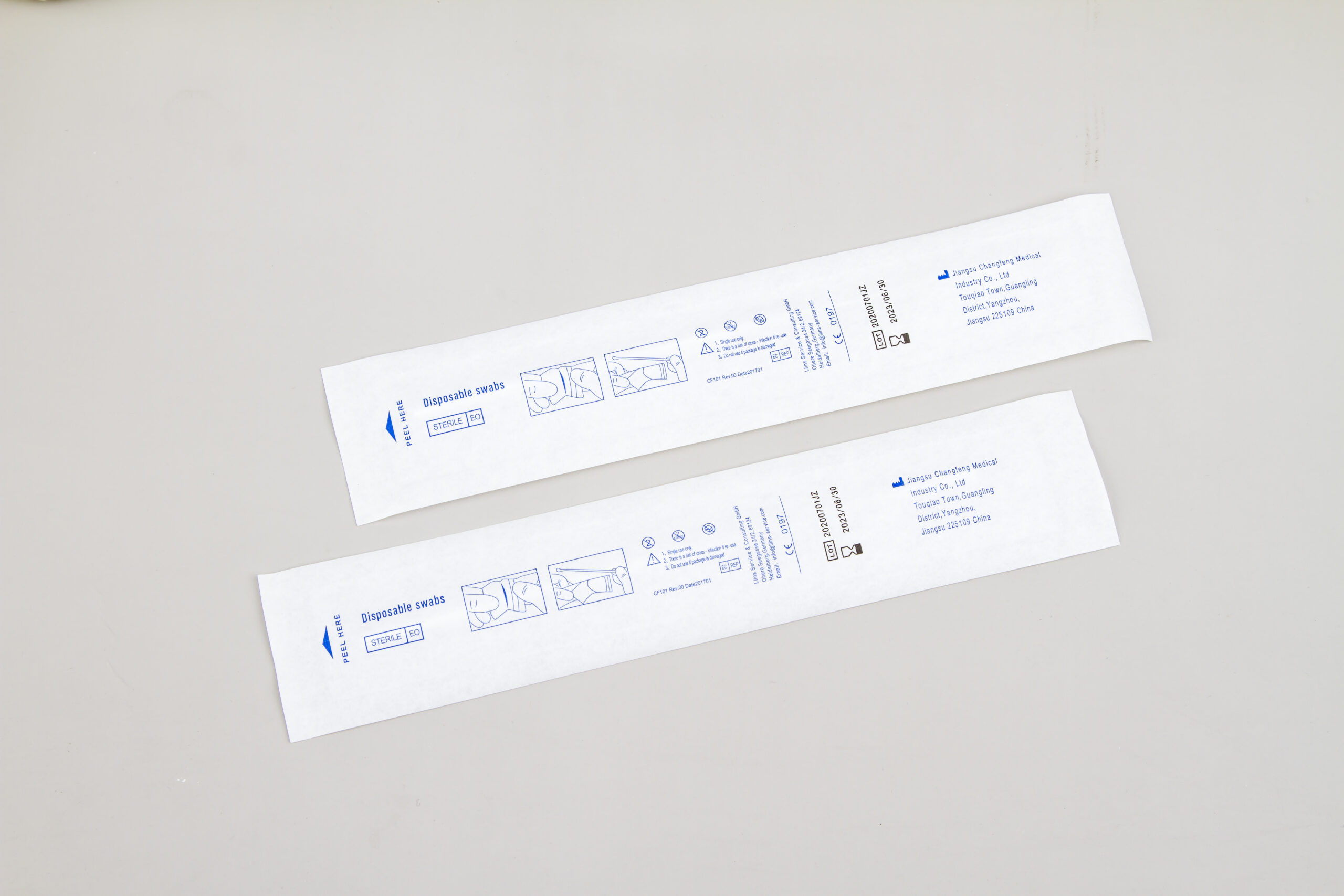
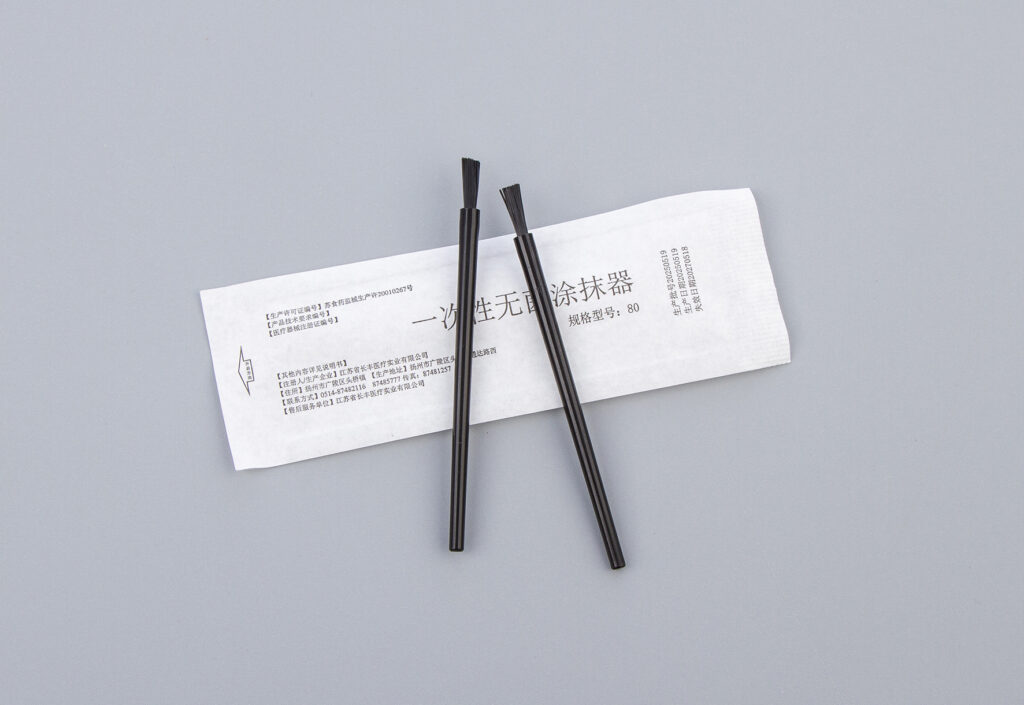
Swab certificate documentation refers to the product and shipment documents that help buyers confirm specifications, packaging, sterile status, shelf life, packing details, and export information. For medical and laboratory consumables, documentation is often part of the purchasing decision, especially for distributors, hospitals, diagnostic companies, and tender projects.
A sampling swab may look acceptable from photos and samples, but buyers still need documents to support internal approval, customer communication, customs clearance, and inventory records.
What Is Swab Certificate Documentation?
Swab certificate documentation may include product specification sheets, packing information, sterilization information, shelf life statements, certificate of conformity, invoice, packing list, and other documents requested by buyers or customers.
The exact document set depends on the market, product type, order requirement, and supplier capability.
Why Documentation Matters
Documentation helps buyers confirm what they are ordering and what they are receiving. It also supports quality communication, traceability, warehouse control, and customer approval.
Without clear documents, buyers may have difficulty comparing suppliers or answering customer questions about material, packaging, shelf life, or sterile status.
Product Specification Sheet
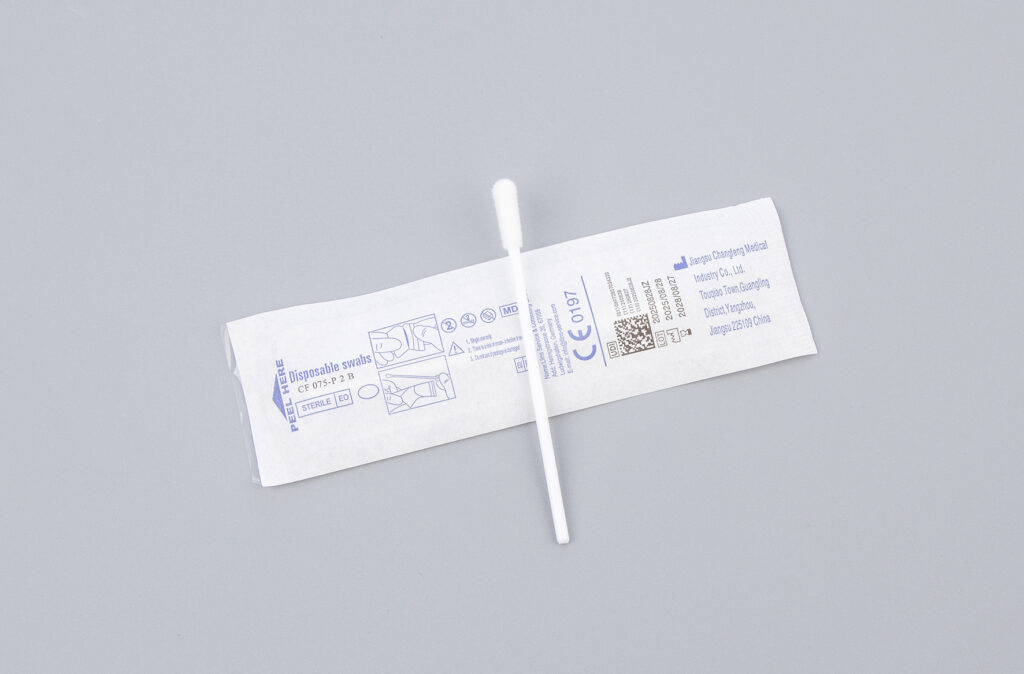
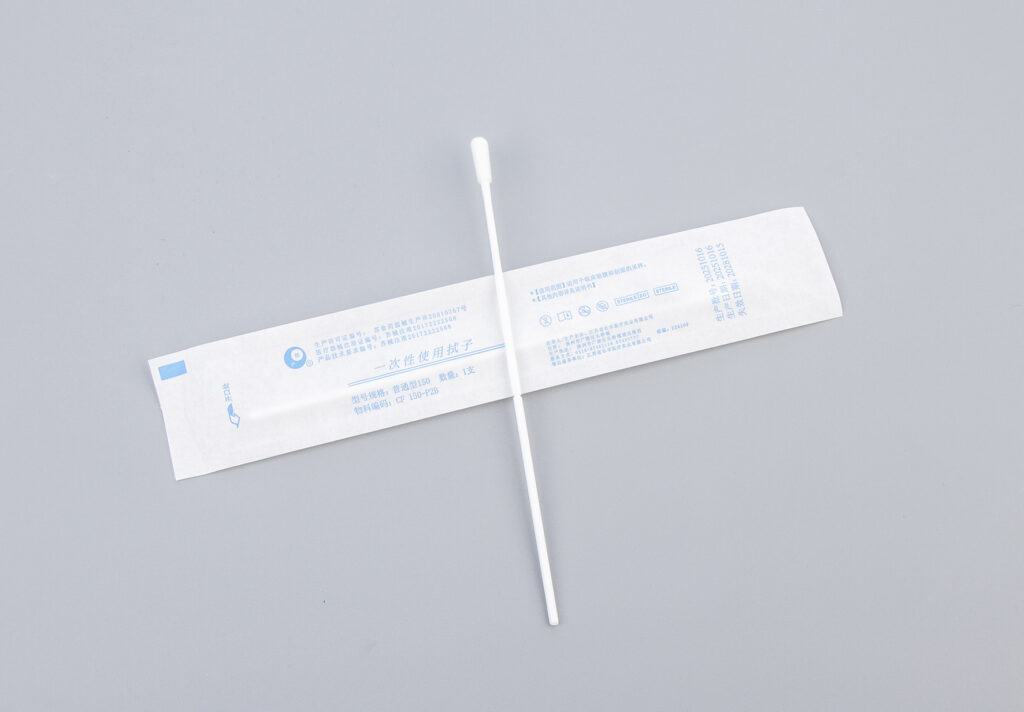
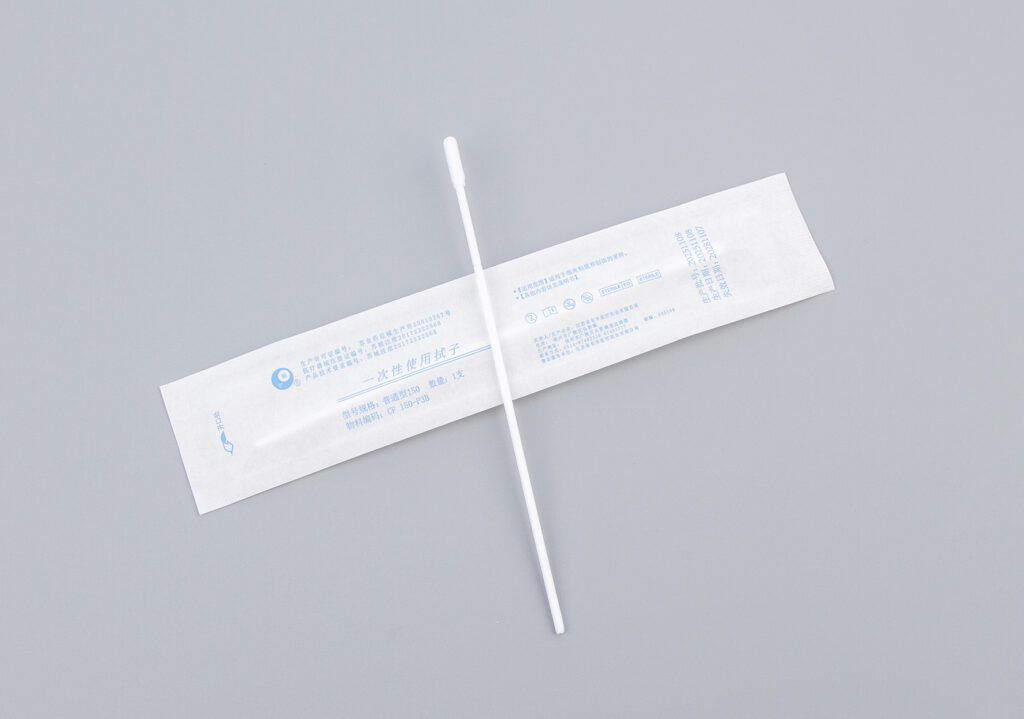
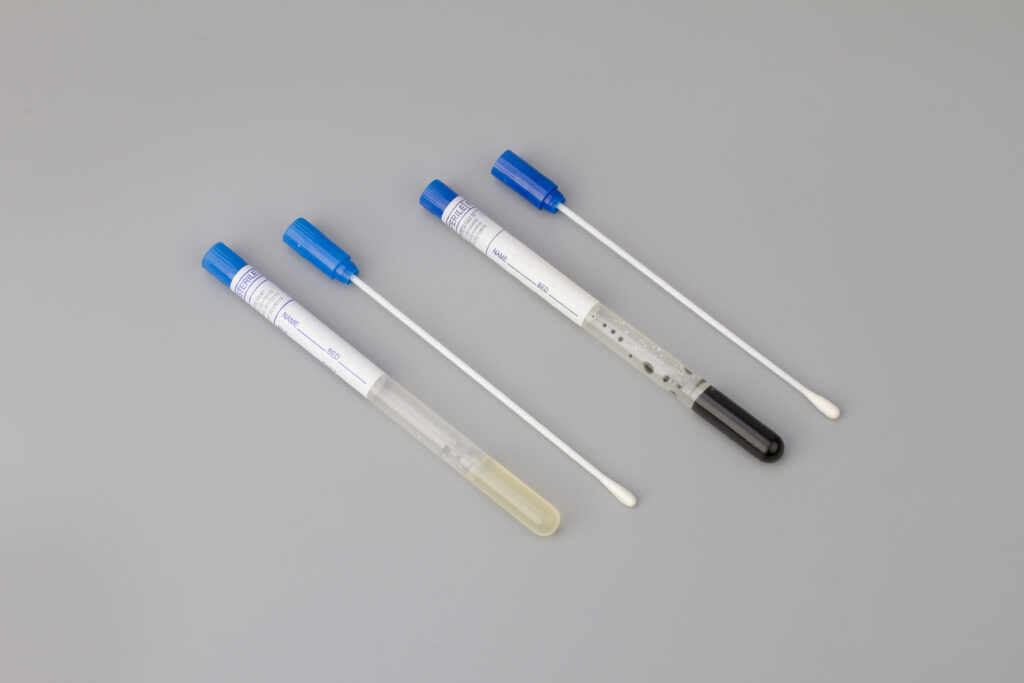
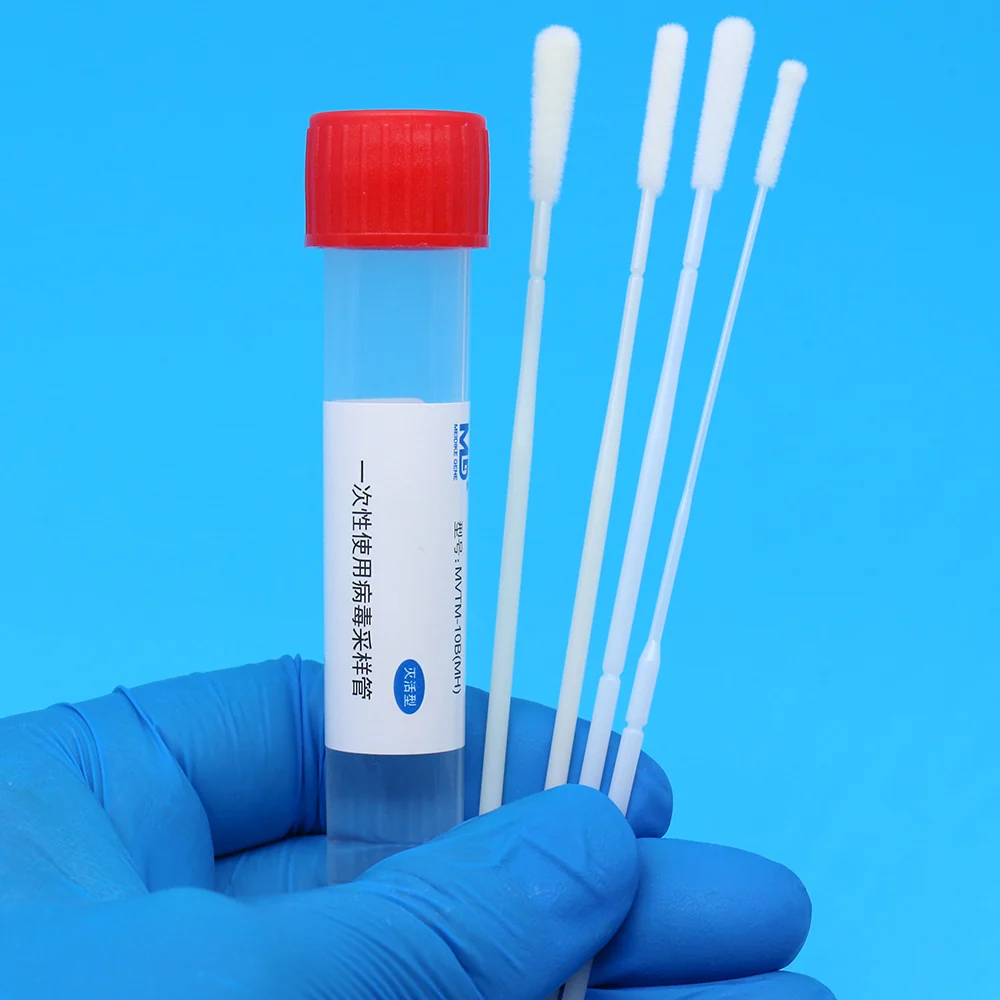
A product specification sheet should describe key details such as swab type, tip material, tip size, shaft material, shaft length, breakpoint, sterile status, packaging format, shelf life, storage conditions, and carton packing.
Buyers should compare the specification sheet with physical samples before approving bulk orders.
Packing Information
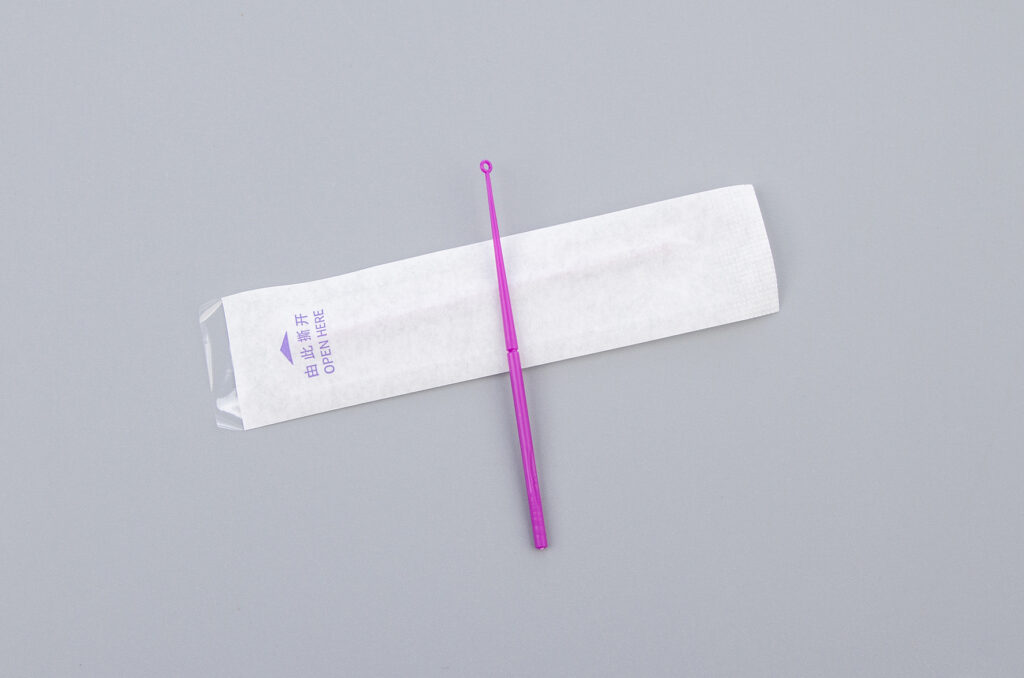
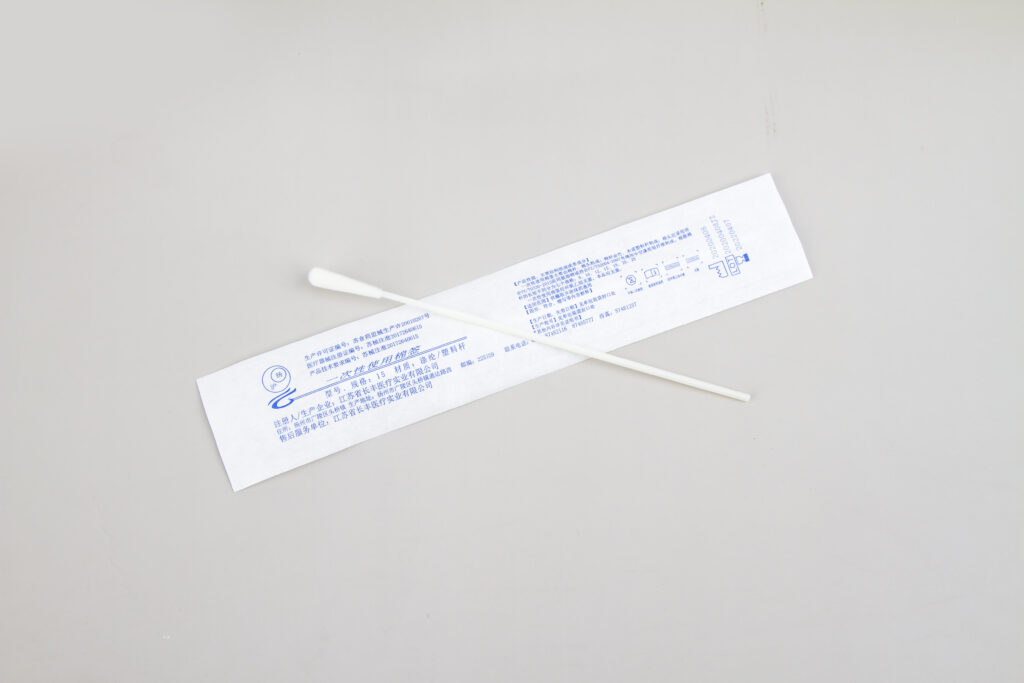
Packing information helps buyers understand pieces per pouch, pieces per box, boxes per carton, carton dimensions, gross weight, net weight, and carton marks.
This information is important for quotation comparison, shipping cost estimation, warehouse planning, and customer distribution.
Sterility Information
If the swab is supplied sterile, buyers should confirm sterile status, sterilization method information if available, sterile packaging format, lot number, expiration date, and shelf life.
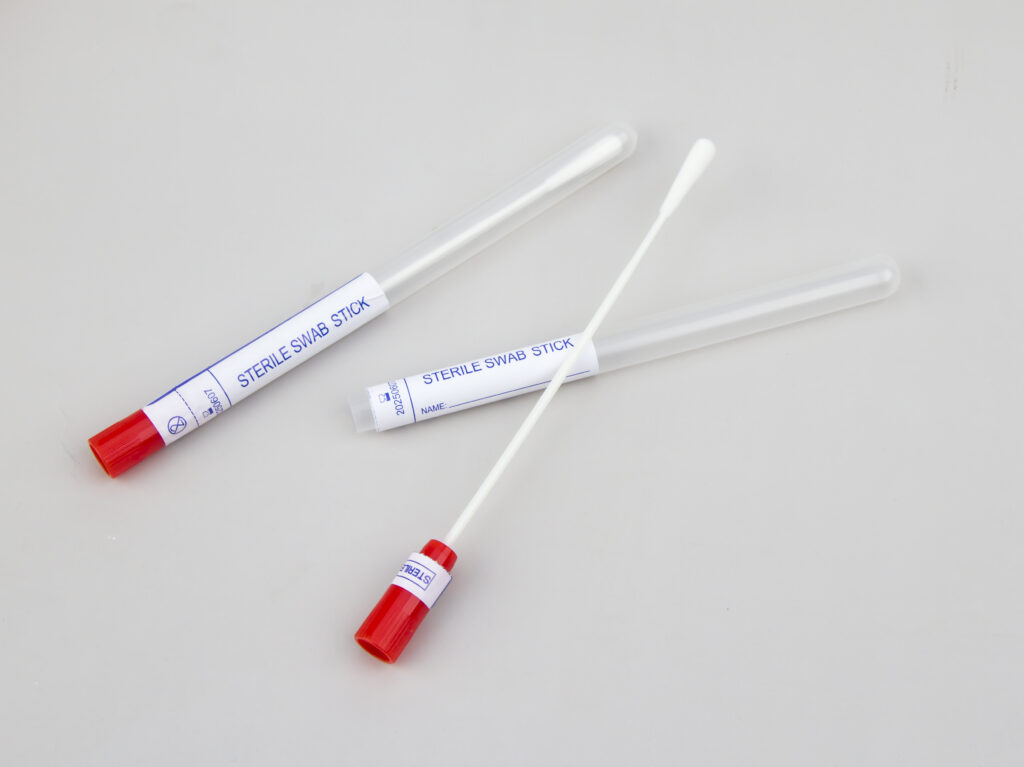
A protective pouch or sheath does not automatically mean the product is sterile. Sterile status should be stated clearly by the supplier.
Shelf Life Information
Shelf life information helps buyers manage inventory and customer requirements. It may include production date, expiration date, total shelf life, remaining shelf life before shipment, and storage conditions.
For distributors, remaining shelf life is especially important because products may spend time in shipping, customs clearance, warehousing, and final customer delivery.
Certificate of Conformity
A certificate of conformity may be requested by customers to confirm that the supplied goods match agreed specifications or order requirements. The exact format depends on supplier practice and customer needs.
Buyers should request required certificate formats before order confirmation rather than after shipment is ready.
Invoice and Packing List
Invoice and packing list are common shipment documents. They support export, import, customs clearance, and warehouse receiving processes.
Buyers should confirm product name, quantity, carton details, shipping marks, and consignee information before documents are finalized.
Documents for Private Label Orders
Private label orders may require additional artwork approval, label confirmation, carton mark review, barcode confirmation, and packaging sample approval. Documents should match the final branded product.
If the packaging name differs from the supplier’s standard product name, buyers should make sure documents remain clear and consistent.
What Buyers Should Ask Suppliers
Buyers can ask what documents are available, whether product specifications can be provided, whether packing details are confirmed, whether sterile and shelf life information is available, and whether documents can match private label requirements.
Common Mistakes
One common mistake is discussing documents only after goods are produced. Another mistake is comparing quotations without checking which documents are included.
Buyers should also avoid approving documents without checking product name, quantity, lot number, expiration date, and carton information.
Conclusion
Swab certificate documentation helps buyers confirm specifications, packaging, sterility, shelf life, traceability, and shipment information. It supports supplier comparison, customer approval, export handling, and inventory management.
Changfeng Medical supplies sampling swabs for diagnostic, clinical, and laboratory applications, including nasal swabs, large-headed flocked swabs, polyester fiber swabs with sheath, media-coated swabs, and double-tip throat swabs. Contact us to discuss swab documentation, packaging options, and bulk supply solutions for your market.
FAQ
What documents may be needed for sampling swabs?
Buyers may need specifications, packing information, sterility information, shelf life details, certificates, invoice, packing list, and export documents.
Why is a specification sheet important?
It helps buyers confirm material, size, shaft design, sterile status, packaging, shelf life, and carton details.
Should documents be confirmed before production?
Yes. Required documents should be discussed before order confirmation and mass production.
Do private label swabs need special document checks?
Yes. Product names, labels, carton marks, artwork, and documents should be consistent with the private label project.