How to Choose Swabs for Multi-Component Collection Kits?

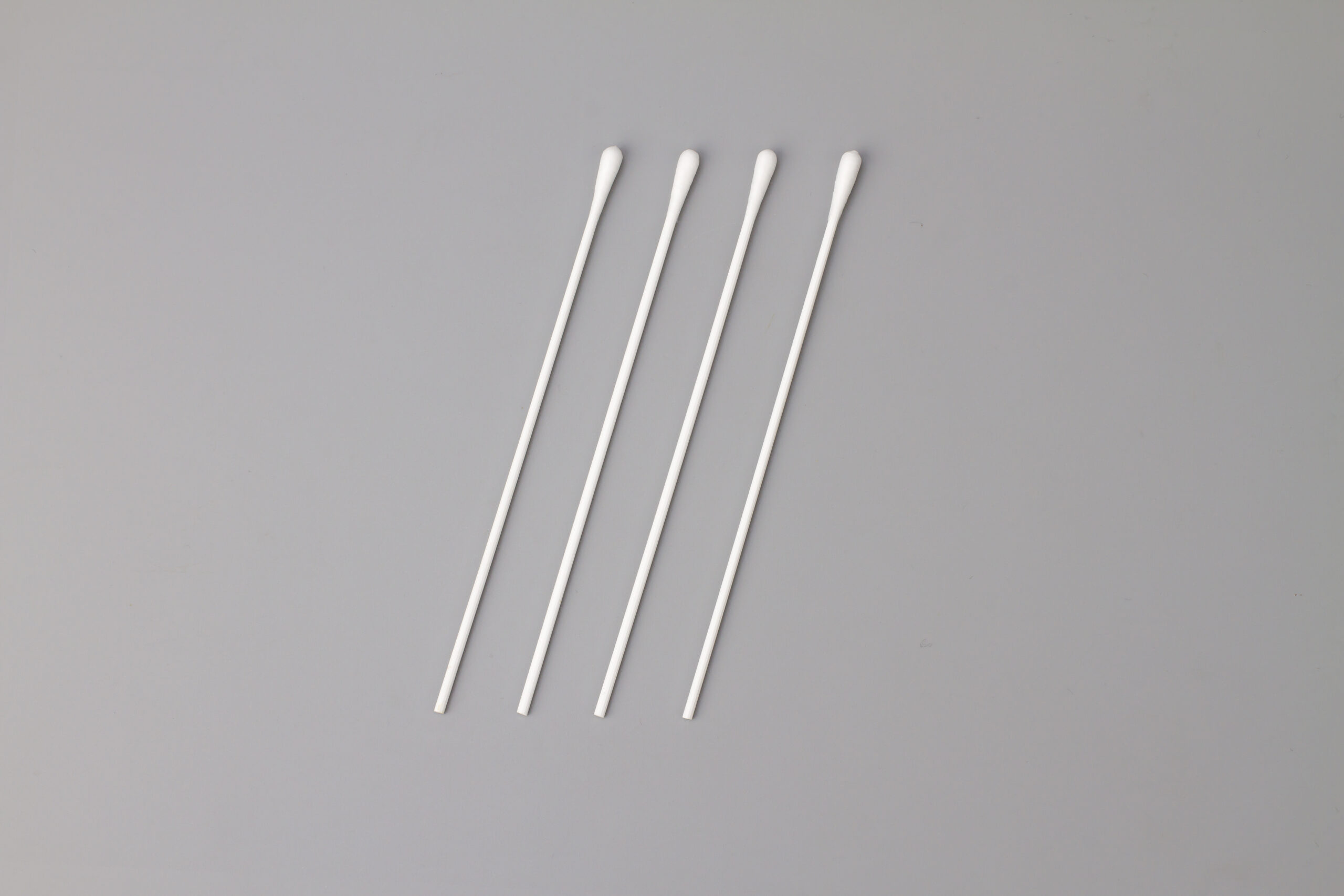
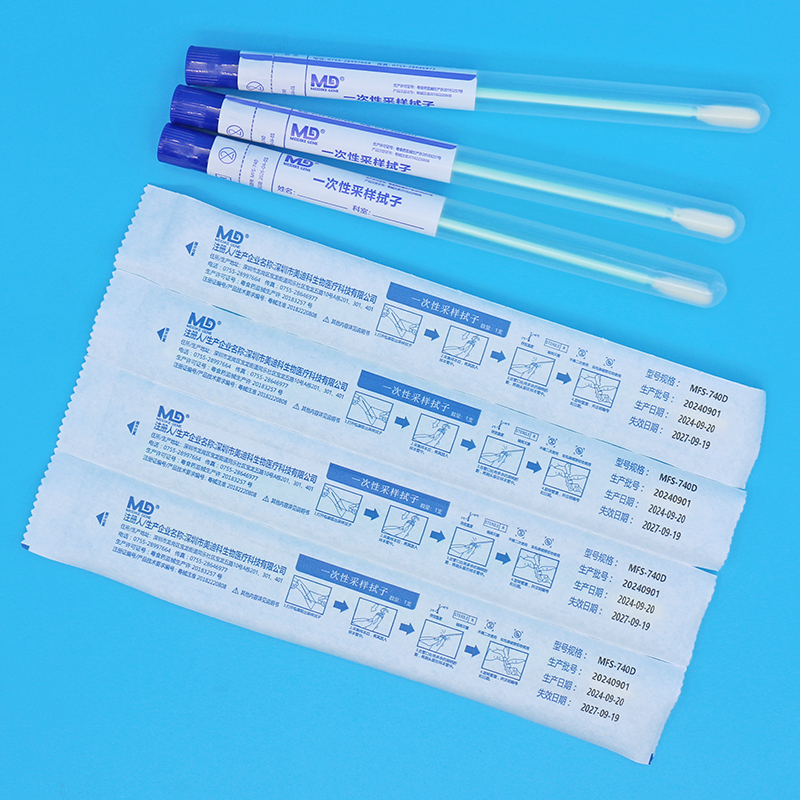
Multi-component collection kits may include a swab, tube, transport medium, cap, label, barcode, instruction sheet, pouch, inner box, and outer carton. Choosing a swab for this type of kit requires checking how the swab works with every other component.
For diagnostic companies, medical distributors, laboratories, and procurement teams, the swab should not be selected in isolation. The correct swab is the one that fits the complete kit workflow.
What Is a Multi-Component Collection Kit?
A multi-component collection kit is a set of products assembled for specimen or sample collection. It may include sterile swabs, tubes, transport medium, labels, instructions, packaging, and carton-level identification.
The exact kit configuration depends on collection site, test method, customer workflow, storage conditions, and target market.
Start with the Final Workflow
Buyers should first understand how the kit will be opened, used, labeled, transported, stored, and processed. The swab should match every step of this workflow.
A dry swab kit, transport medium kit, diagnostic kit, and laboratory collection kit may need different swab designs.
Choose the Right Swab Type
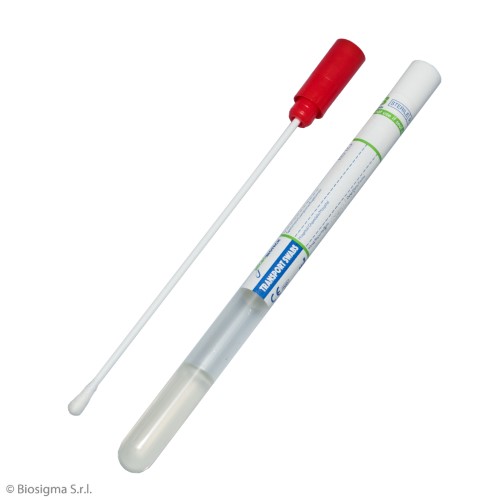
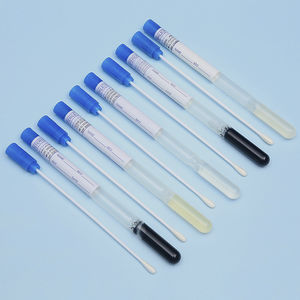
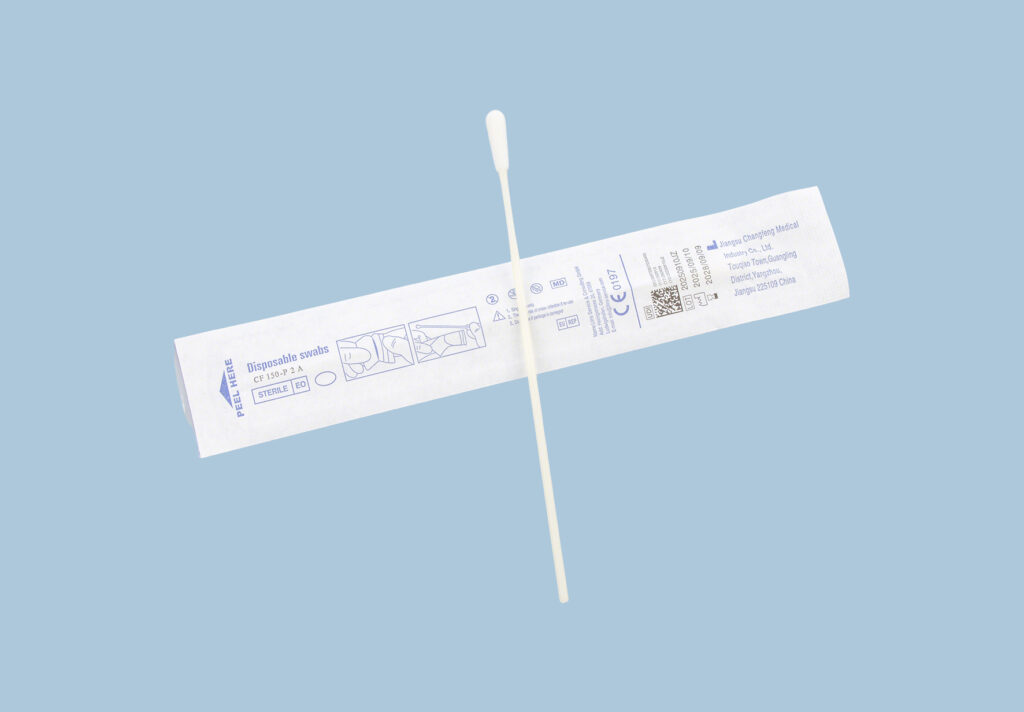
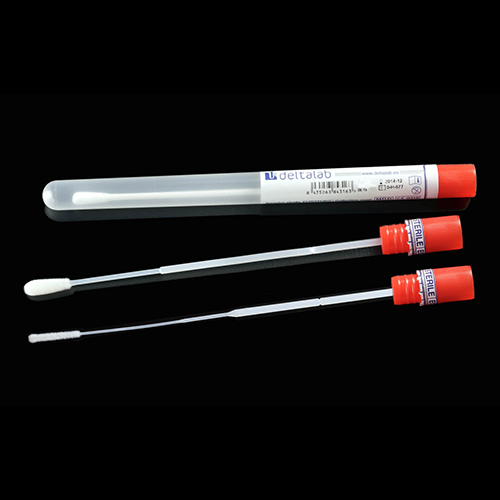
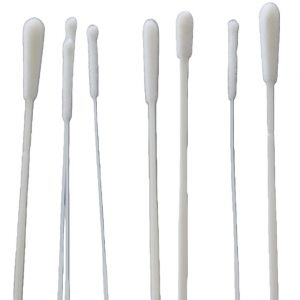
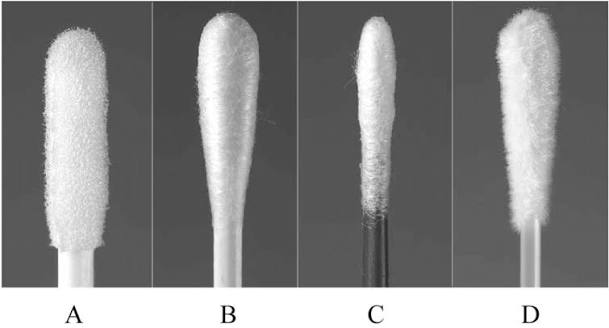
Possible swab types include nasal swabs, throat swabs, nasopharyngeal swabs, flocked swabs, polyester swabs, foam swabs, swabs with sheath, sterile dry swabs, and transport swabs.
The selected swab should match the collection site and intended processing method.
Check Tube Fit
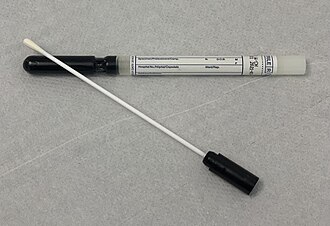
Tube fit is one of the most important checks for multi-component kits. Tip size, shaft length, breakpoint position, tube opening, cap space, and liquid volume should all work together.
Buyers should test the swab with the actual tube, not just compare dimensions on paper.
Check Medium Compatibility
If the kit includes transport medium or extraction buffer, buyers should confirm whether the swab material is compatible with the medium and testing workflow.
The swab tip should support the intended collection and release process.
Check Breakpoint Performance
Many collection kits use a breakpoint so the swab tip can remain inside the tube. The breakpoint should snap cleanly and leave the correct swab length inside the tube.
Breakpoint position should be tested with the tube, medium, and cap together.
Check Labels and Barcodes
Labels and barcodes help users identify the kit and support traceability. Buyers should check tube label size, barcode scannability, lot number position, expiration date format, and label adhesion.
Labels should not interfere with tube handling, cap closure, or packaging layout.
Check Instruction Sheet Fit
Instruction sheets may be included in the pouch, box, or kit package. Buyers should confirm language, size, folding method, artwork, and whether the instruction sheet fits the final package.
Check Pouch and Box Layout
The swab, tube, label, instruction sheet, and other components should fit neatly inside the package. Oversized or poorly arranged components can increase shipping cost and reduce user convenience.
Buyers should review real assembled samples before mass production.
Check Shelf Life
The final kit shelf life may depend on the swab, tube, medium, packaging, or other component with the shortest shelf life. Buyers should confirm total shelf life and remaining shelf life before shipment.
Check Carton Packing
Multi-component kits can be bulkier than swabs alone. Buyers should check carton quantity, carton dimensions, gross weight, carton marks, pallet requirements, and shipping plan.
What Buyers Should Check Before Ordering
Before ordering swabs for multi-component collection kits, buyers should check swab type, tip material, shaft design, breakpoint, tube fit, medium compatibility, cap closure, labels, barcodes, instruction sheet, pouch layout, box layout, shelf life, storage conditions, carton packing, samples, MOQ, lead time, and documentation.
Common Mistakes
One common mistake is approving the swab separately without testing the assembled kit. Another mistake is ignoring label fit, instruction sheet size, or carton quantity until after production.
Buyers should also avoid changing one component without checking the full kit again.
Conclusion
To choose swabs for multi-component collection kits, buyers should evaluate the complete system: swab, tube, medium, cap, labels, instructions, packaging, shelf life, and carton packing. The best swab is the one that works smoothly inside the final kit.
Changfeng Medical supplies sampling swabs and collection solutions for diagnostic, clinical, and laboratory applications. Contact us to discuss swab kit components, packaging options, and bulk supply solutions for your market.
FAQ
What is a multi-component collection kit?
It is a kit that may include a swab, tube, medium, labels, instructions, pouch, box, and carton packaging.
Why should the swab be tested with the full kit?
The swab must fit the tube, cap, medium, label, pouch, box, and final workflow.
What is the most important check for tube-based kits?
Buyers should check tube fit, breakpoint position, cap closure, and medium compatibility.
What should buyers review before mass production?
Buyers should review assembled samples, labels, artwork, instructions, shelf life, carton packing, and documentation.