How to Choose Sampling Swabs for Repeat Purchase Programs?

Repeat purchase programs require sampling swabs with stable specifications, consistent packaging, predictable shelf life, reliable lead time, and clear supplier communication. For distributors, laboratories, diagnostic companies, and procurement teams, repeat orders are different from one-time purchases because long-term consistency matters.
A product that works for the first order should remain consistent in later orders. Changes in material, shaft length, pouch design, label format, carton quantity, or shelf life can create customer confusion and after-sales problems.
What Is a Repeat Purchase Program?
A repeat purchase program is a purchasing arrangement where buyers reorder the same or similar swab products over time. It may support distributor inventory, hospital supply, laboratory consumption, diagnostic kit assembly, or project-based sampling needs.
Repeat purchase planning helps buyers reduce emergency orders and maintain stable supply.
Start with a Stable Specification
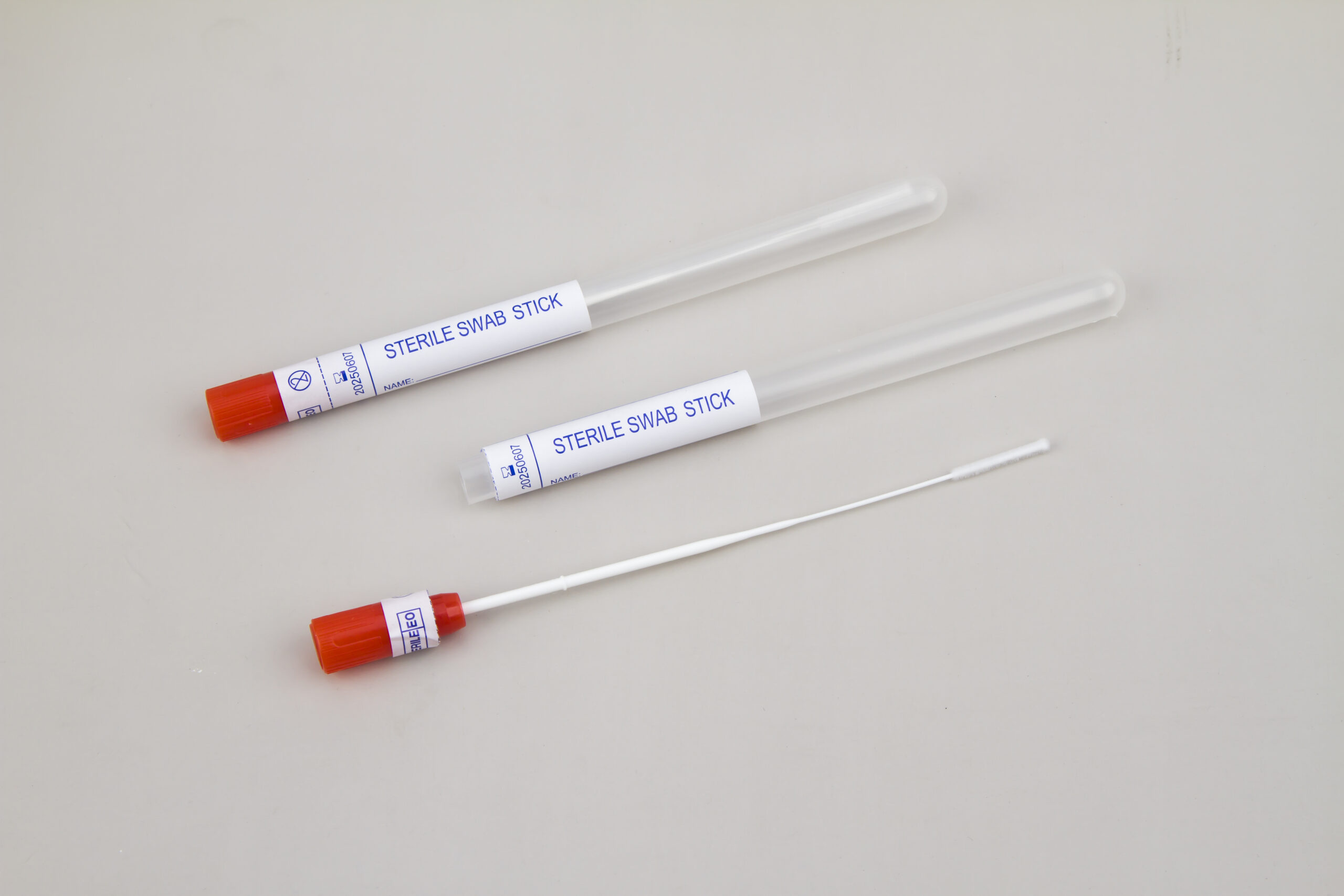
The first requirement is a clear and stable specification. Buyers should confirm swab type, tip material, tip size, shaft material, shaft length, flexibility, breakpoint, sterile status, packaging format, shelf life, and carton packing.
The approved specification should be used as the reference for repeat orders.
Check Packaging Consistency
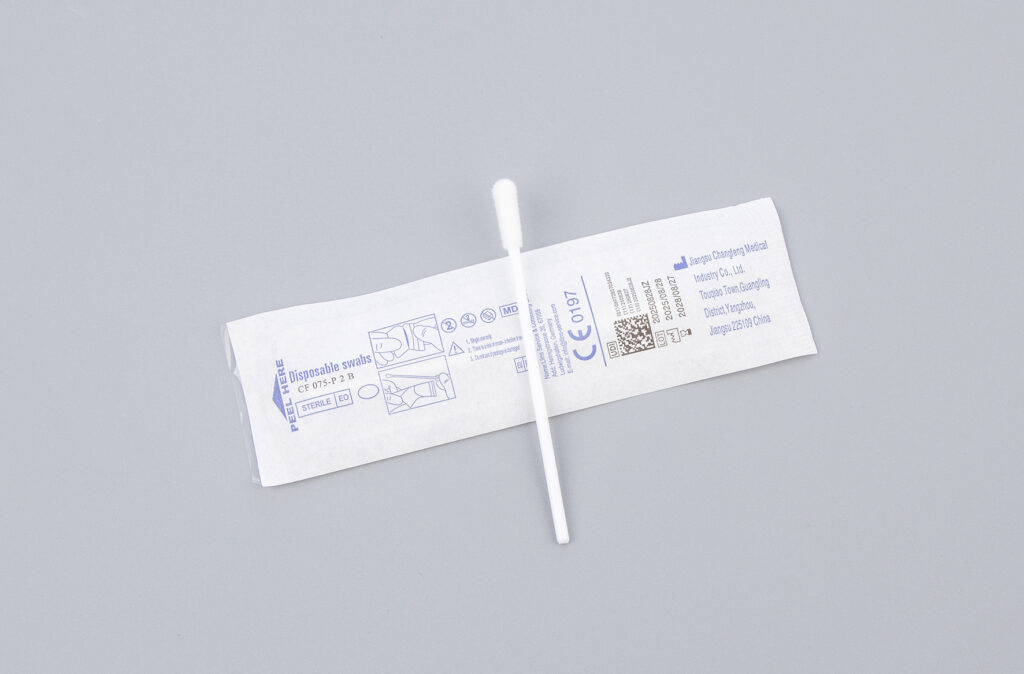
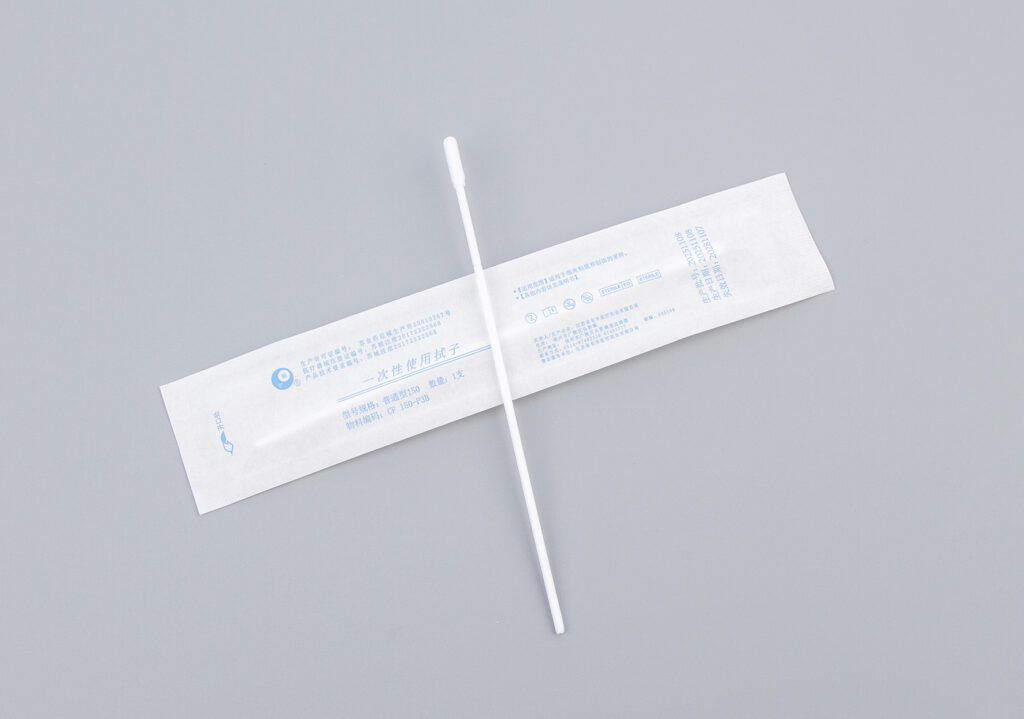
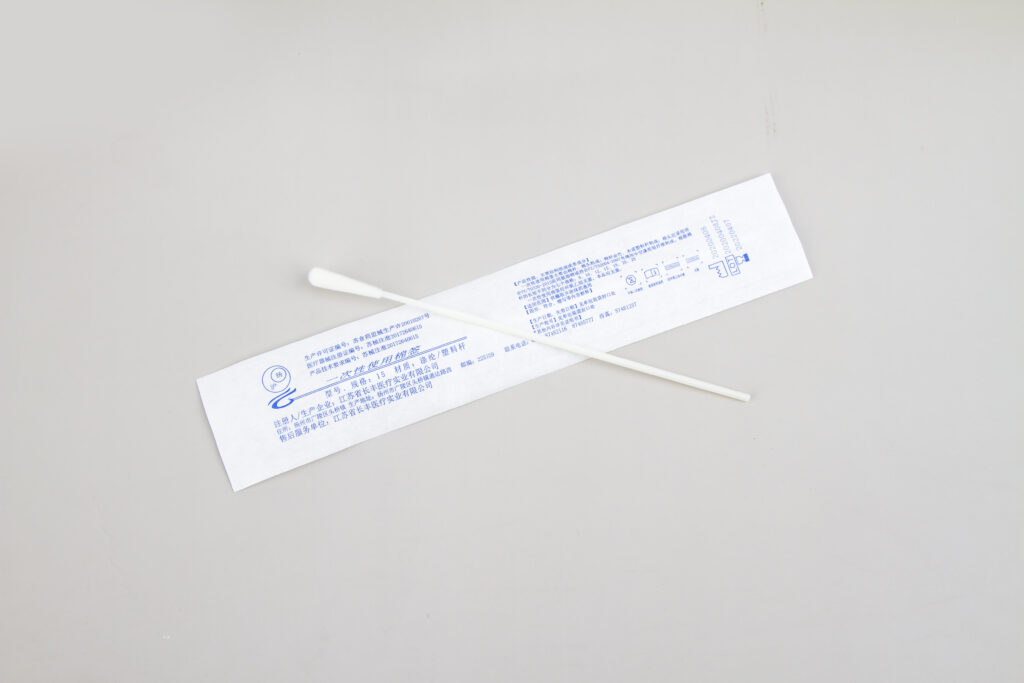
Packaging consistency is important for customers and warehouse teams. Pouch material, printed information, inner box labels, carton marks, barcode positions, and quantity per carton should remain consistent unless changes are approved.
For private label swabs, any artwork or label change should be reviewed before production.
Monitor Shelf Life
Repeat purchase programs should include shelf life planning. Buyers should confirm production schedule, expiration date, remaining shelf life before shipment, and storage conditions for each order.
This helps reduce expired inventory and customer complaints about short shelf life.
Plan Reorder Timing
Reorder timing should consider supplier lead time, shipping time, customs clearance, warehouse receiving, and customer delivery schedules. Waiting until stock is nearly finished may create urgent shipment costs or supply gaps.
Buyers should estimate monthly usage and maintain a practical safety stock level.
Confirm MOQ and Price Validity
MOQ and price may affect repeat purchase planning. Buyers should ask how long quotations remain valid and whether pricing may change with material, packaging, currency, or shipping conditions.
For private label orders, MOQ may depend on printed packaging or carton mark requirements.
Use Approved Samples as Reference
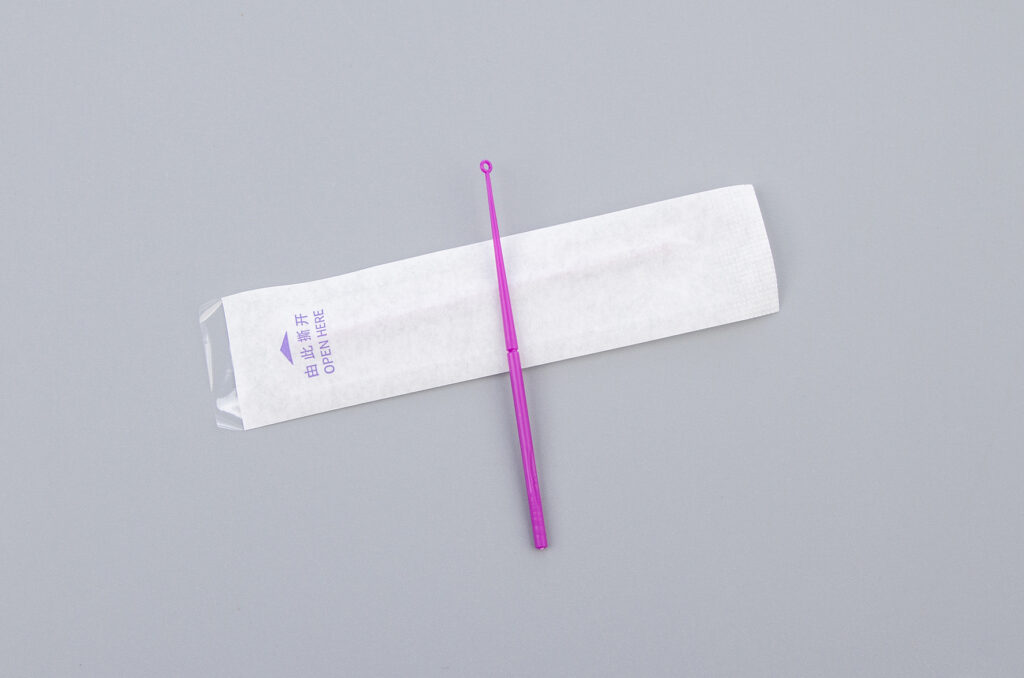
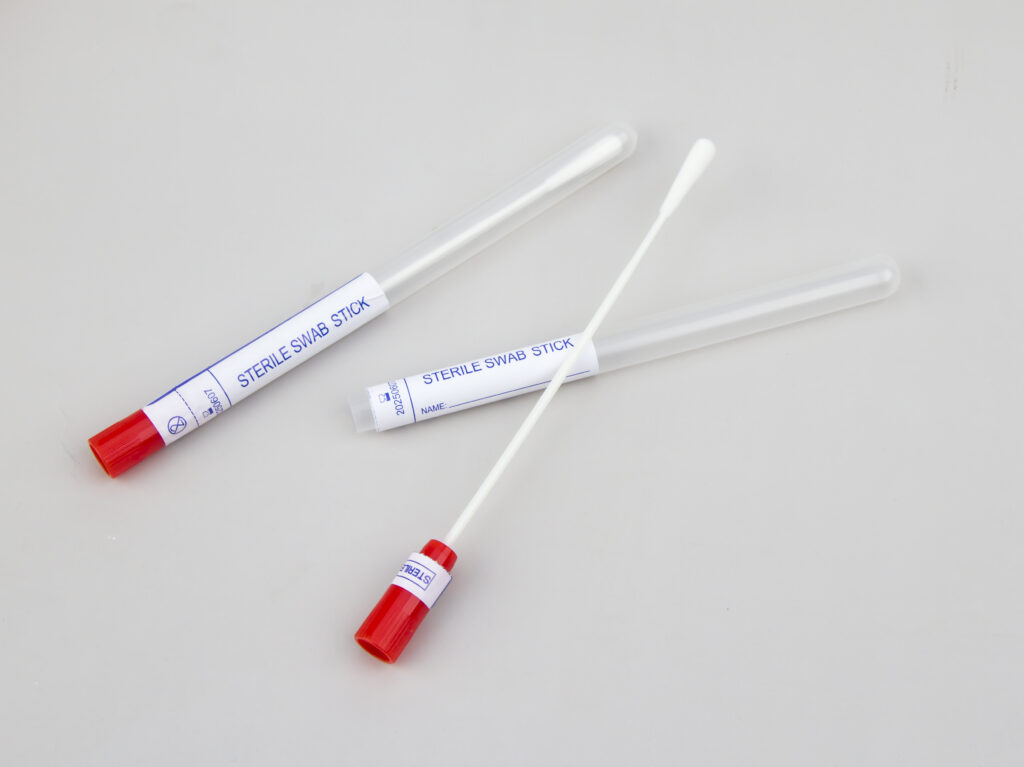
Approved samples can help buyers compare future shipments. Product samples, packaging samples, and carton samples may be used as reference points when checking repeat orders.
Buyers should store approved samples and keep written specifications for internal comparison.
Track Lot Numbers
Lot number tracking helps buyers manage batch traceability, warehouse rotation, and customer feedback. For repeat purchases, each shipment should have clear lot and expiration date information.
Buyers should avoid mixing old and new lots without proper inventory control.
Supplier Communication
A reliable supplier should inform buyers before making changes to material, packaging, label format, carton quantity, shelf life, or production schedule. Clear communication reduces risk in long-term purchasing.
What Buyers Should Check Before Reordering
Before reordering sampling swabs, buyers should check the approved specification, sample reference, packaging consistency, sterile status, lot number, expiration date, remaining shelf life, carton quantity, MOQ, lead time, price validity, artwork, documents, and shipment plan.
Common Mistakes
One common mistake is assuming that repeat orders will always be identical without written confirmation. Another mistake is not checking packaging or shelf life on later shipments.
Buyers should also avoid urgent reorders that leave no time for inspection or document review.
Conclusion
To choose sampling swabs for repeat purchase programs, buyers should focus on specification stability, packaging consistency, shelf life planning, lot tracking, reorder timing, and supplier communication. Long-term value depends on reliability, not only unit price.
Changfeng Medical supplies sampling swabs for diagnostic, clinical, laboratory, and distribution channels, including nasal swabs, large-headed flocked swabs, polyester fiber swabs with sheath, media-coated swabs, and double-tip throat swabs. Contact us to discuss repeat purchase support and bulk supply solutions for your market.
FAQ
Why is specification stability important for repeat orders?
Stable specifications help buyers avoid customer complaints and keep the product consistent across shipments.
What should buyers check before reordering swabs?
Buyers should check specification, packaging, shelf life, lot number, price, MOQ, lead time, documents, and shipment plan.
Should buyers keep approved samples?
Yes. Approved samples help compare future shipments and support internal quality review.
Why does supplier communication matter?
Suppliers should inform buyers about material, packaging, shelf life, label, or production changes before repeat orders are produced.