What Is Swab Batch Consistency and Why Does It Matter?


Swab batch consistency means that products from different production batches remain stable in material, size, appearance, packaging, labeling, and performance-related features. For buyers, batch consistency is important because customers expect repeat orders to match approved samples and previous shipments.
Sampling swabs may look simple, but small changes in tip material, shaft length, breakpoint position, pouch printing, or carton packing can create customer complaints. This is why batch consistency should be part of supplier evaluation.
What Is Swab Batch Consistency?
Swab batch consistency refers to the stability of swab specifications and packaging across multiple production batches. It includes tip quality, shaft dimensions, sterile packaging, labels, lot number control, expiration date format, carton packing, and documentation.
A consistent supplier should be able to deliver products that match the approved sample and written specification.
Why Batch Consistency Matters
Buyers often reorder the same swab for hospitals, laboratories, diagnostic companies, distributors, or kit assembly projects. If the next batch differs from the approved sample, the customer may question the product or reject the shipment.
Consistency supports repeat sales, inventory control, private label branding, and customer trust.
Tip Consistency
Tip consistency includes material, size, shape, softness, fiber coverage, and appearance. For flocked swabs, buyers may check flocking uniformity and whether the tip surface looks stable and clean.
For polyester, foam, rayon, or cotton swabs, buyers should check whether the tip shape and material remain consistent between samples and bulk orders.
Shaft Consistency
Shaft consistency includes material, length, diameter, flexibility, strength, and breakpoint position. Even a small change in shaft length or breakpoint can affect tube fit and kit assembly.
Buyers should compare bulk samples with approved reference samples when possible.
Packaging Consistency
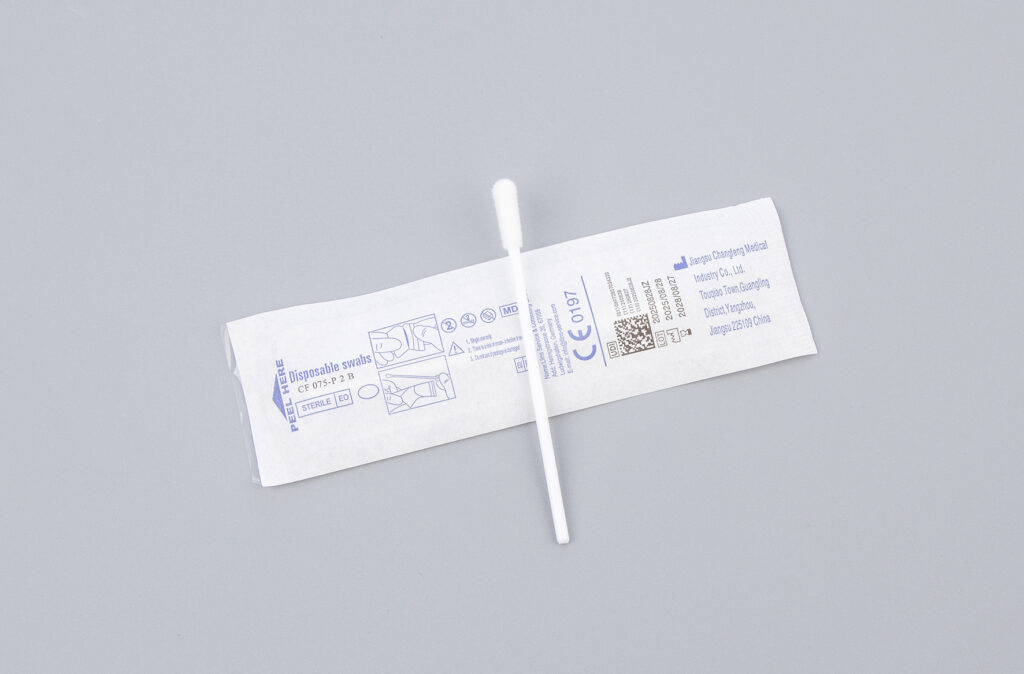
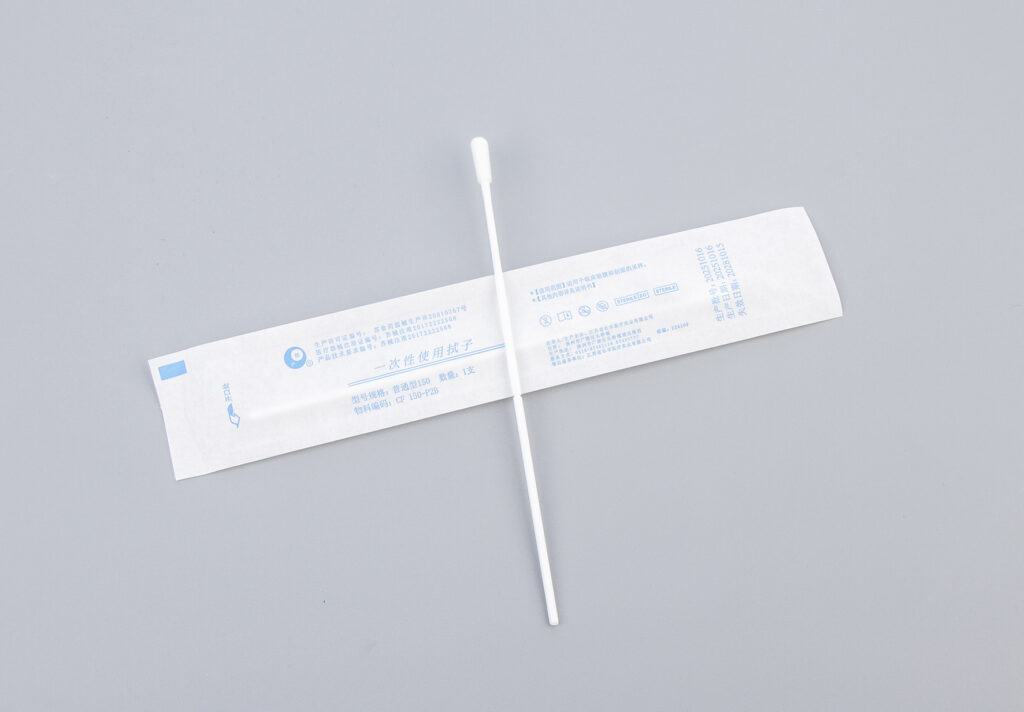
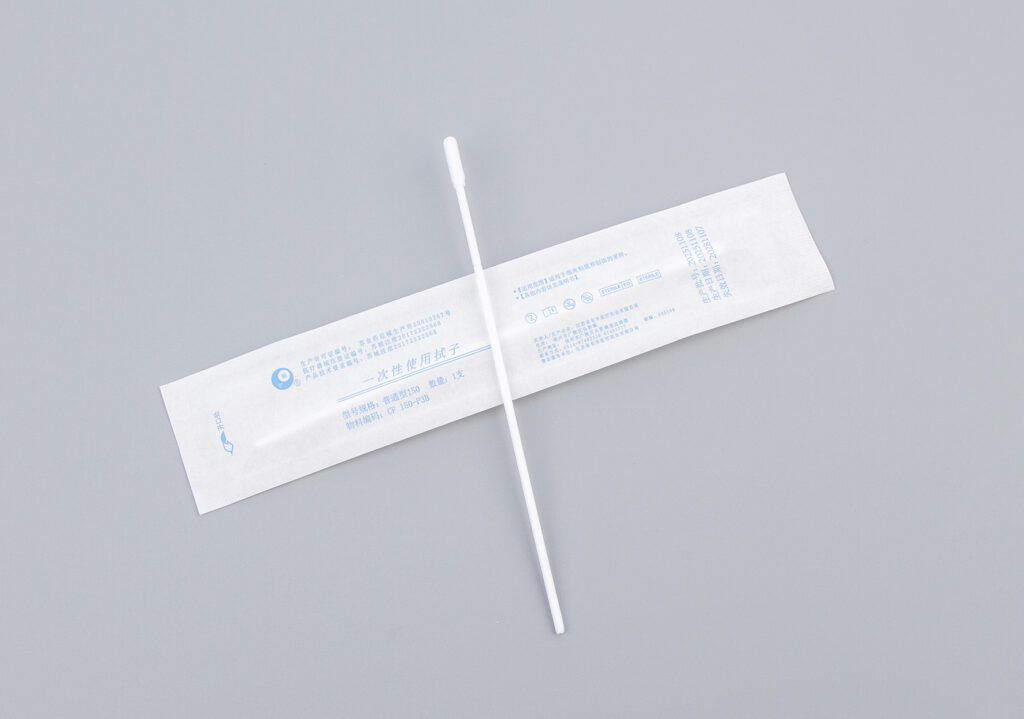
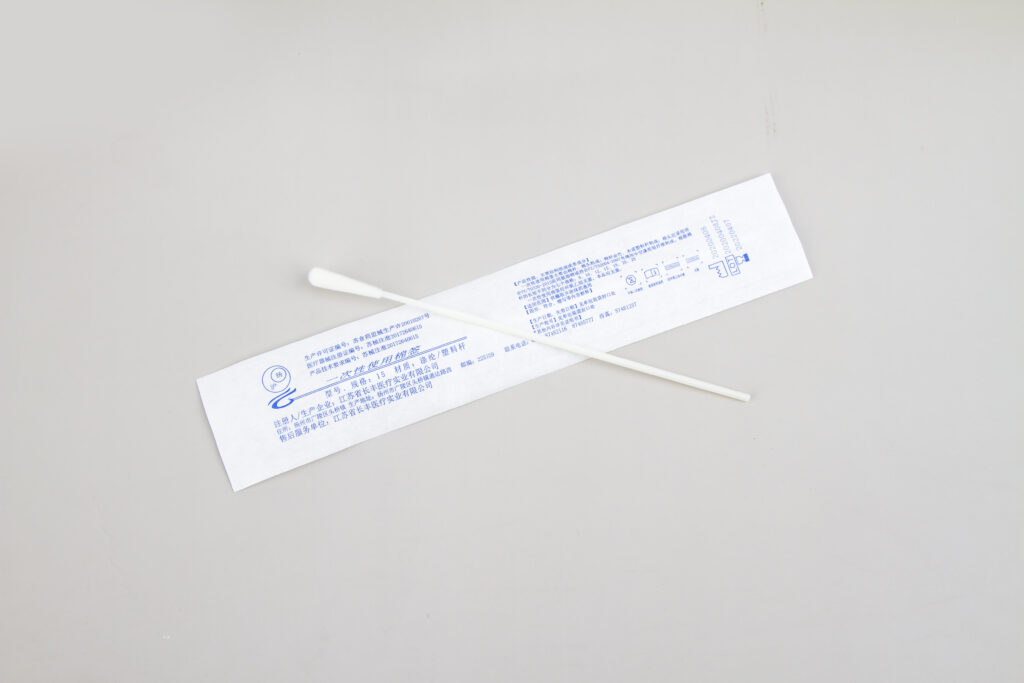
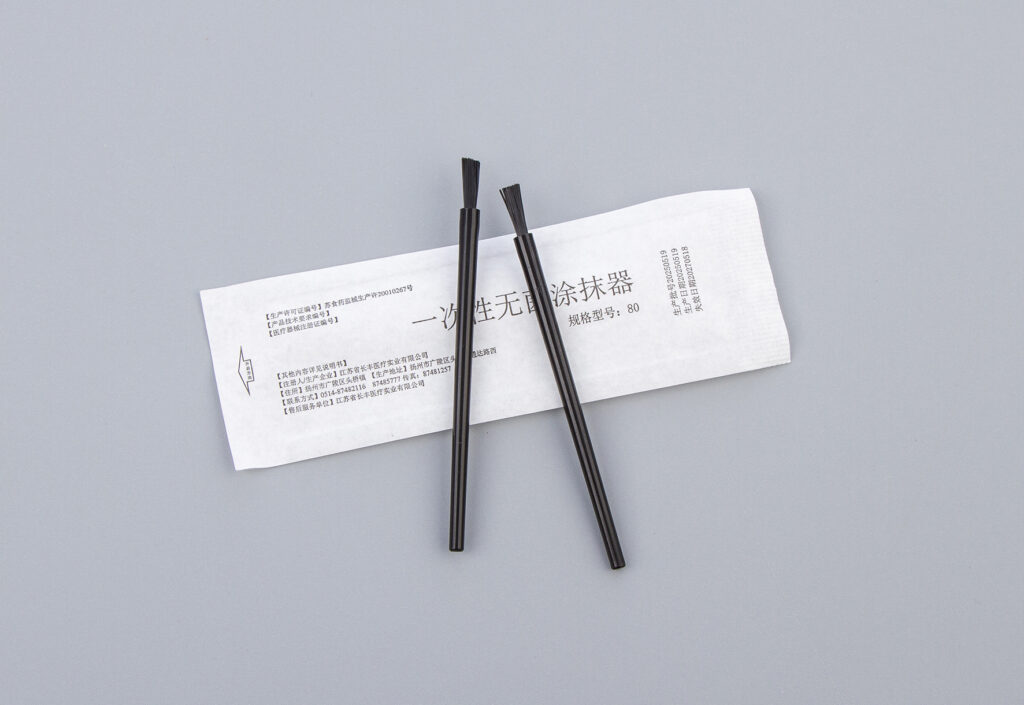
Packaging consistency includes pouch material, seal strength, printing clarity, label layout, inner box quantity, carton quantity, and carton marks. Packaging changes can affect customer acceptance even if the swab itself does not change.
For private label orders, packaging consistency is especially important because brand presentation depends on stable artwork and printing.
Lot Number and Traceability
Lot numbers help buyers identify specific batches. If a quality question appears, lot number traceability helps buyers and suppliers review the affected batch instead of confusing all inventory.
Buyers should confirm where lot numbers appear: pouch, box, carton, label, or documents.
Shelf Life Consistency
Repeat orders should provide clear shelf life information. Buyers should check expiration date format, remaining shelf life before shipment, storage conditions, and whether shelf life information matches packaging and documents.
Supplier Change Control
If a supplier changes material, packaging, label design, carton size, or production process, buyers should be informed before mass shipment. Unannounced changes may cause customer complaints.
For long-term cooperation, buyers should ask suppliers how they manage specification changes and packaging updates.
How Buyers Can Check Batch Consistency
Buyers can keep approved samples, compare new samples with previous batches, review product specifications, check packaging artwork, inspect carton marks, and request pre-shipment photos or inspection reports.
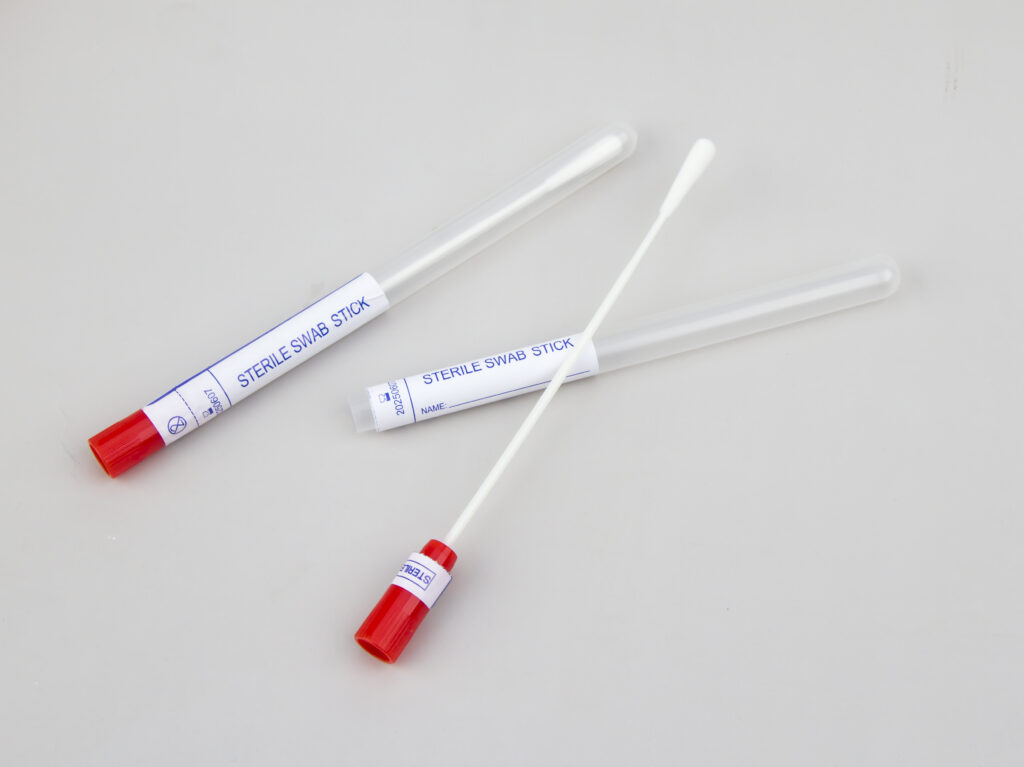
For kit assembly, buyers should also test tube fit, cap closure, breakpoint performance, and packaging layout in every important batch.
What Buyers Should Check Before Reordering
Before reordering sampling swabs, buyers should check whether tip material, shaft design, breakpoint, sterile status, pouch artwork, lot number format, expiration date format, carton quantity, shelf life, and documents remain the same as the approved order.
Common Mistakes
One common mistake is assuming repeat orders will automatically match the first shipment. Another mistake is comparing only product photos without checking packaging, labels, and carton details.
Buyers should also avoid approving supplier substitutions without sample review.
Conclusion
Swab batch consistency matters because it supports repeat order stability, customer trust, kit compatibility, private label presentation, and inventory control. Buyers should evaluate tip, shaft, packaging, lot number, shelf life, and supplier change control before long-term cooperation.
Changfeng Medical supplies sampling swabs for diagnostic, clinical, and laboratory applications, including nasal swabs, large-headed flocked swabs, polyester fiber swabs with sheath, media-coated swabs, and double-tip throat swabs. Contact us to discuss batch consistency, packaging options, and long-term supply solutions for your market.
FAQ
What is swab batch consistency?
It means swab specifications and packaging remain stable across different production batches.
Why does batch consistency matter for buyers?
It helps repeat orders match approved samples, reduces customer complaints, and supports stable inventory management.
What details should buyers compare between batches?
Buyers should compare tip material, shaft design, breakpoint, packaging, labels, lot number, shelf life, carton packing, and documents.
How can buyers reduce batch inconsistency risk?
Buyers can keep reference samples, request written specifications, check pre-shipment photos, and confirm changes before production.