How to Choose Swabs for Laboratory Sample Preparation?

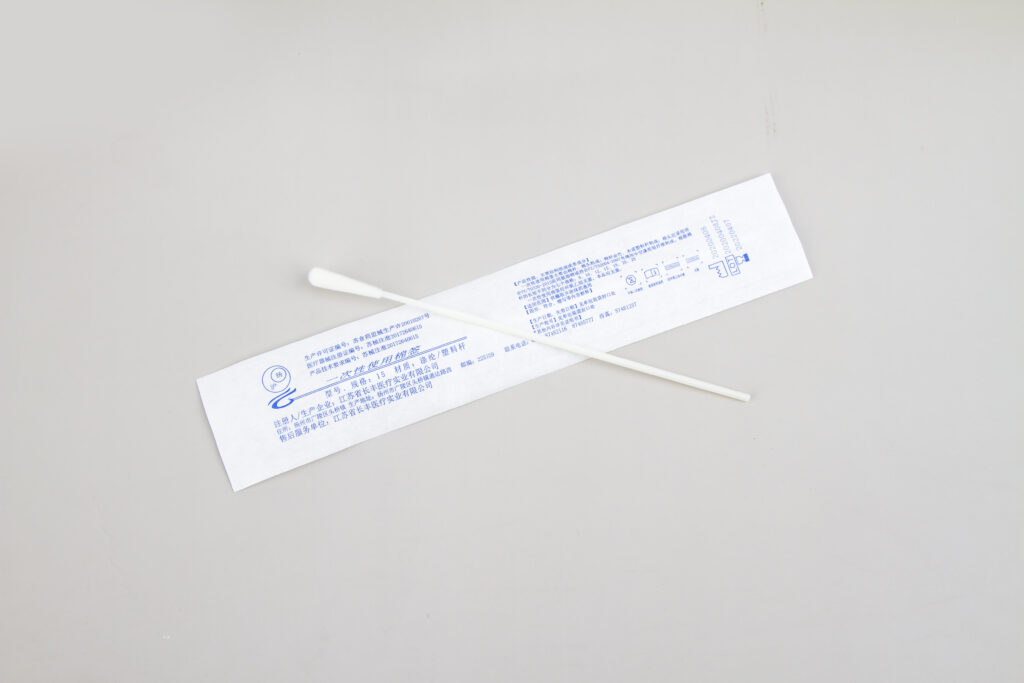
Choosing swabs for laboratory sample preparation requires attention to tip material, absorption, sample release, shaft design, packaging, sterility, and compatibility with the intended workflow. A laboratory swab may look simple, but the wrong swab can create handling problems or fail to match the customer’s process.
For medical buyers, laboratories, distributors, and procurement teams, swab selection should be based on the real sample preparation workflow rather than product photos or general product names.
Start with the Laboratory Workflow
The first step is to confirm how the swab will be used. Some workflows require dry swabs, while others require swabs used with tubes, transport medium, extraction buffer, or collection kits.
Buyers should confirm whether the swab will be used for specimen collection, surface sampling, diagnostic kit preparation, sample transfer, or another laboratory process.
Check Tip Material
Tip material affects absorption, sample pickup, sample release, and compatibility. Common options include nylon flocked fiber, polyester fiber, foam, rayon, cotton, and other materials.
For many laboratory and diagnostic workflows, synthetic fiber swabs such as polyester or nylon flocked swabs may be considered, but buyers should confirm the required material with the customer or test method.
Check Absorption and Sample Release
Absorption and sample release are not the same. A swab that absorbs liquid well may not release the sample efficiently into medium, buffer, or another processing liquid.
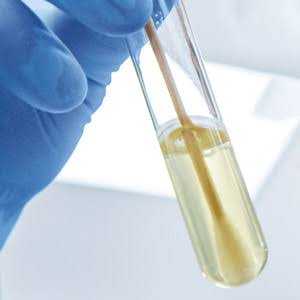
Buyers should test swab samples with the actual laboratory liquid, tube, and processing method when possible.
Check Shaft Design
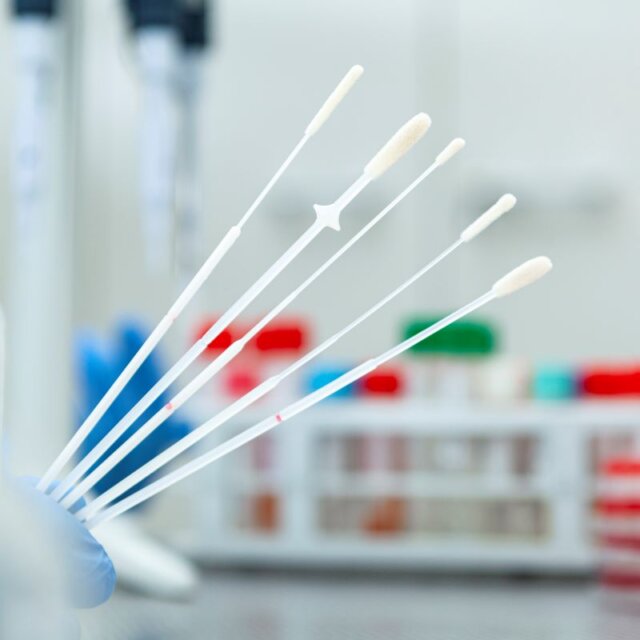
Shaft material, length, diameter, flexibility, and breakpoint can all affect laboratory handling. A swab used for a narrow tube may need a different shaft from a swab used for broad surface sampling.
If the swab must be broken into a tube, the breakpoint position should match the tube length and cap closing space.
Dry Swab or Swab with Medium
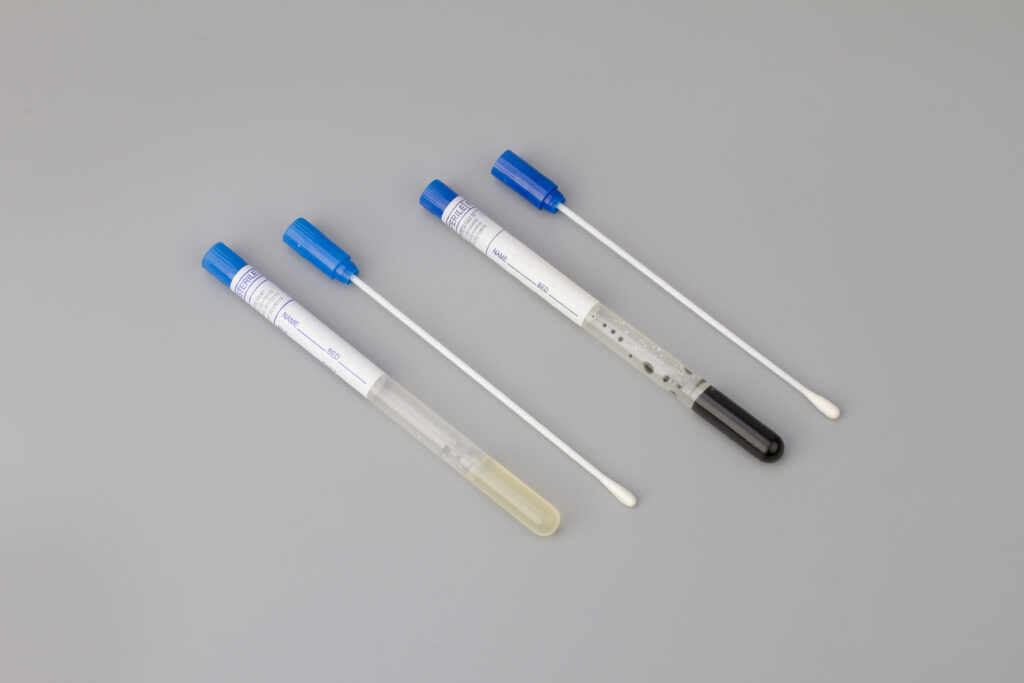
Some laboratory sample preparation workflows use dry swabs. Others use transport medium, extraction buffer, or prepared tube systems. The format should match the customer’s workflow.
Buyers should not replace a dry swab with a transport swab or a transport swab with a dry swab without confirming the process.
Sterile or Non-Sterile
Laboratory workflows may require sterile swabs, but not every laboratory swab must be sterile. Buyers should confirm the exact requirement before ordering.
If sterile swabs are required, sterile packaging, lot number, expiration date, shelf life, and storage conditions should be checked.
Packaging for Laboratory Use
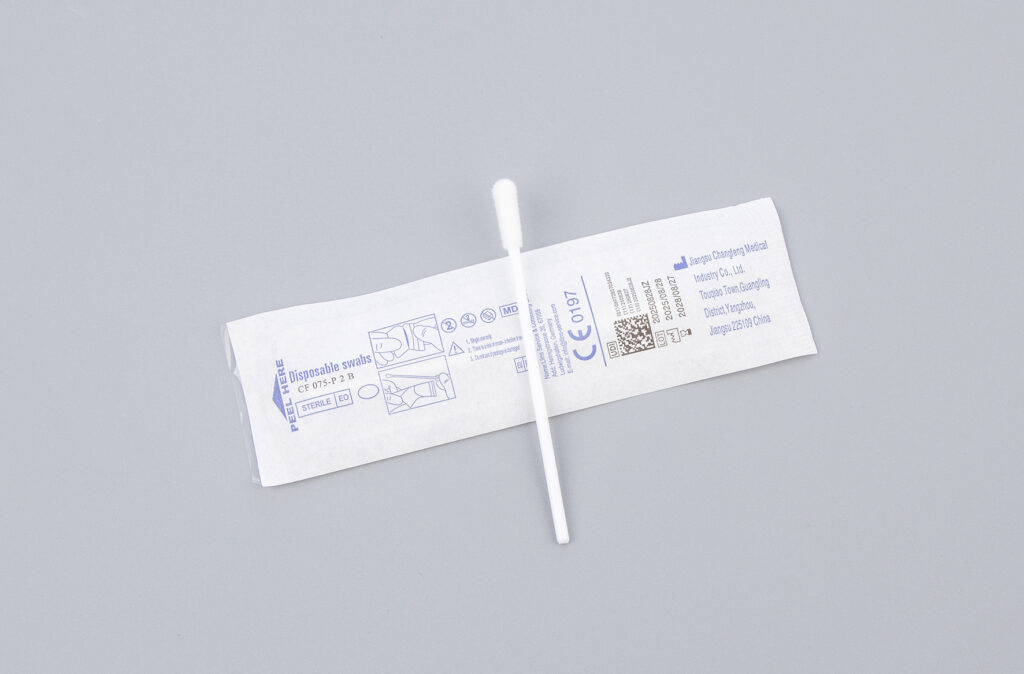
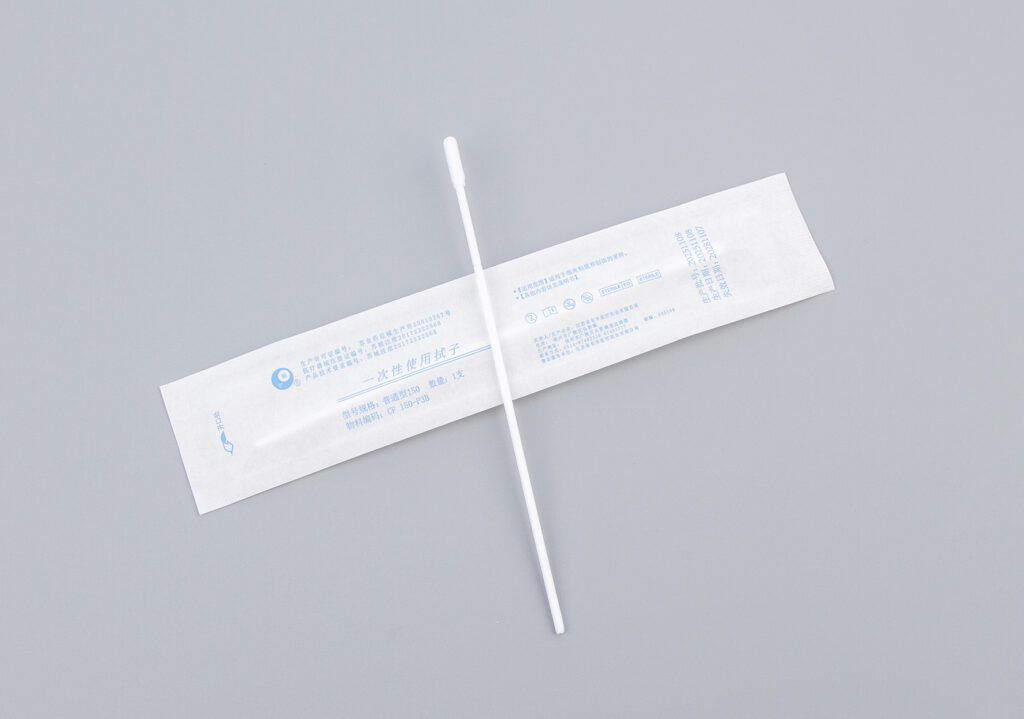
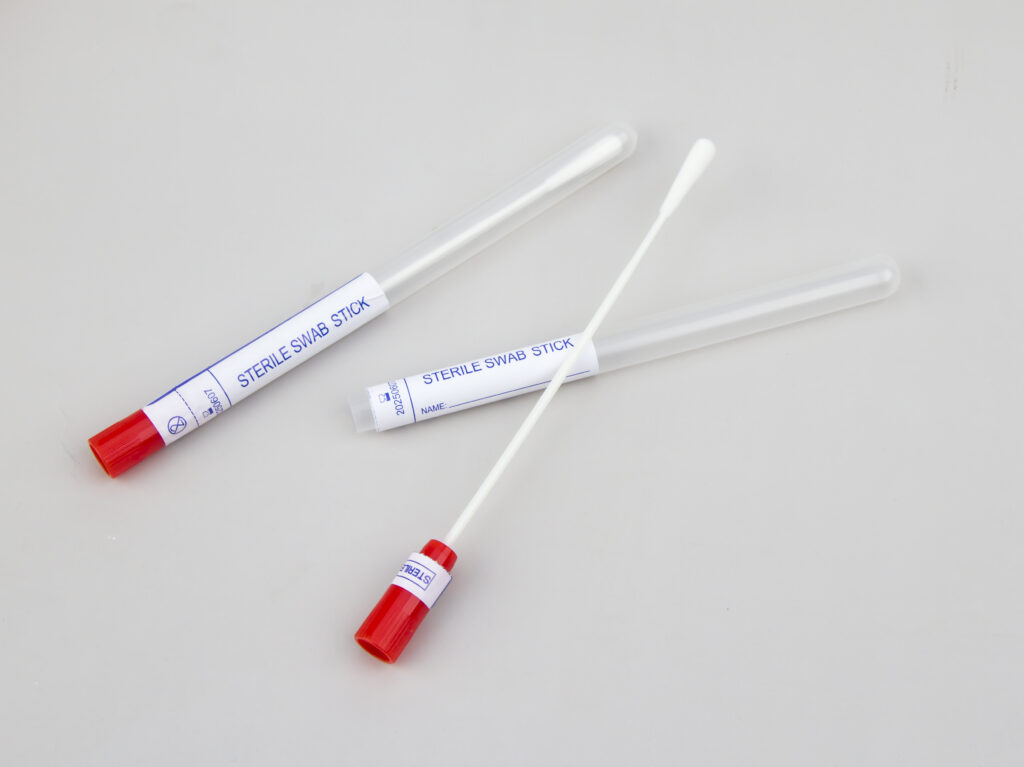
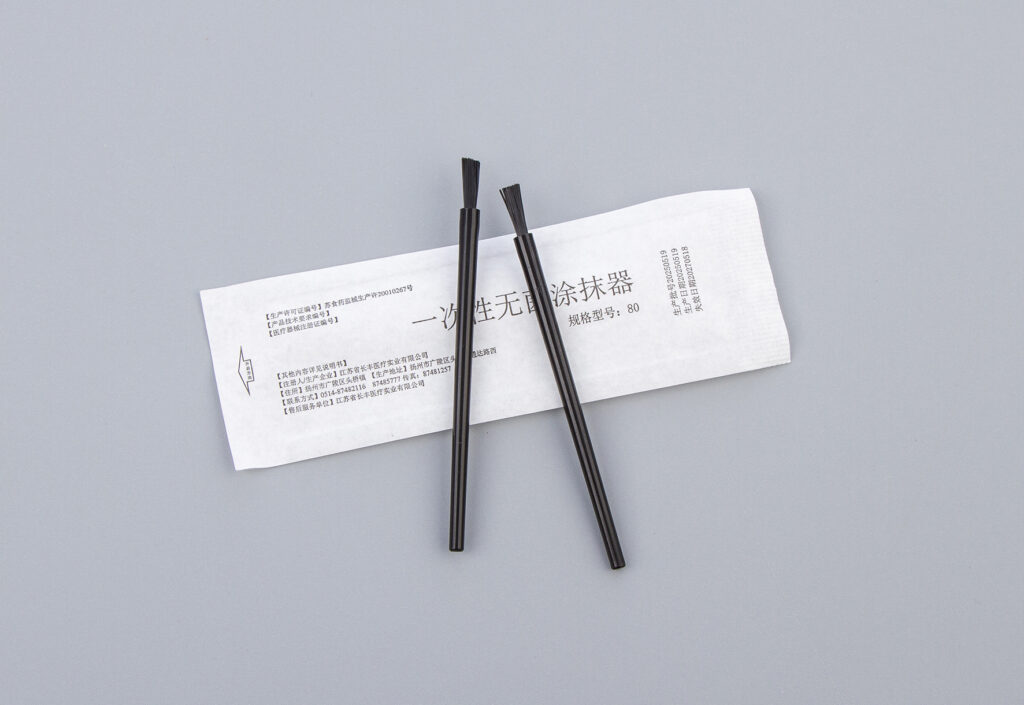
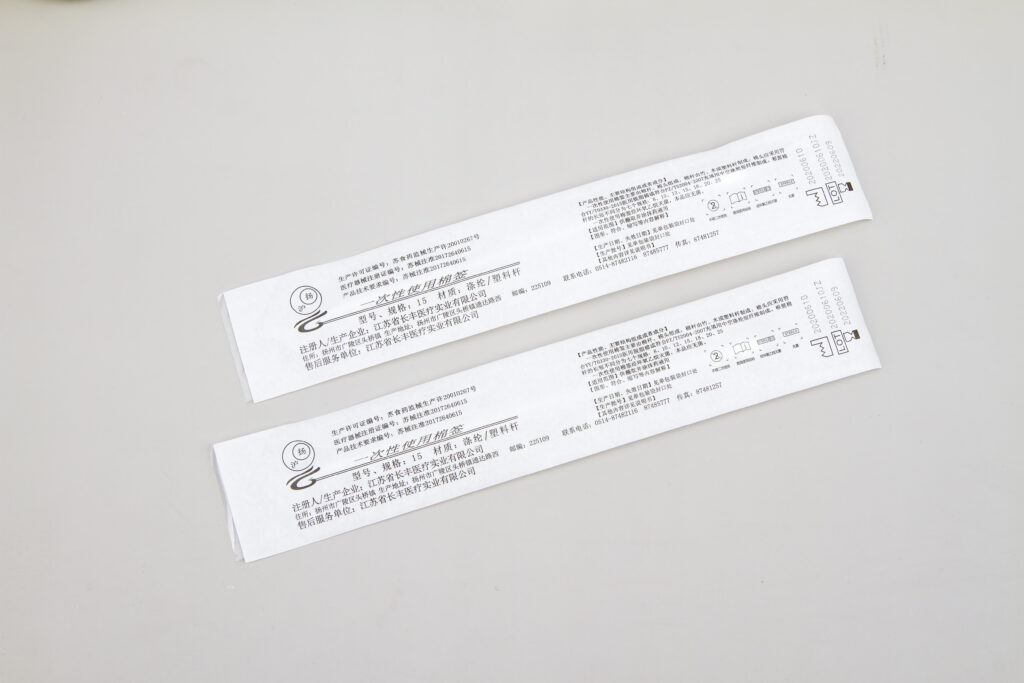
Packaging should protect the swab before use and make products easy to identify in storage. Individual pouches, protective sheaths, tube packaging, inner boxes, and cartons may be used depending on the product.
Buyers should check pouch strength, seal quality, printing clarity, label information, and carton protection.
Tube and Kit Compatibility
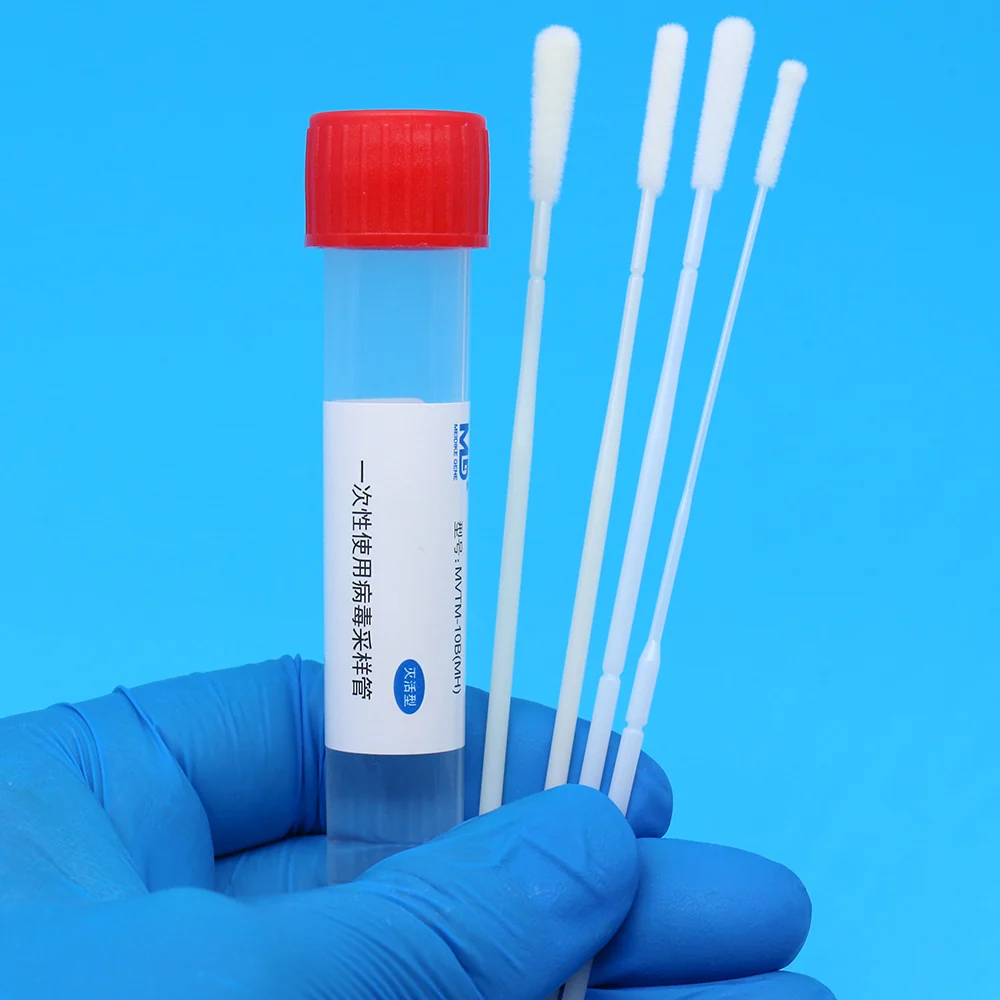
If the swab is included in a kit, buyers should test the swab together with the tube, cap, medium, label, instruction sheet, pouch, and carton layout.
A swab that performs well alone may still fail to fit the final kit configuration.
What Buyers Should Check Before Ordering
Before ordering swabs for laboratory sample preparation, buyers should check intended use, tip material, tip size, absorption, sample release, shaft design, breakpoint, sterile status, packaging, tube compatibility, shelf life, storage conditions, samples, MOQ, lead time, and supplier documentation.
Common Mistakes
One common mistake is choosing swabs only by tip appearance. Another mistake is ignoring whether the swab releases sample effectively into the customer’s liquid system.
Buyers should also avoid bulk orders before testing samples in the actual laboratory workflow.
Conclusion
To choose swabs for laboratory sample preparation, buyers should evaluate the full workflow, including tip material, sample release, shaft design, packaging, sterility, tube fit, shelf life, and documentation.
Changfeng Medical supplies sampling swabs for diagnostic, clinical, and laboratory applications, including nasal swabs, large-headed flocked swabs, polyester fiber swabs with sheath, media-coated swabs, and double-tip throat swabs. Contact us to discuss laboratory swab specifications, packaging options, and bulk supply solutions for your market.
FAQ
What swabs are used for laboratory sample preparation?
Options may include polyester swabs, flocked swabs, foam swabs, sterile dry swabs, transport swabs, or swabs with sheath depending on the workflow.
Why does sample release matter?
Sample release affects how well collected material transfers from the swab tip into liquid medium, extraction buffer, or another laboratory system.
Do laboratory swabs need to be sterile?
Some workflows require sterile swabs, while others may not. Buyers should confirm the customer’s requirement.
What should buyers check before ordering?
Buyers should check tip material, shaft design, packaging, sterility, tube compatibility, shelf life, samples, and documentation.