What Is Extraction Buffer Compatibility for Sampling Swabs?

Extraction buffer compatibility means that the sampling swab works properly with the buffer or liquid used in a diagnostic, laboratory, or sample processing workflow. The swab should collect the sample and release it into the buffer without creating handling or workflow problems.
For diagnostic kit manufacturers, laboratories, distributors, and procurement teams, buffer compatibility should be checked before bulk orders, especially when swabs are used in rapid test kits, molecular testing workflows, or dry swab systems.
What Is Extraction Buffer?
Extraction buffer is a liquid used in some testing workflows to help transfer or process collected material from the swab. The exact buffer type depends on the test system and customer protocol.
Buyers should always follow the test manufacturer’s instructions and confirm whether the swab material is suitable for the intended buffer.
What Does Buffer Compatibility Mean?
Buffer compatibility means the swab tip material, shaft, breakpoint, and packaging format work with the liquid system and final test workflow.
A swab may collect sample well but still be unsuitable if it does not release sample effectively into the buffer or fit the extraction tube correctly.
Why Compatibility Matters for Diagnostic Kits
Diagnostic kits often use a defined swab, tube, buffer, cap, pouch, label, and instruction workflow. If one component does not match, the whole kit experience may be affected.
Buyers should evaluate the swab as part of the complete kit instead of checking the swab alone.
Tip Material and Buffer Compatibility
Tip material can affect collection, absorption, and sample release. Common options include nylon flocked fiber, polyester fiber, foam, rayon, cotton, and other materials.
Synthetic fiber swabs may be considered for many diagnostic workflows, but the final choice should match the test method and customer requirement.
Dry Swabs and Extraction Buffer
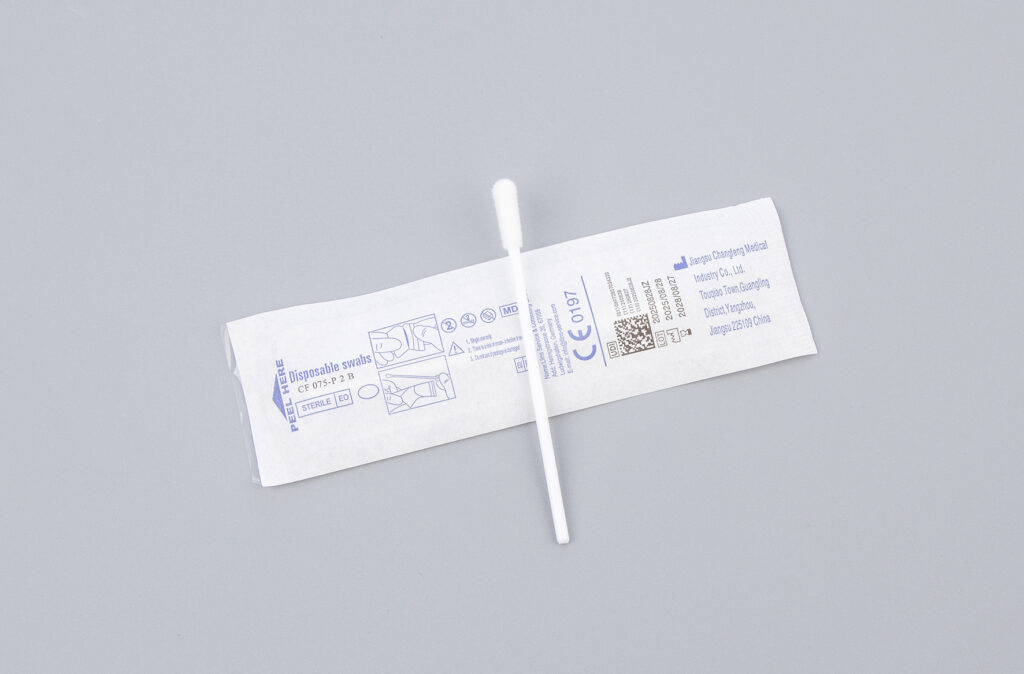
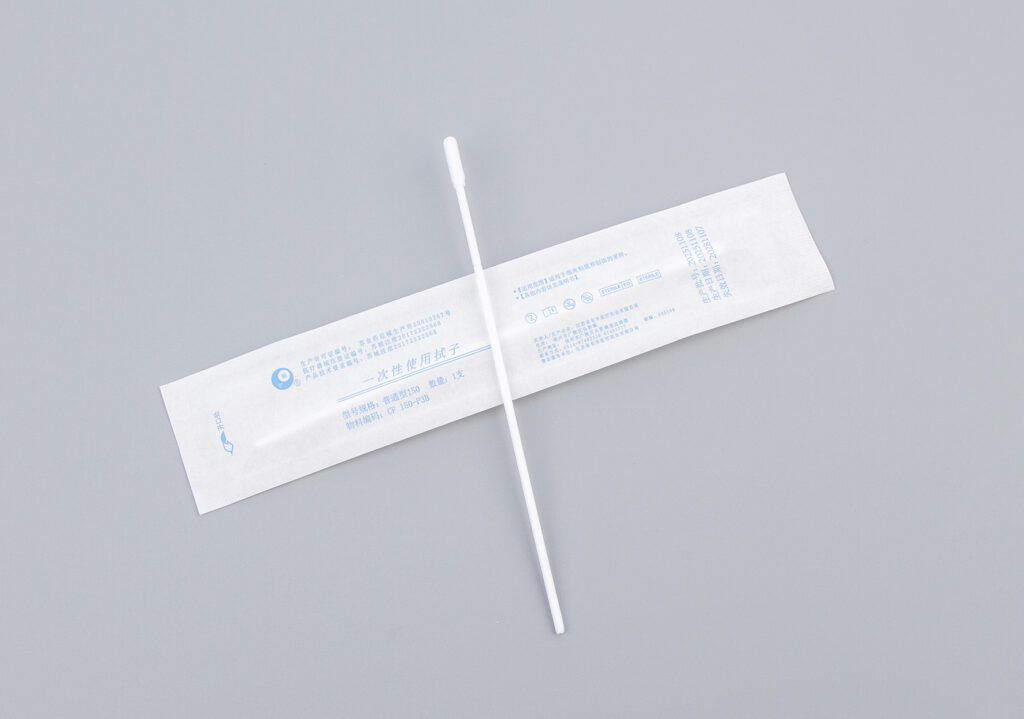
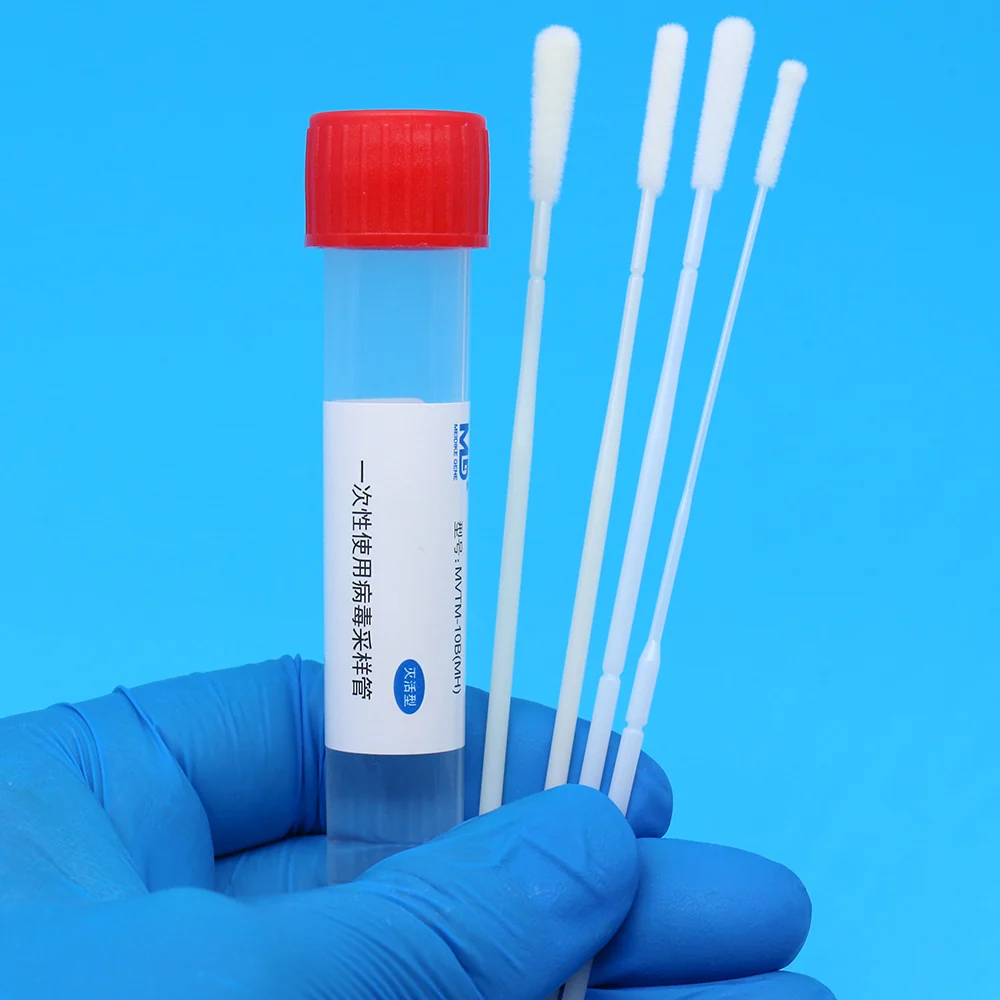
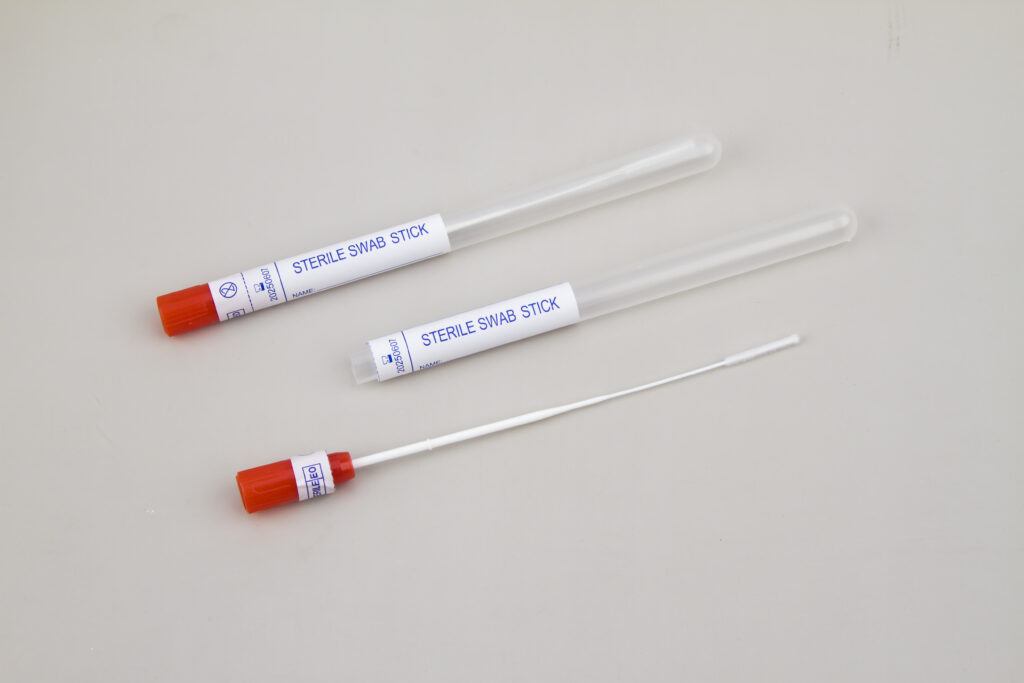
Dry swabs are often used when the collected sample will be placed into a separate extraction buffer or testing tube. In this case, the swab should release the collected material into the buffer according to the workflow.
Buyers should confirm whether the dry swab needs a breakpoint, specific shaft length, or special packaging for the kit.
Swabs with Tubes and Buffer Systems
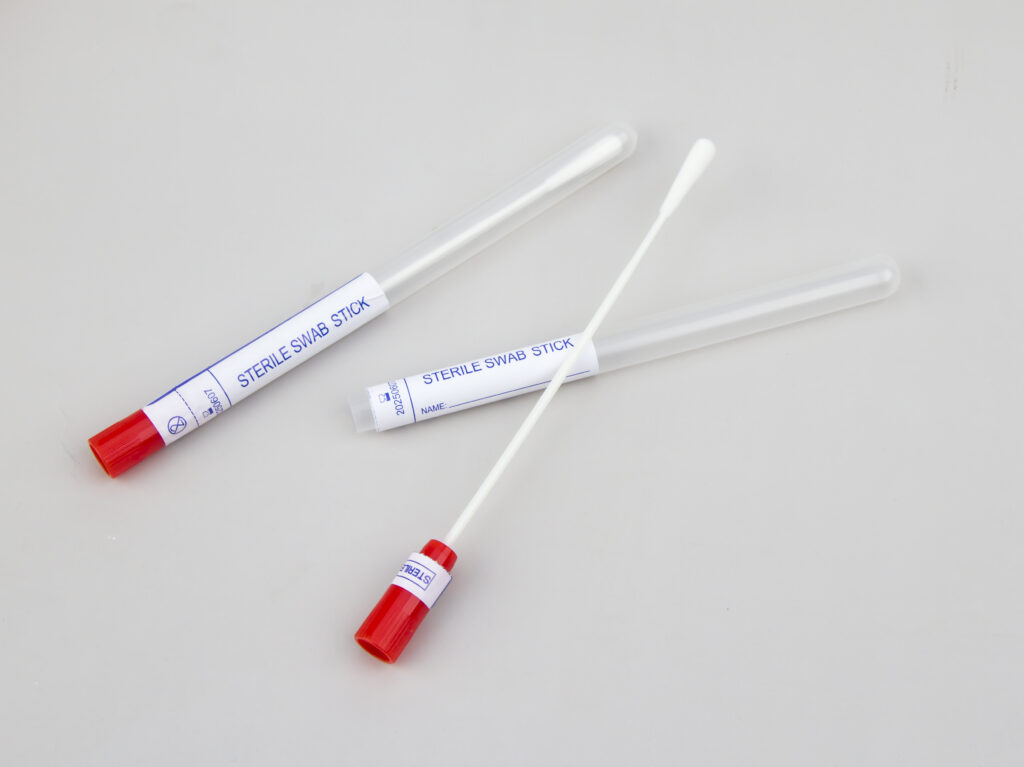
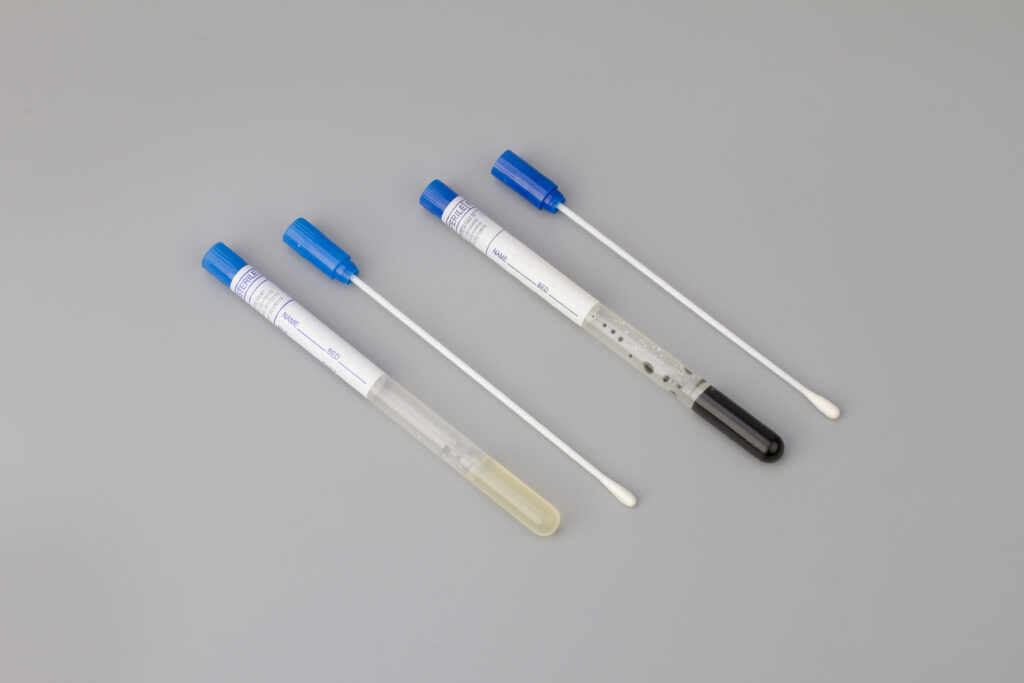
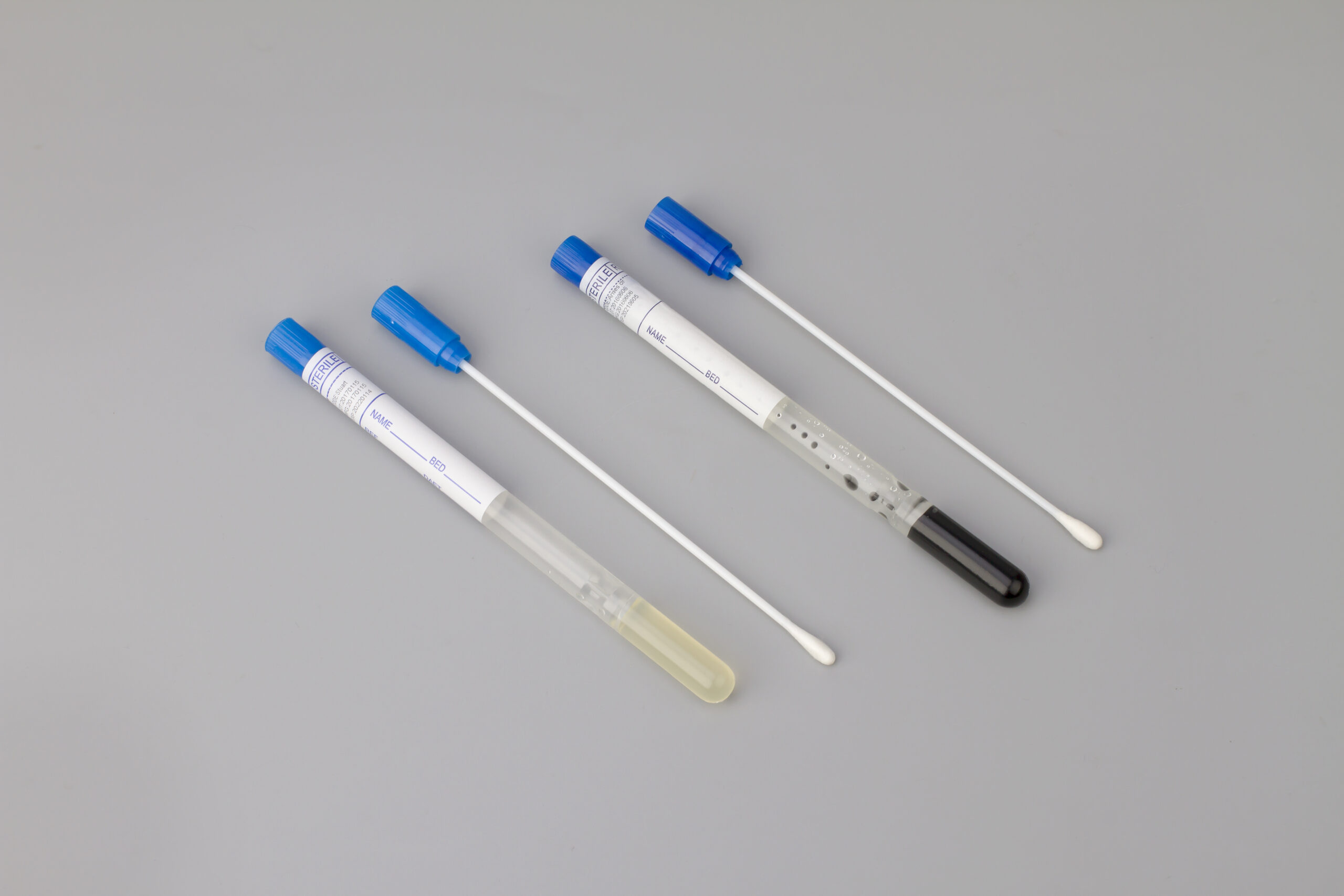
If the swab is supplied with a tube, buyers should check tube opening, tube volume, buffer volume, cap sealing, breakpoint position, and label area.
The tube, swab, buffer, and cap should be tested together before production.
Sample Release Testing
Sample release testing helps buyers understand whether the swab transfers collected material into the buffer efficiently for the intended workflow. This should be tested with the actual buffer or test system whenever possible.
Suppliers can provide swab samples, but buyers or customers should confirm performance in their own workflow.
Packaging and Shelf Life
Buffer compatibility also connects with packaging and shelf life. If the swab is assembled into a kit with buffer, the packaging should protect each component and the final kit shelf life should be confirmed.
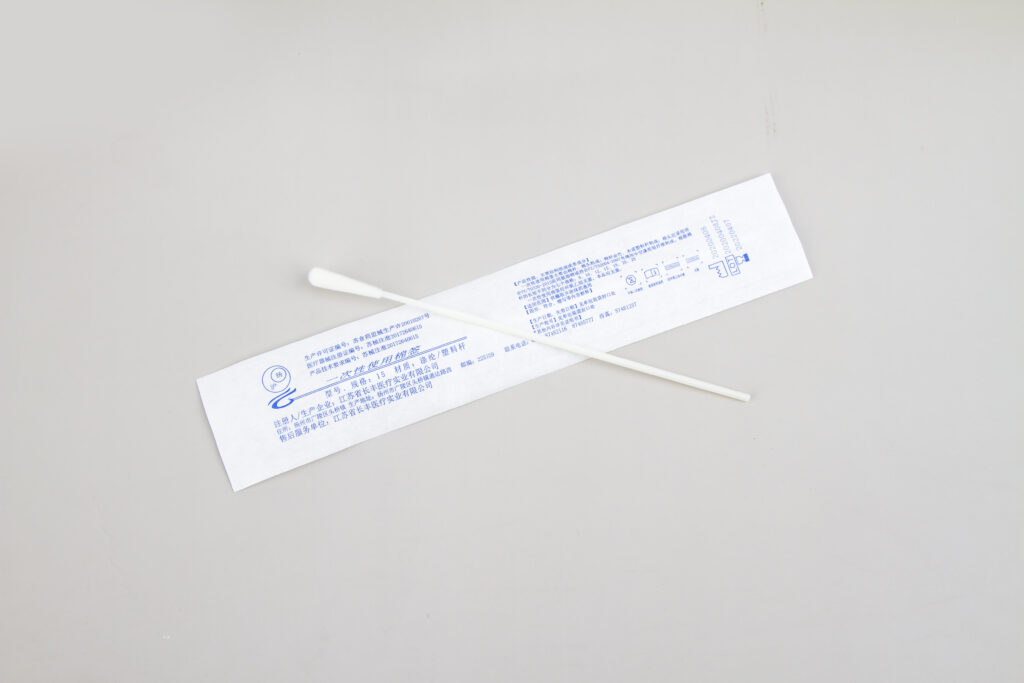
Buyers should check pouch quality, tube label, lot number, expiration date, storage conditions, carton packing, and private label artwork.
What Buyers Should Ask Suppliers
Buyers can ask about tip material, shaft material, swab length, breakpoint, sterile status, dry or tube format, packaging, tube compatibility, available samples, MOQ, lead time, and documents.
They should also ask whether the supplier has experience supplying swabs for diagnostic kit or buffer-based workflows.
Common Mistakes
One common mistake is assuming that any sterile swab can be used with any extraction buffer. Another mistake is testing the swab without the actual tube, cap, buffer, and kit instructions.
Buyers should avoid confirming bulk orders before the customer completes compatibility testing.
Conclusion
Extraction buffer compatibility matters because the swab must work with the full diagnostic or laboratory workflow. Tip material, sample release, shaft design, tube fit, breakpoint, packaging, and shelf life should all be checked before bulk ordering.
Changfeng Medical supplies sampling swabs for diagnostic, clinical, laboratory, and kit assembly applications. Contact us to discuss swab materials, packaging options, and bulk supply solutions for your market.
FAQ
What is extraction buffer compatibility?
It means the swab works with the buffer or liquid used in the customer’s testing or sample processing workflow.
Why does tip material matter?
Tip material affects collection, absorption, sample release, and compatibility with the workflow.
Should buyers test swabs with the actual buffer?
Yes. Buyers should test swabs with the actual buffer, tube, cap, and kit workflow whenever possible.
Can dry swabs be used with extraction buffer?
Dry swabs may be used in workflows where the sample is placed into a separate buffer, but compatibility should be confirmed by the customer or test method.