How to Choose Backup Suppliers for Sampling Swab Procurement?

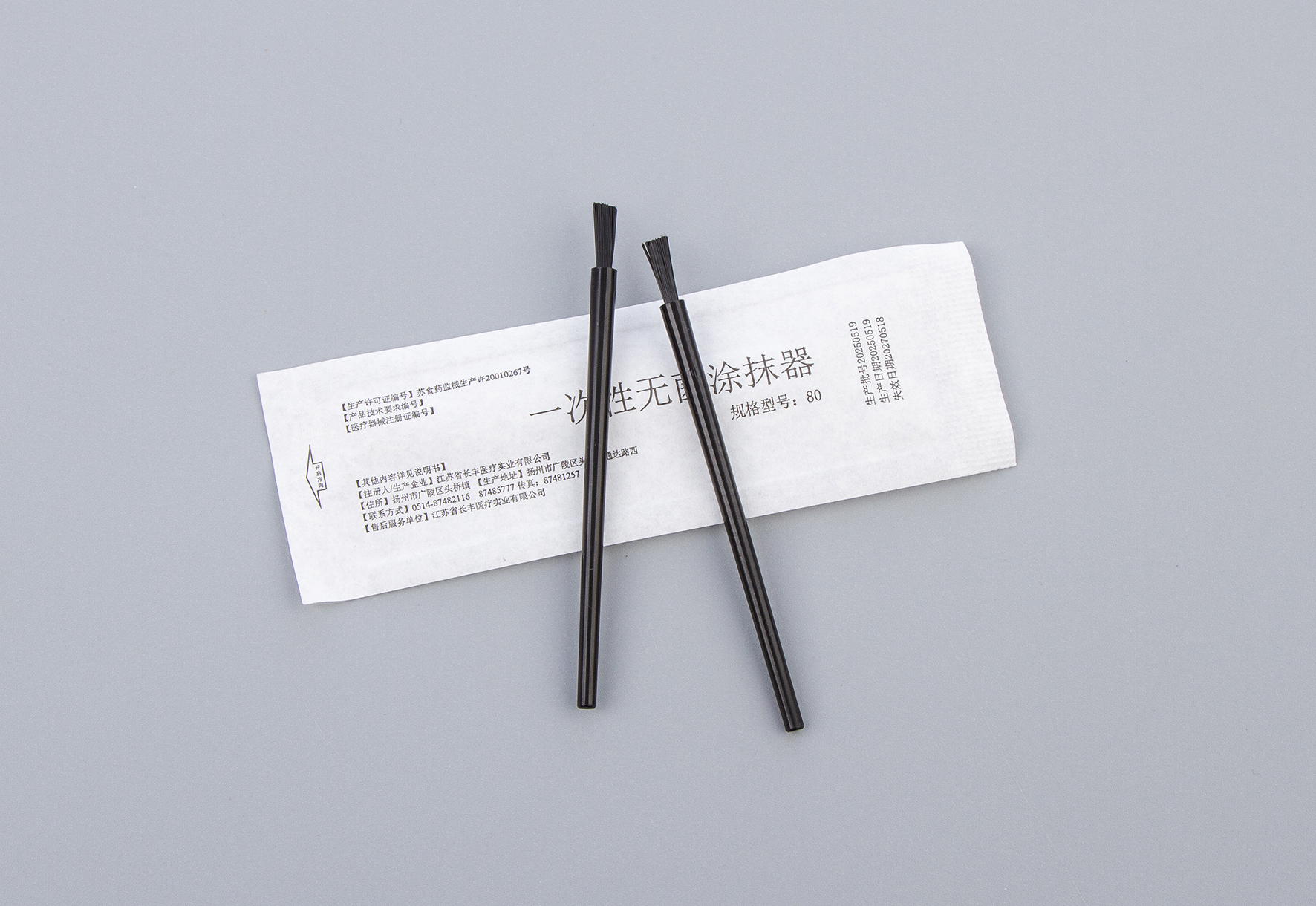
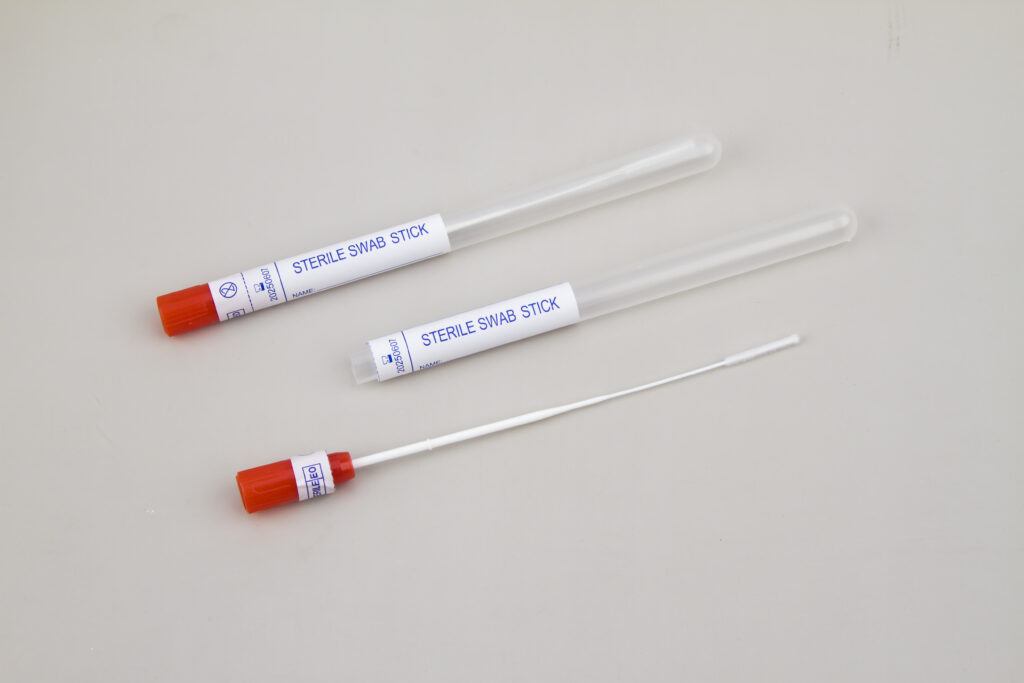
Backup suppliers for sampling swab procurement can help buyers reduce supply interruption risk, compare product quality, manage urgent orders, and support long-term purchasing stability. For medical distributors, diagnostic companies, laboratories, and procurement teams, relying on only one supplier may create problems if demand changes or production delays occur.
However, choosing a backup supplier does not mean choosing any alternative quotation. The backup supplier should be able to match product specification, packaging, sterile status, shelf life, documentation, and repeat order expectations.
Why Buyers Need Backup Suppliers
Backup suppliers help reduce risks related to production delays, material shortages, shipping delays, order volume changes, quality complaints, or urgent customer demand. They also give buyers more flexibility when planning tenders, distributor inventory, or private label projects.
A backup supplier should be evaluated before an emergency happens, not after stock is already running out.
Start with the Same Product Specification
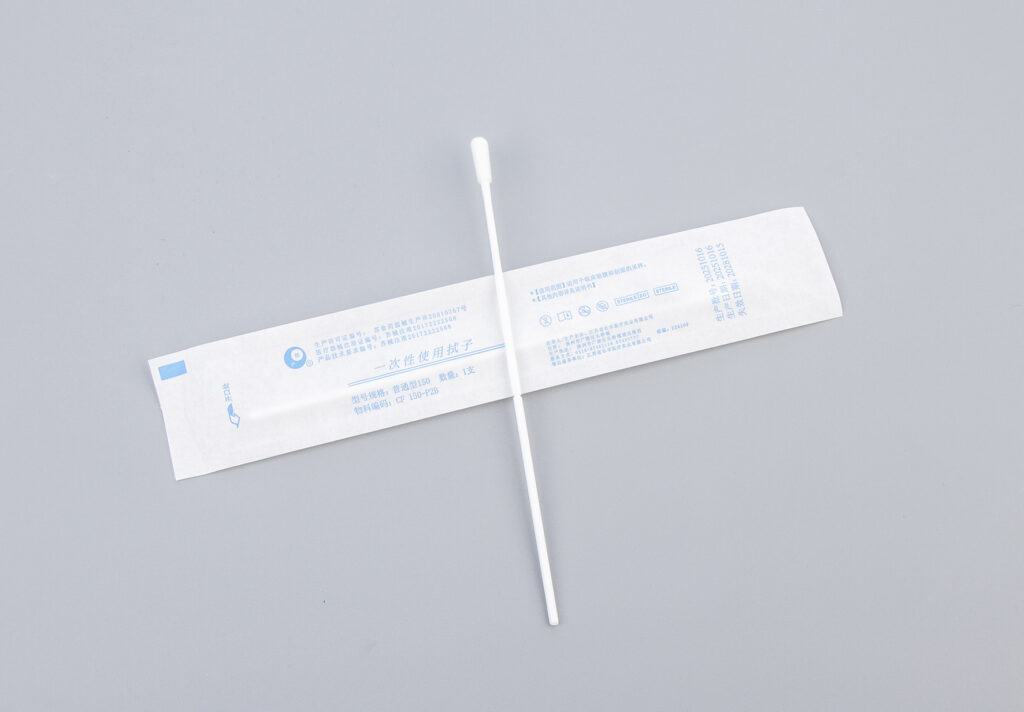
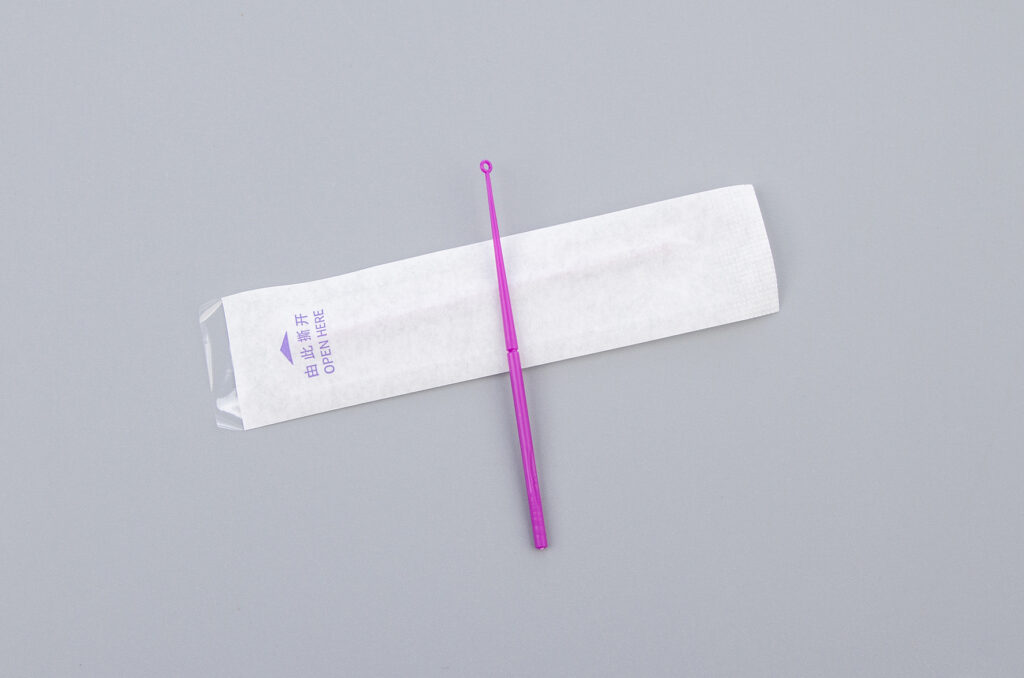
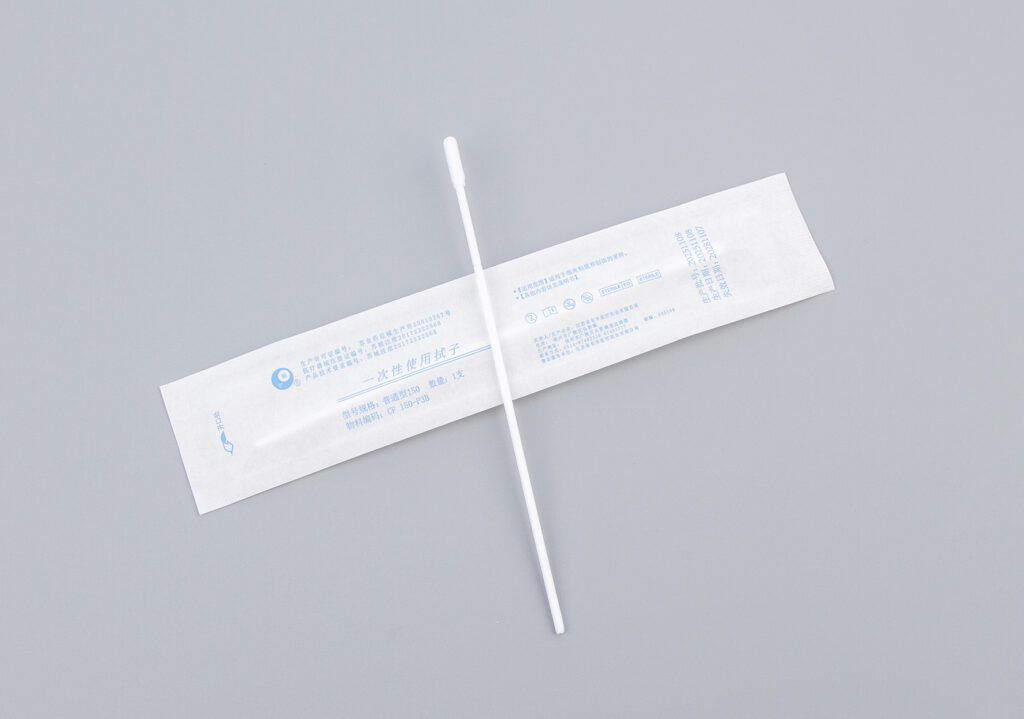
The first step is to confirm whether the backup supplier can provide the same or acceptable product specification. Important details include swab type, tip material, tip size, shaft material, shaft length, breakpoint, sterile status, packaging, and shelf life.
A product with the same name may still have different dimensions, materials, or packaging.
Request Samples for Comparison
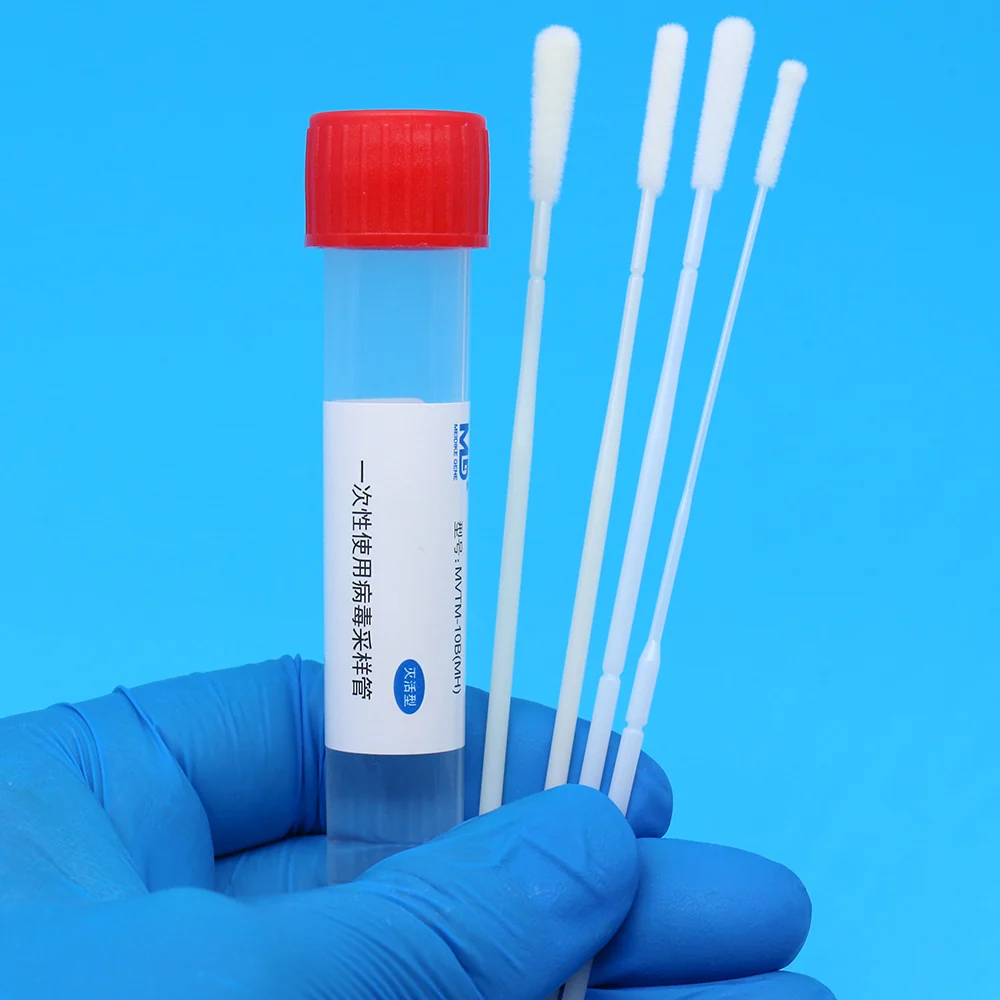
Samples are essential when evaluating backup suppliers. Buyers should compare tip quality, shaft handling, breakpoint performance, pouch seal, label clarity, tube fit, carton packing, and overall consistency.
Samples should be tested with the real workflow, tube, medium, diagnostic kit, or customer requirement whenever possible.
Check Packaging Compatibility
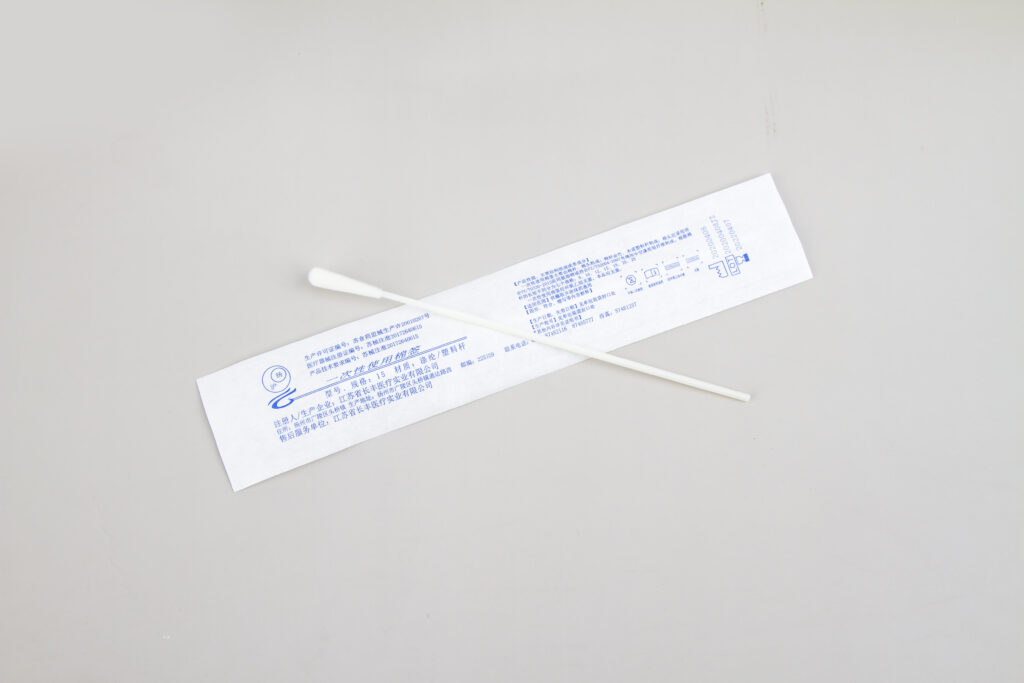
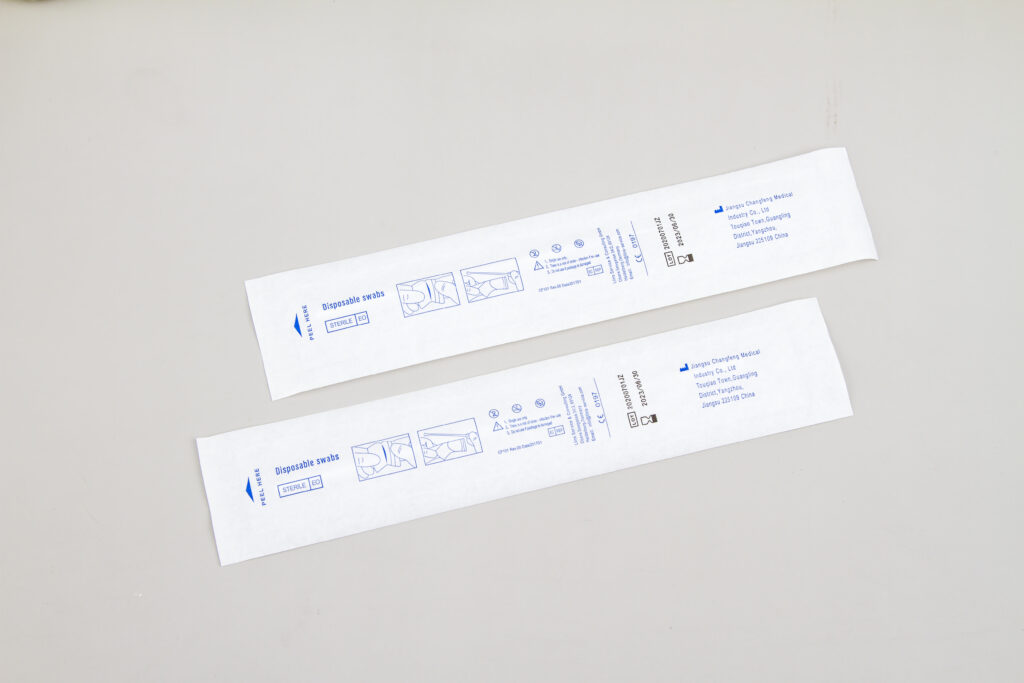
A backup supplier should be able to support packaging formats that match the buyer’s existing product line. This may include individual pouches, private label labels, inner boxes, barcodes, instruction sheets, and carton marks.
If packaging looks too different, customers may treat the backup product as a different item.
Check Sterile Status and Shelf Life
Sterile status, shelf life, lot number, and expiration date should be clearly confirmed. Backup suppliers should provide packaging and documentation that support the buyer’s quality and inventory requirements.
Remaining shelf life before shipment should also be considered, especially for distributors and tender supply.
Compare MOQ and Lead Time
Backup suppliers may have different MOQ and production schedules. Buyers should check whether the supplier can support small trial orders, urgent replenishment, private label orders, or larger repeat orders.
Lead time should include sample preparation, artwork approval, production, sterilization, packaging, inspection, and shipping preparation when applicable.
Check Documentation Support
Depending on the target market, buyers may need product specifications, packing information, sterilization information, shelf life details, certificate of conformity, invoice, packing list, and other export documents.
A backup supplier should be able to provide required documents before order confirmation.
Evaluate Communication and Response Speed
A backup supplier should respond clearly and quickly when specifications, samples, labels, or shipment questions arise. Slow or unclear communication may become a problem during urgent procurement.
Buyers can evaluate supplier communication during the sample and quotation stage.
Private Label Backup Supply
If the main product is private labeled, the backup supplier should understand artwork, label format, barcode, lot number area, expiration date format, carton marks, and packaging approval steps.
Buyers should avoid switching to a backup supplier without checking whether private label packaging can be matched.
Build a Risk Control Checklist
A backup supplier checklist can include product specification, sample approval, packaging match, sterile status, shelf life, lot number, carton packing, MOQ, lead time, document support, private label ability, communication speed, and repeat order stability.
Common Mistakes
One common mistake is choosing a backup supplier only because the price is lower. Another mistake is waiting until an urgent shortage before requesting samples and documents.
Buyers should also avoid assuming that a backup product can replace the main product without customer approval.
Conclusion
Choosing backup suppliers for sampling swab procurement helps reduce supply risk and improve purchasing flexibility. Buyers should evaluate specification, samples, packaging, sterile status, shelf life, MOQ, lead time, documents, private label support, and communication quality before adding a supplier to the backup list.
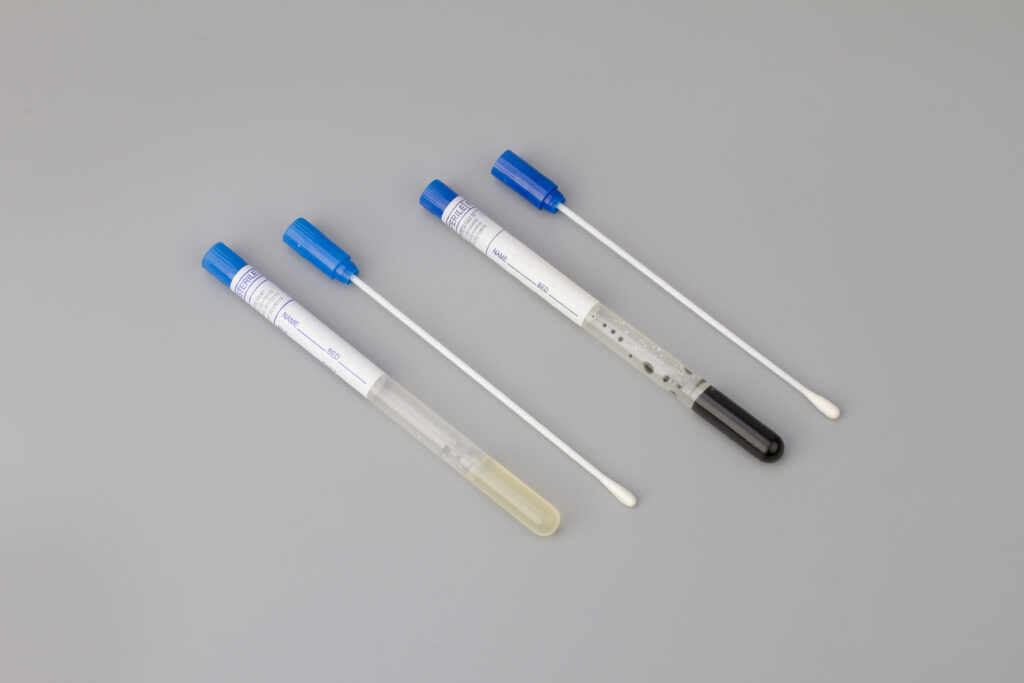
Changfeng Medical supplies sampling swabs for diagnostic, clinical, and laboratory applications, including nasal swabs, large-headed flocked swabs, polyester fiber swabs with sheath, media-coated swabs, and double-tip throat swabs. Contact us to discuss sampling swab specifications, backup supply plans, and bulk procurement options for your market.
FAQ
Why should buyers have backup suppliers for sampling swabs?
Backup suppliers can reduce risk from production delays, urgent demand, material shortages, shipping delays, or quality issues.
What should buyers compare between suppliers?
Buyers should compare specification, samples, packaging, sterile status, shelf life, MOQ, lead time, documents, and communication.
Should backup suppliers provide samples?
Yes. Samples should be reviewed and tested before the supplier is approved as a backup source.
Can backup suppliers support private label swabs?
Some suppliers can support private label packaging, but buyers should confirm artwork, labels, MOQ, and lead time before ordering.