What Is Sterile Barrier Packaging for Sampling Swabs?

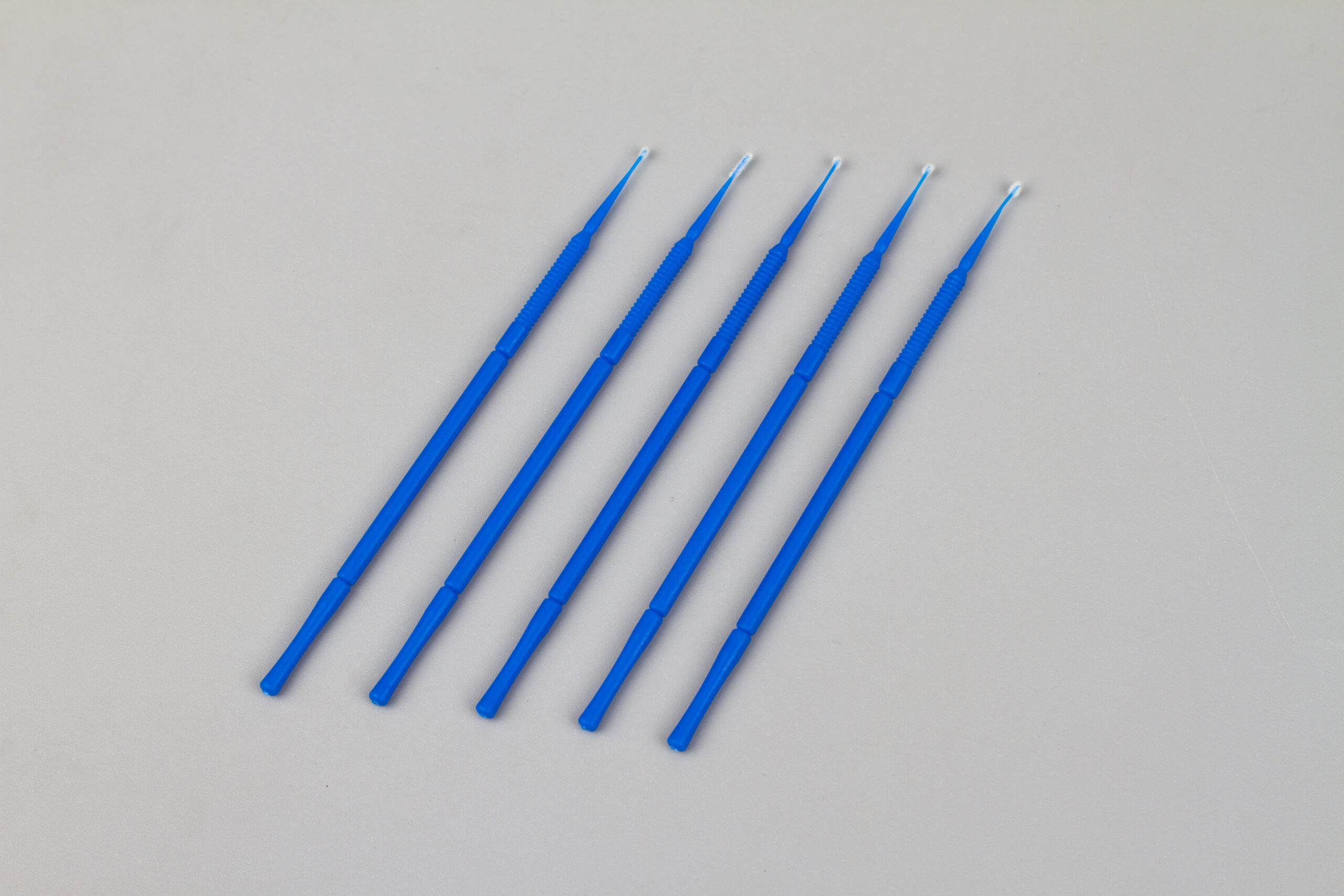
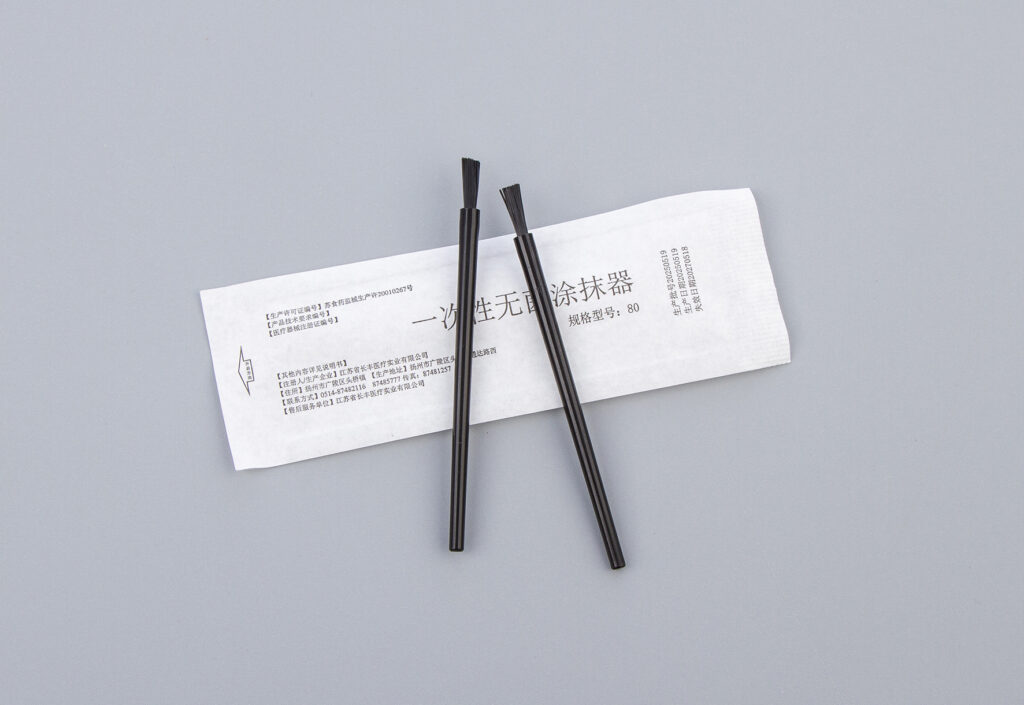
Sterile barrier packaging for sampling swabs refers to packaging that helps protect a sterile swab before use. For medical and diagnostic buyers, the swab itself is important, but the packaging system is also part of the product. If the pouch is damaged, poorly sealed, unclear, or unsuitable for the product, customer confidence can be affected.
Buyers should not treat sterile packaging as a simple wrapper. For sterile sampling swabs, packaging quality, seal strength, label information, lot number, expiration date, shelf life, and storage conditions should all be checked before bulk procurement.
What Is Sterile Barrier Packaging?
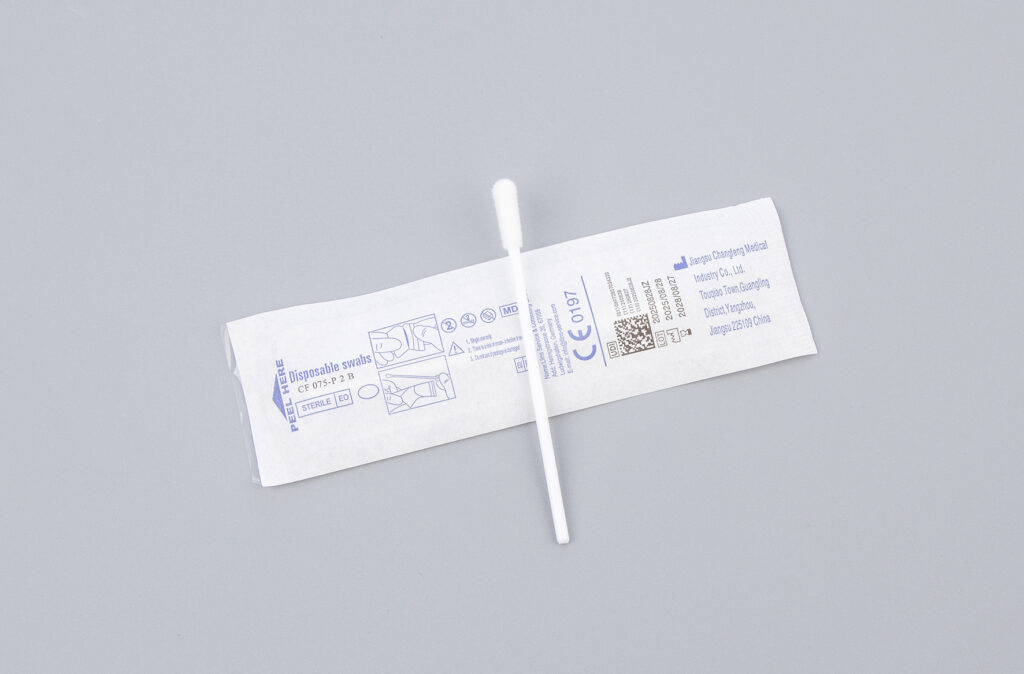
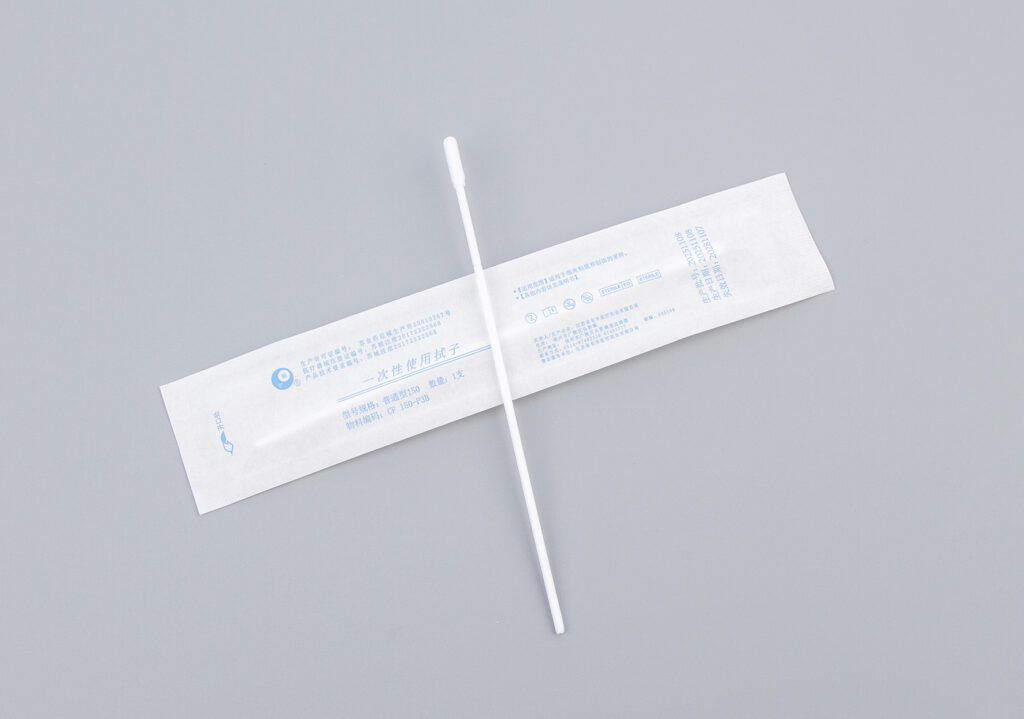
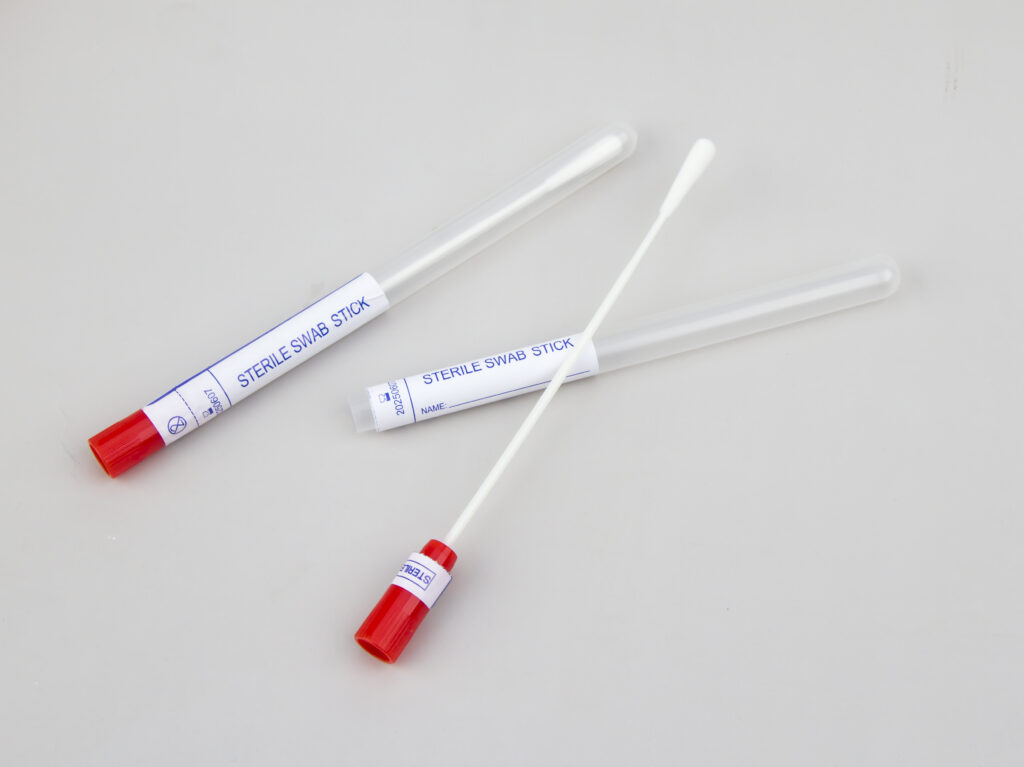
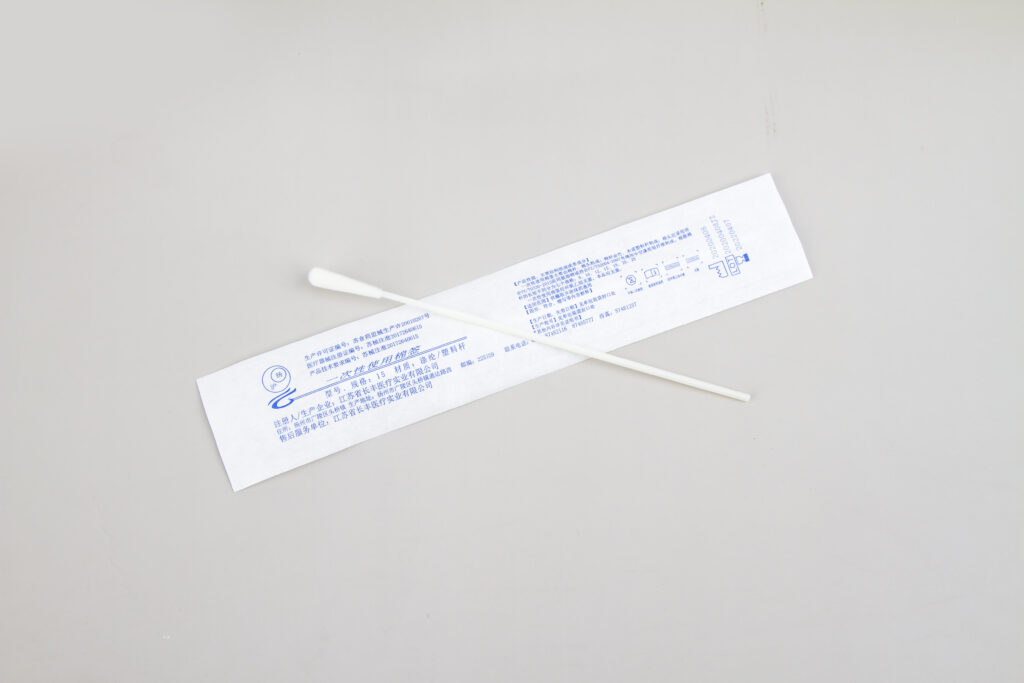
Sterile barrier packaging is packaging intended to protect a sterile product until it is opened for use. In sampling swabs, it is often an individual pouch or wrapper designed to protect the swab tip and shaft after sterilization and during storage.
The packaging format may vary depending on swab type, sterilization method, pouch material, product length, and customer requirement.
Why Sterile Barrier Packaging Matters
Sterile sampling swabs are often used in medical, diagnostic, or laboratory workflows. Packaging helps maintain product protection, supports traceability, and provides important information for users and warehouses.
A good swab can still be rejected if the pouch seal is weak, printing is unclear, or the package arrives damaged.
Check Pouch Material
Pouch material should be suitable for the product design and supplier’s stated sterilization process. Buyers should confirm whether the pouch material, opening method, and printed information match the intended market and customer requirements.
Common packaging formats may include paper-plastic pouches, film pouches, or other individually packed formats depending on the product.
Check Seal Strength
Seal strength is one of the most important packaging details. A pouch should be sealed consistently and should not open unexpectedly during transport, storage, or handling.
Buyers should inspect sample pouches and bulk packaging samples before order approval. Weak or uneven seals may lead to customer complaints.
Check Opening Convenience
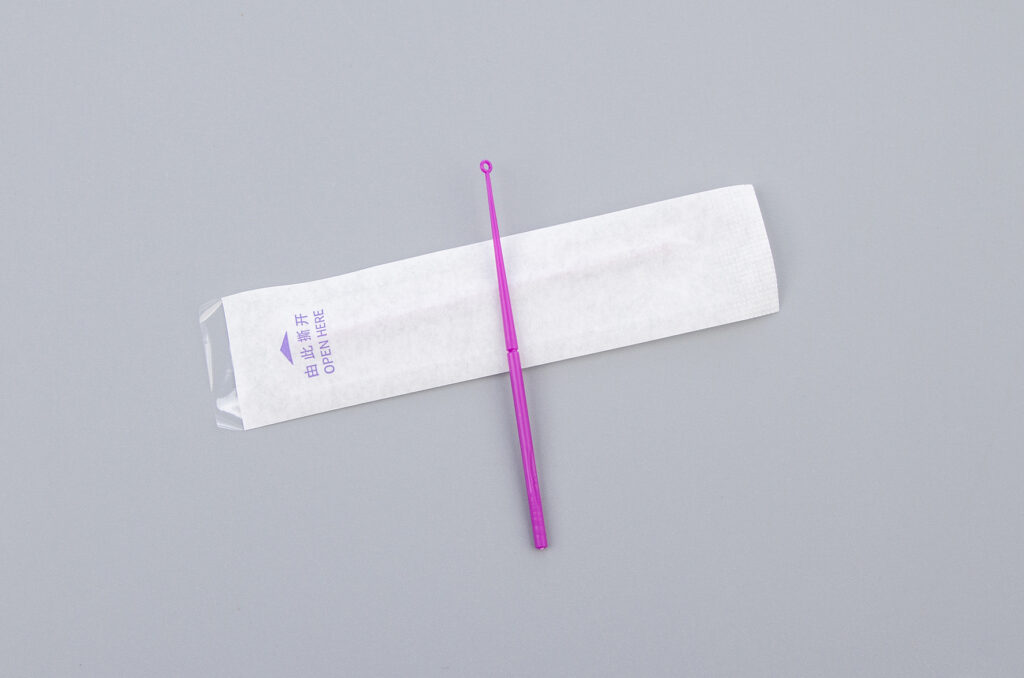
A sterile pouch should be practical to open without damaging the swab. Poor opening design can make handling difficult and may reduce user satisfaction.
Buyers should test real samples instead of judging packaging only from photos.
Check Label Information
Important packaging information may include product name, swab type, sterile status, lot number, expiration date, storage conditions, quantity, manufacturer information, and symbols required by the target market.
Private label products should be reviewed carefully to make sure the artwork matches the approved specification.
Lot Number and Expiration Date
Lot number and expiration date support traceability and shelf life management. Buyers should confirm whether this information appears on the pouch, inner box, outer carton, documents, or all packaging levels.
For distributors, clear traceability helps manage inventory and customer feedback.
Packaging Size and Swab Fit
The pouch should fit the swab properly. A pouch that is too tight may bend the shaft or compress the tip. A pouch that is too large may waste space and increase kit packing volume.
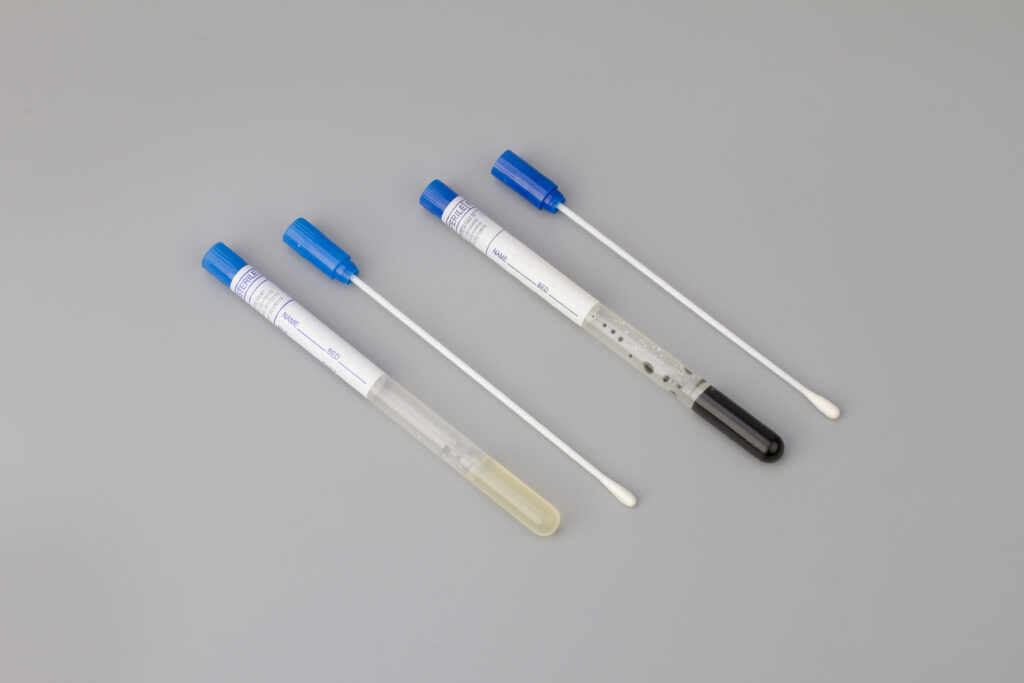
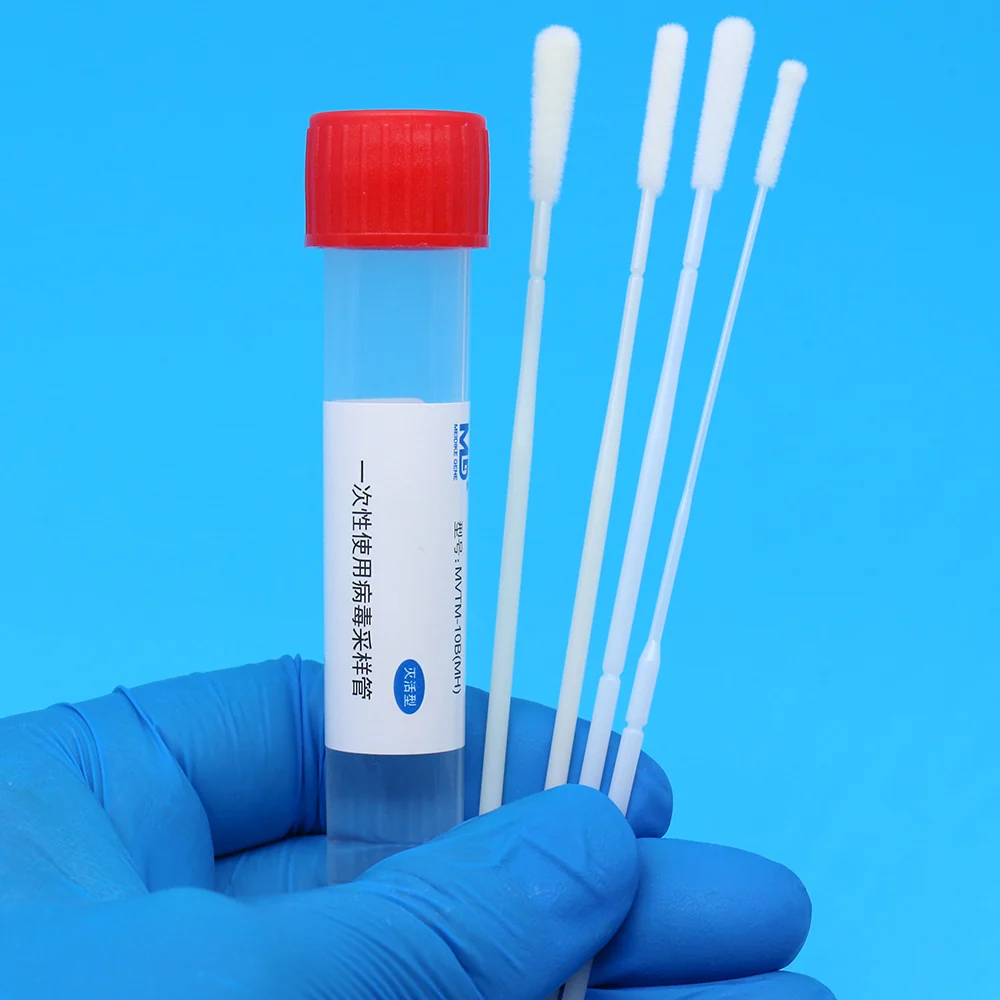
Long throat swabs, flexible nasopharyngeal swabs, swabs with sheath, and transport swab components may require different pouch sizes.
Shelf Life and Storage Conditions
Sterile barrier packaging is connected with shelf life. Buyers should confirm total shelf life, remaining shelf life before shipment, expiration date format, and storage conditions.
Storage instructions should be clear, especially when swabs are supplied with transport medium or assembled into kits.
Carton Protection
Sterile pouch quality can be affected by rough shipping or weak cartons. Buyers should check inner box quantity, outer carton strength, carton marks, gross weight, and packing arrangement.
Good carton packing helps protect pouch integrity during international transport and warehouse handling.
What Buyers Should Check Before Ordering
Before ordering sterile sampling swabs, buyers should check pouch material, seal strength, opening method, swab fit, printing clarity, sterile status, lot number, expiration date, shelf life, storage conditions, inner box quantity, carton strength, private label artwork, samples, and documents.
Common Mistakes
One common mistake is assuming that individual packaging automatically means sterile barrier packaging. Another mistake is approving the swab without checking packaging seal quality and printed information.
Buyers should also avoid finalizing private label artwork without confirming lot number and expiration date layout.
Conclusion
Sterile barrier packaging for sampling swabs matters because it protects the product, supports traceability, provides important user information, and affects customer acceptance. Buyers should evaluate packaging together with the swab, not as an afterthought.
Changfeng Medical supplies sampling swabs for diagnostic, clinical, and laboratory applications, including nasal swabs, large-headed flocked swabs, polyester fiber swabs with sheath, media-coated swabs, and double-tip throat swabs. Contact us to discuss sterile swab packaging, pouch options, and bulk supply solutions for your market.
FAQ
What is sterile barrier packaging for swabs?
It is packaging intended to protect a sterile swab before use, often an individual pouch or wrapper.
Does individual packaging always mean sterile?
No. Buyers should confirm sterile status, sterilization information, and packaging details with the supplier.
What should buyers check on sterile swab pouches?
Buyers should check pouch material, seal strength, opening convenience, labels, lot number, expiration date, shelf life, and carton protection.
Why does pouch size matter?
Pouch size affects swab protection, shaft bending risk, tip protection, kit assembly space, and shipping volume.