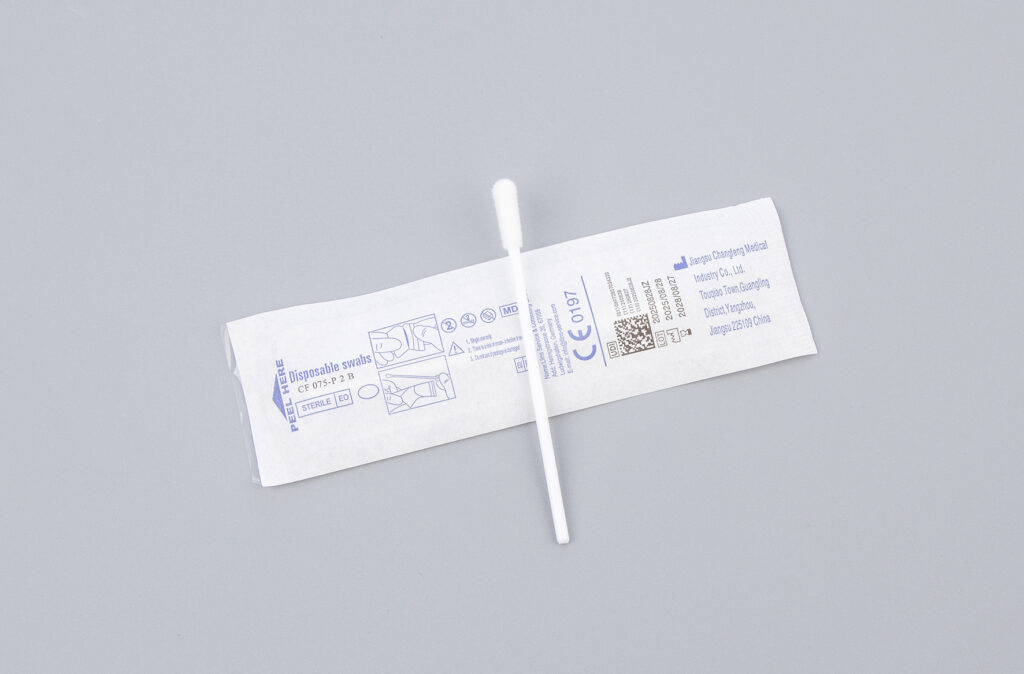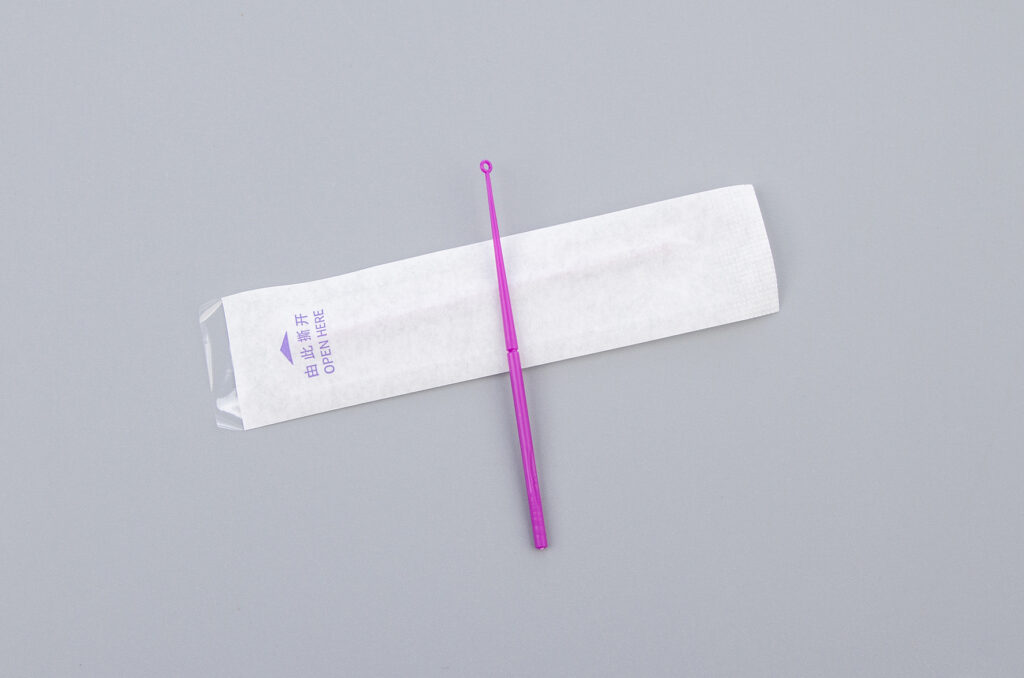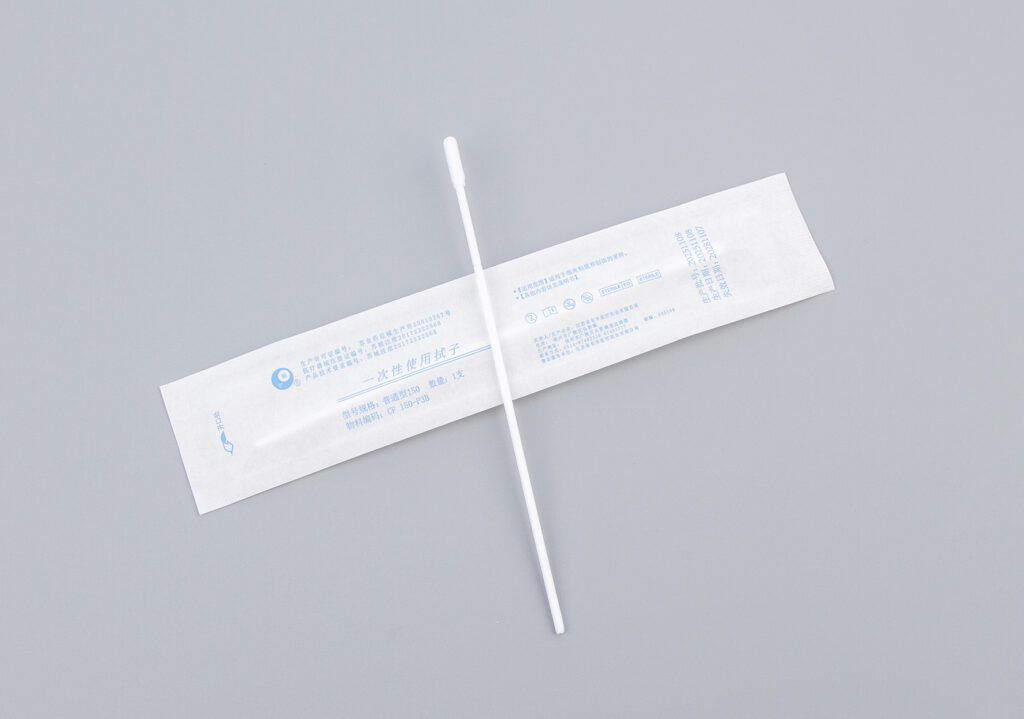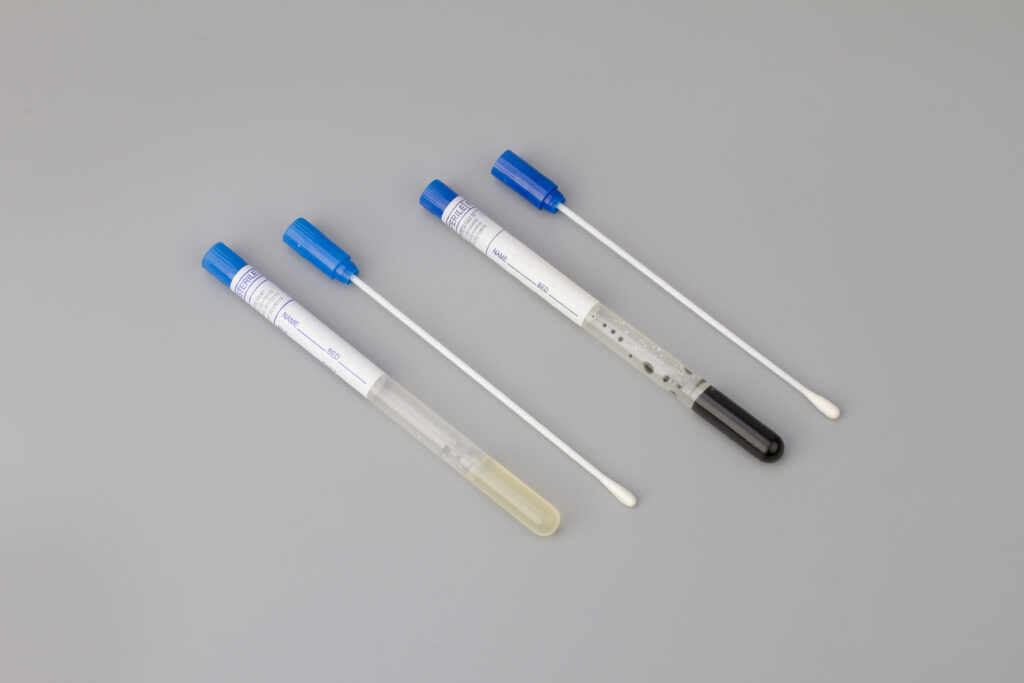
What Materials Are Used for Specimen Collection Swabs?

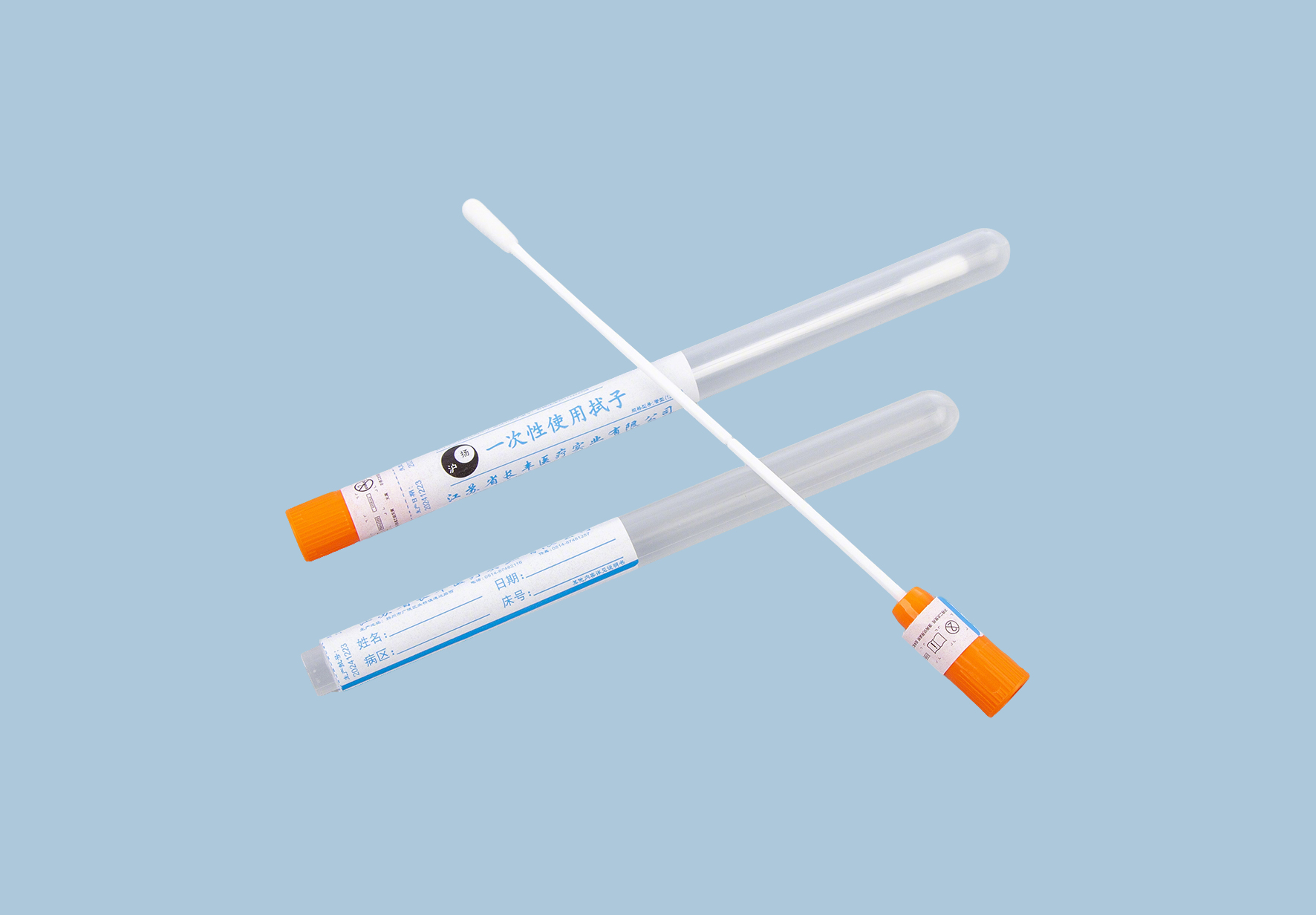
Specimen collection swabs may look simple, but the materials used for the swab tip and shaft can affect collection performance, sample release, handling comfort, transport compatibility, and downstream testing suitability.
For medical buyers, laboratories, distributors, and procurement teams, understanding swab materials is important. A swab used for nasal sampling may require a different material from a swab used for throat sampling, microbiology workflows, surface sampling, or general laboratory use.
Why Do Swab Materials Matter?
The swab tip is the part that contacts the specimen or sampling site. Its material affects how the sample is collected, held, and released. The shaft affects flexibility, control, breakpoint performance, and tube compatibility.
Choosing the wrong material may lead to poor user experience, poor sample release, tube incompatibility, or mismatch with the intended laboratory workflow. Buyers should always confirm material requirements before bulk ordering.
Common Swab Tip Materials
Medical and laboratory swabs can use different tip materials. The right choice depends on the collection site, testing method, comfort requirement, cost target, and customer preference.
Nylon Flocked Tip
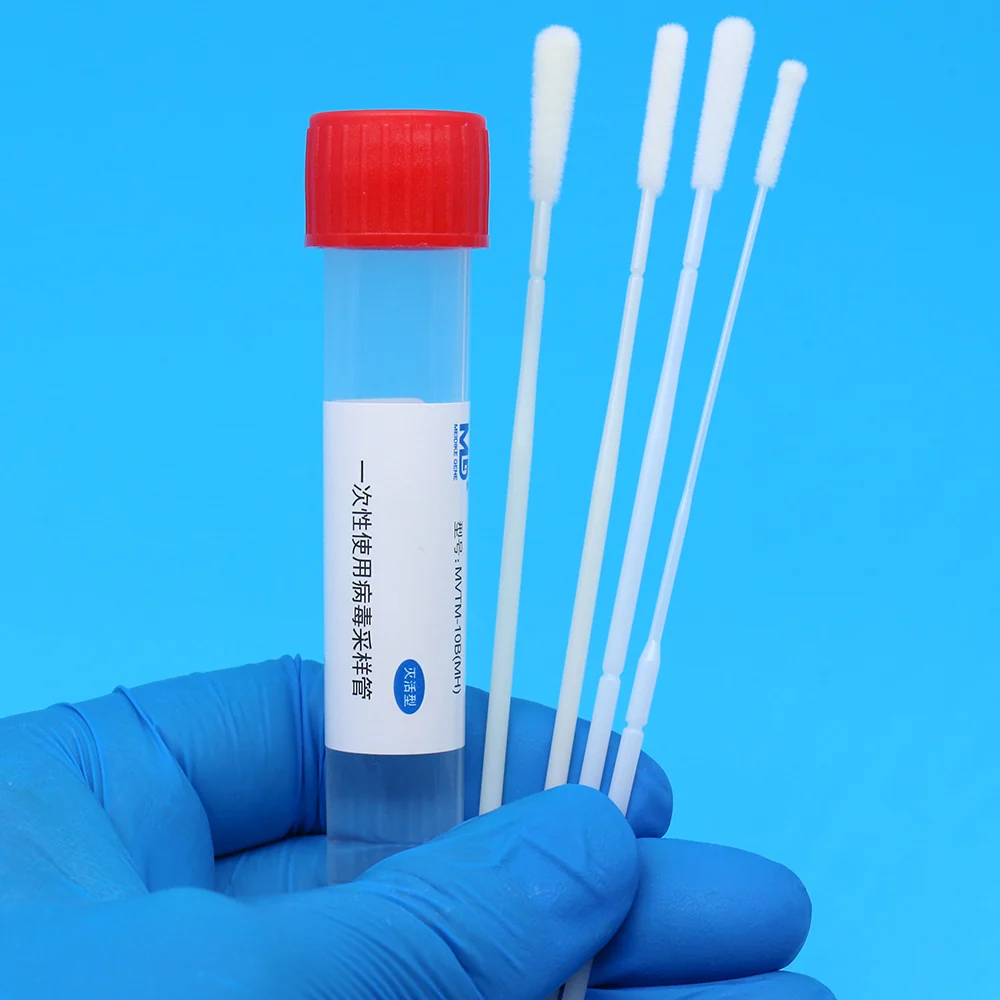
Nylon flocked swabs have short nylon fibers attached to the swab tip surface. This creates a soft, brush-like structure that can support efficient specimen collection and release.
Nylon flocked swabs are commonly selected for diagnostic workflows, respiratory sampling, nasal sampling, nasopharyngeal sampling, and other applications where sample release is important.
Buyers should check tip size, fiber coverage, shaft flexibility, breakpoint position, and compatibility with transport tubes or extraction systems.
Polyester Tip
Polyester swabs use synthetic polyester fiber as the sampling tip. Polyester is clean, stable, and suitable for many routine medical and laboratory sampling applications.
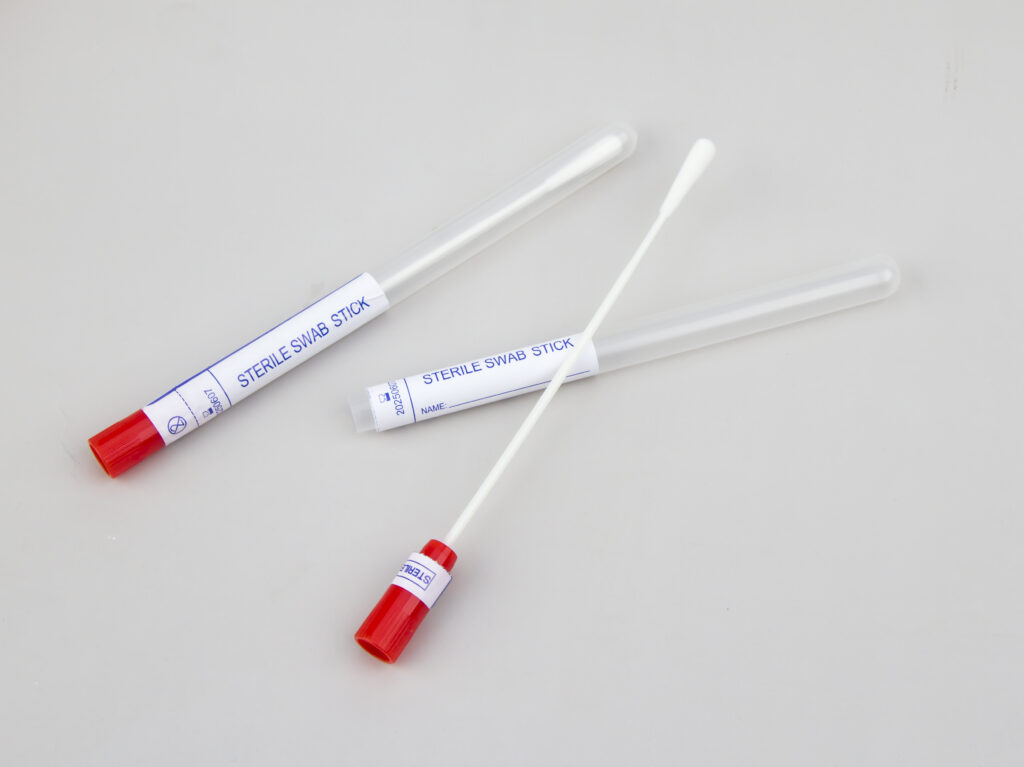
Polyester swabs may be used for general specimen collection, controlled sampling, laboratory workflows, and cost-effective bulk supply. A polyester fiber swab with sheath can also provide additional protection before use.
Foam Tip
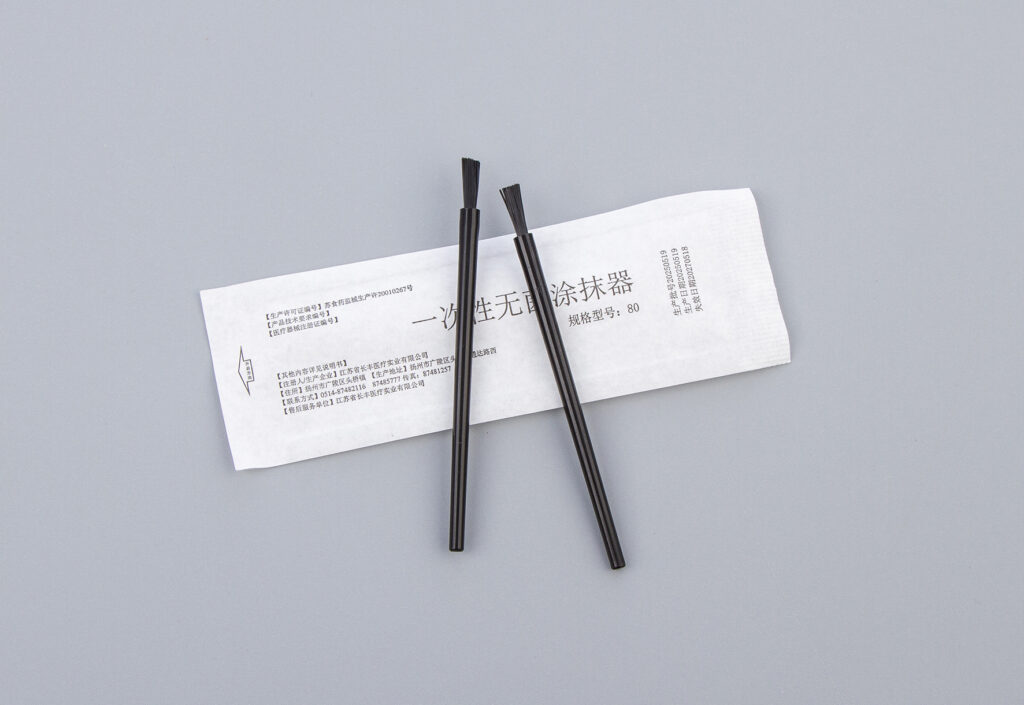
Foam swabs use a soft foam material on the tip. They are often used in applications that require absorbency, cushioning, or broad surface contact.
Foam swabs may be suitable for certain laboratory, medical, industrial, or surface sampling workflows, depending on the foam grade and intended use. Buyers should confirm whether the foam material is compatible with the target test or process.
Rayon Tip
Rayon is a synthetic fiber used in some medical and laboratory swabs. Rayon swabs can be used for general sample collection and transfer workflows.
However, buyers should not assume that rayon is suitable for every diagnostic application. Material compatibility should be checked according to laboratory or test system requirements.
Cotton Tip
Cotton swabs are common in general use, but they are not always suitable for medical diagnostic specimen collection. Cotton is a natural fiber and may not be preferred for some testing workflows.
For clinical or molecular testing applications, buyers should confirm whether cotton swabs are allowed by the laboratory or test manufacturer before ordering.
Common Swab Shaft Materials
The shaft is just as important as the tip. It affects handling, flexibility, strength, breakpoint design, and whether the swab can be used with a transport tube.
Plastic Shaft
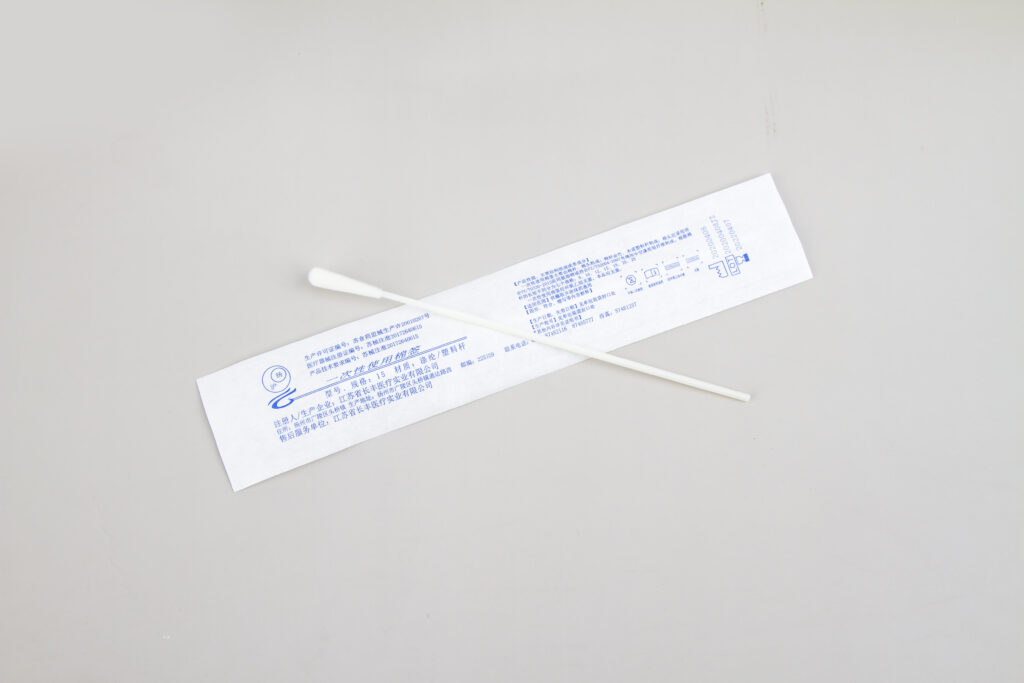
Plastic shafts are widely used for medical sampling swabs. They are lightweight, moldable, and suitable for many swab designs. Plastic shafts can also be molded with a breakpoint for tube placement after collection.
Common applications include nasal swabs, throat swabs, flocked swabs, polyester swabs, and transport swabs.
Flexible Plastic Shaft
Some sampling workflows require more flexibility. Nasopharyngeal swabs, for example, often require a thin and flexible shaft design. The shaft must bend enough for the intended workflow while still providing enough control.
Wire Shaft
Some swabs use a wire shaft when very high flexibility or a special collection design is required. Wire shafts may be used in certain medical or diagnostic sampling applications.
Buyers should confirm whether a wire shaft is required or accepted by the target laboratory or customer.
Wooden Shaft
Wooden shafts are used in some general swabs, but they may not be suitable for many medical diagnostic workflows. For respiratory or molecular testing applications, buyers should check carefully before selecting wooden shaft swabs.
Nylon Flocked Swab vs. Polyester Swab: Material Difference
Nylon flocked swabs and polyester swabs are both synthetic fiber swabs, but their tip structures are different.
A nylon flocked swab has short fibers standing on the surface of the tip. This structure supports sample uptake and release. A polyester swab usually uses a more traditional fiber tip and may be selected for routine medical or laboratory sampling.
The better option depends on the collection site, sample release requirement, testing workflow, budget, and customer preference.
How to Choose the Right Swab Material
Buyers should start with the intended application. A swab for nasal sampling, throat sampling, transport medium, surface sampling, or general laboratory use may require different materials.
Before ordering, buyers should confirm:
- Collection site
- Specimen type
- Testing method
- Tip material
- Tip size and shape
- Shaft material
- Shaft flexibility
- Breakpoint requirement
- Sterility
- Packaging format
- Transport medium compatibility
- Supplier documentation
Which Swab Material Is Best?
There is no single best swab material for every application. Nylon flocked swabs may be preferred when efficient sample release is important. Polyester swabs may be suitable for many routine medical and laboratory workflows. Foam, rayon, or cotton swabs may be used in specific applications when they match the workflow requirements.
The best material is the one that fits the collection site, testing system, transport condition, and end-user requirement.
What Buyers Should Ask a Swab Supplier
Before bulk ordering, buyers should ask the supplier about tip material, shaft material, dimensions, breakpoint position, sterility, packaging, shelf life, storage conditions, sample availability, export documents, and customization options.
If the swab will be used with a collection tube or transport medium, buyers should test samples with the actual tube or kit before confirming production.
Common Mistakes When Selecting Swab Materials
One common mistake is assuming that all swabs are interchangeable. A cotton swab, polyester swab, foam swab, and nylon flocked swab may behave differently in collection and release.
Another mistake is focusing only on the tip and ignoring the shaft. Shaft material and flexibility can affect user handling, breakpoint performance, and tube compatibility.
Buyers should compare the complete swab design rather than one material alone.
Conclusion
Specimen collection swabs can be made from nylon flocked fiber, polyester, foam, rayon, cotton, plastic shafts, wire shafts, and other materials. Each material has different characteristics and should be selected according to the intended sampling workflow.
For medical buyers, the safest approach is to confirm the collection site, testing method, transport system, material compatibility, packaging, sterility, and supplier documentation before ordering.
Changfeng Medical supplies sampling swabs for diagnostic, clinical, and laboratory applications, including nasal swabs, large-headed flocked swabs, polyester fiber swabs with sheath, media-coated swabs, and double-tip throat swabs. Contact us to discuss swab materials, specifications, packaging options, and bulk supply solutions.
FAQ
What materials are used for specimen collection swabs?
Common swab tip materials include nylon flocked fiber, polyester, foam, rayon, and cotton. Common shaft materials include plastic, flexible plastic, wire, and wood.
What is a nylon flocked swab?
A nylon flocked swab has short nylon fibers attached to the tip surface. This design supports specimen collection and sample release.
Is polyester swab suitable for medical use?
Polyester swabs are used in many medical and laboratory sampling workflows, but buyers should confirm suitability for the intended test or application.
Are cotton swabs used for specimen collection?
Cotton swabs may be used in some general applications, but they are not suitable for every diagnostic workflow. Buyers should confirm laboratory requirements before ordering.
Which swab material is best for sample release?
Nylon flocked swabs are often selected when efficient sample release is important, but the final choice depends on the testing workflow.
What should buyers check before choosing swab materials?
Buyers should check tip material, shaft material, collection site, test method, breakpoint, sterility, packaging, transport compatibility, and supplier documentation.