How Are Medical Sampling Swabs Sterilized?

Medical sampling swabs are often supplied sterile because they may be used for clinical specimen collection, diagnostic sampling, microbiology workflows, and other controlled medical applications. Sterilization helps reduce microbial contamination before use and supports cleaner handling in hospitals, clinics, laboratories, and collection sites.
For buyers, the key question is not only whether a swab is labeled “sterile.” It is also important to understand the sterilization method, sterile packaging, shelf life, storage conditions, batch traceability, and documentation provided by the supplier.
What Does “Sterile Swab” Mean?
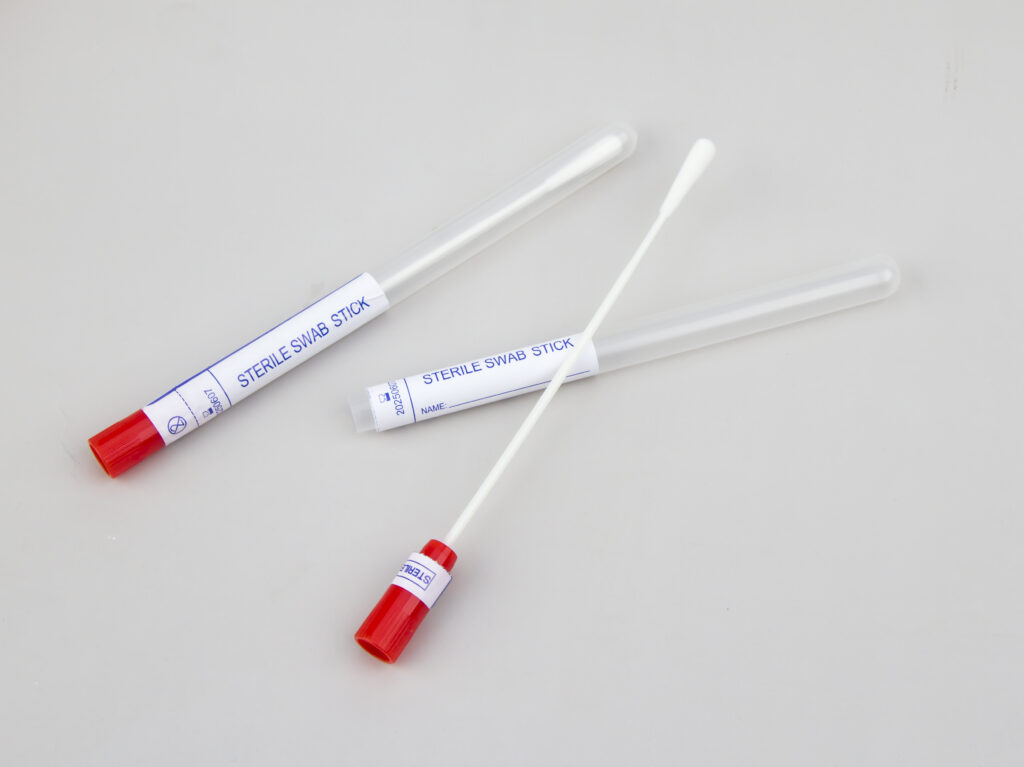
A sterile swab is a swab that has gone through a validated sterilization process and is packaged to help maintain sterility until use. The product may be used for specimen collection, sample transfer, respiratory sampling, microbiology sampling, or other medical workflows depending on its design and intended use.
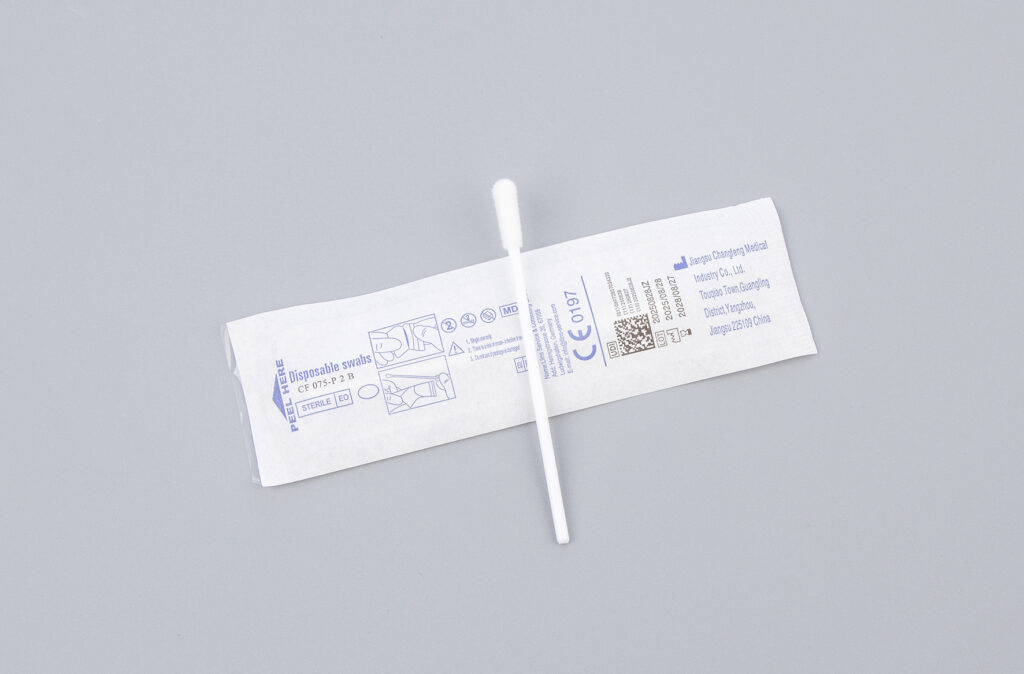
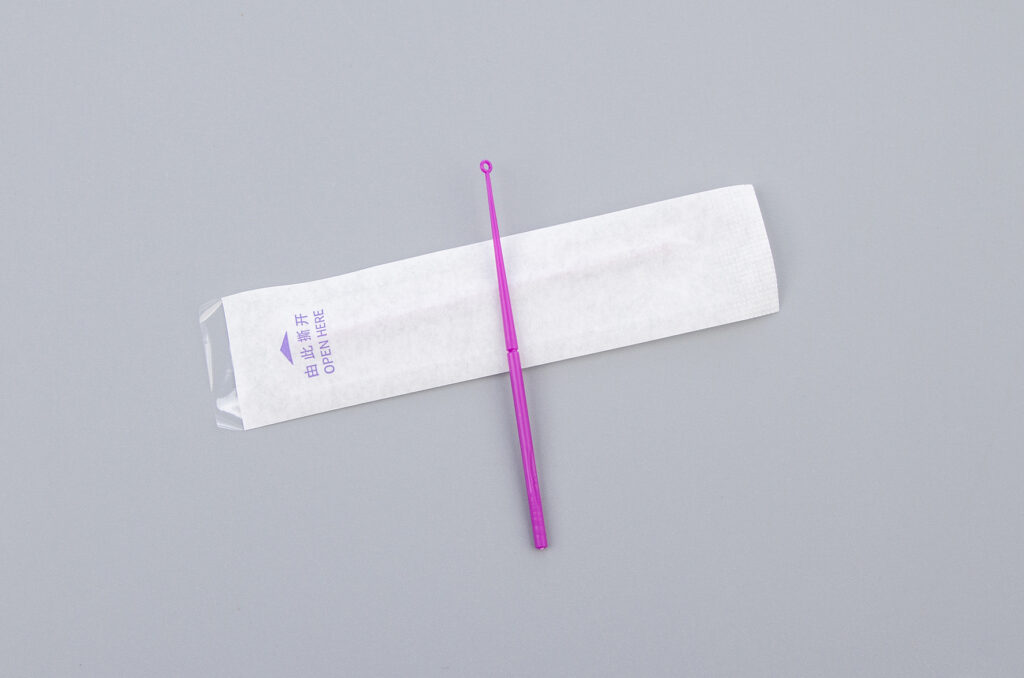
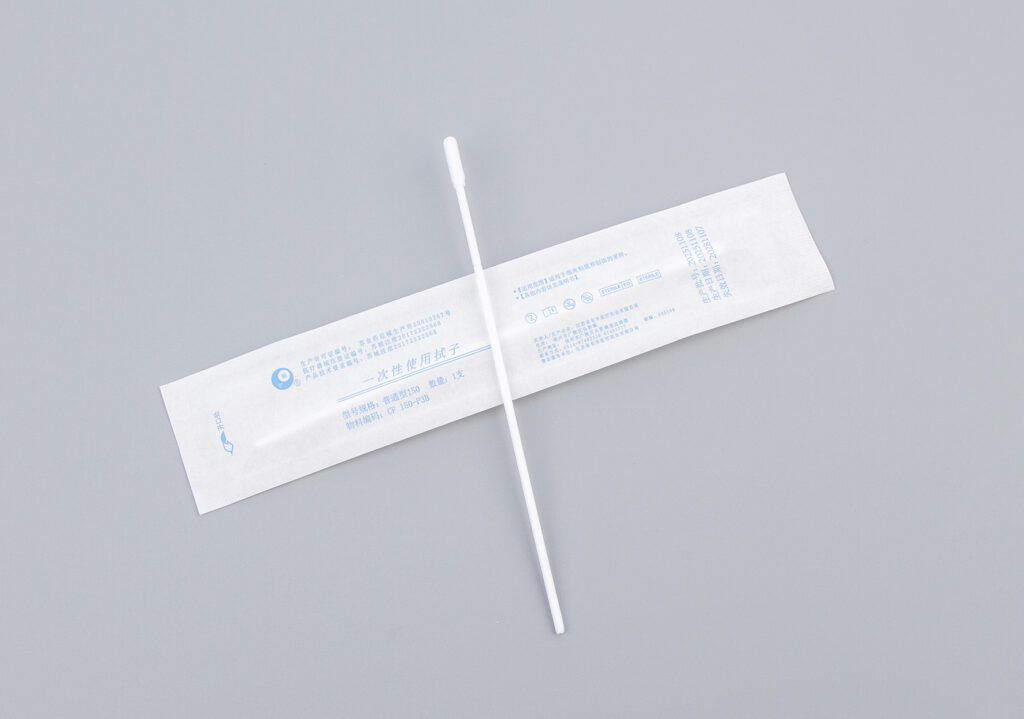
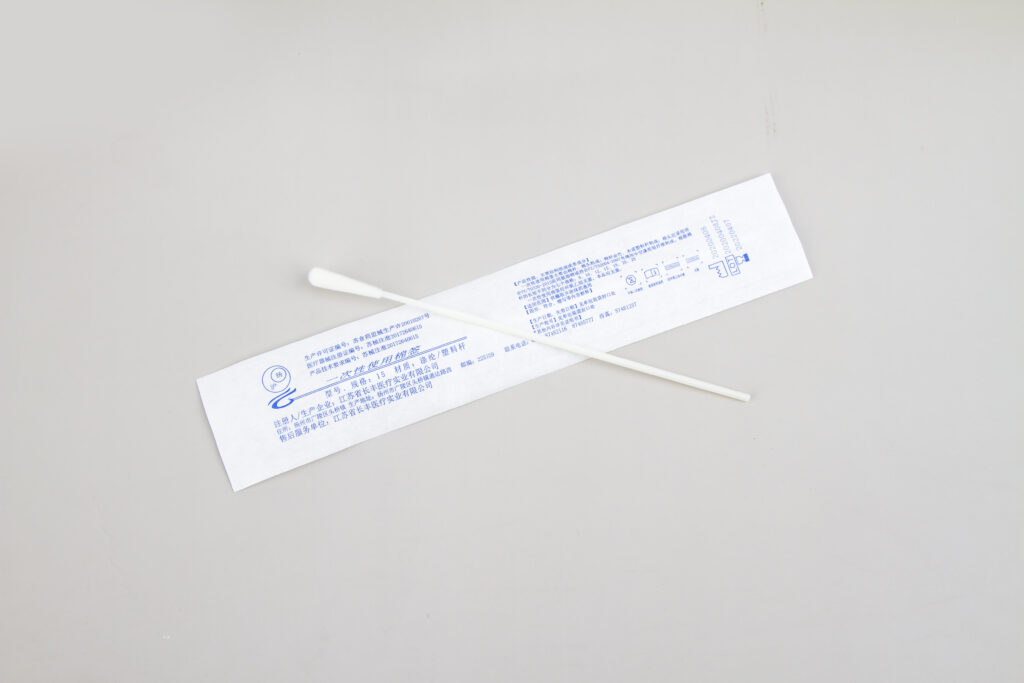
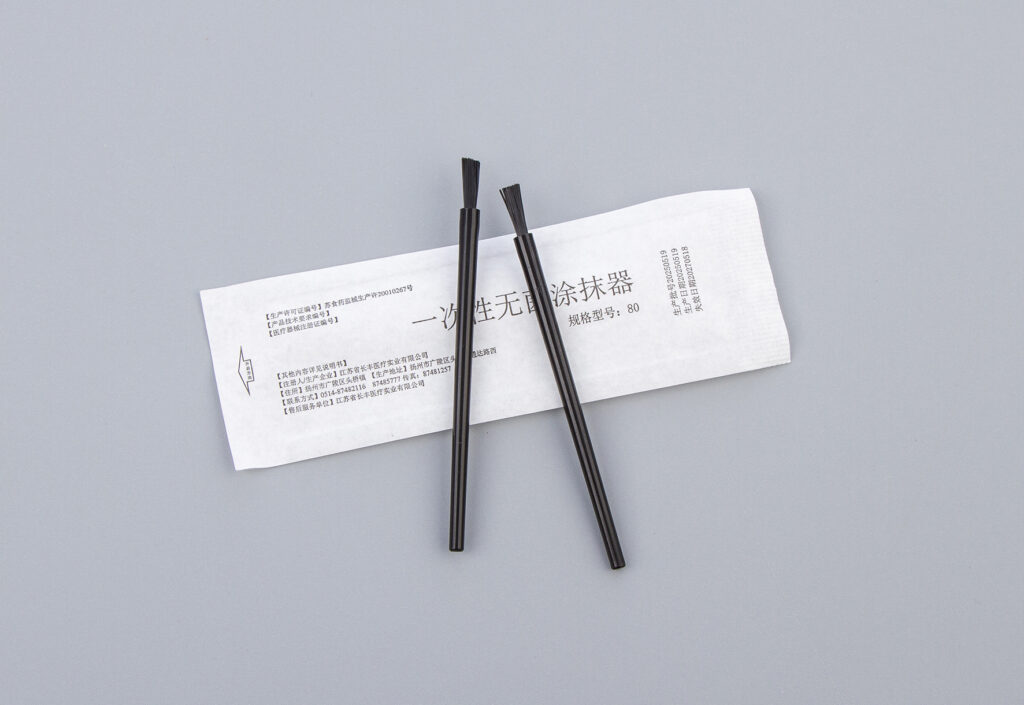
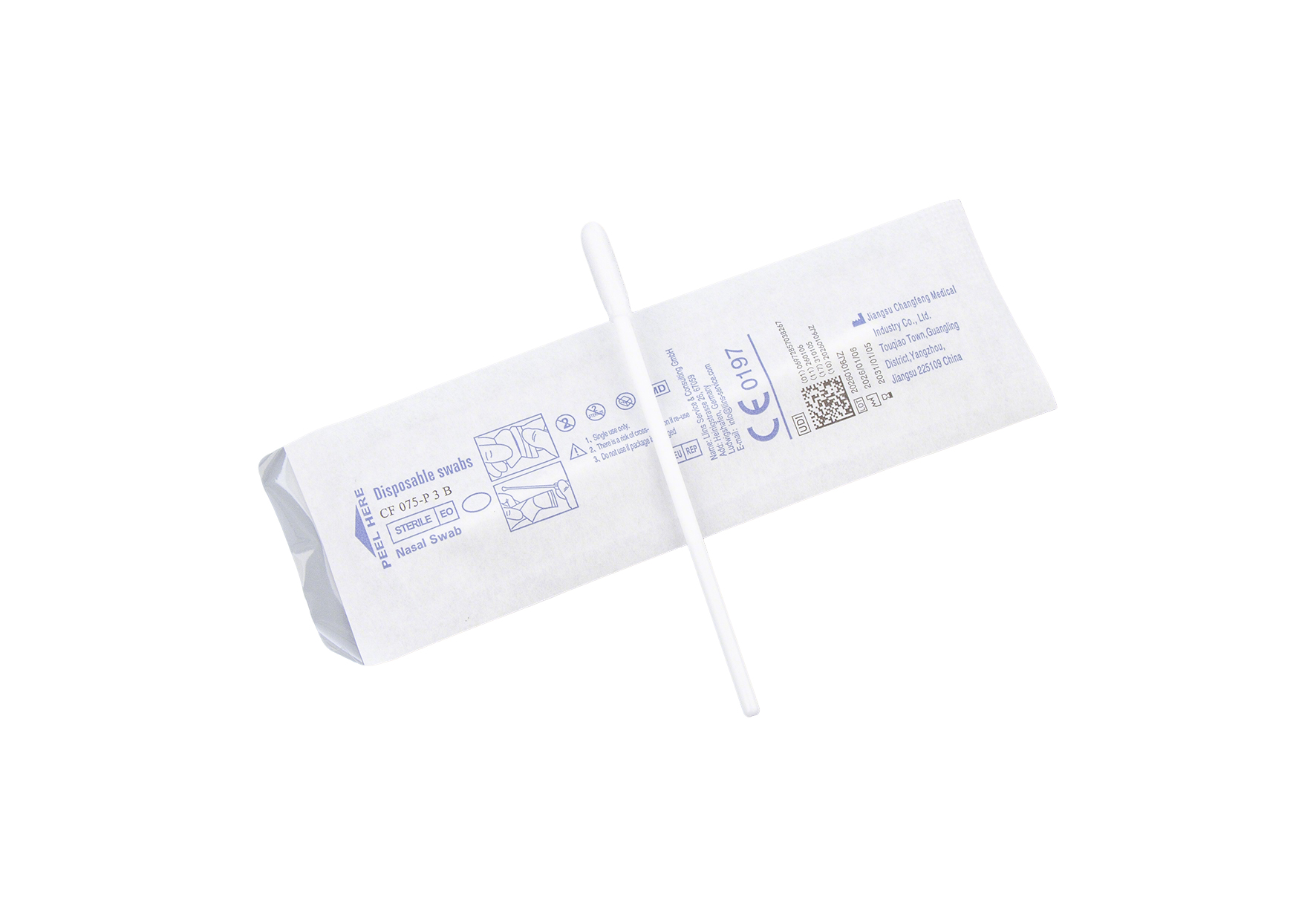
For medical use, sterile swabs are usually individually packaged. The package protects the swab tip and shaft before collection and helps users handle the product in a cleaner and more controlled way.
Why Do Medical Sampling Swabs Need Sterilization?
Sampling swabs may contact specimens, collection sites, tubes, transport media, or laboratory systems. If the swab is contaminated before use, it may create unnecessary contamination risk or affect the sampling workflow.
Sterilization is especially important for clinical specimen collection, diagnostic testing, microbiology sampling, respiratory specimen collection, and other workflows where cleanliness and contamination control matter.
Common Sterilization Methods for Sampling Swabs
Medical devices can be sterilized using different methods. For sampling swabs, the selected method depends on the swab tip material, shaft material, adhesive or flocking process, packaging material, and final product requirements.
Ethylene Oxide Sterilization
Ethylene oxide sterilization, often called EO or EtO sterilization, is commonly used for many medical devices. It is often selected for products that cannot tolerate high heat or moisture.
EO gas can penetrate suitable packaging materials and sterilize products after they are packed. For medical swabs, EO sterilization may be used when the tip, shaft, adhesive, and packaging are compatible with the process.
Buyers should ask whether the supplier can provide sterilization information, batch traceability, and relevant documentation for EO-sterilized swabs.
Radiation Sterilization
Radiation sterilization, such as gamma irradiation or electron beam sterilization, is also used for medical products. It may be suitable for large-scale industrial sterilization when the product materials are compatible with radiation exposure.
For sampling swabs, buyers should confirm whether the fiber tip, plastic shaft, packaging film, adhesive, or coating can maintain product performance after radiation sterilization.
Other Sterilization Methods
Other medical device sterilization methods may include steam, dry heat, vaporized hydrogen peroxide, and other validated processes. However, not every method is suitable for sampling swabs.
For example, steam or dry heat may not be appropriate for some plastic shafts, adhesives, packaging materials, or swab tip structures. The sterilization method should be selected according to final product design and validation requirements.
EO Sterilization vs. Radiation Sterilization for Swabs
EO sterilization and radiation sterilization are different processes. EO sterilization uses gas and is often selected for heat-sensitive or moisture-sensitive products. It usually requires packaging that is compatible with gas penetration and aeration.
Radiation sterilization uses ionizing radiation and may be suitable for large-scale sterilization when materials can tolerate the process. Some plastics, adhesives, or packaging materials may be affected by radiation, so material compatibility should be checked before mass production.
For buyers, the best sterilization method is not simply the most common method. It is the method validated for the product design and accepted by the target market or customer requirement.
Why Sterile Packaging Matters
Sterilization and packaging must work together. A swab may be sterilized after it is placed into its final pouch. The pouch must allow the sterilization process to work while maintaining a sterile barrier after sterilization.
For sterile swabs, buyers should check individual pouch quality, seal strength, sterile barrier integrity, printed lot number, expiration date, opening convenience, and carton protection during export shipping.
If the packaging is weak, poorly sealed, or difficult to open, it can create problems even when the swab itself is well manufactured.
What Should Be Printed on Sterile Swab Packaging?
Clear packaging information helps users identify the product and manage inventory. For medical supply distribution, labeling also supports traceability.
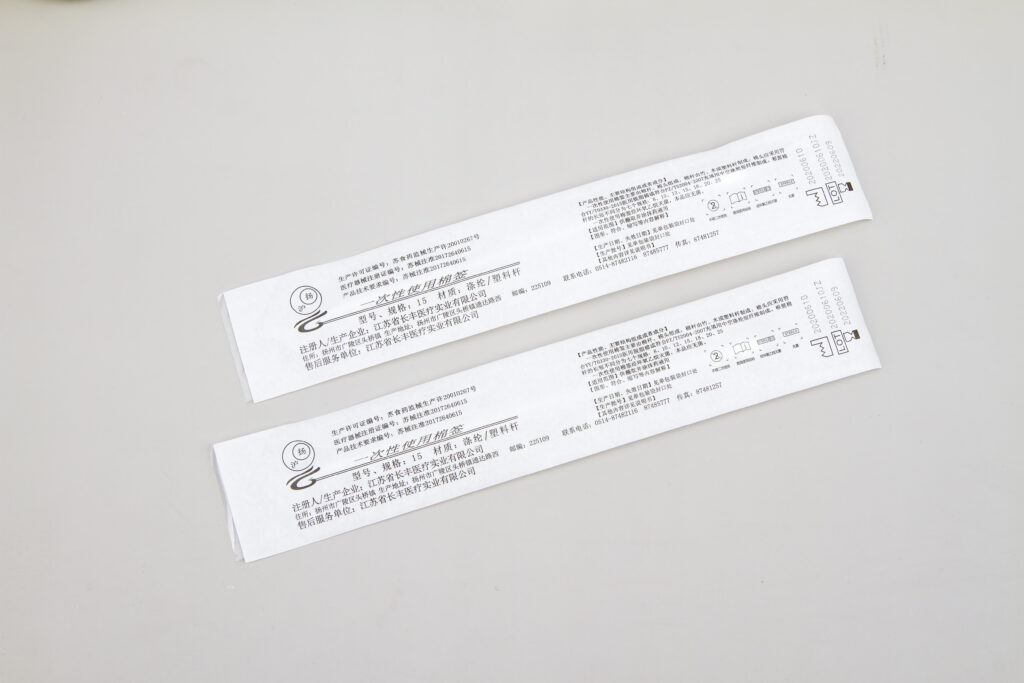
Useful packaging information may include product name, size, material, sterile status, sterilization method, lot number, expiration date, manufacturer information, quantity, and storage conditions.
For private label orders, buyers should confirm label layout, artwork requirements, language requirements, and carton mark details before production.
Shelf Life of Sterile Sampling Swabs
The shelf life of a sterile swab depends on packaging material, sterilization validation, storage conditions, and supplier quality control. Buyers should not assume shelf life without checking the supplier’s documentation.
For distributors, shelf life is important because products may spend time in export shipping, customs clearance, warehouse storage, and customer inventory. Clear expiration labeling helps customers manage stock and reduce waste.
Do All Sampling Swabs Need to Be Sterile?
Not all sampling swabs need to be sterile. Some swabs are used for non-clinical, industrial, environmental, or general surface sampling applications where sterile packaging may not be required.
However, for medical, clinical, diagnostic, or microbiology specimen collection, sterile individually packaged swabs are often preferred or required. The final requirement depends on the intended use and customer workflow.
Common Sterile Swab Types
Sterile nasal swab
Used for nasal cavity specimen collection. It may use a flocked or synthetic fiber tip and a suitable shaft design.
Sterile throat swab
Used for throat or oropharyngeal specimen collection. It may use a single-tip or double-tip design depending on the workflow.
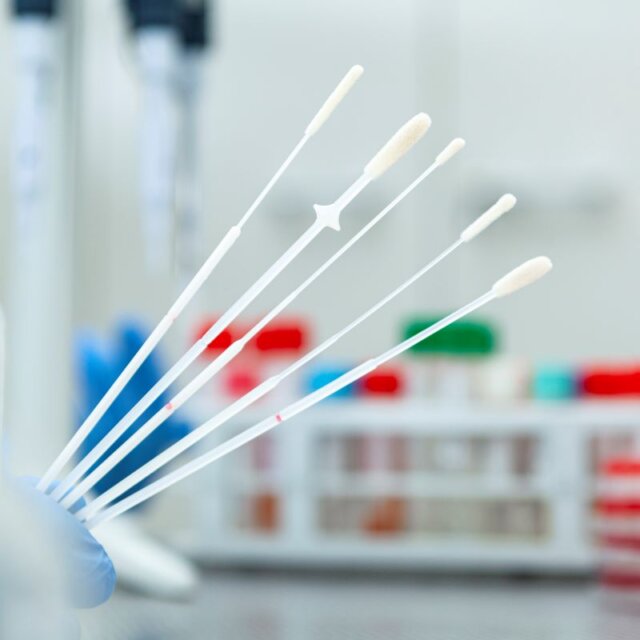
Sterile flocked swab
Uses short fibers on the tip surface to support specimen collection and release.
Sterile polyester swab
Uses a polyester fiber tip for routine medical or laboratory sampling workflows.
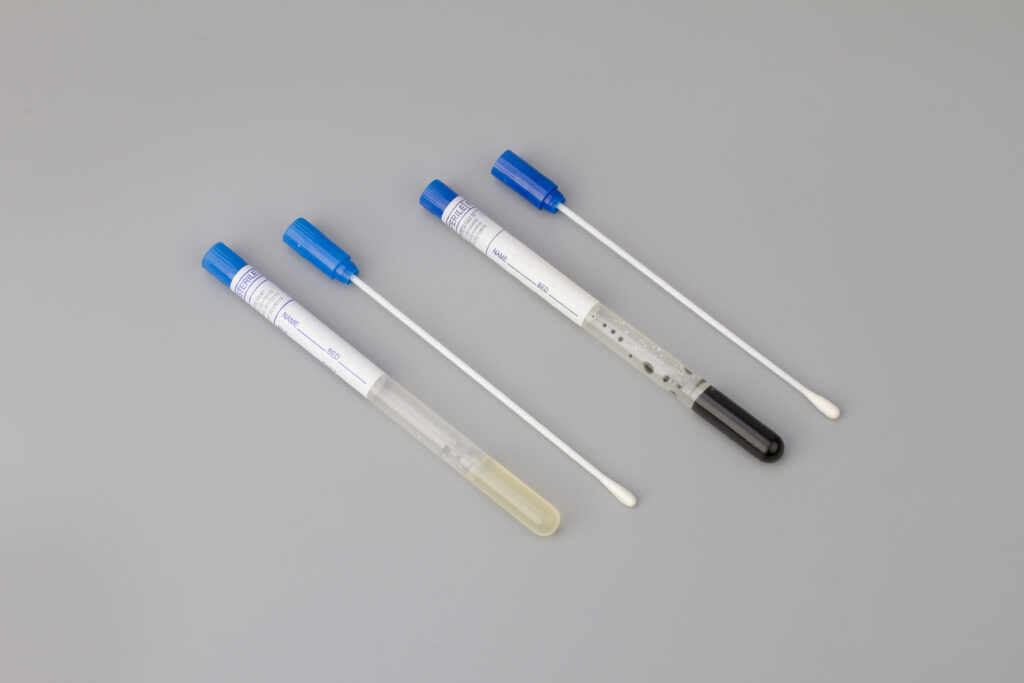
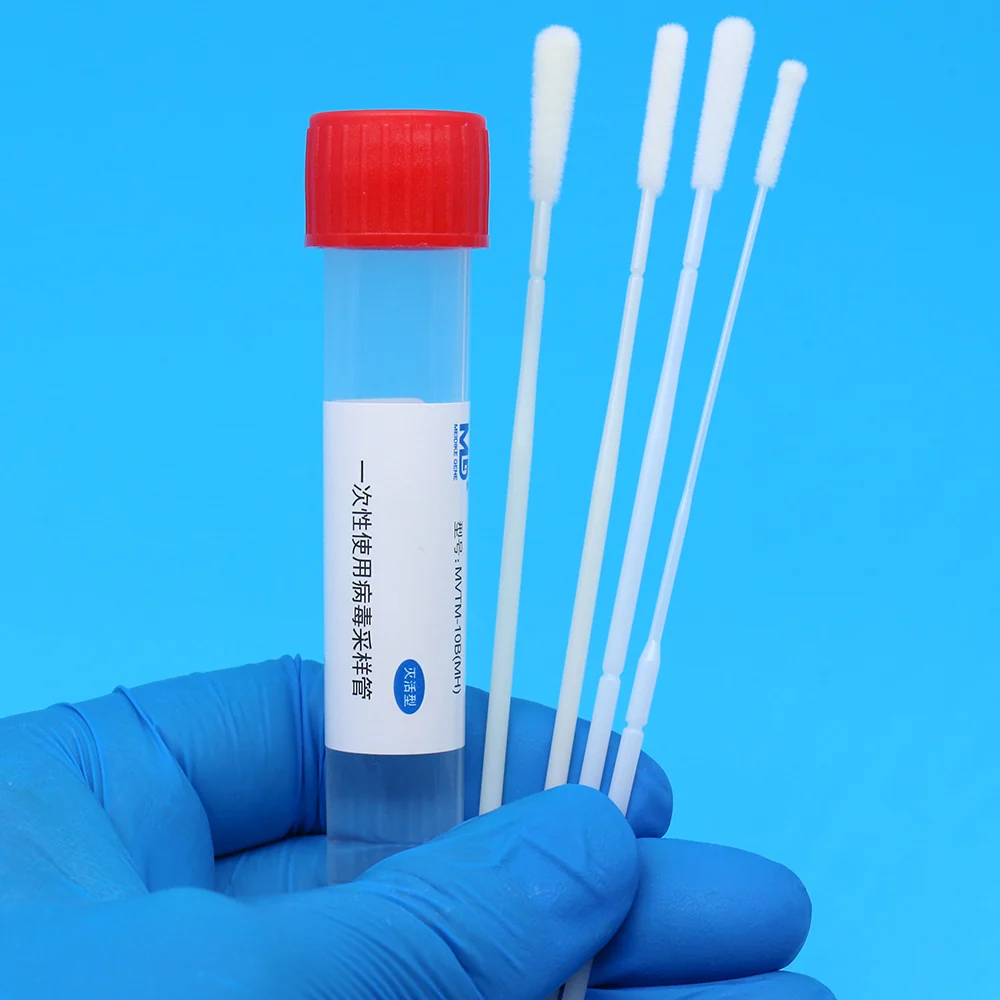
Sterile transport swab
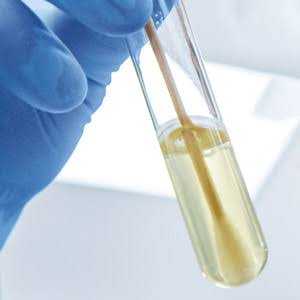
Used with a tube, medium, or transport system to support specimen handling before testing.
What Buyers Should Ask Before Ordering Sterile Swabs
Before purchasing sterile medical swabs in bulk, buyers should confirm the following points:
- Is the swab supplied sterile?
- What sterilization method is used?
- Is the swab individually packaged?
- What is the shelf life?
- What material is used for the tip and shaft?
- Is the packaging compatible with the sterilization process?
- Can the supplier provide sterilization documents?
- Is the lot number printed on each pouch or box?
- What storage conditions are recommended?
- Can private label packaging be provided?
- Can samples be provided before bulk order?
Common Mistakes When Buying Sterile Sampling Swabs
One common mistake is checking only the word “sterile” and ignoring the sterilization method or documentation. Another mistake is overlooking packaging quality. Sterility depends not only on the process, but also on the package that maintains the sterile barrier.
Buyers may also forget to check shelf life, storage conditions, batch traceability, carton labeling, and market-specific documentation requirements.
To reduce procurement risk, buyers should confirm product specifications, request samples, and check supplier documentation before placing a large order.
Conclusion
Medical sampling swabs may be sterilized by ethylene oxide, radiation, or other validated sterilization processes depending on product material and packaging compatibility. For buyers, the most important point is not only the sterilization method, but whether the final swab is properly packaged, labeled, documented, and suitable for the intended workflow.
When sourcing sterile swabs, buyers should check sterilization method, sterile barrier packaging, shelf life, batch traceability, material compatibility, and supplier documentation.
Changfeng Medical supplies sampling swabs for diagnostic, clinical, and laboratory applications, including nasal swabs, large-headed flocked swabs, polyester fiber swabs with sheath, media-coated swabs, and double-tip throat swabs. Contact us to discuss sterile packaging options, specifications, and bulk supply solutions for your market.
FAQ
How are medical sampling swabs sterilized?
Medical sampling swabs may be sterilized by ethylene oxide, radiation, or other validated sterilization methods depending on product materials and packaging.
What is EO sterilization?
EO sterilization uses ethylene oxide gas to sterilize medical products. It is commonly used for products that cannot tolerate high heat or moisture.
Can swabs be sterilized by gamma radiation?
Some swabs may be sterilized by gamma radiation if the swab materials and packaging are compatible with radiation sterilization.
Why is sterile packaging important?
Sterile packaging helps maintain sterility after sterilization and protects the swab before use.
Do all sampling swabs need to be sterile?
No. Sterility depends on the intended use. Medical and clinical specimen collection swabs are often supplied sterile, while some industrial or general sampling swabs may not require sterile packaging.
What should buyers check before ordering sterile swabs?
Buyers should check sterilization method, sterile packaging, shelf life, tip material, shaft material, lot traceability, storage conditions, documentation, and sample availability.