Why Is Packaging Artwork Important for Private Label Swab Orders?


Packaging artwork is important for private label swab orders because it affects product presentation, traceability, customer approval, warehouse handling, and market compliance expectations. For B2B buyers, artwork is not only a visual design file. It is part of the final product specification.
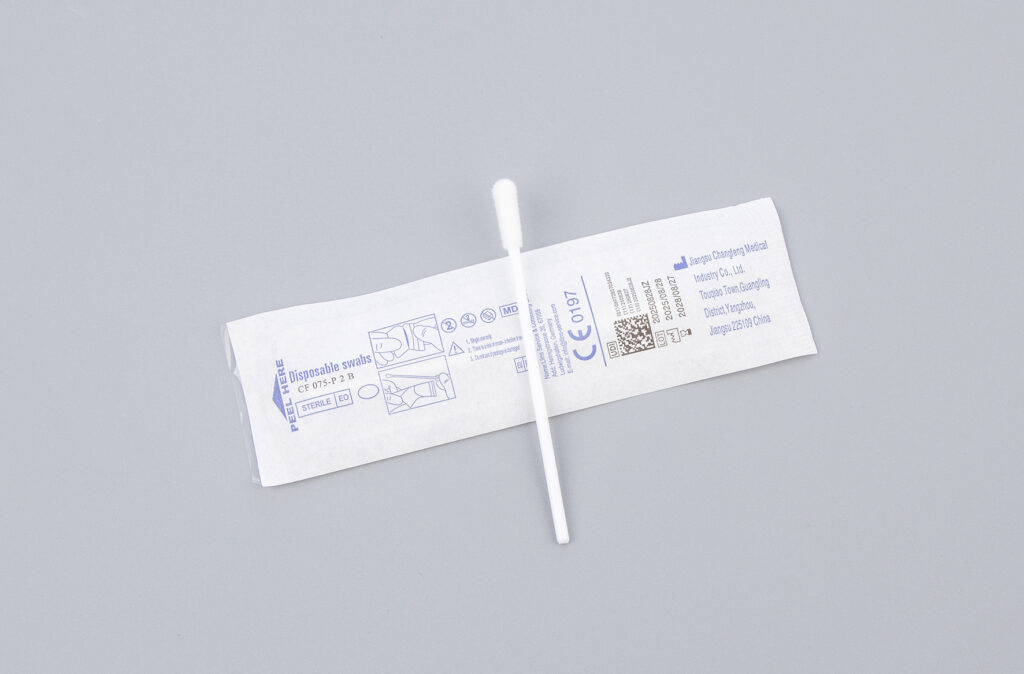
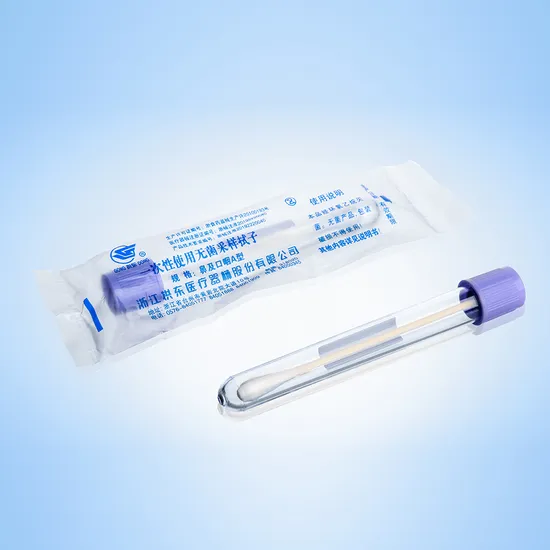
Private label swabs may include printed pouches, labels, inner boxes, instruction sheets, barcodes, and carton marks. If artwork details are wrong, production may be delayed or finished goods may need rework.
What Is Packaging Artwork?
Packaging artwork refers to the design files and printed content used on swab pouches, labels, boxes, instruction sheets, and cartons. It may include brand logo, product name, material information, sterile status, lot number area, expiration date area, barcode, symbols, and manufacturer information.
Why Artwork Approval Matters
Artwork approval helps confirm that the printed packaging matches the buyer’s market, customer, and warehouse requirements. Once mass production starts, correcting artwork mistakes can be expensive and time-consuming.
Buyers should approve final artwork before pouch printing, box printing, label printing, or carton marking.
Check Product Name and Description
The product name on artwork should match the actual swab specification. For example, nasal swab, sterile dry swab, polyester fiber swab with sheath, double-tip throat swab, or transport swab kit should not be mixed up.
Incorrect product names can create customer confusion and inventory problems.
Check Sterile Status
If the product is sterile, packaging should clearly show sterile status according to customer requirements. If the product is non-sterile, the artwork should not suggest that it is sterile.
Buyers should confirm sterile status with the supplier before approving artwork.
Check Lot Number and Expiration Date Areas
Private label swab packaging should include appropriate space for lot number and expiration date when required. These details support traceability and shelf life management.
Buyers should confirm whether this information appears on pouch, box, carton, or all packaging levels.
Check Barcode and Label Position
Barcodes and labels should be placed where they are easy to scan and read. The barcode should not be too small, covered by seals, or placed on a curved surface that makes scanning difficult.
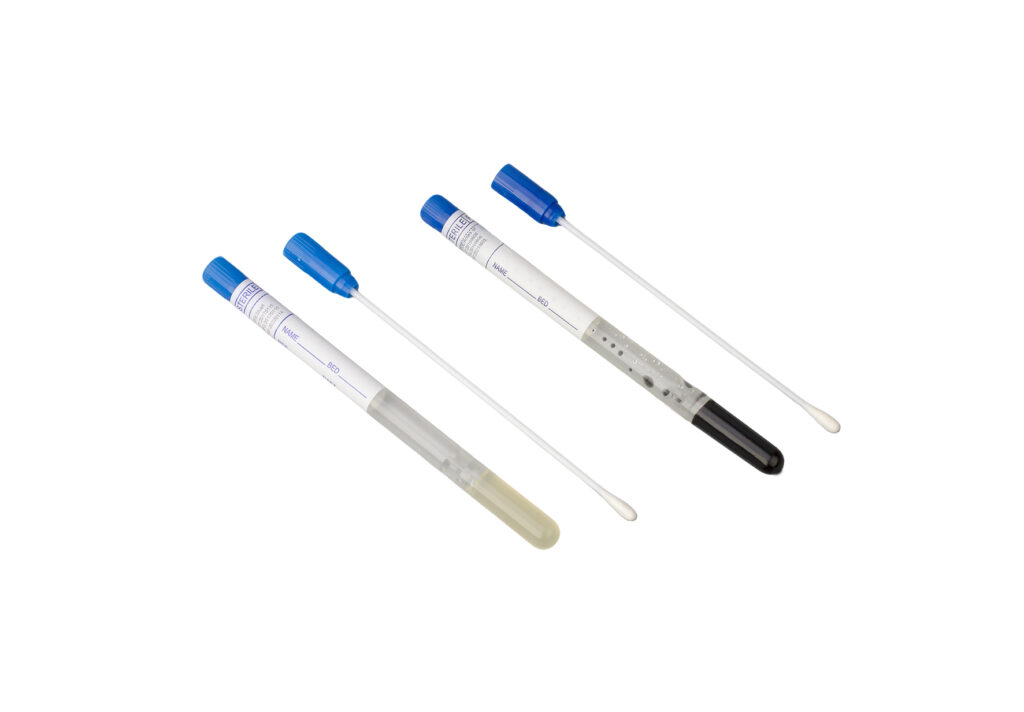
For tube labels, buyers should also check whether the label fits the tube without blocking important visibility or cap handling.
Check Language and Spelling
Language accuracy is important for private label orders. Product names, instructions, storage conditions, warnings, and carton marks should be checked carefully.
Spelling mistakes or incorrect language can make packaging look unprofessional and may cause customer rejection.
Check Pouch and Box Size
Artwork should match the real packaging size. A design that looks good on screen may not fit the actual pouch, box, or carton correctly.
Buyers should request printed samples or digital proofs with real dimensions before mass production.
Check Carton Marks
Carton marks help warehouse teams identify products during shipping and storage. They may include product name, quantity, lot number, carton number, gross weight, net weight, dimensions, and destination details.
Clear carton marks can reduce logistics and warehouse confusion.
Artwork for Swab Kits
Swab kits may include multiple components, such as swab, tube, medium, label, instruction sheet, and box. Artwork should be consistent across all components.
Buyers should check whether kit labels match the actual components inside the package.
What Buyers Should Check Before Approval
Before approving private label swab artwork, buyers should check product name, swab type, material, sterile status, lot number area, expiration date area, storage conditions, barcode, symbols, language, logo, pouch size, box size, carton marks, and supplier proof samples.
Common Artwork Mistakes
Common mistakes include wrong product name, missing lot number area, incorrect expiration date format, low-resolution logo, wrong barcode, inconsistent carton marks, and language errors.
Buyers should use an artwork checklist and request final confirmation before mass printing.
Conclusion
Packaging artwork is important for private label swab orders because it connects branding, traceability, product information, warehouse handling, and customer acceptance. Buyers should review artwork carefully before production.
Changfeng Medical supplies sampling swabs for diagnostic, clinical, and laboratory applications, including nasal swabs, large-headed flocked swabs, polyester fiber swabs with sheath, media-coated swabs, and double-tip throat swabs. Contact us to discuss private label swab packaging, artwork support, and bulk supply solutions for your market.
FAQ
What is private label swab packaging artwork?
It is the design and printed content used on swab pouches, labels, boxes, instruction sheets, and cartons.
Why should buyers approve artwork before production?
Artwork approval helps prevent printing mistakes, label errors, carton mark problems, and production delays.
What details should be checked on swab artwork?
Buyers should check product name, sterile status, lot number, expiration date, barcode, language, logo, packaging size, and carton marks.
Can private label packaging include barcodes?
Yes. Barcode options may be available depending on packaging format, supplier capability, and order quantity.