Why Is Lot Number Traceability Important for Sterile Swabs?


Lot number traceability is important for sterile swabs because it helps buyers, suppliers, distributors, laboratories, and end users identify the production batch of a product. If there is a quality question, customer complaint, packaging issue, or inventory problem, the lot number helps connect the product to its manufacturing and packaging records.
For medical and laboratory consumables, traceability is not just a label detail. It supports inventory control, shelf life management, quality feedback, and customer confidence.
What Is a Lot Number?
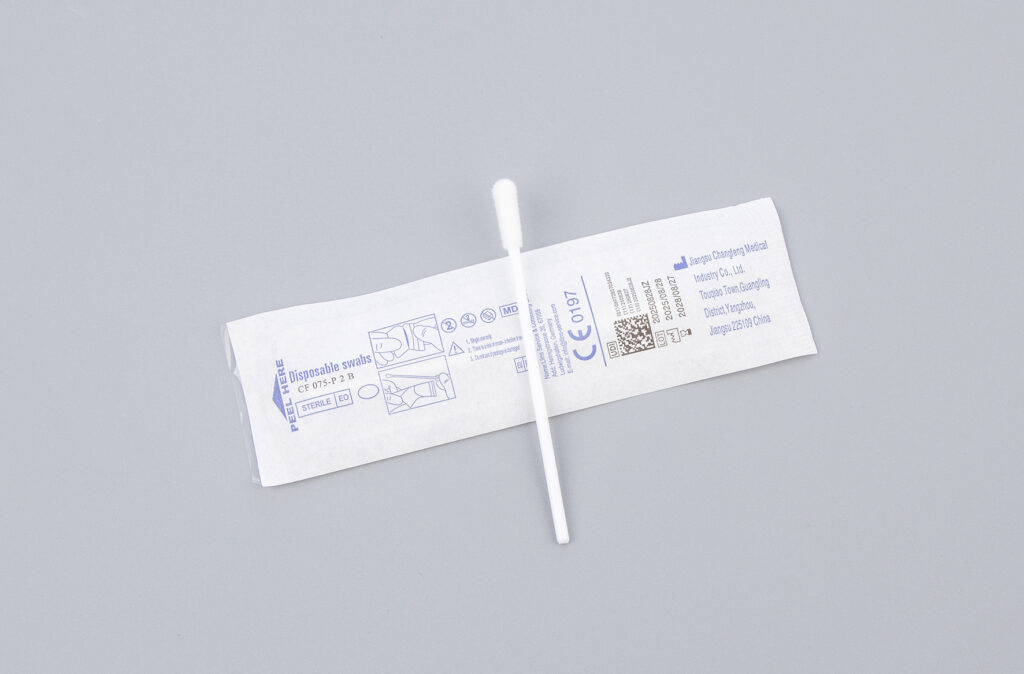
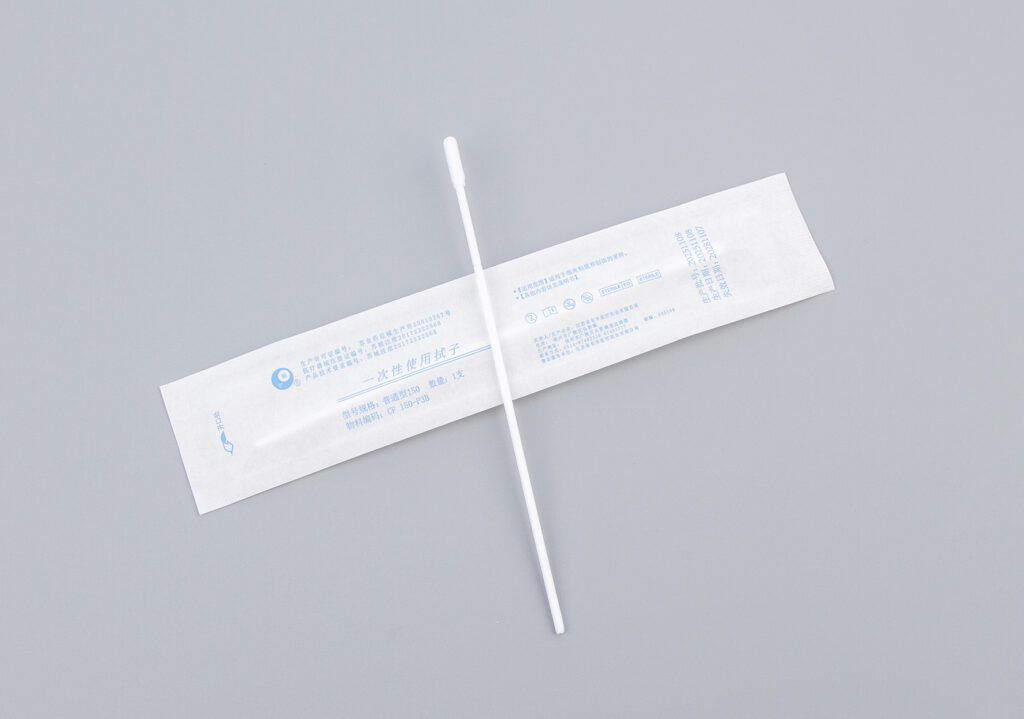
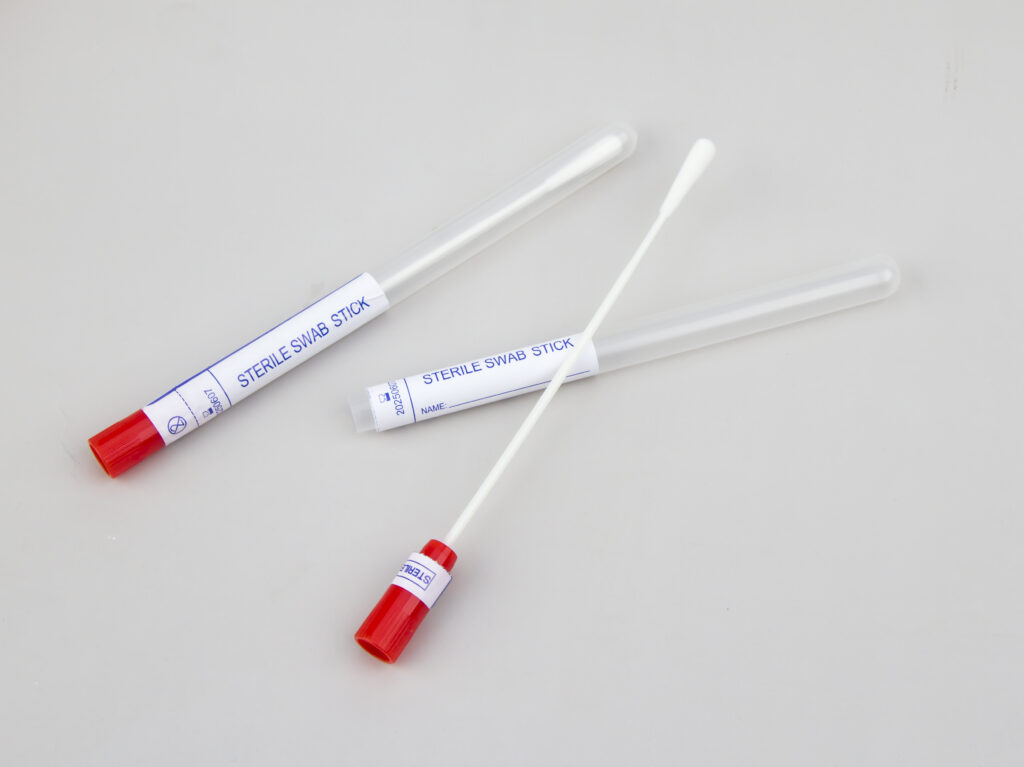
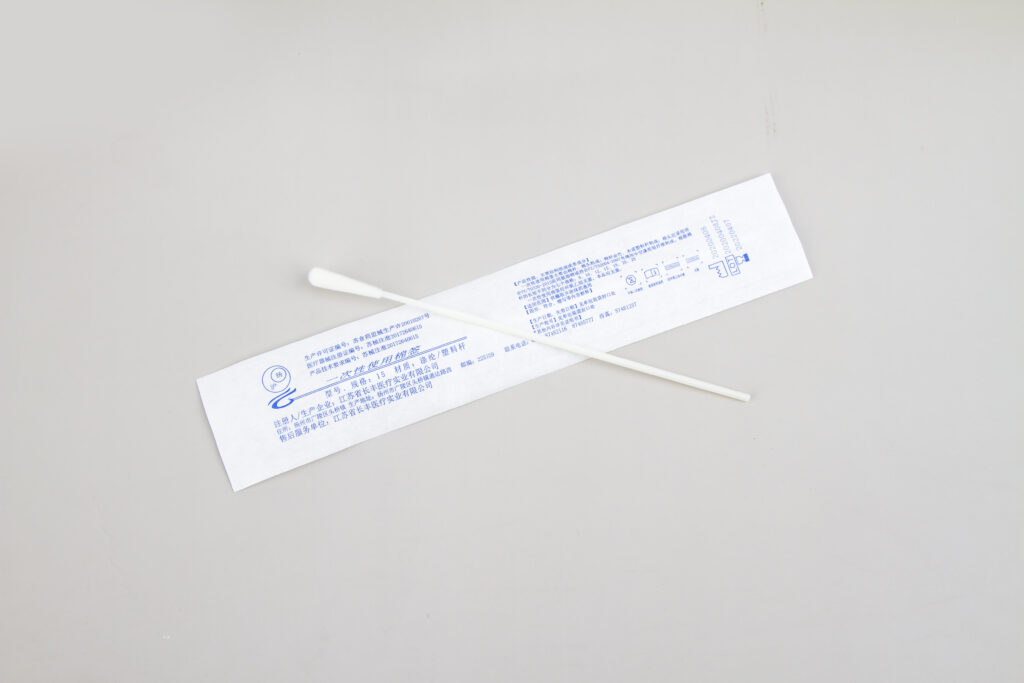
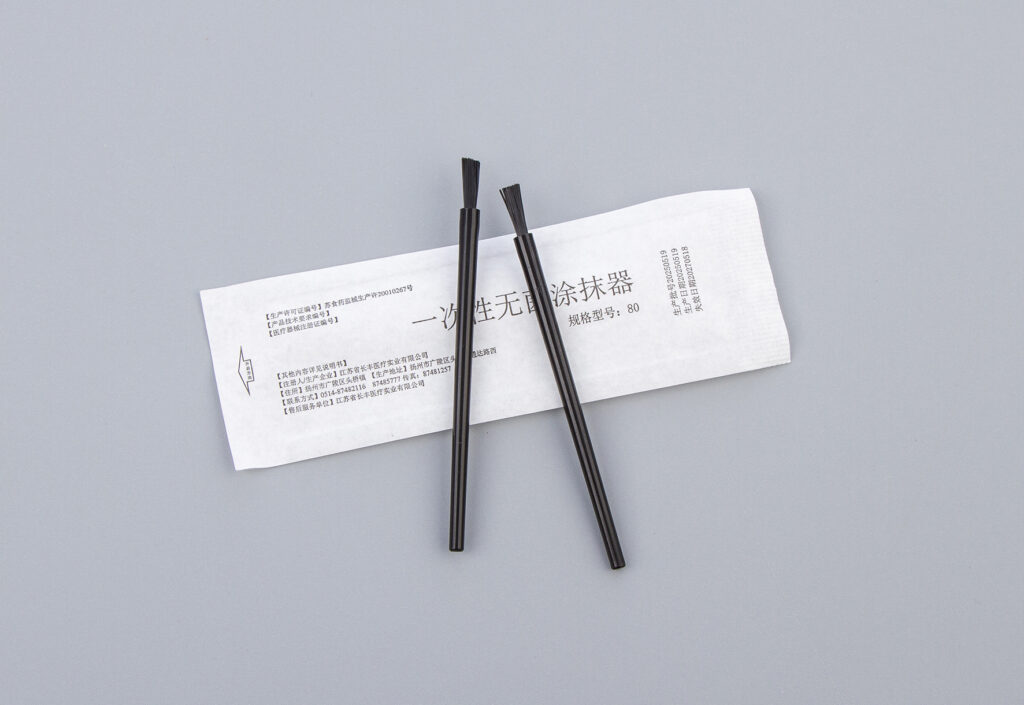
A lot number is a batch identification code assigned to a group of products manufactured or packaged under defined conditions. For sterile swabs, the lot number may appear on the pouch, inner box, outer carton, label, or product documentation.
The exact format depends on the supplier production and labeling system.
Why Traceability Matters for Sterile Swabs
Sterile swabs are often used in medical, diagnostic, and laboratory workflows. If a customer reports a packaging problem, unclear label, damaged pouch, or product inconsistency, the lot number helps identify which batch should be reviewed.
Without lot number traceability, it becomes difficult to separate affected products from unaffected inventory.
Lot Number and Packaging Control
Lot number information should be clear and consistent across packaging levels when required. Buyers may need lot numbers on individual pouches, inner boxes, outer cartons, or shipment documents.
For private label orders, buyers should confirm where the lot number will be printed and whether it matches the customer warehouse or market requirements.
Lot Number and Expiration Date
Lot number and expiration date are often managed together. The lot number identifies the batch, while the expiration date helps users manage shelf life.
For distributors, both details are important because products may pass through shipping, customs clearance, warehouse storage, and customer distribution.
Lot Number and Customer Complaints
If a customer reports an issue, the lot number helps the buyer and supplier review the specific batch. This can make communication faster and more accurate.
Examples may include pouch damage, printing errors, carton damage, unexpected product appearance, breakpoint concerns, or packaging inconsistency.
Lot Number and Inventory Management
Warehouse teams can use lot numbers to organize inventory and manage first-expired, first-out distribution. This helps reduce expired stock and makes product tracking easier.
For buyers supplying hospitals, laboratories, diagnostic companies, or government purchasing programs, batch control may be especially important.
Where Should the Lot Number Appear?
Depending on the customer requirement, the lot number may appear on individual packaging, box labels, carton labels, shipping documents, or certificates. Buyers should confirm this before production.
If the customer needs pouch-level traceability, carton-only lot number printing may not be enough.
Traceability for Private Label Swabs
Private label packaging should still include traceability information. Buyers should check artwork files, label layout, barcode position, lot number area, expiration date format, and carton marks before mass production.
Traceability for Swab Kits
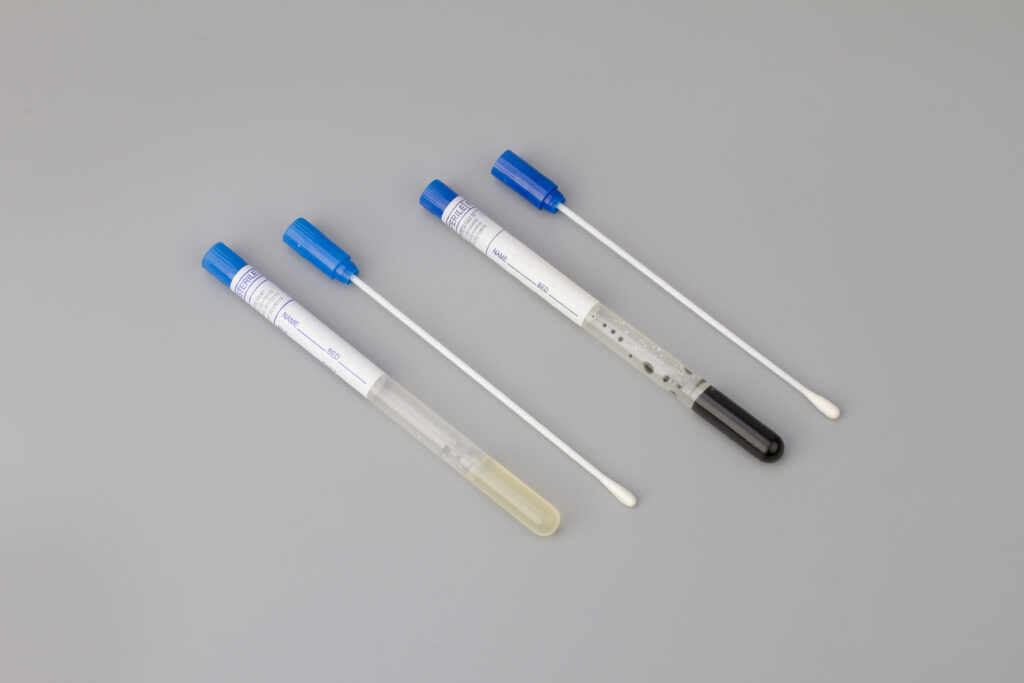
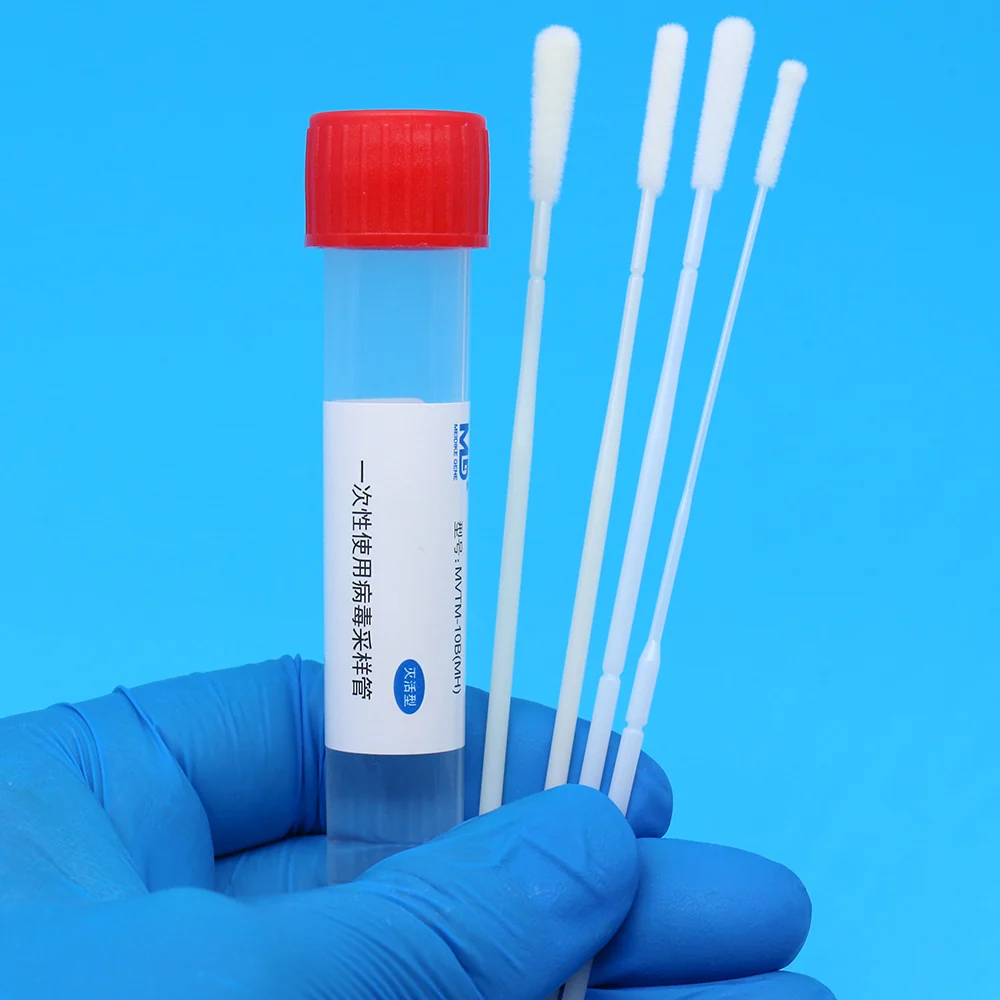
Swab kits may include multiple components, such as swabs, tubes, transport medium, labels, and instructions. Buyers should confirm whether each component has its own lot number or whether the kit is controlled under one assembled kit lot.
This is especially important for transport medium swab kits and diagnostic test kit assembly.
What Buyers Should Ask Suppliers
Buyers can ask where the lot number is printed, how expiration date is shown, whether batch information appears on cartons, whether private label lot number printing is available, and what documents can be provided for traceability.
Buyers should also ask whether sample packaging will show the final label format before bulk production.
Common Mistakes
One common mistake is approving product quality but ignoring label details. Another mistake is checking the outer carton only and forgetting pouch-level or box-level traceability.
Buyers should also avoid mixing batches in warehouse storage without clear inventory control.
Buyer Checklist
Before ordering sterile swabs, buyers should check lot number format, printing position, expiration date, shelf life, pouch label, box label, carton mark, barcode requirement, private label artwork, sample approval, and traceability documentation.
Conclusion
Lot number traceability is important for sterile swabs because it supports batch identification, customer complaint handling, inventory control, shelf life management, and quality communication.
Changfeng Medical supplies sampling swabs for diagnostic, clinical, and laboratory applications, including nasal swabs, large-headed flocked swabs, polyester fiber swabs with sheath, media-coated swabs, and double-tip throat swabs. Contact us to discuss sterile swab packaging, lot number labeling, private label options, and bulk supply solutions for your market.
FAQ
What is a lot number on sterile swabs?
A lot number is a batch identification code used to trace a group of products made or packaged under defined conditions.
Why is lot number traceability important?
It helps identify batches, manage inventory, handle customer complaints, and support quality communication.
Where should the lot number be printed?
It may be printed on the pouch, inner box, outer carton, label, or documents depending on customer requirements.
Is lot number important for private label swabs?
Yes. Private label packaging should still include clear traceability information such as lot number and expiration date.