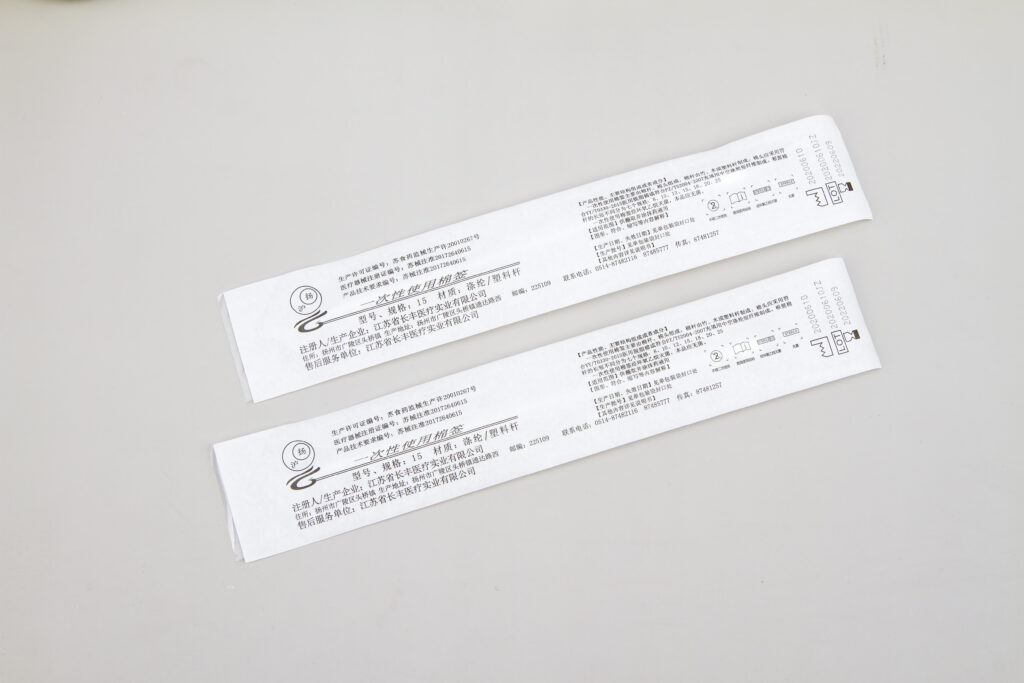
Why Is Individual Packaging Important for Sterile Sampling Swabs?


Individual packaging is important for sterile sampling swabs because it helps protect each swab before use, supports cleaner handling, and provides space for product identification, lot number, expiration date, and other key information. For medical and laboratory workflows, packaging is not just a container. It is part of the product system.
For medical buyers, laboratories, distributors, and procurement teams, understanding sterile swab packaging helps reduce procurement risk and improve customer acceptance in clinical, diagnostic, and laboratory supply channels.
What Is Individual Packaging for Sampling Swabs?
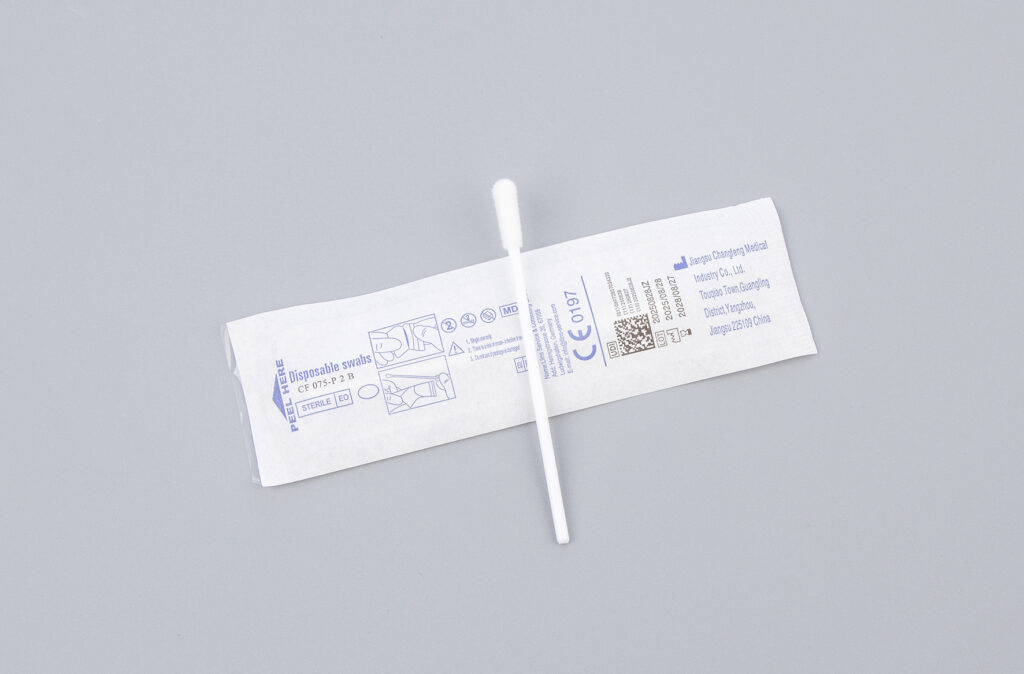
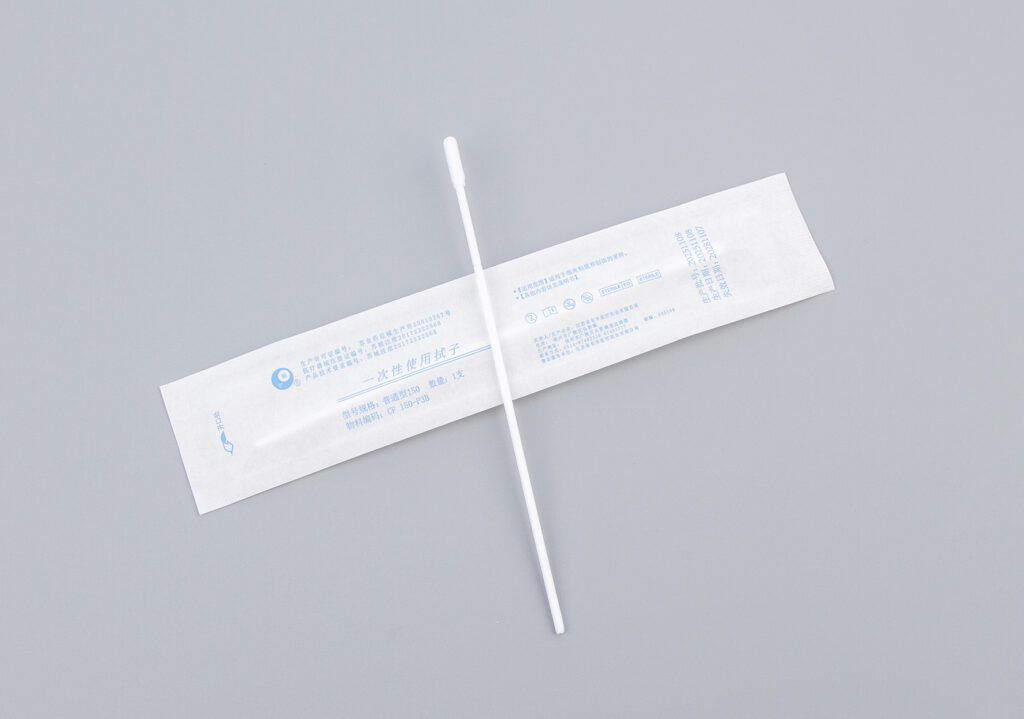
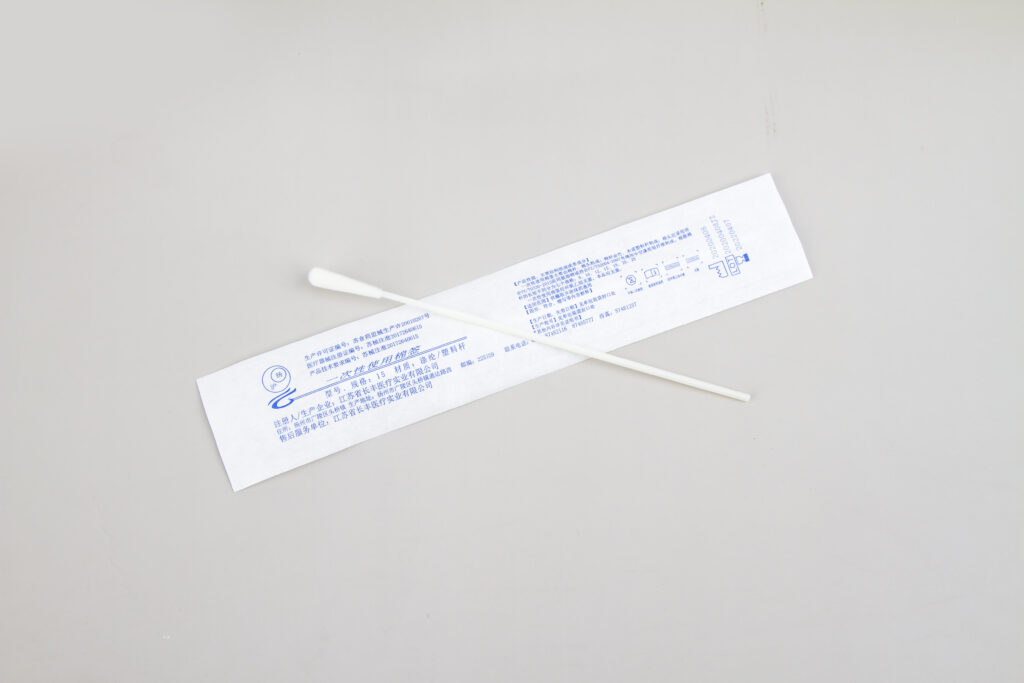
Individual packaging means each swab is packed separately, usually in a pouch or sealed wrapper. The package protects the swab tip and shaft before use and helps users handle one swab at a time.
For sterile sampling swabs, individual packaging is especially important because the package helps maintain the sterile barrier after sterilization until the product is opened by the user.
Why Does Packaging Matter for Sterile Swabs?
A sterile swab should remain protected during storage, transportation, and handling before use. If the package is damaged, poorly sealed, or unclear, the product may not be accepted by the end user even if the swab itself is well manufactured.
Good packaging supports sterility, traceability, inventory management, and practical workflow use.
Reason 1: Sterile Barrier Protection
The main purpose of individual packaging is to protect the sterile swab before use. The pouch or wrapper should provide a barrier against contamination during normal storage and handling.
For buyers, pouch integrity is a key point. Weak sealing, torn packaging, or poor pouch material can create customer complaints and product rejection.
Reason 2: Cleaner Handling Before Collection
Individual packaging allows users to open one swab at a time. This helps reduce unnecessary exposure of unused swabs and supports cleaner handling in hospitals, clinics, laboratories, and collection sites.
For routine specimen collection, easy opening is also important. A package that is difficult to open may slow down the workflow or cause users to touch the swab tip accidentally.
Reason 3: Product Identification
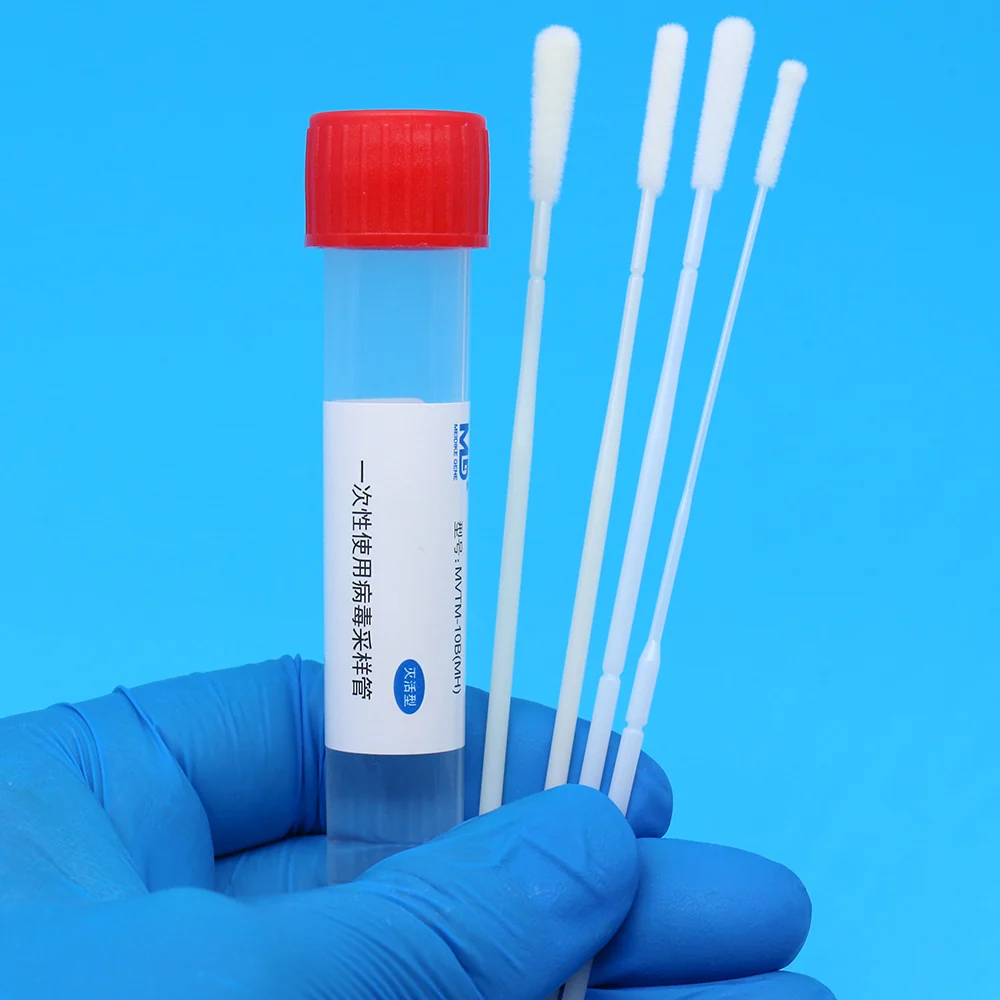
Clear packaging helps users quickly identify the swab type, size, material, sterile status, and intended product format. This is important when a facility uses several types of swabs, such as nasal swabs, throat swabs, flocked swabs, polyester swabs, and transport swabs.
For distributors, clear packaging can also reduce confusion in warehouses and customer inventory systems.
Reason 4: Lot Number and Traceability
Lot number is important for traceability. If there is a customer complaint, quality check, or inventory issue, the lot number helps identify the production batch.
Buyers should confirm whether the lot number is printed on the individual pouch, inner box, outer carton, or all packaging levels. The required format depends on the customer and market requirement.
Reason 5: Expiration Date and Shelf Life Management
Sterile sampling swabs usually have a shelf life. The expiration date helps customers manage stock and avoid using expired products.
For export buyers, shelf life is especially important because products may spend time in production, international shipping, customs clearance, warehouse storage, and final distribution. Clear expiration labeling supports better inventory planning.
Reason 6: Packaging Compatibility with Sterilization
Packaging must be compatible with the sterilization process. For example, some sterile swabs may be sterilized after final packaging, so the pouch material must allow the process to work while maintaining product protection afterward.
Buyers should confirm the sterilization method, packaging material, sterile barrier design, and supplier documentation before bulk ordering.
Reason 7: Better Export and Distribution Handling
Medical swabs are often shipped across long distances. During export transportation, packaging must protect the swabs from crushing, moisture exposure, dust, and rough handling.
Individual packaging works together with inner boxes and outer cartons. Buyers should check not only the pouch, but also box quantity, carton size, carton strength, labeling, and pallet requirements if needed.
Common Individual Packaging Formats
Paper-plastic pouch
Paper-plastic pouches are commonly used for sterile medical consumables. They can provide a practical sterile barrier format when the material and sealing quality match the sterilization process.
Plastic film pouch
Plastic film pouches may be used for certain swab products depending on the application, packaging requirement, and sterilization method.
Peel-open pouch
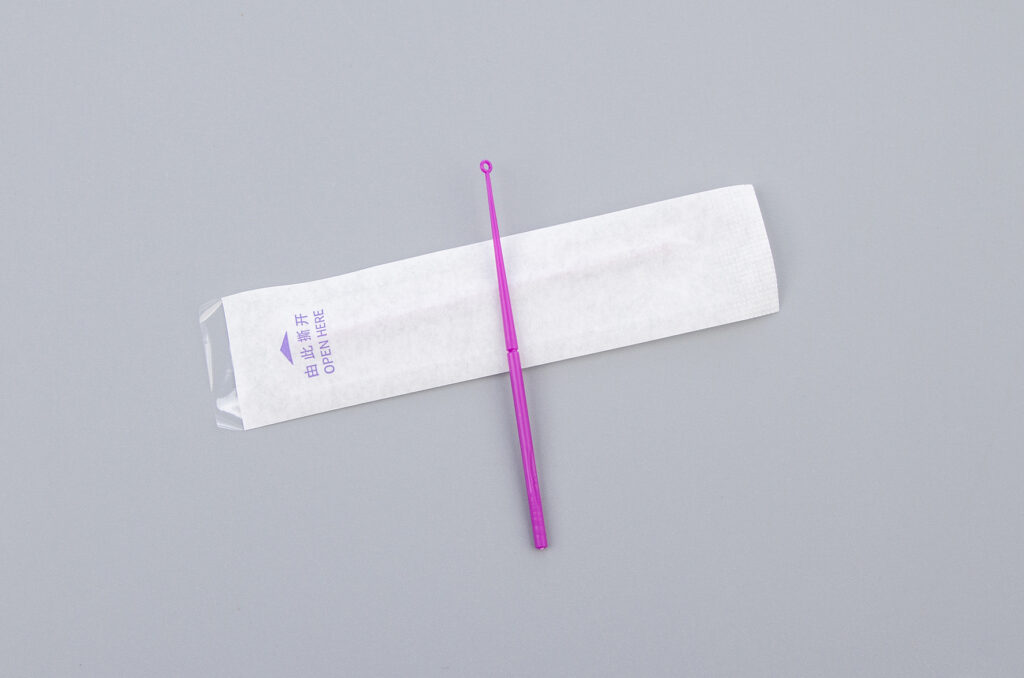
A peel-open pouch is designed for easier opening. This can be useful in clinical and laboratory workflows where users need quick and clean access to the swab.
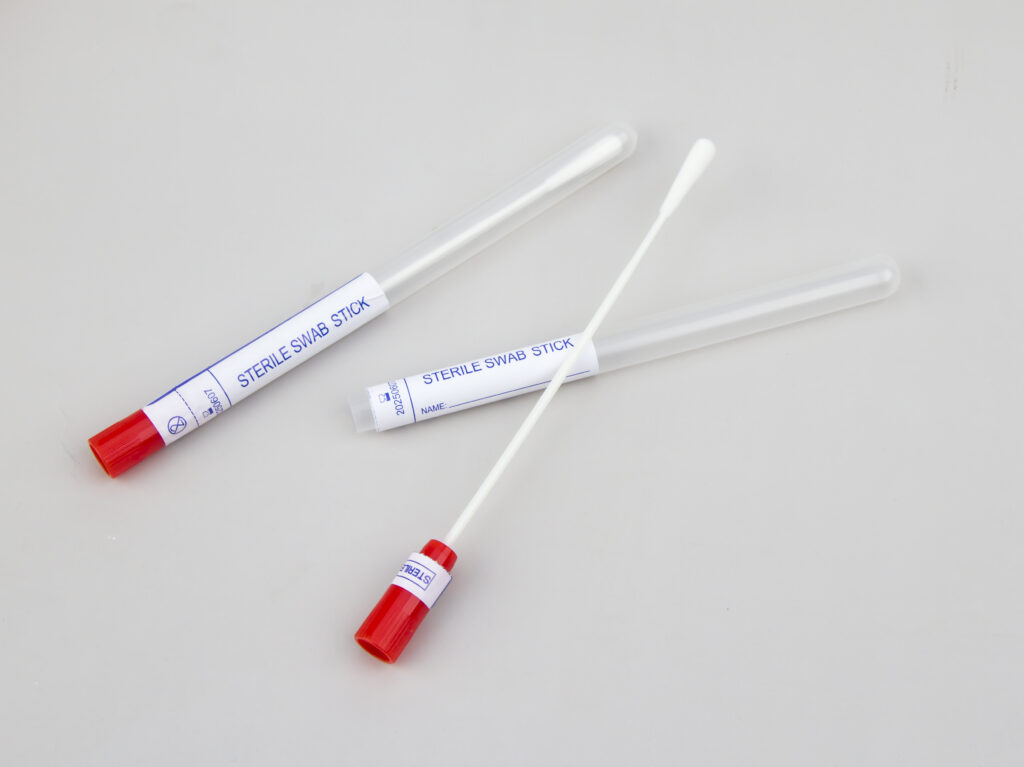
Protective sheath packaging
Some swabs, such as polyester fiber swabs with sheath, include an additional protective cover. This can help protect the swab tip before use and support cleaner handling.
What Information Should Be Printed on the Package?
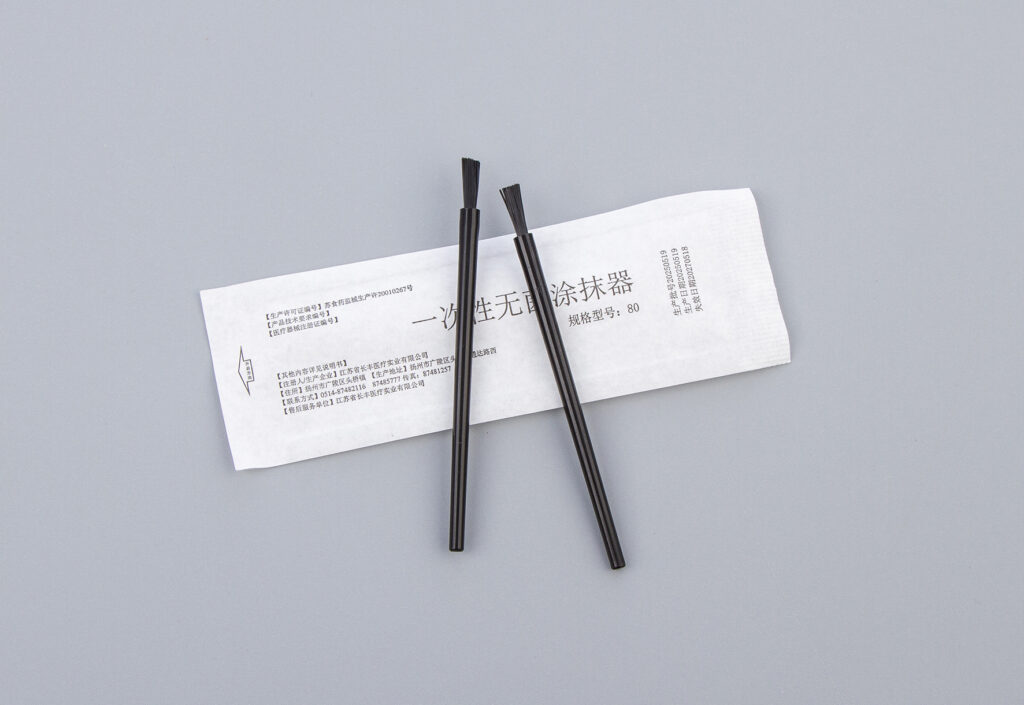
Useful packaging information may include product name, product size, swab material, sterile status, sterilization method, lot number, expiration date, manufacturer information, quantity, storage conditions, and symbols required by the target market.
For private label orders, buyers should confirm artwork, language, barcode, carton marks, and label layout before production.
Individual Packaging vs. Bulk Packaging
Individual packaging packs each swab separately. Bulk packaging packs multiple swabs together. The better choice depends on intended use.
For medical and clinical specimen collection, individual sterile packaging is often preferred because it supports cleaner handling and product protection. Bulk packaging may be suitable for some non-sterile, industrial, laboratory, or general sampling applications where individual sterile packaging is not required.
When Should Buyers Choose Individually Packaged Swabs?
Buyers should consider individually packaged swabs when the customer needs sterile swabs, medical specimen collection products, clinical sampling workflows, diagnostic support products, or products for distribution to multiple end users.
Individual packaging is also useful when the customer requires lot traceability, expiration labeling, private label packaging, or cleaner single-use handling.
When May Bulk Packaging Be Acceptable?
Bulk packaging may be acceptable for certain non-sterile swabs, industrial sampling, cleaning, surface sampling, or controlled workflows where the end user does not require each swab to be separately packed.
However, buyers should confirm the customer’s intended use before selecting bulk packaging. Choosing bulk packaging for a workflow that requires sterile individual packaging may create serious acceptance problems.
Packaging Considerations for Different Swab Types
Nasal swabs
Nasal swabs are often individually packaged for medical use. Packaging should protect the soft tip and allow users to open the swab conveniently before collection.
Throat swabs
Throat swabs usually require suitable pouch length because the shaft may be longer. Buyers should check pouch size, shaft protection, and opening convenience.
Large-headed flocked swabs
Large-headed flocked swabs may need packaging that protects the broader tip and prevents unnecessary compression or contamination before use.
Polyester swabs with sheath
Polyester swabs with sheath include extra tip protection. Buyers should still check outer packaging quality, labeling, and carton protection.
Media-coated swabs
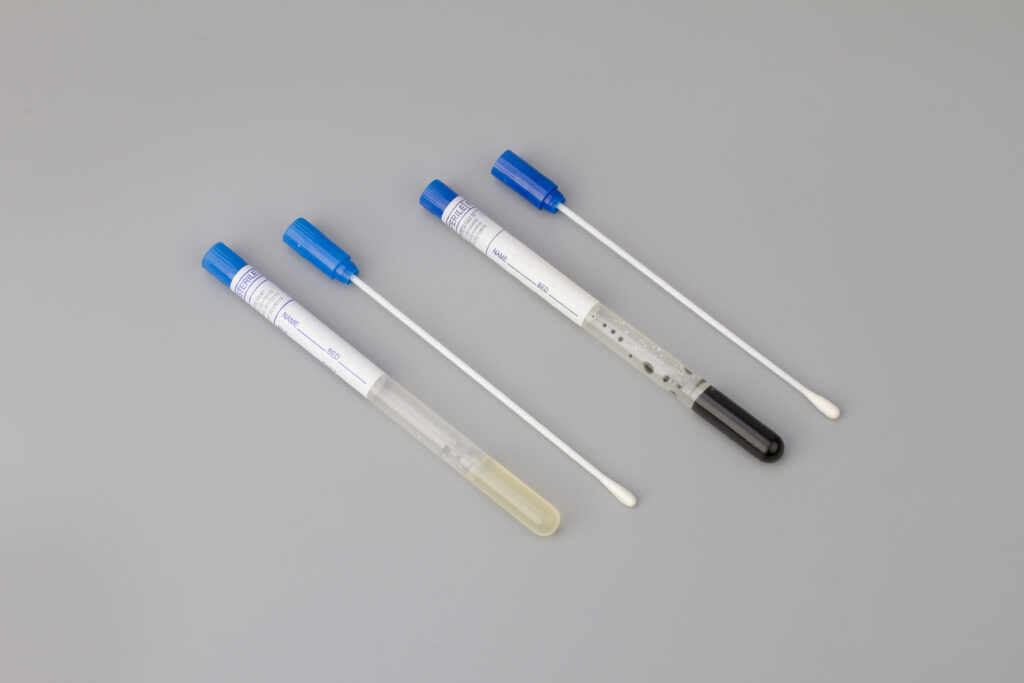
Media-coated swabs may have more specific packaging and storage requirements because the product may include medium support. Shelf life and storage conditions should be confirmed carefully.
What Buyers Should Check Before Ordering
Before ordering sterile sampling swabs, buyers should evaluate the packaging together with the swab itself.
- Is each swab individually packaged?
- Is the package suitable for sterile products?
- What packaging material is used?
- Is the seal strong and consistent?
- Is the pouch easy to open?
- Is the lot number printed clearly?
- Is the expiration date printed clearly?
- What is the shelf life?
- What storage conditions are required?
- What is the inner box quantity?
- What is the outer carton quantity?
- Can private label packaging be provided?
- Can samples be provided before bulk order?
- What documents are available for export?
Common Packaging Problems Buyers Should Avoid
Common problems include weak pouch seals, unclear printing, missing lot number, missing expiration date, poor carton strength, difficult opening, inconsistent pouch size, and packaging that does not match the sterilization process.
Another common issue is choosing packaging only by cost. Low-cost packaging may create customer complaints if it fails during shipping, storage, or daily use.
How to Evaluate Packaging Samples
When receiving samples, buyers should inspect the pouch appearance, seal line, printed information, opening feel, swab protection, and overall presentation. If the swab will be sold under private label, the buyer should also check artwork placement, logo clarity, barcode position, and language accuracy.
Samples should be evaluated under the same conditions expected in the real workflow whenever possible.
How to Choose a Supplier for Individually Packaged Swabs
A reliable supplier should provide stable swab quality, consistent packaging, clear labeling, samples, and export support. For sterile swabs, buyers should also ask about sterilization method, shelf life, lot traceability, and documentation.
For distributors, packaging consistency is especially important because customers often judge product quality from the pouch, label, box, and carton before they use the swab.
Conclusion
Individual packaging is important for sterile sampling swabs because it helps protect the swab before use, supports cleaner handling, improves traceability, and provides important product information such as lot number and expiration date.
For buyers, packaging should be evaluated together with swab tip material, shaft design, sterility, shelf life, storage conditions, carton packing, and supplier documentation.
Changfeng Medical supplies sampling swabs for diagnostic, clinical, and laboratory applications, including nasal swabs, large-headed flocked swabs, polyester fiber swabs with sheath, media-coated swabs, and double-tip throat swabs. Contact us to discuss individual packaging, private label options, and bulk supply solutions for your market.
FAQ
Why is individual packaging important for sterile swabs?
Individual packaging helps protect each sterile swab before use, supports cleaner handling, and provides space for important information such as lot number and expiration date.
Are all sampling swabs individually packaged?
No. Some swabs are individually packaged, while others are bulk packed. The right packaging depends on intended use and sterility requirements.
What should be printed on sterile swab packaging?
Useful information includes product name, size, material, sterile status, lot number, expiration date, manufacturer information, quantity, and storage conditions.
Can sterile swabs be bulk packed?
For many medical specimen collection workflows, sterile swabs are individually packaged. Buyers should confirm the customer requirement before selecting bulk packaging.
What packaging is used for medical swabs?
Medical swabs may use paper-plastic pouches, plastic film pouches, peel-open pouches, protective sheaths, inner boxes, and outer cartons depending on the product design.
What should buyers check before ordering individually packaged swabs?
Buyers should check pouch material, seal strength, sterile barrier, printed information, lot number, expiration date, shelf life, carton packing, and supplier documentation.