How to Reduce Sampling Swab Packaging Complaints in Bulk Orders?

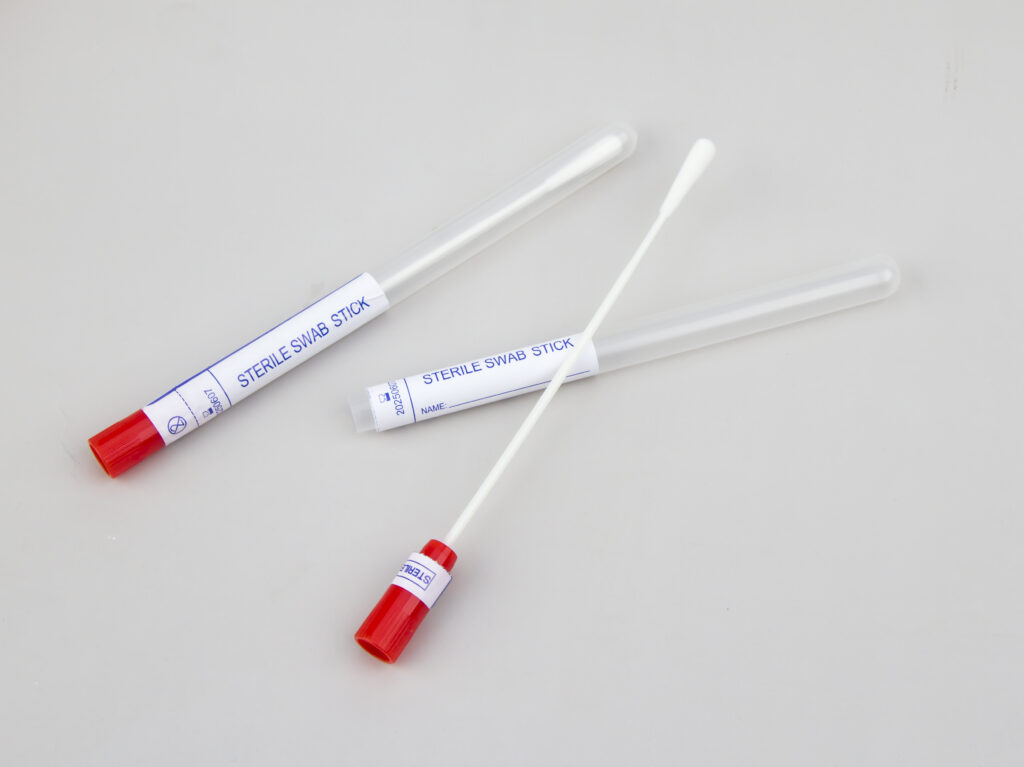
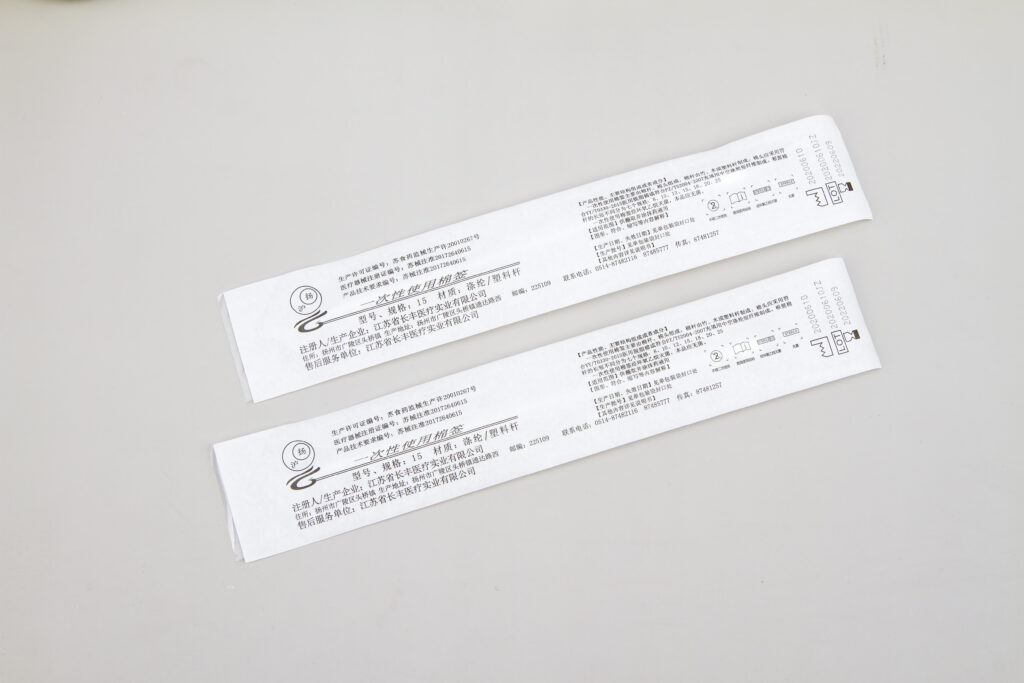
Packaging complaints in sampling swab bulk orders can come from weak pouch seals, unclear printing, damaged cartons, missing labels, short shelf life, poor private label artwork, or packaging that does not match the customer’s workflow.
For medical distributors, laboratories, diagnostic companies, and procurement teams, packaging quality is not a minor detail. Good packaging protects the product, supports traceability, improves customer acceptance, and reduces after-sales problems.
Why Packaging Complaints Happen
Packaging complaints often happen when product samples are approved without checking final packaging details. Buyers may focus on swab tip material and price while ignoring pouch quality, carton strength, label layout, or shipping protection.
Check Pouch Seal Strength
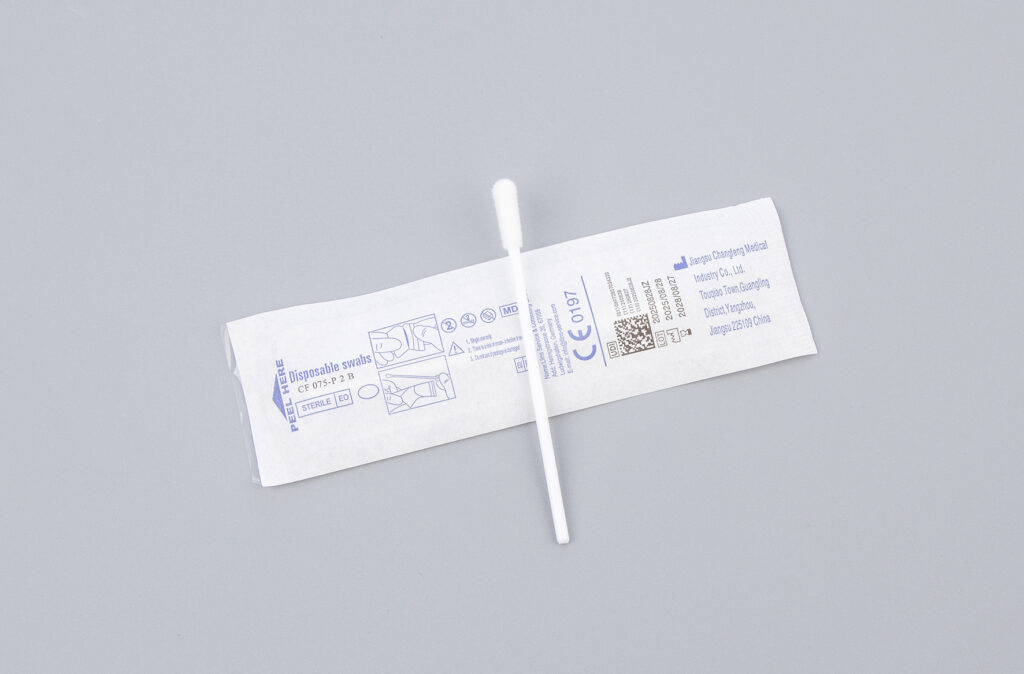
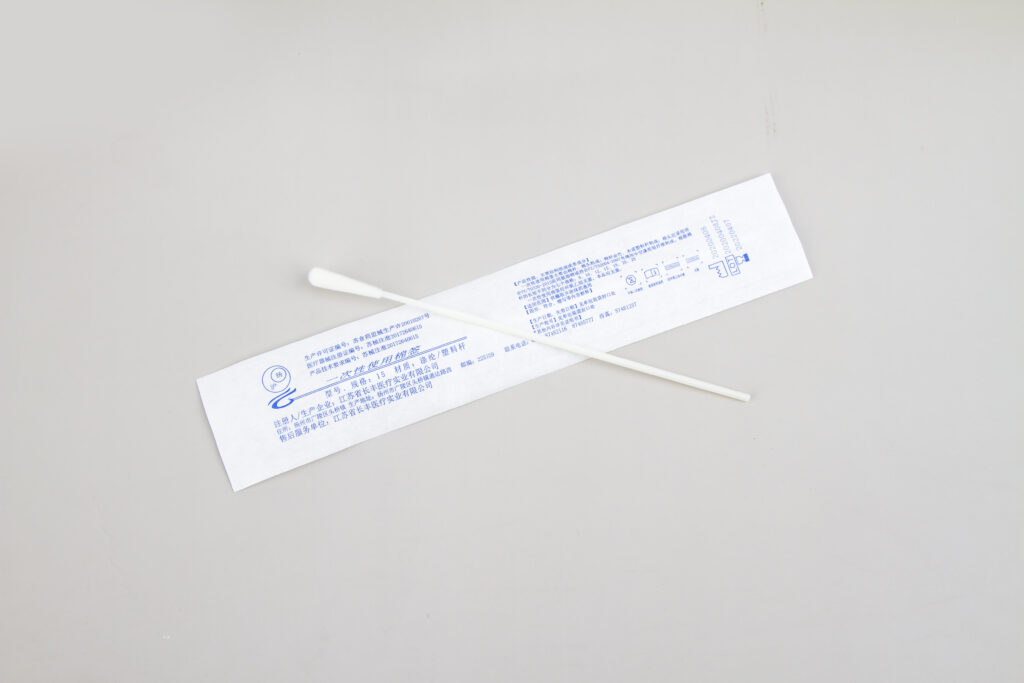
Weak pouch seals can lead to product rejection, especially for sterile sampling swabs. Buyers should check whether the pouch is sealed evenly and remains intact during shipping and storage.
Check Pouch Size
The pouch should fit the swab properly. A long throat swab, flexible nasopharyngeal swab, polyester swab with sheath, or swab kit component may require different pouch sizes.
Check Printing Clarity
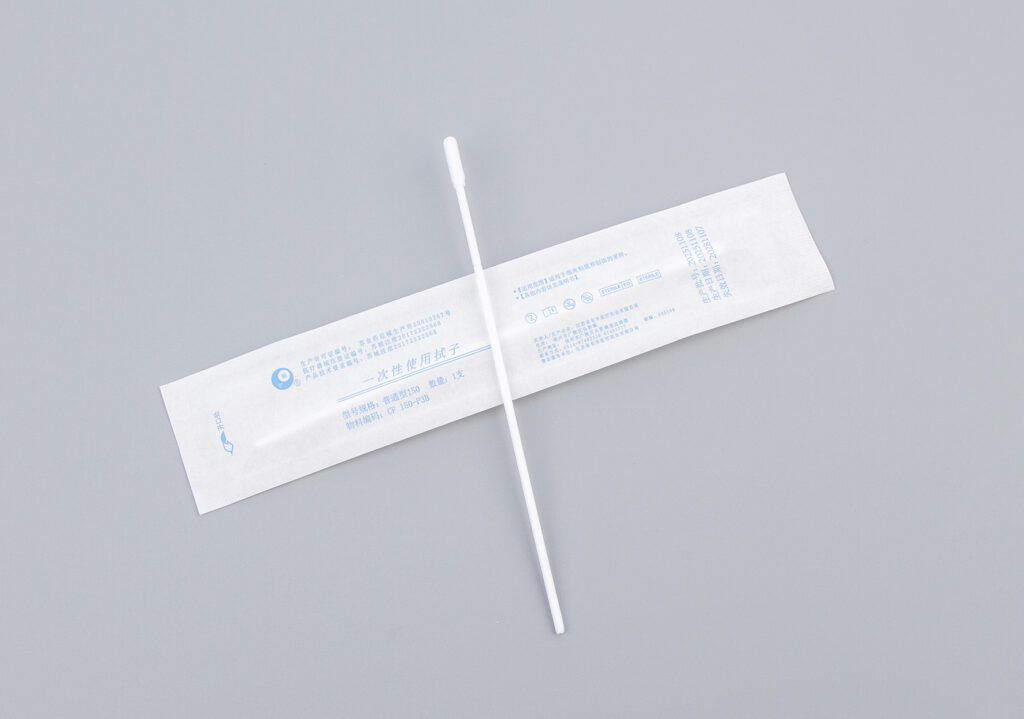
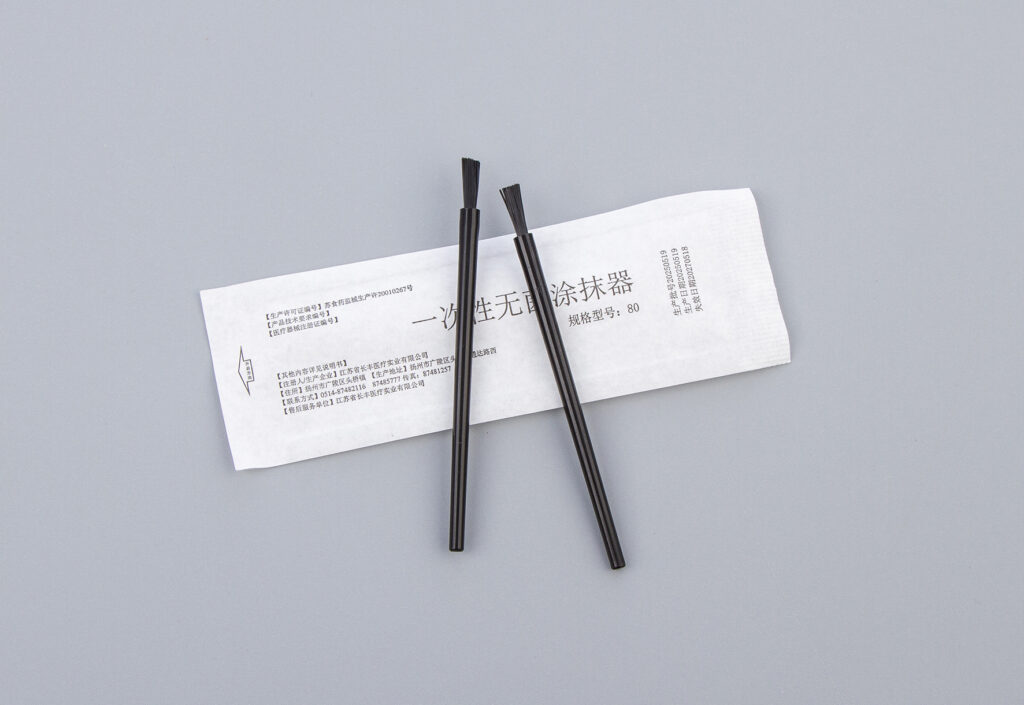
Printed information should be clear and consistent. Important details may include product name, sterile status, lot number, expiration date, storage conditions, manufacturer information, and quantity.
Check Lot Number and Expiration Date
Lot number and expiration date should be printed according to buyer and customer requirements. These details support traceability and shelf life management.
Check Inner Box Quality
Inner boxes should protect individual swabs and make warehouse handling easier. Buyers should check box material, quantity per box, label information, barcode position, and box strength.
Check Outer Carton Strength
Outer cartons must protect products during international shipping and storage. Weak cartons may collapse, tear, or arrive damaged, creating customer complaints even when the swabs are usable.
Check Private Label Artwork
Private label packaging should be checked carefully before mass production. Artwork errors, wrong language, missing barcode, unclear logo, or incorrect product name can delay shipment or create returns.
Check Shelf Life Before Shipping
Short remaining shelf life can become a packaging and inventory complaint. Buyers should confirm production date, expiration date, and remaining shelf life before shipment.
Check Packaging for Swab Kits
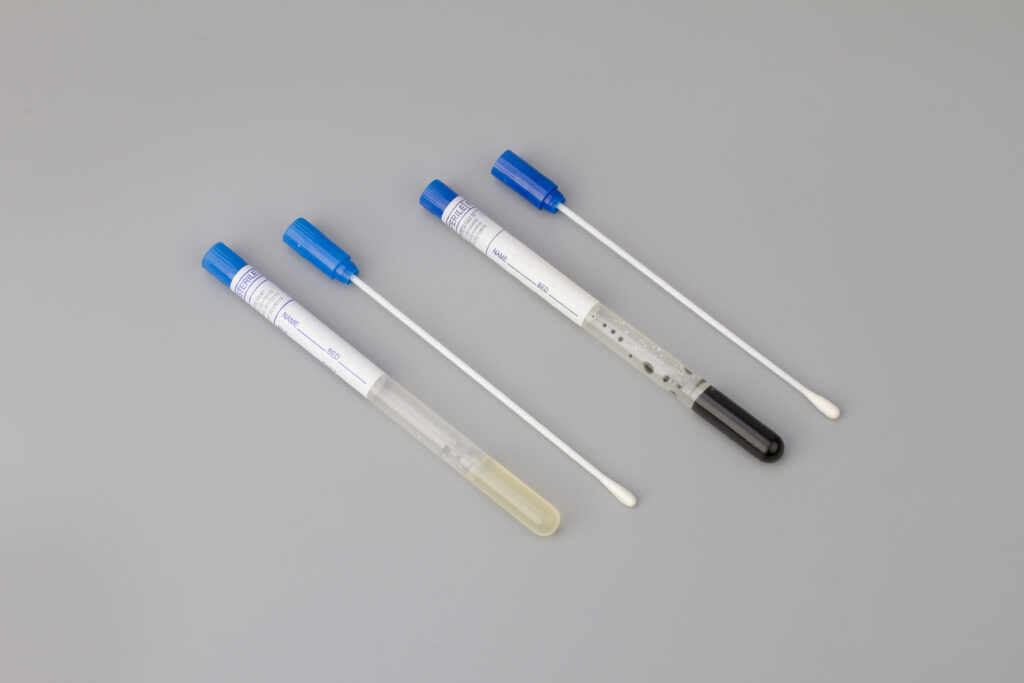
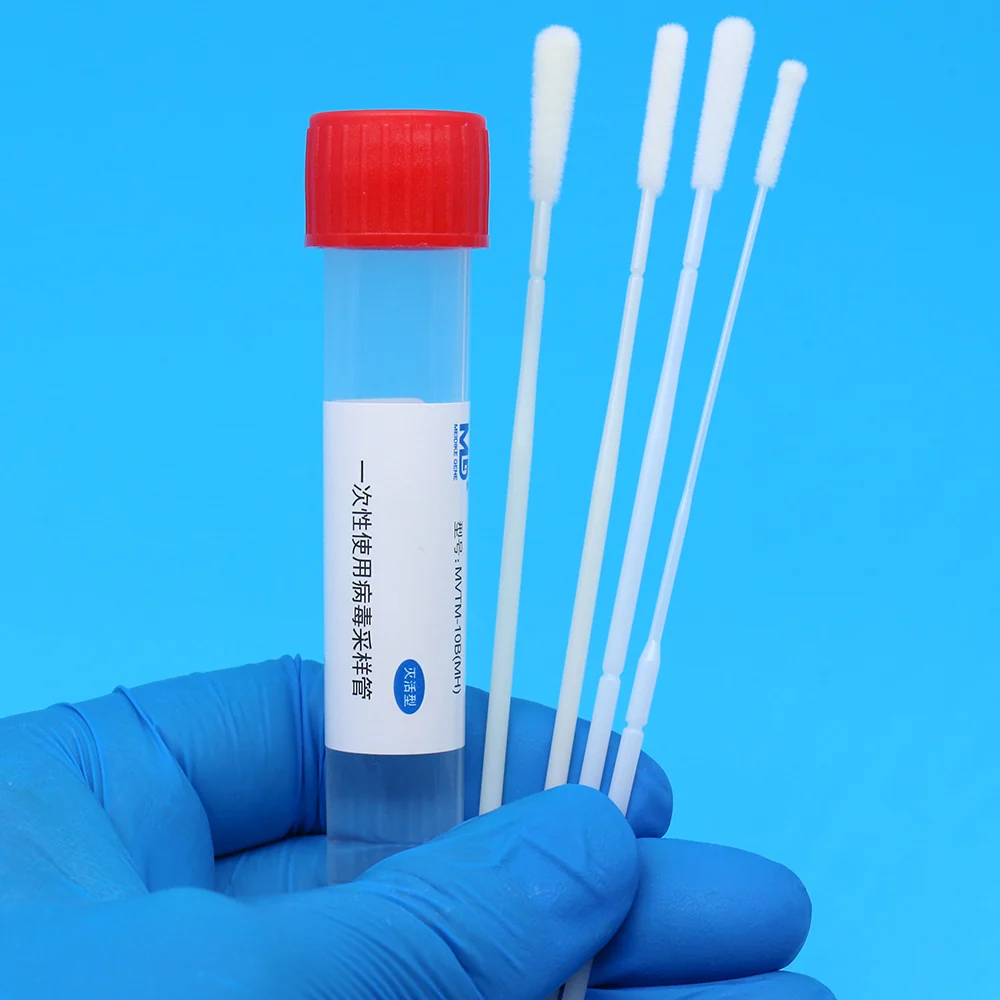
Swab kits may include multiple components such as swabs, tubes, transport medium, labels, and instruction sheets. Packaging should keep all components organized and protected.
Set an Inspection Checklist
A packaging inspection checklist can include pouch seal, pouch size, printing clarity, lot number, expiration date, box quality, carton strength, carton marks, quantity, private label artwork, barcode, shelf life, and sample approval.
Ask for Pre-Shipment Photos
Before shipment, buyers can ask for photos of pouches, inner boxes, outer cartons, carton marks, labels, and packed goods. Photos cannot replace inspection, but they help catch obvious packaging mistakes early.
Common Mistakes
One common mistake is checking only the swab and ignoring packaging. Another mistake is approving artwork but not checking real printed samples.
Conclusion
To reduce sampling swab packaging complaints, buyers should check pouch quality, seal strength, printing, lot number, expiration date, inner box, outer carton, private label artwork, shelf life, and final kit packing before shipment.
Changfeng Medical supplies sampling swabs for diagnostic, clinical, and laboratory applications, including nasal swabs, large-headed flocked swabs, polyester fiber swabs with sheath, media-coated swabs, and double-tip throat swabs. Contact us to discuss sampling swab packaging, private label options, and bulk supply solutions for your market.
FAQ
Why do sampling swab packaging complaints happen?
They may happen because of weak pouch seals, unclear printing, damaged cartons, short shelf life, wrong labels, or private label artwork problems.
How can buyers reduce packaging problems before shipment?
Buyers can use an inspection checklist and request pre-shipment photos of pouches, boxes, cartons, labels, and carton marks.