How to Choose Collection Tubes for Sampling Swab Kits?

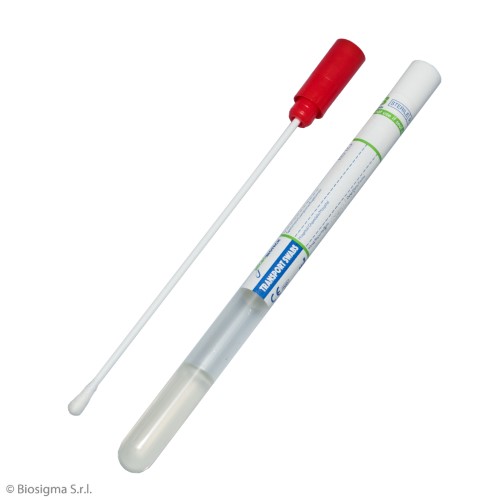
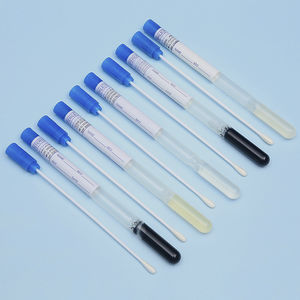
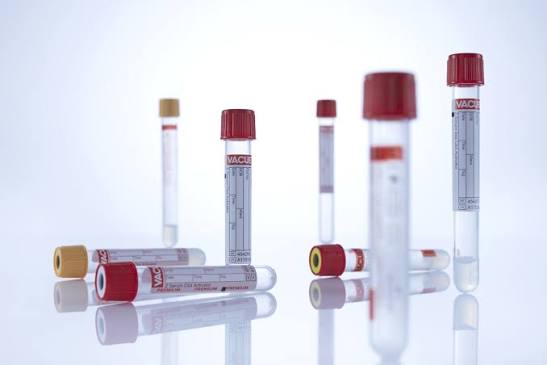
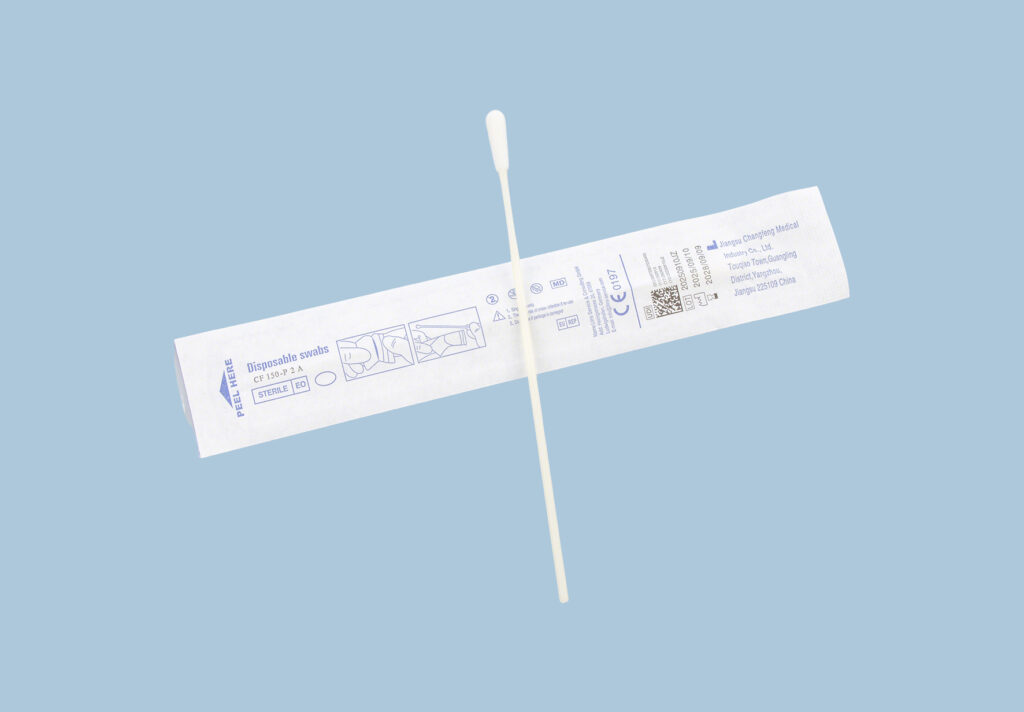
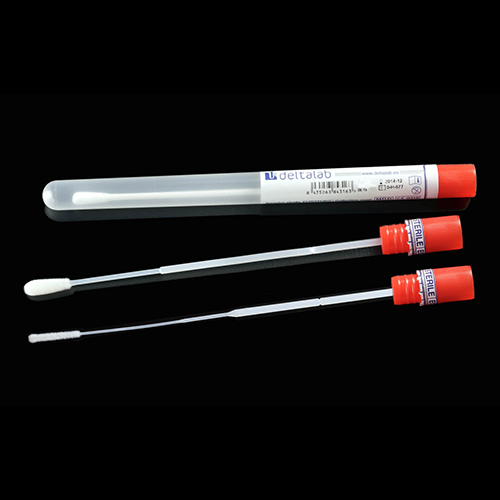
Collection tubes are important components in sampling swab kits. A tube should fit the swab tip, shaft, breakpoint, cap, label, and medium system. If the tube is not compatible with the swab, the kit may create handling problems even when the swab itself is acceptable.
For medical buyers, laboratories, diagnostic companies, and kit assemblers, tube selection should be evaluated together with swab design, transport medium, packaging, labeling, and shelf life.
Why Collection Tube Selection Matters
A collection tube protects the swab tip after collection and may hold transport medium, extraction buffer, or other liquid depending on the workflow. Tube size, opening diameter, cap sealing, and label area all affect the final kit experience.
A poorly matched tube may cause leakage, poor cap closure, difficult swab insertion, or customer complaints.
Start with the Swab Type
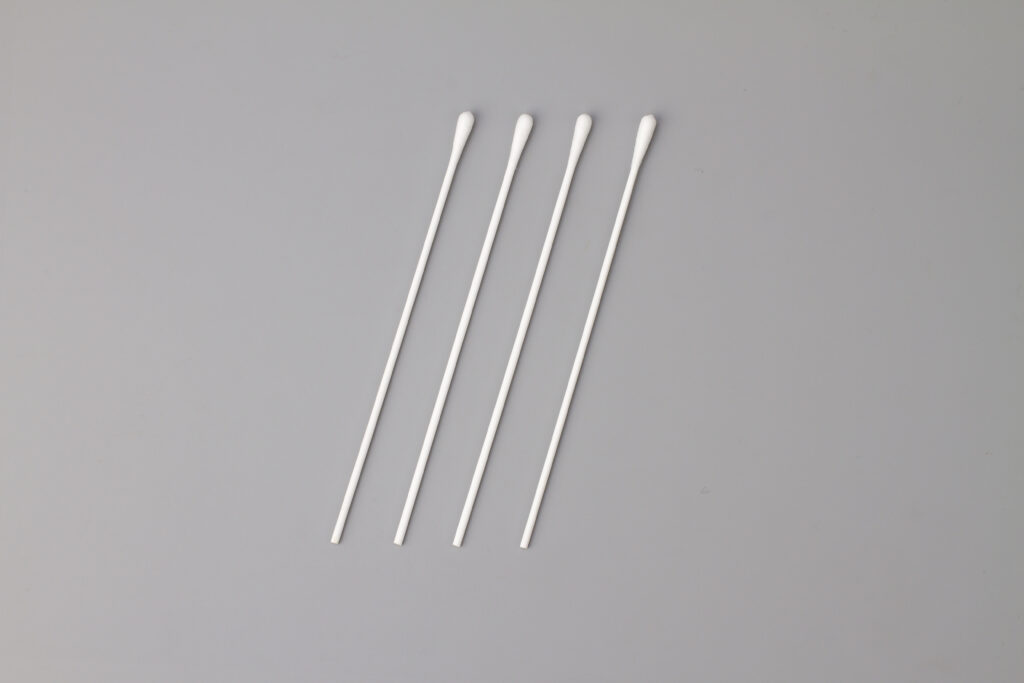
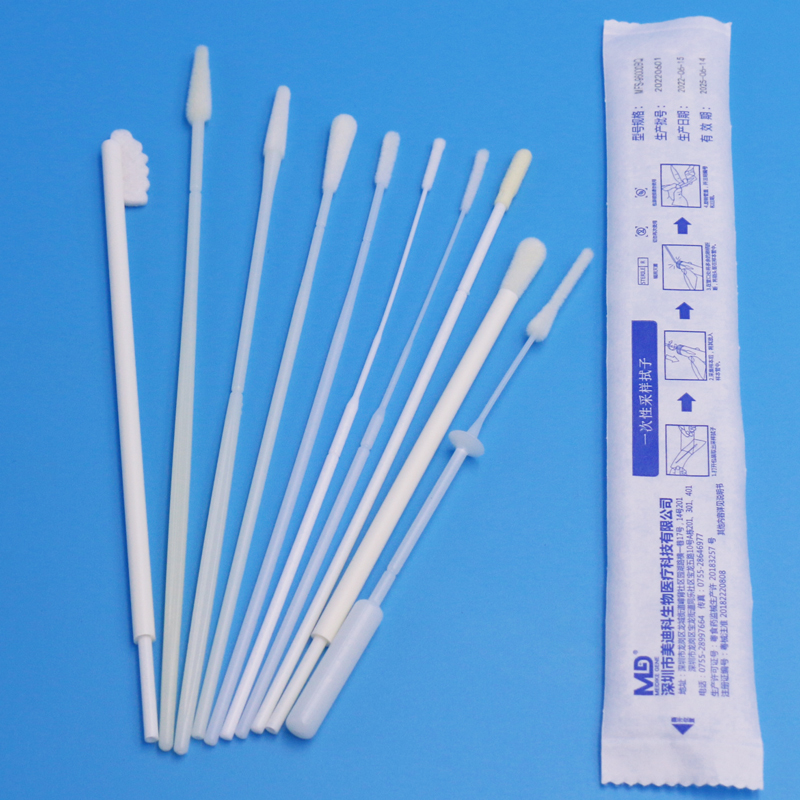
Different swabs require different tube designs. A nasopharyngeal swab, throat swab, nasal swab, large-headed swab, or swab with sheath may have different length and tip size requirements.
Buyers should first confirm the swab type before choosing the tube.
Check Tube Size
Tube size should match the swab length, tip size, breakpoint position, and medium volume. A tube that is too short may not close properly after the swab is inserted. A tube that is too large may increase packaging size and shipping cost.
Check Tube Opening
The tube opening should allow the swab tip to enter smoothly. This is especially important for large-headed flocked swabs, foam swabs, or swabs with protective sheaths.
Buyers should test the actual swab and tube together before bulk production.
Check Cap Sealing
Cap sealing is critical for transport swab kits and medium-based kits. The cap should close securely after the swab is inserted and broken at the breakpoint.
If liquid medium is included, buyers should pay special attention to leakage risk, cap fit, and storage orientation requirements.
Check Breakpoint Position
If the swab has a breakpoint, the broken swab length should fit inside the tube with enough space for the cap to close. The breakpoint position should be checked together with tube length and medium volume.
A correct swab tip with the wrong breakpoint can make the tube system unsuitable.
Check Medium Volume
When transport medium or extraction buffer is included, tube volume and medium volume should work together. The medium should match the intended workflow and customer requirement.
Buyers should confirm whether the kit needs dry tube format, transport medium, extraction buffer, or another liquid system.
Check Label Area
Collection tubes may need product labels, patient labels, barcodes, lot number labels, or private label information. The tube should provide enough label space without interfering with cap closure or visibility.
Check Packaging Layout
The tube should fit the final pouch, box, or kit packaging. Tube length, diameter, cap size, label position, instruction sheet, and swab pouch should all be checked in the final kit layout.
Sterile and Non-Sterile Tube Options
Depending on the workflow, tubes may need sterile status or clean packaging. Buyers should confirm whether the tube, swab, medium, or final kit requires sterile handling.
What Buyers Should Check Before Ordering
Before ordering collection tubes for sampling swab kits, buyers should check tube size, material, volume, opening diameter, cap sealing, leakage control, label area, swab fit, breakpoint position, medium compatibility, packaging layout, shelf life, storage conditions, sample availability, MOQ, lead time, and documentation.
Common Mistakes
One common mistake is choosing the swab and tube separately without testing them together. Another mistake is ignoring cap closing space after the swab shaft is broken.
Buyers should also avoid approving kit packaging before confirming tube fit, label position, and carton protection.
Conclusion
Collection tubes for sampling swab kits should be chosen as part of a complete system. Tube size, cap sealing, swab fit, breakpoint position, medium compatibility, label area, and packaging layout all matter.
Changfeng Medical supplies sampling swabs and related collection solutions for diagnostic, clinical, and laboratory applications. Contact us to discuss swab and tube compatibility, kit packaging, and bulk supply solutions for your market.
FAQ
Why is tube size important for swab kits?
Tube size affects swab fit, breakpoint compatibility, cap closure, packaging size, and user handling.
What should buyers check for cap sealing?
Buyers should check whether the cap closes securely after the swab is inserted and whether leakage risk is controlled when medium is included.
Should swabs and tubes be tested together?
Yes. Swabs, tubes, caps, medium, labels, and packaging should be evaluated as one system.
Can collection tubes be private labeled?
Private label options may include tube labels, barcodes, box labels, and carton marks depending on supplier capability.