Nasal Swabs for Respiratory Specimen Collection: A Practical Buyer’s Guide

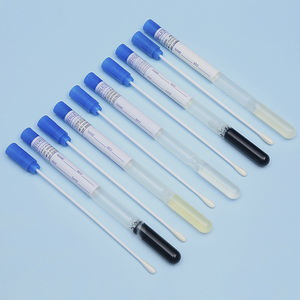
Nasal swabs are widely used in respiratory specimen collection, clinical testing workflows, screening programs, and laboratory sample management. Although a nasal swab may look like a simple consumable, its material, tip design, shaft flexibility, packaging, and transport compatibility can affect how practical and consistent the collection workflow is for healthcare workers and laboratories.
For hospitals, diagnostic laboratories, distributors, and medical consumable buyers, selecting the right nasal swab is not only about choosing a product name. It requires understanding the intended collection site, testing method, user environment, packaging requirement, and bulk supply expectations.
This buyer’s guide explains the key factors to consider when choosing nasal swabs for respiratory specimen collection and medical laboratory use.
What Is a Nasal Swab?
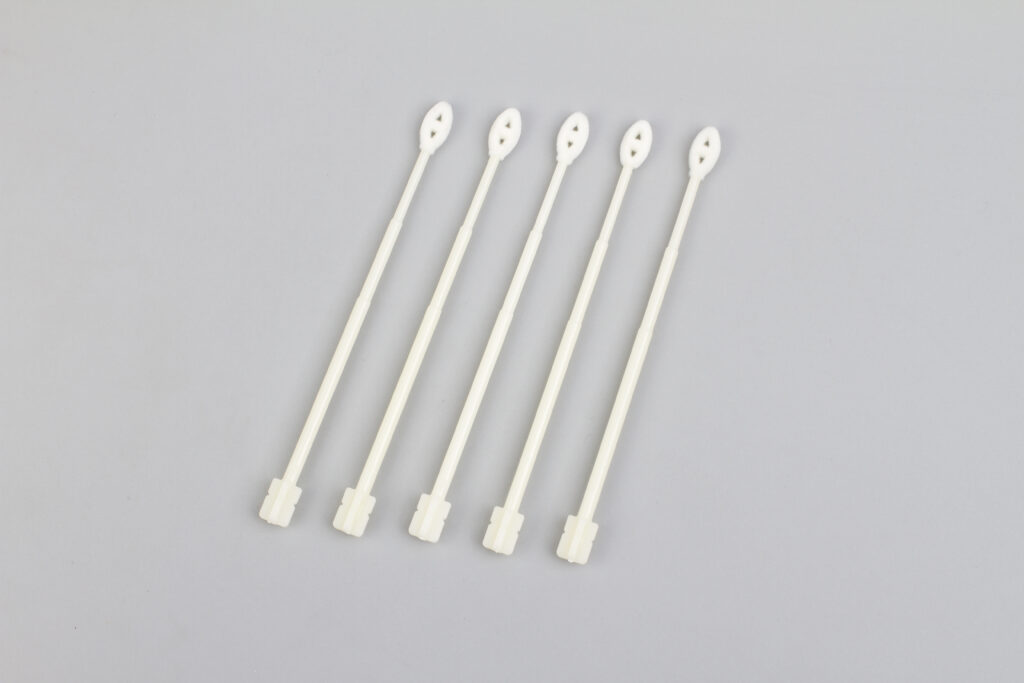
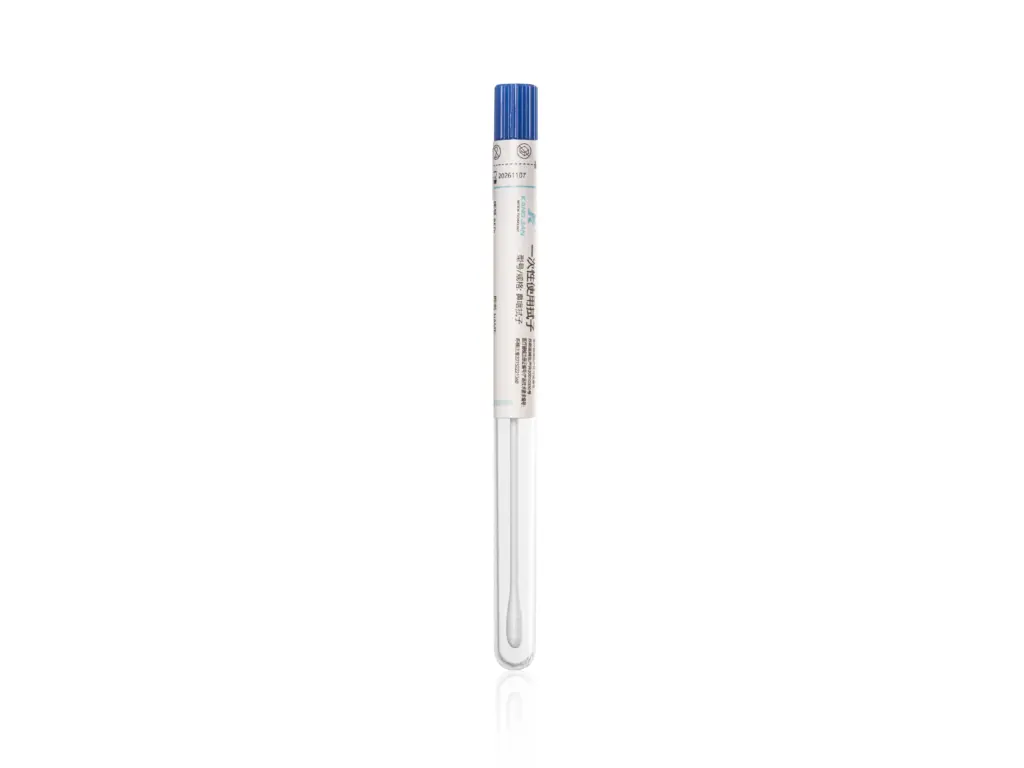
A nasal swab is a medical sampling swab designed to collect specimens from the nasal cavity. Depending on the intended workflow, it may be used for anterior nasal sampling, mid-turbinate sampling, or other upper respiratory collection procedures as required by local clinical protocols.
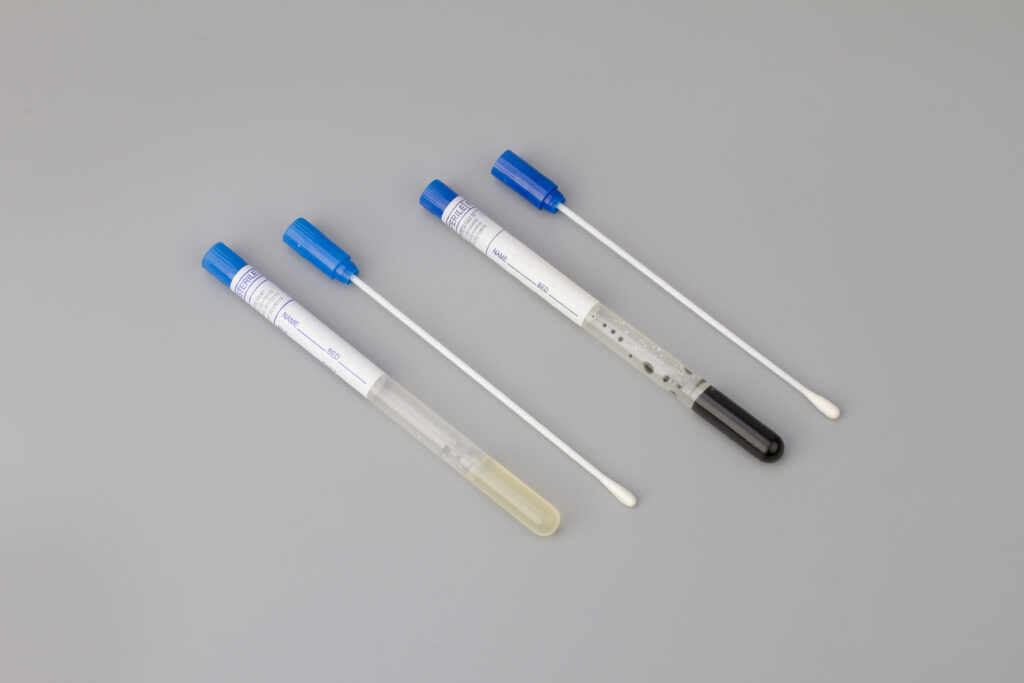
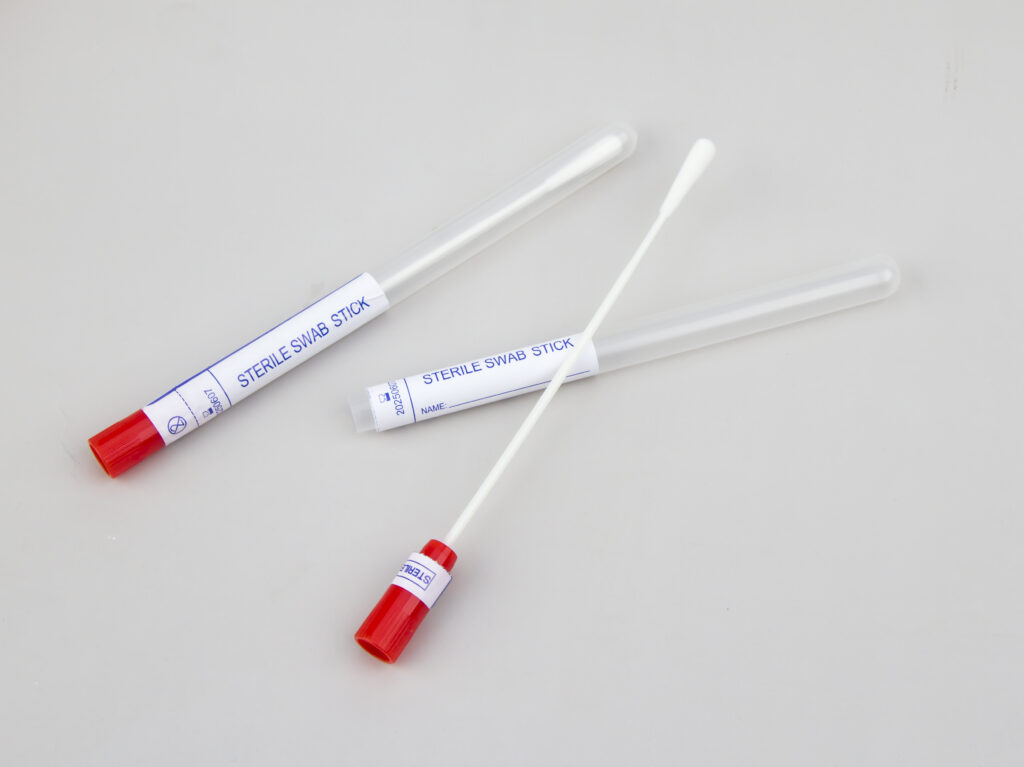
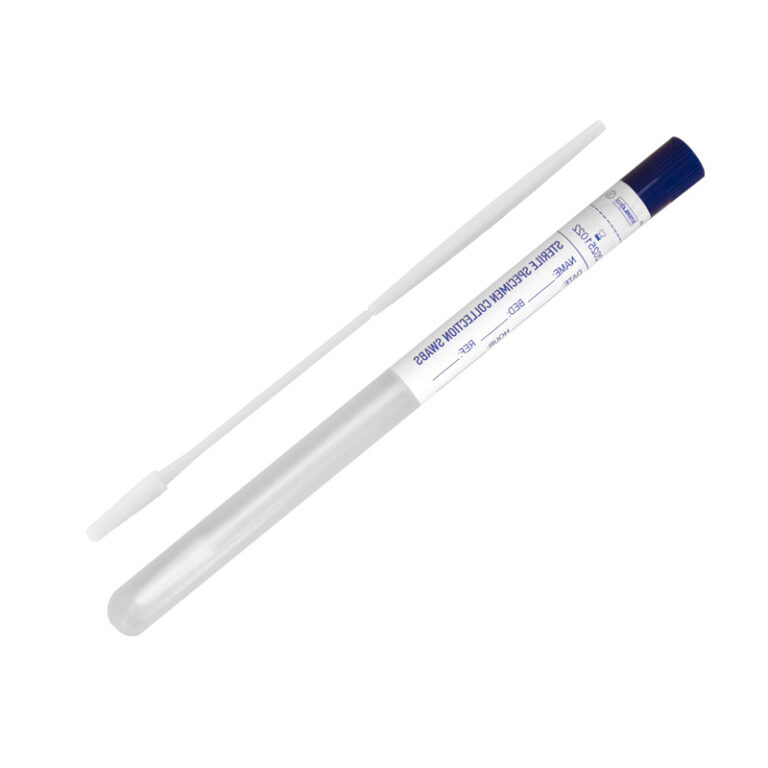
A typical nasal swab includes a soft sampling tip, a shaft, and sterile packaging. Some swabs are supplied dry, while others may be used with a transport tube or transport medium. The right configuration depends on the downstream test and the laboratory’s requirements.
In respiratory specimen collection, nasal swabs are often selected because they are practical, relatively easy to use, and suitable for many clinical and laboratory workflows. However, buyers should still confirm that the swab design is appropriate for the intended application.
Why Nasal Swab Design Matters
Specimen collection is part of the pre-analytical stage of testing. If the specimen is not collected, handled, or transported properly, downstream testing may be affected. A well-designed nasal swab helps support a smoother collection process and more consistent handling.
Important design factors include tip material and softness, tip size and shape, shaft flexibility, shaft material, breakpoint position, sterile packaging, tube compatibility, transport medium compatibility, and export carton quality.
For bulk procurement, these details matter because the swab must perform consistently across many users, locations, and batches.
Key Features of a Good Nasal Swab
1. Soft and Suitable Sampling Tip
The nasal cavity is sensitive, so the swab tip should be soft enough for practical clinical use. A rough or poorly shaped tip may make the collection process less comfortable and less convenient for healthcare workers and patients.
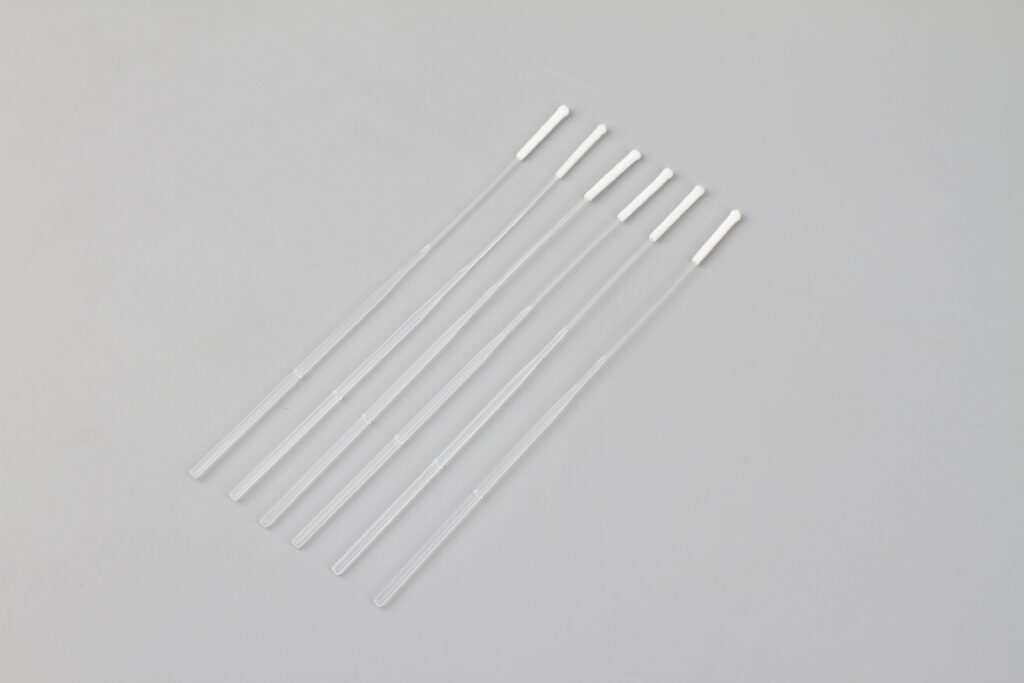
Flocked nasal swabs are commonly used because their short fiber structure provides a soft surface and supports efficient sample uptake and release. Polyester or other synthetic fiber tips may also be used depending on the application and workflow.
2. Appropriate Tip Size
The tip should match the intended collection site. A swab that is too large may be uncomfortable or difficult to use in narrower spaces, while a swab that is too small may not provide the desired collection surface.
For nasal specimen collection, buyers should check the tip diameter, tip length, and overall swab design before ordering in bulk.
3. Flexible but Stable Shaft
The shaft should provide a balance between flexibility and control. A nasal swab may need to bend slightly during collection, but it should not be so weak that it becomes difficult to handle.
For some workflows, a breakpoint may be required so the swab tip can be placed into a tube after collection. Buyers should confirm the breakpoint location and whether it matches the tube size used by their customers.
4. Synthetic Fiber and Suitable Shaft Material
Many respiratory specimen collection workflows prefer synthetic fiber swabs with plastic or wire shafts. Buyers should avoid assuming that any swab material is suitable for every test. The swab material and shaft should be checked against the intended testing method and laboratory instructions.
For molecular testing workflows, material compatibility can be especially important. Buyers should request clear material information from the supplier before placing bulk orders.
5. Sterile Individual Packaging
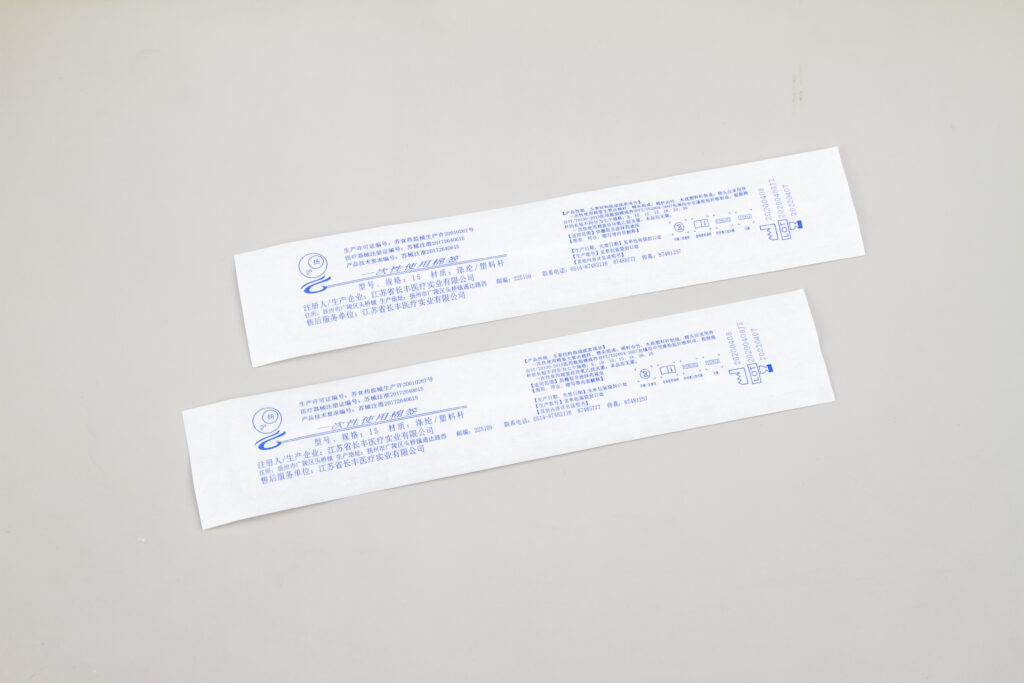
For medical use, sterile individual packaging is usually preferred. It helps protect the swab before collection and supports clean handling in clinics, hospitals, laboratories, and field testing environments.
Packaging should be easy to open, clearly labeled, and strong enough for storage and distribution. For export buyers, carton strength and labeling consistency are also important.
6. Compatibility with Transport Systems
After collection, the swab may need to be placed into a transport tube or medium. Buyers should check whether the nasal swab fits the intended tube, whether the shaft can be broken easily if required, and whether the swab material is compatible with the transport medium.
This is especially important for distributors who supply swabs together with tubes, media, or collection kits.
Flocked Nasal Swabs: Why They Are Commonly Used
A flocked nasal swab has short fibers applied to the swab tip surface. This structure is designed to collect the specimen on the surface of the tip and release it efficiently into a tube, reagent, or transport medium.
Compared with some traditional fiber structures, flocked swabs are often selected when sample release performance is important. Their soft tip design can also support practical use in nasal sampling workflows.
Common advantages of flocked nasal swabs include a soft sampling surface, efficient sample uptake, good sample release performance, suitability for many respiratory collection workflows, and practical use with tubes or transport systems.
For buyers, flocked nasal swabs can be a strong option when the target customers are diagnostic laboratories, hospitals, or clinical testing providers.
Nasal Swab vs. Throat Swab: How Buyers Should Think About the Difference
Nasal swabs and throat swabs are both used for upper respiratory specimen collection, but they are designed for different collection sites.
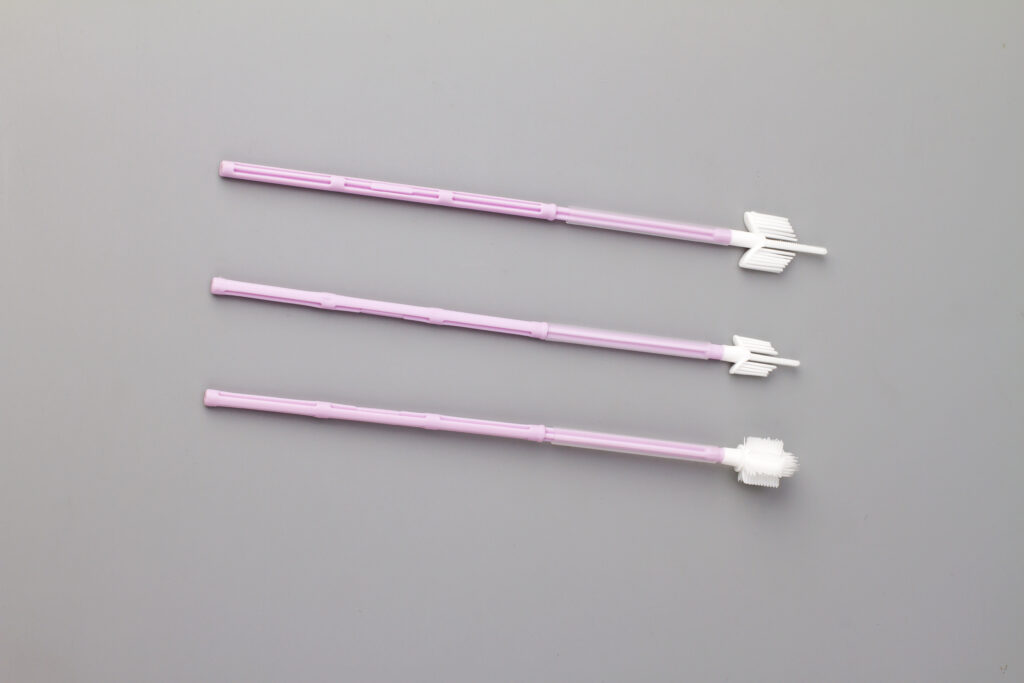
A nasal swab is designed for the nasal cavity. It usually emphasizes tip softness, shaft flexibility, and patient comfort. A throat swab is designed for oropharyngeal sampling and may require a different shaft length, tip shape, or dual-tip design depending on the workflow.
For distributors, it is useful to offer both nasal swabs and throat swabs because customers may require different specimen collection options. Some buyers may also request collection kits that include both swab types or use them with transport medium.
Dry Nasal Swab vs. Nasal Swab with Transport Medium
Nasal swabs may be supplied as dry sterile swabs or used together with transport tubes and media. The choice depends on the intended test and sample handling process.
Dry Nasal Swab
A dry nasal swab may be suitable when the sample is processed quickly, when the workflow requires a dry swab format, or when the buyer combines the swab with a separate transport system.
Nasal Swab with Transport Medium
A nasal swab used with transport medium may be preferred when the specimen needs to be transported before testing. Buyers should confirm the medium type, tube volume, swab fit, shelf life, storage requirements, and compatibility with the intended laboratory workflow.
For complete collection kits, the relationship between the swab, tube, cap, label, and medium should be checked carefully.
What Medical Buyers Should Check Before Ordering Nasal Swabs
Before placing a bulk order, buyers should review both product specifications and supplier capability. A small difference in swab material or packaging can affect end-user experience.
1. Intended Use
Buyers should define whether the swab is intended for clinical sampling, laboratory testing, screening programs, research use, or general medical collection workflows.
2. Tip Material
Confirm whether the swab tip is flocked, polyester, rayon, or another synthetic material. The material should match the collection site and downstream testing requirement.
3. Shaft Material
The shaft may be made of plastic or other suitable materials. Buyers should confirm shaft flexibility, strength, and compatibility with the intended collection method.
4. Breakpoint Design
If the swab needs to be placed into a tube after collection, a breakpoint may be necessary. The breakpoint should match the tube size and be easy to operate without creating unnecessary handling difficulty.
5. Sterility and Packaging
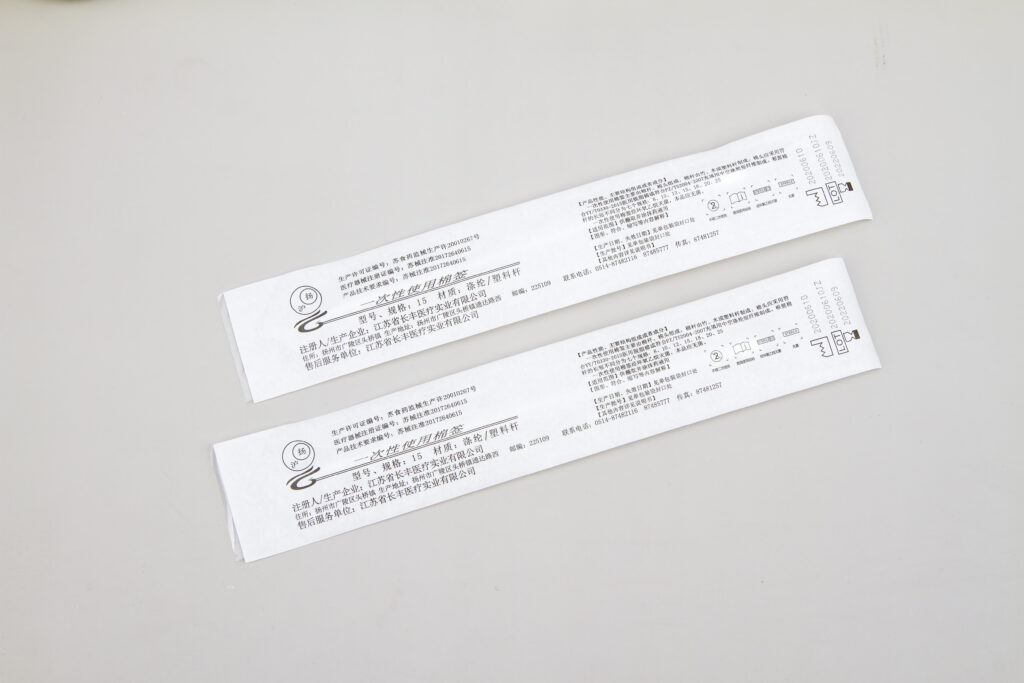
Confirm whether the swab is sterile and individually packaged. Check the packaging material, sealing quality, label information, lot number, and expiration date.
6. Shelf Life
Shelf life is important for distributors and inventory managers. Buyers should confirm production date, expiration date, and recommended storage conditions.
7. Transport Compatibility
If the swab will be used with transport medium, confirm that the swab size, shaft, tip material, and tube design are compatible with the selected transport system.
8. Documentation
International buyers may need product specifications, certificates, test reports, packing lists, and other export-related documents. A reliable supplier should provide clear documentation support.
Packaging Considerations for Export Buyers
For international trade, packaging is not only a presentation issue. It affects shipping, storage, distribution, and end-user satisfaction.
Export buyers should check individual package size, inner box quantity, carton quantity, carton dimensions and weight, labeling format, barcode or private label options, sterile barrier integrity, and instruction or marking requirements.
Good packaging helps distributors manage inventory and reduces the risk of confusion during distribution.
Supplier Selection for Nasal Swab Procurement
A reliable nasal swab supplier should offer stable product quality, clear specifications, responsive communication, and consistent delivery. For bulk procurement, buyers should request samples before confirming a large order.
Important supplier evaluation points include consistent swab dimensions, stable tip material and shape, reliable sterile packaging, batch traceability, clear product documentation, export experience, private label or packaging customization support, ability to provide samples, and stable lead time for repeat orders.
For distributors, supplier consistency is especially important because customers may reorder the same swab for routine use.
Common Mistakes When Buying Nasal Swabs
Some buyers choose nasal swabs based only on price or appearance. This can lead to problems if the swab does not match the end user’s workflow.
Common mistakes include ignoring swab material compatibility, choosing the wrong shaft length or flexibility, not checking breakpoint position, overlooking sterile packaging quality, failing to confirm transport tube compatibility, not requesting samples before bulk order, and using one swab type for all applications without confirming requirements.
To avoid these issues, buyers should communicate the target application clearly and confirm specifications with the supplier.
Related Sampling Swab Options
Large-Headed Flocked Swab
A large-headed flocked swab provides a larger sampling surface and can support efficient specimen collection and release.
Polyester Fiber Swab with Sheath
A polyester fiber swab with sheath offers clean synthetic fiber sampling with added protection before use.
Media-Coated Swab
A media-coated swab includes a pre-applied medium and can support specimen collection and transport workflows.
Double-Tip Throat Swab
A double-tip throat swab is designed for throat sampling workflows where a dual-tip structure is preferred.
By offering multiple swab types, distributors can meet different customer needs across clinical, diagnostic, laboratory, and medical supply channels.
Conclusion
Nasal swabs are important consumables for respiratory specimen collection and medical laboratory workflows. Choosing the right nasal swab requires attention to tip material, tip size, shaft design, sterility, packaging, transport compatibility, and supplier consistency.
For medical distributors and procurement teams, the best nasal swab is the one that matches the intended collection workflow, supports practical handling, and provides stable quality in bulk supply.
Changfeng Medical supplies medical sampling swabs for diagnostic, clinical, and laboratory applications, including nasal swabs, large-headed flocked swabs, polyester fiber swabs with sheath, media-coated swabs, and double-tip throat swabs. Contact us to discuss product specifications, packaging options, and bulk supply solutions for your market.
FAQ
What is a nasal swab used for?
A nasal swab is used to collect specimens from the nasal cavity for medical, diagnostic, or laboratory testing workflows. The exact use depends on the collection protocol and downstream test requirement.
What material is commonly used for nasal swabs?
Nasal swabs commonly use synthetic fiber tips such as flocked fiber or polyester fiber. Buyers should confirm material compatibility with the intended test and laboratory workflow.
What is a flocked nasal swab?
A flocked nasal swab has short fibers applied to the tip surface. This structure supports efficient specimen collection and release into a tube, reagent, or transport medium.
Should nasal swabs be sterile?
For medical and clinical use, sterile individually packaged nasal swabs are usually preferred. Buyers should confirm sterility, packaging integrity, shelf life, and batch traceability.
Can nasal swabs be used with transport medium?
Yes, many nasal swabs can be used with transport tubes or transport medium when the swab and medium are compatible with the intended workflow. Buyers should confirm tube fit, shaft breakpoint, and material compatibility.
How should buyers choose a nasal swab supplier?
Buyers should choose a supplier that provides stable quality, clear specifications, sterile packaging options, documentation support, samples, export experience, and consistent lead times for repeat orders.