Why Is Swab Shaft Flexibility Important for Specimen Collection?

Swab shaft flexibility is important because it affects handling, comfort, reach, collection site suitability, and tube compatibility. A swab shaft that is too rigid may not match certain collection sites, while a shaft that is too soft may be difficult to control. For medical and laboratory use, shaft flexibility should match the intended specimen collection workflow.
For medical buyers, laboratories, distributors, and procurement teams, shaft flexibility is one of the details that can separate a suitable swab from a product that only looks correct in a catalog. Tip material matters, but the shaft also plays a major role in real use.
What Is Swab Shaft Flexibility?
Swab shaft flexibility refers to how easily the swab handle bends during use. A flexible shaft can bend more than a rigid shaft, while a semi-rigid shaft provides more stability and control.
The right flexibility depends on the collection site, swab length, shaft material, tip size, breakpoint design, and whether the swab will be placed into a tube after collection.
Why Does Shaft Flexibility Matter?
Shaft flexibility affects how the swab moves during collection. It can influence user control, patient comfort, specimen site access, and product compatibility with tubes or collection kits.
A swab may have a good tip, but if the shaft flexibility is wrong, the product may not meet the customer’s workflow requirement.
Flexible Shaft Swab vs. Rigid Shaft Swab
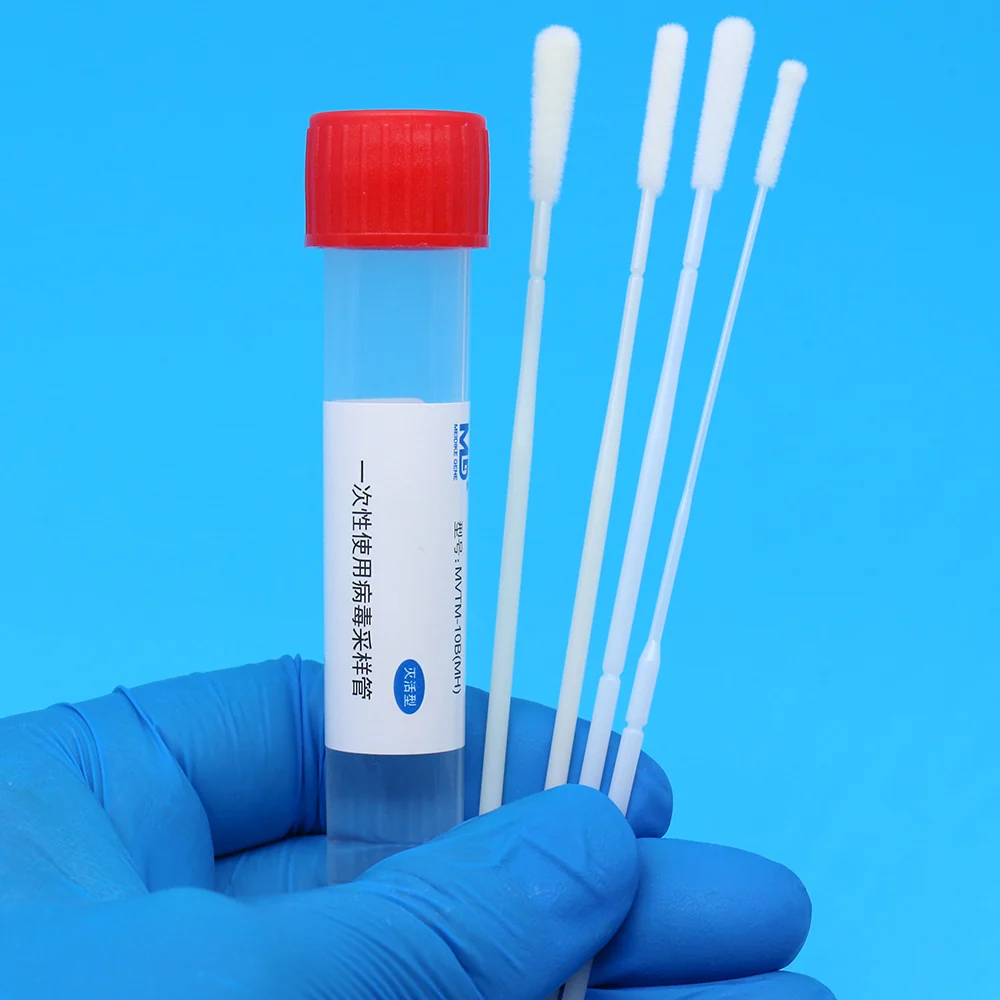
A flexible shaft swab can bend more easily and may be suitable for collection sites that require a softer or more adaptable shaft. A rigid or semi-rigid shaft provides stronger control and may be better for applications where stable handling is more important.
Neither design is automatically better. The right choice depends on how and where the swab is used.
Why Nasopharyngeal Swabs Often Need Flexible Shafts
Nasopharyngeal swabs are designed for deeper upper respiratory collection. They usually need a thin and flexible shaft with a small tip so the swab can match the intended collection pathway and maintain practical handling.
Buyers should pay attention to shaft flexibility, total length, tip size, breakpoint position, sterile packaging, and tube compatibility when sourcing nasopharyngeal swabs.
Nasal Swab Shaft Flexibility
Nasal swabs may not require the same flexibility as nasopharyngeal swabs, depending on the collection method. However, the shaft should still provide comfortable handling and suitable control for nasal cavity collection.
For nasal swabs, buyers should check tip softness, shaft material, shaft length, shaft diameter, and whether the swab is used dry or with a transport system.
Throat Swab Shaft Flexibility
Throat swabs usually need stable handling and enough shaft length to reach the oropharyngeal area. A shaft that is too flexible may feel difficult to control during throat collection.
For throat swabs, shaft stability can be more important than high flexibility. Buyers should check the actual handling feel with samples before bulk ordering.
Large-Headed Flocked Swab Shaft Flexibility
A large-headed flocked swab has a broader tip, so the shaft should provide enough stability to control the larger sampling head. If the shaft is too weak, the swab may feel unstable.
Buyers should evaluate tip size and shaft flexibility together instead of checking them separately.
How Shaft Material Affects Flexibility
Shaft material has a direct effect on flexibility. Plastic shafts can be produced in different thicknesses and flexibility levels. Wire shafts may provide higher flexibility for certain applications. Wooden shafts are generally more rigid and may not be suitable for many medical specimen collection workflows.
Buyers should confirm shaft material, diameter, total length, and flexibility before placing bulk orders.
Shaft Diameter and Flexibility
Shaft diameter also affects flexibility. A thinner shaft usually bends more easily, while a thicker shaft usually provides more strength and stability.
However, a thinner shaft is not always better. It may be too soft for some workflows. A thicker shaft is not always better either, because it may be unsuitable for narrow or sensitive collection sites.
Shaft Length and Flexibility
Longer shafts may feel more flexible during use, even when the material is similar. Shorter shafts may feel more stable. Buyers should compare total length, usable length, and handling feel.
For transport swabs, shaft length must also match the collection tube, breakpoint position, and cap closing space.
Flexibility and Breakpoint Design
Many specimen collection swabs include a breakpoint on the shaft. The breakpoint allows the user to snap the shaft after collection and place the swab tip into a tube.
Shaft flexibility and breakpoint design should work together. The shaft should remain stable during collection but snap cleanly at the intended breakpoint after collection. Buyers should test the breaking force and tube fit before bulk ordering.
Flexibility and Tube Compatibility
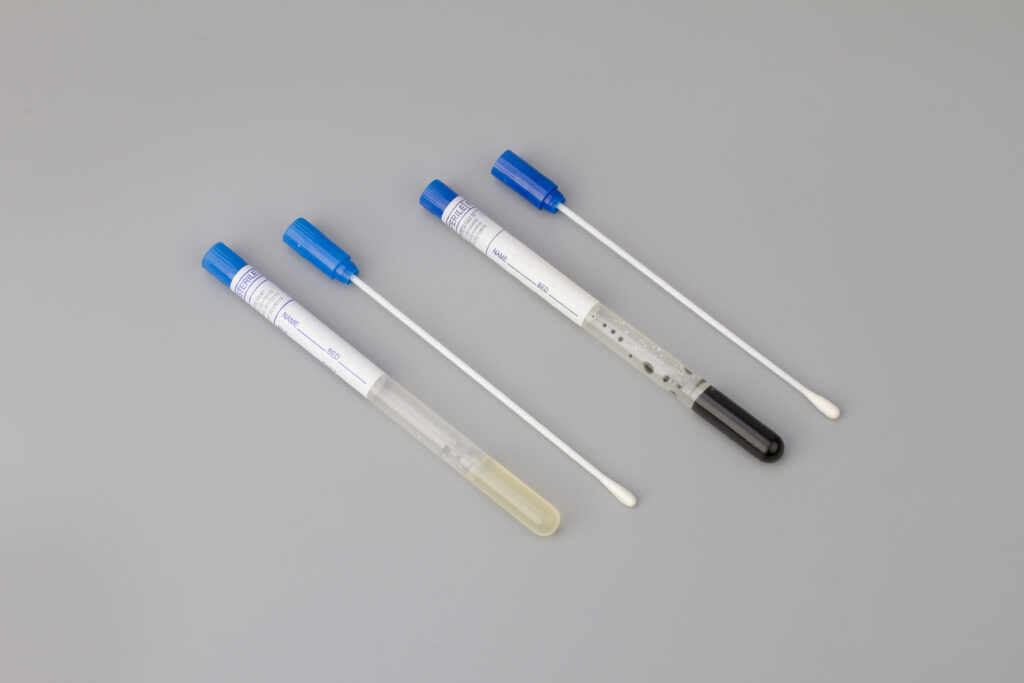
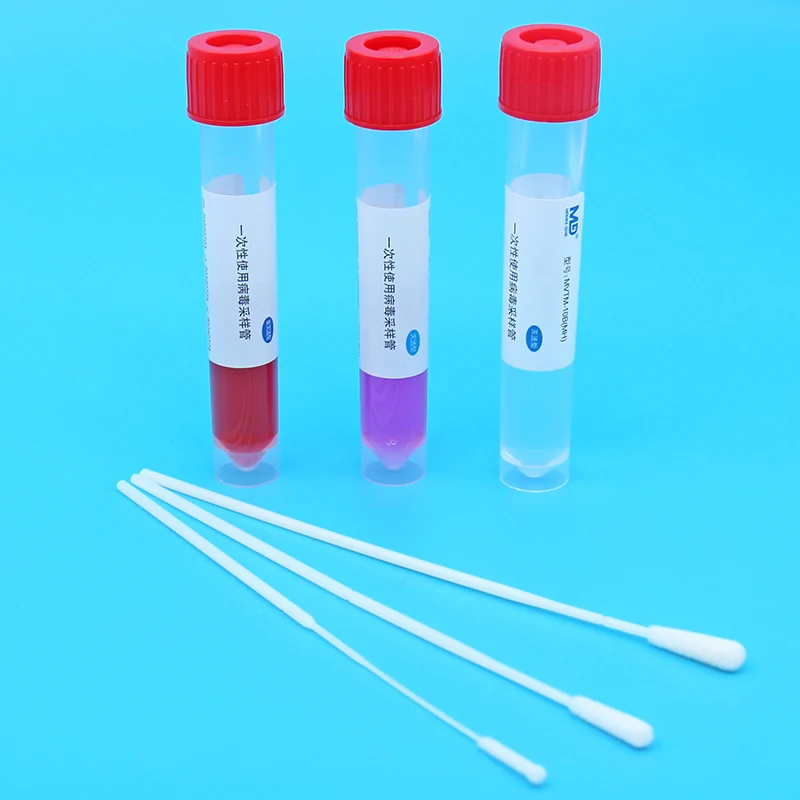
If a swab is used with a tube, shaft flexibility can affect how easily the swab is inserted, broken, and stored inside the tube. The swab tip, shaft length, breakpoint, tube opening, and cap must all be compatible.
A flexible shaft may be useful in some workflows, but it still needs to fit the tube correctly after collection.
Flexibility and User Comfort
For some collection sites, a suitable flexible shaft can support a more comfortable collection experience. However, comfort also depends on tip size, tip material, shaft diameter, collection method, and user handling.
Buyers should not rely only on flexibility claims. Actual samples should be evaluated whenever possible.
Flexibility and Sample Collection Control
Too much flexibility can reduce control. If the shaft bends too easily, the user may find it harder to guide the swab tip accurately. Too little flexibility may make the swab unsuitable for sensitive or narrow collection sites.
The best shaft design balances flexibility and control according to the intended workflow.
Dry Swabs and Transport Swabs
Dry swabs and transport swabs may need different shaft designs. A dry swab may be used directly with an extraction system or processed quickly. A transport swab may need a shaft and breakpoint that match the tube and medium system.
Buyers should confirm whether the swab will be used dry, with a tube, with transport medium, or as part of a collection kit.
Sterile Packaging Considerations
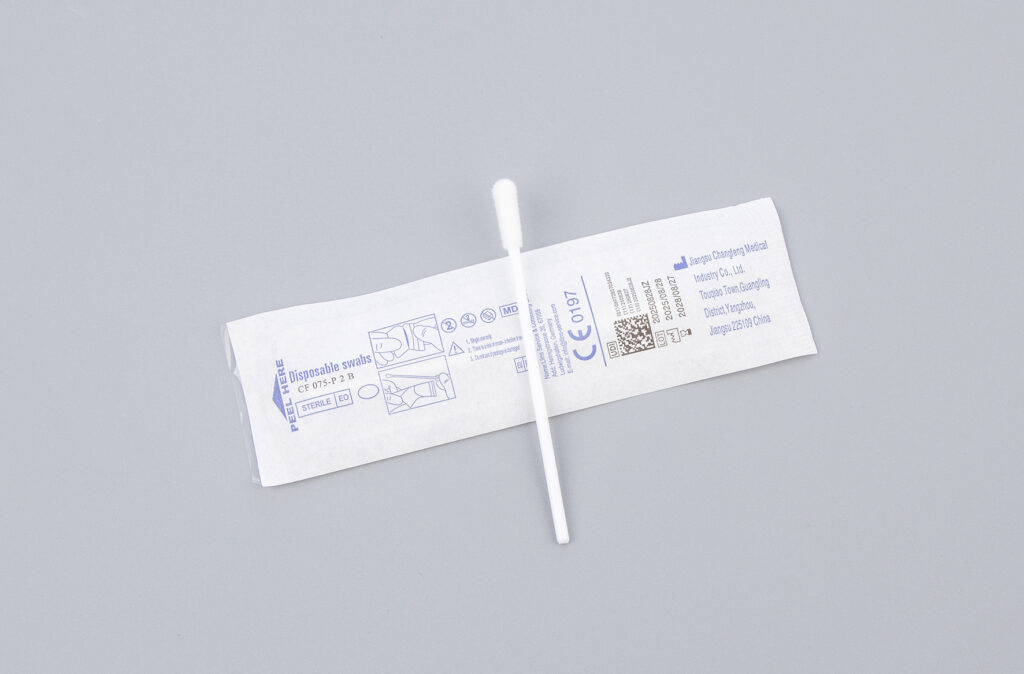
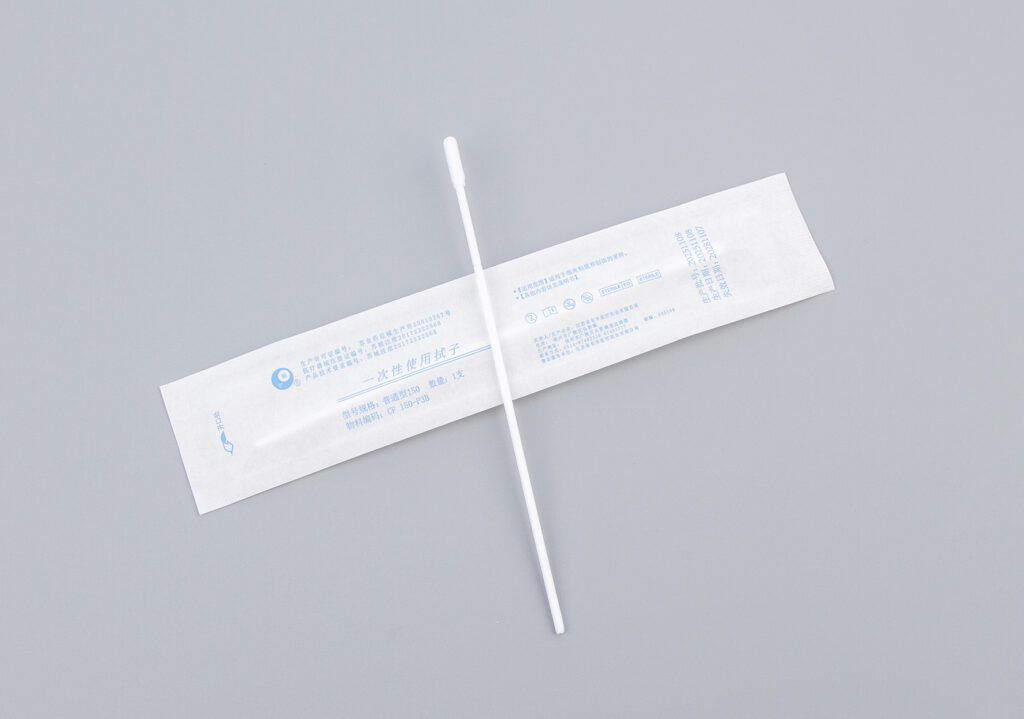
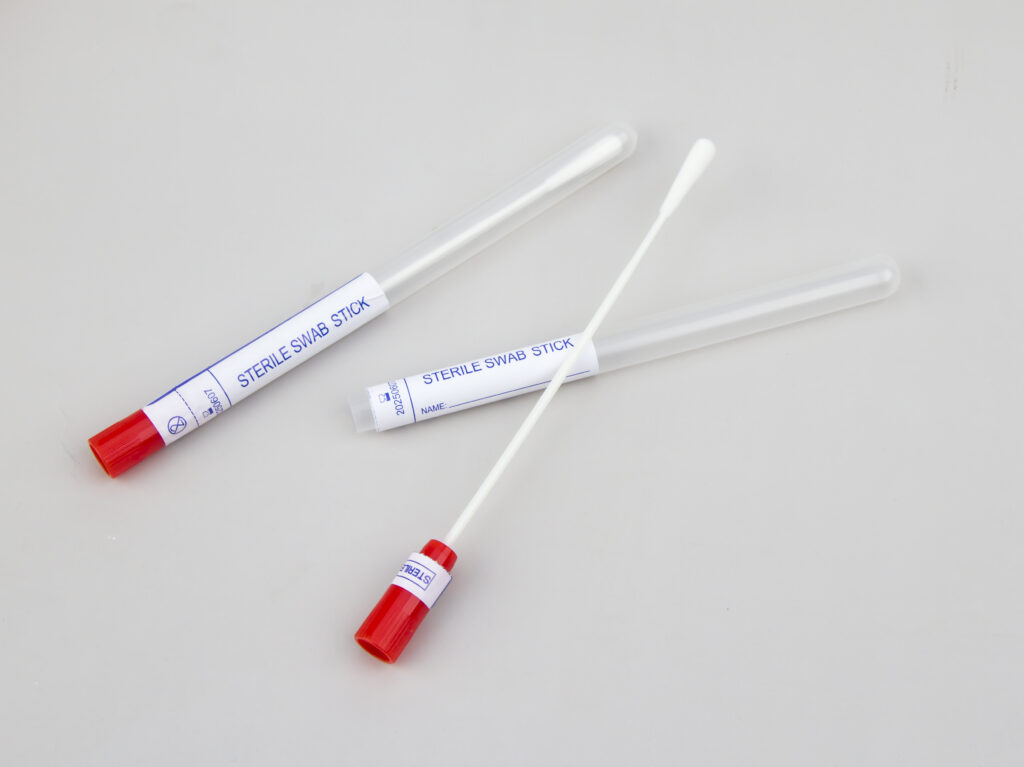
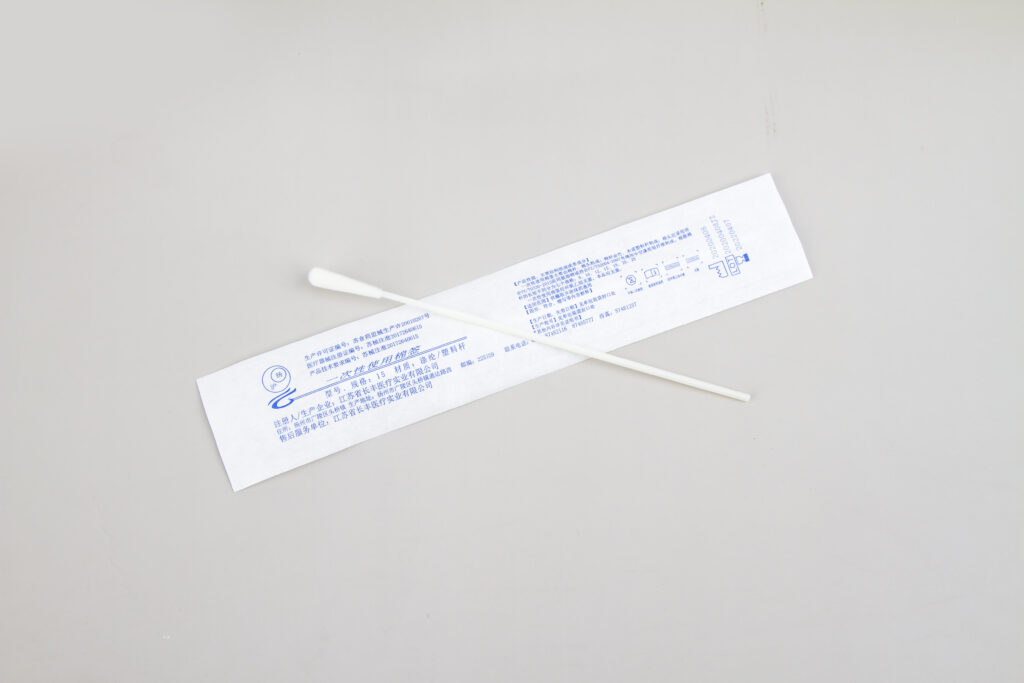
Flexible shaft swabs used in medical workflows are often supplied sterile and individually packaged. Packaging should protect the shaft and tip without bending, crushing, or damaging the product before use.
Buyers should check pouch length, seal strength, sterile status, lot number, expiration date, shelf life, inner box quantity, and carton strength.
What Buyers Should Check Before Ordering
Before ordering flexible shaft swabs, buyers should confirm the collection site, swab type, tip material, tip size, shaft material, shaft diameter, total length, flexibility level, breakpoint position, sterile status, packaging format, tube compatibility, transport medium requirement, shelf life, storage conditions, sample availability, and supplier documentation.
How to Test Shaft Flexibility
Buyers can request samples and compare how the shaft bends, returns, and handles during the intended workflow. If the swab will be used with a tube, it should be tested with the actual tube and cap.
For private label or custom swab projects, sample approval should include shaft flexibility, breakpoint performance, packaging fit, and carton protection.
Common Mistakes When Choosing Shaft Flexibility
One common mistake is assuming that more flexibility is always better. Some workflows require stable handling rather than maximum flexibility.
Another mistake is checking the shaft without checking the tip and tube. Shaft flexibility must work with the tip size, collection site, breakpoint, and transport system.
Buyers should also avoid bulk ordering before sample testing, especially for nasopharyngeal swabs, custom swabs, and transport swab kits.
How to Choose a Supplier
A reliable supplier should provide clear swab specifications, including shaft material, shaft length, shaft diameter, flexibility, breakpoint position, sterile packaging, and tube compatibility.
Before bulk ordering, buyers can ask for samples, material information, swab drawings, packaging details, sterilization information, shelf life, carton specifications, MOQ, lead time, and private label support.
Conclusion
Swab shaft flexibility matters because it affects handling, comfort, collection site suitability, breakpoint performance, and tube compatibility. A flexible shaft may be important for nasopharyngeal swabs, while a more stable shaft may be better for throat swabs or large-headed swabs.
For buyers, shaft flexibility should be evaluated together with tip material, tip size, shaft length, breakpoint, sterile packaging, transport medium, shelf life, and supplier documentation.
Changfeng Medical supplies sampling swabs for diagnostic, clinical, and laboratory applications, including nasal swabs, large-headed flocked swabs, polyester fiber swabs with sheath, media-coated swabs, and double-tip throat swabs. Contact us to discuss swab shaft design, packaging options, and bulk supply solutions for your market.
FAQ
Why is swab shaft flexibility important?
Swab shaft flexibility affects handling, comfort, collection site suitability, breakpoint performance, and tube compatibility.
Do nasopharyngeal swabs need flexible shafts?
Many nasopharyngeal swabs use thin, flexible shafts because the collection site is deeper and requires a more adaptable shaft design.
Are flexible swabs always better?
No. Some workflows need stable handling rather than high flexibility. The best shaft design depends on the collection site and workflow.
What materials are used for flexible swab shafts?
Plastic and wire shafts may be used for flexible swab designs. Buyers should confirm the exact material and dimensions with the supplier.
How does shaft flexibility affect breakpoint design?
The shaft should remain stable during collection but break cleanly at the intended breakpoint after collection when used with a tube.
What should buyers check before ordering flexible shaft swabs?
Buyers should check shaft material, shaft length, diameter, flexibility, breakpoint, tip size, sterile packaging, tube compatibility, samples, and documentation.