What Is a Sterile Sampling Swab and When Is It Used?


A sterile sampling swab is a specimen collection swab supplied in a sterile condition for workflows that require cleaner handling and controlled product protection before use. It may be used in medical, diagnostic, laboratory, and clinical supply applications depending on the customer requirement.
For medical buyers, laboratories, distributors, and procurement teams, sterile status is one of the most important details to confirm before ordering swabs. A product may look like a medical swab, but it should not be treated as sterile unless the supplier clearly states sterile status and provides suitable packaging and documentation.
What Is a Sterile Sampling Swab?
A sterile sampling swab is a swab that has gone through a sterilization process and is packaged to protect the product before use. The swab may have a flocked tip, polyester tip, foam tip, rayon tip, or another material depending on the application.
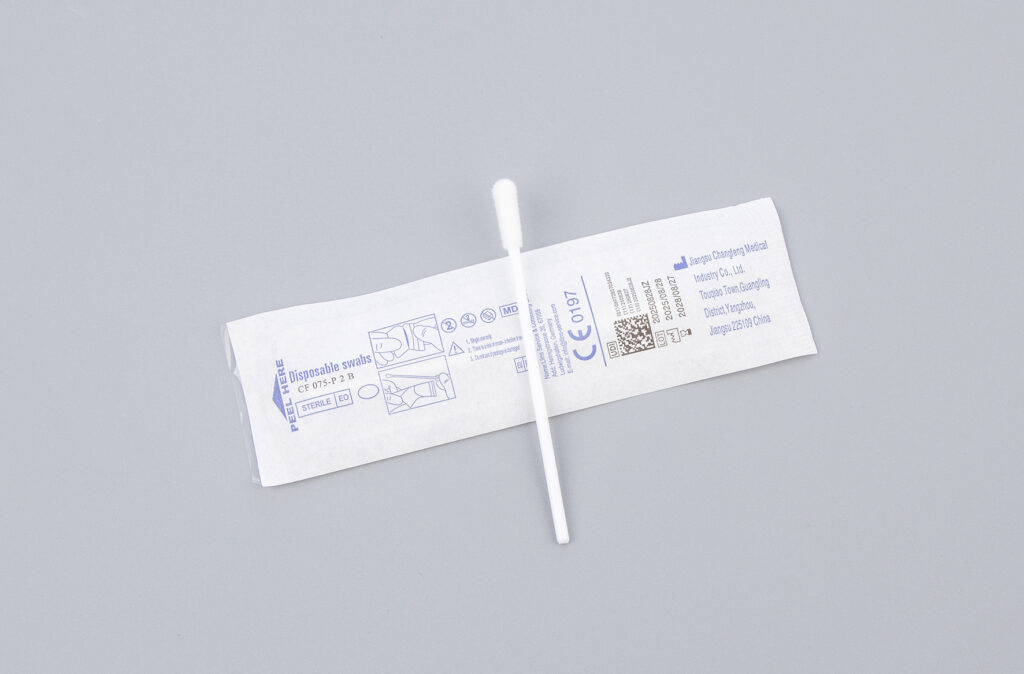
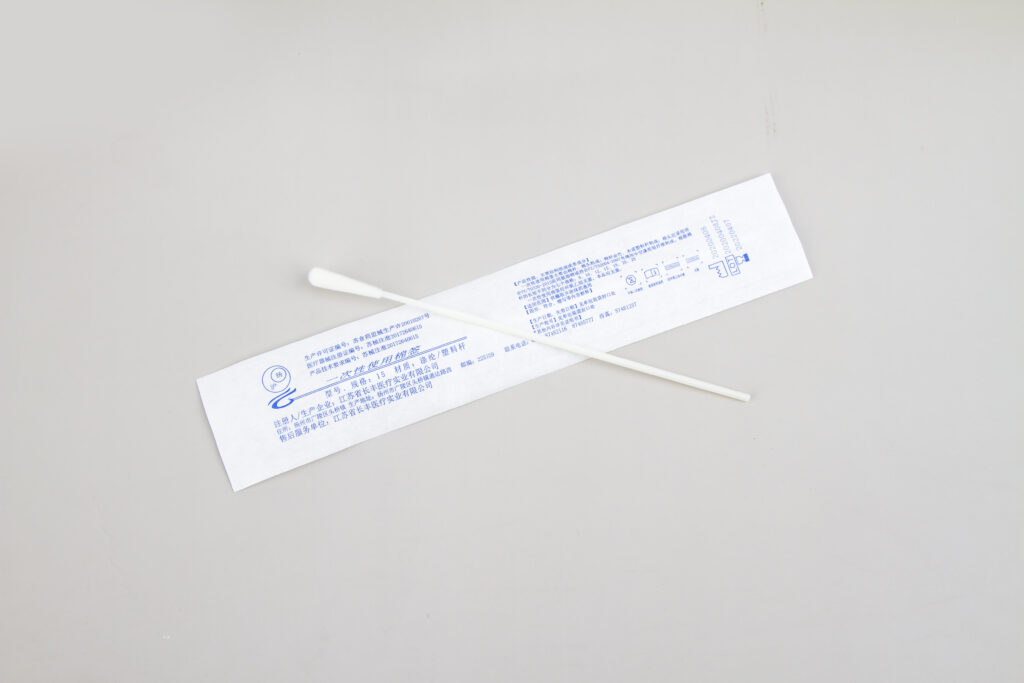
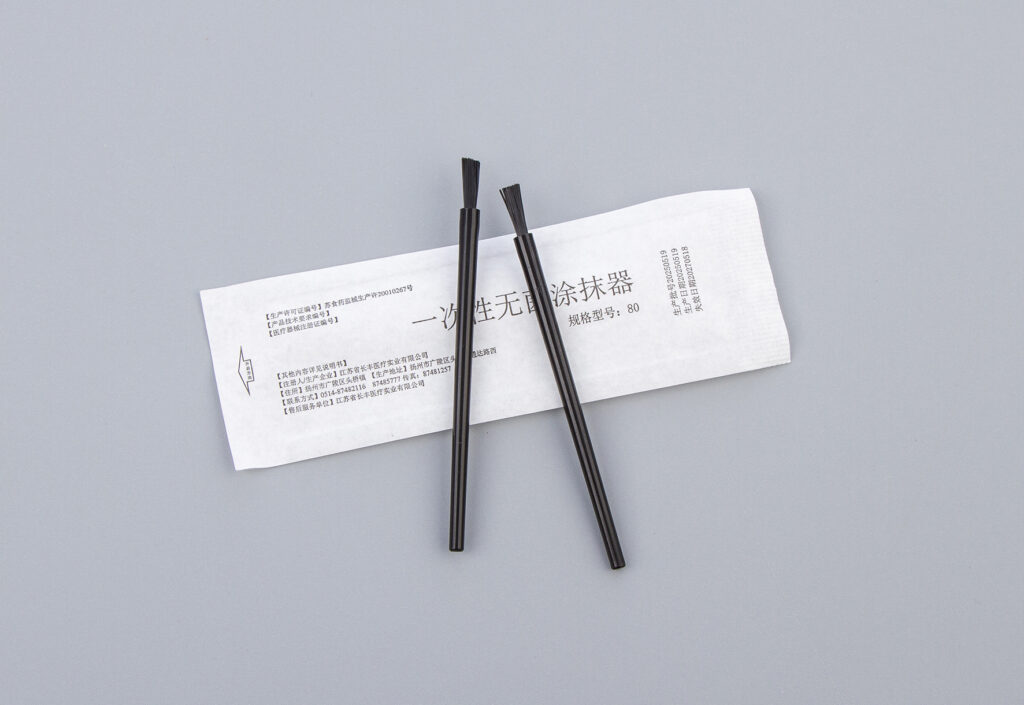
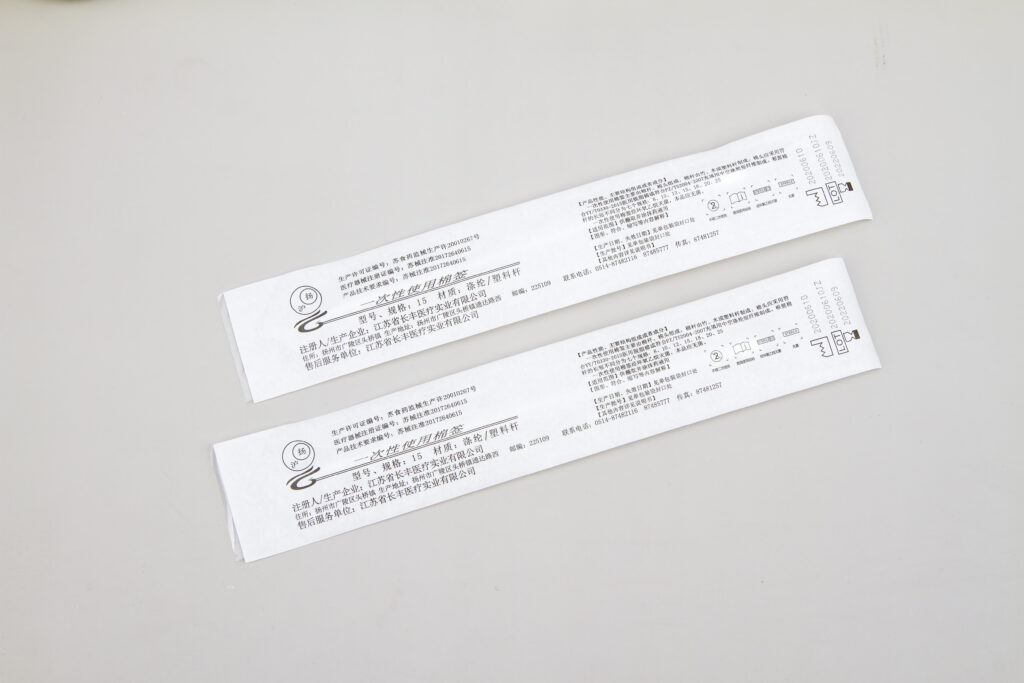
Sterile sampling swabs are commonly supplied in individual pouches. The pouch helps protect the swab after sterilization and provides product information such as lot number, expiration date, sterile status, and manufacturer details.
When Is a Sterile Sampling Swab Used?
A sterile sampling swab may be used when the workflow requires a sterile single-use collection product. This may include medical specimen collection, diagnostic support, respiratory specimen workflows, throat collection, nasal collection, laboratory sampling, and collection kit assembly.
The final use should always follow the customer protocol, laboratory requirement, or test manufacturer instructions. Buyers should confirm the exact application before selecting a sterile swab.
Sterile Swab vs. Non-Sterile Swab
The main difference is sterile status. A sterile swab is processed and packaged to support sterile handling before use. A non-sterile swab may be suitable for general sampling, industrial use, or other applications where sterile status is not required.
Buyers should not use non-sterile swabs as a replacement for sterile medical swabs unless the end user confirms that non-sterile products are acceptable.
Common Sterile Swab Types
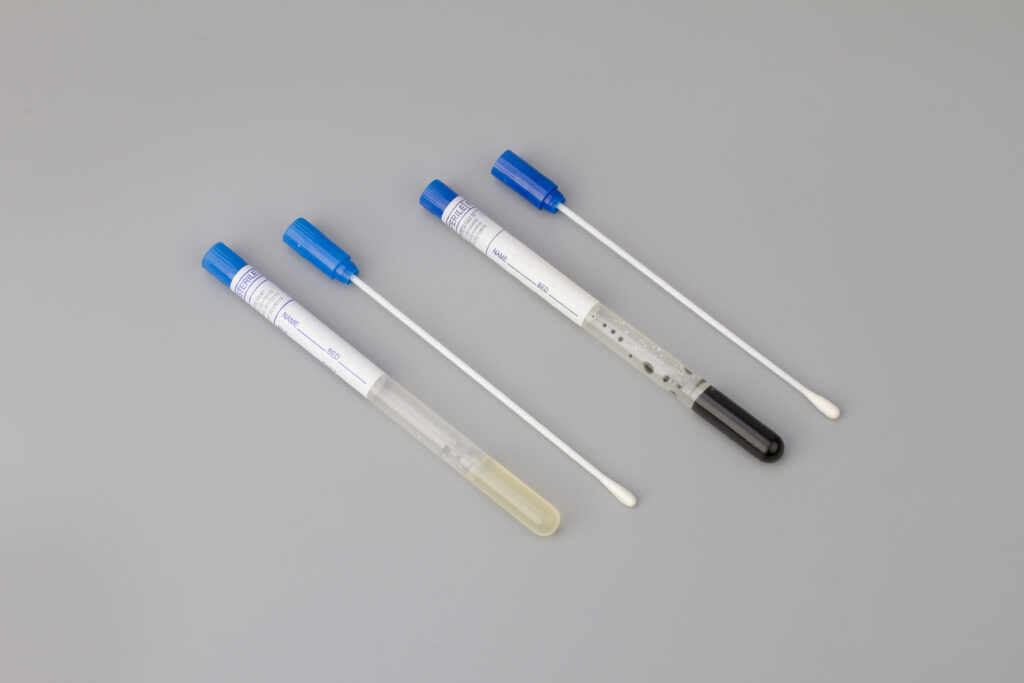
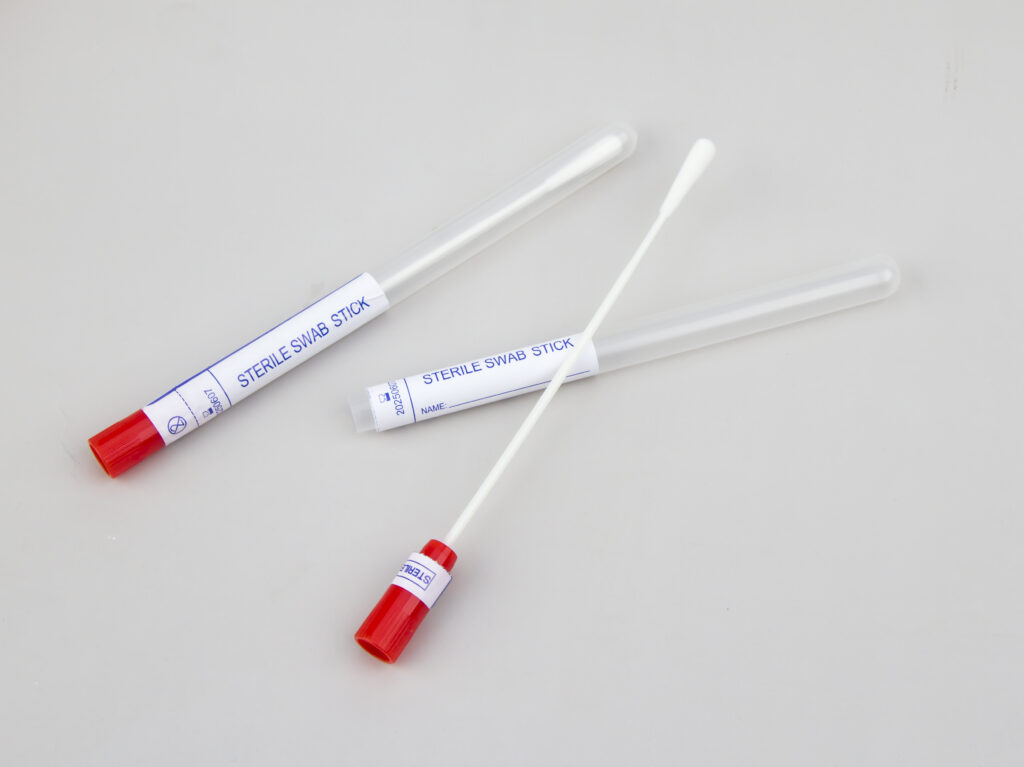
Common sterile swab options may include sterile nasal swabs, sterile throat swabs, sterile flocked swabs, sterile polyester swabs, sterile transport swabs, and sterile swabs for collection kits.
Each type may have different tip material, shaft length, breakpoint position, packaging format, shelf life, and tube compatibility.
Tip Material Still Matters
Sterile status does not replace material selection. Buyers still need to confirm whether the tip material should be nylon flocked fiber, polyester fiber, foam, rayon, cotton, or another material.
Tip material affects collection, absorption, sample release, compatibility with transport medium, and customer acceptance.
Shaft Design and Breakpoint
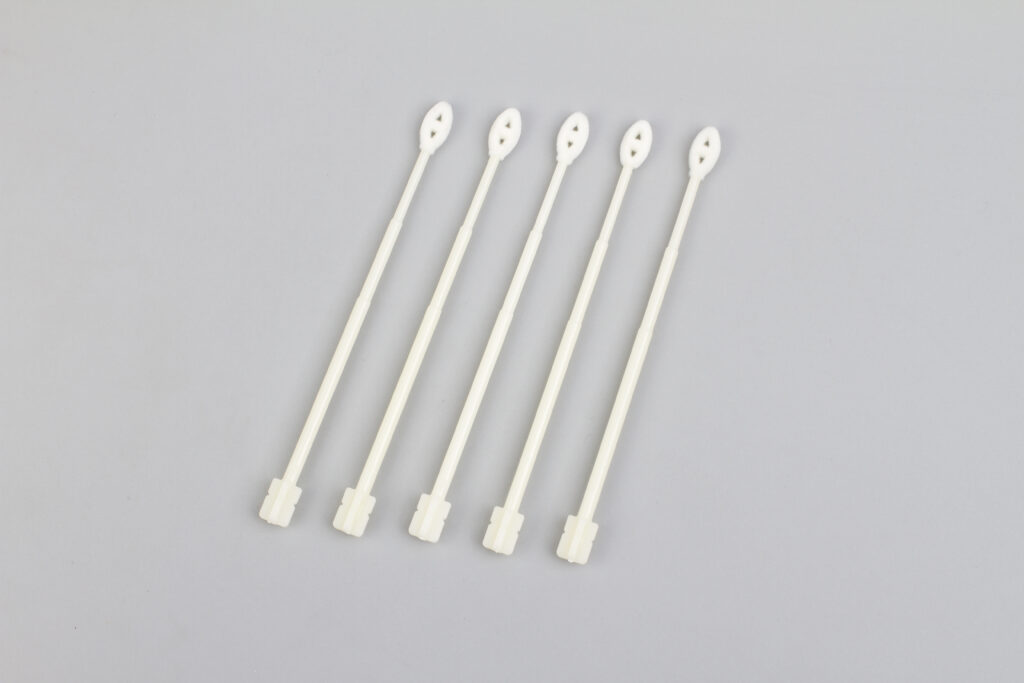
Sterile swabs may use plastic, wire, or other shaft materials depending on the workflow. Buyers should check total length, usable length, diameter, flexibility, and breakpoint position.
If the sterile swab is used with a tube, the breakpoint should match tube length and cap closing space. A sterile swab may still be unsuitable if it does not fit the tube after collection.
Individual Packaging
Individual packaging is common for sterile sampling swabs. It helps protect each swab before use and makes distribution, storage, and handling more practical.
Buyers should check pouch material, seal strength, opening method, printed information, and whether the pouch remains intact during transport and storage.
Shelf Life and Expiration Date
Sterile sampling swabs usually have a shelf life and expiration date. Buyers should check remaining shelf life before bulk ordering, especially for import, tender, and distribution projects.
Storage conditions should also be reviewed. Products should be stored according to supplier instructions to protect packaging integrity and product presentation.
Documents Buyers May Need
Depending on the market and customer, buyers may ask for product specifications, sterile information, certificate of conformity, packing list, invoice, shelf life details, label information, carton specifications, and other export documents.
What Buyers Should Check Before Ordering
Before ordering sterile sampling swabs, buyers should confirm swab type, tip material, shaft material, shaft length, breakpoint position, sterile status, sterilization method, packaging format, pouch quality, shelf life, storage conditions, tube compatibility, sample availability, MOQ, lead time, and supplier documentation.
Common Mistakes
One common mistake is assuming that any individually packed swab is sterile. Individual packaging and sterile status are related but not the same. Buyers should confirm sterile claims with the supplier.
Another mistake is checking sterile status but ignoring tip material, shaft design, and tube compatibility. The swab must match the whole workflow.
Conclusion
A sterile sampling swab is used when the workflow requires a sterile, protected, single-use specimen collection product. Buyers should evaluate sterile status together with tip material, shaft design, breakpoint, packaging, shelf life, storage conditions, and documentation.
Changfeng Medical supplies sampling swabs for diagnostic, clinical, and laboratory applications, including nasal swabs, large-headed flocked swabs, polyester fiber swabs with sheath, media-coated swabs, and double-tip throat swabs. Contact us to discuss sterile swab specifications, packaging options, and bulk supply solutions for your market.
FAQ
What is a sterile sampling swab?
It is a specimen collection swab supplied in a sterile condition and packaged to protect the product before use.
Are all individually packaged swabs sterile?
No. Individual packaging does not automatically mean sterile status. Buyers should confirm sterile information with the supplier.
When should buyers choose sterile swabs?
Sterile swabs may be selected for medical specimen collection, diagnostic support, laboratory sampling, and collection kit assembly when sterile status is required.
What should buyers check before ordering?
Buyers should check tip material, shaft design, sterile status, packaging, shelf life, storage conditions, tube compatibility, samples, and documents.