How to Choose a Swab for Molecular Testing?

Choosing a swab for molecular testing requires attention to material compatibility, sample release, shaft design, sterile packaging, tube fit, and the actual test workflow. A swab that works for general sampling may not automatically match molecular diagnostic requirements.
For diagnostic companies, laboratories, medical distributors, and procurement teams, the swab should be selected according to the customer protocol or test system instructions. Buyers should avoid changing swab material or format without confirmation.
What Is a Molecular Testing Swab?
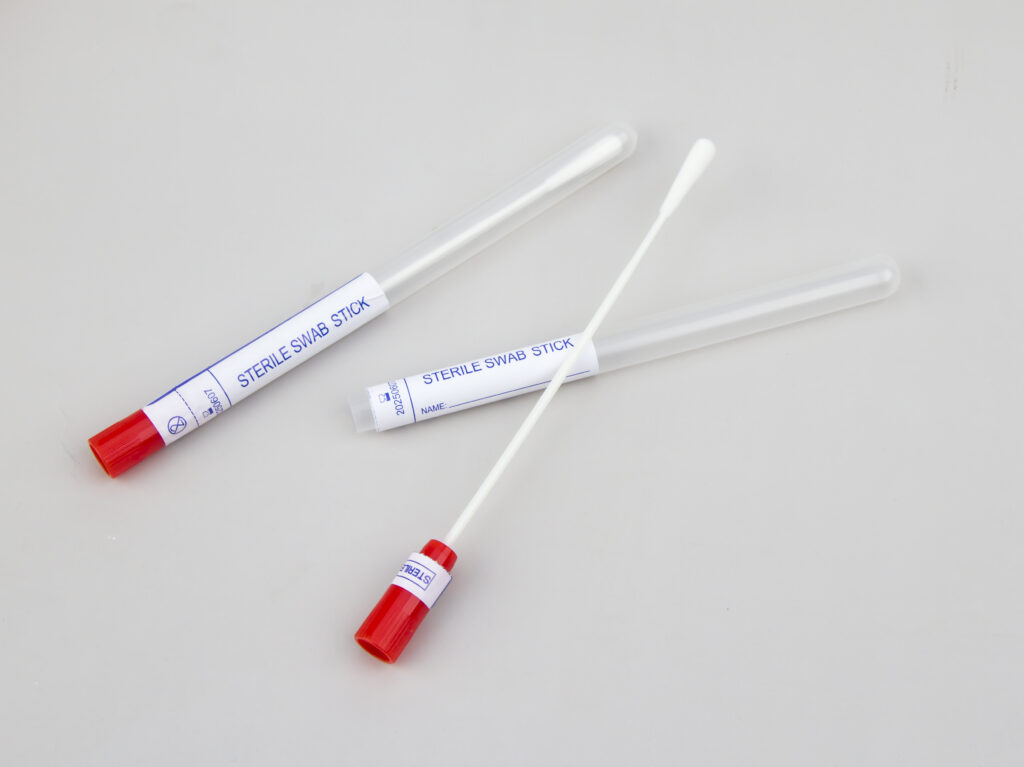
A molecular testing swab is a specimen collection swab used in workflows where collected material is prepared for molecular analysis. The swab may be used with extraction buffer, transport medium, a collection tube, or a diagnostic test kit depending on the workflow.
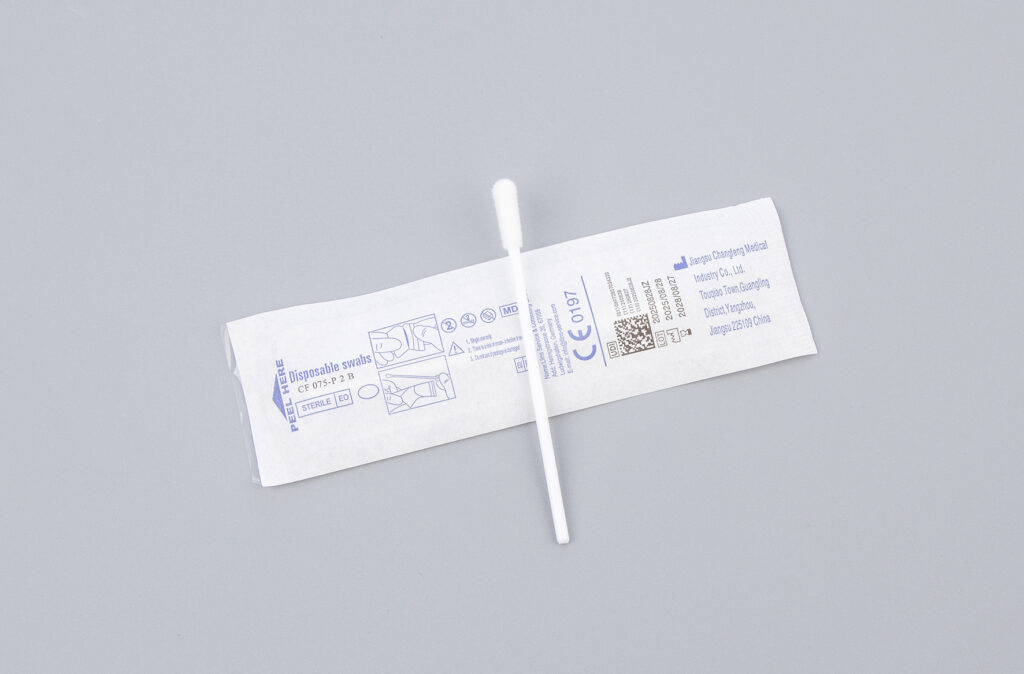
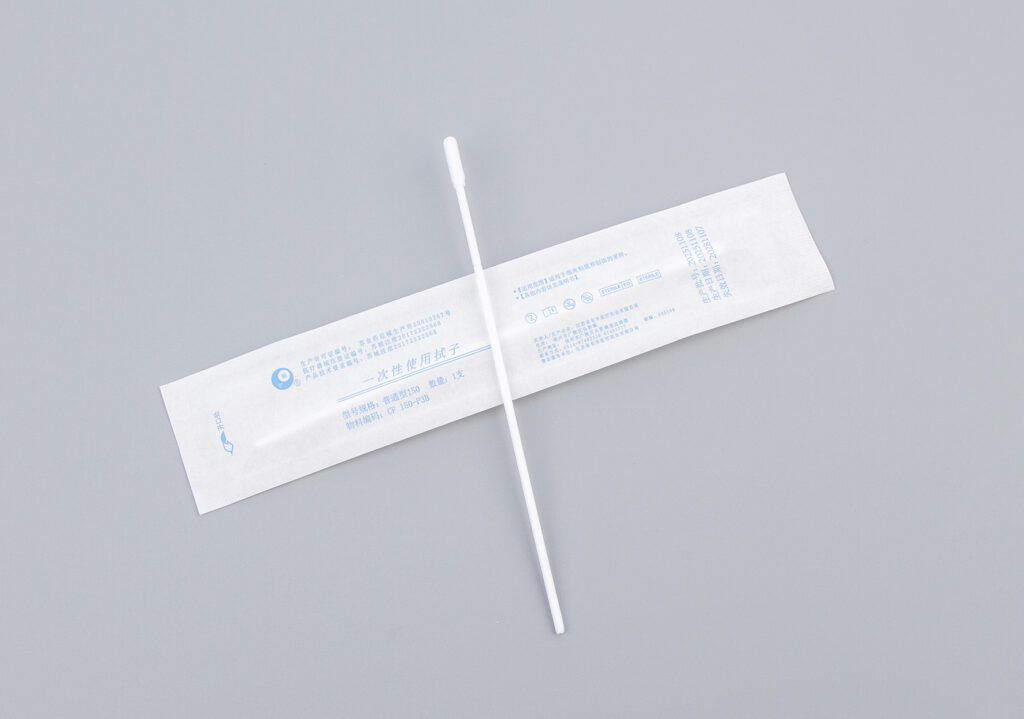
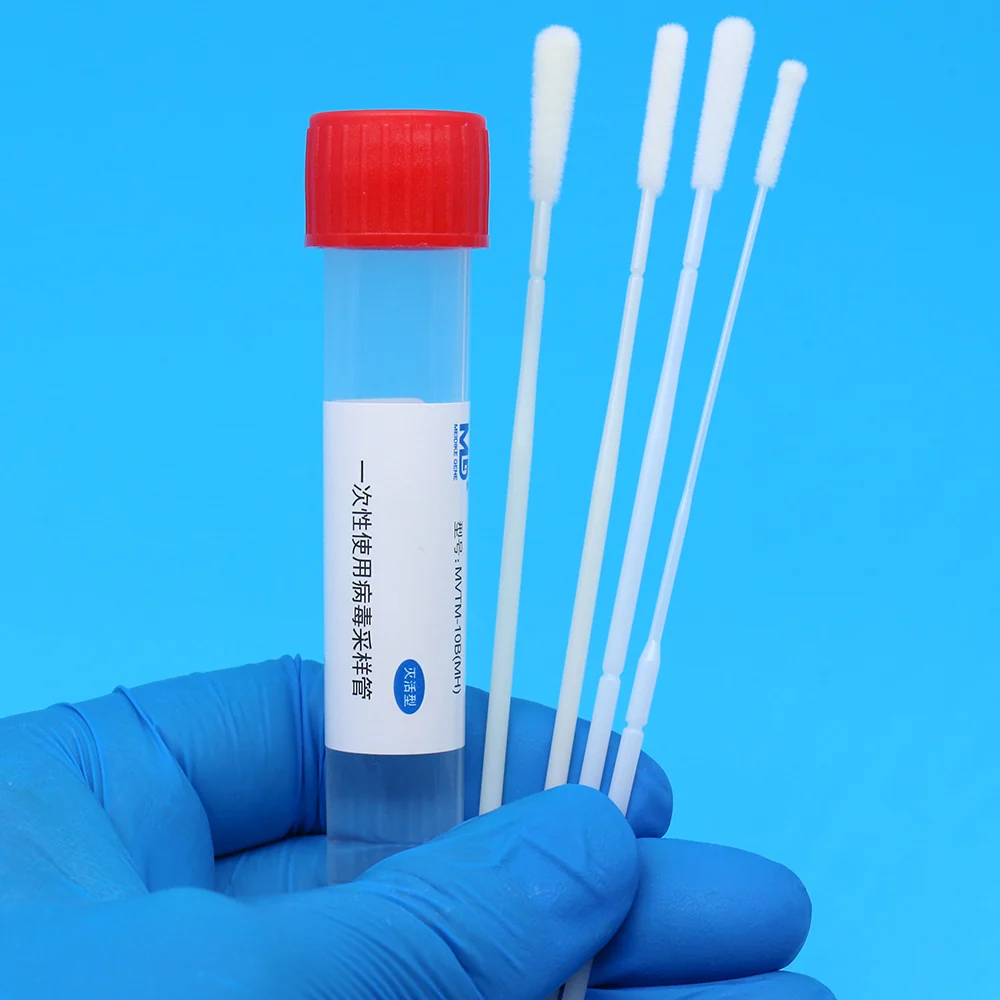
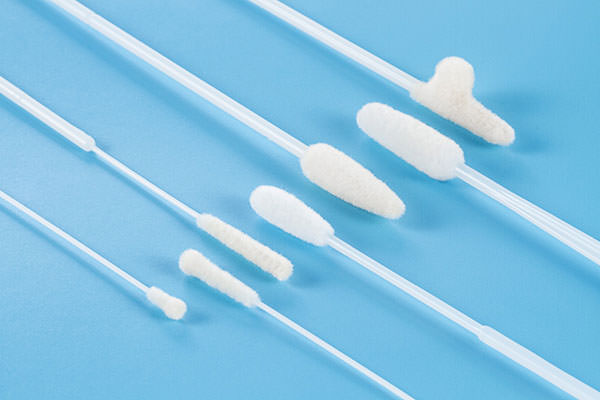
Common options may include nylon flocked swabs, polyester swabs, nasal swabs, throat swabs, dry swabs, and swabs supplied as part of a collection kit.
Start with the Test Workflow
The first step is to confirm how the sample will be collected, transferred, and processed. Some workflows require a dry swab, while others use transport medium or extraction buffer.
The swab should be tested with the actual tube, liquid, cap, and packaging system whenever possible.
Tip Material Selection
Tip material affects specimen collection, absorption, sample release, and compatibility. Nylon flocked fiber and polyester fiber are common synthetic swab options for medical and diagnostic workflows.
Buyers should confirm whether the customer requires nylon flocked, polyester, foam, rayon, or another material. Product substitution should be avoided unless the customer accepts it.
Why Flocked Swabs Are Often Considered
Nylon flocked swabs have short fibers on the tip surface. This structure can support surface collection and sample release into liquid medium or extraction systems in many workflows.
Flocked swabs are often considered when sample release is important. However, the final choice should still follow the intended test method and customer requirement.
When Polyester Swabs May Be Used
Polyester swabs may be suitable for routine medical, laboratory, or specimen collection workflows when synthetic fiber material is accepted by the customer.
Buyers should compare polyester swabs with flocked swabs based on collection site, release requirement, cost, packaging, and test compatibility.
Avoid Unconfirmed Materials
Cotton, wood, calcium alginate, or other materials may not be accepted in some molecular workflows. Buyers should follow the laboratory or test manufacturer requirements rather than assuming general swabs are suitable.
Sample Release Matters
In molecular testing, the collected material often needs to move from the swab tip into extraction buffer, transport medium, or another preparation system. Sample release can affect how practical the workflow is.
Buyers should evaluate sample release with the real liquid system instead of judging only by product photos or catalog descriptions.
Collection Site and Tip Size
The collection site affects tip size and shape. Nasal, nasopharyngeal, throat, and oral collection workflows may require different swab designs.
A swab tip that is too large, too small, too soft, or too rigid may not match the intended workflow.
Shaft Design and Flexibility
Shaft material, length, diameter, flexibility, and breakpoint position should be checked carefully. Nasopharyngeal workflows may require thin flexible shafts, while throat swabs may need more stable handling.
If the swab is used with a tube, the breakpoint must match the tube length and cap closing space.
Dry Swab, Transport Swab, or Kit Swab
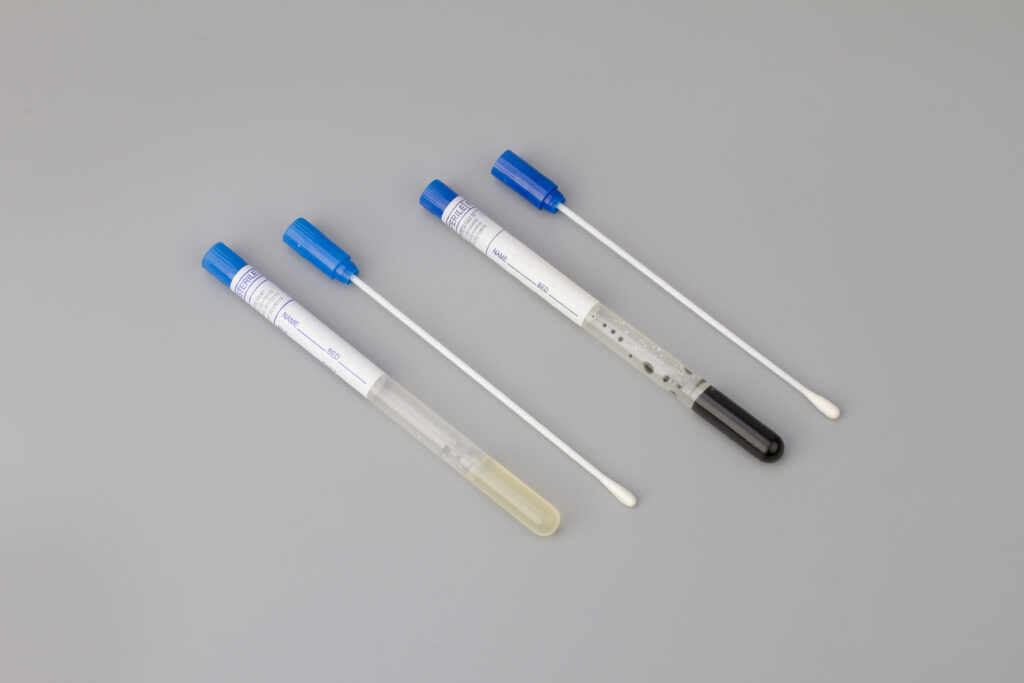
Some molecular workflows use dry swabs for direct transfer. Others require transport swabs, tubes with medium, or complete collection kits. The right format depends on the customer protocol.
Buyers should confirm whether the swab will be supplied alone, with a tube, with medium, or inside a diagnostic kit.
Sterile Packaging
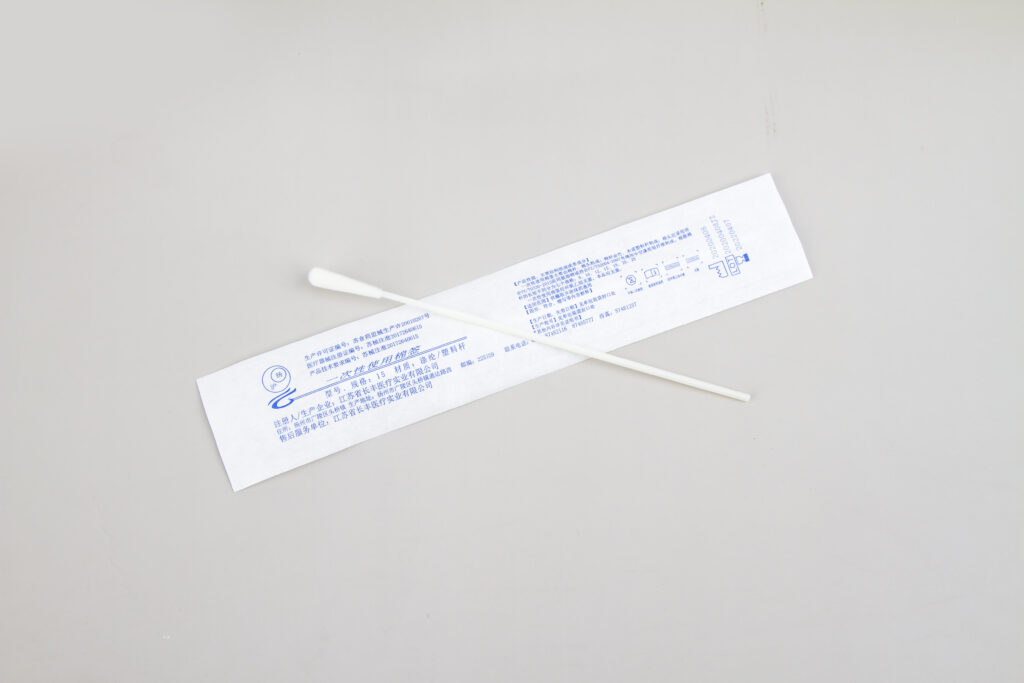
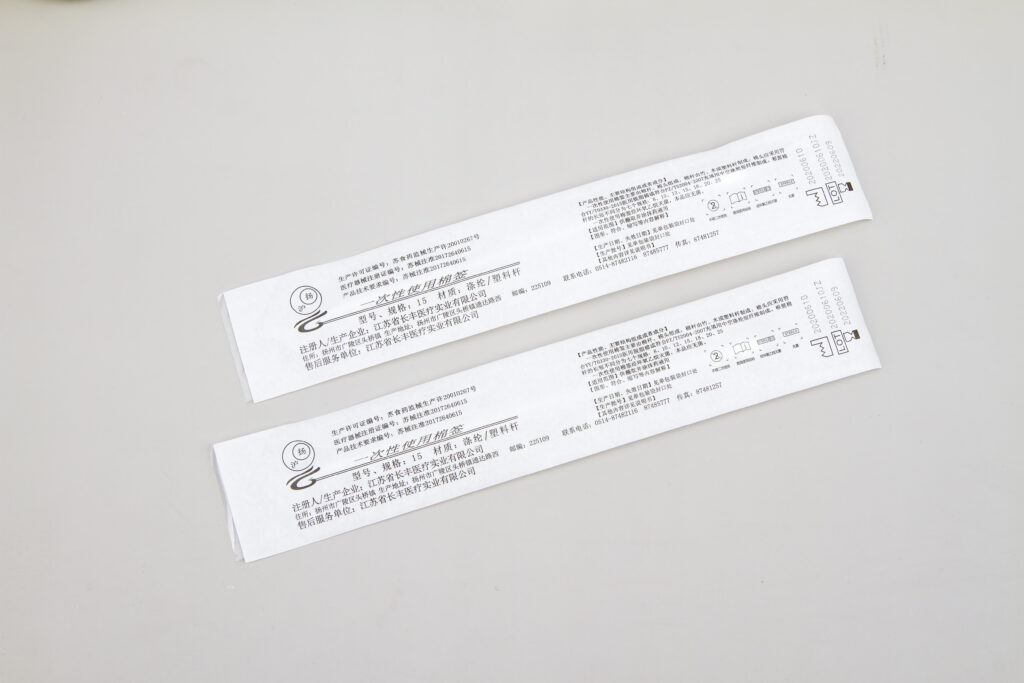
Molecular testing workflows often require sterile individually packaged swabs. Packaging should protect the tip before use and support clear product identification.
Buyers should check sterile status, sterilization method, pouch quality, lot number, expiration date, shelf life, storage conditions, and carton strength.
What Buyers Should Check Before Ordering
Before ordering swabs for molecular testing, buyers should confirm test workflow, collection site, tip material, tip size, shaft material, shaft flexibility, breakpoint, sterile status, packaging, tube compatibility, buffer compatibility, sample release, shelf life, storage conditions, sample availability, MOQ, lead time, and documentation.
Common Mistakes
One common mistake is using a general swab for a molecular workflow without checking material compatibility. Another mistake is selecting a swab by price while ignoring sample release, tube fit, and packaging.
Buyers should also avoid approving bulk orders before testing samples with the real kit or laboratory workflow.
Conclusion
To choose a swab for molecular testing, buyers should match the swab to the full workflow, including collection site, tip material, sample release, shaft design, breakpoint, packaging, tube compatibility, and documentation.
Changfeng Medical supplies sampling swabs for diagnostic, clinical, and laboratory applications, including nasal swabs, large-headed flocked swabs, polyester fiber swabs with sheath, media-coated swabs, and double-tip throat swabs. Contact us to discuss molecular testing swab specifications, packaging options, and bulk supply solutions for your market.
FAQ
What swab is used for molecular testing?
The swab depends on the test workflow. Common options include nylon flocked swabs, polyester swabs, nasal swabs, throat swabs, dry swabs, and transport swabs.
Why are flocked swabs used in molecular workflows?
Flocked swabs are often considered because the surface fiber structure may support sample collection and release into liquid systems.
Can polyester swabs be used for molecular testing?
Polyester swabs may be suitable when accepted by the customer, laboratory, or test manufacturer.
What should buyers test before bulk ordering?
Buyers should test material compatibility, sample release, tube fit, breakpoint, packaging, and the final test workflow.