How to Choose Custom Breakpoint Swabs for Tube-Based Collection?

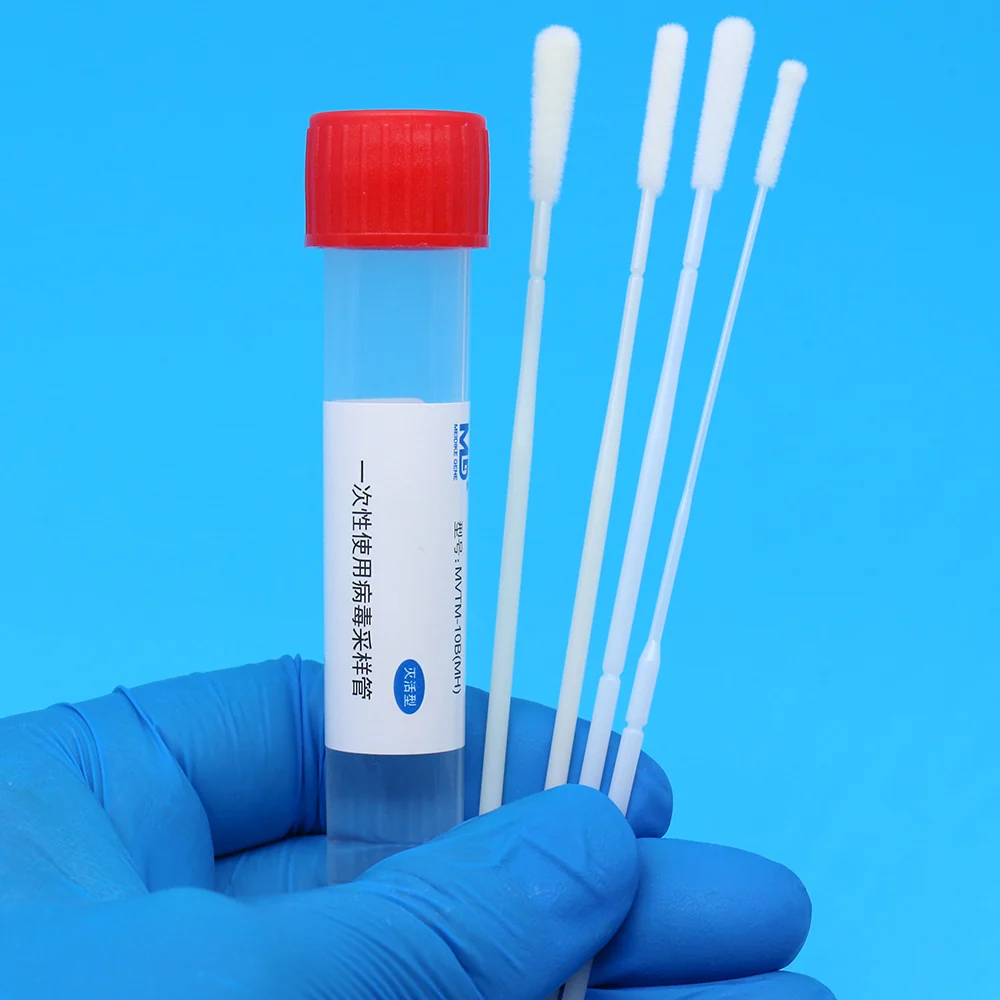
Custom breakpoint swabs are sampling swabs designed with a breakpoint position that matches a specific tube, cap, medium volume, or collection kit workflow. For tube-based collection, breakpoint design is one of the most important details because it affects how the swab is broken and stored after collection.
For medical buyers, diagnostic kit manufacturers, laboratories, and procurement teams, a breakpoint swab should be selected together with the tube system. The swab and tube should not be treated as separate products.
What Is a Custom Breakpoint Swab?
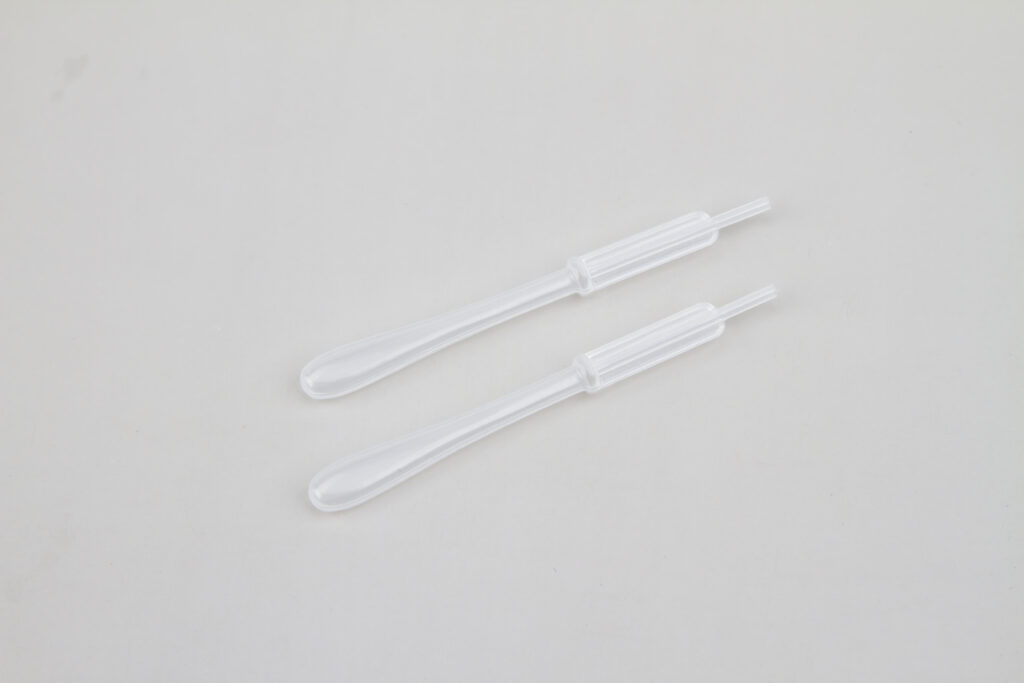
A custom breakpoint swab is a swab with a designed break point on the shaft. The user can snap the shaft after collection so that the swab tip remains inside the tube.
Custom breakpoint position may be required when standard swabs do not match a buyer’s tube length, cap space, transport medium volume, or kit layout.
Why Breakpoint Position Matters
Breakpoint position affects whether the swab can fit into the tube after collection. If the breakpoint is too high or too low, the cap may not close properly, the swab tip may sit incorrectly, or the kit workflow may become inconvenient.
Buyers should always test breakpoint swabs with the actual tube before bulk ordering.
Start with Tube Dimensions
Tube dimensions should be confirmed before swab customization. Important tube details include total length, inner diameter, opening diameter, cap type, cap closing space, label area, and whether liquid medium is included.
The swab shaft and breakpoint should be designed according to the tube, not only according to general swab length.
Check Swab Shaft Length
The total shaft length affects handling before collection and fit after breaking. Buyers should confirm full swab length, usable length, breakpoint distance, and broken length.
If the broken part is too long, the tube may not close. If it is too short, the swab tip may not sit as intended inside the tube.
Check Shaft Material and Diameter
Shaft material and diameter affect strength, flexibility, and breaking force. Plastic shafts, wire shafts, and other designs may behave differently.
Buyers should check whether the shaft is strong enough for collection but can still break cleanly at the intended point.
Check Breaking Force
Breaking force should be practical for the intended user. A breakpoint that is too difficult to snap may create workflow problems. A breakpoint that is too weak may break too early.
Sample testing is important because breaking feel may not be clear from a specification sheet alone.
Tube Fit and Cap Closure
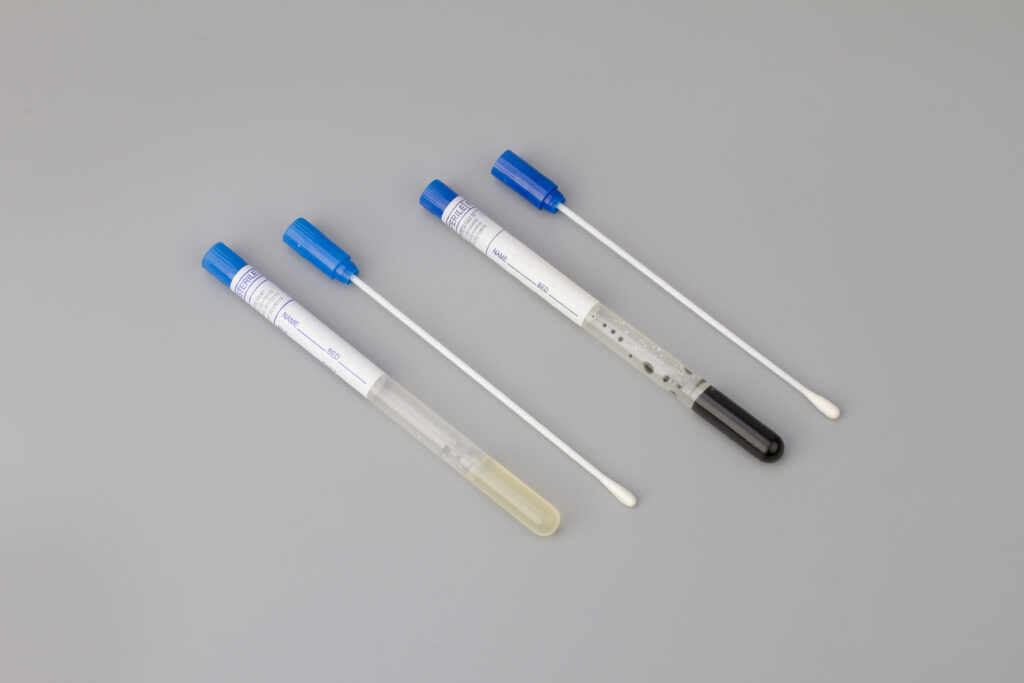
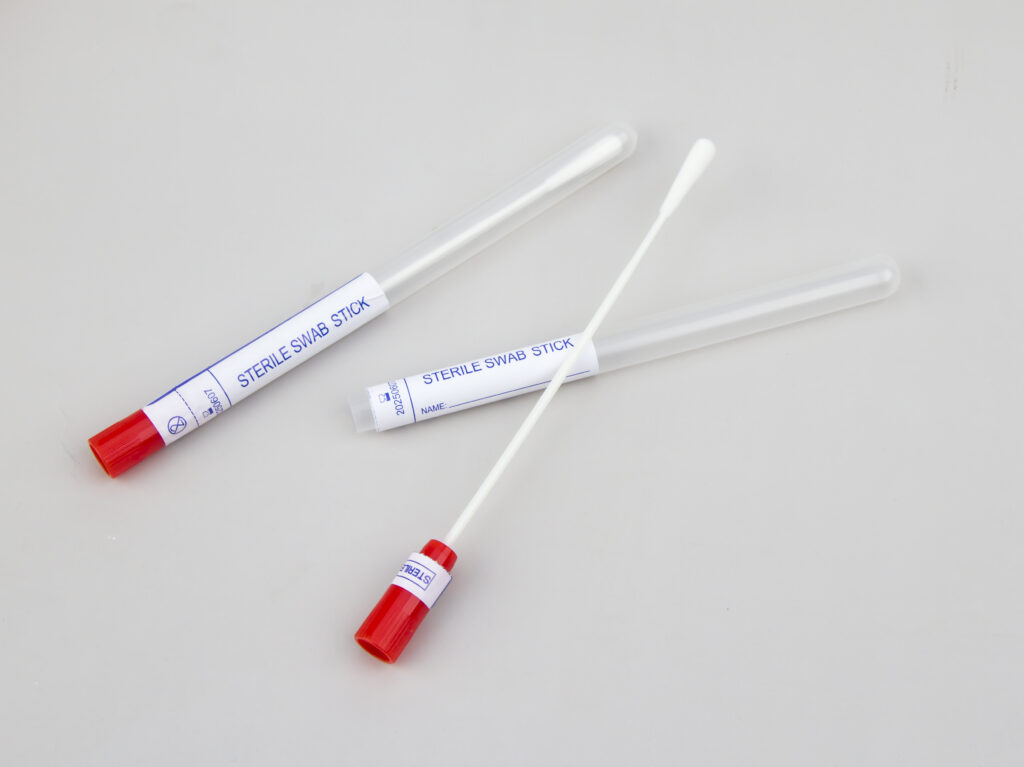
After the swab is broken, the tube cap should close securely. Buyers should test cap closure with the broken swab inside the tube, especially when transport medium or extraction buffer is included.
Tube opening, cap design, liquid volume, and label position can all affect final usability.
Medium Volume Compatibility
If the tube contains transport medium or extraction buffer, the broken swab tip should fit without causing overflow, leakage risk, or cap closure problems.
Medium volume should be checked together with swab tip size, tube volume, and broken swab length.
Tip Material and Collection Site
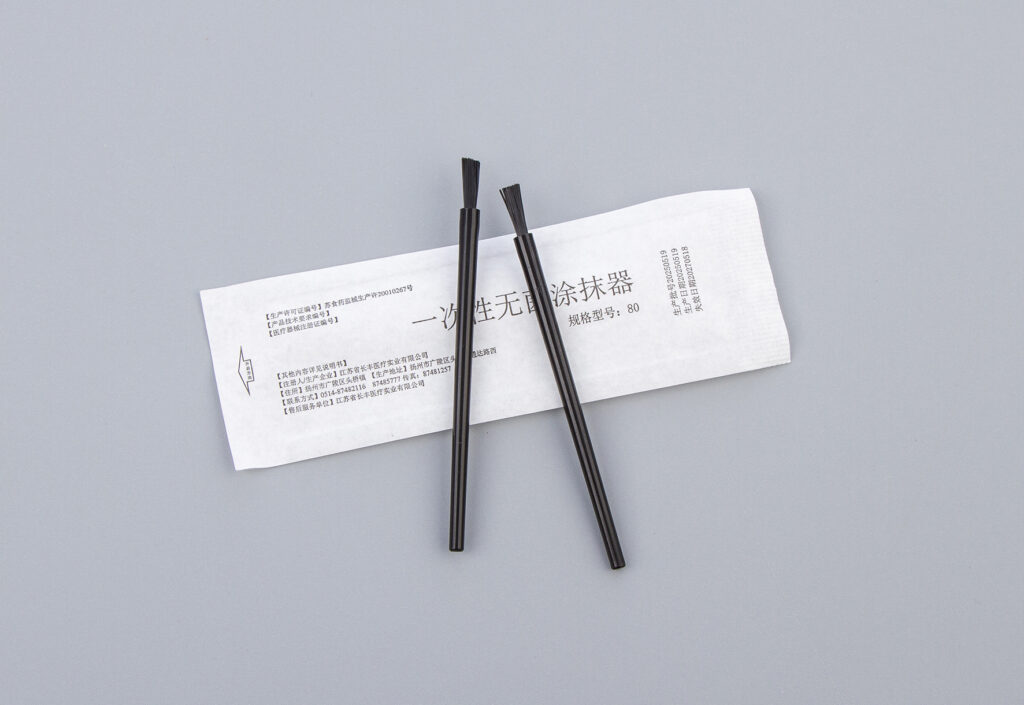
Custom breakpoint swabs may use nylon flocked tips, polyester tips, foam tips, rayon tips, or other materials. The tip should match the collection site and test workflow.
A custom breakpoint does not replace the need to choose the correct tip material and shaft design.
Packaging for Custom Breakpoint Swabs
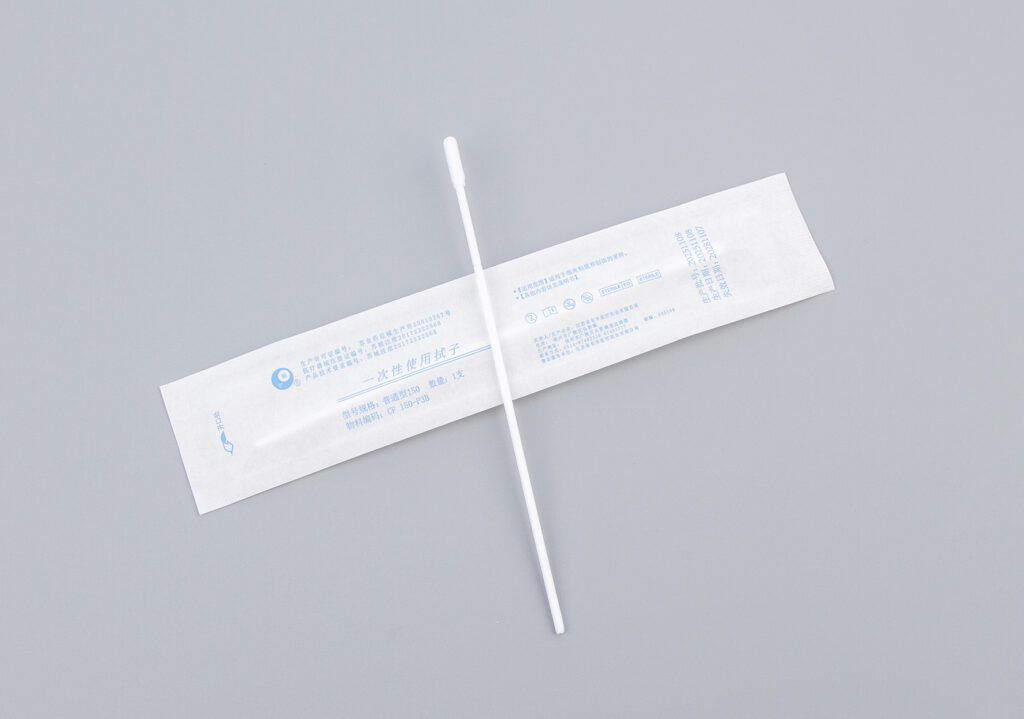
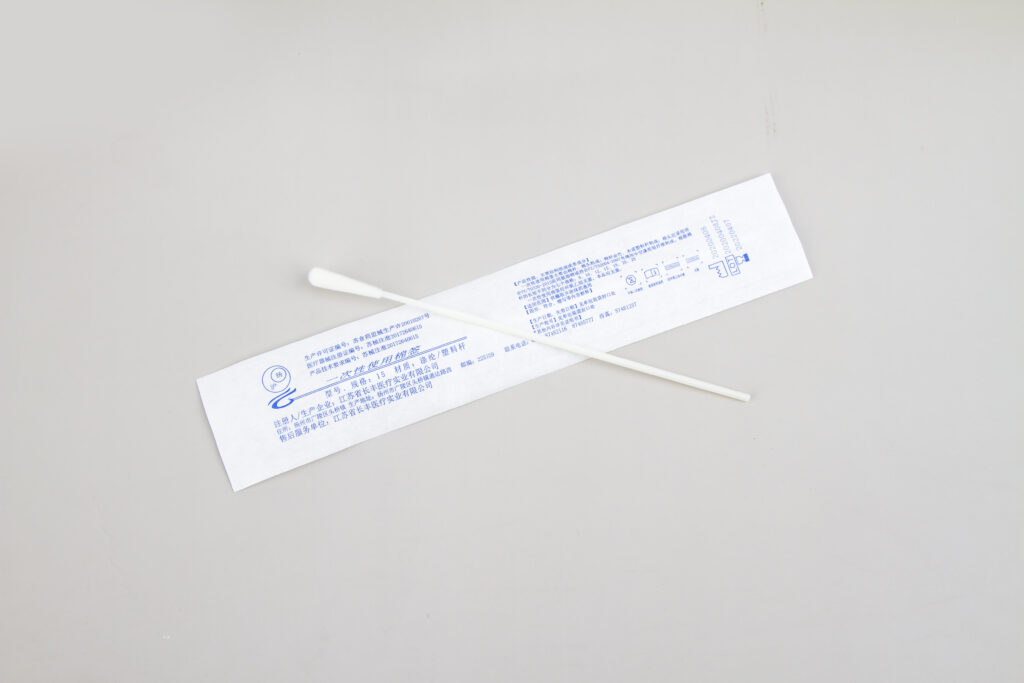
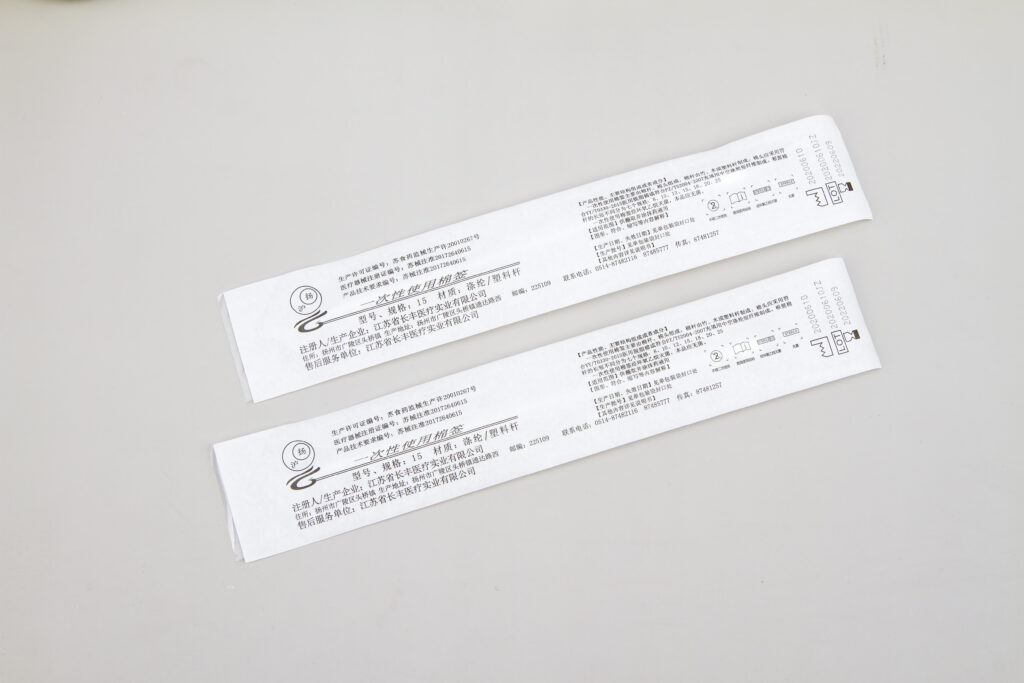
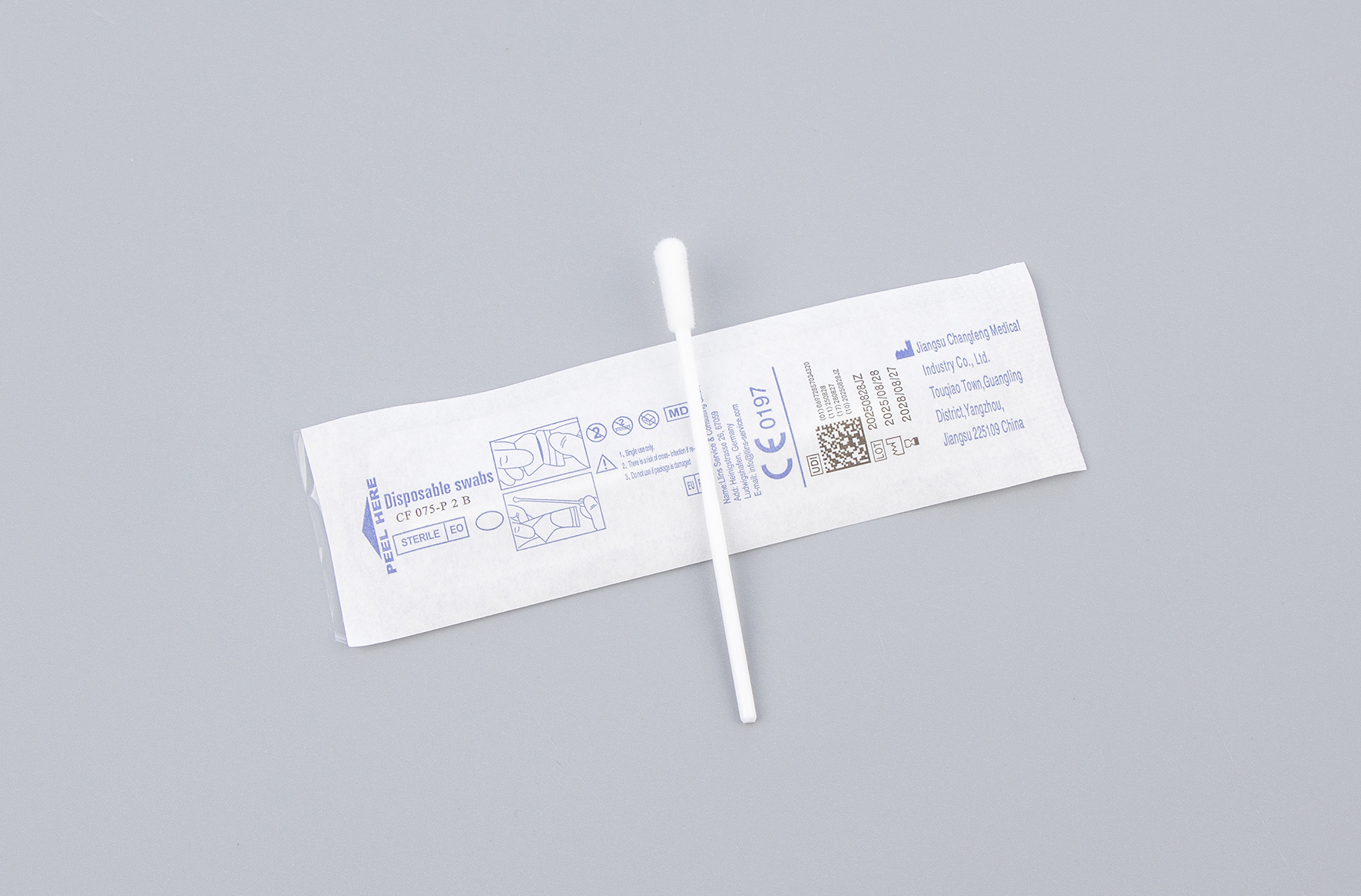
Custom breakpoint swabs may be supplied in sterile pouches, with tubes, or as part of collection kits. Packaging should protect the swab and clearly show product name, lot number, expiration date, sterile status, and other required information.
Private label packaging should be approved after the final swab and tube configuration is confirmed.
Sample Approval Process
For custom breakpoint swabs, buyers should approve physical samples before mass production. Samples should be tested for shaft handling, breakpoint location, breaking force, tube insertion, cap closure, medium compatibility, and packaging fit.
What Buyers Should Tell Suppliers
Buyers should provide tube dimensions, desired broken length, collection site, tip material requirement, shaft material preference, sterile status, packaging format, transport medium requirement, target quantity, and private label needs.
Common Mistakes
One common mistake is choosing a breakpoint based only on standard swab length without testing the actual tube. Another mistake is changing the tube after approving the swab breakpoint.
Buyers should also avoid bulk ordering before testing cap closure and medium volume compatibility.
Buyer Checklist
Before ordering custom breakpoint swabs, buyers should check tube length, tube opening, cap space, medium volume, swab total length, broken length, shaft material, shaft diameter, breakpoint position, breaking force, tip material, sterile packaging, labels, samples, MOQ, lead time, and documents.
Conclusion
Custom breakpoint swabs for tube-based collection should be designed around the full tube system. Buyers should evaluate shaft length, breakpoint position, tube fit, cap closure, medium volume, tip material, packaging, and sample approval before bulk production.
Changfeng Medical supplies sampling swabs for diagnostic, clinical, laboratory, and kit assembly applications, including nasal swabs, large-headed flocked swabs, polyester fiber swabs with sheath, media-coated swabs, and double-tip throat swabs. Contact us to discuss custom breakpoint swabs and tube-based collection solutions.
FAQ
What is a custom breakpoint swab?
It is a swab designed with a breakpoint position that matches a specific tube, cap, or collection kit workflow.
Why is breakpoint position important?
It affects whether the broken swab fits into the tube and whether the cap can close properly.
Should buyers test custom breakpoint swabs with actual tubes?
Yes. The swab, tube, cap, medium, and packaging should be tested together before bulk production.
What information should buyers provide to suppliers?
Buyers should provide tube dimensions, desired broken length, swab material, collection site, packaging requirement, sterile status, and order quantity.