What Is Swab Sample Retention and Why Does It Matter for Buyers?


Swab sample retention means keeping approved swab samples and packaging samples as references for future comparison. For buyers, distributors, laboratories, diagnostic companies, and private label customers, retained samples can help confirm whether later shipments match the approved product.
A sampling swab order may involve many small details, such as tip material, shaft length, breakpoint, pouch design, label format, carton marks, and shelf life. Retained samples make these details easier to check during repeat orders or quality discussions.
What Is Swab Sample Retention?
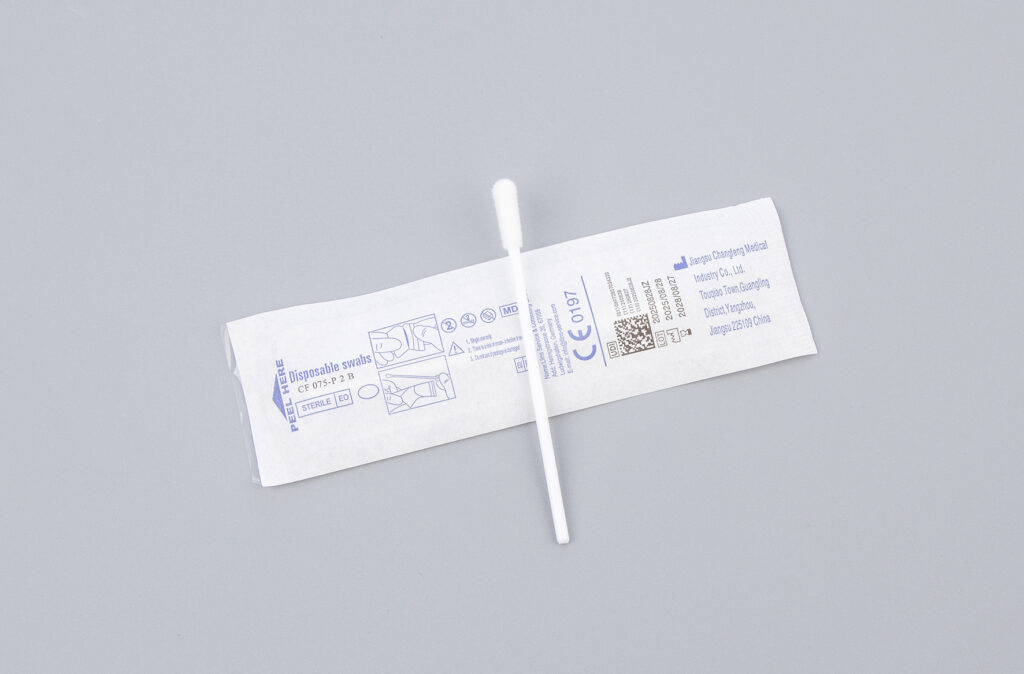
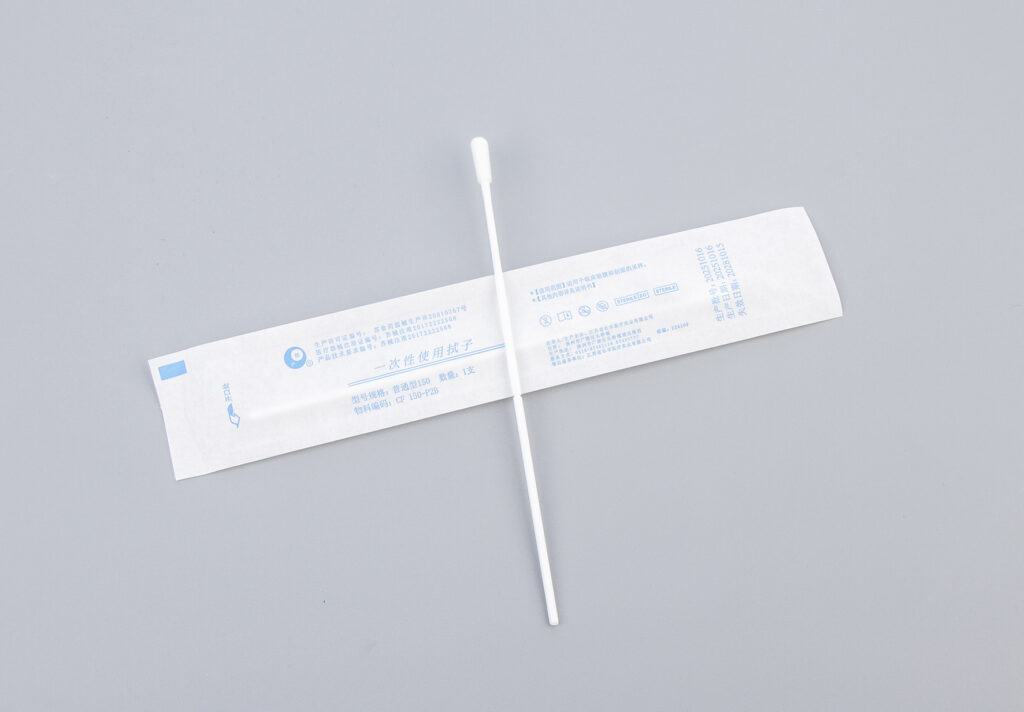
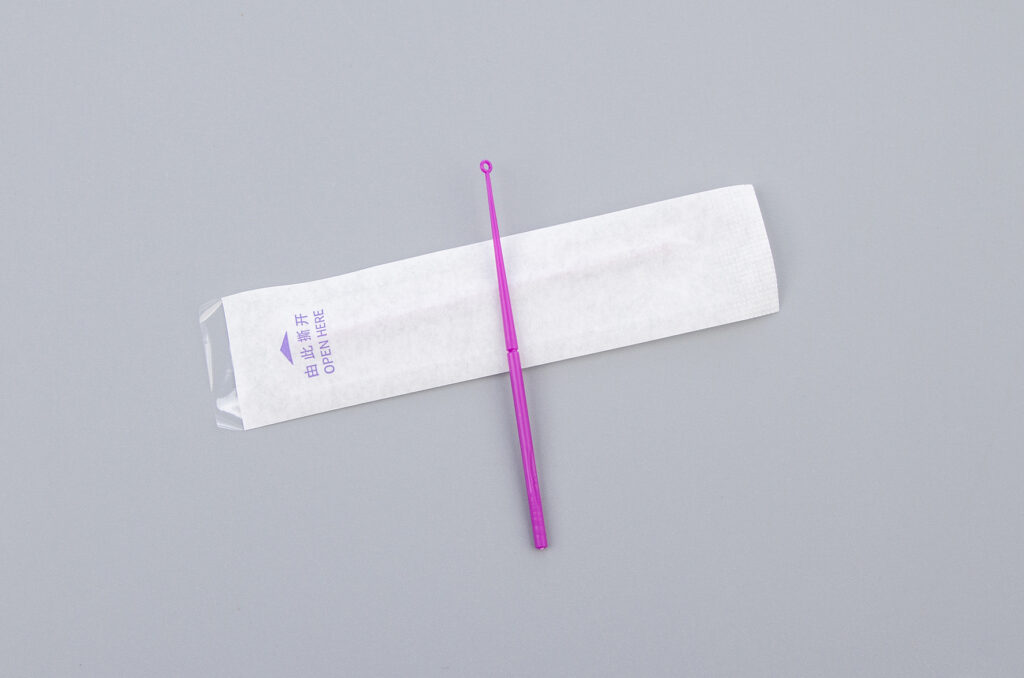
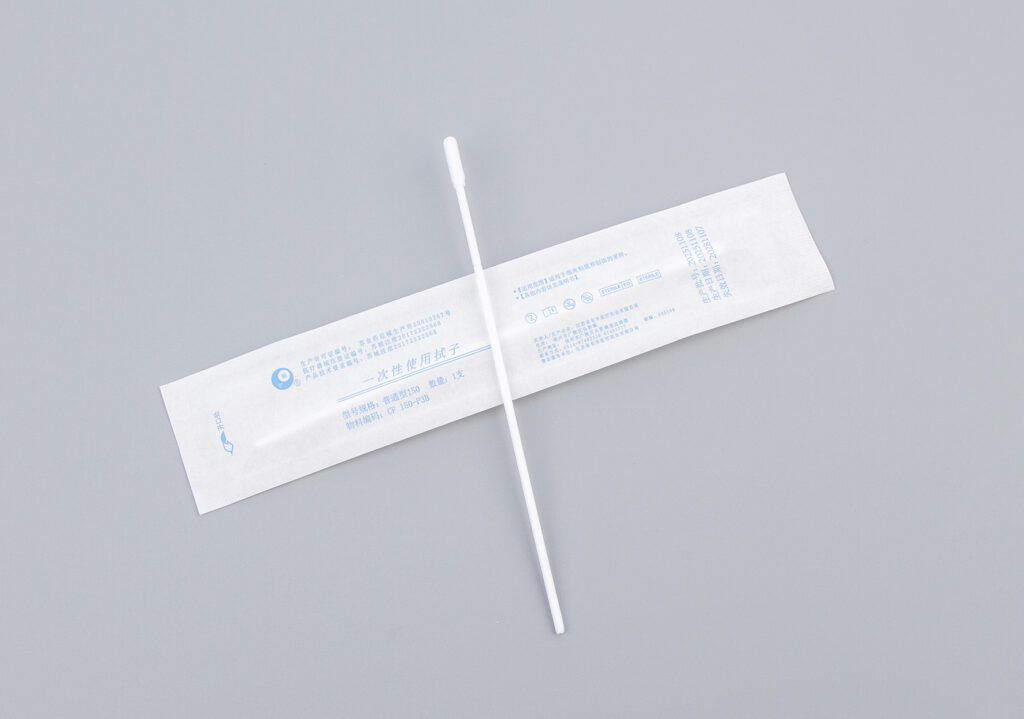
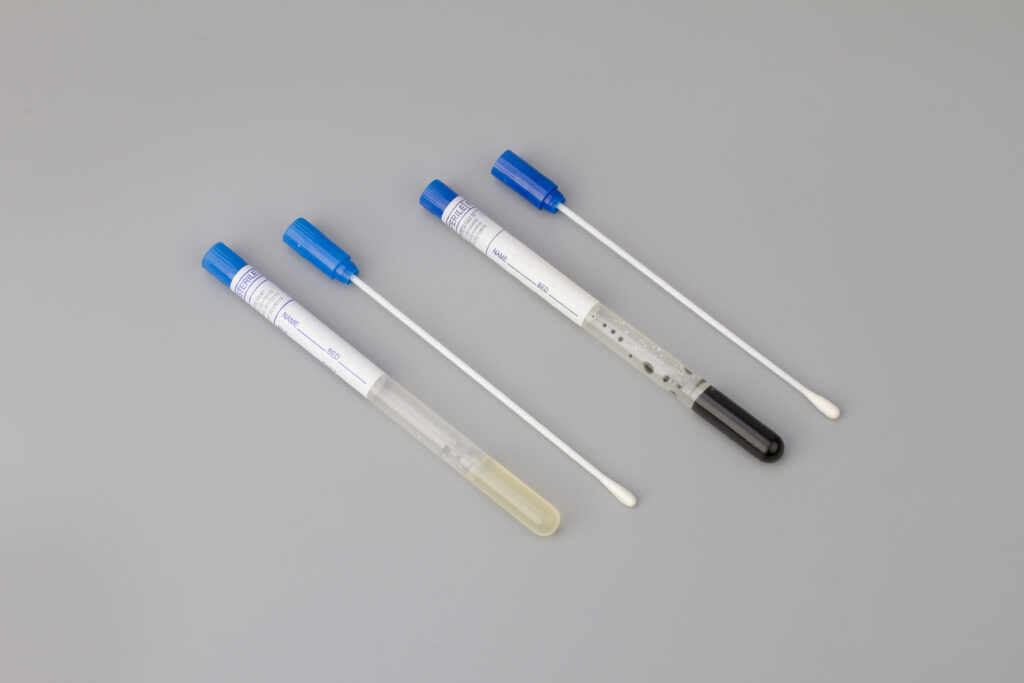
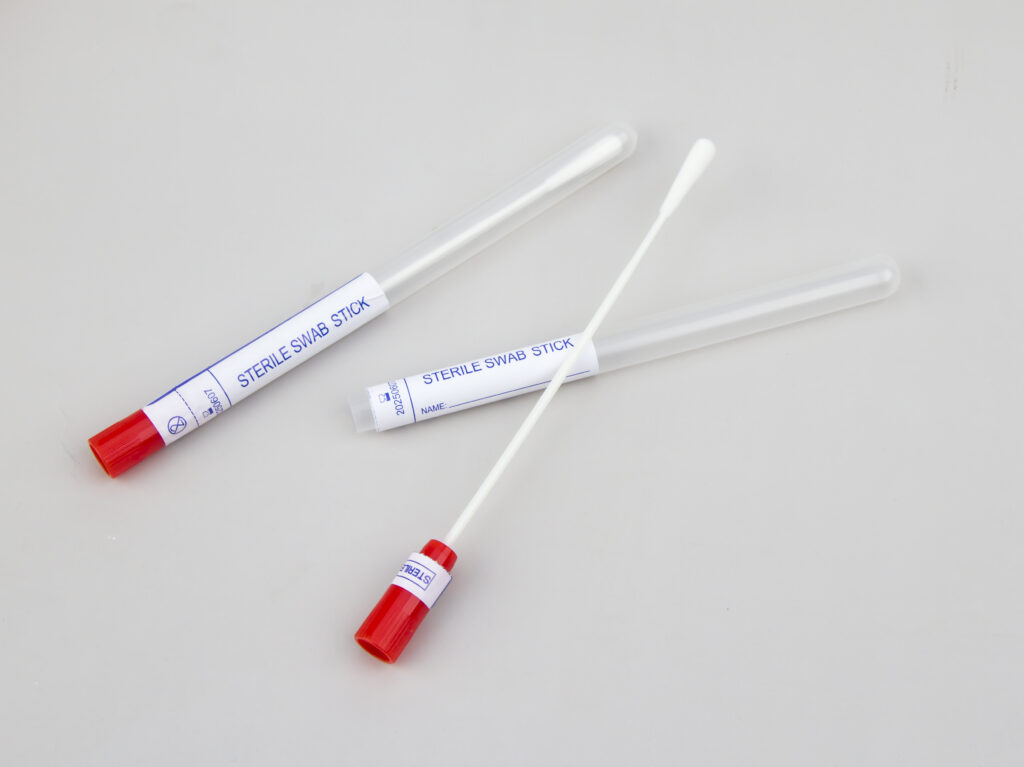
Swab sample retention is the practice of keeping physical samples from an approved product batch, pre-production sample, or confirmed shipment. These samples may include the swab itself, sterile pouch, tube, label, inner box, and carton mark when relevant.
The retained sample can be used as a reference for quality review, repeat order comparison, and customer communication.
Why Buyers Should Keep Approved Samples
Approved samples help buyers compare future shipments with the original confirmed product. If a supplier changes tip material, shaft length, pouch printing, or carton packing, the retained sample can help identify the difference.
This is especially useful for repeat purchase programs and private label swab orders.
Retained Product Samples
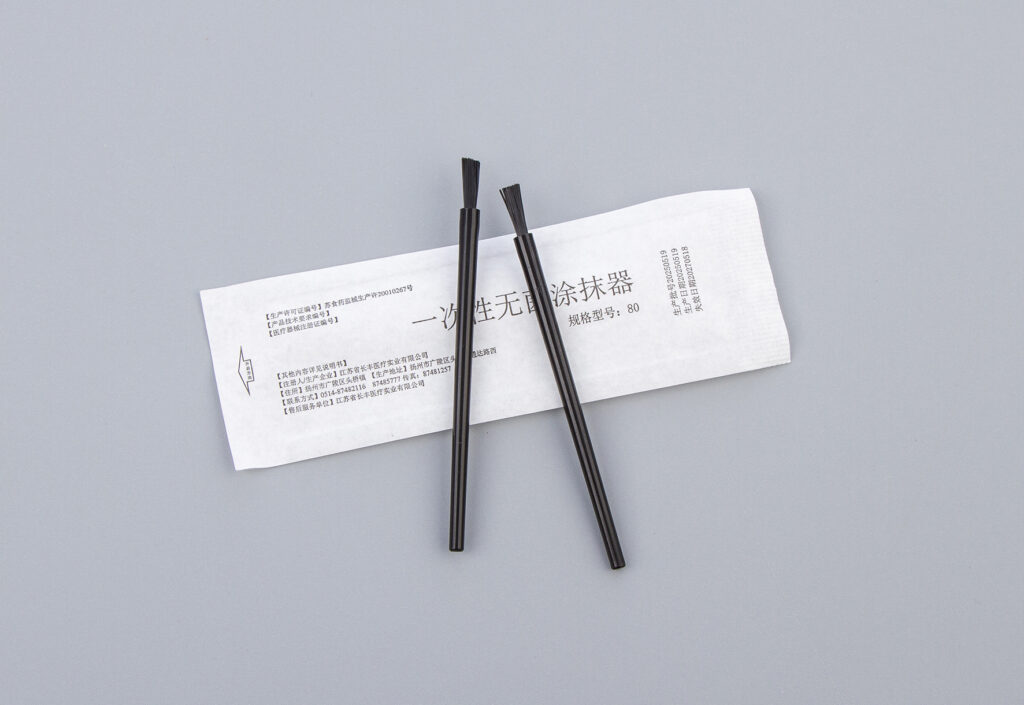
A retained product sample should show the approved swab type, tip material, tip size, shaft design, flexibility, breakpoint position, and overall appearance.
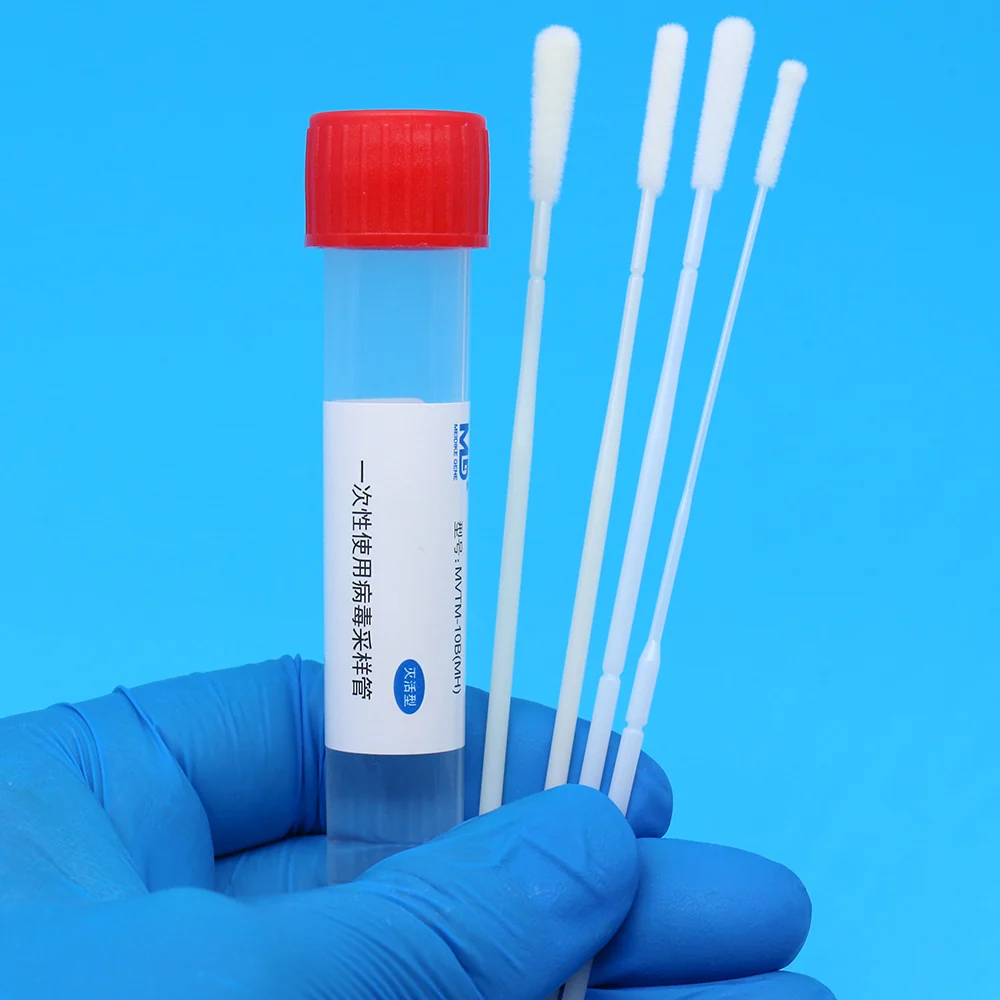
For flocked swabs, buyers may keep samples to compare tip shape and fiber consistency. For polyester swabs with sheath, both the swab and sheath should be checked.
Retained Packaging Samples
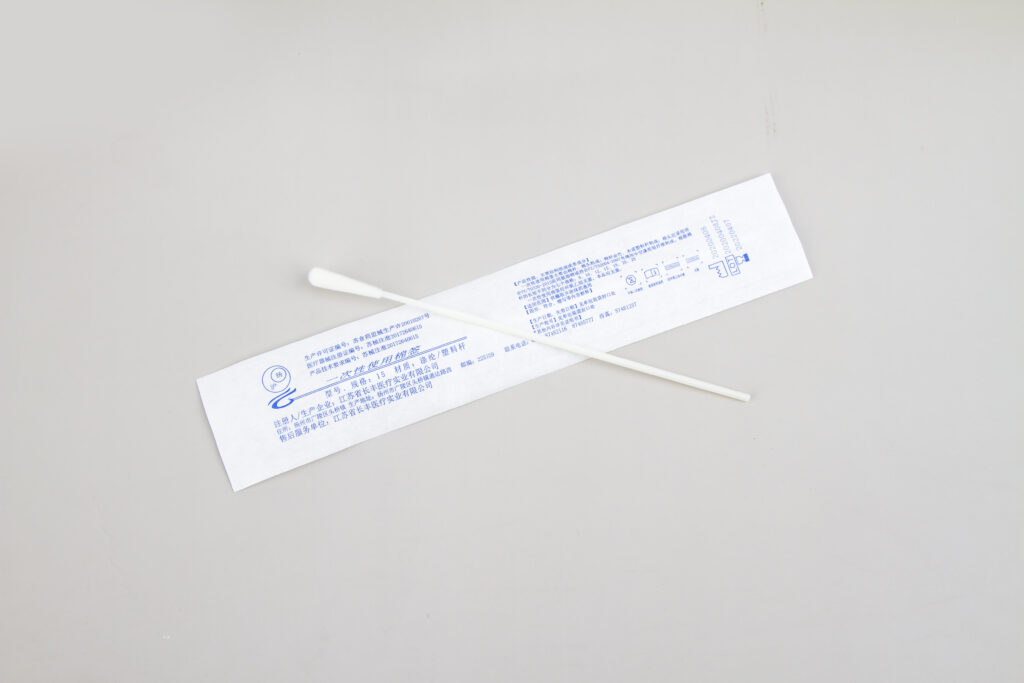
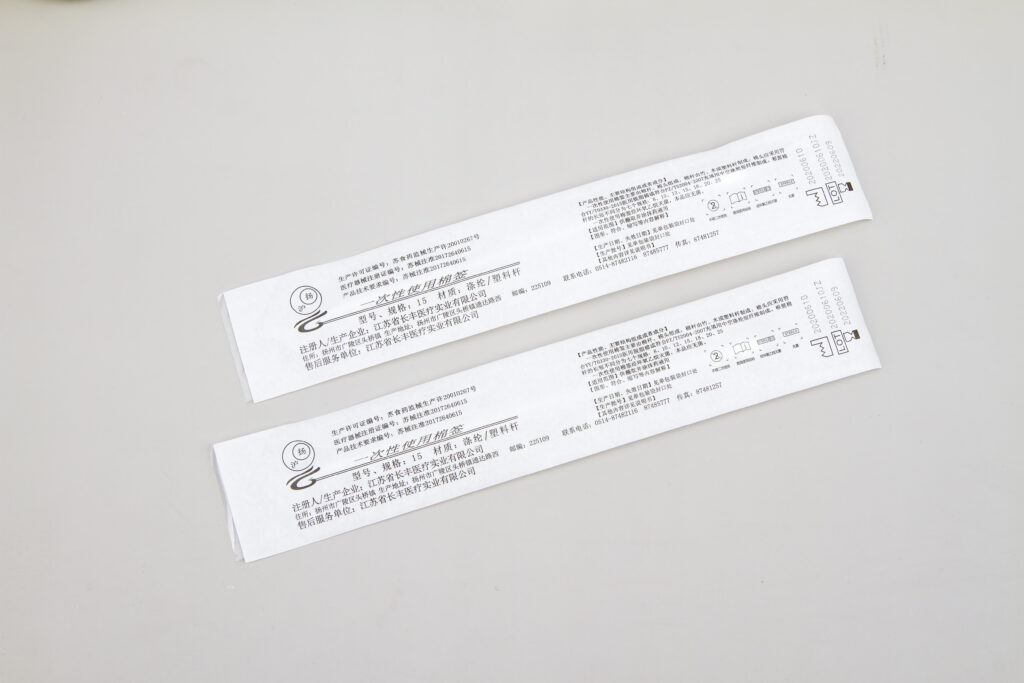
Packaging samples are also important. Buyers should keep examples of approved pouches, labels, boxes, instruction sheets, tube labels, and carton marks when relevant.
Packaging differences can create customer complaints even when the swab itself remains similar.
Sample Retention for Private Label Orders
Private label projects should retain samples of printed pouches, boxes, labels, barcodes, instruction sheets, and carton marks. Artwork, language, lot number area, expiration date area, and logo placement should all match approved versions.
Retained packaging samples help buyers check whether repeat orders remain consistent.
Sample Retention for Swab Kits
For swab kits, buyers should retain a complete kit sample if possible. The retained kit may include swab, tube, medium, cap, label, pouch, instruction sheet, inner box, and carton mark.
This makes it easier to compare kit assembly and packaging layout in future orders.
Sample Retention and Lot Numbers
Buyers should record the lot number, production date, expiration date, supplier name, order number, and sample approval date with retained samples. This helps connect physical samples with purchase records.
How Long Should Buyers Keep Samples?
The retention period depends on buyer policy, customer requirement, product shelf life, and repeat order frequency. Many buyers keep samples at least through the current order cycle and sometimes longer for repeat purchase reference.
Using Retained Samples During Inspection
Before shipment or after goods arrive, buyers can compare current products with retained samples. They can check tip appearance, shaft length, packaging, printing, labels, carton marks, and overall consistency.
Retained samples do not replace formal quality control, but they provide a practical reference for B2B purchasing.
Common Mistakes
One common mistake is keeping only product photos instead of physical samples. Photos may not show tip texture, pouch feel, shaft flexibility, or packaging size accurately.
Another mistake is keeping swab samples but forgetting packaging samples, which are often the source of customer complaints.
Buyer Checklist
Buyers should retain approved swab samples, sterile pouch samples, tube samples, label samples, box samples, carton mark photos, artwork files, lot number records, expiration date records, order numbers, and supplier specification sheets.
Conclusion
Swab sample retention helps buyers manage repeat orders, compare shipments, review packaging, and communicate quality issues with suppliers. It is a simple but useful practice for sampling swab procurement.
Changfeng Medical supplies sampling swabs for diagnostic, clinical, laboratory, and distribution channels, including nasal swabs, large-headed flocked swabs, polyester fiber swabs with sheath, media-coated swabs, and double-tip throat swabs. Contact us to discuss samples, specifications, and repeat order support.
FAQ
What is swab sample retention?
It means keeping approved swab and packaging samples as references for future comparison and quality communication.
Should buyers keep packaging samples too?
Yes. Packaging samples are important for checking labels, artwork, pouch quality, and carton marks.
What records should be kept with retained samples?
Buyers should record lot number, order number, supplier name, approval date, production date, expiration date, and specification details.