What Is Swab Material Compatibility and Why Should Buyers Check It?

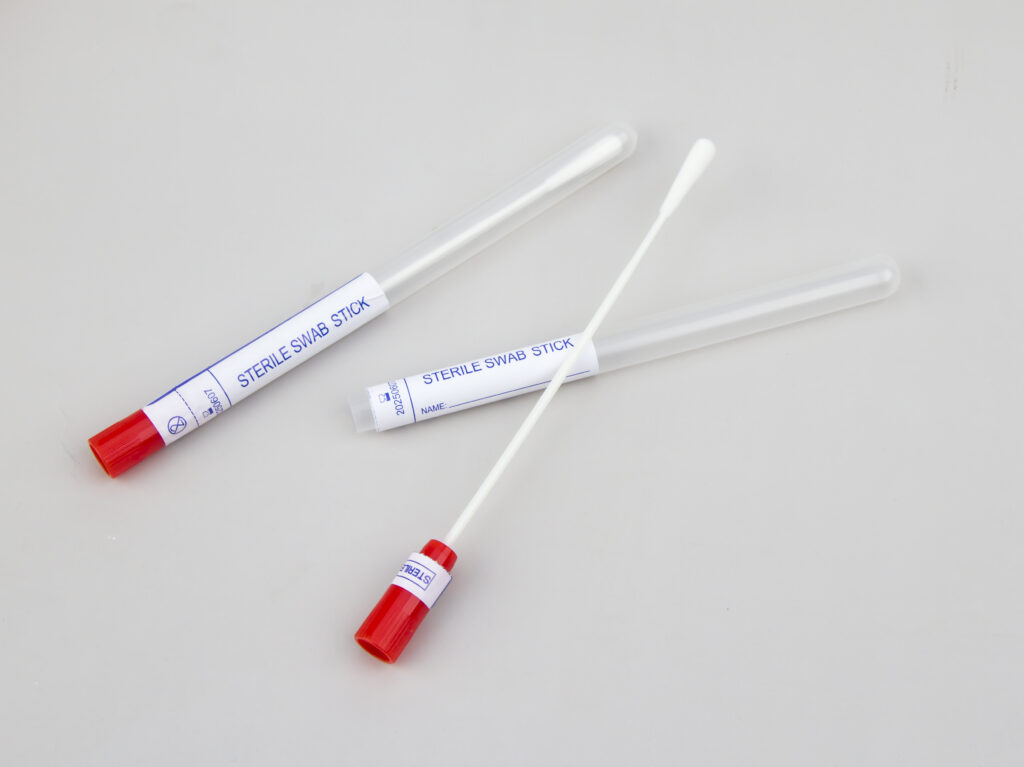
Swab material compatibility means whether the swab tip, shaft, packaging, tube, and any medium or buffer are suitable for the intended collection and testing workflow. For medical and laboratory buyers, compatibility should be checked before replacing one swab material with another.
A swab may look similar to another product, but different materials can behave differently in absorption, sample release, chemical interaction, handling, packaging, and storage.
What Is Swab Material Compatibility?
Swab material compatibility refers to how well the swab materials match the intended application. This may include tip material, shaft material, breakpoint design, tube material, transport medium, extraction buffer, and packaging.
Compatibility should be confirmed according to the customer protocol, laboratory workflow, or test manufacturer requirement.
Why Compatibility Matters
Compatibility matters because the swab is part of a complete sample collection and processing system. If the material does not match the workflow, the swab may not be accepted by the customer even if the size and packaging look correct.
Tip Material Compatibility
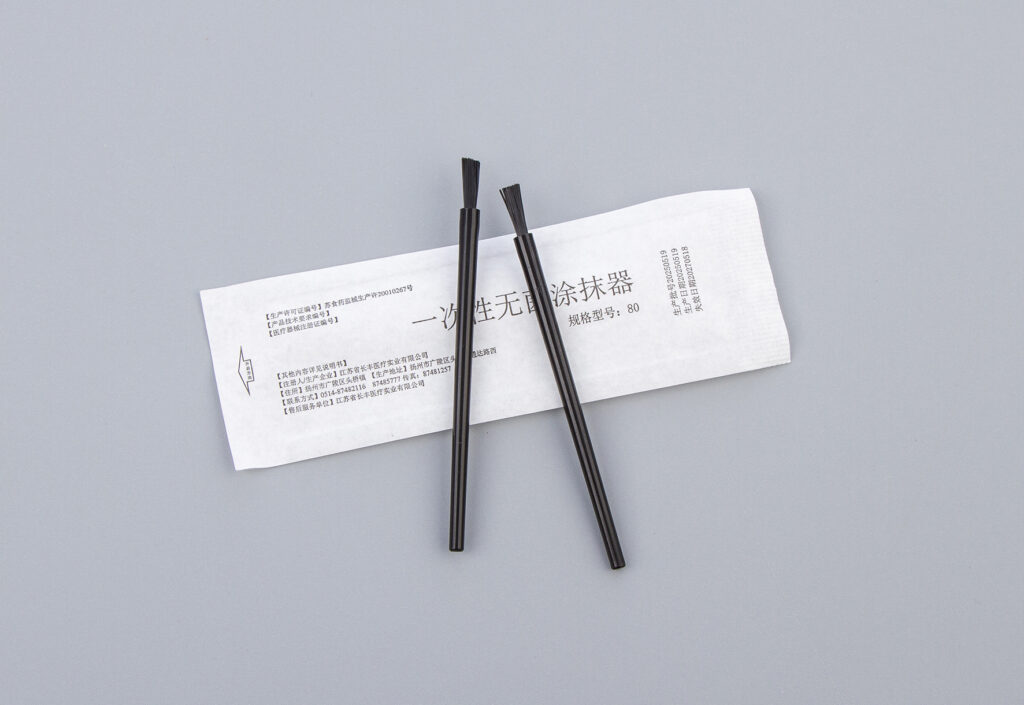
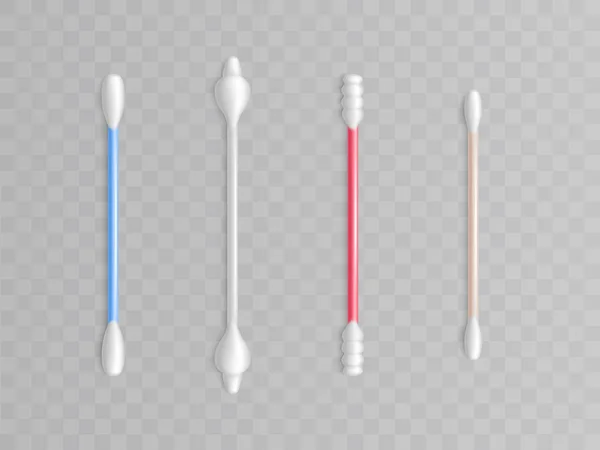
Common swab tip materials include nylon flocked fiber, polyester fiber, foam, rayon, cotton, and other materials. Each material may differ in absorption, release, softness, and workflow suitability.
Buyers should confirm whether the target application requires synthetic fiber swabs or another specified material.
Shaft Material Compatibility
Shaft material affects flexibility, strength, handling, and breakpoint performance. Plastic shafts, wire shafts, and other shaft designs may be used for different collection sites and workflows.
A shaft that works for a throat swab may not be suitable for a nasopharyngeal swab, and a tube-based workflow may require a specific breakpoint location.
Compatibility with Transport Medium
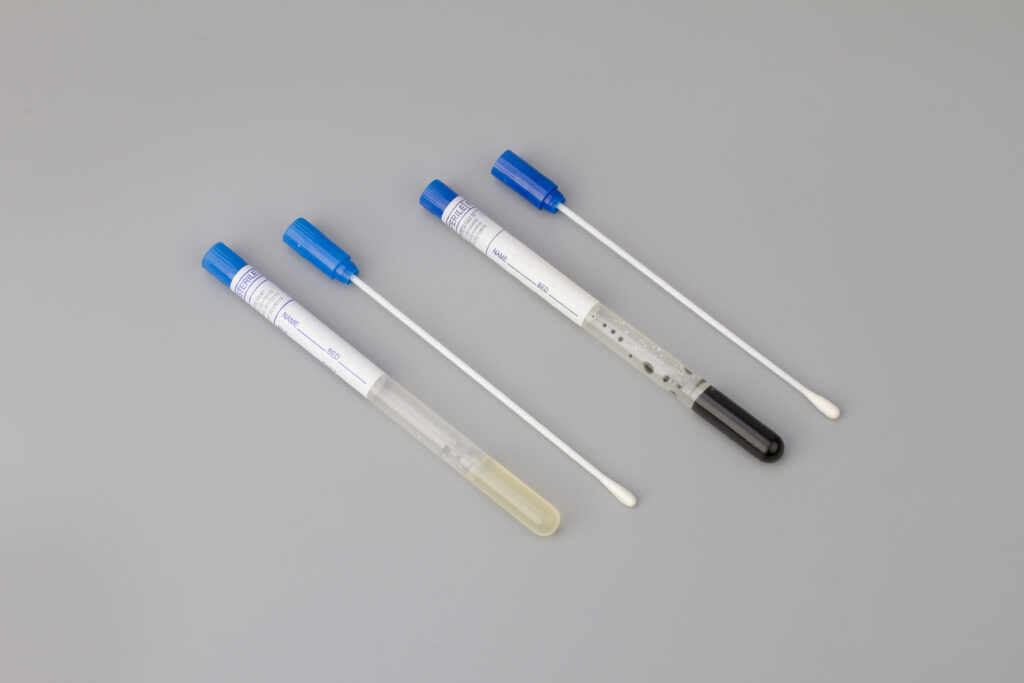
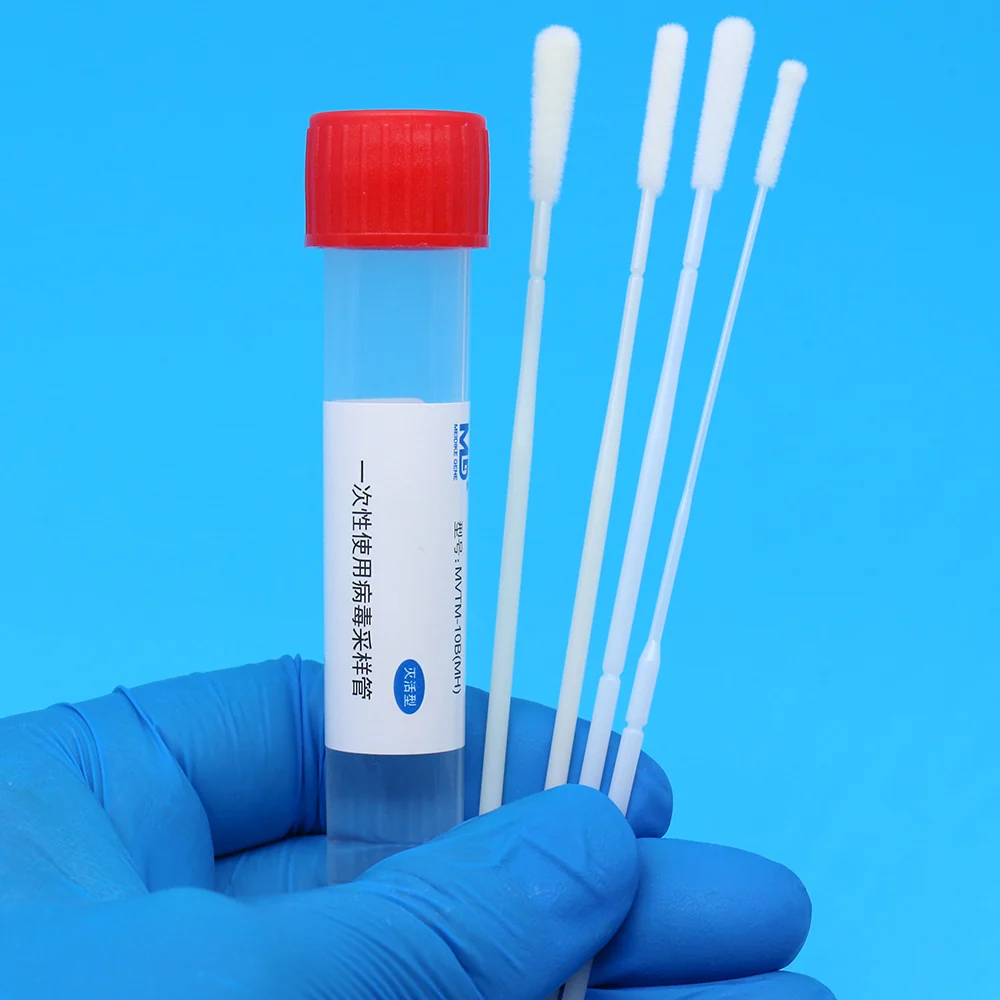
If the swab is used with transport medium, the tip material, shaft, tube, cap, and medium should be evaluated together. Buyers should confirm whether the selected swab material is suitable for the medium and intended testing process.
Transport medium swab kits should be treated as a complete system, not as separate components selected independently.
Compatibility with Extraction Buffer
Some diagnostic workflows use extraction buffer or another liquid system after collection. The swab should release the sample into the buffer according to the intended workflow.
Buyers should test samples with the actual buffer or kit component whenever possible.
Compatibility with Collection Tubes
Material compatibility is not only about the tip. Tube size, cap sealing, breakpoint position, label area, and packaging layout can all affect whether the swab works in the final kit.
The swab and tube should be tested together before bulk production.
Compatibility with Sterile Packaging
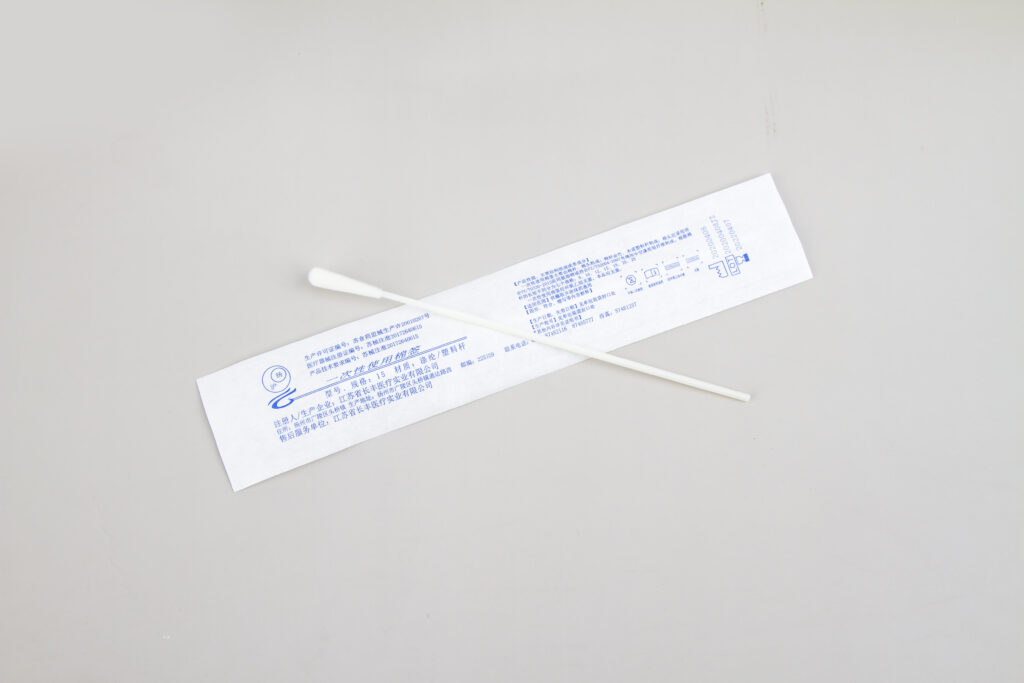
Sterile swabs need packaging that protects the product before use. Buyers should check whether the pouch material, seal strength, sterilization method, and shelf life match the product requirement.
When Should Buyers Check Compatibility?
Buyers should check compatibility before changing suppliers, replacing materials, switching from rayon to polyester, choosing flocked swabs instead of foam swabs, assembling collection kits, or approving private label products.
What Buyers Should Ask Suppliers
Buyers can ask what tip material and shaft material are used, whether the swab is suitable for the intended workflow, whether samples are available, whether the swab fits the target tube, and what documents can be provided.
Buyer Checklist
Before ordering, buyers should check tip material, shaft material, shaft length, breakpoint, tube compatibility, medium compatibility, buffer compatibility, sterile packaging, shelf life, storage conditions, samples, and supplier documentation.
Common Mistakes
One common mistake is assuming that two swabs with the same shape are interchangeable. Another mistake is choosing by price without checking material, medium, buffer, and tube compatibility.
Buyers should also avoid changing materials after customer approval without rechecking the workflow.
Conclusion
Swab material compatibility is important because the swab must work with the collection site, tube, medium, buffer, packaging, and test workflow. Buyers should verify compatibility before sample approval and bulk procurement.
Changfeng Medical supplies sampling swabs for diagnostic, clinical, and laboratory applications, including nasal swabs, large-headed flocked swabs, polyester fiber swabs with sheath, media-coated swabs, and double-tip throat swabs. Contact us to discuss swab material options, samples, and bulk supply solutions for your market.
FAQ
What is swab material compatibility?
It means whether the swab tip, shaft, tube, medium, buffer, and packaging are suitable for the intended workflow.
Why should buyers check compatibility?
Compatibility affects customer acceptance, sample handling, tube fit, sample release, and kit performance.
Can polyester swabs replace rayon swabs?
Not automatically. Buyers should confirm customer protocol and test the material with the intended workflow.
What should buyers test before ordering?
Buyers should test swab material, tube fit, medium compatibility, buffer compatibility, packaging, and shelf life requirements.