How to Choose Swabs for Sample Collection Training Programs?

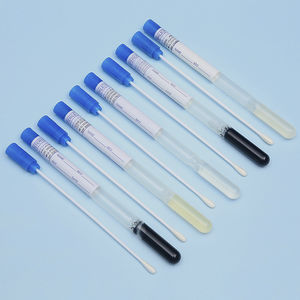
Swabs for sample collection training programs should be easy to identify, consistent in quality, and suitable for the workflow being demonstrated. Training use may involve product handling, tube insertion, kit assembly, packaging review, or basic collection workflow education.
For medical buyers, laboratories, distributors, diagnostic companies, and procurement teams, this topic should be reviewed as part of the complete swab workflow, not as an isolated product detail.
What Are Swabs for Sample Collection Training?
They are swabs used to demonstrate, explain, or practice sample collection workflows. Depending on the training goal, buyers may need nasal swabs, throat swabs, flocked swabs, polyester swabs, dry swabs, transport swabs, or complete swab kits.
Key Factors Buyers Should Check
Training Scenario
Buyers should first confirm whether the program is for nasal collection, throat collection, diagnostic kit handling, transport swab handling, packaging demonstration, or warehouse product education.
Swab Type
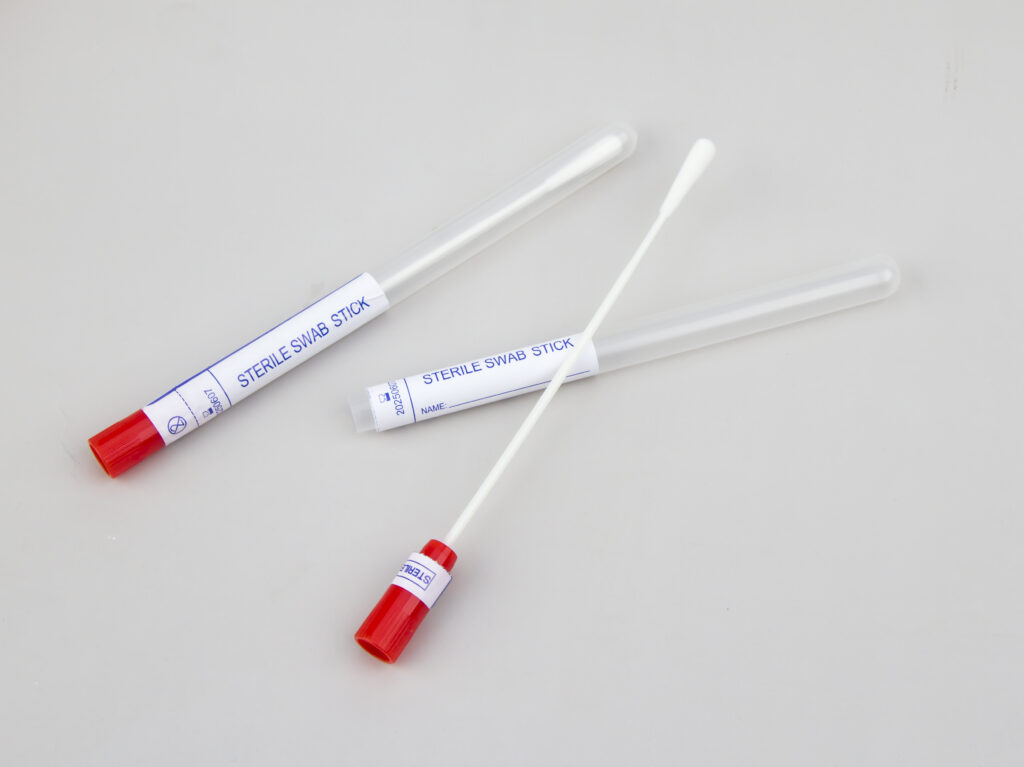
The swab should look and handle like the product used in the actual workflow. A nasopharyngeal swab, throat swab, swab with sheath, or transport swab kit may each require different training materials.
Tip and Shaft Design
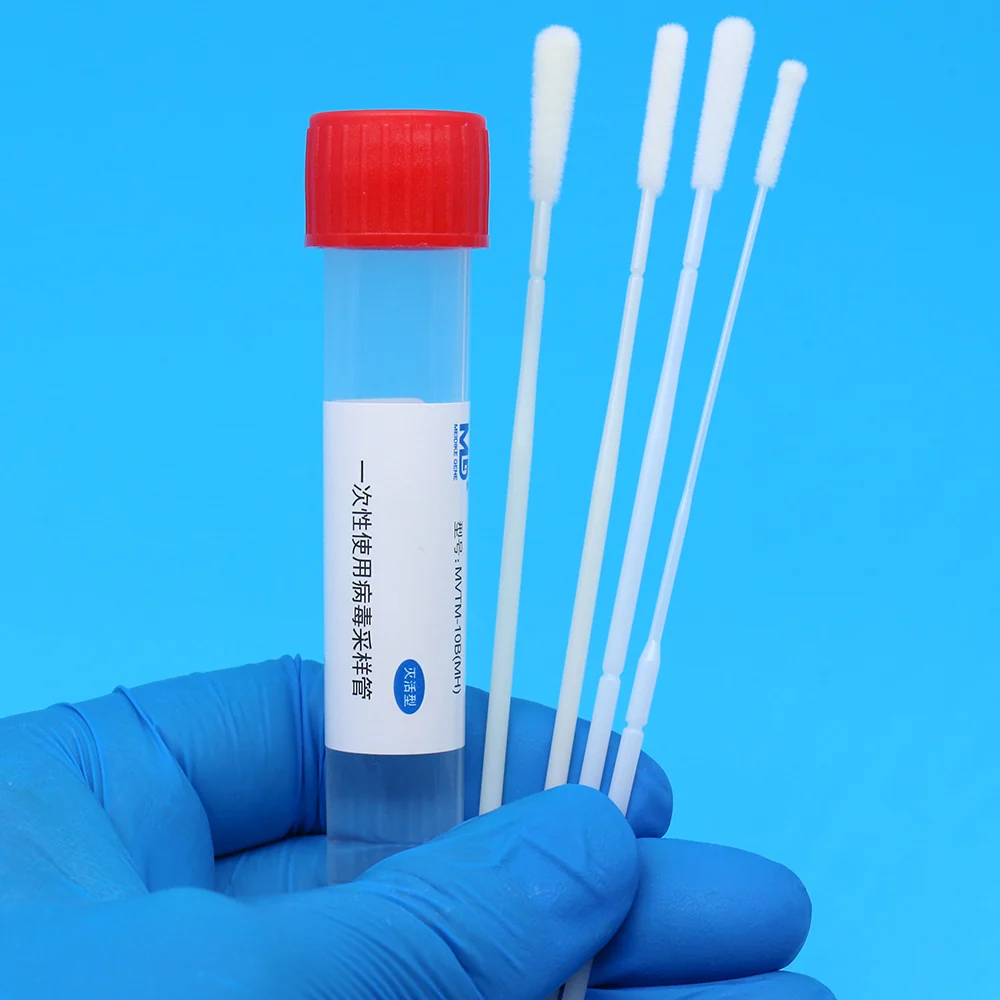
Tip material, tip size, shaft length, flexibility, and breakpoint position should match the training purpose so that participants can understand the real product structure.
Packaging and Labels
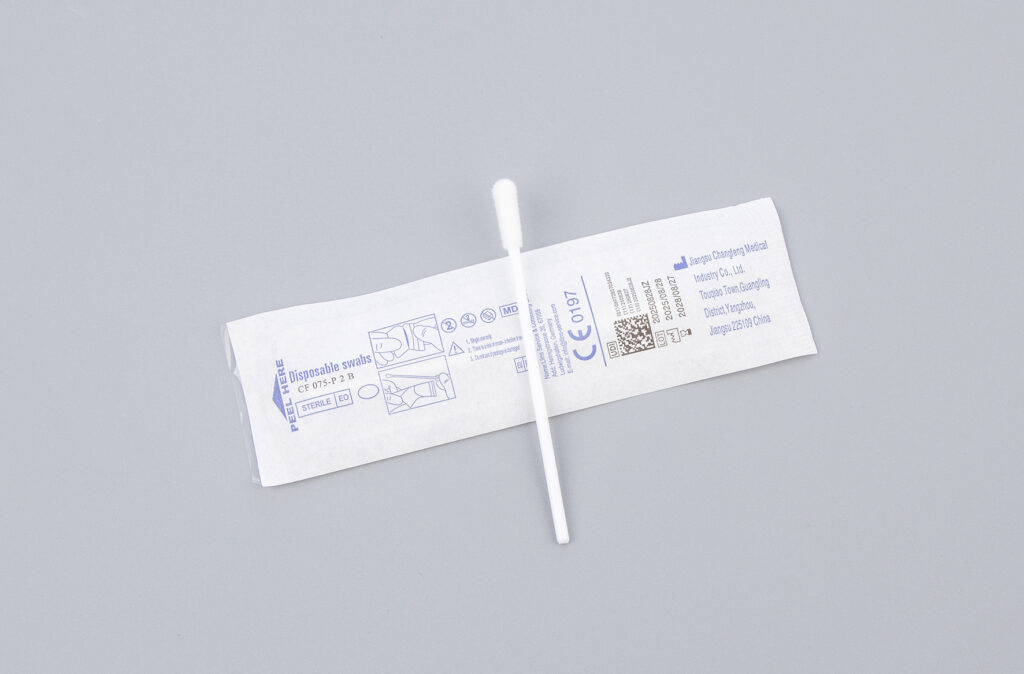
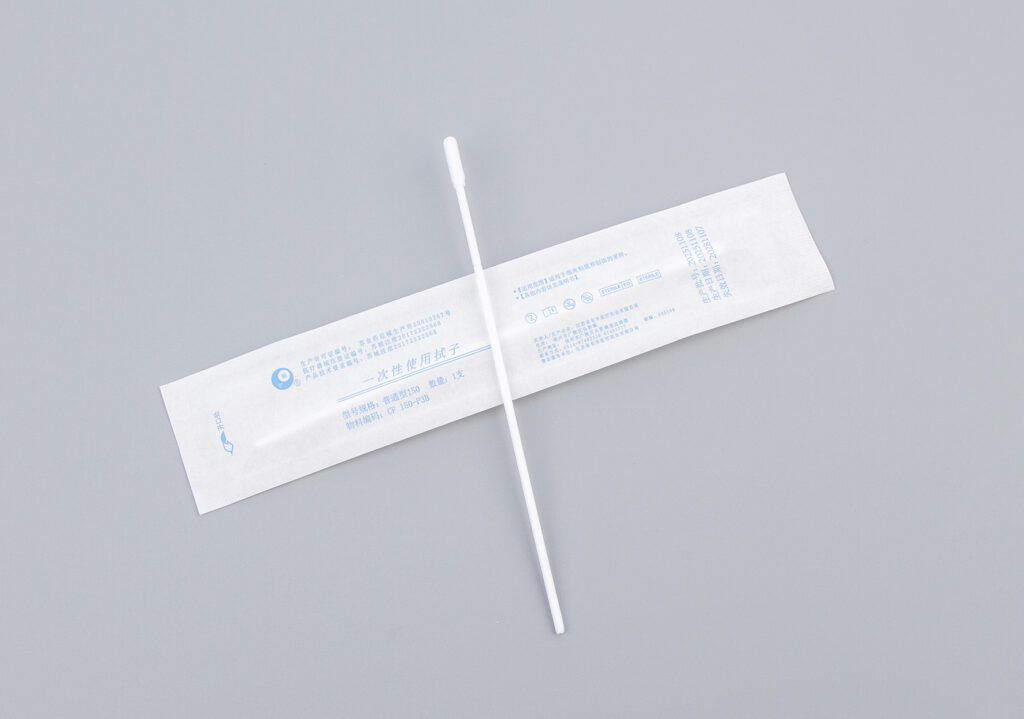
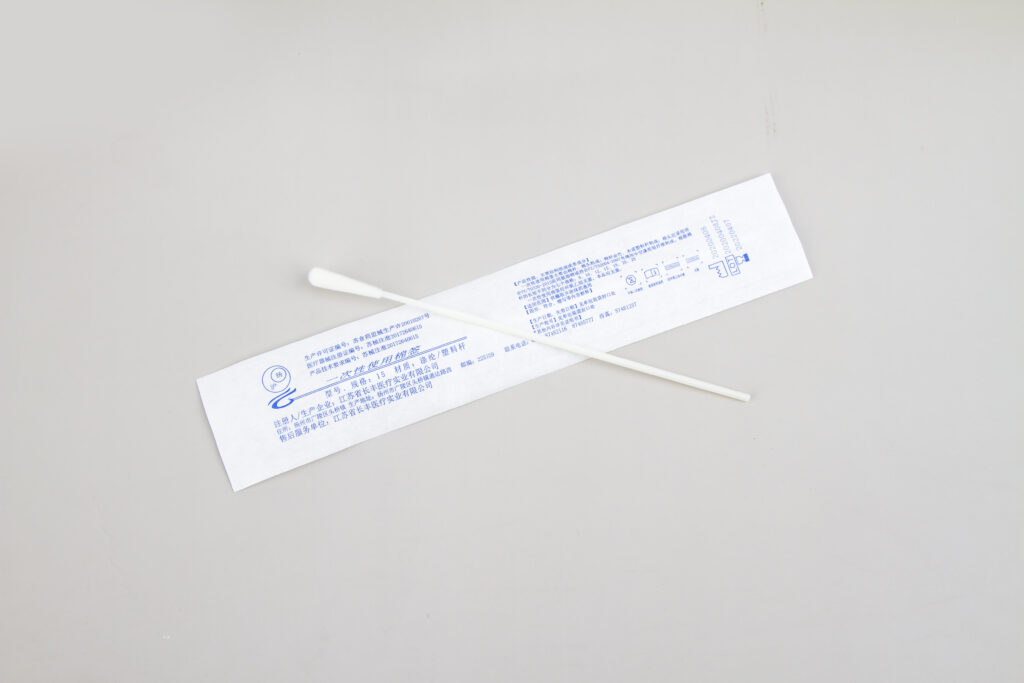
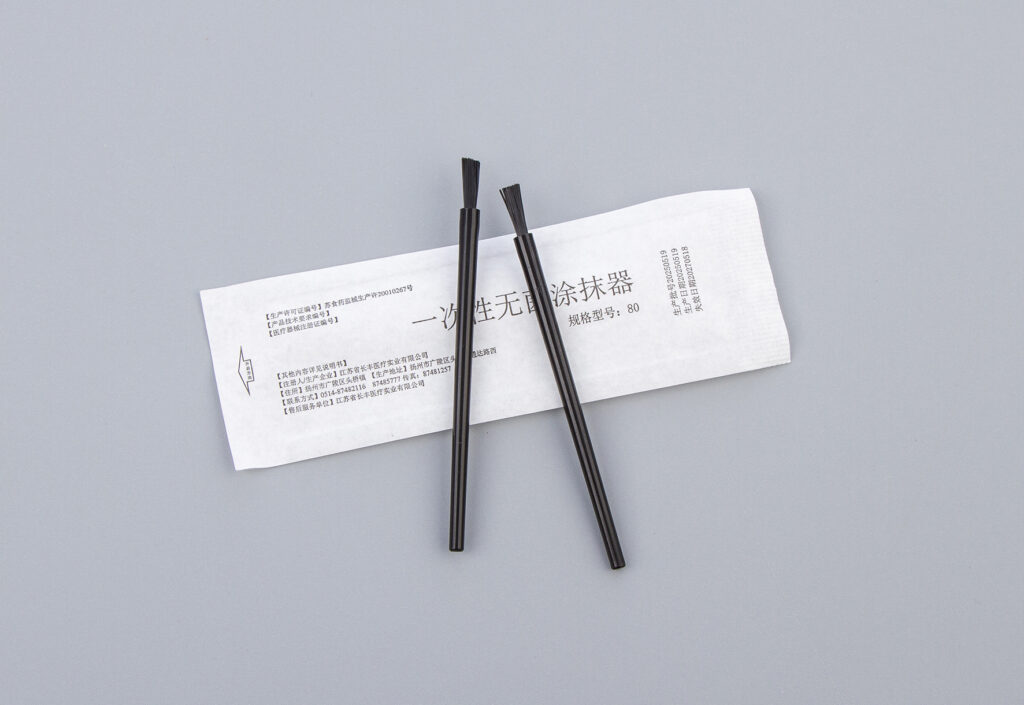
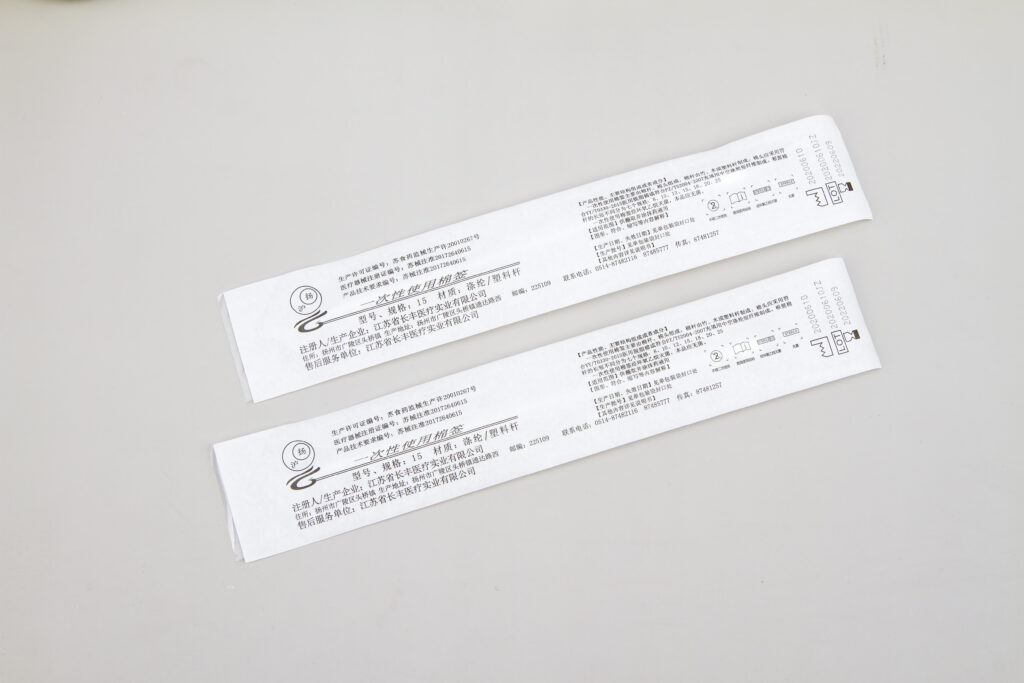
Clear individual packaging, labels, lot number position, expiration date area, and instruction sheets can help organize training sessions and reduce confusion.
Tube and Kit Fit
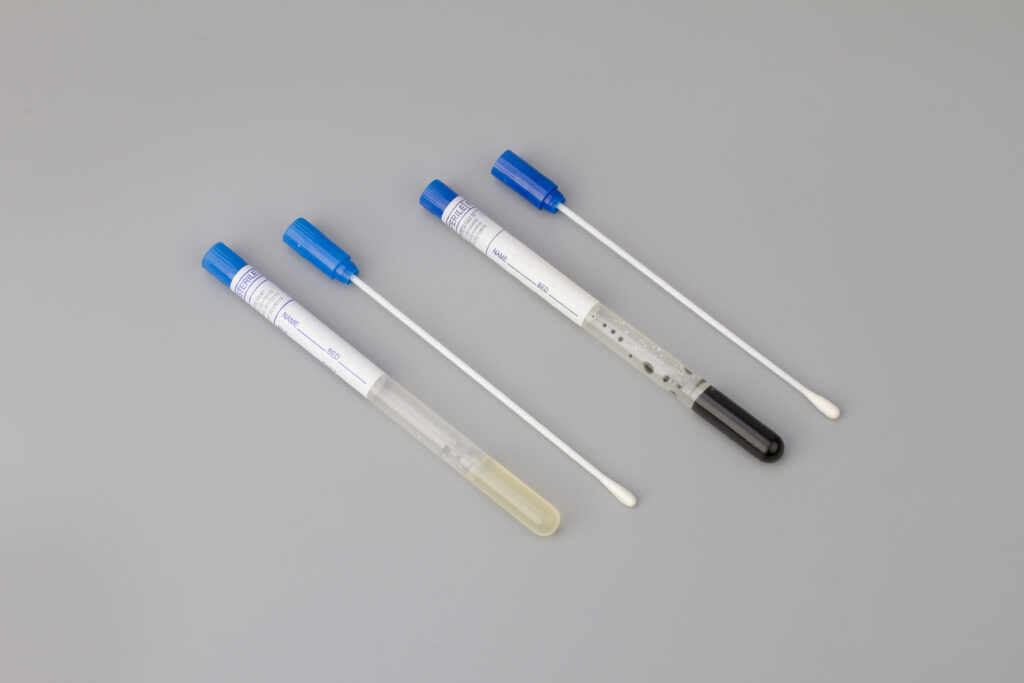
If the training includes placing a swab into a tube, the swab length, breakpoint, cap closing space, and tube label should be tested together.
Typical Application Scenarios
Training swabs may be used by laboratories, distributors, diagnostic kit companies, medical training centers, hospitals, and field sampling teams. The best choice depends on whether the program teaches product recognition, collection workflow, kit assembly, or handling procedures.
What Buyers Should Confirm Before Ordering
Buyers should confirm the intended use, swab type, tip material, shaft design, breakpoint requirement, sterile status, packaging format, labeling, tube compatibility, shelf life, storage conditions, sample availability, MOQ, lead time, carton packing, and supplier documentation.
Common Mistakes
A common mistake is buying low-cost swabs that do not match the final commercial product. Another mistake is ignoring packaging and labels even though trainees may need to learn how to identify products, tubes, and kit components.
Conclusion
To choose swabs for sample collection training programs, buyers should evaluate the training scenario, swab type, material, shaft design, packaging, labels, tube fit, samples, and documents.
Changfeng Medical supplies sampling swabs for diagnostic, clinical, laboratory, and B2B distribution applications, including nasal swabs, large-headed flocked swabs, polyester fiber swabs with sheath, media-coated swabs, and double-tip throat swabs. Contact us to discuss product specifications, packaging options, and bulk supply solutions for your market.
FAQ
Do training swabs need to be sterile?
It depends on the program. Buyers should confirm sterile or non-sterile status and make sure packaging is clearly identified.
What swabs can be used for training?
Common options include nasal swabs, throat swabs, flocked swabs, polyester swabs, dry swabs, transport swabs, and complete collection kits.
Why is tube fit important?
Tube fit helps trainees understand how the swab, breakpoint, cap, and kit workflow work together.
What should buyers check before ordering?
Buyers should check swab type, material, shaft design, packaging, labels, samples, shelf life, and documentation.