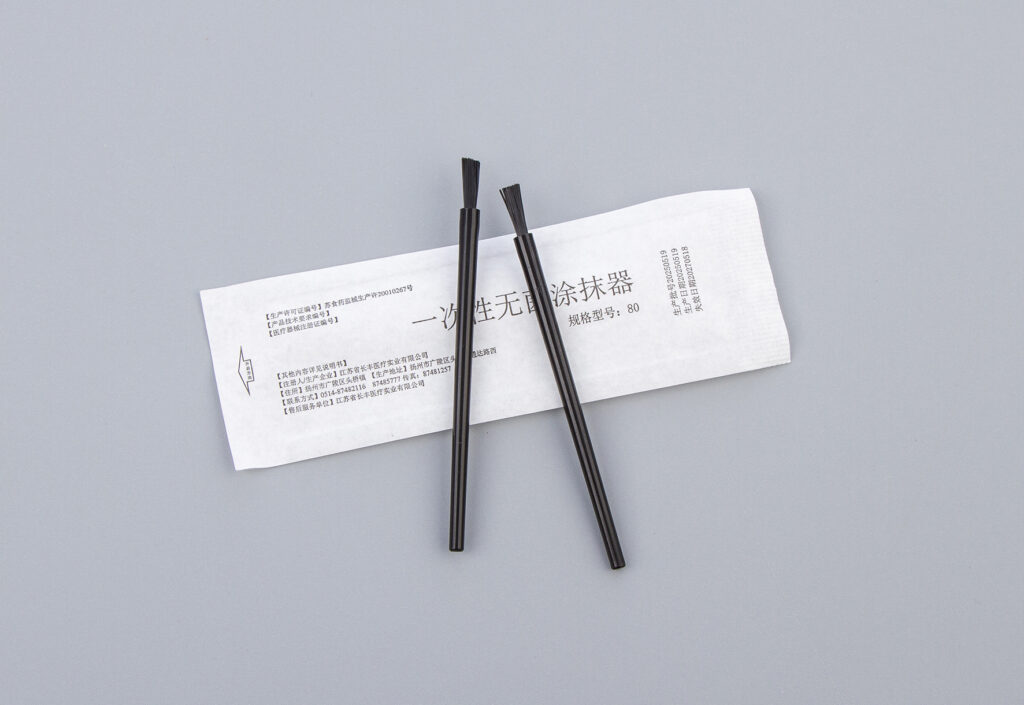
What Sterilization Information Should Buyers Check for Sterile Swabs?

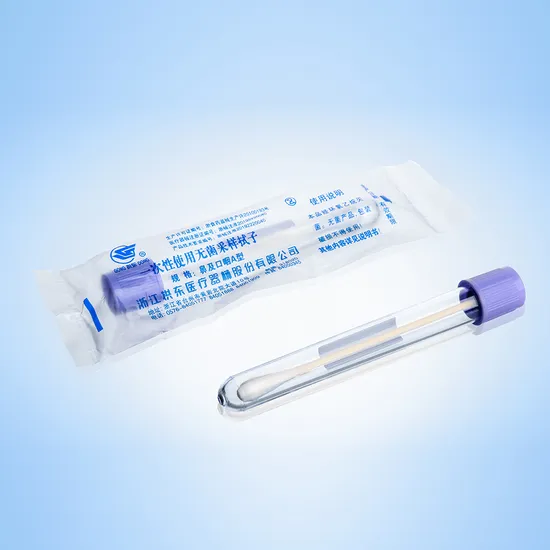
Sterilization information is important when buyers source sterile swabs for medical, diagnostic, and laboratory workflows. It helps buyers confirm sterile status, packaging design, shelf life, traceability, and documentation before bulk procurement.
For distributors, laboratories, diagnostic companies, and procurement teams, sterile status should never be assumed from product appearance. A protective pouch or sheath does not automatically mean the swab is sterile.
What Does Sterile Status Mean?
Sterile status means the product has been supplied as sterile according to the supplier stated process and packaging system. Buyers should confirm the sterile status directly with the supplier.
The product label, specification sheet, pouch, carton, or documentation should clearly state whether the swab is sterile or non-sterile.
Why Sterilization Information Matters
Sterilization information supports purchasing decisions, customer approval, inventory control, and quality communication. It also helps buyers compare quotations from different suppliers.
Check the Sterilization Method
Buyers should ask what sterilization method is used for the sterile swab. The method may affect packaging material, shelf life, labeling, and customer documentation requirements.
The exact method should be confirmed by the supplier instead of guessed from product type.
Check Sterile Packaging
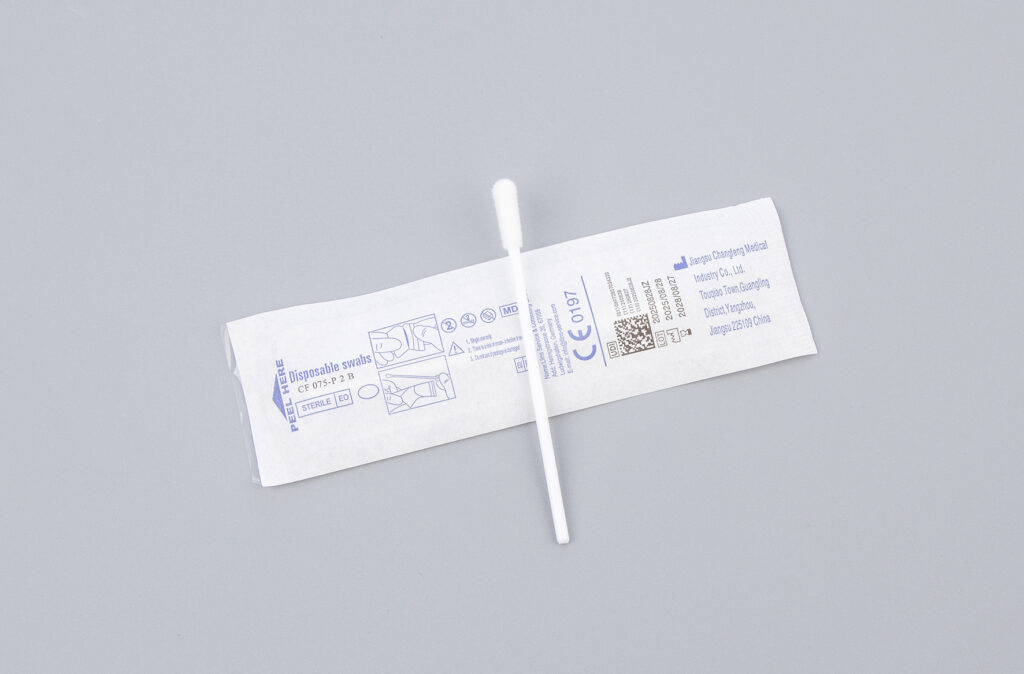
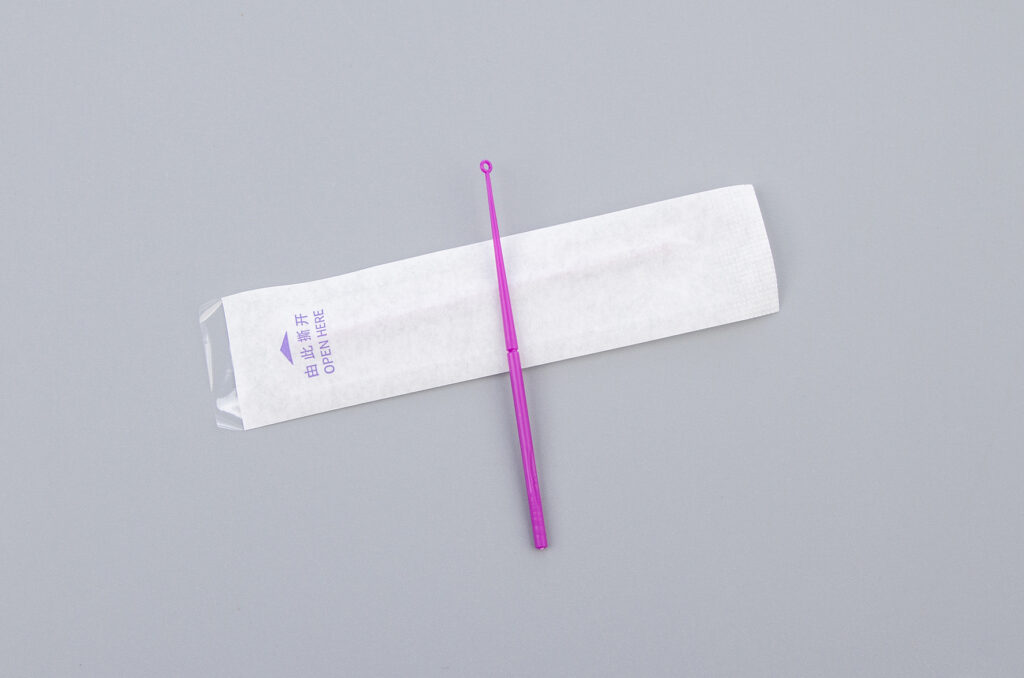
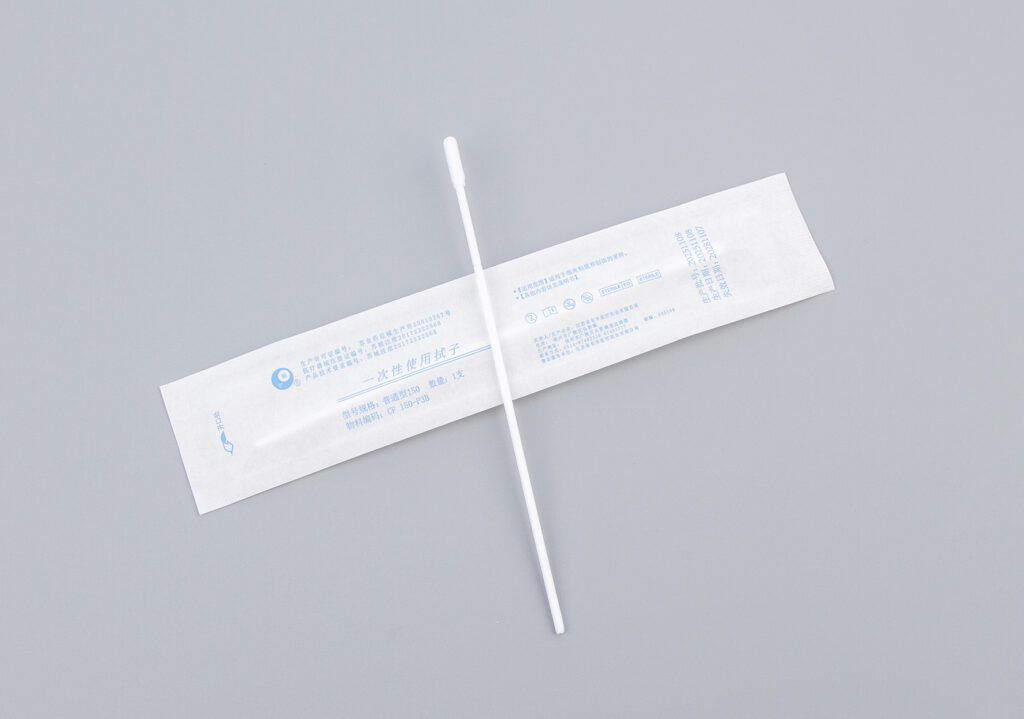
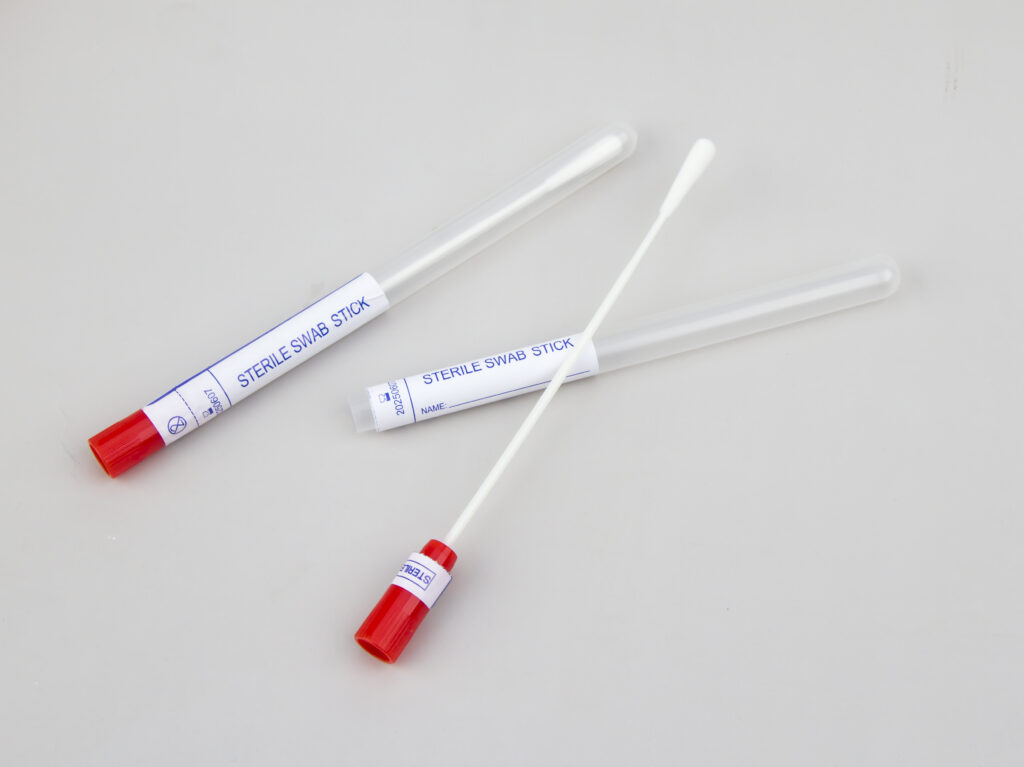
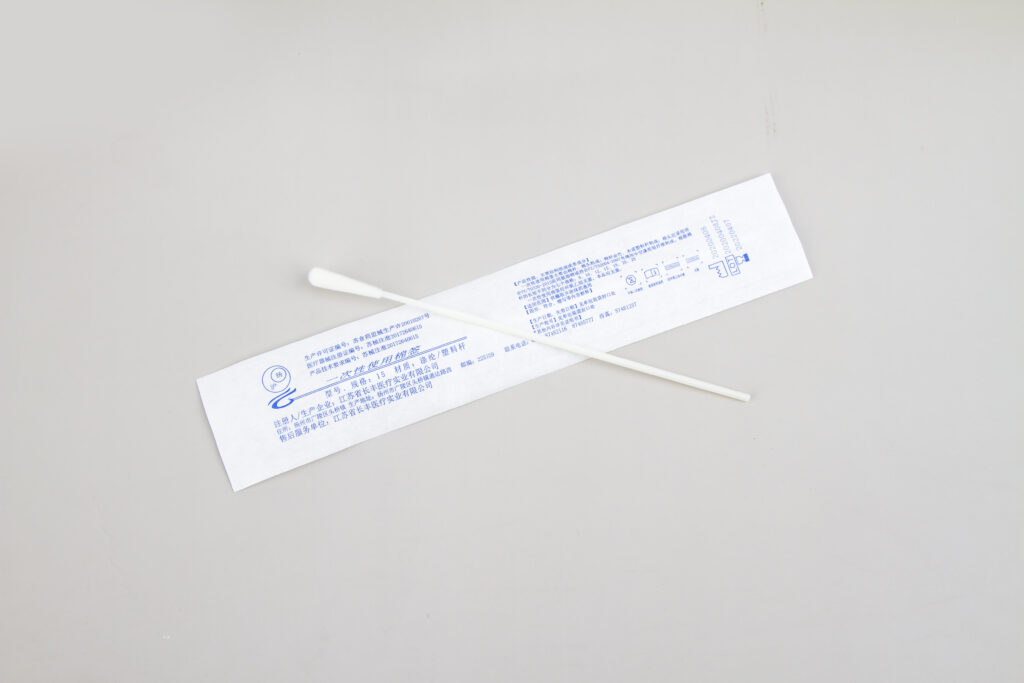
Sterile packaging helps protect the swab before use. Buyers should check pouch material, seal strength, opening method, printing clarity, and whether the pouch is appropriate for the stated sterile product.
Damaged or weak packaging may create customer complaints, especially for individually packaged sterile swabs.
Check Lot Number and Expiration Date
Lot number and expiration date are important for traceability and shelf life management. Buyers should confirm where these details are printed and whether the format meets customer requirements.
Check Shelf Life
Sterile swabs usually have a shelf life under recommended storage conditions. Buyers should confirm total shelf life and remaining shelf life before shipment.
For long distribution chains, remaining shelf life is especially important because products may spend time in shipping, customs clearance, warehousing, and final customer distribution.
Check Storage Conditions
Storage conditions should be clearly stated where required. Buyers should confirm whether products need to be stored in a clean, dry area or under other supplier-recommended conditions.
Check Labeling Information
Useful label information may include product name, sterile status, sterilization method if required, lot number, expiration date, storage conditions, quantity, manufacturer information, and symbols required by the target market.
Check Documentation Support
Depending on the customer and market, buyers may ask for product specification sheets, sterilization information, certificates, packing information, invoice, packing list, and other export documents.
Documentation needs should be confirmed before order confirmation, not after the goods are ready to ship.
Sterile Swabs in Collection Kits
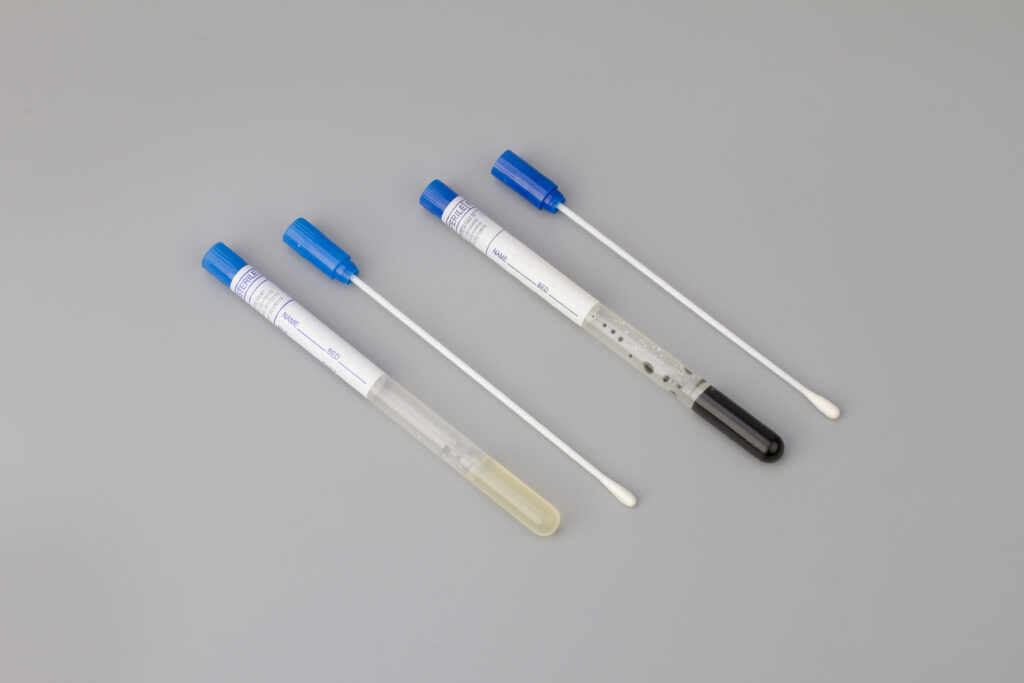
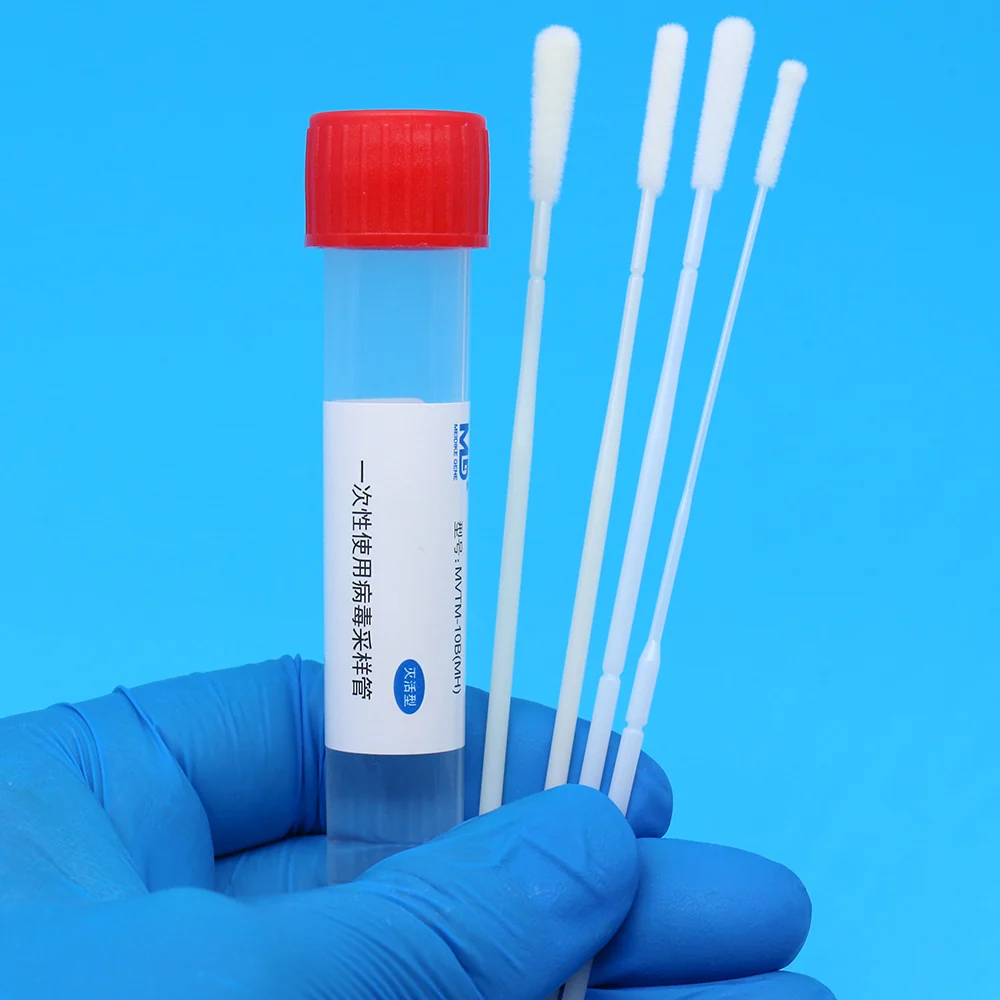
When sterile swabs are assembled into collection kits, buyers should confirm whether the swab, tube, medium, pouch, or final kit is controlled separately or together.
Traceability can become more complex when multiple components are assembled into one kit.
What Buyers Should Ask Suppliers
Buyers can ask whether the swab is sterile, which sterilization method is used, what packaging format is supplied, where lot number and expiration date are printed, what shelf life is available, what storage conditions apply, and what documents can be provided.
Common Mistakes
One common mistake is assuming that individual packaging means sterile packaging. Another mistake is approving artwork without checking sterile status, lot number, expiration date, and storage information.
Buyers should also avoid comparing prices without confirming whether each supplier is quoting the same sterile status and packaging format.
Conclusion
Sterilization information helps buyers confirm sterile status, packaging suitability, shelf life, traceability, labeling, and documentation for sterile swabs. It should be checked before samples are approved and before bulk orders are placed.
Changfeng Medical supplies sampling swabs for diagnostic, clinical, and laboratory applications, including nasal swabs, large-headed flocked swabs, polyester fiber swabs with sheath, media-coated swabs, and double-tip throat swabs. Contact us to discuss sterile swab packaging, sterilization information, and bulk supply solutions for your market.
FAQ
Does individual packaging mean a swab is sterile?
No. Individual packaging does not automatically mean sterile. Buyers should confirm sterile status with the supplier.
What sterilization information should buyers check?
Buyers should check sterile status, sterilization method, packaging format, lot number, expiration date, shelf life, storage conditions, and documents.
Why is shelf life important for sterile swabs?
Shelf life helps buyers manage inventory, distribution, and customer requirements before product expiration.