How to Choose a Throat Swab for Diagnostic and Laboratory Use?

Choosing a throat swab for diagnostic and laboratory use requires checking collection site requirements, tip material, shaft length, shaft stability, sterile packaging, tube compatibility, and customer workflow. A throat swab may look simple, but small design differences can affect handling and buyer acceptance.
For medical buyers, laboratories, distributors, and procurement teams, the right throat swab should match the intended oropharyngeal collection workflow, packaging requirement, and supply chain needs.
What Is a Throat Swab?
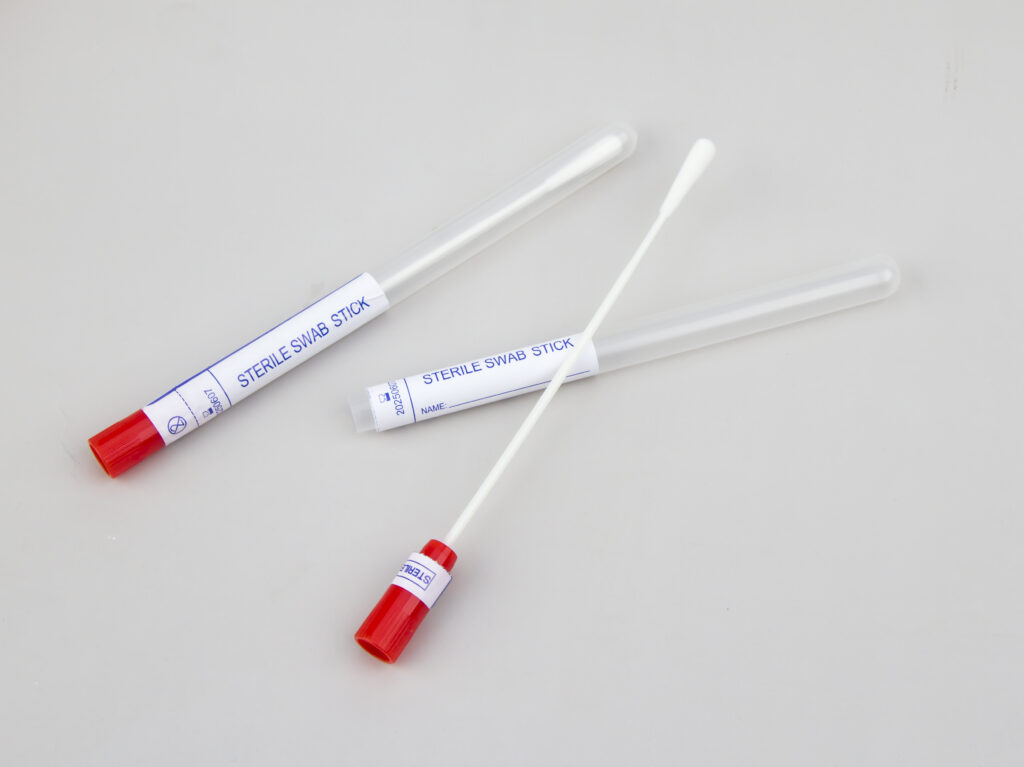
A throat swab is a specimen collection swab designed for throat-related collection workflows. It usually needs enough shaft length for stable handling and a suitable tip structure for the intended application.
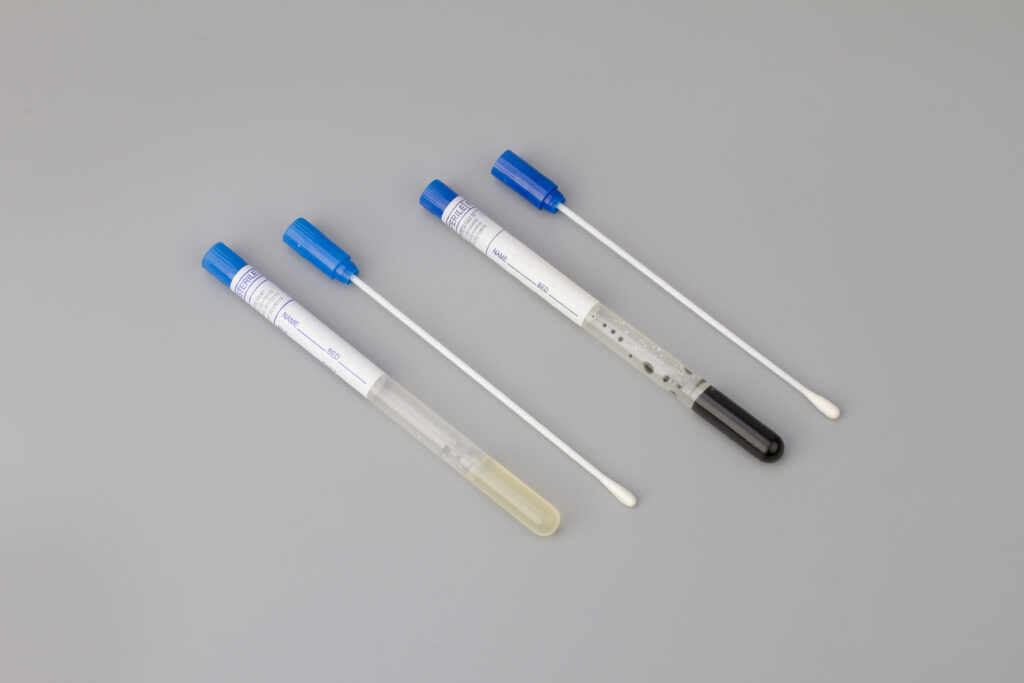
Throat swabs may be supplied as sterile dry swabs, swabs used with tubes, or as part of collection kits depending on customer requirements.
Start with the Intended Application
Before choosing a throat swab, buyers should confirm whether the product will be used for diagnostic kits, laboratory sampling, clinical collection, microbiology workflows, or general medical supply distribution.
Check Tip Material
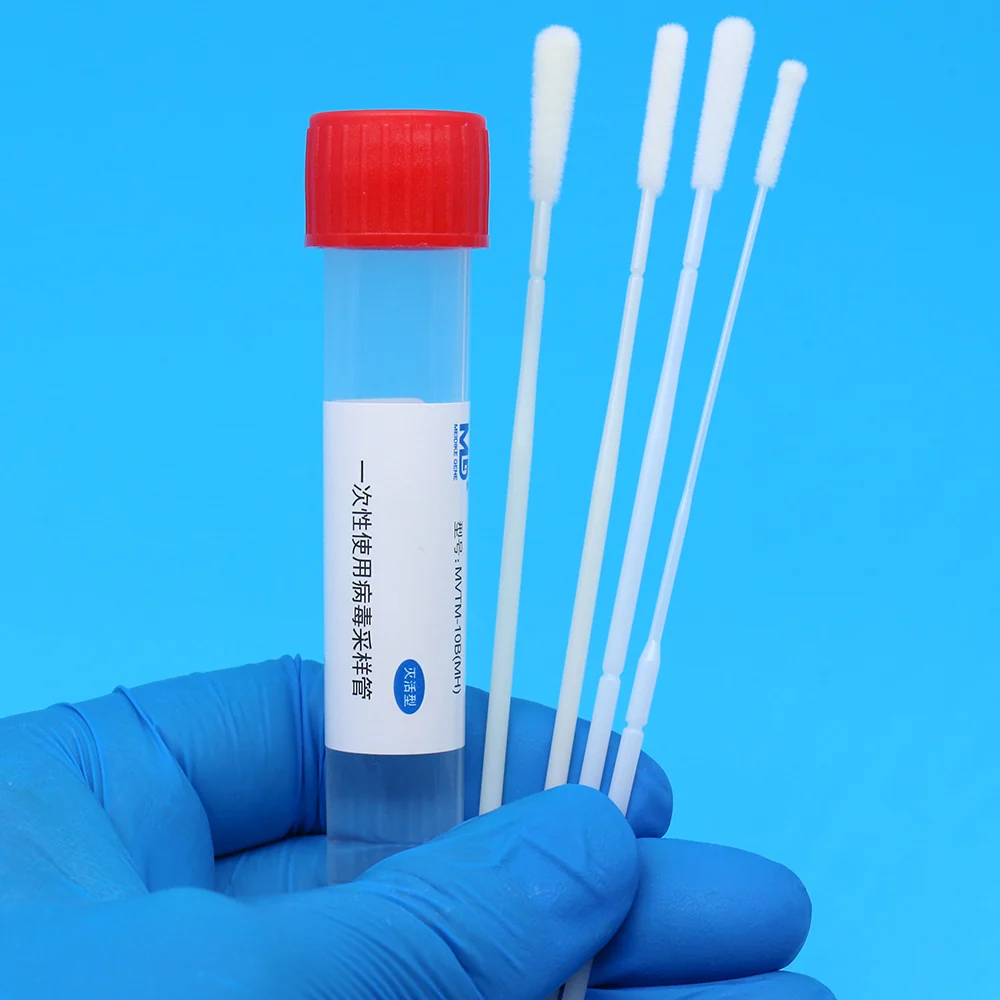
Tip material affects specimen collection, absorption, sample release, and compatibility with the workflow. Common options include polyester fiber, nylon flocked fiber, rayon, foam, cotton, and other materials.
For diagnostic and laboratory applications, buyers should confirm whether synthetic fiber material is required by the customer or test protocol.
Check Tip Size and Shape
A throat swab tip should match the collection site and handling method. Buyers should review actual samples because tip shape, softness, and fiber consistency may differ between suppliers.
Single-Tip vs. Double-Tip Throat Swab
A single-tip throat swab has one sampling tip. A double-tip throat swab has two tips and may be selected when the customer requires a specific dual-tip design.
The choice depends on the collection workflow, test method, customer preference, and packaging requirement.
Check Shaft Length and Stability
Throat swabs usually need stable handling and enough shaft length. If the shaft is too short, collection may be inconvenient. If it is too flexible, users may feel less control during handling.
Buyers should check shaft material, total length, diameter, flexibility, and whether the shaft design matches the intended use.
Check Breakpoint Requirement
Some throat swabs are used with tubes and may need a breakpoint. The breakpoint should match tube length, cap closing space, and medium volume if transport medium is included.
If no tube is used, a breakpoint may not be necessary. Buyers should confirm the full workflow before choosing.
Dry Swab or Transport Swab?
A dry throat swab is supplied without transport medium. It may be suitable for workflows where the sample is processed quickly or placed into a separate system.
A transport throat swab may include a tube and medium for specimen handling before testing. Buyers should confirm whether the customer needs a dry format or transport format.
Sterile Packaging Matters
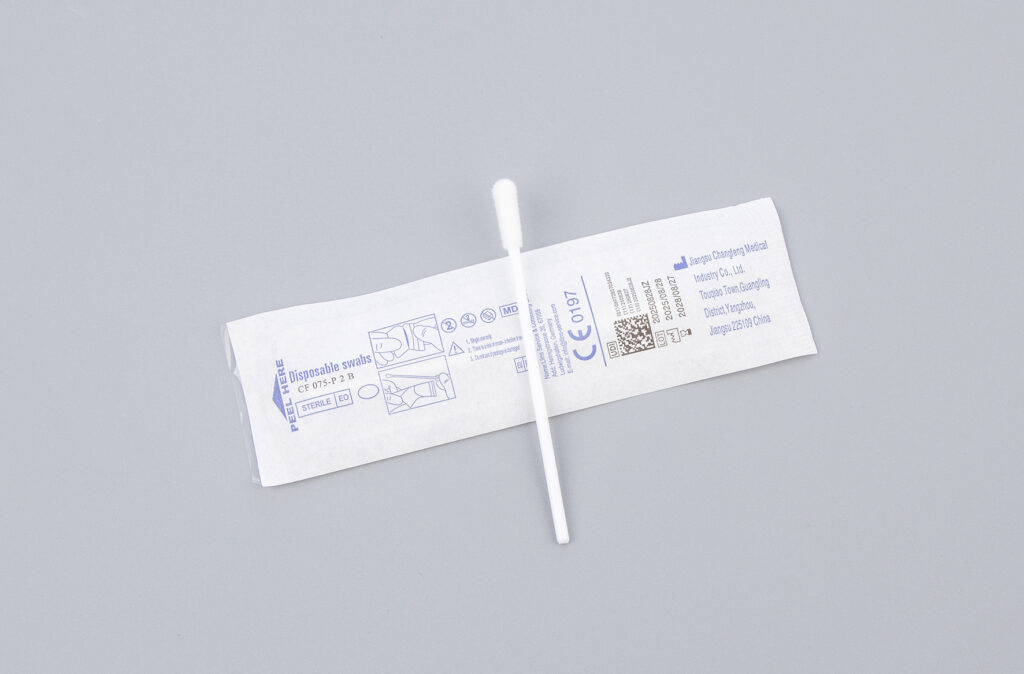
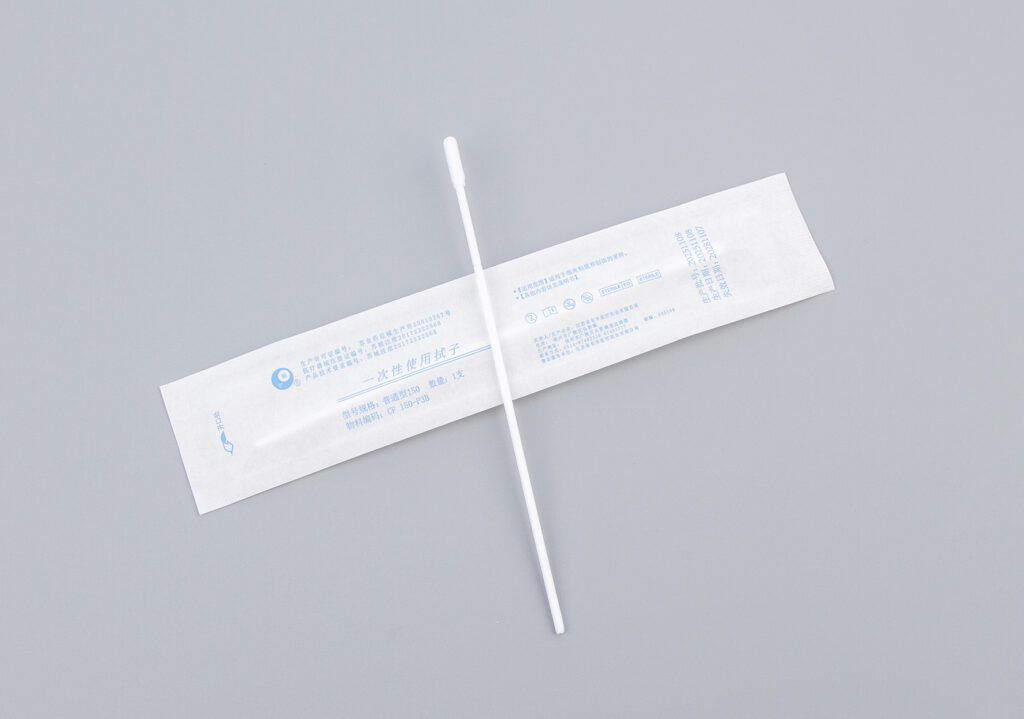
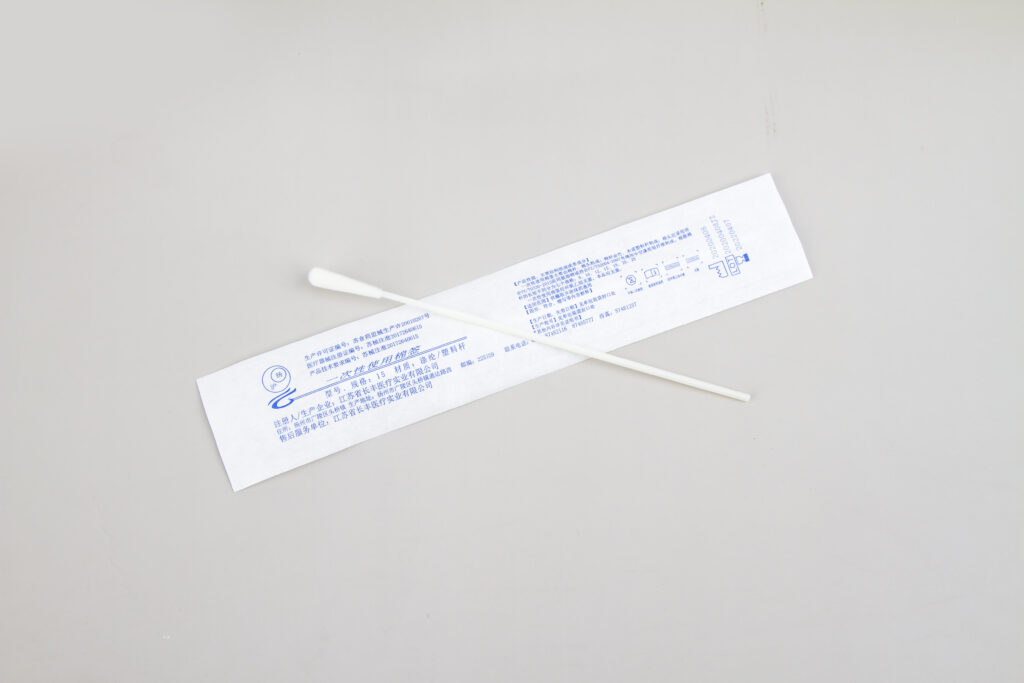
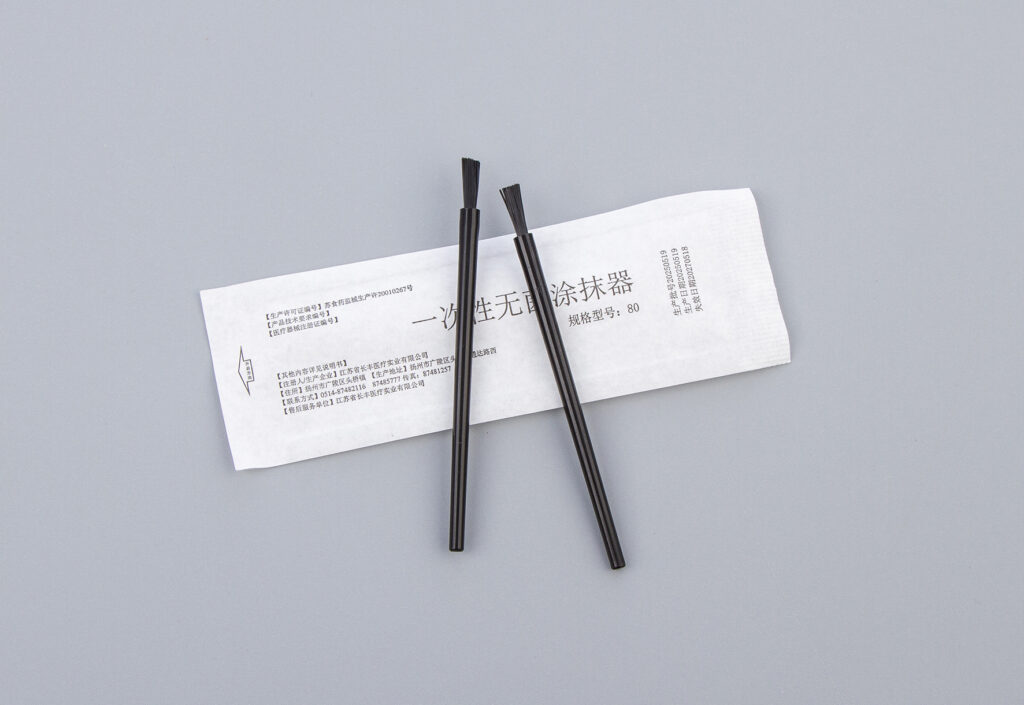
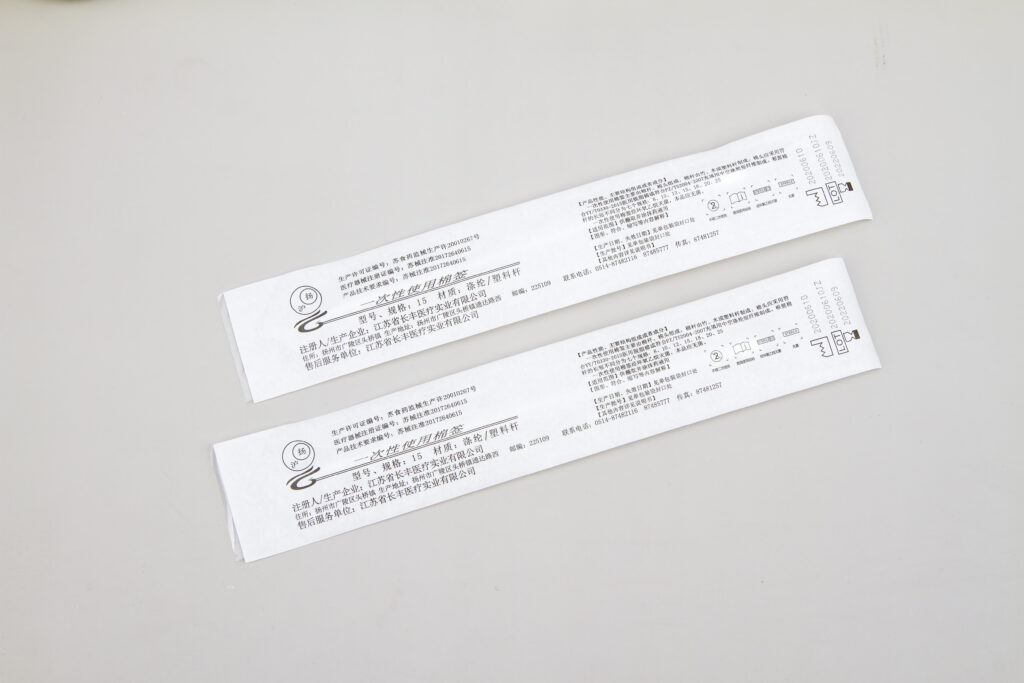
Medical and diagnostic throat swabs are often supplied sterile and individually packaged. Packaging should protect the swab before use and provide clear product information.
Buyers should check pouch material, seal strength, sterile status, lot number, expiration date, shelf life, storage conditions, and carton protection.
Tube and Kit Compatibility
If the throat swab is used in a tube or diagnostic kit, buyers should check tube fit, breakpoint position, cap closing space, pouch size, box layout, and instruction sheet requirements.
What Buyers Should Check Before Ordering
Before ordering throat swabs, buyers should check tip material, tip size, shaft length, shaft stability, breakpoint, sterile status, packaging format, tube compatibility, shelf life, storage conditions, label requirements, sample availability, MOQ, lead time, and documentation.
Common Mistakes
One common mistake is treating all throat swabs as the same. Different suppliers may provide different tip materials, shaft lengths, packaging formats, and sterile options.
Another mistake is approving the swab without testing the final tube or kit workflow.
Conclusion
To choose a throat swab for diagnostic and laboratory use, buyers should evaluate tip material, shaft length, stability, sterile packaging, breakpoint, tube compatibility, shelf life, and supplier documentation.
Changfeng Medical supplies sampling swabs for diagnostic, clinical, and laboratory applications, including double-tip throat swabs, nasal swabs, large-headed flocked swabs, polyester fiber swabs with sheath, and media-coated swabs. Contact us to discuss throat swab specifications, packaging options, and bulk supply solutions for your market.
FAQ
What is a throat swab used for?
A throat swab is used for throat or oropharyngeal specimen collection workflows depending on the customer protocol.
What is a double-tip throat swab?
It is a throat swab with two sampling tips, selected when the customer requires a dual-tip product design.
Do throat swabs need to be sterile?
Many medical and diagnostic workflows require or prefer sterile individually packaged throat swabs.