Double-Tip Throat Swabs for Oropharyngeal Specimen Collection: What Buyers Should Know

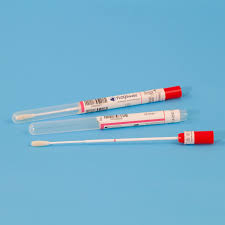
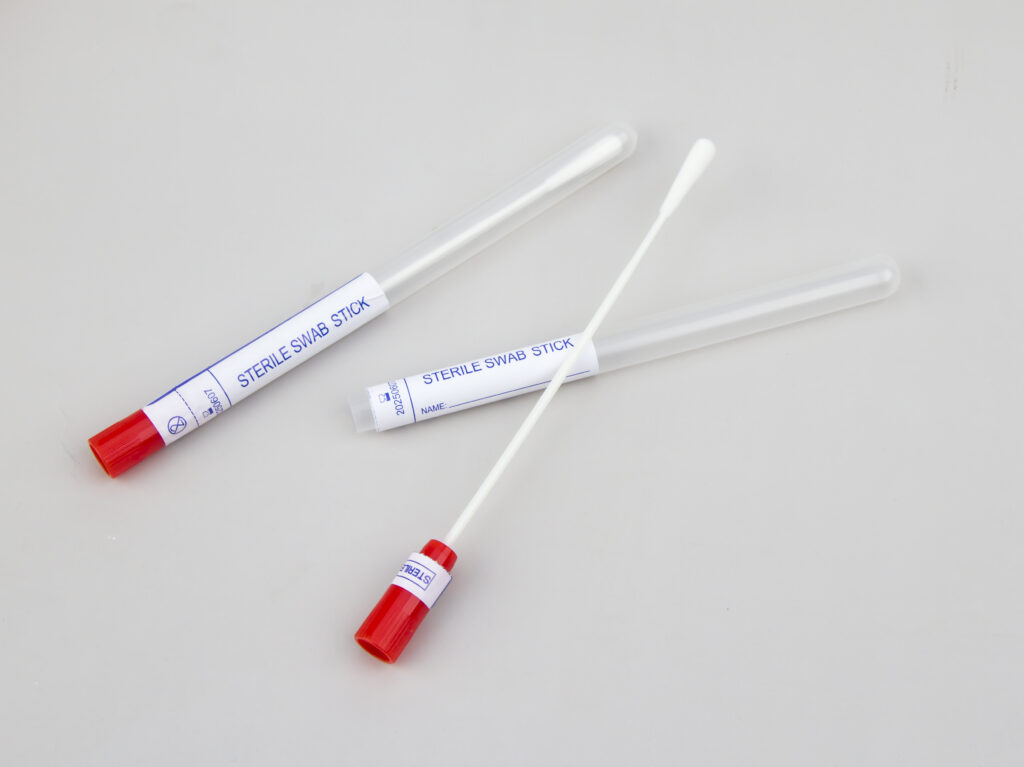
Throat swabs are widely used in oropharyngeal specimen collection, respiratory sampling workflows, microbiology applications, and routine clinical testing. For medical distributors and laboratory consumable buyers, the design of the throat swab can affect collection convenience, user handling, packaging preference, and compatibility with transport systems.
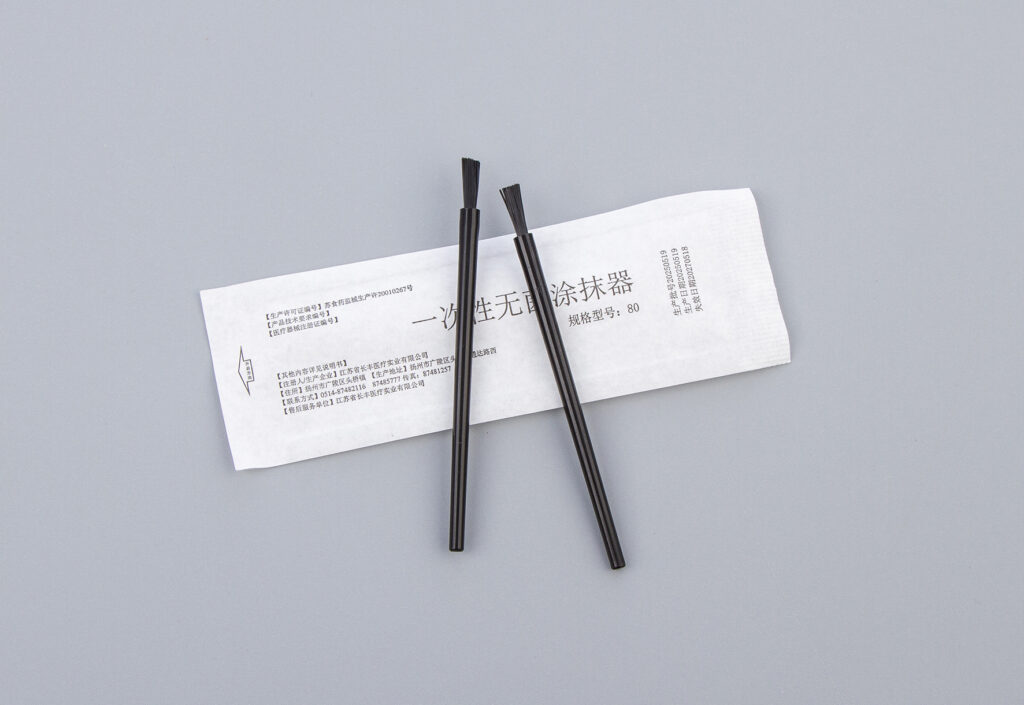
A double-tip throat swab is a specialized swab design with two sampling tips. Compared with a single-tip swab, this design may provide a broader sampling structure or support specific collection workflows where a dual-tip format is preferred by the end user.
This article explains what double-tip throat swabs are, how they differ from standard throat swabs, and what buyers should consider before placing bulk orders.
What Is a Double-Tip Throat Swab?
A double-tip throat swab is a medical sampling swab designed for throat or oropharyngeal specimen collection. It has two tips instead of one, which can provide a different collection structure from conventional single-tip swabs.
The exact design may vary by manufacturer. Some double-tip throat swabs are designed to increase the contact area during collection, while others are designed to support specific sampling preferences in clinical or laboratory workflows.
Like other medical sampling swabs, a double-tip throat swab should be selected according to the intended application, collection protocol, swab material, shaft design, packaging, sterility, and downstream testing requirements.
Why Throat Swab Design Matters
Oropharyngeal specimen collection requires controlled handling. The operator must reach the target area while avoiding unnecessary contact with the tongue, teeth, cheeks, or other non-target areas. A suitable throat swab should therefore provide practical shaft length, stable handling, and a tip design that matches the collection method.
For buyers, throat swab design matters because the product will be used by healthcare workers in real clinical environments. If the shaft is too short, too flexible, too rigid, or poorly packaged, it can affect user experience. If the tip material is not suitable for the downstream test, the product may not fit the customer’s workflow.
When purchasing throat swabs, buyers should look at the full product design, not only the swab name.
Key Features of Double-Tip Throat Swabs
1. Dual-Tip Sampling Structure
The main feature of a double-tip throat swab is its two-tip structure. This design may provide a broader contact area or support collection workflows where users prefer a dual-tip format.
For distributors, this can be a useful product option when customers ask for throat swabs that are different from standard single-tip designs.
2. Suitable Tip Material
The swab tip material should match the intended collection site and testing workflow. Common medical swab materials may include synthetic fibers such as polyester or flocked fiber, depending on the design.
Buyers should confirm the tip material with the supplier and check whether it is compatible with the intended test, transport medium, and laboratory instructions.
3. Practical Shaft Length
Throat sampling usually requires enough shaft length for controlled access to the oropharyngeal area. A short shaft may be inconvenient, while an excessively long or unstable shaft may reduce handling control.
Buyers should confirm total length, handle length, shaft diameter, and whether the design is comfortable for routine clinical use.
4. Stable Shaft Flexibility
The shaft should be firm enough for controlled operation but not so rigid that it becomes difficult to use. For throat swabs, stability and control are often more important than extreme flexibility.
If the swab is designed to be placed into a transport tube, buyers should also confirm whether a breakpoint is required and whether the breakpoint matches the tube size.
5. Sterile Individual Packaging
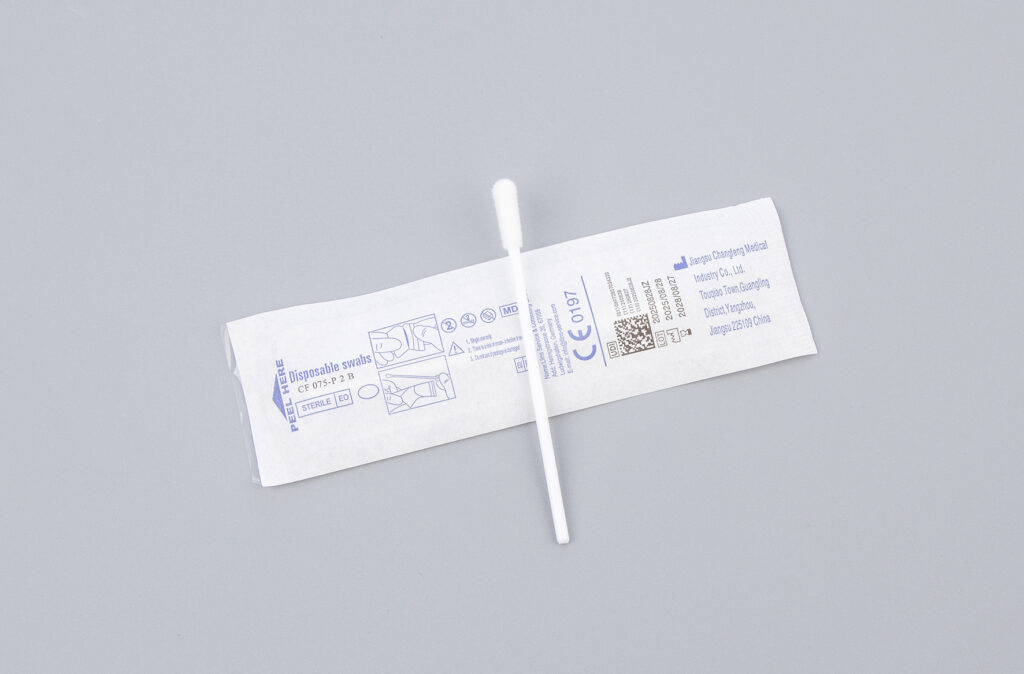
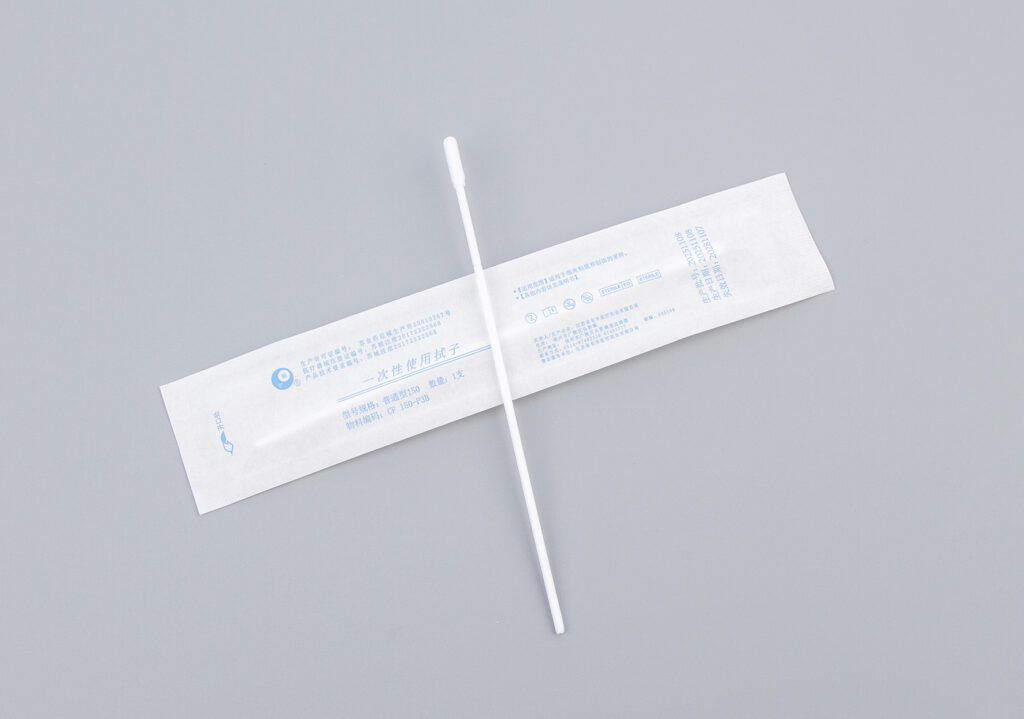
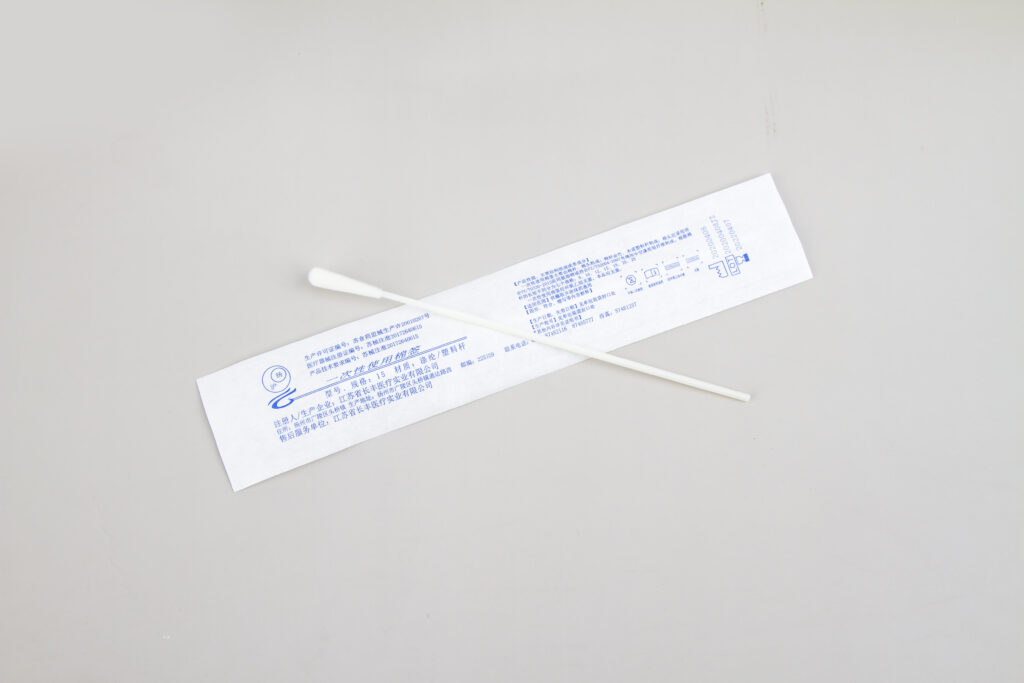
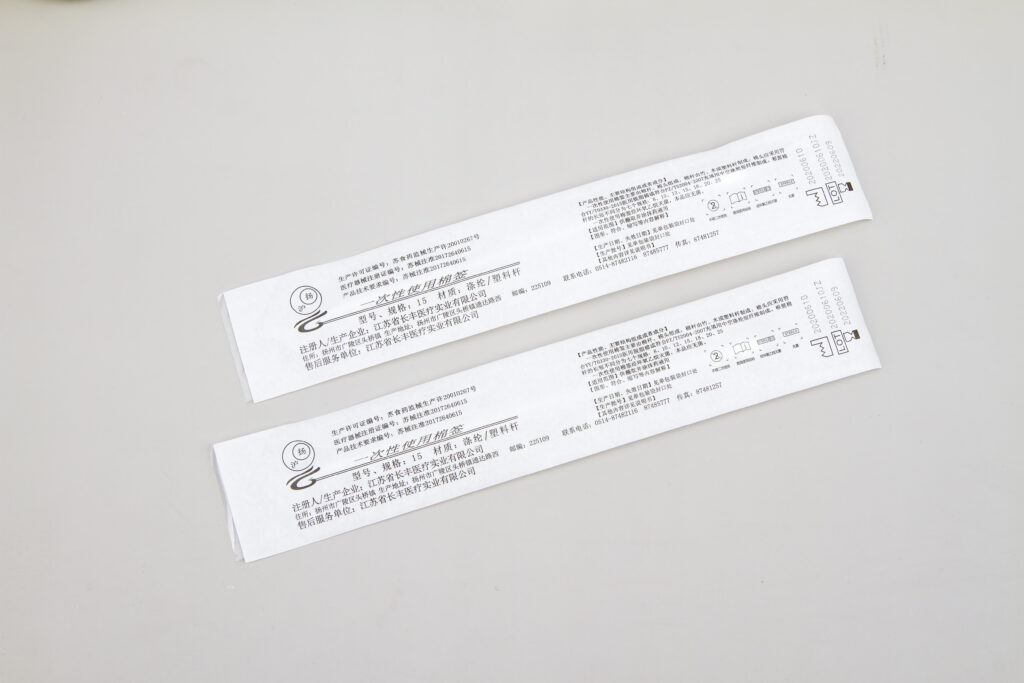
For medical and clinical applications, sterile individual packaging is usually preferred. Packaging should protect the swab before use, be easy to open, and provide clear labeling for product identification.
For export buyers, packaging also affects storage, shipping, carton strength, private label options, and distributor inventory management.
Double-Tip Throat Swab vs. Standard Throat Swab
Both double-tip throat swabs and standard throat swabs can be used for throat specimen collection when the design is suitable for the intended workflow. The difference is mainly in the sampling structure.
Standard Throat Swab
A standard throat swab usually has one sampling tip. It is simple, familiar to users, and suitable for many routine applications. Standard throat swabs may be preferred when customers want a conventional design or cost-effective bulk supply.
Double-Tip Throat Swab
A double-tip throat swab has two sampling tips. This may provide a broader collection structure and may be preferred by customers who want a different sampling format for specific workflows.
The best option depends on the end user’s collection method, testing requirement, budget, and purchasing preference. Buyers should request samples and confirm suitability before bulk procurement.
Throat Swab vs. Nasal Swab: Different Collection Sites, Different Designs
Throat swabs and nasal swabs are both used in upper respiratory specimen collection, but they are not interchangeable in every workflow. A nasal swab is designed for nasal cavity collection and usually emphasizes tip softness, small tip size, and shaft flexibility. A throat swab is designed for oropharyngeal collection and usually requires controlled handling, suitable shaft length, and a tip design appropriate for throat sampling.
For medical distributors, offering both nasal swabs and throat swabs can help serve customers with different collection needs. Some customers may require throat swabs, nasal swabs, or both depending on local protocols and laboratory requirements.
Dry Throat Swab vs. Throat Swab with Transport Medium
Throat swabs may be supplied as dry sterile swabs or used with transport tubes and media. The right choice depends on the intended test and sample handling process.
Dry Throat Swab
A dry throat swab may be suitable when the sample is processed quickly, when the testing method requires a dry format, or when the customer uses a separate transport system.
Throat Swab with Transport Medium
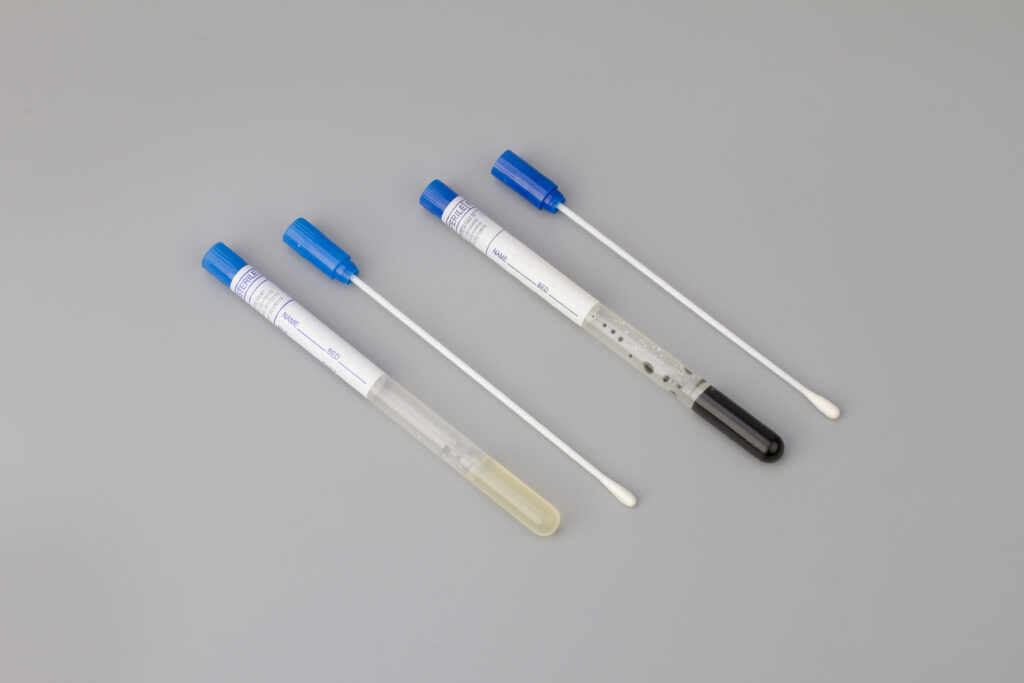
A throat swab used with transport medium may be preferred when the sample needs to be transported before testing. Buyers should confirm medium type, tube size, swab fit, shaft breakpoint, shelf life, and storage requirements.
For respiratory specimen workflows, buyers should follow the instructions of the testing laboratory or local clinical protocol when selecting swab and transport medium combinations.
What Buyers Should Check Before Ordering Double-Tip Throat Swabs
Before placing a bulk order, buyers should confirm product specifications in detail. A double-tip design may look simple, but small differences in material, size, and packaging can affect customer acceptance.
1. Intended Application
Confirm whether the swab is intended for clinical throat sampling, laboratory specimen collection, microbiology workflows, screening programs, or general medical use.
2. Tip Material
Check whether the swab tip uses polyester fiber, flocked fiber, or another synthetic material. Material selection should match the intended sampling workflow and downstream testing method.
3. Tip Size and Shape
The two tips should be consistent in shape and securely attached. Buyers should check whether the tip size is suitable for throat collection and whether the structure is practical for end users.
4. Shaft Material and Length
Confirm the shaft material, total length, handle design, and rigidity. For throat sampling, the shaft should provide enough reach and stable control.
5. Breakpoint Requirement
If the swab will be placed into a tube after collection, a breakpoint may be required. Buyers should confirm breakpoint position and tube compatibility before ordering.
6. Sterility
For medical use, sterile packaging is often required. Buyers should confirm sterilization method, sterile barrier quality, shelf life, batch number, and expiration labeling.
7. Packaging Format
Packaging should be easy to open, clearly labeled, and suitable for storage and distribution. Export buyers should also confirm inner box quantity, carton quantity, carton dimensions, and private label options.
8. Documentation
International buyers may need product specifications, packing information, certificates, and other export-related documents. A reliable supplier should provide clear documentation support.
Packaging Considerations for Export and Distribution
Packaging is important for both product protection and market presentation. For double-tip throat swabs, packaging should keep the swab protected until use and prevent unnecessary contamination during handling.
Buyers should check individual pouch quality, sealing strength, printed information, lot number display, expiration date, carton strength, labeling format, and whether private label packaging is available.
For distributors, well-organized packaging makes the product easier to store, quote, ship, and resell.
Supplier Selection for Bulk Throat Swab Procurement
For bulk procurement, supplier consistency is critical. Buyers need stable swab dimensions, reliable packaging, clear communication, and repeatable production quality.
Important supplier evaluation points include:
- Consistent double-tip structure
- Stable tip material and attachment quality
- Reliable shaft dimensions
- Sterile individual packaging options
- Batch traceability
- Clear product documentation
- Export experience
- Private label or customized packaging support
- Sample availability before bulk order
- Stable lead time for repeat supply
A supplier that can provide samples, specifications, and responsive communication is usually easier to work with for long-term distribution.
Common Mistakes When Buying Double-Tip Throat Swabs
Some buyers select throat swabs only by price or general product photo. This can create problems if the swab does not fit the end user’s collection method or transport system.
Common mistakes include not confirming the tip material, overlooking shaft length, ignoring sterile packaging quality, failing to check tube compatibility, choosing a design without requesting samples, and assuming that one swab type fits every respiratory collection workflow.
To reduce procurement risk, buyers should clearly communicate the intended use, request product specifications, and test samples before confirming large orders.
Related Sampling Swab Options
Nasal Swab
A nasal swab is designed for nasal cavity specimen collection and usually focuses on tip softness, shaft flexibility, and patient comfort.
Large-Headed Flocked Swab
A large-headed flocked swab provides a larger sampling surface and supports efficient specimen collection and release.
Polyester Fiber Swab with Sheath
A polyester fiber swab with sheath supports clean synthetic fiber sampling and added protection before use.
Media-Coated Swab
A media-coated swab includes a pre-applied medium and can support specimen collection and transport workflows.
By offering several swab types, distributors can meet different customer needs across clinical, diagnostic, laboratory, and medical supply channels.
Conclusion
Double-tip throat swabs provide a specialized option for oropharyngeal specimen collection and medical sampling workflows. When selecting this product, buyers should evaluate the dual-tip structure, tip material, shaft length, sterility, packaging, transport compatibility, and supplier quality consistency.
For medical distributors and procurement teams, the best double-tip throat swab is the one that matches the intended collection workflow, supports practical user handling, and can be supplied with stable quality at scale.
Changfeng Medical supplies medical sampling swabs for diagnostic, clinical, and laboratory applications, including double-tip throat swabs, nasal swabs, large-headed flocked swabs, polyester fiber swabs with sheath, and media-coated swabs. Contact us to discuss product specifications, packaging options, and bulk supply solutions for your market.
FAQ
What is a double-tip throat swab?
A double-tip throat swab is a medical sampling swab with two collection tips. It is designed for throat or oropharyngeal specimen collection workflows where a dual-tip structure is preferred.
What is a throat swab used for?
A throat swab is used to collect specimens from the throat or oropharyngeal area for medical, diagnostic, microbiology, or laboratory testing workflows, depending on the protocol and testing requirement.
Is a double-tip throat swab better than a standard throat swab?
Not always. A double-tip throat swab may be preferred for certain workflows, while a standard single-tip throat swab may be suitable for routine applications. The best choice depends on the end user’s collection method and testing requirement.
Should throat swabs be sterile?
For medical and clinical use, sterile individually packaged throat swabs are usually preferred. Buyers should confirm sterility, packaging integrity, shelf life, and batch traceability.
Can throat swabs be used with transport medium?
Yes, throat swabs may be used with transport medium when the swab, tube, and medium are compatible with the intended workflow. Buyers should confirm tube fit, medium type, and storage requirements.
What should buyers check before ordering double-tip throat swabs?
Buyers should check tip material, dual-tip structure, shaft length, shaft material, sterility, packaging, shelf life, tube compatibility, documentation, and supplier quality consistency.