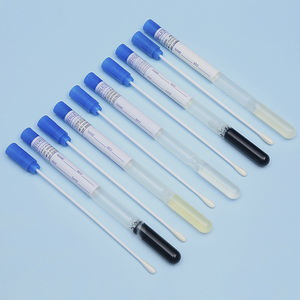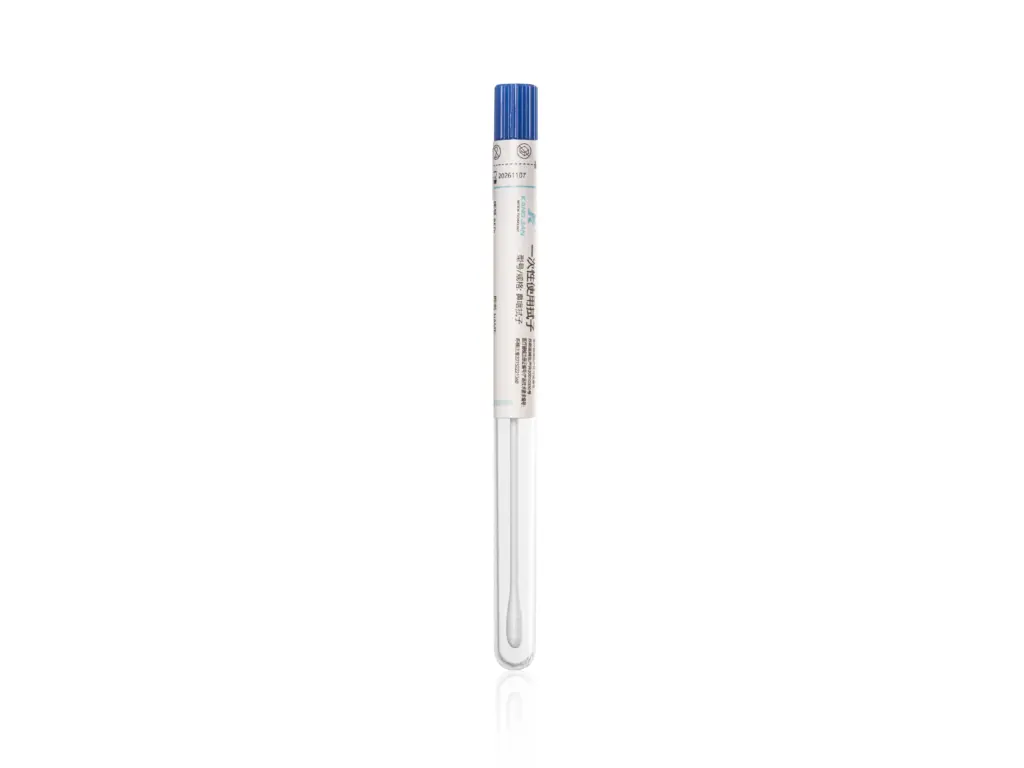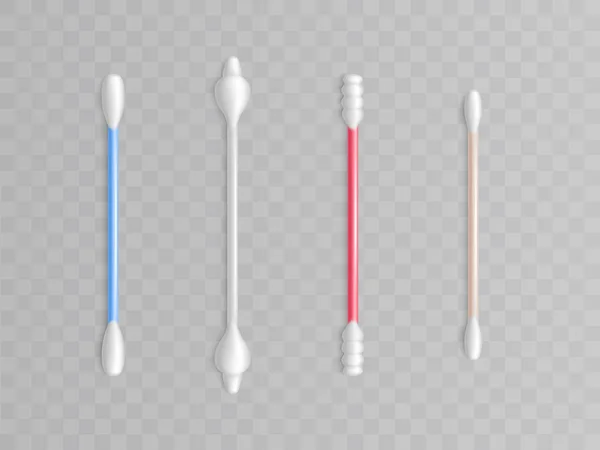
How to Choose a Swab for Collection Kit Assembly?

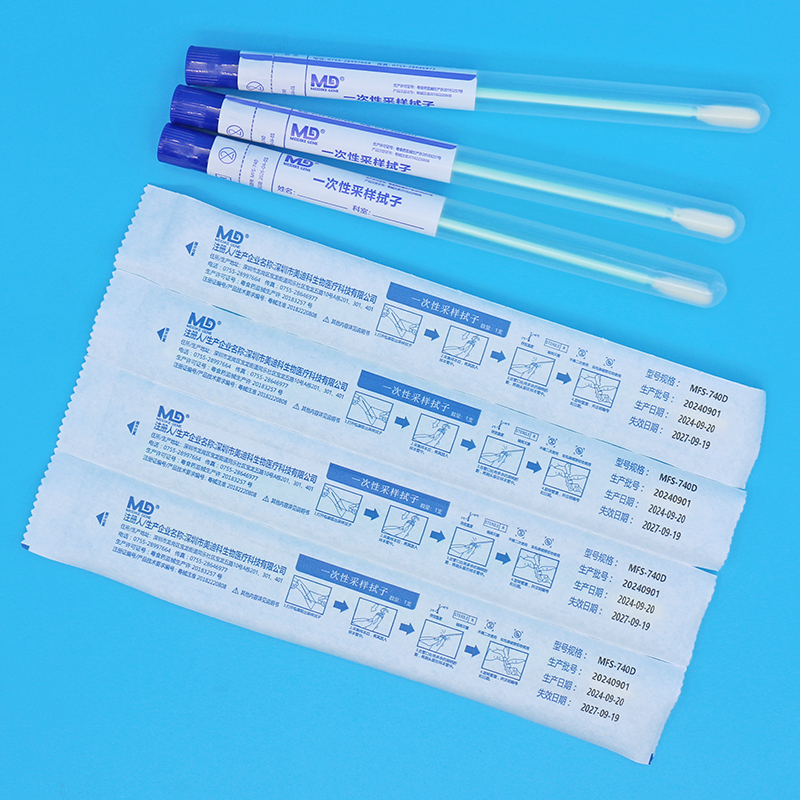
Choosing a swab for collection kit assembly requires checking more than the swab itself. The swab must fit the tube, match the medium or buffer, work with the cap, fit the pouch or box, support labeling, and meet the final customer workflow.
For medical buyers, diagnostic companies, laboratories, and distributors, collection kit assembly is a system-level project. A swab that works alone may still create problems when combined with other kit components.
What Is Collection Kit Assembly?
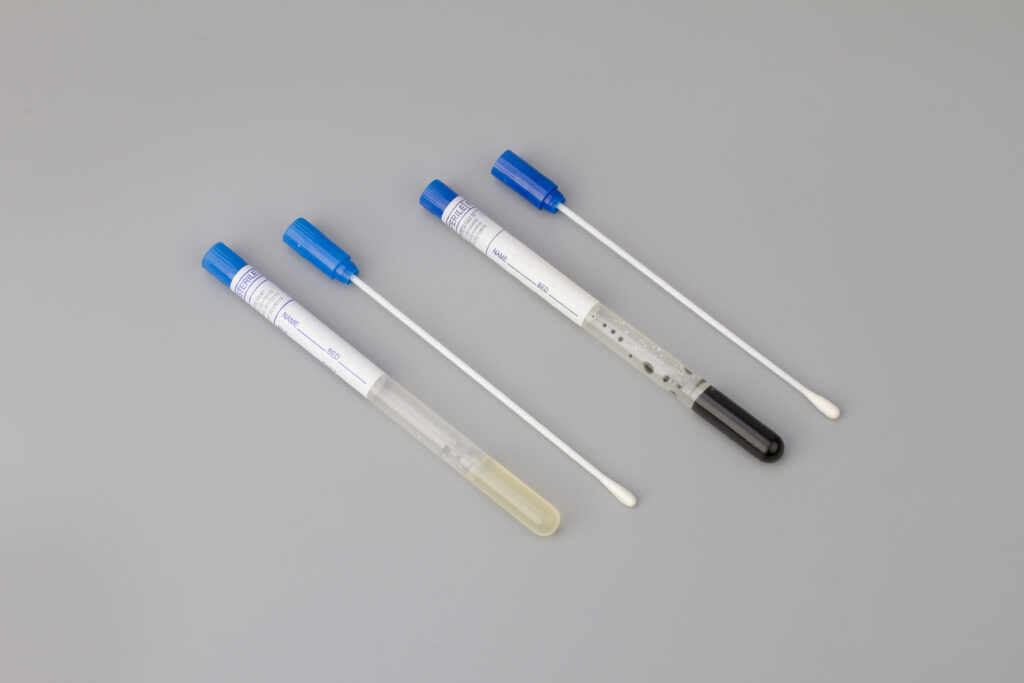
Collection kit assembly means combining swabs and related components into a ready-to-use kit. A kit may include a swab, tube, transport medium, cap, label, barcode, instruction sheet, pouch, inner box, and outer carton.
The exact configuration depends on the specimen type, collection site, test method, customer requirement, and target market.
Start with the Final Kit Workflow
Before choosing a swab, buyers should understand how the final kit will be used. The workflow may involve nasal collection, throat collection, oral collection, transport medium, dry swab processing, or direct extraction.
The swab should support the workflow from package opening to collection, tube placement, transport, and laboratory handling.
Check Swab Type
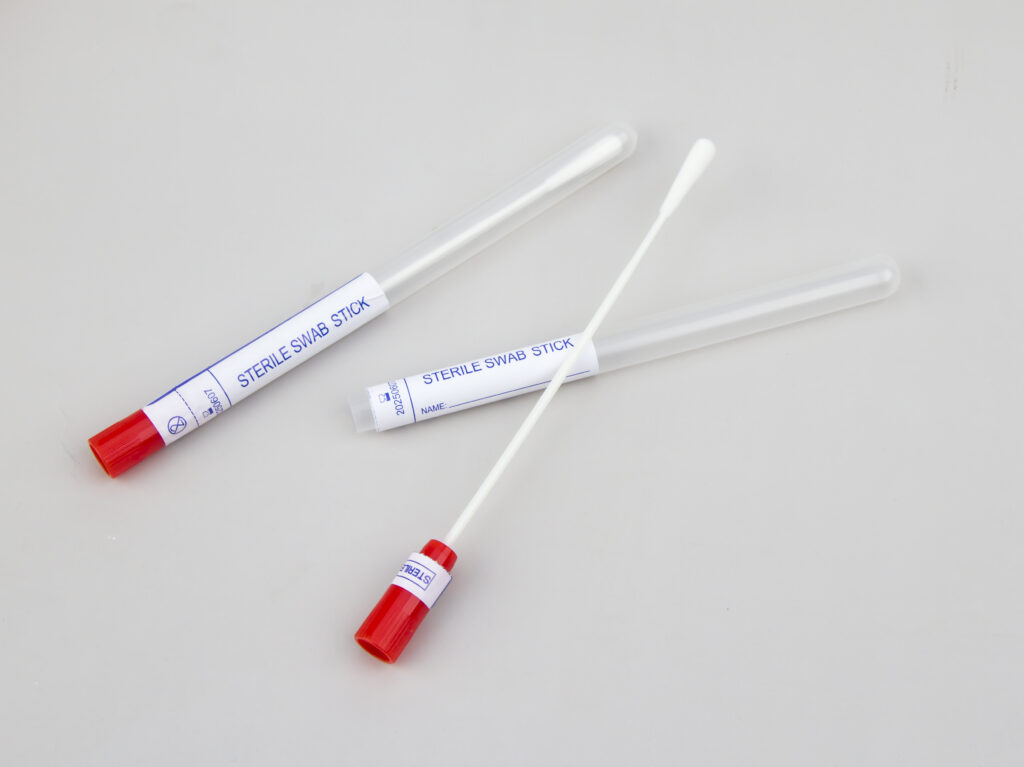
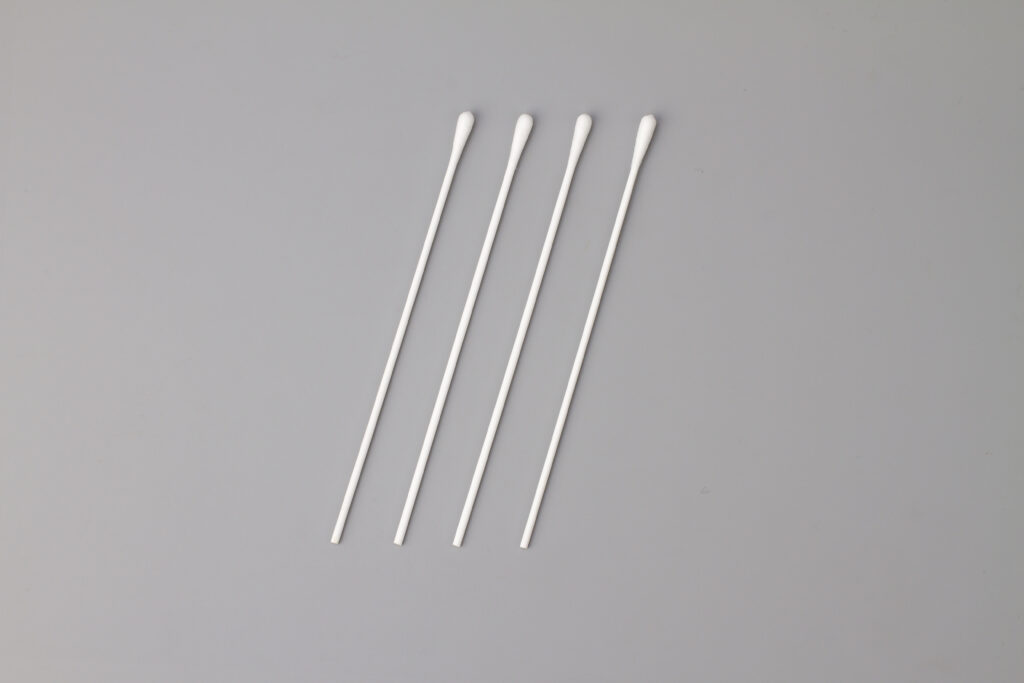
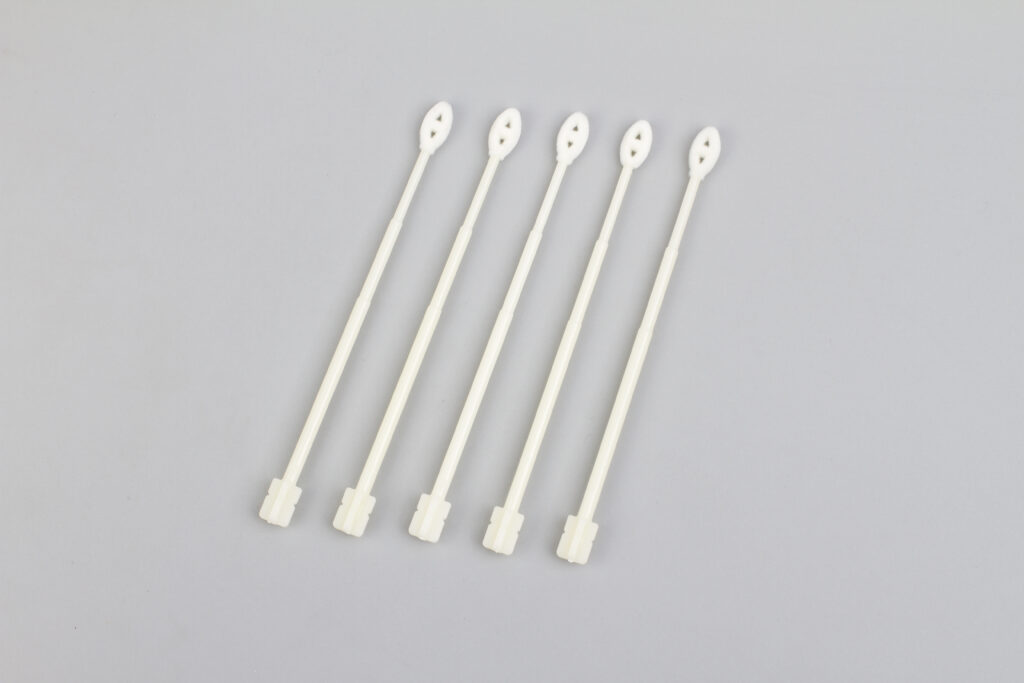
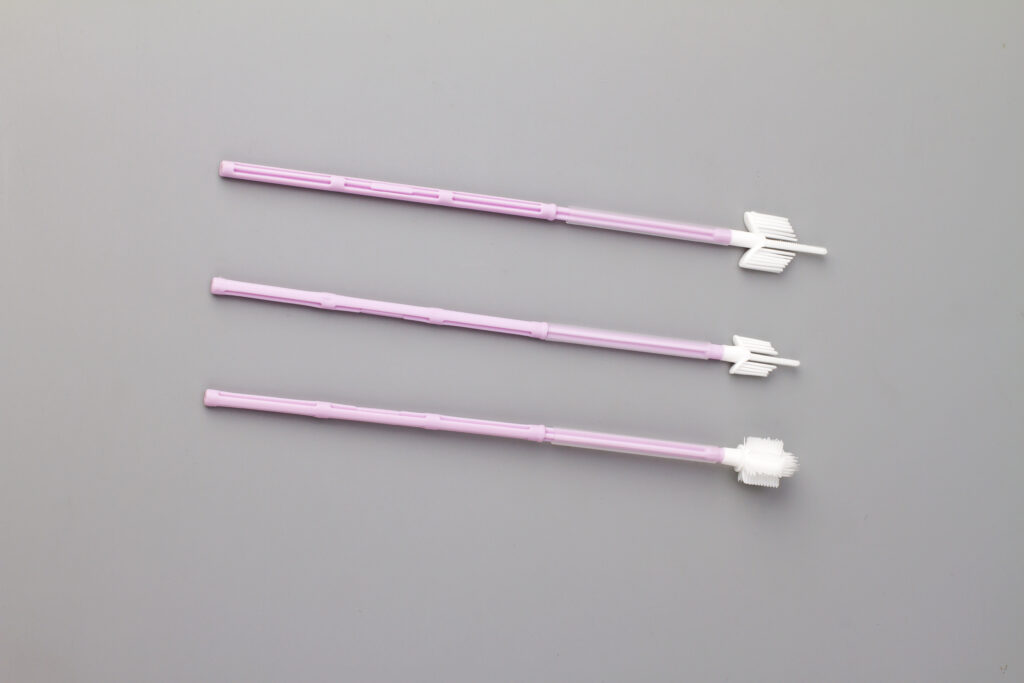
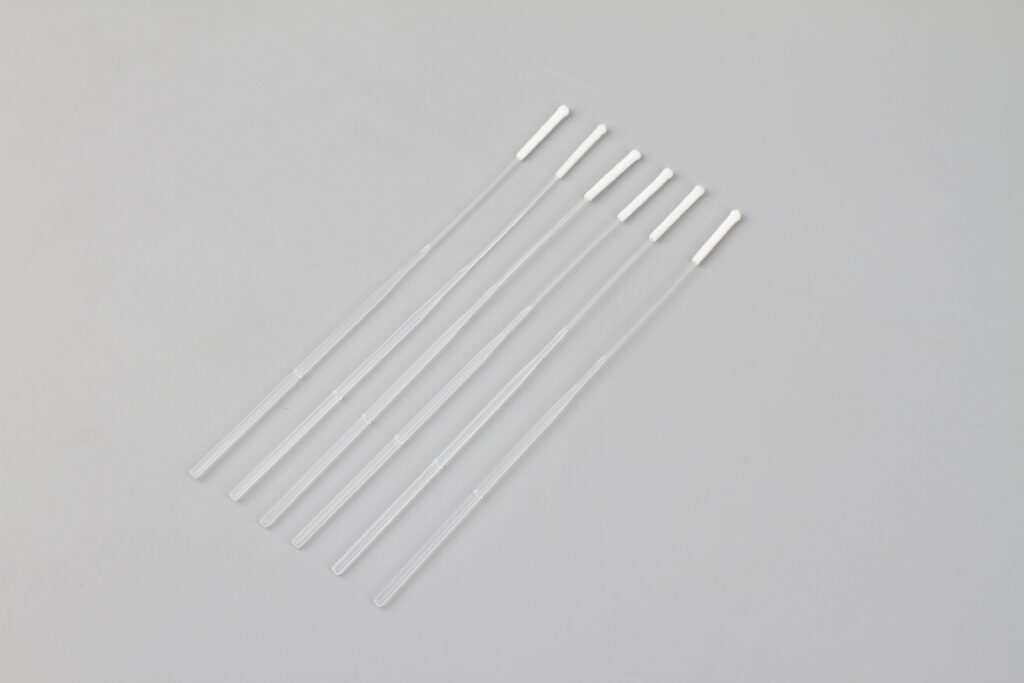
Common swab options for collection kits include nasal swabs, throat swabs, nasopharyngeal swabs, flocked swabs, polyester swabs, foam swabs, swabs with sheath, dry swabs, and transport swabs.
The correct type depends on collection site and customer protocol.
Check Tube Fit
Tube fit is one of the most important points in kit assembly. The swab tip, shaft length, breakpoint position, and cap closing space should match the tube.
If the swab does not fit the tube after collection, the user may have difficulty closing the cap or completing the kit workflow.
Check Breakpoint
Many collection kits require a breakpoint so the swab tip can remain inside the tube. The breakpoint should snap cleanly and leave the correct length inside the tube.
Buyers should test breakpoint position and breaking force with the actual tube and cap.
Check Medium or Buffer Compatibility
If the kit includes transport medium, extraction buffer, or another liquid, the swab material should be compatible with the workflow. The tip should collect and release sample according to the intended use.
Buyers should evaluate the swab and liquid system together instead of treating them as separate components.
Check Packaging Size
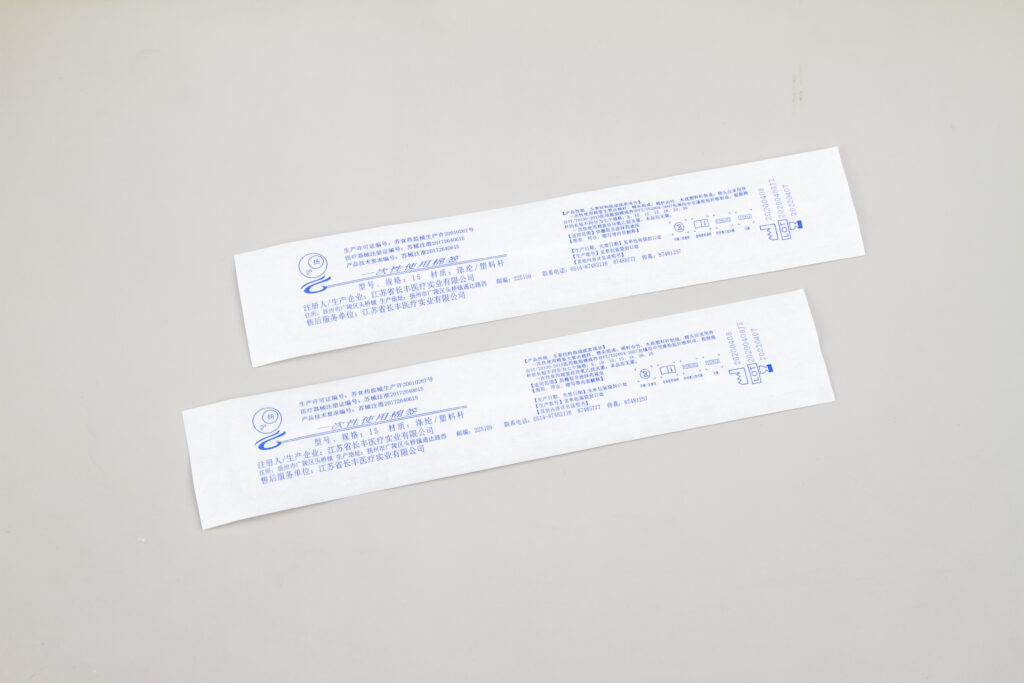
The final packaging should fit all components without damaging the swab or tube. A long swab, protective sheath, tube, label, and instruction sheet may require a specific pouch or box size.
Packaging should also protect components during shipping and storage.
Check Sterile Status
Collection kits for medical or diagnostic workflows may require sterile swabs, sterile tubes, or sterile packaging. Buyers should confirm which components must be sterile and how they are packed.
Sterile status should be clearly shown on packaging and supported by supplier documentation where required.
Check Labeling and Instructions
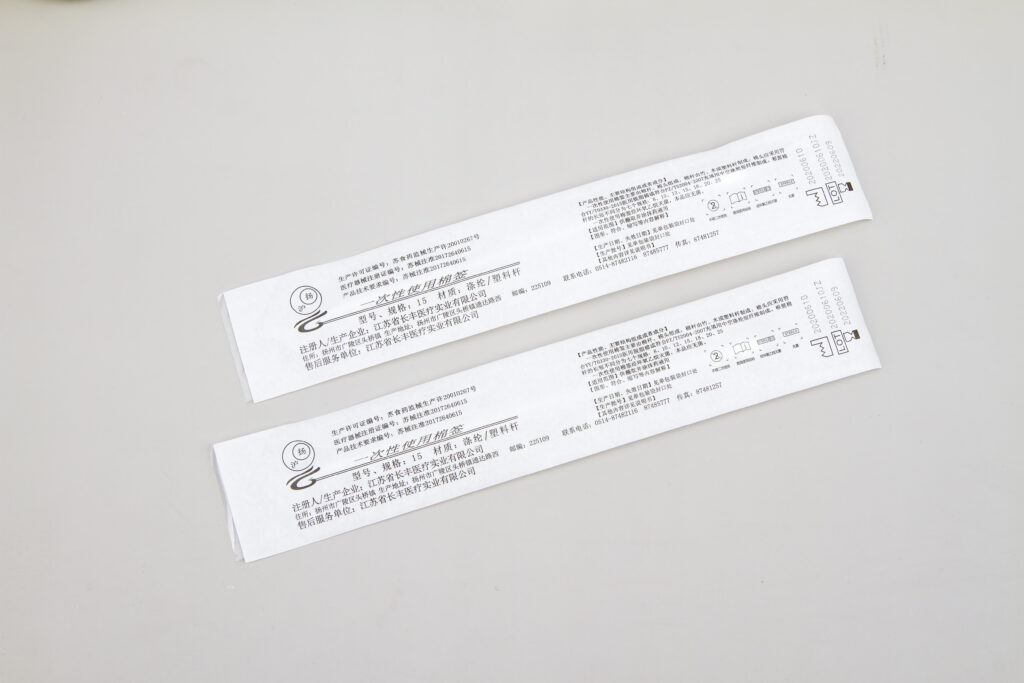
Collection kits often need labels, barcodes, instruction sheets, and carton marks. Buyers should confirm language, artwork, lot number, expiration date, storage conditions, product name, and component information.
For private label kits, sample approval should include all printed materials.
Check Shelf Life
Shelf life should be reviewed for the complete kit, especially when transport medium or sterile packaging is included. The shortest shelf life among components may affect the final kit shelf life.
Buyers should confirm remaining shelf life before bulk ordering and distribution.
Check Carton Packing
Kit cartons should protect the final product during international shipping and warehouse handling. Buyers should check inner box quantity, outer carton quantity, carton size, gross weight, carton marks, and pallet requirements if needed.
What Buyers Should Check Before Ordering
Before ordering swabs for collection kit assembly, buyers should check swab type, tip material, shaft length, breakpoint, tube fit, cap space, medium compatibility, packaging size, sterile status, labels, instruction sheet, carton packing, shelf life, storage conditions, sample availability, MOQ, lead time, and documents.
Common Mistakes
One common mistake is approving the swab alone without testing it inside the final kit. Another mistake is ignoring tube fit, cap closing space, or pouch size.
Buyers should also avoid confirming private label production before checking final artwork, barcode position, lot number, and expiration date format.
Conclusion
To choose a swab for collection kit assembly, buyers should evaluate the full system: swab, tube, medium, cap, packaging, labels, instructions, shelf life, and carton packing. The best swab is the one that fits the final workflow, not only the one with the lowest unit price.
Changfeng Medical supplies sampling swabs for diagnostic, clinical, and laboratory applications, including nasal swabs, large-headed flocked swabs, polyester fiber swabs with sheath, media-coated swabs, and double-tip throat swabs. Contact us to discuss collection kit swab specifications, packaging options, and bulk supply solutions for your market.
FAQ
What swabs can be used for collection kit assembly?
Common options include nasal swabs, throat swabs, flocked swabs, polyester swabs, dry swabs, transport swabs, and swabs with sheath depending on the kit design.
Why is tube fit important?
The swab must fit the tube after collection so the cap can close properly and the workflow can be completed.
Does every kit need transport medium?
No. Some kits use dry swabs or separate extraction systems. The right format depends on the customer workflow.
What should buyers test before bulk assembly?
Buyers should test swab fit, tube fit, breakpoint, medium compatibility, packaging size, labels, shelf life, and final carton packing.