What Is a Swab Breakpoint and Why Does It Matter?

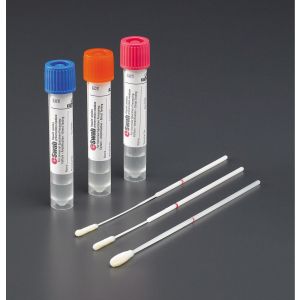
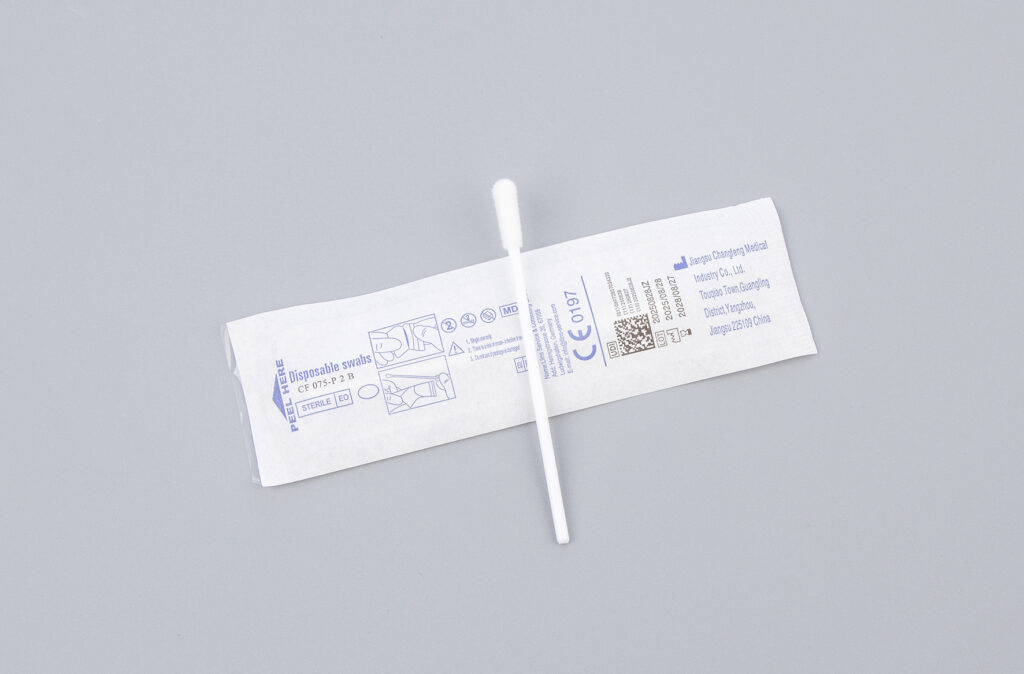
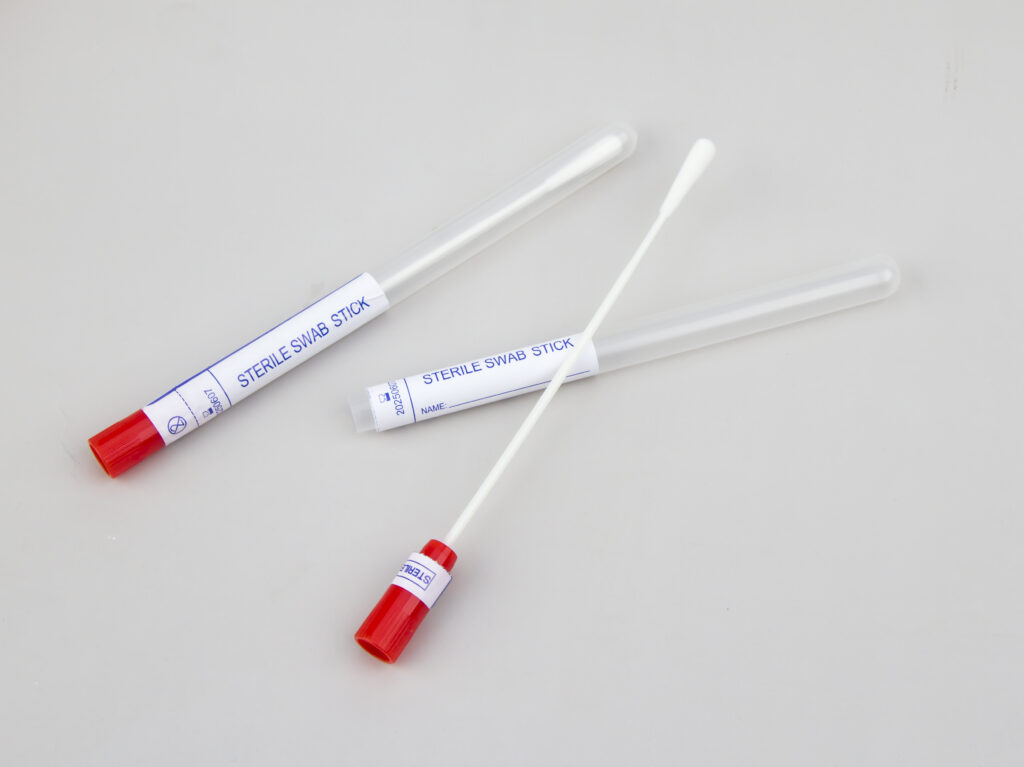
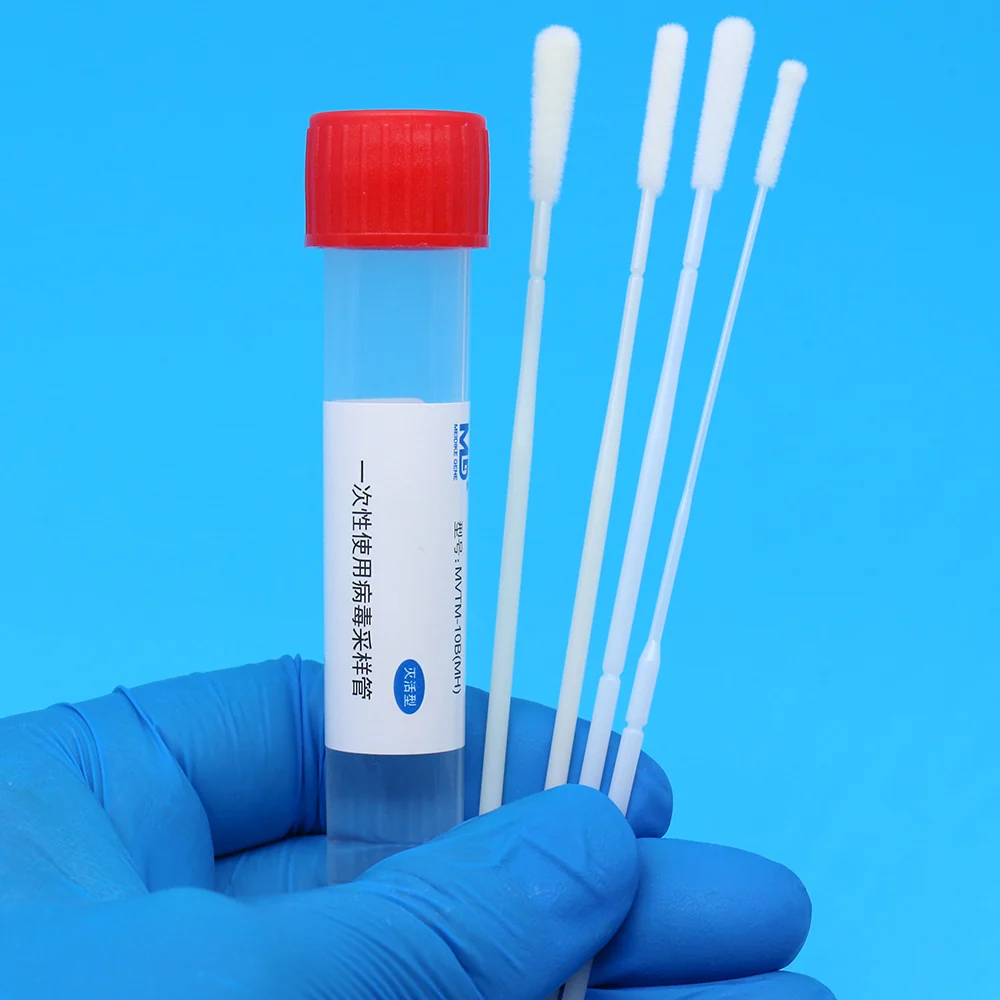
A swab breakpoint is a pre-designed weak point on the swab shaft. After specimen collection, the user can bend or snap the swab at this point so that the swab tip can be placed into a collection tube, transport medium, or test system.
Although the breakpoint is a small detail, it can strongly affect how convenient the swab is in real clinical and laboratory workflows. For medical distributors, laboratories, hospitals, and procurement teams, choosing the right breakpoint design helps improve tube compatibility, handling efficiency, and user experience.
What Is a Swab Breakpoint?
A swab breakpoint is a molded or processed section of the swab shaft that is designed to break at a specific position. It allows the user to separate the sampling tip from the handle after collection.
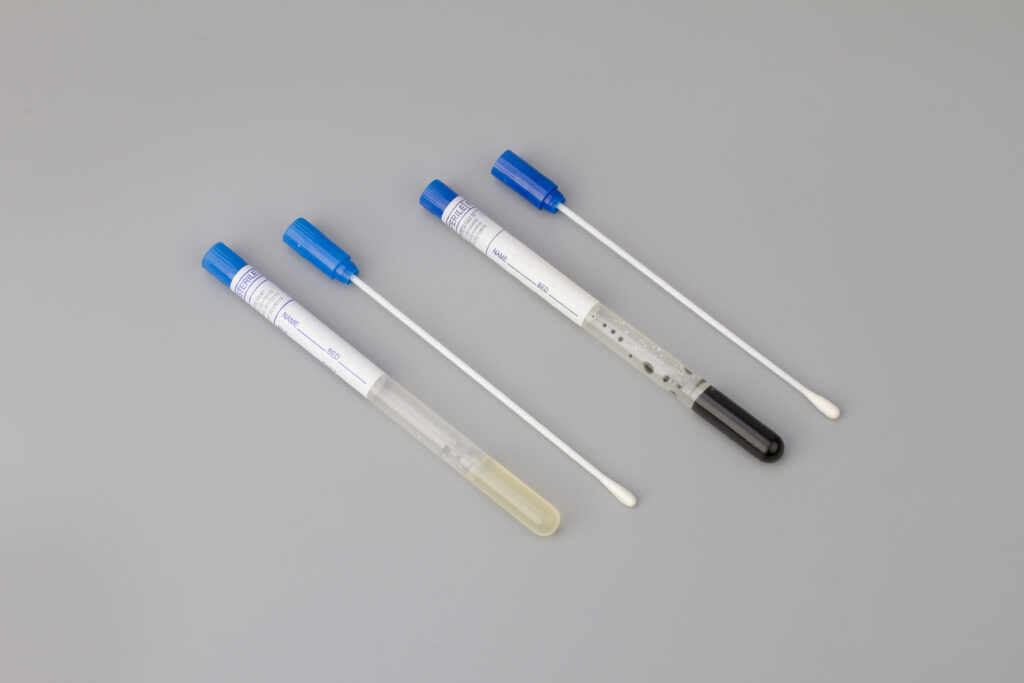
For example, after collecting a nasal or throat specimen, the healthcare worker may insert the swab tip into a tube containing transport medium. The shaft is then broken at the breakpoint, allowing the tube to be closed with the swab tip inside.
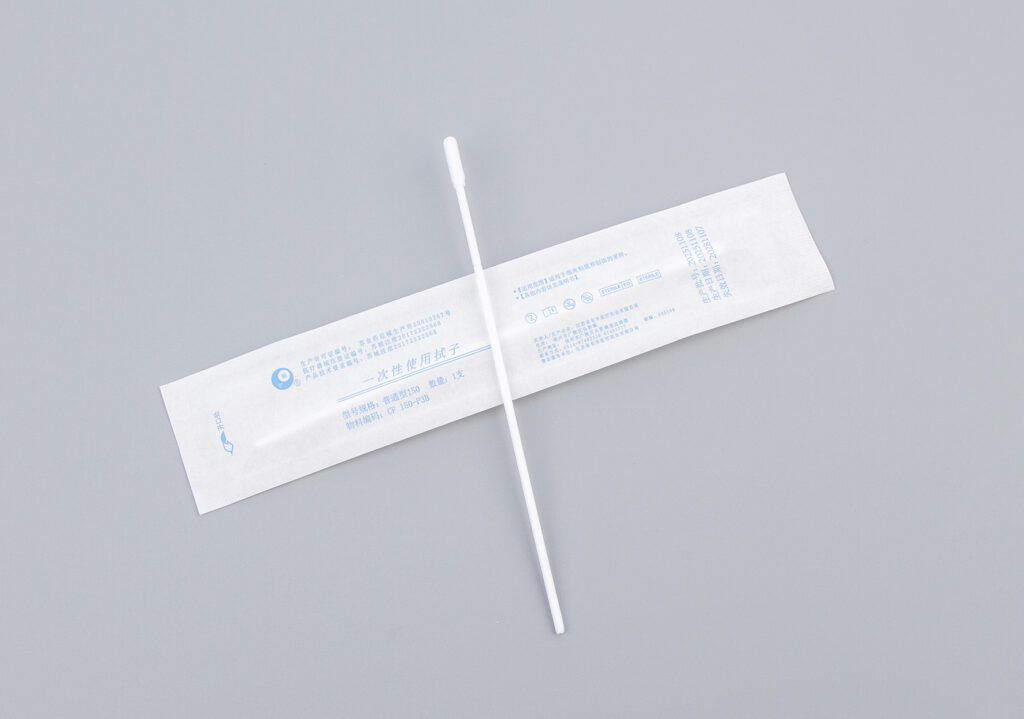
Breakpoints are commonly found on nasal swabs, nasopharyngeal swabs, flocked swabs, transport swabs, and other specimen collection swabs that are used with tubes or collection kits.
Why Does a Swab Need a Breakpoint?
A swab needs a breakpoint when the collected swab tip must be stored or transported inside a tube. Without a breakpoint, the shaft may be too long to fit inside the tube, or the user may need to cut or break the shaft manually in an uncontrolled way.
A well-designed breakpoint makes this process cleaner and more convenient. It helps the swab fit into the tube, supports smoother handling, and reduces unnecessary operation steps during specimen collection.
Where Is the Breakpoint Located?
The breakpoint is usually located on the shaft at a specific distance from the swab tip. This distance should match the collection tube or transport system used with the swab.
If the breakpoint is too close to the tip, there may not be enough shaft left for proper placement in the tube. If the breakpoint is too far from the tip, the remaining shaft may be too long and prevent the tube from closing properly.
For this reason, breakpoint position should be confirmed before bulk ordering, especially when the buyer already uses a specific tube size or transport medium system.
Why Breakpoint Position Matters
1. Tube Compatibility
The most important reason is tube compatibility. A swab with the wrong breakpoint position may not fit the collection tube after sampling. This can create handling problems for healthcare workers and laboratories.
2. Transport Medium Use
When a swab is placed into transport medium, the swab tip should sit properly inside the liquid or gel system. The breakpoint position affects how the swab fits into the tube after the shaft is broken.
3. User Convenience
A good breakpoint should be easy to break by hand during routine use. If it requires too much force, it can slow down the workflow. If it breaks too easily, it may break before or during collection.
4. Workflow Consistency
In hospitals, clinics, and screening programs, swabs may be used by many different operators. A consistent breakpoint helps users follow the same process across many samples.
5. Packaging and Kit Assembly
For collection kits, the swab, tube, cap, label, and transport medium must work together. Breakpoint design is one of the details that determines whether the full kit is practical.
What Makes a Good Swab Breakpoint?
A good breakpoint should be easy to identify, easy to snap, and consistent from batch to batch. It should also be strong enough to remain stable during collection.
Buyers should look for these features:
- Correct position for the intended tube
- Clean break during use
- Consistent breaking force
- No premature breakage during sampling
- Stable shaft strength before breaking
- Compatibility with the collection kit or transport system
Common Swabs That May Need a Breakpoint
Nasal swabs
Nasal swabs may include a breakpoint when they are designed to be placed into a tube after collection. The breakpoint should match the tube size and the intended sampling workflow.
Nasopharyngeal swabs
Nasopharyngeal swabs often require a thin, flexible shaft and a suitable breakpoint for use with transport tubes or collection media.
Flocked swabs
Flocked swabs are often used in diagnostic workflows where the swab tip is transferred into a tube or extraction liquid. A breakpoint can make this process easier.
Throat swabs
Throat swabs may also include a breakpoint when they are supplied with transport systems or collection kits.
Transport swabs
Transport swabs are commonly used with tubes or media, so breakpoint design is especially important for these products.
Swab Breakpoint vs. No Breakpoint
Not every swab needs a breakpoint. Some swabs are used dry, processed immediately, or designed for applications where the full shaft does not need to be placed into a tube.
A swab without breakpoint may be suitable for general laboratory sampling, surface sampling, or workflows where the swab is not stored in a tube after collection.
A swab with breakpoint is usually preferred when the swab tip needs to be placed into a transport tube, sample tube, or collection system after use.
How to Choose the Right Breakpoint Position
The right breakpoint position depends on the tube size, cap design, transport medium volume, swab tip length, and workflow requirement. Buyers should not select a breakpoint position only by appearance.
Before ordering, buyers should confirm:
- Total swab length
- Distance from tip to breakpoint
- Tube length and inner diameter
- Transport medium volume
- Cap closing space
- Required remaining shaft length inside the tube
- Breaking force and user convenience
If possible, buyers should test samples with the actual tube or kit used by the end customer.
Common Problems with Poor Breakpoint Design
Poor breakpoint design can create several problems in real use. The swab may be difficult to break, break at the wrong position, break before collection, or leave too much shaft inside the tube.
Other issues may include tube closing failure, liquid leakage risk due to improper tube closure, user complaints, inconsistent handling, and rejection by end users.
These problems are why breakpoint design should be checked during sample approval, not after bulk goods arrive.
What Buyers Should Ask Before Bulk Ordering
Before placing a large order for swabs with breakpoint, buyers should ask the supplier detailed questions.
- What is the breakpoint position?
- What is the total swab length?
- What is the shaft material?
- What is the recommended tube size?
- Can the breakpoint be customized?
- Is the breakpoint suitable for the buyer’s transport tube?
- Is the swab sterile?
- What packaging formats are available?
- Can samples be provided for testing?
- What documents are available for export?
Can Swab Breakpoints Be Customized?
In many cases, swab breakpoint position can be customized if the order quantity and production process allow it. Customization may be useful when the buyer has a specific collection tube, test kit, or private label product design.
However, customized breakpoints should be tested carefully before mass production. The new breakpoint must still provide enough shaft strength during collection and clean break performance after use.
Related Swab Features Buyers Should Check
Breakpoint is only one part of the full swab design. Buyers should also check tip material, tip size, shaft flexibility, shaft length, sterility, packaging, transport medium compatibility, shelf life, and supplier quality control.
For example, a swab may have the right breakpoint but the wrong tip size. Or it may fit the tube but use a shaft that is too rigid for the intended collection site. The full product should be evaluated as one system.
Conclusion
A swab breakpoint is the designed breaking point on the swab shaft. It allows the swab tip to be placed into a tube or transport medium after specimen collection. For medical and laboratory workflows, breakpoint position and breaking performance can directly affect tube compatibility and user convenience.
For buyers, the key is to confirm the collection workflow, tube size, breakpoint position, shaft material, sterility, packaging, and supplier consistency before bulk ordering.
Changfeng Medical supplies medical sampling swabs for diagnostic, clinical, and laboratory applications, including nasal swabs, large-headed flocked swabs, polyester fiber swabs with sheath, media-coated swabs, and double-tip throat swabs. Contact us to discuss swab specifications, packaging options, and bulk supply solutions for your market.
FAQ
What is a swab breakpoint?
A swab breakpoint is a pre-designed weak point on the swab shaft that allows the user to break the swab after specimen collection.
Why do specimen collection swabs have breakpoints?
Breakpoints allow the swab tip to fit into a collection tube, transport tube, or test system after sampling.
Do all swabs need a breakpoint?
No. A breakpoint is mainly needed when the swab tip must be placed into a tube after collection. Some dry swabs or general sampling swabs may not need one.
What happens if the breakpoint is in the wrong position?
The swab may not fit the tube properly, the cap may not close, or the workflow may become inconvenient for users.
Can swab breakpoint position be customized?
In many cases, suppliers can customize breakpoint position depending on order quantity, mold design, and production capability. Buyers should test samples before mass production.
What should buyers check before ordering swabs with breakpoint?
Buyers should check total length, breakpoint position, shaft material, tube compatibility, breaking force, sterility, packaging, and supplier documentation.