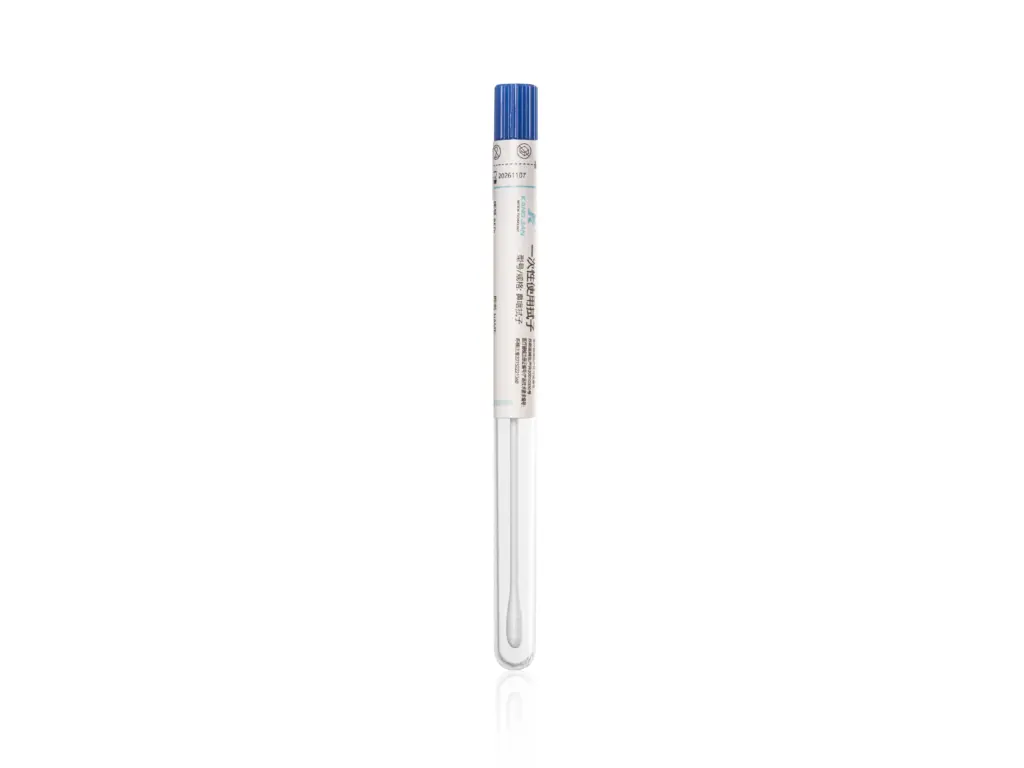
How to Choose the Right Sampling Swab for Medical and Laboratory Testing

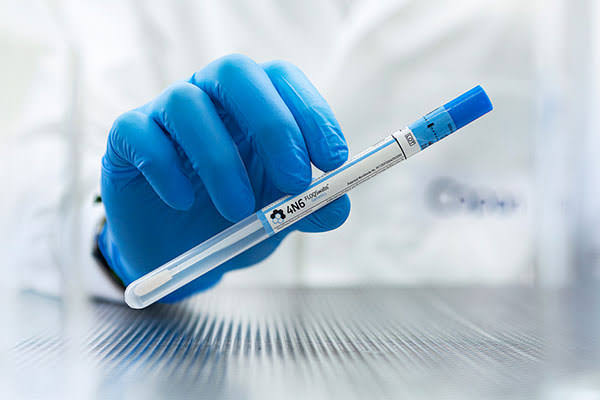
A sampling swab may look like a simple consumable, but in medical and laboratory testing, it plays an important role in the pre-analytical stage. Before a specimen reaches an analyzer, culture plate, or molecular testing system, it must first be collected, protected, and transported correctly. The swab used for that first step can influence sample adequacy, handling convenience, contamination control, and workflow efficiency.
For hospitals, diagnostic laboratories, distributors, and medical consumable buyers, choosing a sampling swab is not only about price. It is about matching the swab design to the collection site, test purpose, transport condition, and end-user requirement.
This article explains the key factors to consider when selecting medical sampling swabs, including nasal swabs, throat swabs, flocked swabs, polyester fiber swabs, media-coated swabs, and swabs with protective sheaths.
Why Swab Selection Matters
Specimen collection is one of the most important steps in diagnostic testing. Even when the laboratory uses advanced equipment, a poorly collected or poorly transported sample may affect the reliability of downstream testing.
A suitable swab should collect enough specimen from the target site, release the collected specimen efficiently into the testing or transport system, support practical clinical use, reduce unnecessary contamination risk during handling, and remain compatible with the intended testing method and transport medium.
Different testing scenarios require different swab designs. A nasal swab used for respiratory sample collection, a throat swab used for oropharyngeal collection, and a swab used for laboratory surface sampling may have different requirements in terms of tip size, shaft flexibility, absorbency, packaging, and transport protection.
1. Collection Site: Nasal, Throat, or General Laboratory Sampling
The first question when choosing a swab is simple: where will the sample be collected?
Nasal Swabs
Nasal swabs are designed for specimen collection from the nasal cavity. They typically require a soft tip and a suitable shaft structure to allow gentle insertion and effective sample collection. In respiratory pathogen testing workflows, nasal swabs are widely used in clinical and laboratory environments.
When selecting nasal swabs, buyers usually pay attention to tip softness, shaft flexibility, sterility, packaging, and compatibility with collection tubes or transport systems.
Throat Swabs
Throat swabs are commonly used for oropharyngeal specimen collection. Compared with nasal swabs, throat swabs may require a design that helps clinicians reach the target area while maintaining control during collection.
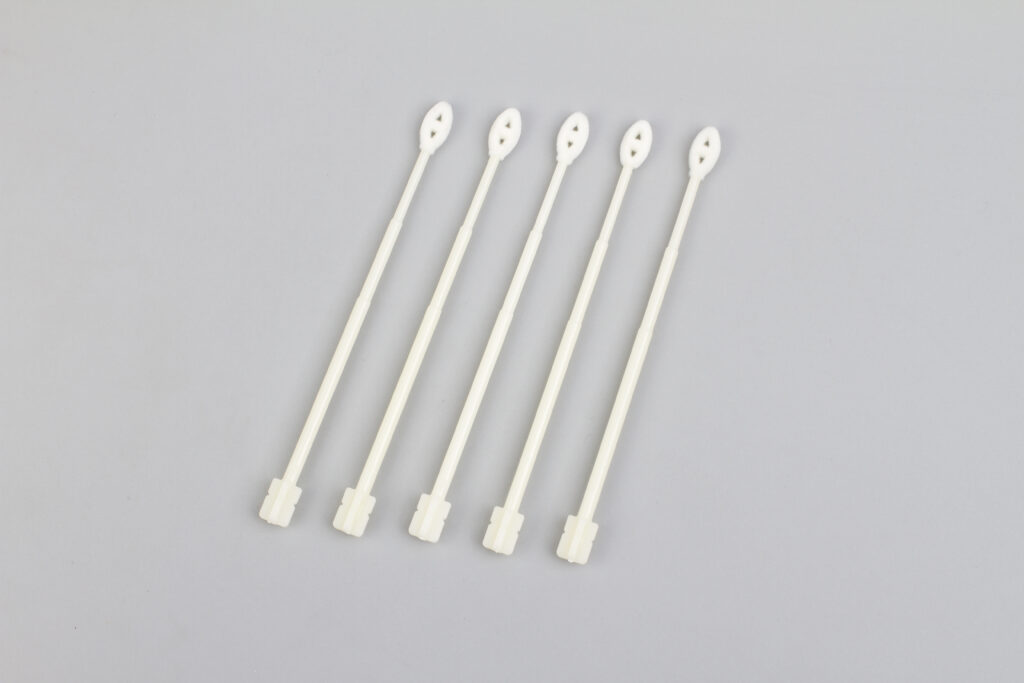
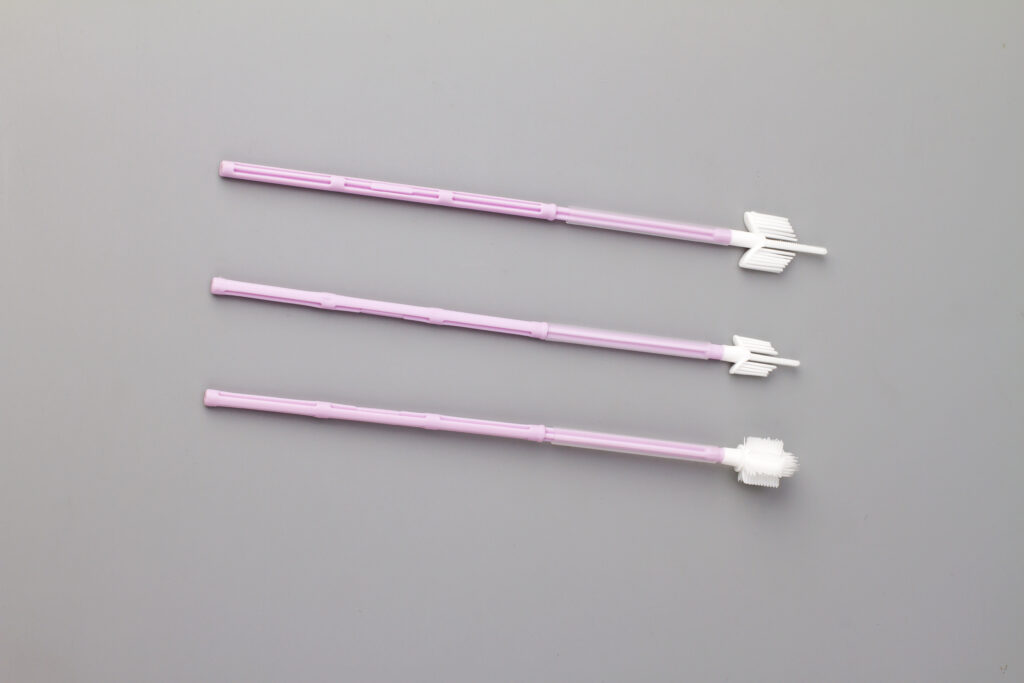
A double-tip throat swab can provide an expanded collection surface and may help improve collection efficiency in appropriate throat sampling workflows. For buyers who supply hospitals, clinics, or diagnostic laboratories, throat swab design consistency is important for routine use.
General Medical and Laboratory Swabs
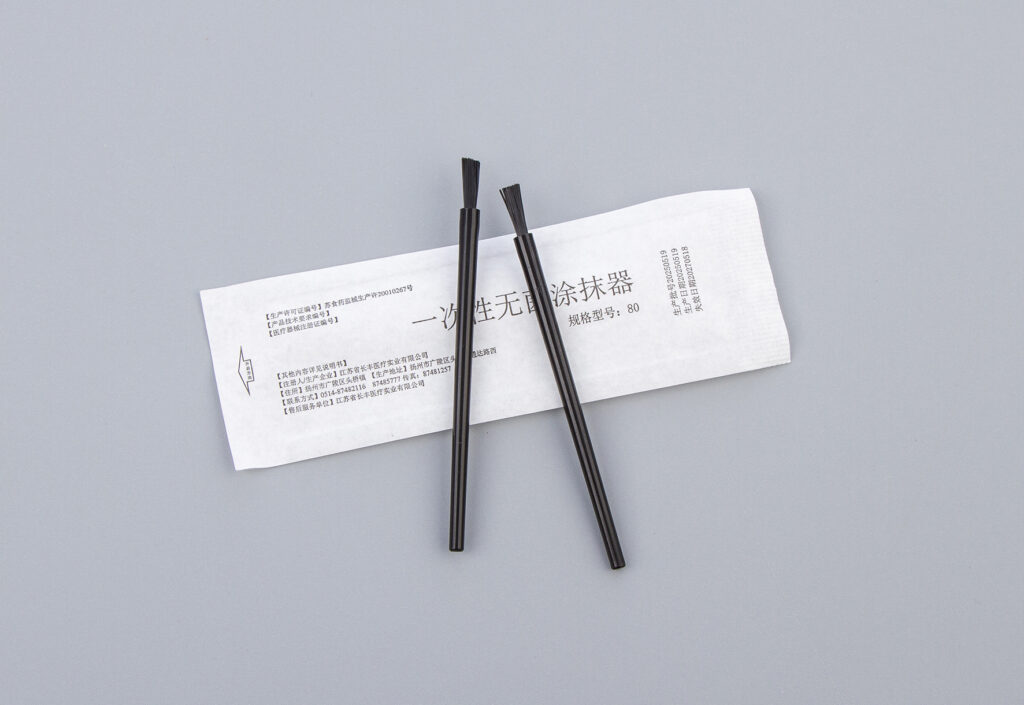
Some swabs are used for broader medical, laboratory, or controlled sampling applications. These may include polyester fiber swabs, swabs with protective sheaths, or media-coated swabs. In these cases, contamination control, packaging integrity, and sample transport convenience are often key purchasing considerations.
2. Tip Material: Flocked Swab vs. Polyester Fiber Swab
The swab tip is the part that directly contacts the sampling site, so its material and structure matter.
Flocked Swabs
Flocked swabs are designed with short fibers arranged on the tip surface. This structure creates a large surface area for specimen collection and supports efficient release of the sample into a tube, reagent, or transport medium.
For diagnostic sampling, flocked swabs are often preferred when sample uptake and release efficiency are important. A large-headed flocked swab can be useful when a larger collection surface is needed, while a standard nasal flocked swab may be more suitable for routine nasal specimen collection.
Key advantages of flocked swabs include efficient specimen collection, good sample release performance, a soft sampling surface, and suitability for many clinical and laboratory workflows.
Polyester Fiber Swabs
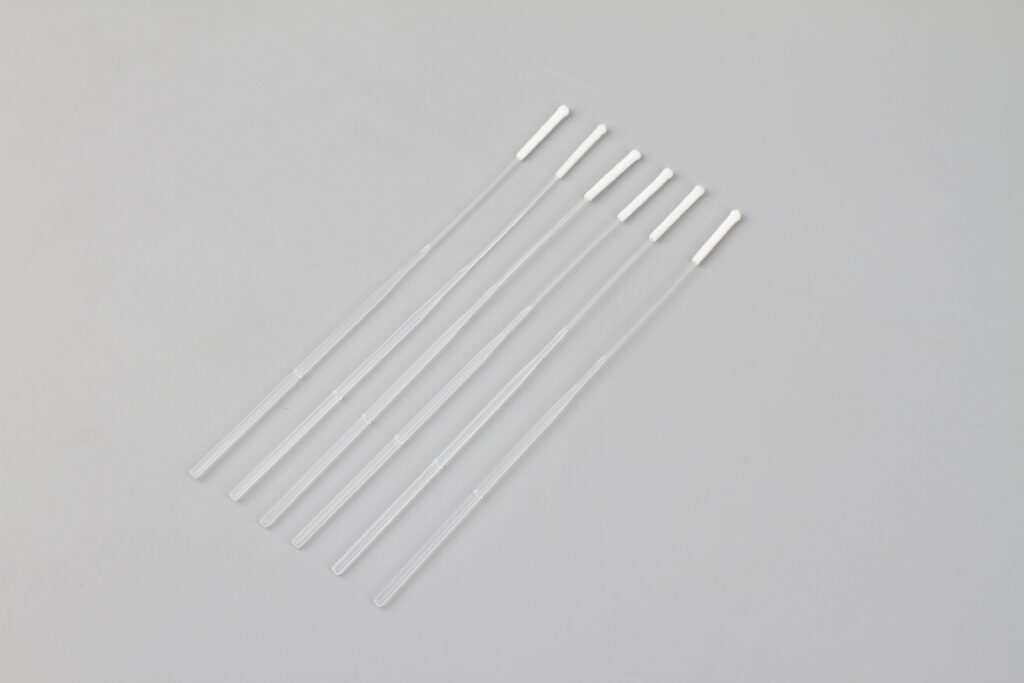
Polyester fiber swabs are another common option for medical and laboratory sampling. Polyester is a synthetic material widely used in diagnostic consumables because it is clean, stable, and suitable for controlled specimen collection.
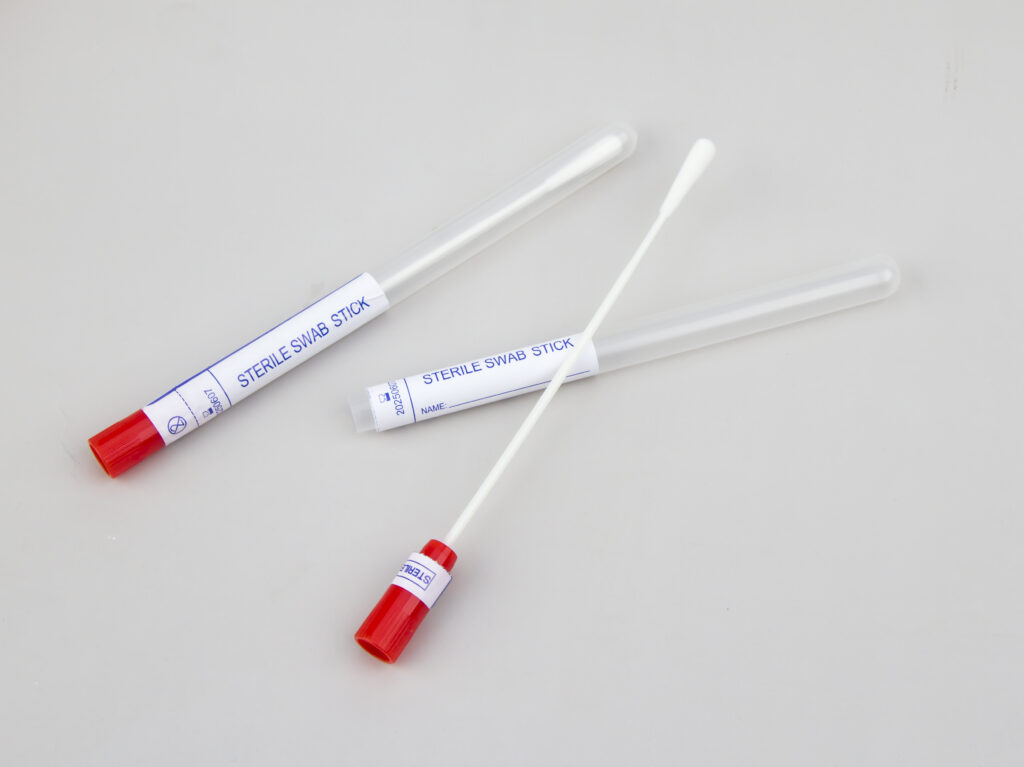
A polyester fiber swab with a protective sheath can be especially useful when contamination prevention during storage and transport is a priority. The sheath helps protect the swab before use and can support cleaner handling in laboratory or medical environments.
Key advantages of polyester fiber swabs include synthetic fiber construction, clean and controlled sampling, good compatibility with many laboratory applications, and optional sheath protection for reduced contamination risk.
3. Tip Size and Shape: Matching Collection Efficiency to Application
Tip size affects how the swab contacts the sampling area. A larger swab head may provide more surface area, while a smaller or more flexible tip may be preferred for narrower anatomical sites.
For example, a large-headed flocked swab is suitable when the user wants efficient collection from an accessible area. A nasal swab may need a softer and more controlled shape for patient comfort and practical operation. A throat swab may require a longer shaft or special tip design to help the operator reach the target site.
When comparing swab options, buyers should consider collection site accessibility, patient comfort, required specimen volume, tip softness, shaft length and flexibility, and ease of use by healthcare professionals.
There is no single swab design that fits every application. The best choice depends on the collection method and downstream testing workflow.
4. Transport Medium and Media-Coated Swabs
After collection, the specimen may need to be transported before testing. In microbiological sampling, transport conditions can be important because the sample may need to remain suitable for laboratory analysis until it is processed.
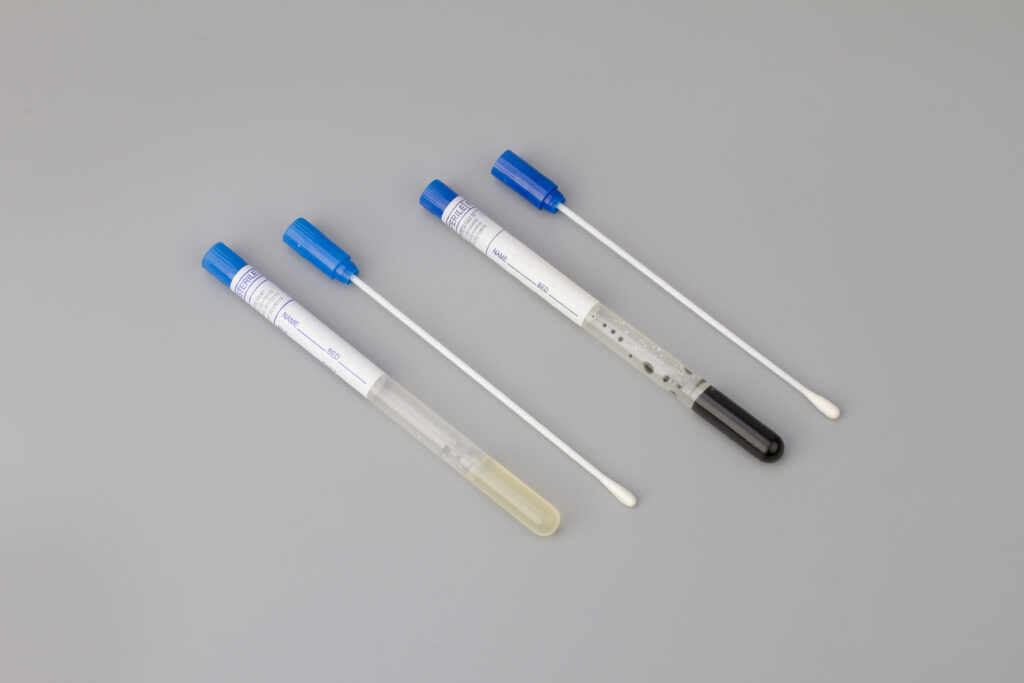
Media-coated swabs are designed to support sample collection and transport by providing a pre-applied medium. This can make the swab more convenient for microbiological sampling and clinical use where transport stability is part of the workflow.
When purchasing media-coated swabs, buyers should check the type of medium, intended application, sterility, shelf life, packaging format, compatibility with laboratory workflow, and storage requirements.
A transport swab should be selected according to the intended test and local laboratory requirements. Buyers should always confirm whether the swab and medium are suitable for the target specimen type and testing method.
5. Protective Sheath and Packaging Design
Packaging is often underestimated, but it matters in real-world use. A sterile swab must remain protected until the moment of collection. For bulk procurement, packaging also affects storage, distribution, inventory control, and user convenience.
A swab with a protective sheath can help reduce exposure before use and protect the swab during handling. This type of design is useful in medical, laboratory, and industrial sampling environments where clean handling is important.
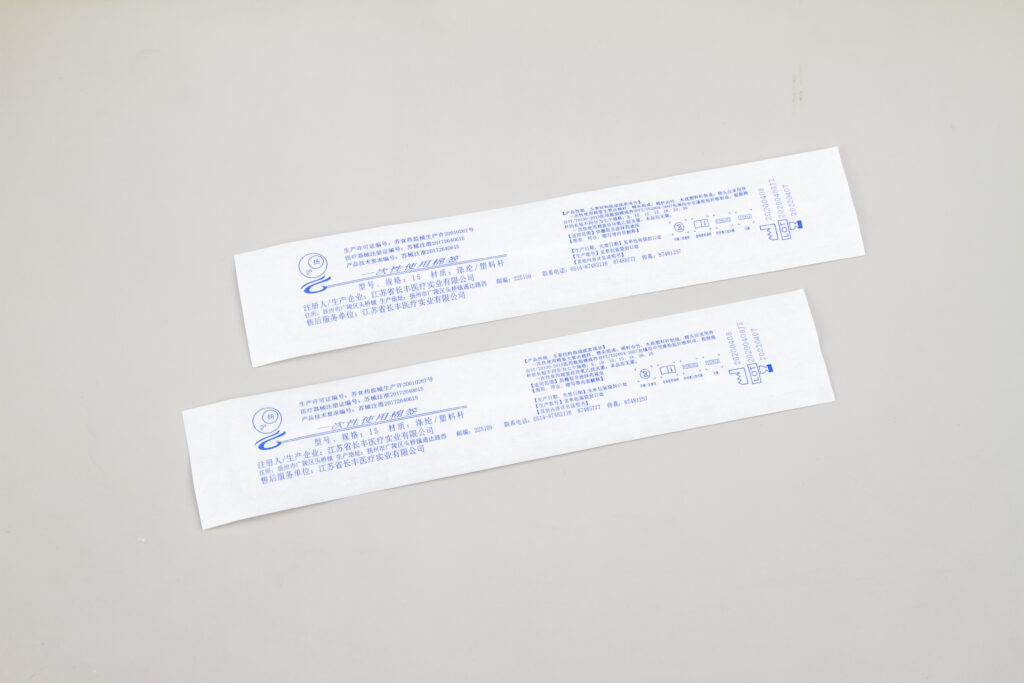
Important packaging factors include individual sterile packaging, easy-opening design, clear labeling, lot number and expiration date, protective tube or sheath, carton strength for export shipping, and compatibility with hospital or laboratory storage systems.
For distributors, good packaging can reduce complaints, improve user experience, and support smoother supply chain management.
6. Sterility and Quality Consistency
Medical and diagnostic swabs should be manufactured with strict attention to cleanliness, sterility, and consistency. For buyers, stable quality is often more important than a slightly lower unit price.
When evaluating a swab supplier, consider whether the products offer consistent tip shape and material, stable shaft dimensions, reliable sterile packaging, clear product labeling, batch traceability, export-ready documentation, and responsive customization and supply support.
For large-volume procurement, consistency from batch to batch helps distributors and end users reduce operational uncertainty.
7. Matching Common Swab Types to Purchasing Needs
Nasal Swab
Best for nasal cavity specimen collection in clinical and laboratory workflows. Buyers usually focus on softness, sterility, shaft flexibility, and collection efficiency.
Large-Headed Flocked Swab
Best for applications that require efficient sample uptake and release. The larger flocked tip provides more collection surface and can support medical testing workflows where specimen collection efficiency is important.
Polyester Fiber Swab with Sheath
Best for clean and controlled sample collection where contamination prevention is important. The protective sheath supports cleaner storage, handling, and transport.
Media-Coated Swab
Best for microbiological sampling and sample transport workflows. The pre-applied medium helps simplify collection and transport steps for clinical and laboratory use.
Double-Tip Throat Swab
Best for throat specimen collection where a dual-tip design is preferred. It can provide a practical collection structure for oropharyngeal sampling workflows.
8. Supplier Selection: What Buyers Should Ask Before Ordering
Before placing a bulk order, buyers should not only compare prices. They should also ask technical and supply chain questions.
Useful questions include: What material is used for the swab tip? Is the swab sterile? What is the shaft material? Is the swab individually packaged? Does the product include a protective sheath or tube? Is transport medium included or pre-applied? What is the shelf life? Can packaging be customized? What is the minimum order quantity? What documents are available for export? Can samples be provided before bulk order?
For international buyers, a reliable supplier should be able to communicate clearly, provide product information, and support stable delivery.
Conclusion
Choosing the right sampling swab requires attention to more than product appearance. Collection site, tip material, shaft design, transport medium, packaging, sterility, and supplier consistency all affect the user experience and laboratory workflow.
Nasal swabs, throat swabs, flocked swabs, polyester fiber swabs, media-coated swabs, and swabs with protective sheaths each serve different needs. For medical distributors, diagnostic laboratories, and healthcare procurement teams, the best choice is the swab that matches the intended application and provides stable quality at scale.
Changfeng Medical supplies a range of medical sampling swabs for diagnostic, clinical, and laboratory applications, including nasal swabs, large-headed flocked swabs, polyester fiber swabs with sheath, media-coated swabs, and double-tip throat swabs. Contact us to discuss product specifications, packaging options, and bulk supply solutions for your market.
FAQ
What is a sampling swab used for?
A sampling swab is used to collect specimens from a target site, such as the nasal cavity, throat, wound area, surface, or laboratory sample point. The collected specimen can then be transferred for testing, culture, or analysis according to the intended workflow.
What is the difference between a flocked swab and a traditional fiber swab?
A flocked swab has short fibers arranged on the tip surface, which helps improve specimen collection and release. Traditional fiber swabs may use wrapped fibers and are often selected for general use or cost-sensitive applications.
When should I choose a nasal swab?
A nasal swab is suitable for specimen collection from the nasal cavity. It is commonly used in respiratory testing workflows and should be selected based on softness, shaft design, sterility, and compatibility with the intended test system.
What is a media-coated swab?
A media-coated swab is a swab with pre-applied medium to support specimen collection and transport. It is commonly used in microbiological sampling and clinical laboratory workflows.
Why use a swab with a protective sheath?
A protective sheath helps reduce contamination risk during storage and handling. It is useful for medical, laboratory, and controlled sampling environments where cleanliness is important.
How do I choose a swab supplier?
Choose a supplier that can provide stable quality, clear product information, suitable packaging, batch traceability, export support, and responsive communication. For bulk orders, buyers should request samples and confirm product specifications before purchasing.