How to Choose Nasal Swab Packaging for Diagnostic Kits?

Nasal swab packaging for diagnostic kits should protect the swab before use, support sterile handling when required, fit the final kit layout, and provide clear product information. For buyers, packaging is not only about appearance. It affects product acceptance, shelf life control, warehouse handling, and customer confidence.
A nasal swab may have the right tip material and shaft design, but poor pouch quality, unclear labels, damaged cartons, or mismatched kit packaging can still create complaints. This is why buyers should review packaging details before bulk production.
Why Nasal Swab Packaging Matters
Nasal swabs are often used in diagnostic and respiratory specimen collection workflows. The packaging should protect the swab tip and shaft before use and keep the product clearly identified during storage and distribution.
For diagnostic kit assembly, packaging must also fit the tube, instruction sheet, label, box, and final carton layout.
Individual Packaging vs. Kit Packaging
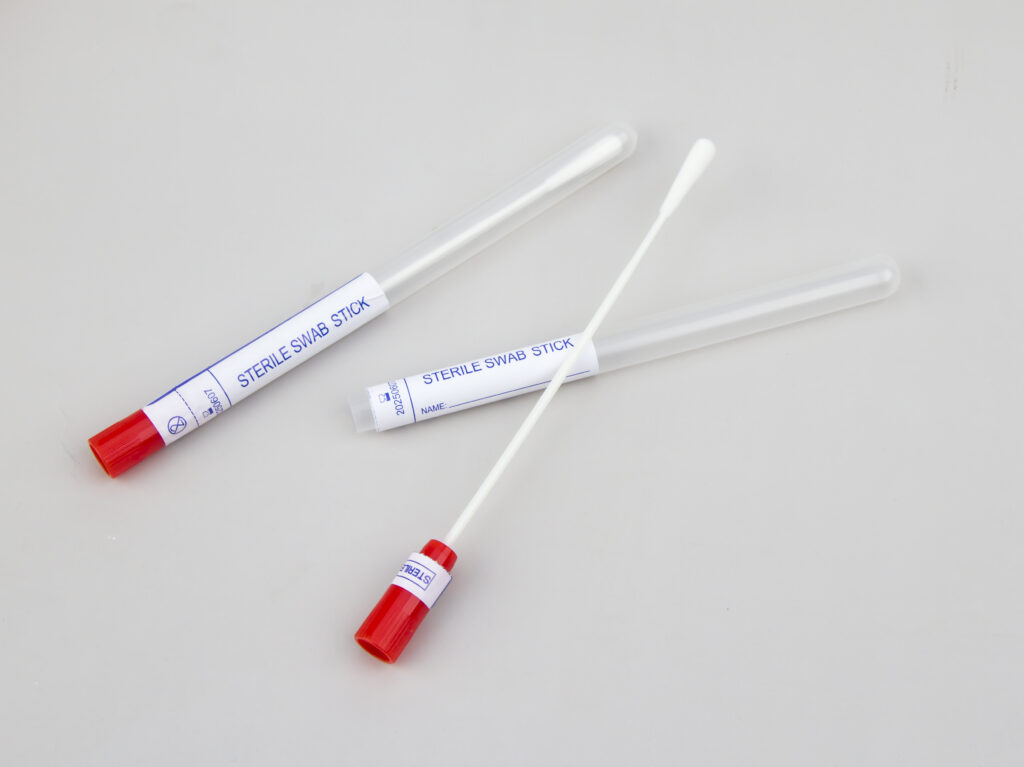
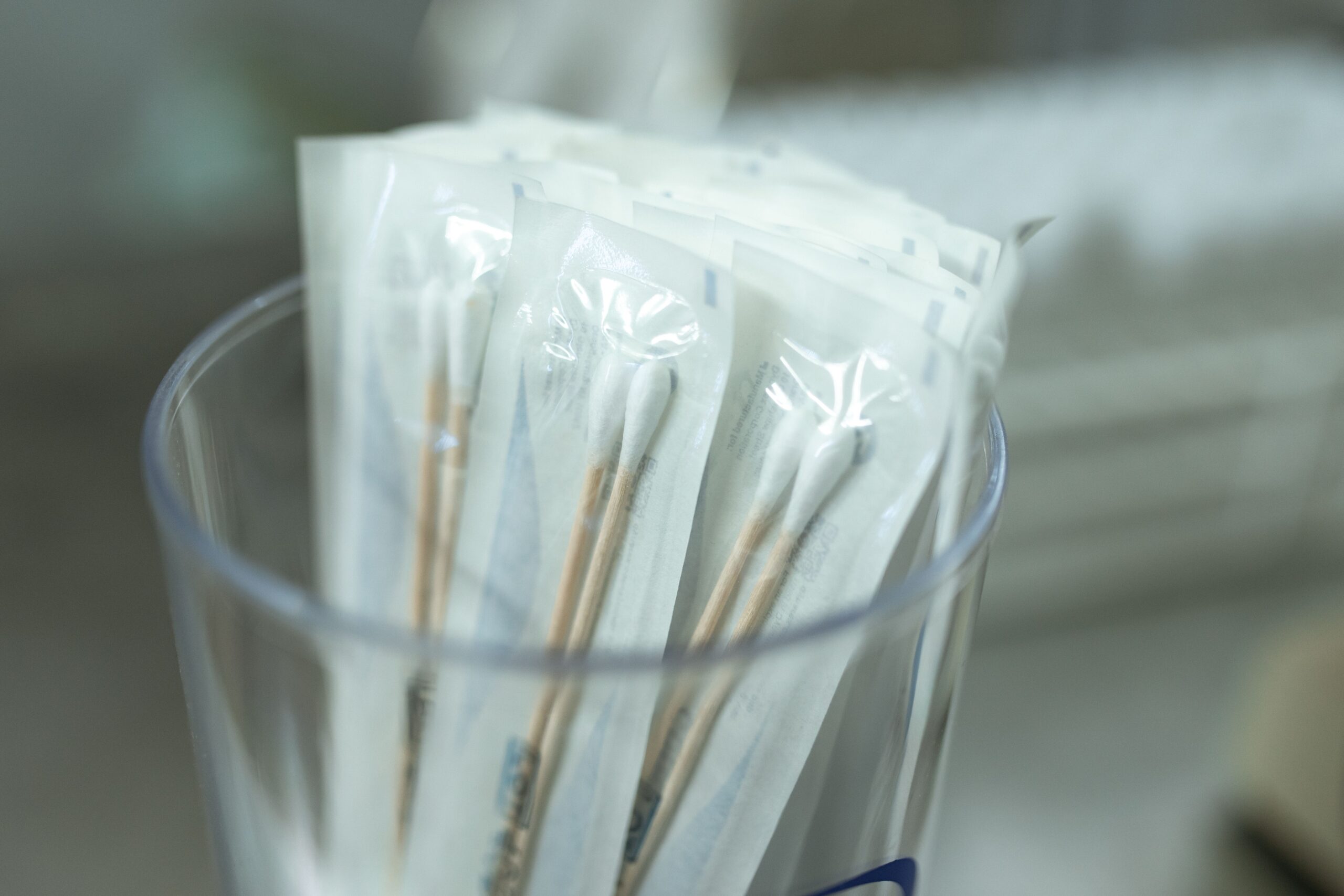
A nasal swab may be individually packed in a sterile pouch, or it may be included as one component inside a diagnostic kit. Some products require both individual pouch protection and final kit packaging.
Buyers should confirm whether the customer needs the swab separately packed, packed with a tube, or assembled into a complete kit.
Sterile Pouch Quality
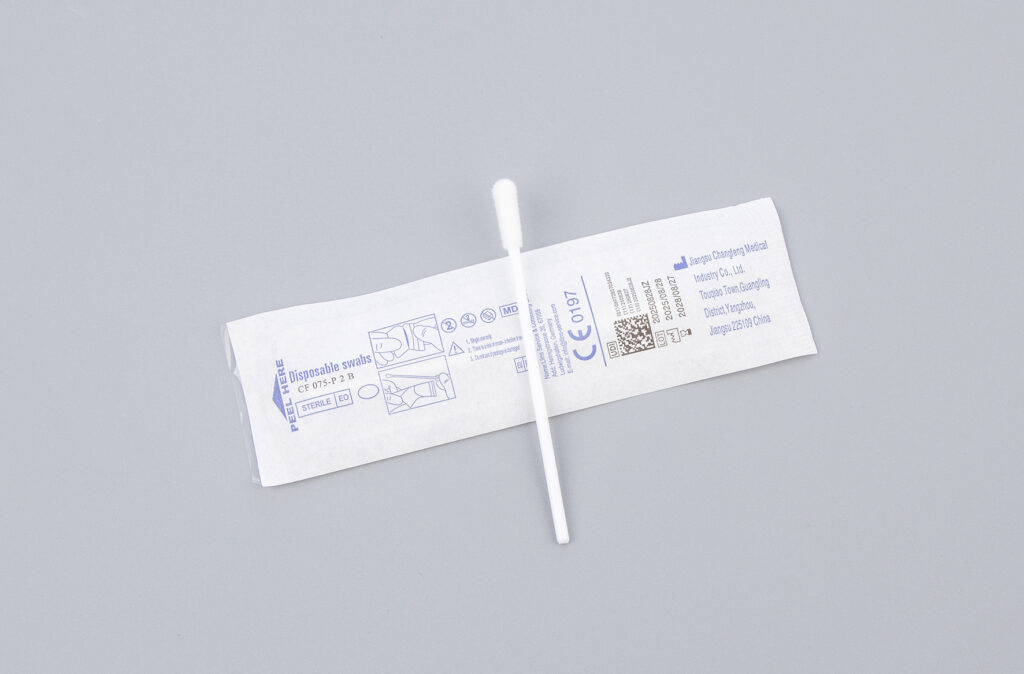
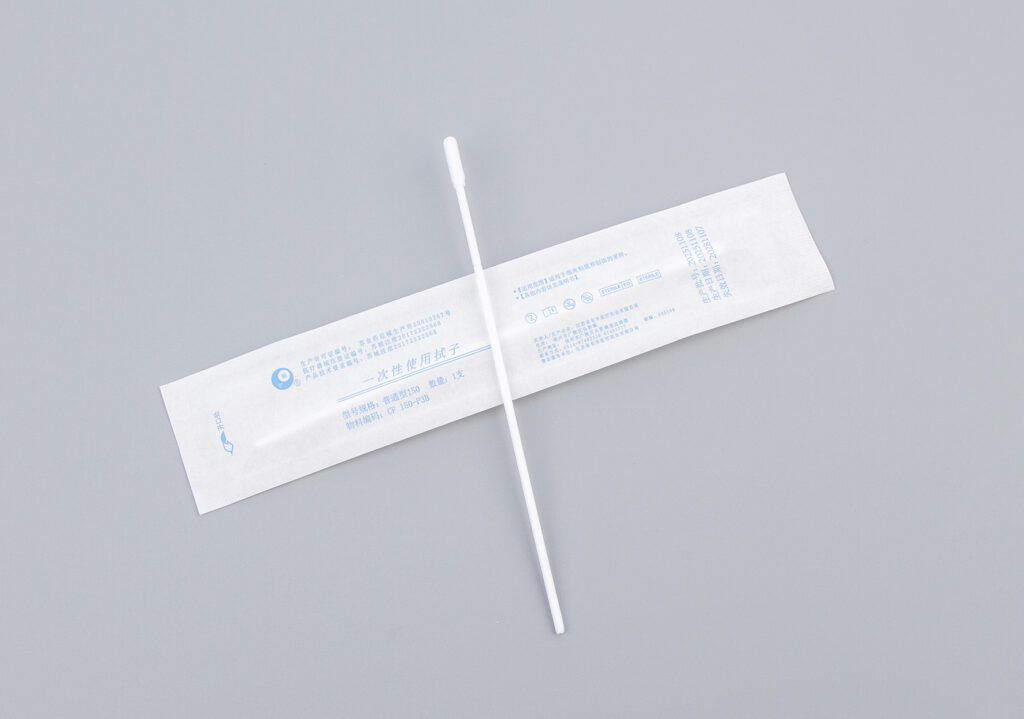
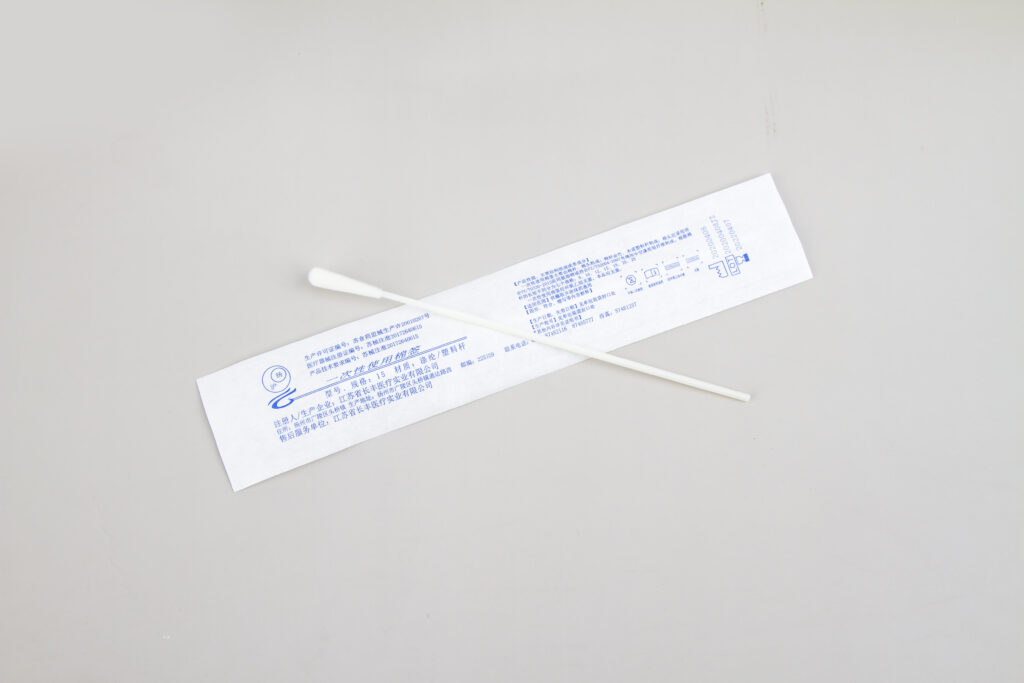
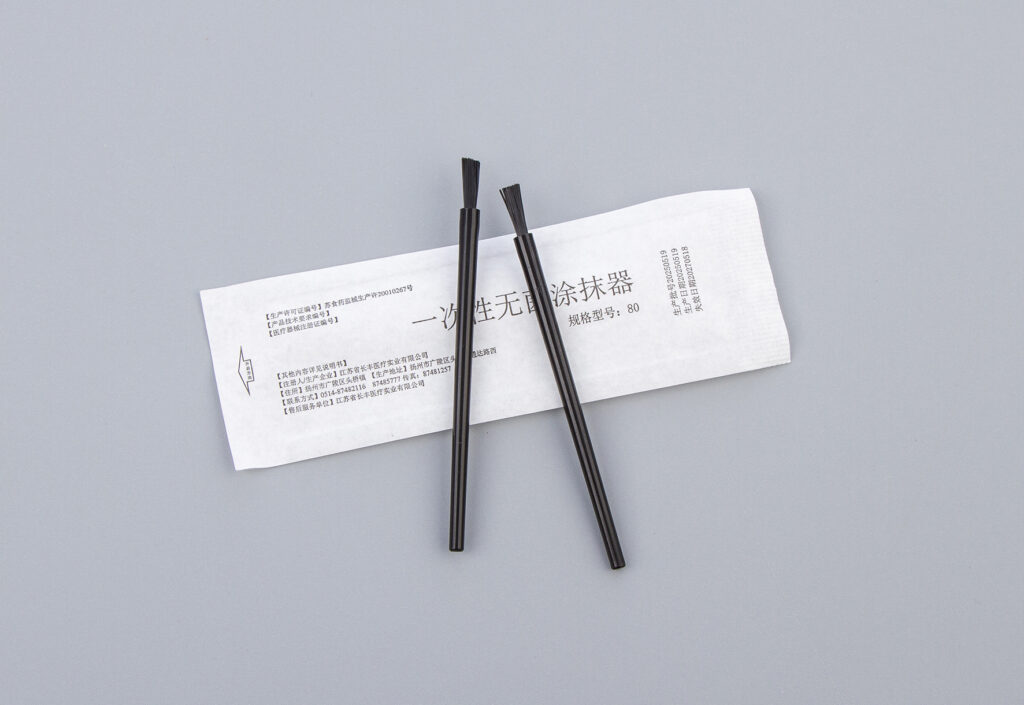
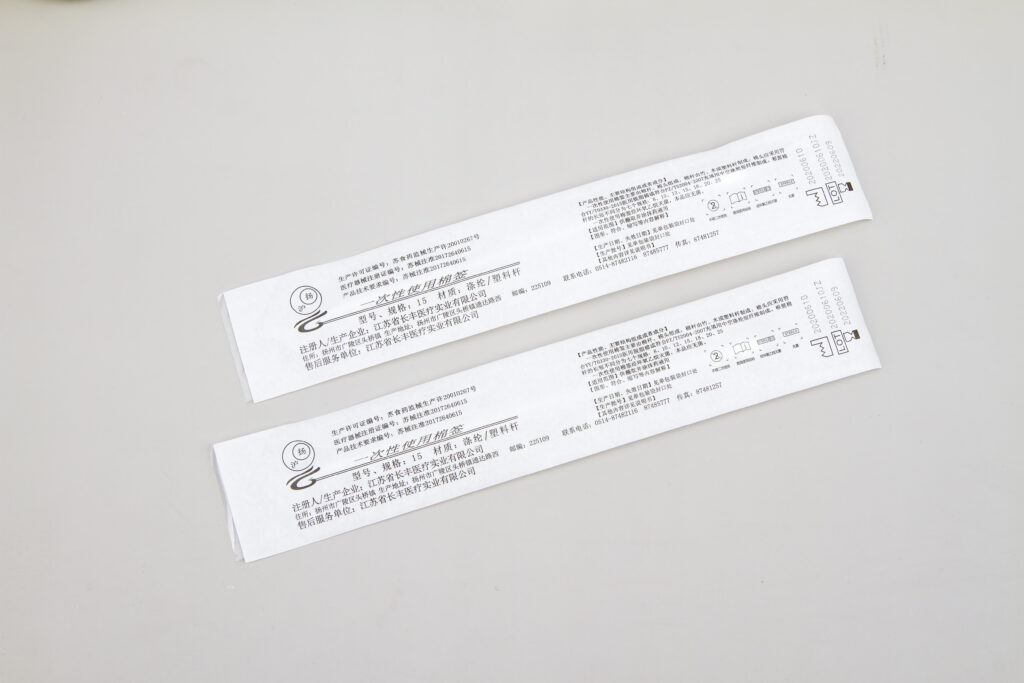
For sterile nasal swabs, the pouch is an important part of the product. Buyers should check pouch material, seal strength, opening convenience, printing clarity, lot number, expiration date, and sterile status.
Weak pouch seals or unclear printing may cause customer rejection even when the swab itself is acceptable.
Pouch Size and Swab Fit
The pouch should fit the nasal swab without bending the shaft or compressing the tip. If the pouch is too tight, the swab may look poorly protected. If the pouch is too large, kit assembly may become inefficient.
Buyers should test real samples with the final kit box or pouch layout before mass production.
Labeling and Traceability
Useful label information may include product name, swab type, sterile status, lot number, expiration date, storage conditions, quantity, manufacturer information, and private label details.
Traceability matters for diagnostic kit buyers because lot number and expiration date help manage inventory, customer feedback, and product rotation.
Packaging for Nasal Swabs with Tubes
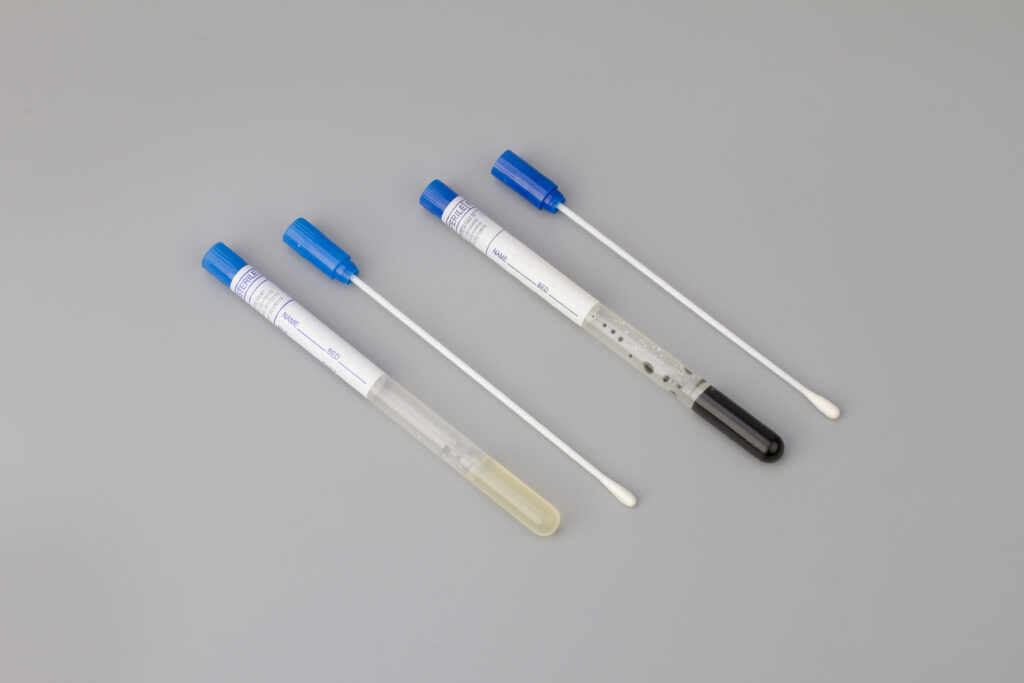
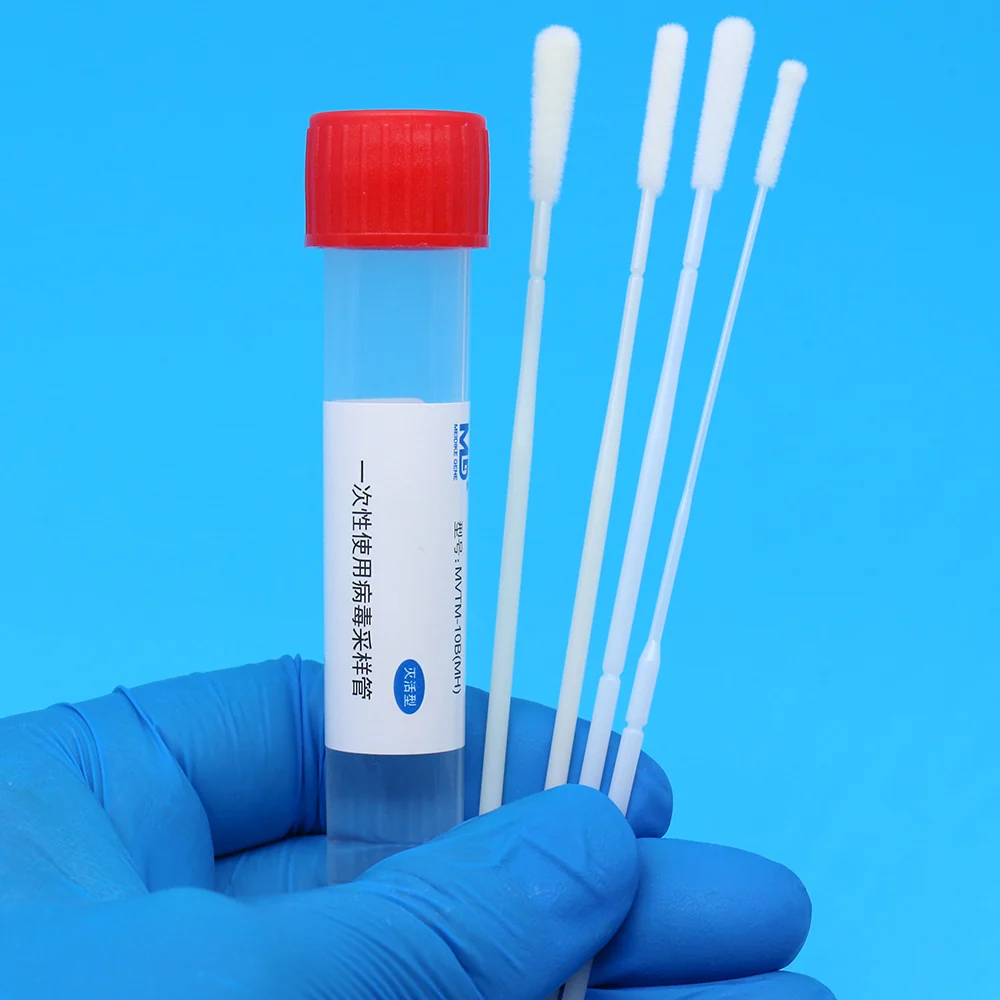
If the nasal swab is packed with a tube, buyers should check tube fit, cap protection, label space, pouch size, and whether the swab breakpoint matches the tube length.
A good nasal swab can still cause problems if the tube, pouch, cap, and box are not compatible.
Private Label Packaging
Private label packaging may include printed pouches, tube labels, box artwork, instruction sheets, barcodes, and carton marks. Before production, buyers should approve artwork, spelling, logo placement, barcode position, and label format.
Private label samples should be checked before mass printing because artwork mistakes can delay shipment or create rework costs.
Shelf Life and Storage Conditions
Nasal swab packaging should show shelf life and storage information where required. Buyers should confirm remaining shelf life before shipment, especially for long distribution chains.
If the diagnostic kit includes transport medium or other components, the final kit shelf life may depend on the shortest shelf life among the components.
What Buyers Should Check Before Ordering
Before ordering nasal swab packaging for diagnostic kits, buyers should check pouch material, seal strength, pouch size, sterile status, label content, lot number, expiration date, shelf life, tube fit, kit layout, barcode, private label artwork, inner box, outer carton, samples, MOQ, lead time, and documents.
Common Mistakes
One common mistake is approving the nasal swab without approving the final packaging. Another mistake is checking pouch artwork but not checking real printed samples.
Buyers should also avoid assuming that supplier standard packaging will match every diagnostic kit project.
Conclusion
To choose nasal swab packaging for diagnostic kits, buyers should review sterile pouch quality, swab fit, labels, lot number, expiration date, tube compatibility, kit layout, shelf life, private label artwork, and carton packing.
Changfeng Medical supplies sampling swabs for diagnostic, clinical, and laboratory applications, including nasal swabs, large-headed flocked swabs, polyester fiber swabs with sheath, media-coated swabs, and double-tip throat swabs. Contact us to discuss nasal swab packaging, private label options, and bulk supply solutions for your market.
FAQ
What packaging is used for nasal swabs?
Nasal swabs may use sterile individual pouches, tube packaging, kit packaging, labels, boxes, and outer cartons depending on the workflow.
Why is pouch size important?
Pouch size should protect the swab without bending the shaft, compressing the tip, or wasting space in the final kit.
Can nasal swab packaging be private labeled?
Yes. Private label options may include printed pouches, labels, boxes, instruction sheets, barcodes, and carton marks.
What should buyers check before ordering?
Buyers should check pouch quality, sterile status, labels, shelf life, tube fit, kit layout, samples, and documents.