Dry Swab vs. Transport Swab: What Is the Difference?

Dry swabs and transport swabs are both used for specimen collection, but they are designed for different workflows. A dry swab is usually supplied without transport medium, while a transport swab is designed to help move the collected specimen from the collection site to the laboratory or testing area.
For medical buyers, laboratories, clinics, and distributors, understanding the difference between dry swabs and transport swabs is important. The wrong choice may create problems in sample handling, storage, transport, and compatibility with downstream testing methods.
Dry Swab vs. Transport Swab: The Simple Difference
A dry swab is a specimen collection swab supplied without a transport medium. It is often used when the sample will be processed quickly, when the workflow requires a dry format, or when the user will place the swab into a separate tube, reagent, or test system.
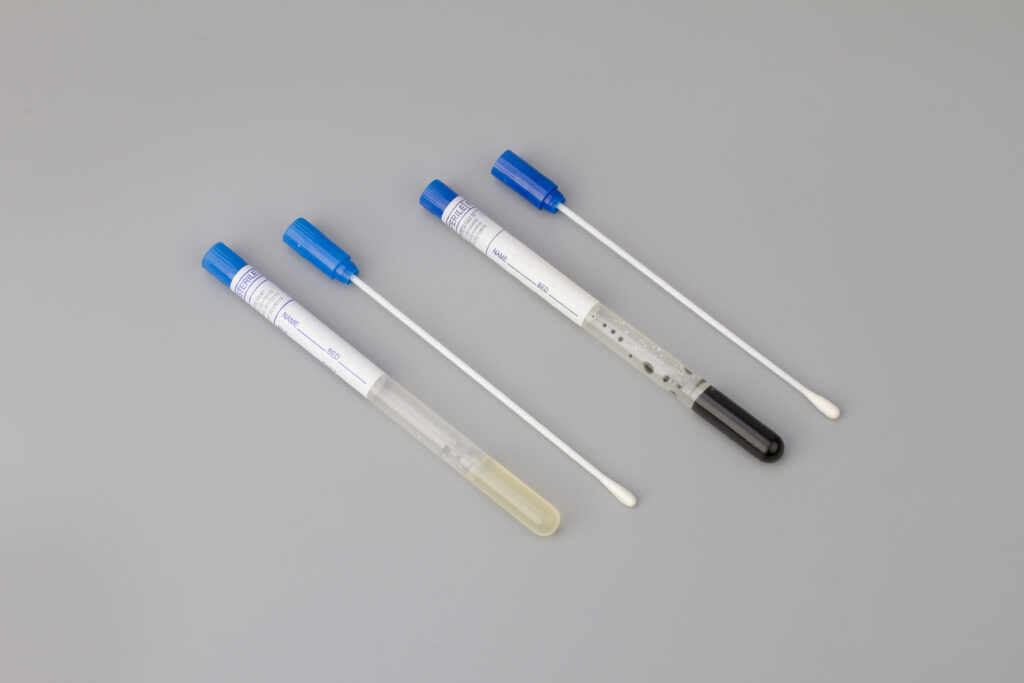
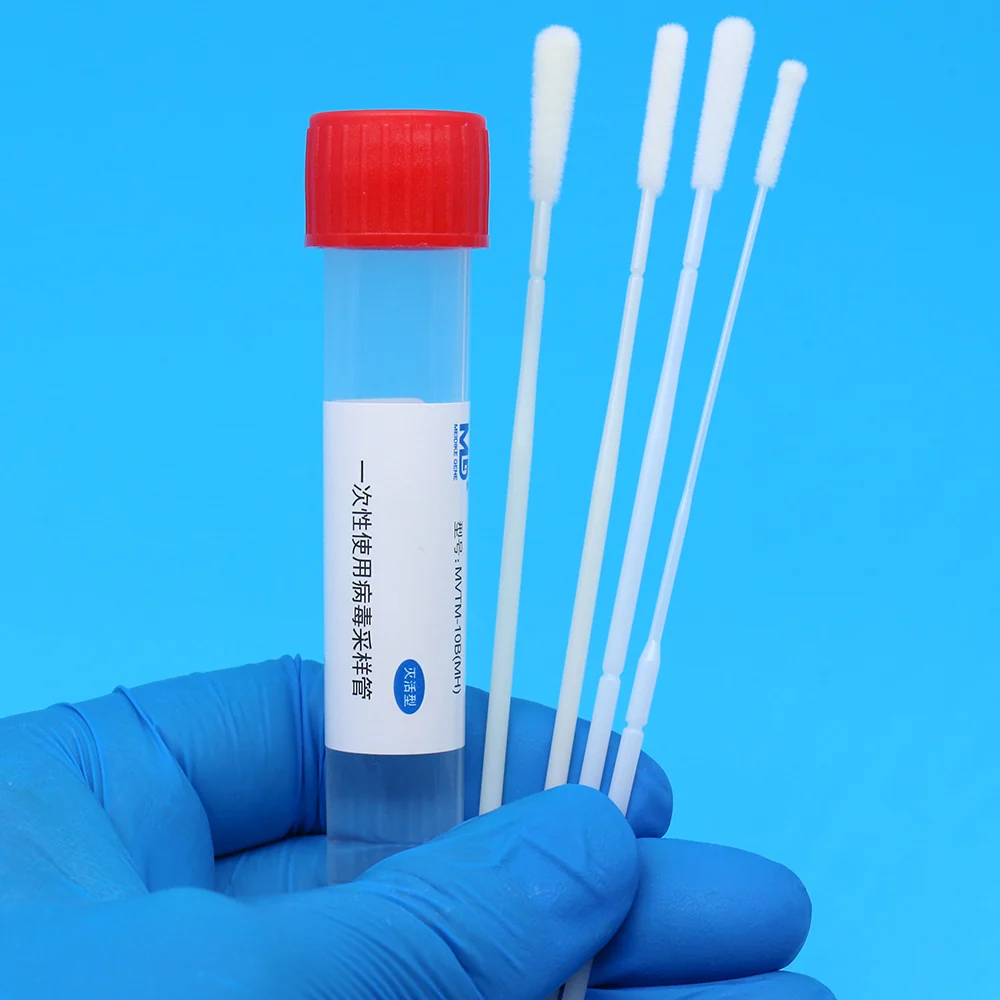
A transport swab is designed for workflows where the collected specimen needs to be transported or held before testing. It may be supplied with a transport tube, transport medium, or a pre-applied medium depending on the product design.
In simple terms, dry swabs focus mainly on collection, while transport swabs focus on collection plus specimen handling before testing.
What Is a Dry Swab?
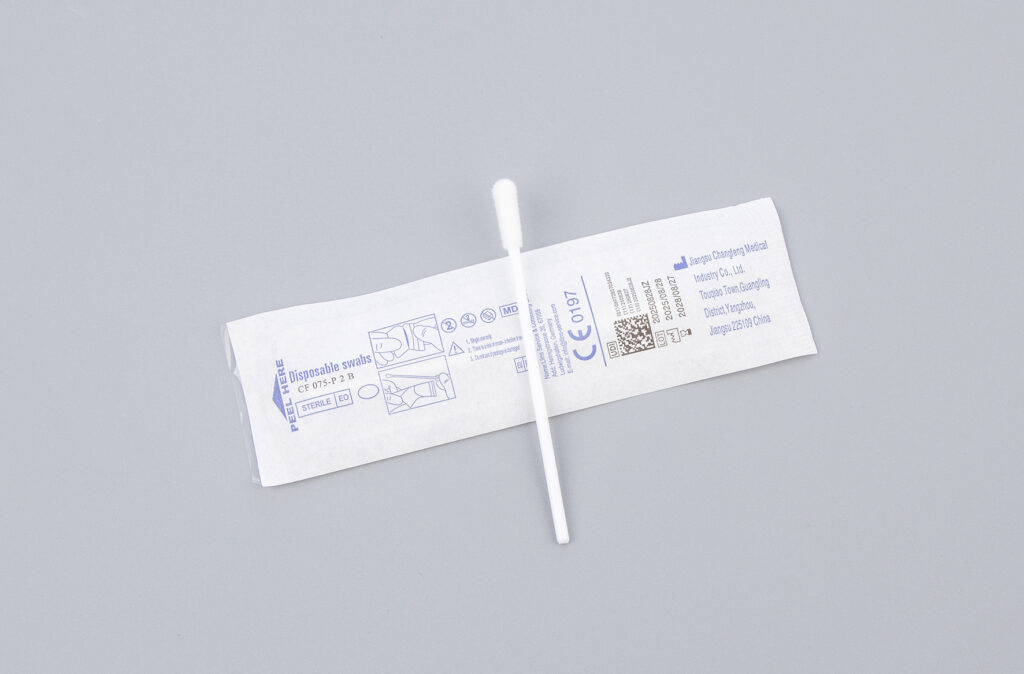
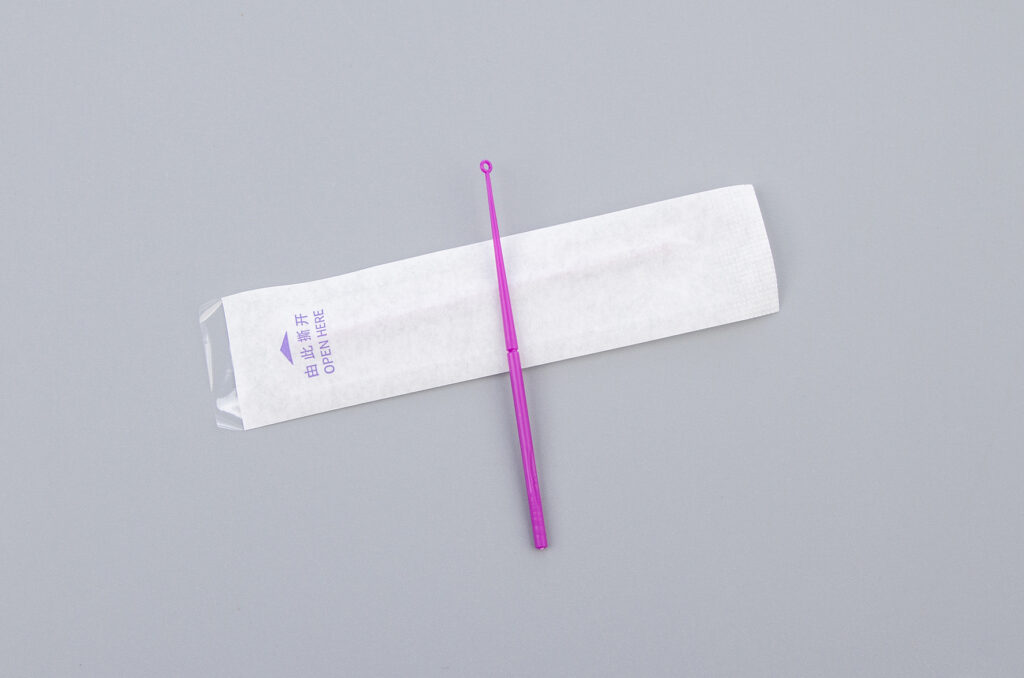
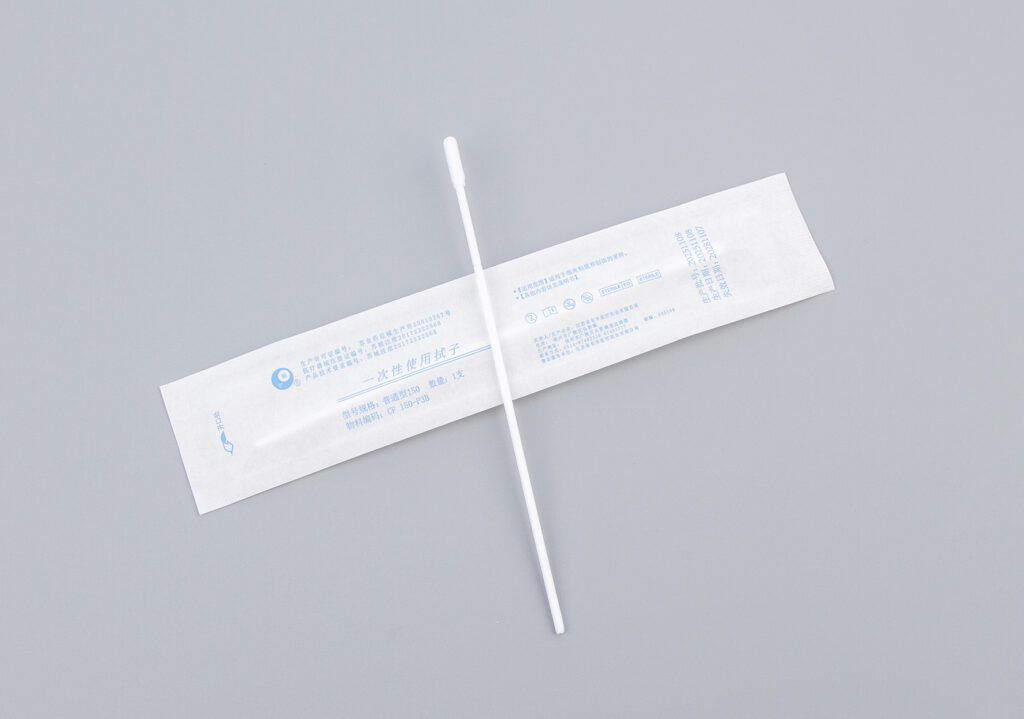
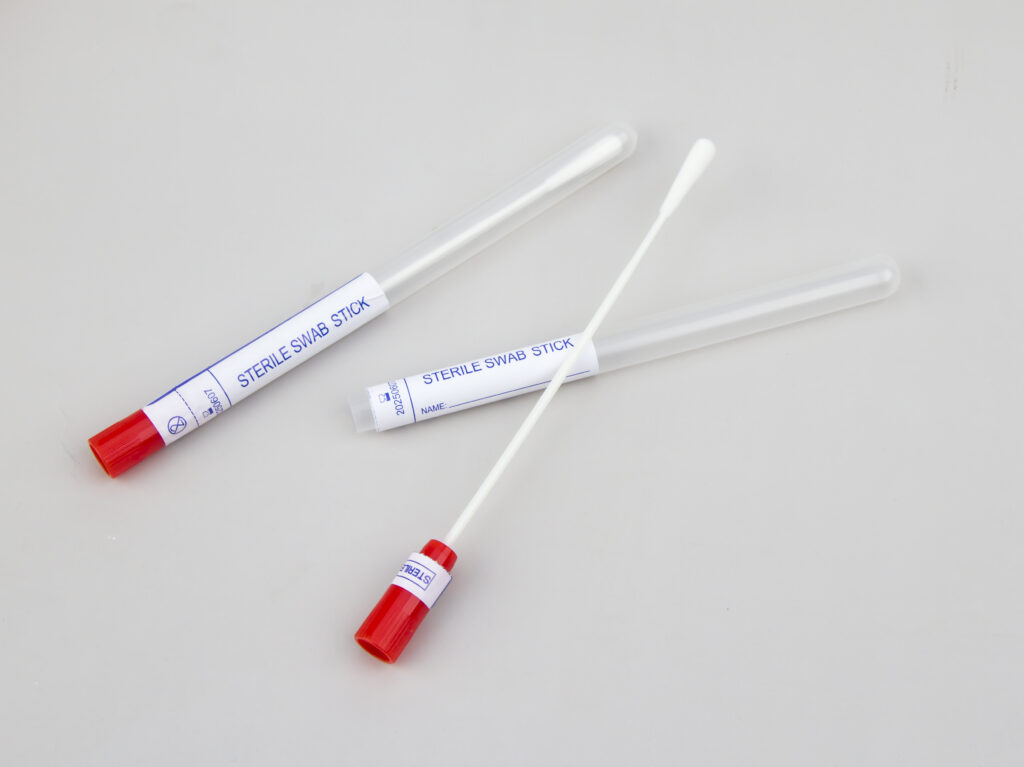
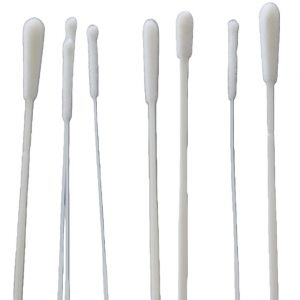
A dry swab is a sterile or non-sterile sampling swab without liquid transport medium. It usually includes a swab tip, shaft, and packaging. Depending on the intended application, the tip may be made from flocked fiber, polyester fiber, foam, rayon, or another suitable material.
Dry swabs are widely used in medical, laboratory, industrial, and controlled sampling applications. In medical settings, the suitability of a dry swab depends on the collection site, specimen type, testing workflow, and laboratory instructions.
Common features of dry swabs
- No transport medium included
- Simple and practical product format
- Available with different tip materials
- May be sterile or non-sterile depending on use
- Can be individually packed for clean handling
- May include a breakpoint for tube placement
What Is a Transport Swab?
A transport swab is a specimen collection swab designed to support sample transfer after collection. It may be used with a tube, liquid medium, gel medium, or other transport system. Some products may also be media-coated, meaning the medium is already applied to the swab or collection system.
Transport swabs are useful when specimens are collected at one location and tested at another. They help organize the collection-to-laboratory process and can make specimen handling more convenient for clinical and laboratory workflows.
Common features of transport swabs
- Designed for specimen transport or temporary holding
- May include a tube or transport medium
- May use flocked, polyester, or other synthetic fiber tips
- Often supplied sterile for medical use
- Packaging usually includes labeling and lot information
- Must be compatible with the intended test or laboratory method
Key Difference 1: Presence of Transport Medium
The biggest difference is whether the swab is supplied with transport support. A dry swab does not include transport medium. A transport swab may include a medium, tube, or transport system.
This matters because some specimens need specific handling conditions before testing. Buyers should never assume that a dry swab can replace a transport swab without confirming the laboratory workflow.
Key Difference 2: Intended Workflow
A dry swab is usually selected for direct collection, immediate processing, or workflows where the user has a separate transport or extraction system.
A transport swab is usually selected when the sample needs to be moved from the collection point to another location before testing. It can be useful in clinics, hospitals, screening programs, and laboratories where collection and testing are not always performed at the same time or place.
Key Difference 3: Packaging and Labeling
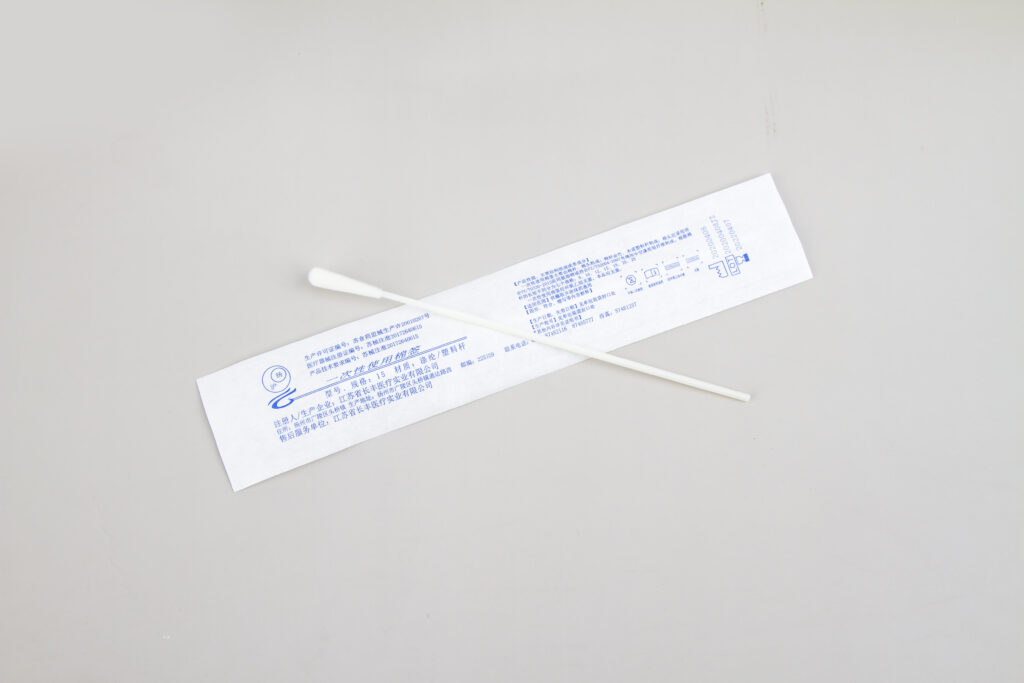
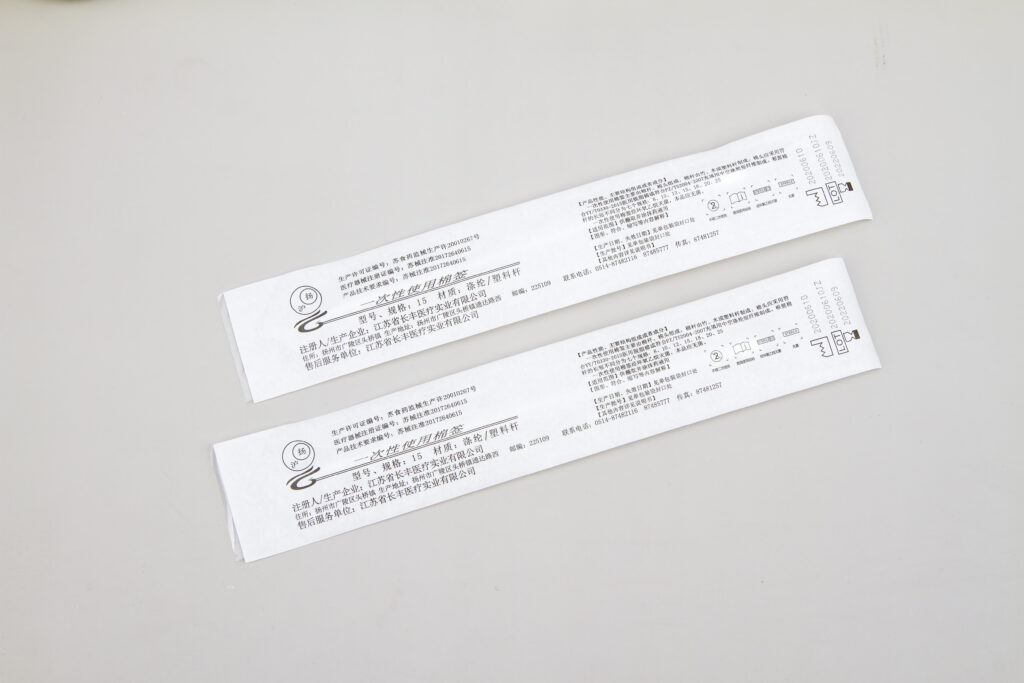
Dry swabs may have simple individual packaging or bulk packaging depending on the application. For medical use, sterile individual packaging is often preferred.
Transport swabs usually require more complete packaging information because the product may include a tube, medium, expiration date, storage conditions, and lot number. For export buyers, packaging clarity is especially important because it affects storage, shipping, and end-user acceptance.
Key Difference 4: Storage and Shelf Life
Dry swabs may have simpler storage requirements because they do not include liquid or gel medium. However, shelf life still depends on packaging, sterility, and material stability.
Transport swabs may have more specific storage requirements, especially when a medium is included. Buyers should confirm shelf life, recommended storage temperature, expiration labeling, and carton storage conditions before bulk ordering.
Key Difference 5: Compatibility with Testing Methods
Both dry swabs and transport swabs must be compatible with the intended testing method. Tip material, shaft material, transport medium, and additives can all matter.
For respiratory specimen collection and molecular testing workflows, many laboratories prefer synthetic fiber swabs with suitable plastic or wire shafts. Buyers should always follow the requirements of the test manufacturer or laboratory when selecting swabs.
When Should You Choose a Dry Swab?
A dry swab may be suitable when the specimen will be processed quickly, when the testing workflow requires a dry swab, or when the user will place the swab into a separate reagent, extraction tube, or transport system.
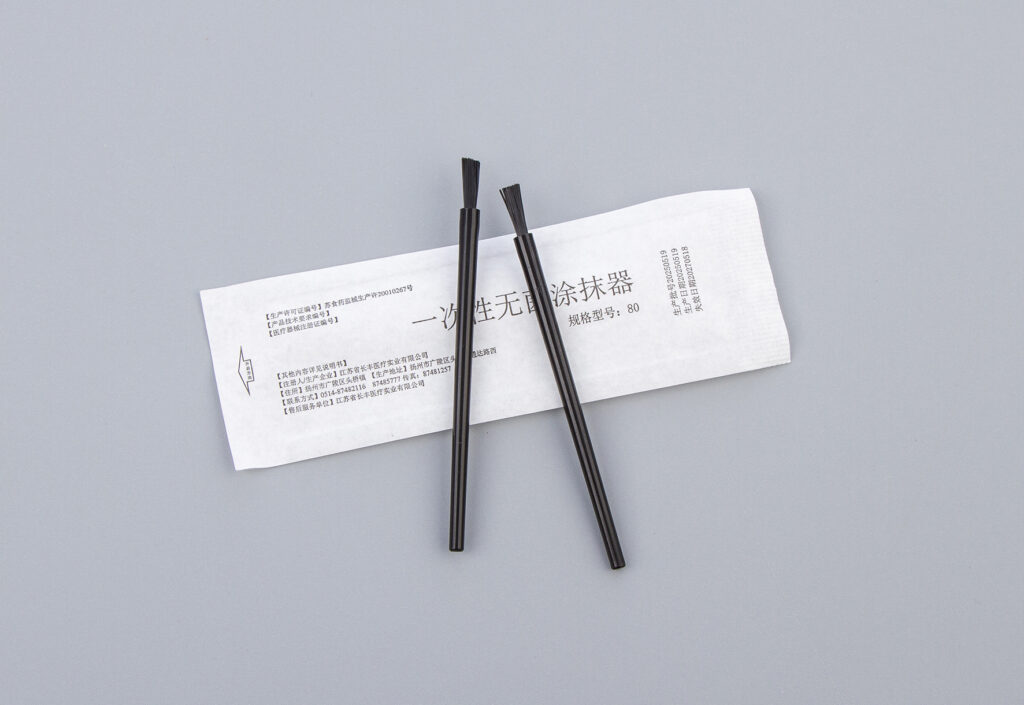
Dry swabs may also be selected for general laboratory sampling, surface sampling, controlled sampling, or other workflows where a transport medium is not required.
Before choosing a dry swab, buyers should confirm the collection site, tip material, shaft design, sterility, packaging, and downstream workflow.
When Should You Choose a Transport Swab?
A transport swab may be suitable when the collected specimen needs to be transported before testing. It is also useful when the customer wants a more complete collection solution that includes a swab and transport support.
Transport swabs are commonly considered for clinical specimen collection, microbiology workflows, respiratory sampling programs, and laboratory transport applications.
Before choosing a transport swab, buyers should confirm the medium type, swab material, tube size, cap design, storage requirement, shelf life, and testing compatibility.
What Is a Media-Coated Swab?
A media-coated swab is a type of swab that includes a pre-applied medium. It can be considered part of the broader transport swab category when the medium is used to support collection or specimen handling before testing.
Compared with a standard dry swab, a media-coated swab provides additional workflow support. Compared with a full tube-and-medium transport system, it may offer a different format depending on the product design.
Quick Comparison Table
| Feature | Dry Swab | Transport Swab |
|---|---|---|
| Medium | No transport medium included | May include tube, medium, or media coating |
| Main purpose | Specimen collection | Collection plus transport support |
| Storage | Usually simpler | May require specific conditions |
| Packaging | Simple pouch or bulk format | Often includes tube, label, lot, and expiration details |
| Best for | Immediate processing or separate test systems | Specimens that need transport before testing |
What Buyers Should Check Before Ordering
Before ordering dry swabs or transport swabs, buyers should confirm the intended use and request detailed specifications from the supplier.
Important points include:
- Collection site
- Specimen type
- Tip material
- Tip size and shape
- Shaft material and length
- Breakpoint position
- Sterility
- Packaging format
- Transport medium type, if included
- Tube size and cap design, if included
- Shelf life and storage conditions
- Export documentation
- Sample availability before bulk order
Common Mistakes When Choosing Dry or Transport Swabs
One common mistake is choosing dry swabs only because they are cheaper. If the specimen needs transport support, a dry swab may not fit the workflow.
Another mistake is choosing transport swabs without confirming the medium type. Different workflows may require different media or no medium at all. Buyers should not assume that every transport swab is suitable for every test.
It is also important to check tube compatibility, breakpoint position, shelf life, and packaging quality before placing a large order.
Related Swab Options
Flocked swab
A flocked swab has short synthetic fibers on the tip surface and is often selected when sample release is important.
Polyester fiber swab with sheath
A polyester fiber swab with sheath uses a synthetic polyester tip and includes a protective cover for cleaner handling before use.
Nasal swab
A nasal swab is designed for nasal cavity specimen collection and may be used dry or with a transport system depending on the workflow.
Double-tip throat swab
A double-tip throat swab is designed for throat or oropharyngeal specimen collection where a dual-tip design is preferred.
Media-coated swab
A media-coated swab includes pre-applied medium to support specimen collection or transport workflows.
Conclusion
The main difference between a dry swab and a transport swab is the role of transport support. A dry swab is mainly used for collection, while a transport swab is designed to support specimen handling before testing.
For buyers, the right choice depends on the collection site, test method, processing time, transport conditions, packaging needs, shelf life, and laboratory requirements.
Changfeng Medical supplies sampling swabs for diagnostic, clinical, and laboratory applications, including nasal swabs, large-headed flocked swabs, polyester fiber swabs with sheath, media-coated swabs, and double-tip throat swabs. Contact us to discuss specifications, packaging options, and bulk supply solutions for your market.
FAQ
What is a dry swab?
A dry swab is a specimen collection swab supplied without transport medium. It is used when the workflow does not require medium or when the swab will be placed into a separate system after collection.
What is a transport swab?
A transport swab is a swab designed to support specimen transport after collection. It may include a tube, transport medium, or media-coated design.
Is a dry swab the same as a transport swab?
No. A dry swab does not include transport medium, while a transport swab is designed to support sample handling or transport before testing.
When should buyers choose a transport swab?
Buyers should choose a transport swab when the specimen needs to be transported or held before testing, and when the medium or tube format matches the laboratory workflow.
Can dry swabs be used for respiratory sampling?
Dry swabs may be used in some respiratory sampling workflows if the test system or laboratory instructions allow it. Buyers should confirm the exact requirement before ordering.
What should buyers check before ordering swabs?
Buyers should check material, tip size, shaft design, sterility, packaging, breakpoint, transport medium, shelf life, storage conditions, and documentation.