What Is a Sterile Transport Swab Used For?

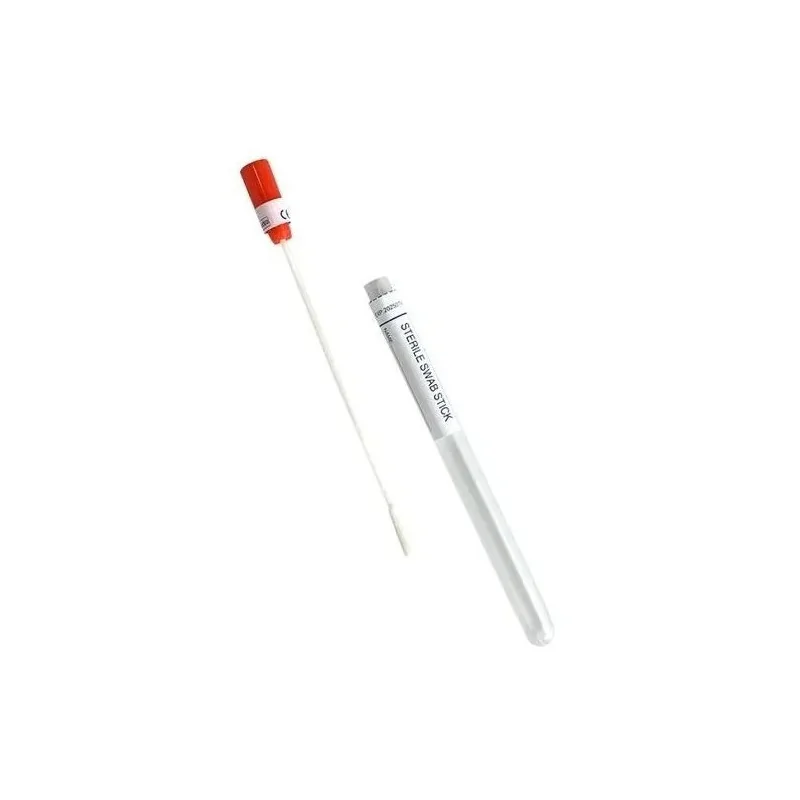
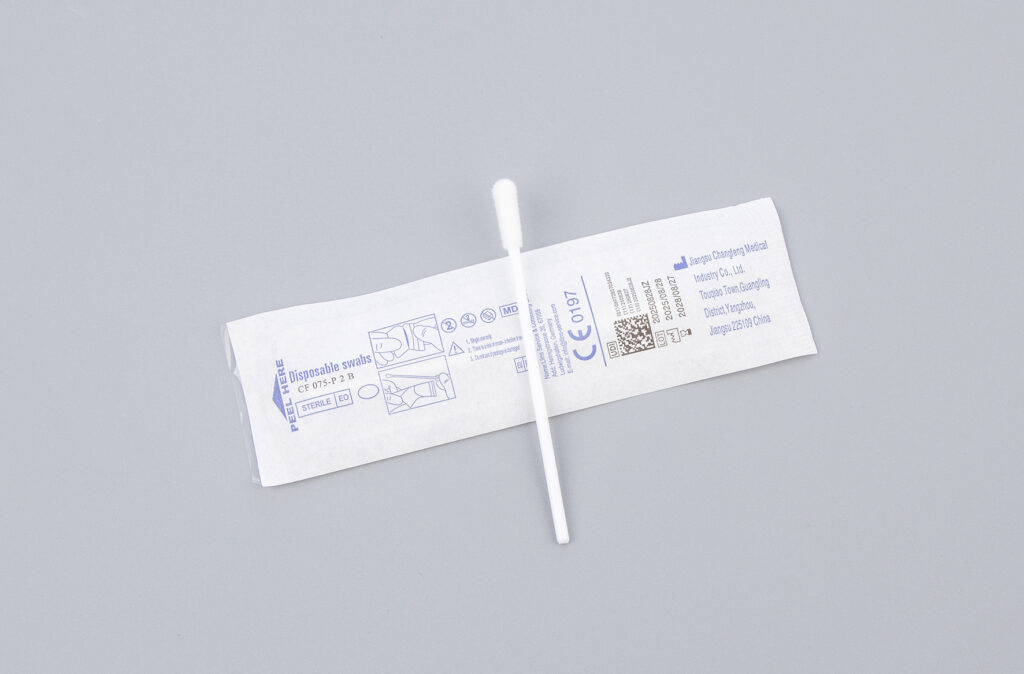
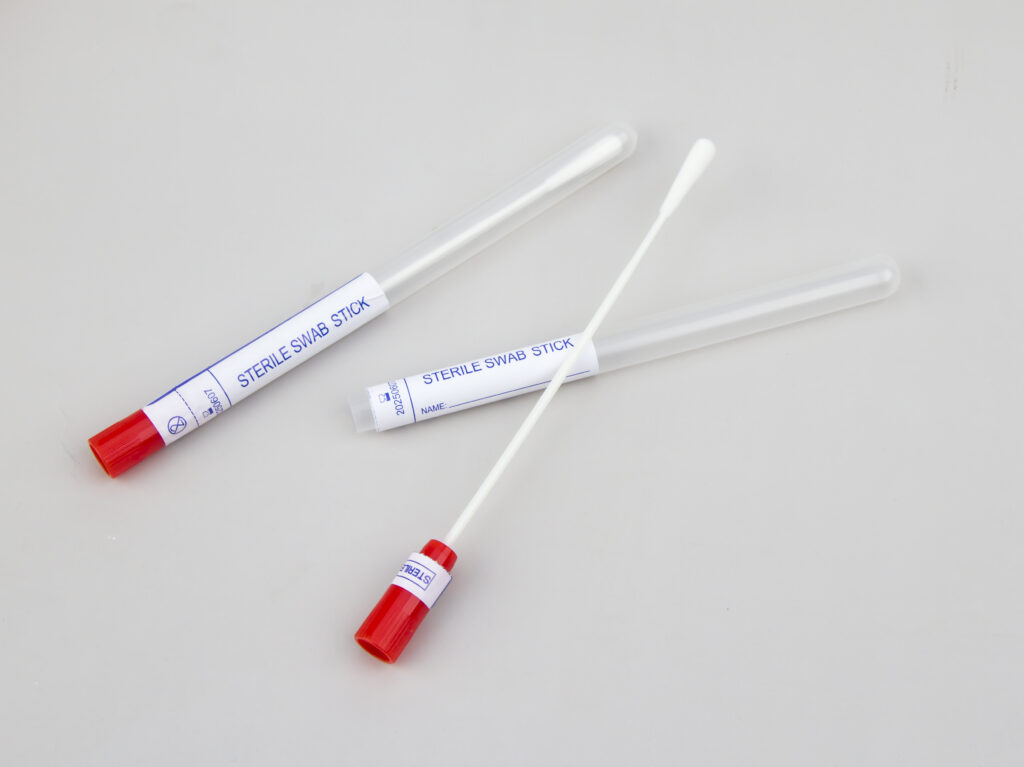
A sterile transport swab is a specimen collection swab designed to support sample collection and transport before testing. Compared with a simple dry swab, a sterile transport swab is usually supplied with sterile packaging and may be used together with a tube, transport medium, or collection system depending on the product design.
For medical buyers, laboratories, distributors, and procurement teams, sterile transport swabs are important because they connect the collection step with the laboratory handling step. Choosing the right product helps support cleaner handling, tube compatibility, shelf life management, and customer workflow consistency.
What Is a Sterile Transport Swab?
A sterile transport swab is a swab that has been sterilized and packaged to help maintain sterility before use. It is designed for workflows where the collected specimen may need to be transported, stored for a short period, or transferred to a laboratory or testing area.
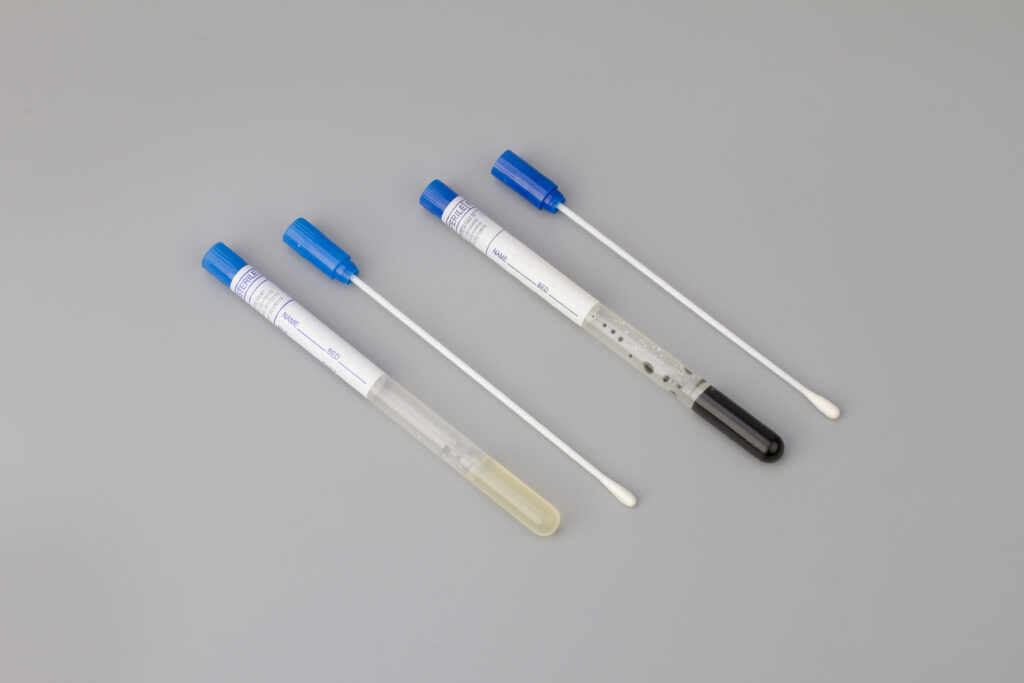
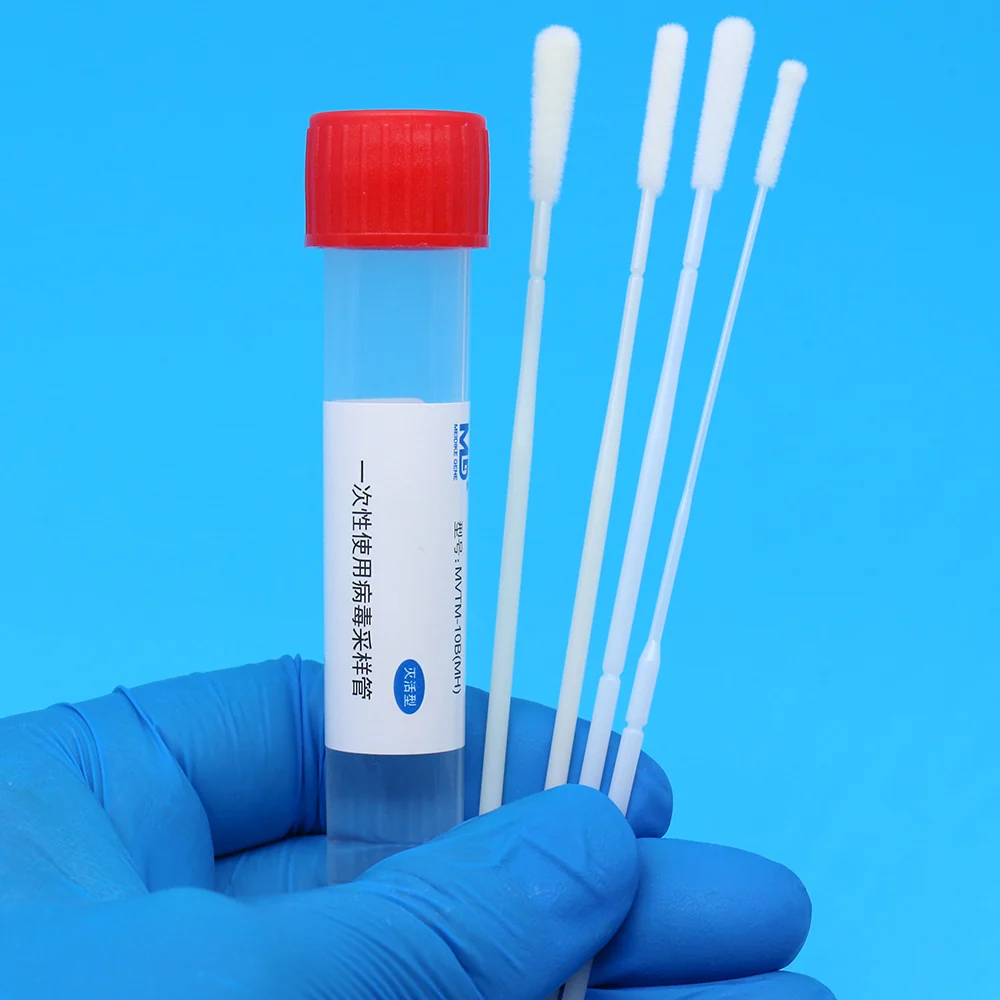
Depending on the product format, a sterile transport swab may include only the swab, or it may be supplied with a tube, transport medium, or media-coated system. Buyers should confirm the exact configuration before ordering.
What Is a Transport Swab?
A transport swab is a swab used when the collected sample needs support after collection and before testing. This support may come from a transport tube, liquid medium, gel medium, or another handling system.
Transport swabs are different from basic dry swabs because they are selected not only for collection, but also for what happens after collection.
What Is a Sterile Transport Swab Used For?
A sterile transport swab is used for specimen collection workflows where clean handling and sample transport support are needed. It may be used in medical, clinical, laboratory, diagnostic, microbiology, respiratory sampling, or field collection workflows depending on the intended use.
The exact application depends on the swab material, tube system, transport medium, collection site, specimen type, storage conditions, and testing method.
Common Applications of Sterile Transport Swabs
Clinical specimen collection
Clinics and healthcare facilities may use sterile transport swabs when specimens are collected at one location and tested or processed later.
Laboratory transport workflows
Laboratories may require swabs that fit a specific tube or medium so collected specimens can be handled consistently before testing.
Microbiology sampling
Microbiology workflows often require attention to collection, transport, and storage conditions. A suitable transport swab can help organize this process when it matches the test requirement.
Respiratory specimen collection
Some respiratory collection workflows use sterile swabs with tubes or media. Buyers should confirm material, shaft type, breakpoint, and transport system compatibility before ordering.
Field collection programs
Field sampling or screening programs may prefer ready-to-use transport swabs because they can reduce preparation steps and support consistent handling across many collection points.
Sterile Transport Swab vs. Dry Swab
The main difference is transport support. A dry swab is supplied without transport medium and may be used when the sample is processed quickly or placed into a separate system.
A sterile transport swab is selected when the sample needs more handling support after collection. It may be supplied with a tube, medium, or other transport format. The right choice depends on the workflow and testing requirement.
Sterile Transport Swab vs. Media-Coated Swab
A media-coated swab includes pre-applied medium or medium support. A sterile transport swab is a broader term and may include different transport designs, such as tube-based systems, liquid medium systems, or media-coated formats.
Buyers should confirm whether the product is a dry sterile swab, a swab with tube, a swab with transport medium, or a media-coated swab before ordering.
Sterile Transport Swab vs. Non-Sterile Transport Swab
A sterile transport swab has sterile status and is usually individually packaged. A non-sterile transport swab does not provide the same sterile status and may be used only when sterility is not required.
For medical, clinical, diagnostic, or microbiology workflows, sterile products are often preferred or required. Buyers should follow the end user’s protocol or laboratory requirement.
Key Feature 1: Sterile Packaging
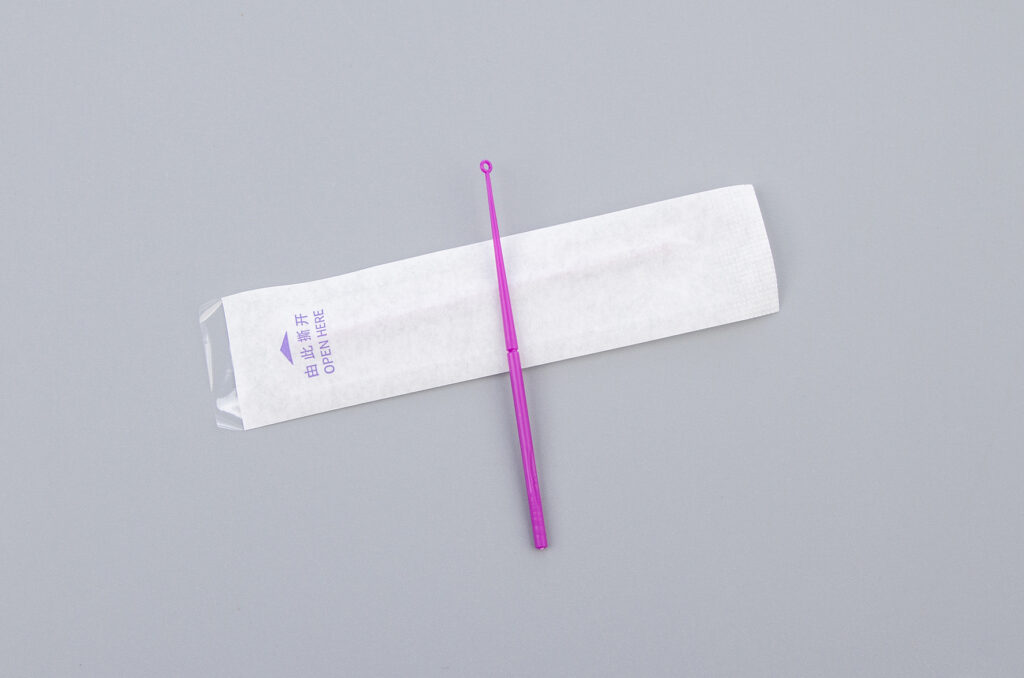
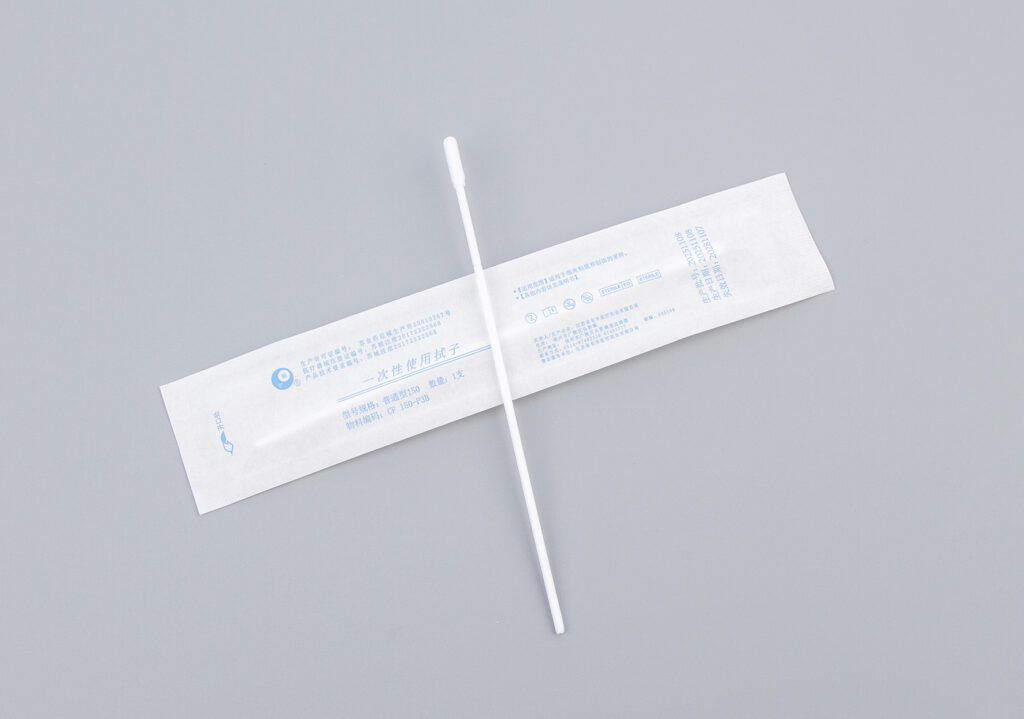
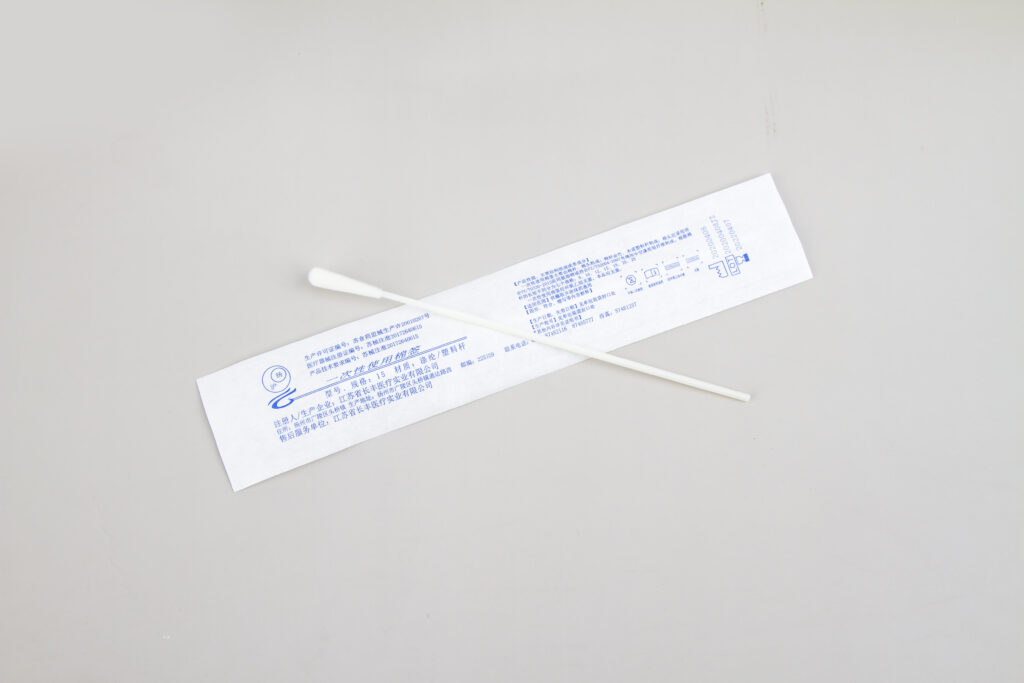
Sterile packaging helps protect the swab before use. It also supports cleaner handling when users open one swab at a time.
Buyers should check pouch quality, seal strength, opening convenience, printed lot number, expiration date, sterile status, and carton protection. Packaging is part of the product quality, not just an outer wrapper.
Key Feature 2: Transport Tube Compatibility
If a transport swab is used with a tube, the swab must fit the tube properly. Tip size, shaft length, breakpoint position, tube opening, and cap closing space all matter.
A swab may have the right material but still fail in real use if it does not fit the tube system. Buyers should test samples with the actual tube or kit before confirming bulk orders.
Key Feature 3: Transport Medium Compatibility
Some transport swabs are used with liquid or gel medium. The swab tip, shaft, and medium should be compatible with the intended workflow.
Buyers should confirm medium type, storage conditions, shelf life, tube volume, and testing compatibility before ordering. The swab and medium should be evaluated as one system.
Key Feature 4: Swab Tip Material
Sterile transport swabs may use nylon flocked fiber, polyester fiber, rayon, foam, or another suitable material. Each material behaves differently in collection, absorption, and sample release.
Nylon flocked swabs are often selected when sample release is important. Polyester swabs may be used for routine sampling workflows. Foam swabs may be selected when absorbency or cushioning is needed.
Key Feature 5: Shaft Design and Breakpoint
The shaft affects handling, flexibility, strength, and tube compatibility. If the swab tip needs to be placed inside a tube, a breakpoint may be needed.
The breakpoint should be easy to snap after collection but strong enough during sampling. Buyers should check total length, shaft material, shaft diameter, flexibility, and breakpoint position.
When Should Buyers Choose a Sterile Transport Swab?
Buyers may choose a sterile transport swab when the customer needs specimen collection with sterile handling and transport support. This may apply to clinical sampling, laboratory transport, diagnostic workflows, respiratory collection, microbiology sampling, and collection kit assembly.
The product should be selected according to the collection site, specimen type, testing method, tube system, transport medium, and packaging requirement.
When May a Dry Sterile Swab Be Enough?
A dry sterile swab may be enough when the sample will be processed quickly or when the user places the swab into a separate reagent, extraction tube, or test system.
Buyers should not add transport medium or choose a transport system if the customer’s workflow does not require it. The best product is the one that matches the real workflow.
Packaging and Labeling Requirements
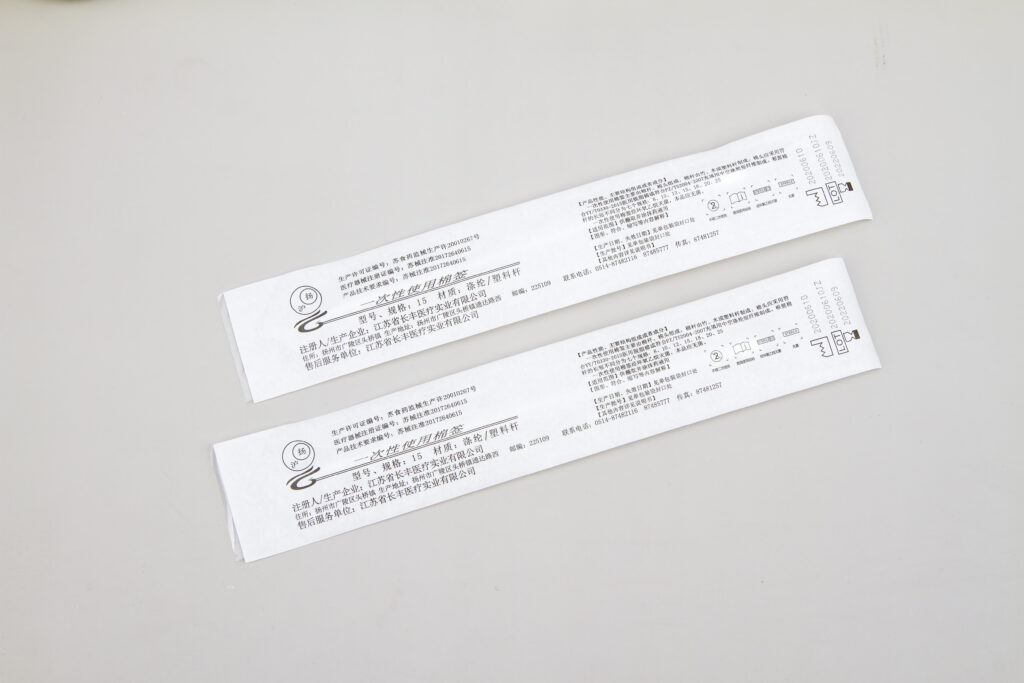
Sterile transport swabs often require clear packaging and labeling. Useful information may include product name, size, material, sterile status, sterilization method, lot number, expiration date, storage conditions, and manufacturer information.
For private label orders, buyers should confirm artwork, language, barcode, carton marks, and label layout before production.
Shelf Life and Storage Conditions
Sterile transport swabs may have specific shelf life and storage requirements, especially when transport medium is included. Buyers should confirm shelf life, expiration labeling, recommended storage temperature, and carton storage conditions.
For distributors, shelf life is important because products may spend time in production, international shipping, customs clearance, warehouse storage, and final distribution.
What Buyers Should Check Before Ordering
Before purchasing sterile transport swabs in bulk, buyers should check the full product specification and request samples when possible.
- Is the swab sterile?
- What sterilization method is used?
- Is the swab supplied with a tube?
- Is transport medium included?
- What type of medium is used?
- What material is used for the swab tip?
- What material is used for the shaft?
- Is there a breakpoint?
- Does the swab fit the intended tube?
- What is the shelf life?
- What storage conditions are required?
- What packaging format is available?
- Can private label packaging be provided?
- What documents are available for export?
Common Mistakes When Buying Sterile Transport Swabs
One common mistake is assuming that every sterile swab is a transport swab. A sterile dry swab may not include tube or medium support.
Another mistake is assuming that every transport medium is suitable for every test. Medium type, tube design, and swab material should be confirmed according to the intended workflow.
Buyers should also avoid ignoring breakpoint position, tube fit, shelf life, and packaging quality. These details often affect whether the product is accepted by the end user.
How to Choose a Supplier
A reliable supplier should provide clear specifications, stable quality, sample support, packaging options, and export documentation. For sterile transport swabs, buyers should also evaluate sterilization information, packaging integrity, lot traceability, shelf life control, and medium consistency if medium is included.
Before placing a bulk order, buyers can request samples, material information, tube dimensions, packaging details, sterilization documents, carton specifications, and lead time confirmation.
Conclusion
A sterile transport swab is used when specimen collection requires sterile handling and transport support before testing. It may include a swab only, a tube, transport medium, or a media-coated format depending on the product design.
For buyers, the most important points are sterile status, packaging, swab material, shaft design, tube compatibility, medium type, shelf life, storage conditions, and supplier documentation.
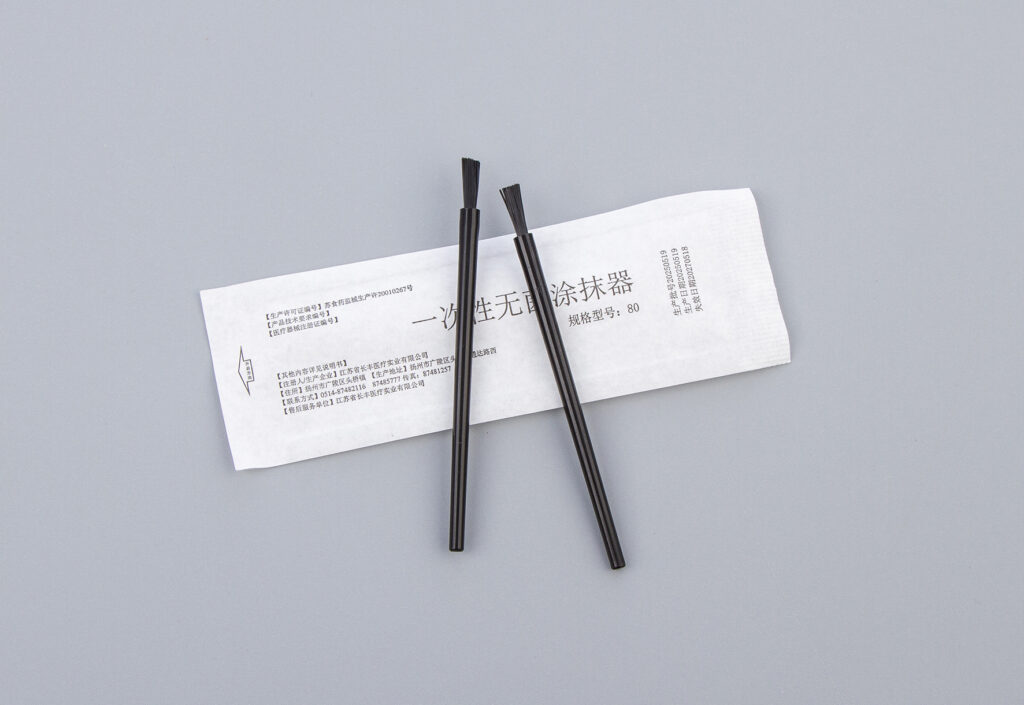
Changfeng Medical supplies sampling swabs for diagnostic, clinical, and laboratory applications, including nasal swabs, large-headed flocked swabs, polyester fiber swabs with sheath, media-coated swabs, and double-tip throat swabs. Contact us to discuss sterile transport swab specifications, packaging options, and bulk supply solutions for your market.
FAQ
What is a sterile transport swab?
A sterile transport swab is a sterile specimen collection swab designed to support sample collection and transport before testing.
What is a sterile transport swab used for?
It is used for workflows where collected specimens need sterile handling and transport support before laboratory processing or testing.
Is a sterile transport swab the same as a dry swab?
No. A dry swab is supplied without transport medium, while a transport swab may include a tube, medium, or transport-support system.
Can sterile transport swabs include transport medium?
Yes. Some sterile transport swabs include transport medium, while others may be supplied with only a swab and tube. Buyers should confirm the exact format.
What should buyers check before ordering sterile transport swabs?
Buyers should check sterile status, swab material, tube compatibility, medium type, breakpoint, packaging, shelf life, storage conditions, and documentation.
Can sterile transport swabs be customized?
Customization may be possible depending on supplier capability, order quantity, tube design, medium requirement, and packaging needs.