What Is Swab Packaging Damage and How Can Buyers Prevent It?

What Is Swab Packaging Damage and How Can Buyers Prevent It is an important purchasing question for medical buyers, distributors, laboratories, diagnostic companies, and procurement teams. The right choice depends on intended use, product specification, packaging, shelf life, traceability, and supplier support.
For B2B sourcing, buyers should not evaluate swab packaging damage only by unit price. A suitable swab should match the customer workflow, packaging expectation, tube or kit compatibility, and long-term supply plan.
Start with the Intended Application
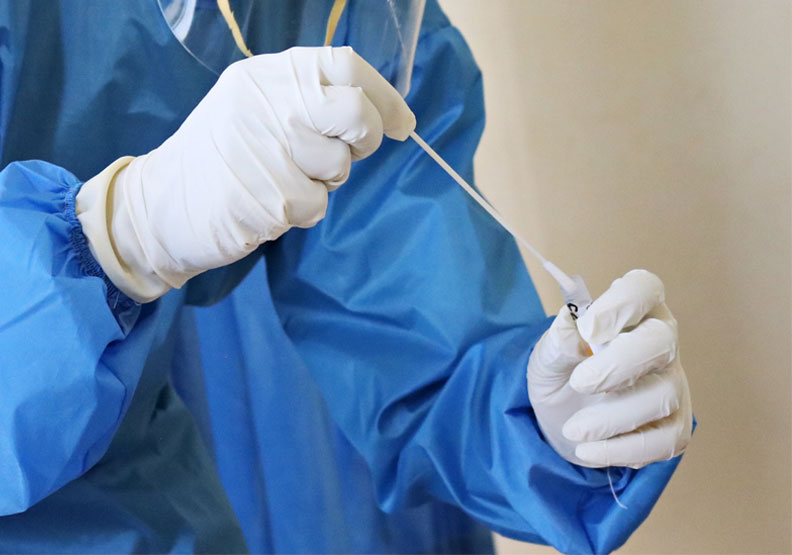
Buyers should first confirm how the swab will be used. The application may involve nasal collection, throat collection, laboratory sampling, diagnostic kit assembly, field sampling, product trials, distribution, or private label supply.
The intended application affects tip material, shaft length, shaft flexibility, breakpoint design, sterile status, packaging format, and documentation needs.
Confirm the Swab Type
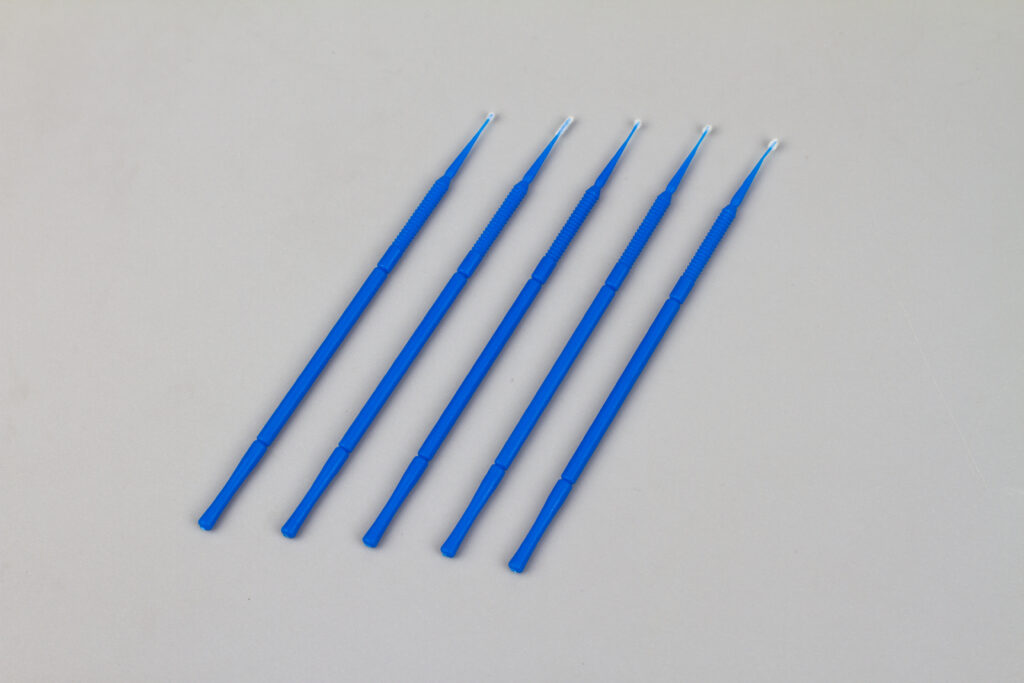
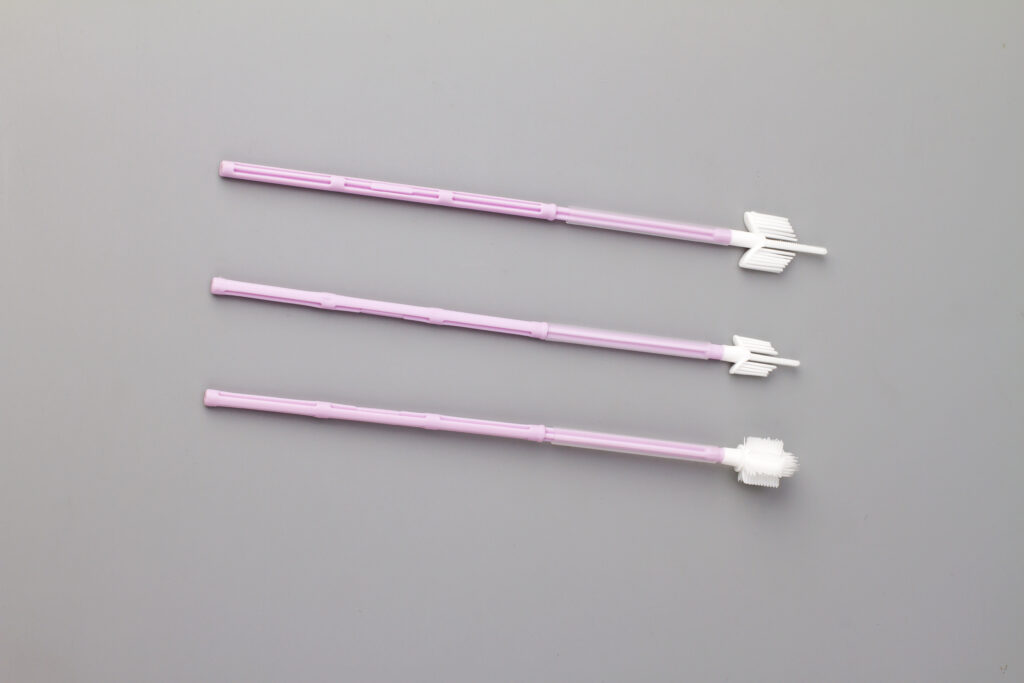
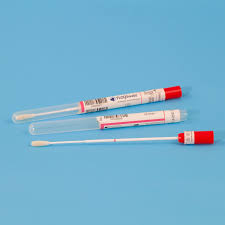
Common options include nasal swabs, nasopharyngeal swabs, throat swabs, double-tip throat swabs, nylon flocked swabs, polyester swabs, sterile dry swabs, transport swabs, and swabs with sheath.
Buyers should avoid using one general swab name for different workflows. The final specification should be confirmed in writing before samples or bulk orders are approved.
Check Tip Material
Tip material affects collection, absorption, sample release, and workflow compatibility. Common materials include nylon flocked fiber, polyester fiber, foam, rayon, cotton, and other options.
For diagnostic and laboratory use, buyers should confirm whether the customer or test method requires a specific material before replacing one swab type with another.
Check Shaft Design
Shaft material, total length, diameter, flexibility, and breakpoint position affect handling and tube compatibility. A suitable tip may still fail if the shaft does not match the workflow.
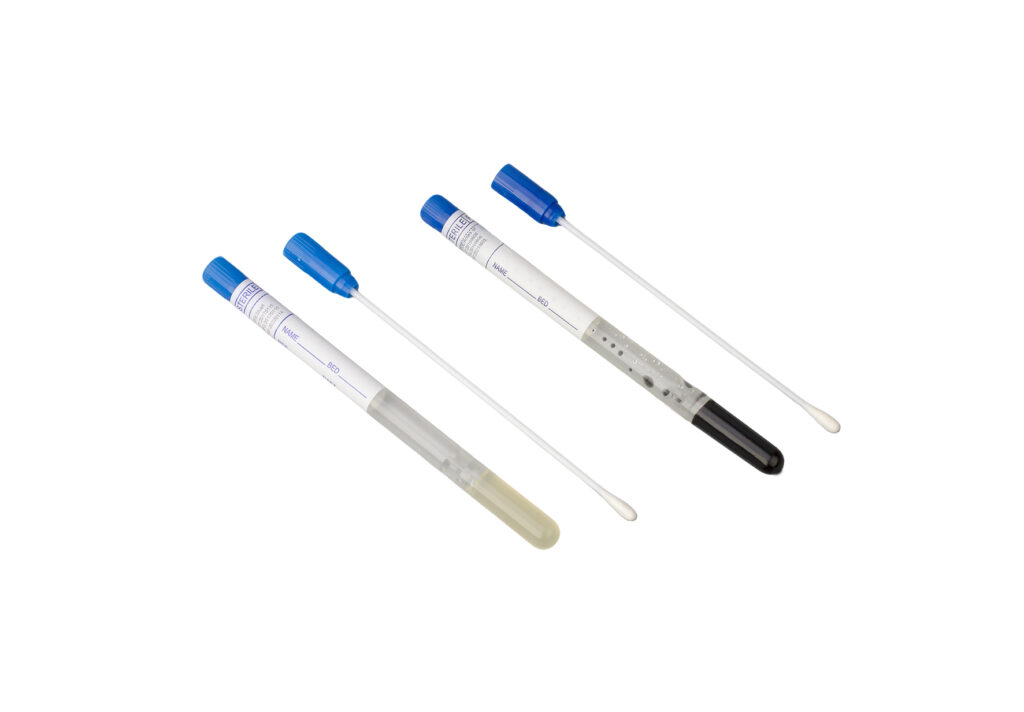
If the swab is used with a tube, the breakpoint should match tube length, cap closing space, and medium volume.
Review Packaging and Labels
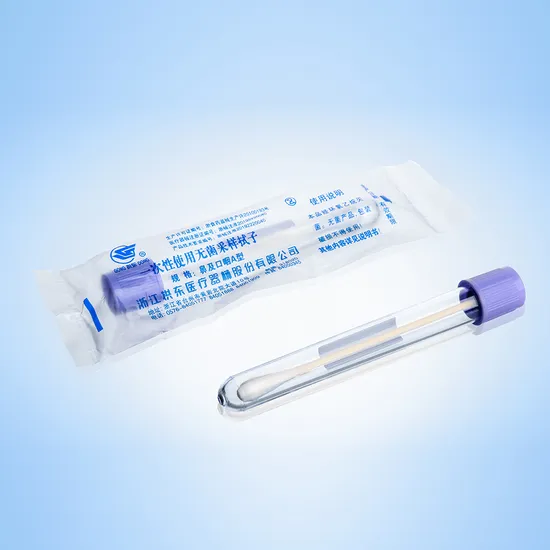
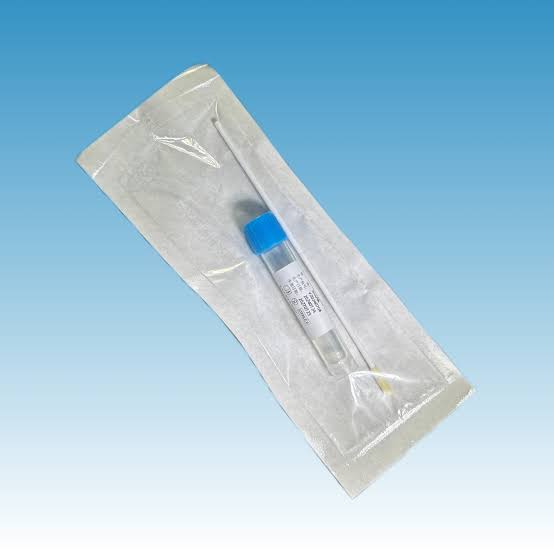
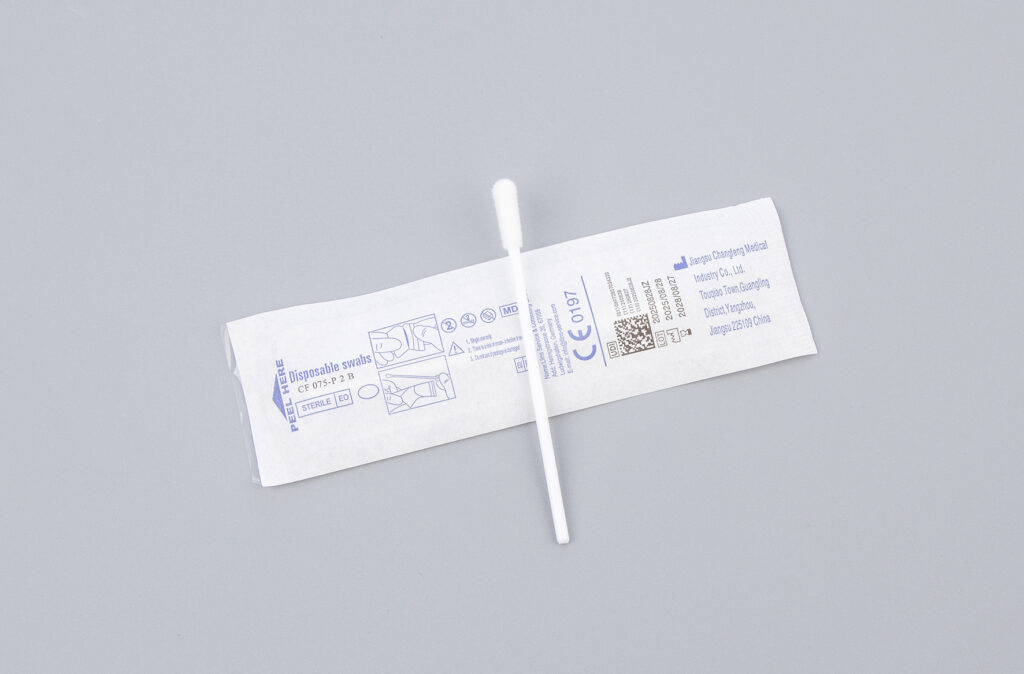
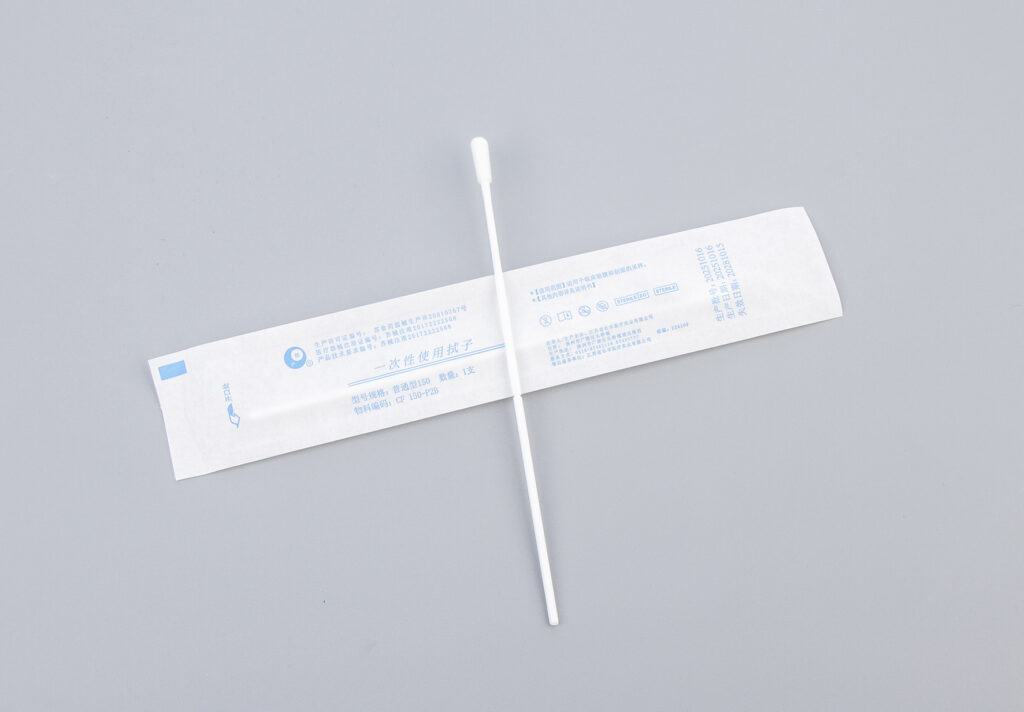
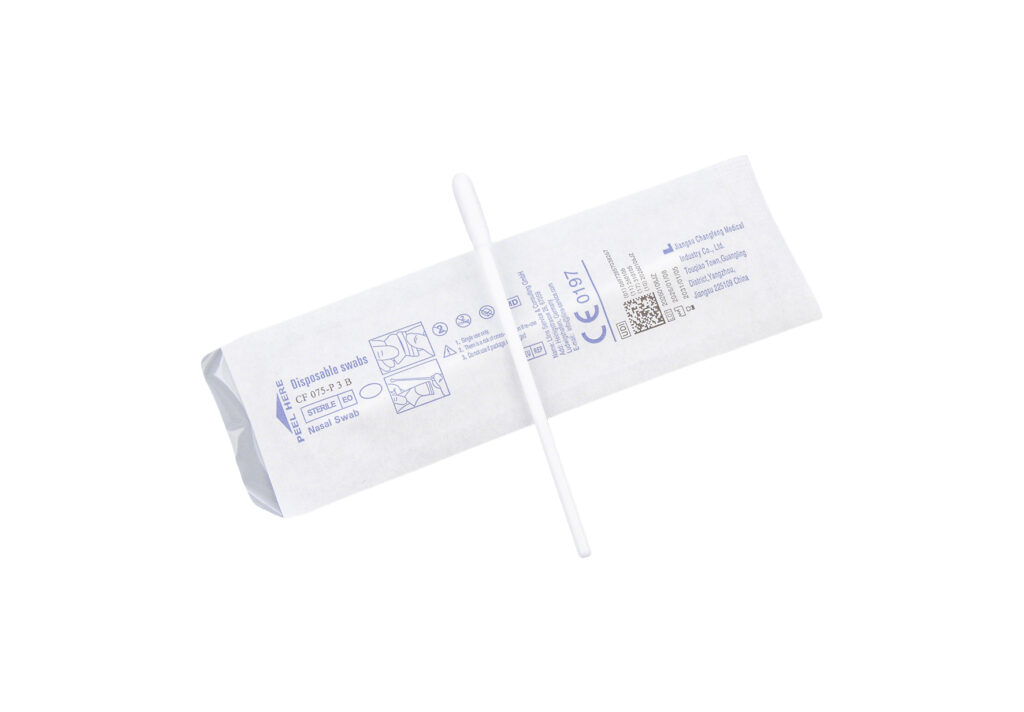
Packaging should protect the swab before use and provide clear product information. Buyers should check pouch material, seal strength, sterile status, lot number, expiration date, shelf life, and printing clarity.
For private label or distributor projects, artwork, barcodes, box labels, instruction sheets, and carton marks should be approved before production.
Check Tube and Kit Compatibility
When the swab is used in a tube or collection kit, the full system should be evaluated together. Tip size, swab length, breakpoint, tube opening, cap sealing, labels, pouch size, and box layout all matter.
A swab that looks acceptable alone may not fit the final kit assembly.
Check Shelf Life and Traceability
Shelf life affects distribution planning, warehouse control, and customer acceptance. Buyers should confirm production date, expiration date, remaining shelf life, storage conditions, and lot number position.
Lot number traceability helps identify batches and respond to customer feedback if quality or packaging questions appear later.
How to Reduce Packaging Damage
Packaging damage may include torn pouches, weak seals, crushed boxes, damaged cartons, bent swabs, unclear labels, or broken carton marks. Buyers can reduce these problems by checking pouch size, seal strength, inner box protection, carton strength, packing quantity, and pre-shipment photos before goods leave the supplier.
Buyers should create a simple checklist and compare supplier samples under the same conditions. This makes quotation comparison more reliable and reduces repeated sample changes.
Common Mistakes
One common mistake is choosing by the lowest unit price before confirming specification, packaging, tube fit, and documentation. Another mistake is approving samples without checking the final packaging or carton packing.
Buyers should also avoid assuming that similar-looking swabs are interchangeable across different collection sites or test workflows.
Buyer Checklist
Before ordering, buyers should check intended use, swab type, tip material, shaft design, breakpoint, sterile status, packaging, labels, tube compatibility, shelf life, lot number, samples, MOQ, lead time, carton packing, private label needs, and documents.
Conclusion
What Is Swab Packaging Damage and How Can Buyers Prevent It requires attention to product specification, packaging, workflow compatibility, shelf life, and supplier stability. The best option is the swab that fits the real customer workflow, not only the one with the lowest quotation.
Changfeng Medical supplies sampling swabs for diagnostic, clinical, laboratory, and distribution channels, including nasal swabs, large-headed flocked swabs, polyester fiber swabs with sheath, media-coated swabs, and double-tip throat swabs. Contact us to discuss swab specifications, packaging options, and bulk supply solutions for your market.
FAQ
Why does swab packaging damage matter?
It helps buyers match the swab to the intended workflow, reduce product mismatch, and improve customer acceptance.
What should buyers check first?
Buyers should start with application, collection site, swab type, tip material, shaft design, packaging, and tube or kit compatibility.
Should buyers request samples?
Yes. Samples help confirm handling, packaging, tube fit, labels, and overall product presentation before bulk orders.
What documents may be useful?
Useful documents may include product specifications, packing details, shelf life information, sterilization information, certificates, invoice, and packing list.

.jpg)