How to Compare Flocked Swab Samples Before Bulk Ordering?

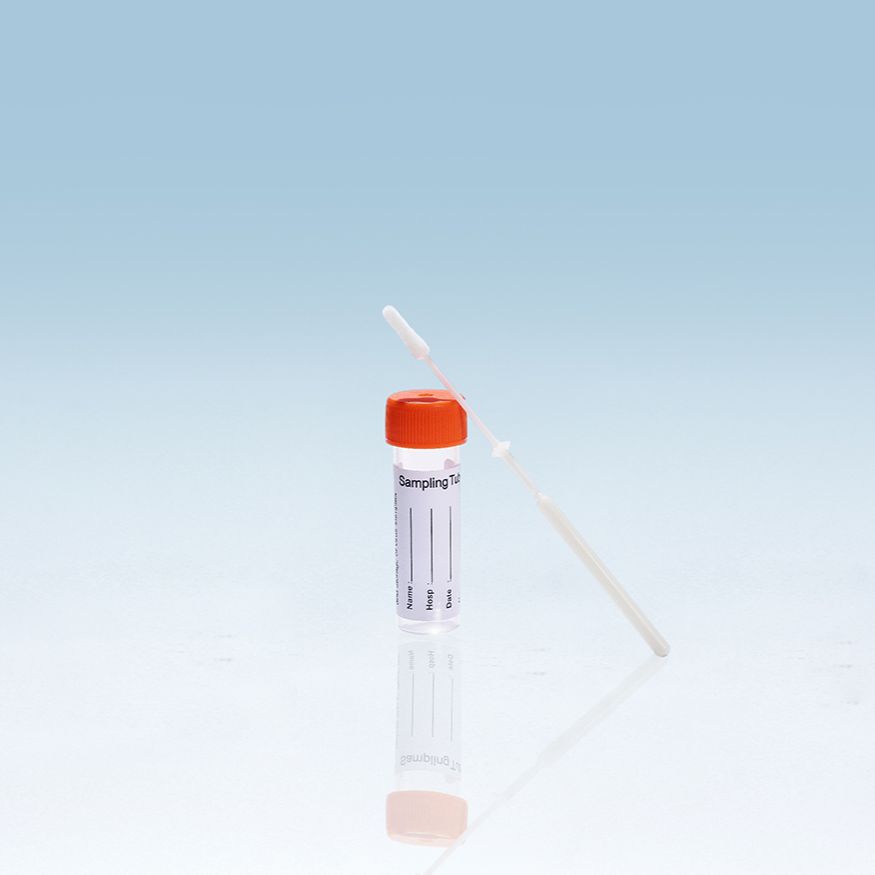
Comparing flocked swab samples before bulk ordering is an important step for medical buyers, laboratories, distributors, and diagnostic product companies. A flocked swab may look simple, but tip quality, shaft design, breakpoint position, sterile packaging, tube compatibility, and carton packing can all affect customer acceptance.
Before placing a large order, buyers should not only check the product photo or quotation. Samples should be reviewed as real products that will be used in medical, laboratory, diagnostic, or collection kit workflows.
Why Sample Comparison Matters
Flocked swabs from different suppliers may have different tip sizes, fiber density, shaft flexibility, packaging quality, and breakpoint performance. These differences may not be obvious in catalog photos.
Sample comparison helps buyers reduce procurement risk, confirm customer requirements, and avoid problems before mass production.
Start with the Intended Use
The first step is to confirm how the flocked swab will be used. A nasal swab, nasopharyngeal swab, throat swab, diagnostic kit swab, and laboratory sampling swab may require different designs.
Buyers should compare samples according to the real application instead of choosing one swab for every customer.
Check the Flocked Tip
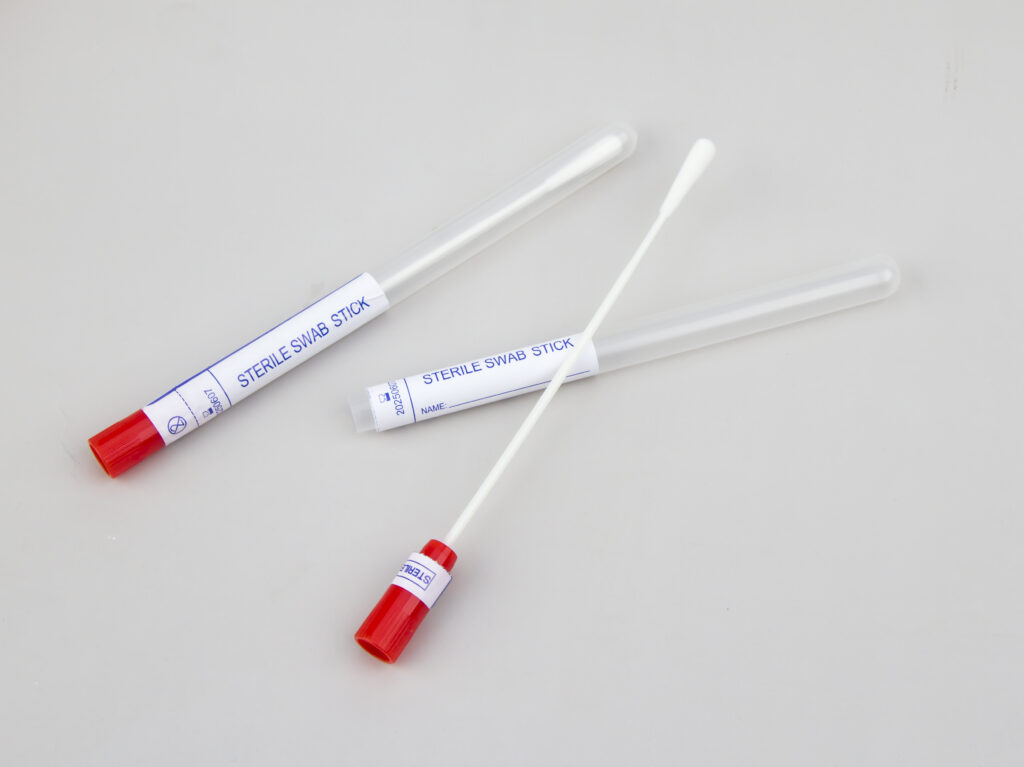
The flocked tip is the most important part of the product. Buyers should check tip size, tip shape, softness, fiber uniformity, surface coverage, and whether the tip looks clean and consistent.
A good sample should have a stable and uniform flocked surface. Loose fibers, uneven coating, damaged tips, or inconsistent shapes may lead to customer complaints.
Check Sample Release Performance
Sample release refers to how well the swab transfers collected material into transport medium, extraction buffer, or another testing system. Flocked swabs are often selected when sample release matters.
Buyers should test samples with the actual tube, medium, extraction liquid, or diagnostic kit whenever possible.
Check Shaft Flexibility
The shaft should match the collection site and user handling requirement. Nasopharyngeal swabs may need a thinner and more flexible shaft, while throat swabs may need more stable handling.
Buyers should compare shaft material, length, diameter, flexibility, and control during use.
Check Breakpoint Position
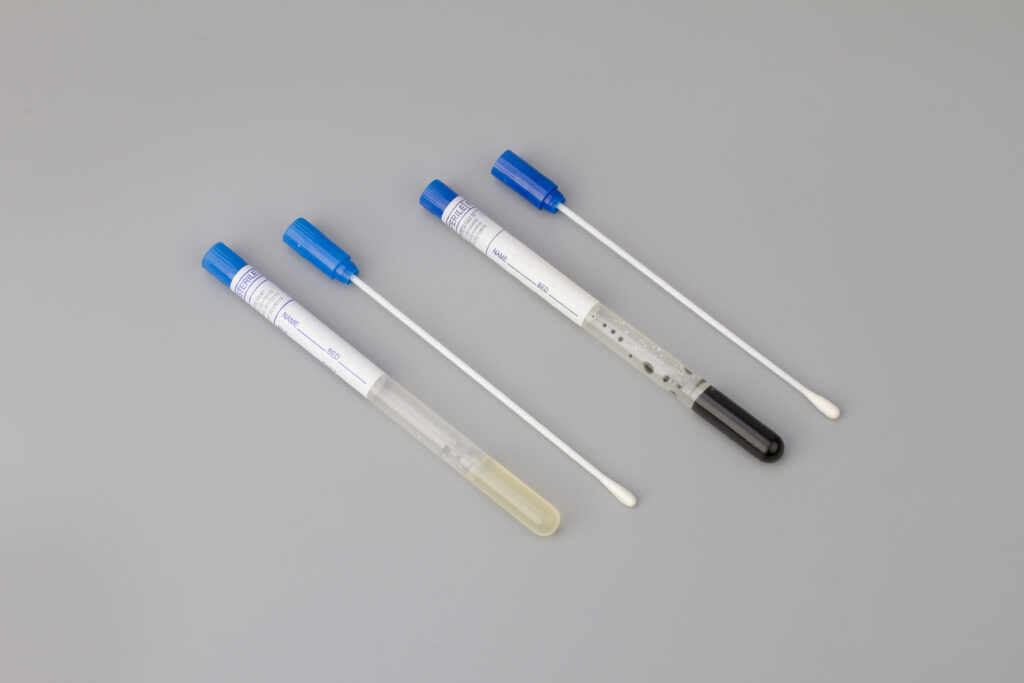
If the swab is used with a tube, the breakpoint must match tube length and cap closing space. A breakpoint that is too high or too low may cause problems after collection.
Buyers should test whether the shaft breaks cleanly and whether the swab tip fits inside the tube after breaking.
Check Sterile Packaging
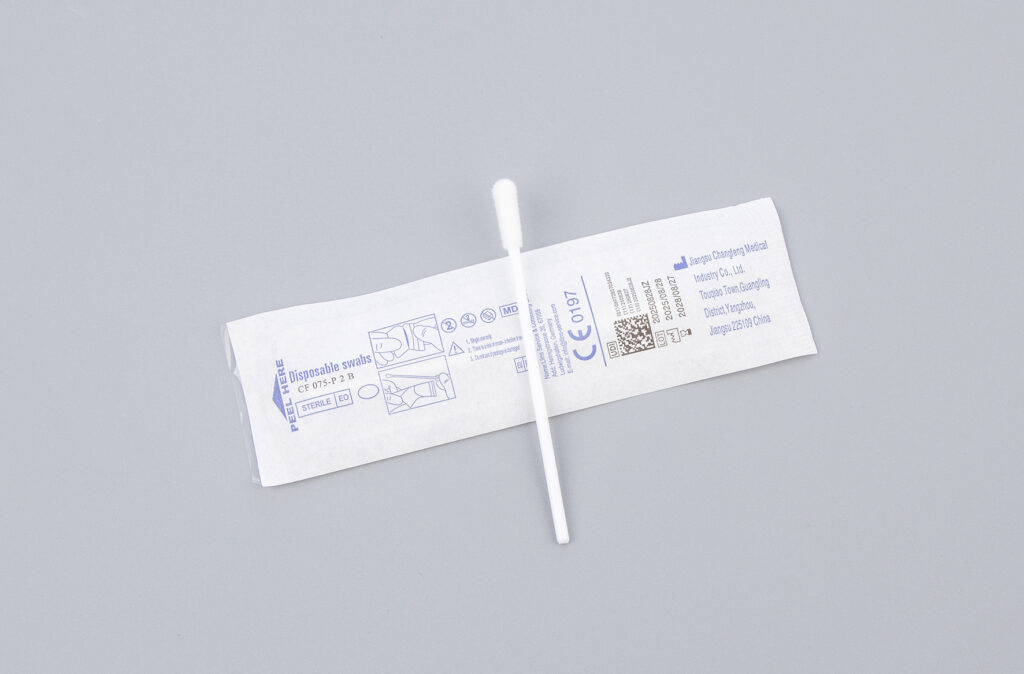
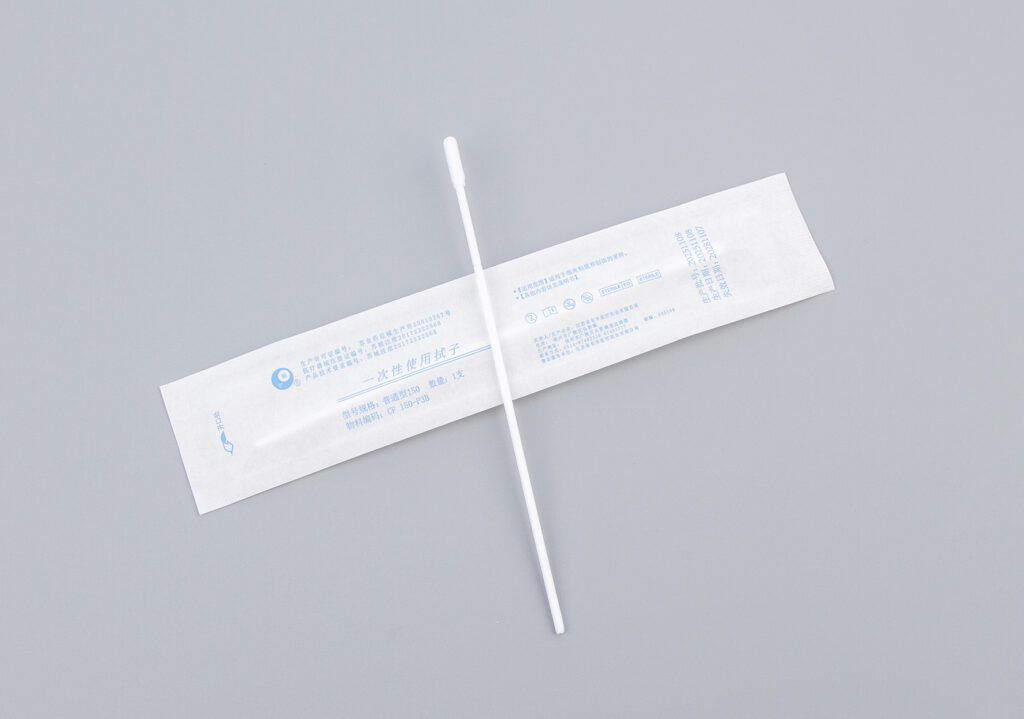
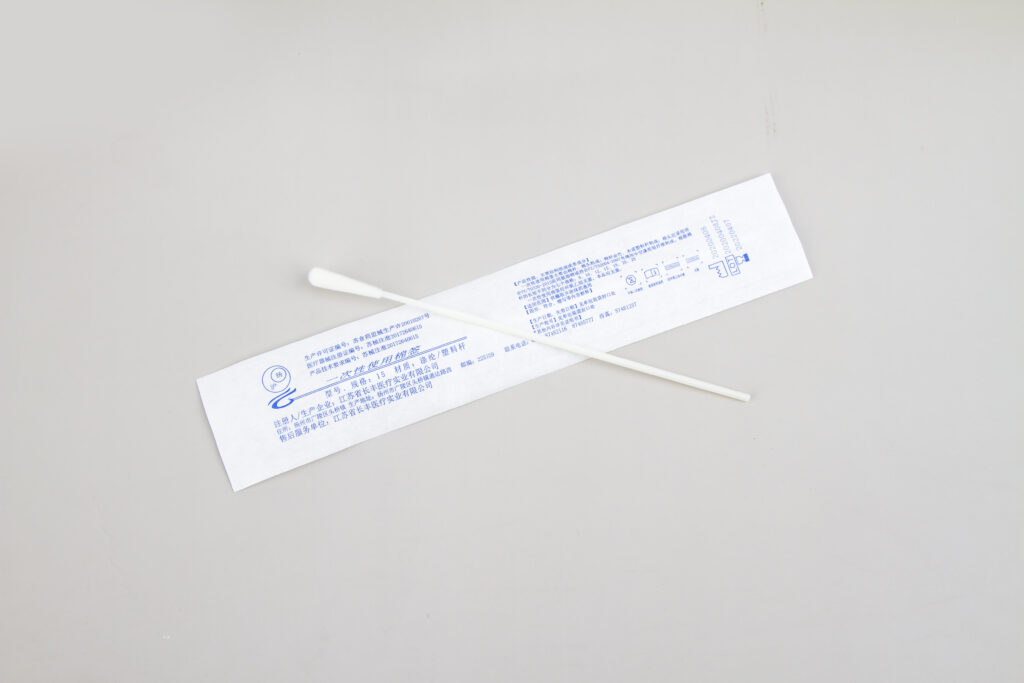
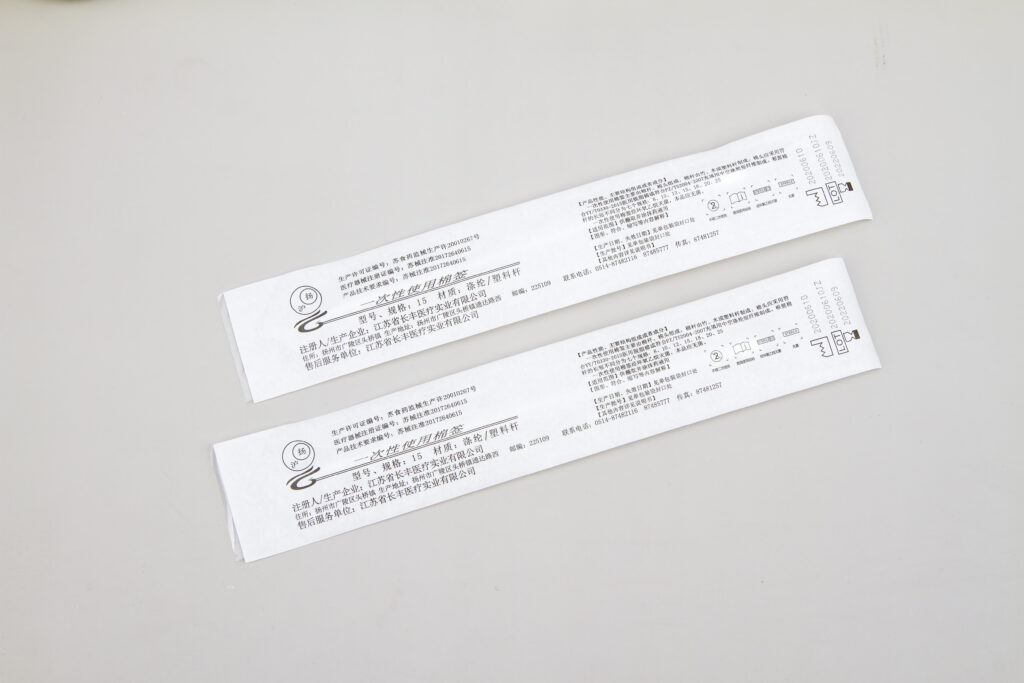
Many medical flocked swabs are supplied sterile and individually packaged. Buyers should check pouch material, seal strength, opening convenience, printed information, sterile status, lot number, expiration date, and shelf life.
Packaging quality is part of product quality. Even a good swab can be rejected if the pouch is weak, unclear, or damaged during shipping.
Check Tube and Kit Compatibility
If the swab will be used in a collection kit, buyers should test the swab together with the tube, medium, cap, label, instruction sheet, pouch, box, and carton layout.
A swab that works alone may not fit smoothly inside the final kit.
Check Documentation
Buyers should ask suppliers for product specifications, material information, sterile packaging details, shelf life, packing information, and export documents. Documentation should match the product sample.
Common Mistakes When Comparing Samples
One common mistake is choosing the lowest-priced sample without checking packaging and breakpoint performance. Another mistake is comparing samples without using the actual tube or test workflow.
Buyers should also avoid approving samples based only on appearance. Handling feel, tube fit, packaging strength, and sample release should all be considered.
Buyer Checklist
Before ordering flocked swabs in bulk, buyers should check tip material, tip size, flocking uniformity, shaft length, shaft flexibility, breakpoint, sterile status, packaging, tube compatibility, transport medium compatibility, shelf life, labels, carton packing, samples, and documentation.
Conclusion
Flocked swab samples should be compared carefully before bulk ordering. Buyers should evaluate the full product system, including tip quality, shaft design, breakpoint, packaging, tube compatibility, shelf life, and supplier documentation.
Changfeng Medical supplies sampling swabs for diagnostic, clinical, and laboratory applications, including nasal swabs, large-headed flocked swabs, polyester fiber swabs with sheath, media-coated swabs, and double-tip throat swabs. Contact us to discuss flocked swab samples, specifications, packaging options, and bulk supply solutions for your market.
FAQ
Why should buyers compare flocked swab samples before bulk ordering?
Sample comparison helps buyers confirm tip quality, shaft design, breakpoint, packaging, tube compatibility, and customer workflow fit before mass production.
What should buyers check on a flocked swab tip?
Buyers should check tip size, shape, softness, fiber uniformity, surface coverage, and overall consistency.
Should buyers test flocked swabs with the actual tube?
Yes. Tube fit, breakpoint position, cap closing space, and medium compatibility should be tested with the actual tube or kit.
What documents should buyers request?
Buyers may request product specifications, material information, sterile packaging details, shelf life, packing information, and export documents.