How to Choose Swabs for Field Sampling Programs?

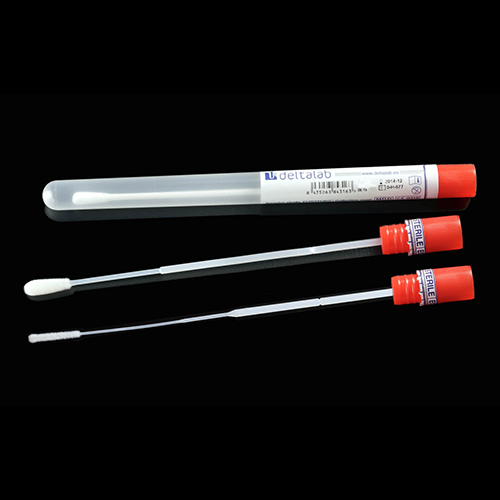
Field sampling programs may require swabs that are easy to transport, clearly labeled, stable in storage, and suitable for the intended specimen or sample type. Buyers should consider not only the swab tip, but also packaging, tube compatibility, labels, shelf life, storage conditions, and carton packing.
For medical suppliers, laboratories, distributors, and project procurement teams, field sampling creates different challenges from routine indoor laboratory use. Products may be handled by many users, moved between locations, stored temporarily, or assembled into kits.
What Is a Field Sampling Swab?
A field sampling swab is a swab used in sampling activities outside a fixed laboratory or controlled purchasing environment. Depending on the program, it may be used for medical specimen collection, environmental sampling, diagnostic support, or other sample collection workflows.
The correct swab type depends on the target sample, collection site, transport method, and testing process.
Start with the Sampling Workflow
Before choosing swabs, buyers should understand how samples will be collected, packed, transported, stored, and processed. A dry swab may be suitable for some workflows, while a transport swab or swab kit may be needed for others.
The swab should match the complete field process, not only the collection step.
Choose the Right Swab Type
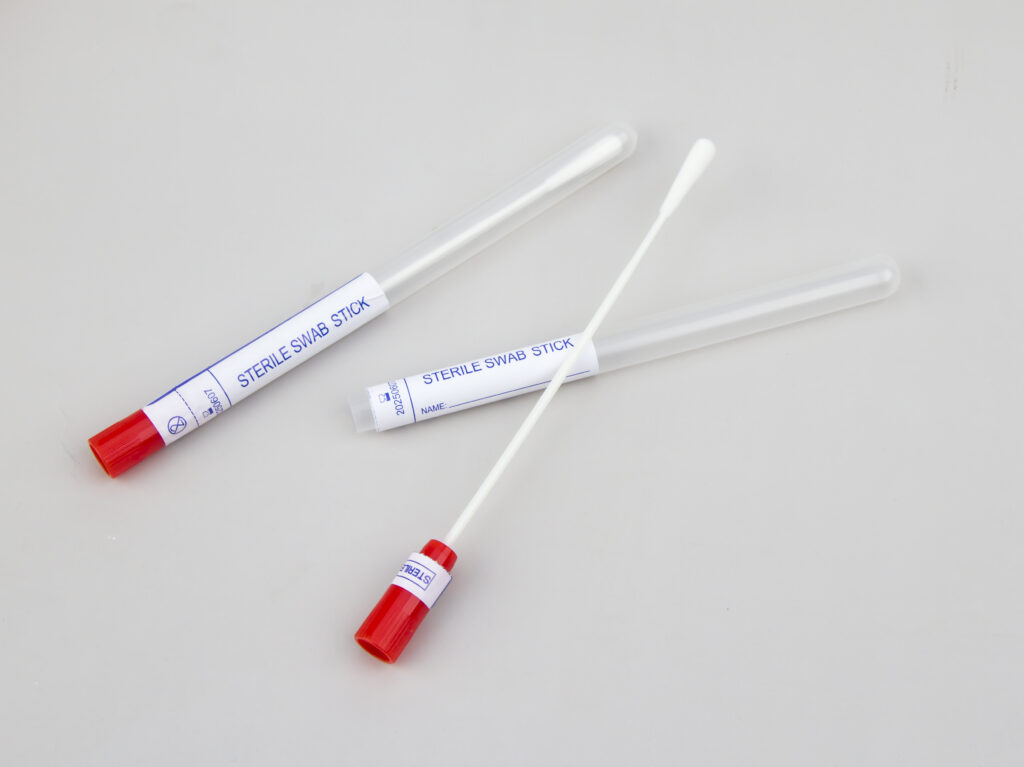
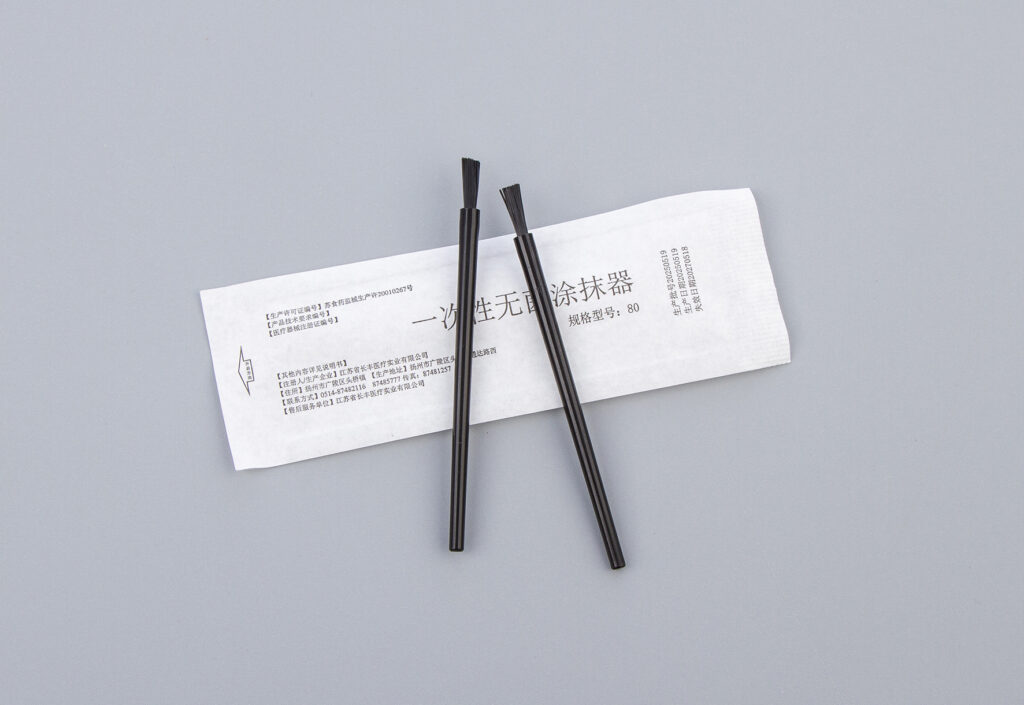
Possible options include nasal swabs, throat swabs, flocked swabs, polyester swabs, foam swabs, sterile dry swabs, transport swabs, swabs with sheath, and swabs assembled into kits.
Buyers should confirm whether the program requires medical-grade sterile swabs, laboratory swabs, or general sampling swabs.
Check Tip Material
Tip material affects collection, absorption, and sample release. Common materials include nylon flocked fiber, polyester fiber, foam, rayon, and cotton.
For diagnostic or laboratory workflows, buyers should confirm material compatibility with the test method or sample processing system.
Check Shaft Design
Shaft length, flexibility, strength, and breakpoint position should match the sampling method. Field users may need products that are easy to handle and difficult to misuse.
If the swab must be inserted into a tube after collection, tube fit and breakpoint position should be tested before bulk orders.
Dry Swab or Transport Swab
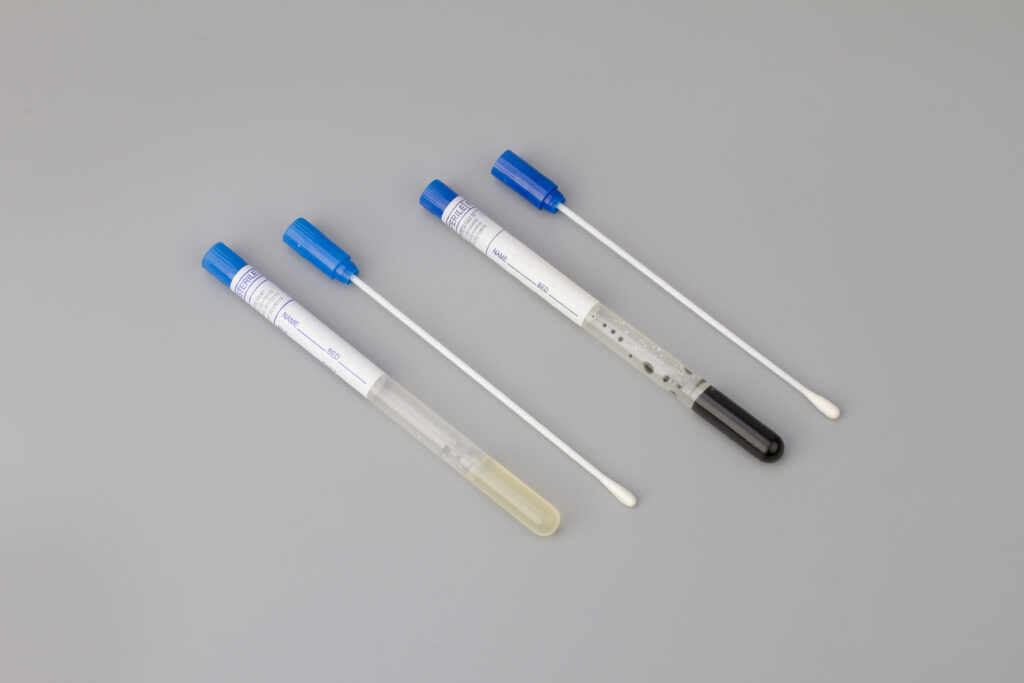
Dry swabs are useful when the workflow does not require pre-filled medium. Transport swabs may be needed when the specimen requires medium support before testing.
Buyers should confirm whether the program needs tubes, transport medium, labels, barcodes, or complete collection kits.
Packaging for Field Use
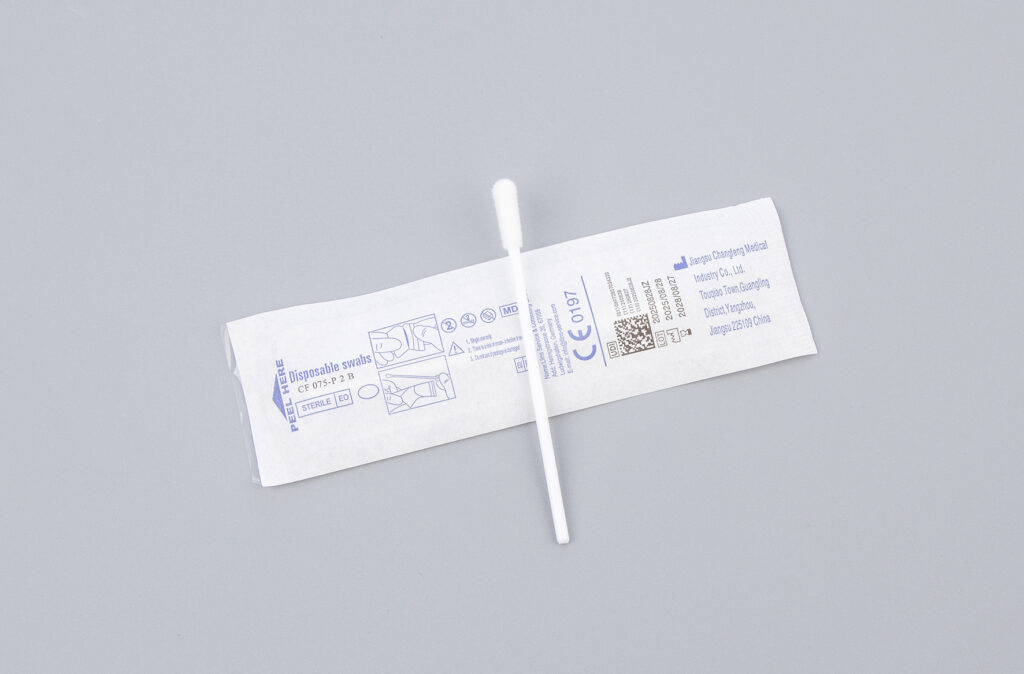
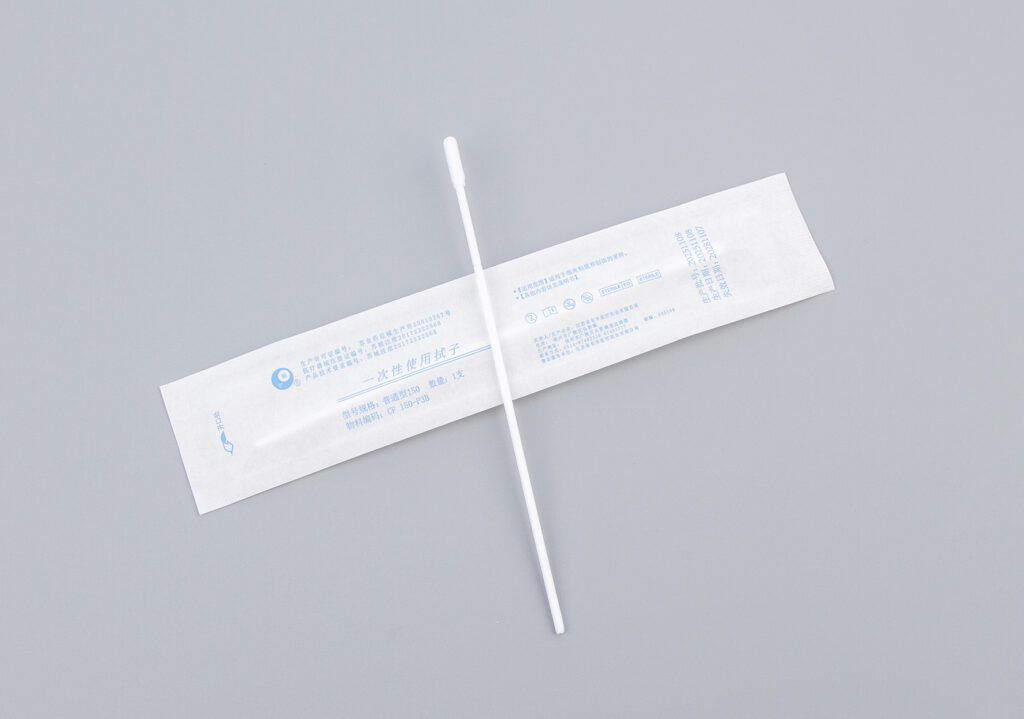
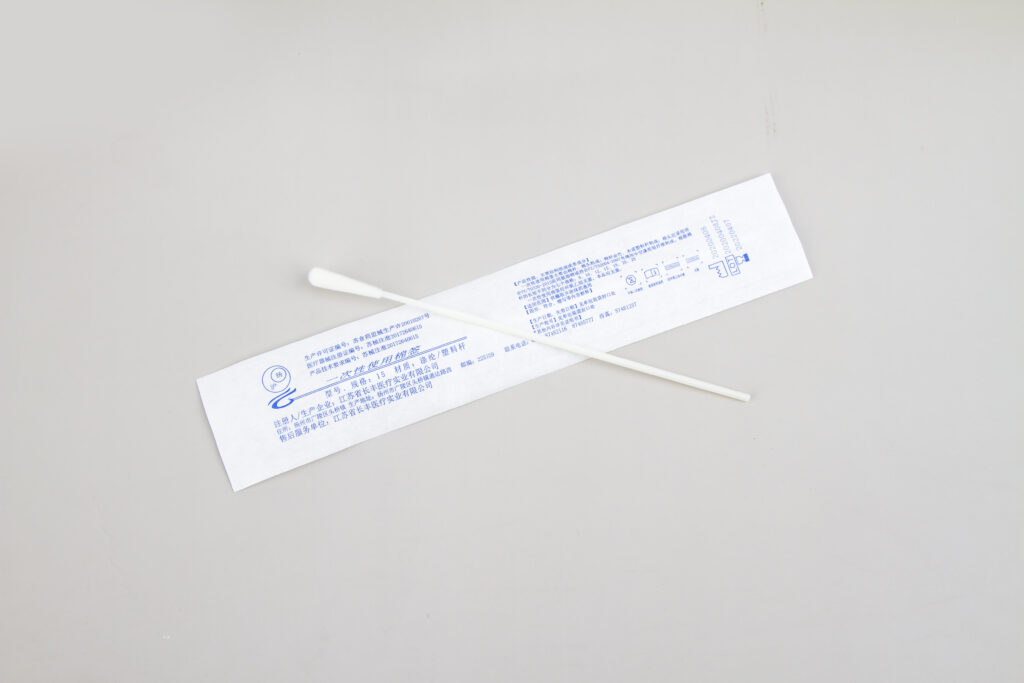
Field sampling products should be packed in a way that protects the swab during transport and makes it easy for users to identify and open the product. Individual packaging is often useful for organization and handling.
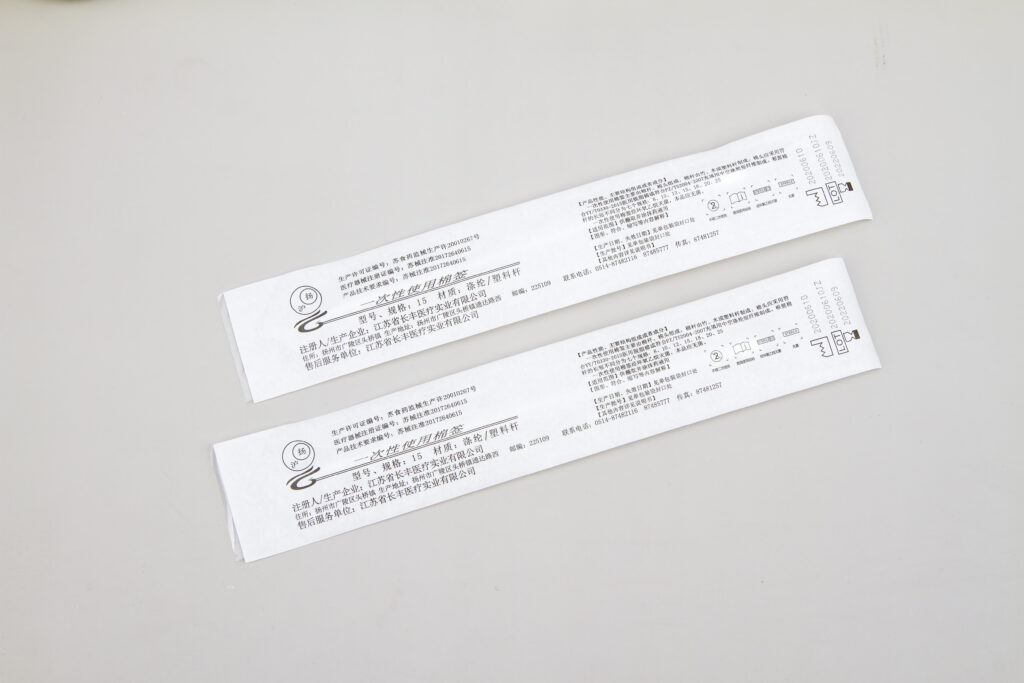
Buyers should check pouch strength, seal quality, printing clarity, label position, inner box quantity, and outer carton protection.
Labels and Instructions
Field programs may need clear labels and simple instruction sheets. Labels can help users distinguish swab types, tube contents, lot numbers, expiration dates, and sample IDs.
Instructions should be reviewed according to the customer’s workflow and language requirements.
Shelf Life and Storage
Field programs may involve storage before distribution and temporary storage during sampling. Buyers should confirm shelf life, expiration date, storage conditions, and carton protection before shipment.
Products with transport medium may have more specific storage requirements than dry swabs.
Carton Packing and Distribution
Carton packing matters when swabs are distributed to multiple sampling locations. Buyers should check carton quantity, inner box count, carton marks, gross weight, dimensions, and whether the packing format supports easy distribution.
Private Label and Project Packaging
Some field programs require project-specific labels, logos, barcodes, or kit packaging. Buyers should approve artwork, samples, and carton marks before mass production.
What Buyers Should Check Before Ordering
Before ordering swabs for field sampling programs, buyers should check swab type, tip material, shaft design, breakpoint, dry or transport format, sterile status, packaging, labels, instruction sheet, shelf life, storage conditions, carton packing, private label options, samples, MOQ, lead time, and export documents.
Common Mistakes
One common mistake is choosing swabs based only on laboratory preference without considering field handling and distribution. Another mistake is ignoring labels, carton packing, and storage conditions.
Buyers should test the complete workflow before bulk purchasing whenever possible.
Conclusion
To choose swabs for field sampling programs, buyers should evaluate the complete workflow: collection method, swab material, shaft design, packaging, labels, transport format, shelf life, storage, carton packing, and documentation.
Changfeng Medical supplies sampling swabs and collection solutions for diagnostic, clinical, laboratory, and project-based sampling applications. Contact us to discuss swab specifications, packaging options, and bulk supply solutions for your market.
FAQ
What swabs are used for field sampling programs?
Options may include sterile dry swabs, transport swabs, flocked swabs, polyester swabs, foam swabs, or complete swab kits depending on the workflow.
Why is packaging important for field sampling?
Packaging protects the swab, supports distribution, helps users identify products, and reduces handling mistakes.
Do field sampling swabs need transport medium?
Not always. Some workflows use dry swabs, while others require transport medium or separate buffer systems.
What should buyers check before ordering?
Buyers should check swab type, material, packaging, labels, shelf life, storage, carton packing, samples, and documentation.