
Validating Medical Swabs for Your Laboratory: A Step-by-Step Guide

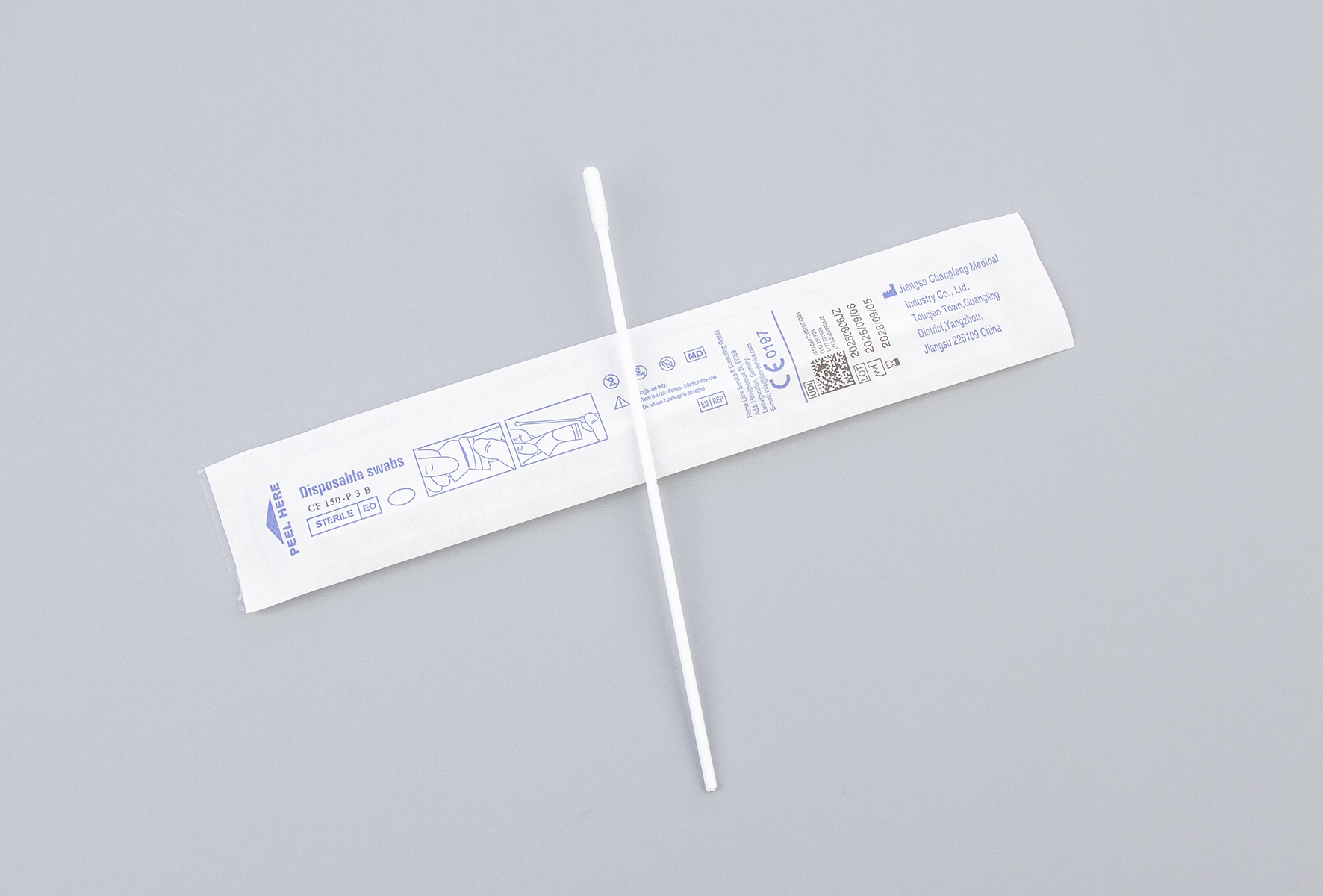
Before you introduce a new swab product into your laboratory’s clinical testing workflow, you need to verify that it performs adequately with your specific test systems, extraction methods, and specimen types. If you’re evaluating a potential supplier, switching products to reduce costs, or responding to supply chain disruptions, proper validation protects your test quality and keeps you compliant with regulatory and accreditation standards. Here’s how to validate medical swabs systematically and document your findings to satisfy auditors and support clinical decision-making.
Why Swab Validation Matters
Clinical laboratories operating under ISO 15189, CAP, CLIA, or other accreditation frameworks must verify the performance of specimen collection devices before using them for patient testing. Simply purchasing swabs marketed as “suitable for molecular diagnostics” or “compatible with PCR” does not fulfill your validation obligations.
Swabs affect the pre-analytical phase of testing—the steps before specimens reach your analytical instruments. Problems with sample collection, preservation, or release directly impact test sensitivity, specificity, and reproducibility. A swab that works well in one laboratory’s workflow may perform differently in yours due to differences in extraction systems, reagent lots, or specimen handling procedures.
Validation demonstrates that your chosen swab delivers acceptable performance with your actual test methods. It also protects your laboratory from quality failures, unexpected test results, and regulatory findings during inspections.
When Validation Is Required
Introducing a New Swab Product
When you’re implementing a swab type your lab has never used before—for example, switching from cotton swabs to synthetic flocked swabs—full validation is required. You need to establish baseline performance expectations and demonstrate that the new product meets your quality requirements.
Changing Suppliers
If you switch from one manufacturer to another, even when both supply “flocked nylon swabs,” validation is necessary. Manufacturing processes, materials sourcing, fiber specifications, and quality controls vary between suppliers. Products with identical descriptions can perform differently in practice.
Significant Product Modifications
When your current supplier notifies you of significant changes to swab design, materials, or manufacturing processes, revalidation may be needed. Consult with the supplier to understand the scope of changes and determine whether verification testing is appropriate.
Performance Problems or Quality Events
If you experience unexplained changes in test performance—increased cycle threshold values, declining detection rates, or higher test failure rates—validate whether swab performance has changed. Compare current lot performance to historical data or test an alternative swab to determine if the collection device is contributing to problems.
Step 1: Define Validation Objectives and Acceptance Criteria
Identify What You’re Testing
Document the specific swab product you’re validating: manufacturer, product name, catalog number, and any relevant specifications (material, length, tip design, sterility). Collect samples from at least three different manufacturing lots to assess lot-to-lot consistency.
Determine Your Test Scope
List which test methods will use the swab. If you run multiple assays—respiratory virus panels, SARS-CoV-2 testing, bacterial molecular diagnostics—determine whether the swab will be used across all tests or only for specific applications.
Establish Acceptance Criteria
Before starting validation experiments, define what constitutes acceptable performance. Your criteria should address:
- PCR compatibility: No significant inhibition compared to controls
- Sample recovery: Nucleic acid yield equivalent to or better than your current standard
- Detection performance: Sensitivity and detection rates comparable to your existing swab
- Physical specifications: Breakpoint location, packaging integrity, ease of use
- Lot-to-lot consistency: Performance variation within acceptable limits across multiple production lots
Document these criteria in your validation protocol before beginning testing. Having predefined acceptance criteria prevents after-the-fact rationalization of unexpected results.
Step 2: Test for PCR Inhibition
Why Inhibition Testing Matters
Some swab materials, adhesives, or manufacturing residues can interfere with PCR amplification. Inhibitors reduce the efficiency of DNA polymerase, resulting in higher cycle threshold (Ct) values, reduced analytical sensitivity, or complete amplification failure. Testing for inhibition ensures your swab doesn’t introduce substances that compromise test performance.
Spiking Experiment Protocol
Prepare swabs spiked with known amounts of target nucleic acid:
- Obtain purified nucleic acid (DNA or RNA) for a target your test system detects, or use quantified reference materials
- Spike candidate swabs with defined amounts of nucleic acid at concentrations spanning your test’s working range
- Process spiked swabs through your standard extraction and amplification workflow
- Run parallel controls: nucleic acid in buffer without swabs, and nucleic acid processed with your current standard swabs
- Compare Ct values across all conditions
Interpreting Results
If the candidate swab produces Ct values similar to your current swabs and to no-swab controls, inhibition is not significant. If Ct values are consistently 1-2 cycles higher with candidate swabs, some inhibition is present. If Ct values increase by 3 or more cycles, or if amplification fails entirely, the swab introduces unacceptable inhibition and should be rejected.
Test multiple lots to confirm that inhibition levels are consistent across manufacturing batches. A single clean lot does not guarantee that all future lots will perform identically.
Step 3: Assess Sample Recovery and Release Efficiency
Nucleic Acid Yield Comparison
Measure how much nucleic acid the candidate swab delivers to your test system compared to your current standard:
- Collect paired specimens from patients or prepare mock specimens using cell suspensions or viral stocks
- Sample the same source with both your current swab and the candidate swab
- Process both swabs identically through extraction
- Quantify nucleic acid yield using spectrophotometry (NanoDrop, Qubit) or quantitative PCR
- Calculate the ratio of recovered nucleic acid between candidate and current swabs
If the candidate swab recovers at least 80-100% of the nucleic acid yield from your current swab, sample recovery is acceptable. Lower recovery may be tolerable if your test has excess analytical sensitivity, but you should consider whether reduced recovery could affect detection of low viral load specimens.
Ct Value Comparison
Run quantitative PCR on extracted specimens from paired swabs. Compare Ct values for the same specimen collected with both swab types. Similar Ct values indicate comparable sample recovery and release. Consistently higher Ct values with the candidate swab suggest reduced sample delivery to the analytical system.
Perform this comparison on at least 20-30 specimen pairs spanning a range of viral loads (high, medium, low positives). Statistical analysis—such as paired t-tests or correlation analysis—can quantify whether observed differences are significant.
Step 4: Evaluate Clinical Detection Performance
Sensitivity Assessment
If possible, collect specimens from patients with confirmed infections using both your current and candidate swabs. Compare detection rates:
- How many specimens are positive with the candidate swab vs your current swab?
- Are there discordant results where one swab detects the target and the other doesn’t?
- For quantitative tests, how do viral loads compare between swab types?
If the candidate swab detects the same number or more positive specimens compared to your current swab, sensitivity is adequate. If the candidate swab misses positives that your current swab detects, this indicates reduced sensitivity that could lead to false negatives in clinical use.
Limit of Detection Verification
Using serial dilutions of reference materials or viral stocks, determine whether the candidate swab maintains your test’s limit of detection (LoD). Prepare dilutions near your established LoD, collect specimens with candidate swabs, and assess whether you can still detect the target at the expected concentration.
If the candidate swab reduces sensitivity such that your LoD increases (requiring more target copies to achieve detection), document this change and assess whether it’s acceptable for your clinical applications.
Step 5: Verify Physical Specifications and Usability
Breakpoint Compatibility
Test whether the swab’s breakpoint is positioned correctly for your transport tubes:
- Insert swabs into your actual transport tubes
- Snap the shaft at the breakpoint
- Verify that tube caps close properly with the swab inside
- Check that the swab tip remains submerged in transport medium at the correct depth
- Assess whether breaks are clean without splintering
Test at least 20 swabs to evaluate consistency. If more than 5% fail to break cleanly or fit properly, this indicates quality control problems that could disrupt workflow.
Packaging and Sterility
For sterile swabs, verify packaging integrity and sterility documentation:
- Inspect packaging for damage, proper sealing, and clear labeling
- Review certificates of analysis and sterility assurance documentation
- Check that lot numbers and expiration dates are clearly marked
- Assess ease of opening packages without contaminating swabs
Staff Feedback
Have multiple staff members collect test specimens using the candidate swabs. Gather feedback on:
- Ease of insertion and manipulation
- Shaft flexibility and control
- Patient comfort (if observable)
- Breakpoint function
- Any difficulties or concerns
If staff report consistent problems with handling, patient tolerance, or physical properties, these practical issues may outweigh laboratory performance advantages.
Step 6: Assess Lot-to-Lot Consistency
Why Consistency Matters
A single excellent lot doesn’t guarantee that all future lots will perform identically. Manufacturing variability can introduce differences in fiber density, adhesive application, surface treatments, or contamination levels that affect performance.
Multi-Lot Testing
Obtain swabs from at least three different manufacturing lots—preferably from different production dates spanning several months. Repeat key validation experiments (inhibition testing, sample recovery, Ct value comparison) using swabs from each lot.
Compare results across lots. If all lots perform within your acceptance criteria and show minimal variation, manufacturing controls are adequate. If you see significant lot-to-lot differences, the supplier’s quality management may be insufficient, and you should consider alternative products.
Step 7: Document Validation Findings
Validation Report Contents
Prepare a formal validation report that includes:
- Introduction: Purpose, scope, and product being validated
- Materials and methods: Detailed description of validation experiments, including specimen sources, controls, instruments, and protocols
- Acceptance criteria: Predefined standards for each validation parameter
- Results: Data from all validation experiments, including tables, graphs, and statistical analysis
- Discussion: Interpretation of results, comparison to current swabs, identification of any limitations or concerns
- Conclusion: Clear statement of whether the candidate swab is acceptable for clinical use
- Recommendation: Approval or rejection for implementation, and any conditions or restrictions on use
Quality Management Approval
Route the validation report through your laboratory’s quality management system for review and approval. Obtain sign-off from your laboratory director, quality manager, or designated reviewers before implementing the new swab in patient testing.
Document Retention
Maintain validation reports in your laboratory’s quality records. These documents support regulatory inspections, accreditation audits, and internal quality reviews. They also provide a baseline for future comparisons if you need to revalidate or troubleshoot performance problems.
Step 8: Implement with Monitoring
Controlled Rollout
After validation approval, introduce the new swab gradually rather than switching your entire inventory at once. Begin with a subset of testing volume and monitor performance closely during the transition period.
Ongoing Performance Monitoring
Track key performance indicators during the first weeks of implementation:
- Test positivity rates compared to historical baselines
- Mean Ct values for positive specimens
- Test failure rates or invalid results
- Quality control performance
- Staff feedback on practical issues
If you observe unexpected changes in any of these metrics, investigate promptly. The problem may not be the swab itself, but monitoring ensures you detect issues quickly.
Incoming Inspection
Establish routine incoming inspection for new swab shipments. Check that products match your validated specifications, that lot numbers are documented, and that packaging is intact. For critical applications, consider periodic verification testing on representative samples from new lots.
Common Validation Mistakes to Avoid
Testing Only One Lot
A single lot may not be representative of the supplier’s typical manufacturing quality. Always test multiple lots to assess consistency.
Using Incompatible Specimen Types
If you validated swabs using nasopharyngeal specimens but plan to use them for vaginal or rectal specimens, your validation may not apply. Validate using the specimen types you’ll actually collect.
Insufficient Sample Size
Testing 5-10 specimens is not enough to detect performance differences or establish statistical significance. Aim for at least 20-30 specimens for meaningful comparisons.
Ignoring Statistical Analysis
Qualitative impressions like “they seem about the same” don’t constitute validation. Use quantitative measurements and appropriate statistical tests to demonstrate equivalence or non-inferiority.
Validating Without Controls
Always include your current swab as a control in validation experiments. Without a comparison standard, you can’t determine whether candidate swab performance is acceptable.
Frequently Asked Questions
How long does swab validation take?
A comprehensive validation typically requires 2-4 weeks depending on specimen availability, test complexity, and the number of assays involved. Simple verification for a low-risk substitution might be completed in one week, while full validation for a new product or critical application may take longer.
Can I validate swabs using contrived specimens instead of patient samples?
Contrived specimens (cell suspensions, viral stocks) are useful for controlled experiments like inhibition testing and sample recovery measurement. However, validation should also include real patient specimens to assess performance under actual clinical conditions. A combination of contrived and clinical specimens provides the most robust validation.
What if the candidate swab performs slightly worse than my current swab?
Determine whether the performance difference is clinically significant. A small reduction in nucleic acid yield may be acceptable if your test has excess analytical sensitivity and if the candidate swab still detects positive specimens reliably. Document the performance difference and assess whether it impacts your clinical reporting range or detection limits.
Do I need to revalidate if my supplier changes the swab design?
It depends on the nature and extent of the changes. Minor changes like packaging updates may not require revalidation. Significant changes to materials, fiber type, or manufacturing processes likely require verification testing. Consult with your supplier to understand the scope of changes and determine the appropriate level of revalidation.
Can I use validation data from other laboratories?
Published studies or data from other labs can inform your validation design and provide context, but they don’t substitute for your own validation. Different laboratories use different test platforms, extraction systems, and specimen handling procedures. You must demonstrate that the swab performs adequately in your specific laboratory environment.
What if I don’t have access to positive patient specimens for validation?
Consider using archived frozen specimens if available, reference materials from commercial or public health sources, or proficiency testing materials. Alternatively, coordinate with other laboratories or research institutions to obtain characterized specimens. If clinical specimens are truly unavailable, document this limitation and rely more heavily on analytical validation using contrived specimens.
How often should I repeat validation?
Full revalidation is required when changing products or suppliers, when significant product modifications occur, or when performance problems arise. Routine periodic verification—annually or when changing lot numbers raises concerns—is appropriate for ongoing monitoring. Document your verification schedule in your quality management system.
What documentation do I need to keep for inspections?
Maintain the complete validation protocol and report, raw data from all experiments, statistical analyses, staff training records, supplier qualification documentation, certificates of analysis, and approval records from your quality management system. Organize these documents so they can be easily retrieved during audits or inspections.
Validate Swabs to Ensure Reliable Testing
Proper swab validation protects test quality, satisfies regulatory requirements, and prevents costly quality failures. Follow a systematic validation process that tests for PCR inhibition, measures sample recovery, assesses clinical detection performance, verifies physical specifications, and confirms lot-to-lot consistency across multiple production batches.
Document your findings thoroughly and obtain quality management approval before implementing new swabs in patient testing. Monitor performance during rollout and maintain ongoing verification to ensure continued acceptable performance.
Need technical support for swab validation? Our team can provide detailed product specifications, certificates of analysis, and sample swabs from multiple lots to support your validation studies. Contact us to discuss your validation requirements and testing protocols.