Flocked Swabs vs Foam Swabs: Which Specimen Collection Method Works Better?

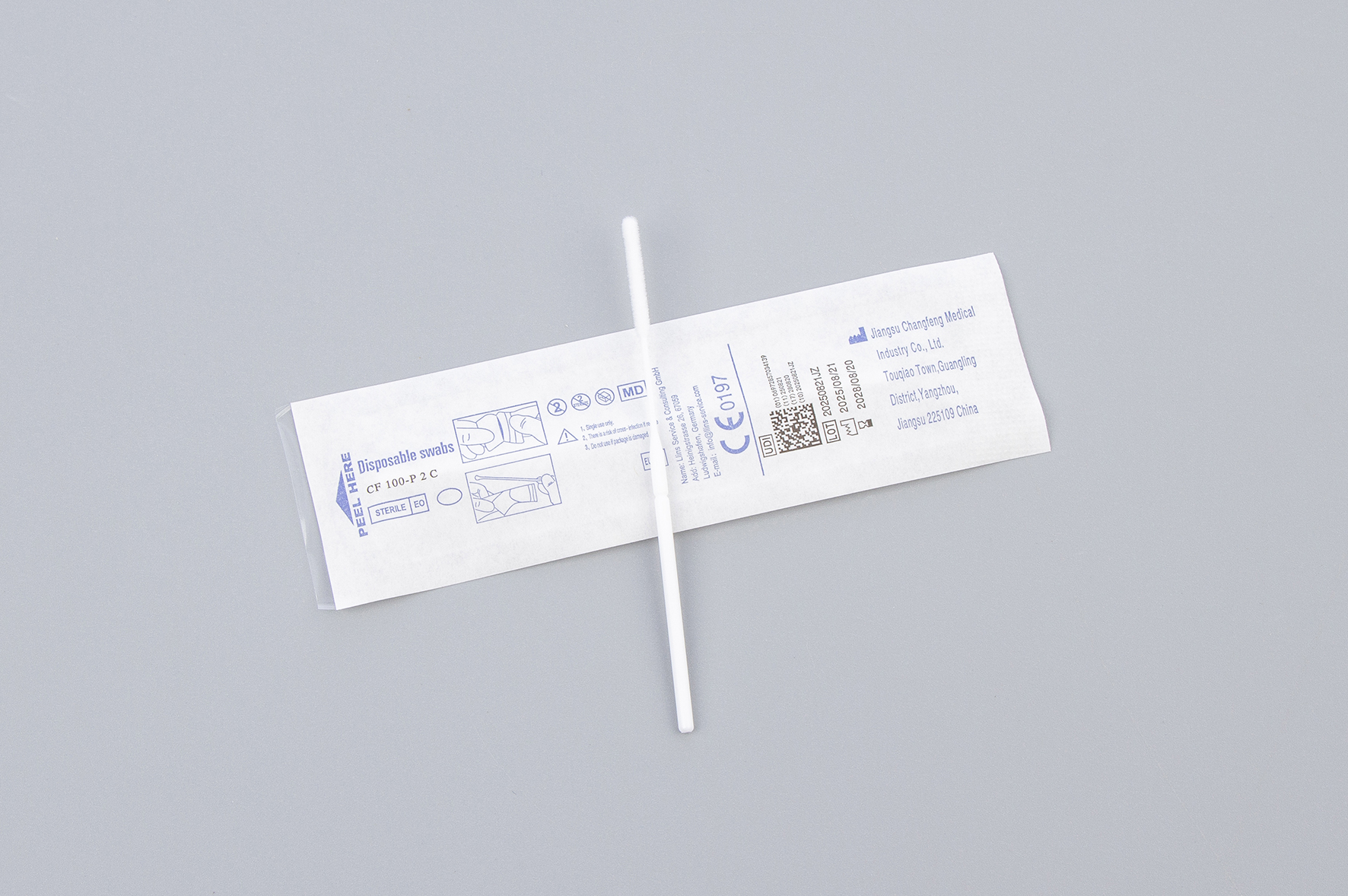
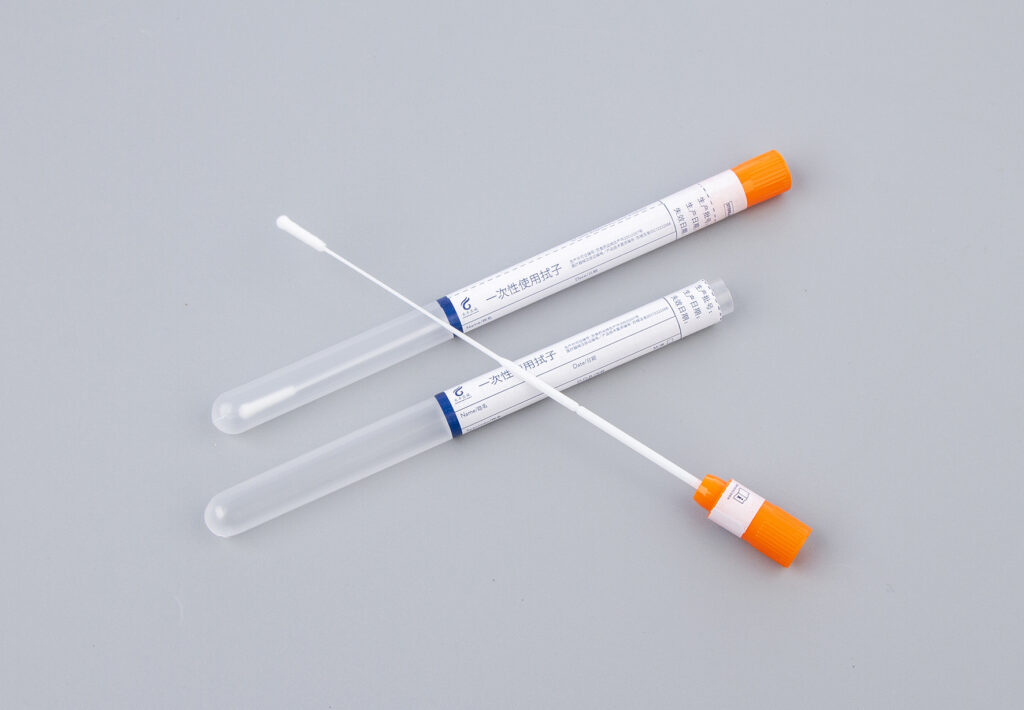
When you’re sourcing specimen collection swabs for your laboratory or diagnostic facility, understanding the performance differences between flocked and foam swabs directly impacts your testing accuracy and procurement budget. Both swab types dominate different clinical applications, yet their structural designs create distinct advantages in specimen collection efficiency, release rates, and cost-effectiveness that you need to evaluate against your specific testing protocols.
Understanding the Structural Differences
Flocked Swab Construction
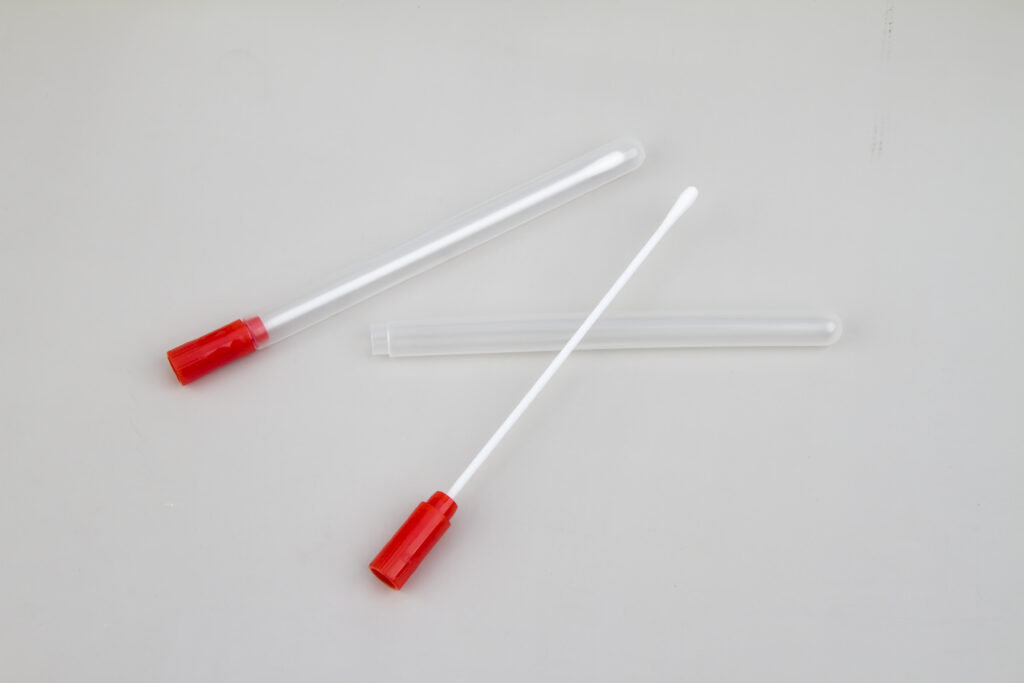
Flocked swabs feature millions of short nylon fibers vertically attached to the swab tip through electrostatic charge application. This perpendicular fiber arrangement creates a brush-like surface with superior specimen-trapping capability. The typical fiber density ranges from 8-12 fibers per square millimeter, with fiber lengths between 2-3mm depending on the manufacturer’s specifications.
The nylon-6 or nylon-6,6 fibers are bonded to a molded plastic core, usually made from medical-grade polystyrene or ABS plastic. This design eliminates the internal absorption core found in traditional wound swabs, which means collected specimens remain on the surface rather than being trapped inside fibrous materials.
Foam Swab Architecture
Foam swabs utilize open-cell polyurethane foam molded around a polystyrene handle. The foam’s porous structure consists of interconnected cells ranging from 80-100 pores per inch (PPI) for standard medical-grade versions. This cellular architecture creates a three-dimensional matrix that captures specimens through both surface contact and slight absorption into the uppermost foam layers.
The polyurethane material is typically treated to be hydrophilic, enhancing its ability to collect aqueous specimens. Manufacturing processes control the foam’s compression strength (usually 10-15 psi) and recovery rate to ensure consistent performance during specimen collection procedures.
Specimen Collection Performance Comparison
Collection Efficiency Metrics
Flocked swabs demonstrate collection efficiency rates of 95-98% for respiratory specimens, compared to foam swabs’ 88-92% efficiency in the same applications. This 6-10% difference becomes significant when you’re processing high-volume testing protocols where specimen adequacy directly affects diagnostic accuracy.
For buccal cell collection in DNA testing, foam swabs actually outperform flocked options with collection rates of 96-99% versus 90-94%. The foam’s gentle surface texture causes less cellular trauma during collection, preserving cell integrity for genetic analysis.
Specimen Release Characteristics
The release rate—how efficiently the swab transfers collected specimens into transport medium—varies significantly between these technologies. Flocked swabs release 90-95% of collected material when agitated in liquid medium for 10-15 seconds. Their surface-only collection design means specimens aren’t trapped in absorbent layers.
Foam swabs typically release 80-88% of collected specimens under identical conditions. While this represents lower efficiency, the difference narrows to 3-5% when processing time extends to 30 seconds with mechanical vortexing. For your high-throughput laboratory operations, this timing difference factors into workflow design.
Application-Specific Performance Analysis
Respiratory Specimen Collection
When you’re procuring swabs for nasopharyngeal or oropharyngeal specimen collection, flocked swabs deliver superior performance. Their fiber design captures mucus, cells, and viral particles more effectively from mucosal surfaces. Clinical validation studies show 15-22% higher viral load recovery with flocked swabs compared to foam alternatives in respiratory virus testing.
The breakpoint strength specification matters here—quality flocked swabs should withstand 2.5-3.0 kg of lateral force before breaking at the designated point. This ensures safe specimen collection without premature breakage during insertion or manipulation.
DNA and Forensic Applications
Foam swabs excel in buccal cell collection for DNA analysis. Their soft texture minimizes epithelial cell damage during collection, yielding higher quantities of intact genomic DNA. You’ll see DNA yields of 1.5-2.0 μg per swab with foam collection versus 0.8-1.2 μg with flocked swabs when processing identical specimen volumes.
For forensic evidence collection from skin surfaces or environmental sampling, foam swabs’ larger surface area (typically 15-18mm diameter versus 10-12mm for flocked tips) captures more particulate evidence per swab stroke.
Microbiology and Environmental Testing
In surface sampling for bacterial contamination monitoring, foam swabs demonstrate advantages in irregularly textured surfaces. Their compressibility allows better contact with grooved or patterned surfaces found in food processing equipment or healthcare environmental monitoring.
Flocked swabs perform better on smooth surfaces like stainless steel or glass, where their precise fiber structure captures bacterial cells without the crushing that can occur with excessive foam compression. Recovery rates differ by 12-18% depending on surface characteristics and target organism morphology.
Material Compatibility and Chemical Resistance
Transport Medium Compatibility
Both swab types maintain stability in standard viral transport media (VTM), universal transport media (UTM), and Amies transport medium. However, you need to verify compatibility with specialized testing reagents. Nylon fibers in flocked swabs show excellent resistance to molecular biology reagents including proteinase K, guanidinium salts, and pH extremes from 4.5-9.0.
Polyurethane foam demonstrates limited compatibility with organic solvents—exposure to concentrations above 30% ethanol or isopropanol can cause foam degradation. If your protocols involve solvent-based extraction or fixation, this limitation requires consideration during procurement specifications.
Sterilization Method Tolerance
Your sterilization requirements affect material selection. Flocked swabs withstand ethylene oxide (EtO) sterilization cycles at standard parameters (450-600 mg/L concentration, 50-60°C temperature, 2-4 hour exposure) without performance degradation. Gamma irradiation at 25-50 kGy also maintains flocked swab integrity.
Foam swabs tolerate EtO sterilization effectively but show variable responses to gamma radiation above 35 kGy—some polyurethane formulations exhibit brittleness or discoloration. When you’re comparing supplier quotes, verify the sterilization method and dose used, as this impacts product consistency.
Procurement Cost Analysis
Unit Cost Comparison
Standard pricing for sterile individually-wrapped swabs shows foam swabs costing $0.08-0.12 per unit at 50,000-piece order volumes, while flocked swabs range from $0.15-0.22 per unit for comparable specifications. This 60-80% price differential makes foam swabs attractive when collection efficiency differences don’t critically impact your testing outcomes.
For high-volume screening programs processing 10,000+ specimens daily, the per-unit cost difference translates to $700-1,000 in daily consumable expenses. You need to balance this against any retesting costs from inadequate specimens—if flocked swabs reduce your retest rate by 2-3%, the improved first-pass success rate offsets the higher unit cost.
Total Cost of Ownership Factors
Beyond unit pricing, consider storage requirements. Flocked swabs typically come in compact packaging (500 units per case at 0.018 m³ volume), while foam swabs require 20-25% more storage space due to less efficient packing geometry. For your inventory management, this affects warehousing costs and stock rotation logistics.
Shelf life specifications influence procurement planning—both swab types maintain 2-3 year stability when stored at controlled room temperature (15-30°C, <80% relative humidity). However, foam swabs show 5-8% performance degradation in the final 6 months before expiration, particularly in high-humidity storage conditions.
Quality Specifications for Procurement
Critical Performance Parameters
When you’re drafting technical specifications for supplier RFQs, define these measurable criteria. For flocked swabs, specify minimum fiber density (8 fibers/mm² for standard applications, 10-12 fibers/mm² for enhanced collection), fiber length tolerance (±0.3mm), and breakpoint force range (2.5-3.5 kg).
For foam swabs, require foam density specifications (0.025-0.035 g/cm³ for medical-grade), pore count (80-100 PPI), and compression recovery rate (>90% recovery after 50% compression within 3 seconds). These parameters directly correlate with collection performance consistency.
Regulatory Compliance Requirements
Your procurement specifications must address regulatory classifications. Both swab types should meet FDA Class I medical device requirements when intended for specimen collection. Ensure suppliers provide ISO 13485 certification documentation and can supply device master files (DMF) if you’re using swabs in FDA-regulated diagnostic kits.
For European markets, verify CE marking under MDR (Medical Device Regulation 2017/745). Suppliers should provide technical documentation including biocompatibility testing per ISO 10993 series standards—particularly cytotoxicity (Part 5), sensitization (Part 10), and irritation testing (Part 23).
Manufacturing Quality Indicators
Production Process Controls
Evaluate your potential suppliers’ manufacturing capabilities. Flocked swab production requires specialized flocking equipment with electrostatic field generators—suppliers with automated flocking lines demonstrate more consistent fiber density and orientation compared to manual or semi-automated processes.
Foam swab manufacturing quality depends on polyurethane formulation control and mold precision. Request information about suppliers’ foam batch testing protocols—you want to see batch-to-batch compression testing, pore size analysis using microscopy or mercury porosimetry, and extractables testing data.
Sterility Assurance Levels
For sterile swabs, verify the sterility assurance level (SAL) meets 10⁻⁶ standards—this means probability of non-sterile unit occurring is less than one in one million. Suppliers should validate their sterilization cycles according to ISO 11135 (EtO sterilization) or ISO 11137 (radiation sterilization) with documented biological indicator testing.
Review suppliers’ environmental monitoring data for cleanroom classifications. Swab assembly should occur in ISO Class 7 or better cleanroom environments, with final packaging in ISO Class 8 conditions minimum. This prevents particulate contamination that could interfere with molecular testing applications.
Sample Evaluation Protocol
Conducting Validation Testing
Before committing to large-volume orders, perform validation testing with representative specimen types. Design a comparison protocol using 30-50 matched specimens collected with both swab types from identical sites or sources. Process specimens through your standard testing workflow and measure key performance indicators:
- Specimen adequacy rates (percentage meeting minimum cellularity requirements)
- Target analyte recovery (Ct values for molecular tests, colony counts for cultures)
- Invalid/indeterminate result rates
- User feedback on handling characteristics and patient comfort
Statistical analysis using paired t-tests or Wilcoxon signed-rank tests will determine if performance differences reach clinical significance for your specific applications.
Long-Term Performance Monitoring
After supplier selection, implement ongoing quality monitoring. Track lot-to-lot consistency by sampling 0.1-0.2% of incoming shipments for performance verification testing. Monitor your laboratory’s specimen rejection rates, retesting frequency, and any user-reported issues with lot numbers recorded.
Establish clear acceptance criteria with your supplier—define action levels for performance metrics that trigger investigation (e.g., rejection rate increase of 1.5x baseline) and rejection limits that require product replacement (2.0x baseline increase). Document these requirements in your quality agreement.
Supply Chain Considerations
Lead Time and Minimum Order Quantities
Typical lead times for standard flocked swabs range from 45-60 days from Asian manufacturers, with minimum order quantities of 50,000-100,000 units per SKU. Foam swabs generally offer shorter lead times (30-45 days) and lower MOQs (25,000-50,000 units) due to simpler manufacturing processes.
For custom specifications—modified tip sizes, specific breakpoint lengths, or unique packaging configurations—expect 60-90 day lead times and MOQ increases of 50-100%. Your procurement planning should account for safety stock levels of 30-45 days to buffer against supply disruptions.
Supplier Qualification Criteria
Evaluate potential suppliers across multiple dimensions beyond price. Assess their manufacturing capacity—can they scale production to meet your growth projections? Review their customer base for comparable volume clients in similar applications, which indicates process maturity.
Request supplier audit rights in your contract terms. Plan site visits to evaluate production facilities, quality systems, and technical capabilities. Suppliers should demonstrate complaint investigation processes, corrective and preventive action (CAPA) systems, and change control procedures that protect product consistency.
Making Your Decision
Your choice between flocked and foam swabs depends on application requirements, performance priorities, and budget constraints. Flocked swabs justify their higher cost in respiratory diagnostics, high-stakes testing where specimen adequacy is critical, and applications requiring maximum specimen recovery. Their superior collection and release characteristics deliver measurable improvements in test sensitivity and specimen quality.
Foam swabs represent the practical choice for DNA collection, surface environmental monitoring, and high-volume screening programs where collection efficiency differences don’t significantly impact outcomes. Their cost advantage and adequate performance make them suitable for resource-conscious procurement strategies.
For diversified testing facilities, consider dual-sourcing strategies—flocked swabs for priority testing workflows where performance justifies premium pricing, and foam swabs for cost-sensitive applications with less stringent performance requirements. This balanced approach optimizes both clinical outcomes and procurement budgets.
Frequently Asked Questions
Can I use foam swabs for COVID-19 or influenza testing if flocked swabs are unavailable?
Yes, foam swabs can serve as acceptable alternatives for respiratory virus testing, though you may see 10-15% reduction in test sensitivity compared to flocked swabs. Validate foam swabs with your specific testing platform before implementation, and consider adjusting specimen collection technique—using slightly increased sampling pressure or multiple swab rotations can improve collection efficiency. Document the swab type change in your laboratory procedures and inform ordering providers about the temporary modification. Most FDA-authorized molecular tests for respiratory viruses include foam swabs in their validated collection device lists as secondary options.
How do I verify that received swabs match the specifications I ordered?
Implement incoming inspection protocols testing critical parameters. For flocked swabs, perform visual microscopy inspection of tip fiber density and orientation on 5-10 samples per lot. Test breakpoint force using a digital force gauge—the swab should break at the designated point between 2.5-3.5 kg force. For foam swabs, measure tip dimensions with calipers (±0.5mm tolerance), assess foam compression recovery, and verify foam remains intact during aggressive agitation in transport medium. Request certificates of analysis (CoA) from suppliers documenting sterilization validation, biocompatibility testing, and lot-specific performance testing results.
What’s the shelf life difference between flocked and foam swabs, and how should I rotate stock?
Both swab types typically carry 2-3 year expiration dating from manufacturing when stored properly (15-30°C, <80% humidity, protected from direct sunlight). However, foam swabs demonstrate 5-8% performance degradation in the final 6 months before expiration, particularly in high-humidity environments. Implement FEFO (first-expired, first-out) inventory rotation with enhanced monitoring for foam swabs approaching expiration. Consider conducting performance verification testing on foam swab lots within 6 months of expiration before issuing to testing areas. Flocked swabs maintain more stable performance throughout their shelf life due to the inert nature of nylon fibers.
Are there environmental or sustainability differences between flocked and foam swab disposal?
Both swab types create similar waste management challenges as single-use plastic medical devices. Flocked swabs (nylon/polystyrene) and foam swabs (polyurethane/polystyrene) are not typically recyclable through standard programs due to biohazard contamination after specimen collection. Both require disposal as regulated medical waste following local biosafety protocols. Foam swabs have slightly higher volume-per-unit in waste streams due to their bulkier design. Some manufacturers now offer swabs with partial bio-based plastic content (25-40% plant-derived materials), though these remain more expensive options. For large-volume users processing 50,000+ swabs monthly, investigate medical waste compaction or autoclave treatment systems to reduce disposal volumes and costs regardless of swab type.
Can flocked and foam swabs be used interchangeably in validated diagnostic procedures?
No, swab types cannot be freely interchanged without revalidation. Your laboratory’s validated procedures specify approved collection devices, and substituting swabs requires verification studies demonstrating equivalent performance. When planning to switch swab types, conduct bridging studies with 30-50 paired specimens processed through your complete testing workflow. Analyze results using concordance statistics—aim for >95% agreement in qualitative results and <0.5 Ct difference in quantitative molecular tests. Document validation in your laboratory quality management system and update standard operating procedures. For CLIA-regulated laboratories, significant method changes may require proficiency testing with the new swab type before routine use. If you're switching suppliers for the same swab type, perform abbreviated verification (10-20 specimens) confirming equivalent performance, as manufacturing variations between suppliers can affect collection efficiency.
What causes inconsistent results when using foam swabs, and how can I troubleshoot performance issues?
Foam swab performance inconsistencies typically stem from three sources. First, storage condition deviations—exposure to high humidity (>80% RH) causes foam to absorb moisture, altering compression characteristics and reducing collection efficiency. Verify your storage areas maintain 30-60% RH and investigate any water damage or environmental control failures. Second, lot-to-lot manufacturing variations affect foam density and pore structure—if you notice performance changes coinciding with new lot numbers, request CoA data from your supplier showing foam density measurements (should be 0.025-0.035 g/cm³) and conduct side-by-side testing comparing suspect lots to previously acceptable lots. Third, technique variations during specimen collection significantly impact foam swab performance—ensure collection staff use adequate pressure during sampling and follow consistent rotation techniques. Provide refresher training emphasizing that foam swabs require slightly different handling than flocked swabs to achieve optimal specimen recovery.
How do I negotiate pricing with suppliers when ordering large volumes of swabs?
Leverage your volume to negotiate favorable terms beyond just unit pricing. For annual volumes exceeding 500,000 units, request tiered pricing with 10-15% discounts at the highest volume brackets. Negotiate extended payment terms (net 60-90 days) that improve your cash flow management. Ask for consignment inventory arrangements where the supplier maintains buffer stock at your facility but retains ownership until you consume it—this reduces your carrying costs and inventory risk. Request inclusion of annual price protection clauses limiting increases to documented raw material cost changes. For strategic partnerships, negotiate product development support—suppliers may provide custom validation assistance, technical service visits, or preferential allocation during supply constraints. Document all negotiated terms in formal supply agreements with minimum 12-month commitments, including provisions for quality failures, delivery performance metrics, and change notification requirements.
What are the key quality issues I should monitor after switching to a new swab supplier?
Implement a 90-day enhanced monitoring period tracking specific metrics. Monitor your specimen rejection rate—establish your baseline rejection percentage with your previous supplier, then track weekly rejection rates with the new supplier’s products. Investigation triggers should activate if rejections increase by >1.5x baseline for two consecutive weeks. Track invalid or indeterminate test results separately, as increases may indicate specimen adequacy issues. Collect user feedback from laboratory staff and specimen collectors—document any handling complaints, breakage incidents, or usability concerns with specific lot numbers. Review your laboratory’s turnaround time metrics, as swabs with suboptimal performance may require additional specimen processing steps or retesting that extends TAT. Conduct monthly review meetings with your supplier during this period, presenting performance data and addressing any trends. After the monitoring period, continue quarterly performance reviews maintaining traceable records of lot numbers, rejection rates, and corrective actions taken.
Should I source swabs from multiple suppliers to reduce supply chain risk?
Dual-source strategies provide supply security but require careful implementation. Maintain a primary supplier for 70-80% of volume and qualify a secondary supplier for 20-30%, ensuring you maintain sufficient volume with each to preserve pricing leverage and supplier priority status. Validate both suppliers’ products through your complete testing workflow before establishing them as approved sources. Create supplier-specific lot codes in your inventory system enabling performance tracking by source. Establish minimum order triggers that maintain active purchasing from both suppliers—if you only buy from your secondary source during shortages, their responsiveness and pricing may deteriorate. For critical applications, consider geographic diversification—pairing an Asian manufacturer with a North American or European supplier reduces regional risk from natural disasters, political instability, or pandemic-related disruptions. Document your dual-source strategy in your supply chain continuity plan, including predetermined allocation rules for volume distribution and escalation protocols when supply constraints emerge from either source.
What documentation should I require from swab suppliers before placing large orders?
Compile a comprehensive qualification package before finalizing your supplier selection. Request their ISO 13485 certificate with scope confirmation covering swab manufacturing—verify certificate validity and accreditation body recognition. Obtain their FDA establishment registration number and confirm device listing for the specific swab products you’re purchasing. For products with CE marking, request the EU declaration of conformity and notified body certificates. Review their product technical files including complete biocompatibility test reports per ISO 10993 series (cytotoxicity, sensitization, irritation as minimum), extractables/leachables data if you’re using swabs in molecular applications, and sterilization validation reports with sterility assurance level documentation. Request manufacturing process flowcharts showing critical control points and quality inspection stages. Obtain their complaint handling procedure and recent CAPA summaries (with confidential details redacted)—this reveals their quality system maturity. Ask for reference letters from customers with similar volume requirements and applications, and contact these references to verify supplier performance on delivery reliability, quality consistency, and technical support responsiveness.