
Sterile vs Non-Sterile Medical Swabs: When Does Sterility Matter?

When you’re ordering medical swabs for your lab or healthcare facility, one of the first decisions you’ll face is whether you need sterile or non-sterile swabs. This choice affects product cost, regulatory compliance, and—most importantly—the validity of your test results. Understanding when sterility is required and when it’s unnecessary will help you make informed procurement decisions without overspending on features you don’t need.
What Makes a Swab Sterile?
A sterile swab has been processed to eliminate all viable microorganisms, including bacteria, viruses, fungi, and spores. Sterilization is typically achieved through gamma irradiation, ethylene oxide (EO) gas, or steam autoclaving. Each method has specific validation requirements and leaves the swab free of living contaminants at the time of packaging.
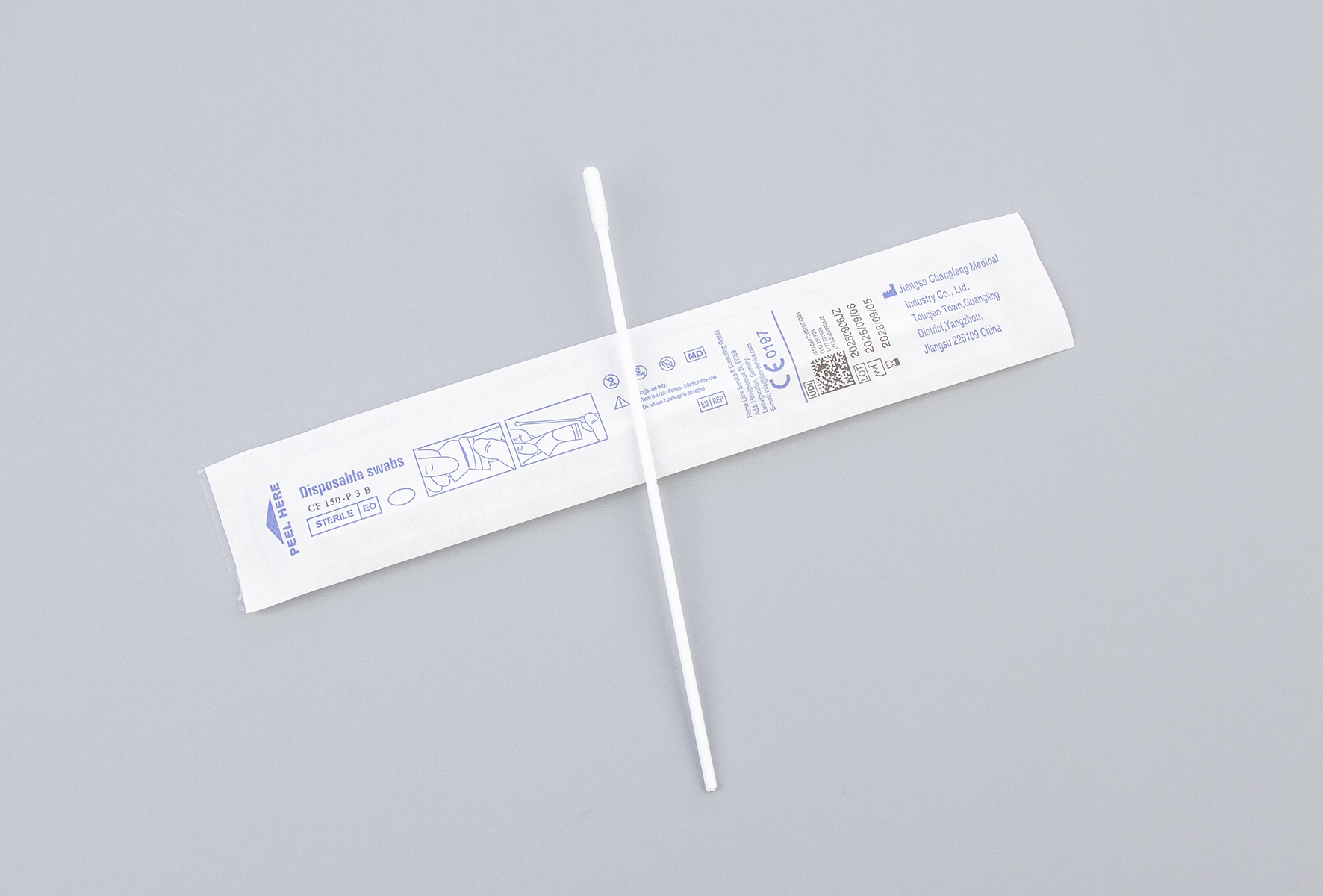
Sterile swabs are individually packaged in sealed peel pouches or blister packs that maintain sterility until opened. The packaging must prevent environmental contamination during storage and transport, and most include sterility assurance indicators or lot-specific sterilization documentation.
Non-sterile swabs are manufactured under clean conditions but have not undergone terminal sterilization. They may contain low levels of environmental microorganisms, though reputable manufacturers control bioburden through good manufacturing practices. Non-sterile swabs are often bulk-packaged in bags or containers rather than individually sealed.
When Sterile Swabs Are Required
Sterile swabs are essential when you’re collecting specimens from normally sterile body sites or when introducing the swab into areas where contamination could cause infection or compromise test accuracy.
Clinical Specimen Collection for Microbiology
If you’re collecting samples for bacterial culture, fungal culture, or any microbiological analysis where you need to identify the organisms present in the specimen, sterile swabs are mandatory. Introducing non-sterile swabs into these specimens would contaminate the sample with extraneous organisms, making it impossible to distinguish pathogens from contaminants.
This applies to wound swabs, abscess cultures, sterile body fluid sampling, and any specimen where microbial identification or antimicrobial susceptibility testing will be performed.
Molecular Diagnostics for Infectious Diseases
When running PCR or other nucleic acid tests for bacterial or fungal pathogens, sterile swabs prevent false positives from environmental contamination. If your test targets broad-range bacterial DNA or universal fungal sequences, non-sterile swabs could introduce microbial DNA that produces misleading results.
For viral detection by PCR, sterility is less critical from a contamination standpoint since viruses don’t grow on manufacturing surfaces. However, sterile swabs are still preferred because they’re packaged individually, which reduces the risk of cross-contamination between specimens during handling.
Invasive Procedures and Surgical Applications
Any swab used during surgery, for intraoperative cultures, or in contact with open wounds or mucous membranes during invasive procedures must be sterile. Using non-sterile devices in these contexts violates infection control standards and poses patient safety risks.
Regulatory and Accreditation Requirements
Clinical laboratories accredited under ISO 15189, CAP, or CLIA must follow specimen collection guidelines that specify sterile swabs for certain test types. Your standard operating procedures should define when sterility is required, and using non-sterile swabs where sterile ones are mandated constitutes a quality system failure.
When Non-Sterile Swabs Are Acceptable
Non-sterile swabs are suitable for applications where the presence of environmental microorganisms does not interfere with test results or where the specimen itself is not sterile.
Viral Molecular Testing from Non-Sterile Sites
Respiratory virus PCR testing from the nasopharynx, oropharynx, or anterior nares does not require sterile swabs in most protocols. These anatomical sites are naturally colonized with bacteria and fungi, so the specimen is never sterile. What matters is that the swab does not inhibit PCR or introduce substances that degrade viral RNA.
Many SARS-CoV-2, influenza, and RSV testing protocols explicitly allow non-sterile synthetic swabs. Check your test manufacturer’s instructions for use (IFU) to confirm whether sterility is required or optional.
Surface Sampling and Environmental Monitoring
When sampling surfaces, equipment, or environments for cleanliness verification or contamination assessment, sterile swabs are often unnecessary. The purpose is to detect organisms present on the surface, not to culture a sterile specimen. However, if you’re quantifying contamination levels or identifying specific organisms, you’ll want swabs with low bioburden and consistent quality, even if they’re not terminally sterilized.
Forensic and Non-Clinical Applications
DNA collection for paternity testing, forensic evidence gathering, or genetic research typically uses non-sterile swabs. The concern is nucleic acid recovery and PCR compatibility, not microbial contamination. Sterile packaging may still be preferred to prevent cross-contamination between samples, but terminal sterilization is not required.
Low-Resource or High-Volume Screening
In some public health screening programs where cost is a major factor and testing is performed on specimens from non-sterile sites, non-sterile swabs can reduce costs without compromising test performance. This approach is only appropriate when the test method has been validated using non-sterile swabs and when regulatory or accreditation standards permit their use.
Cost Differences and Procurement Implications
Sterile swabs cost more than non-sterile swabs due to the additional sterilization step, validation testing, and individual packaging requirements. The price difference varies by product type and order volume, but you can generally expect sterile swabs to cost 20-50% more per unit.
If your lab processes thousands of respiratory virus tests annually and your protocols allow non-sterile swabs, switching from sterile to validated non-sterile products could generate significant savings. However, if your lab also performs bacterial cultures or other tests requiring sterility, maintaining two separate swab inventories introduces logistical complexity.
Many labs choose to standardize on sterile swabs for simplicity, accepting the higher unit cost in exchange for a single product that meets all testing needs. This approach reduces the risk of staff using the wrong swab type and simplifies inventory management.
Packaging and Handling Considerations
Individual vs Bulk Packaging
Sterile swabs are almost always individually packaged in peel pouches, which maintain sterility until the moment of use and minimize cross-contamination risk. Each package is labeled with lot number, expiration date, and sterilization information.
Non-sterile swabs may be individually packaged or bulk-packed in bags or boxes. Bulk packaging reduces cost and waste but requires careful handling to prevent cross-contamination during specimen collection. If you choose bulk-packed swabs, ensure your staff follows proper aseptic technique when removing swabs from containers.
Expiration Dates and Shelf Life
Sterile swabs have defined expiration dates that reflect the sterility assurance level over time. Using expired sterile swabs violates quality standards and may fail regulatory audits.
Non-sterile swabs may or may not carry expiration dates, depending on the manufacturer and intended use. If the swab material can degrade over time—particularly if it’s in contact with packaging materials or stored under poor conditions—shelf life limits should be established and respected.
Quality Control and Supplier Verification
Whether you’re purchasing sterile or non-sterile swabs, verify that your supplier provides appropriate documentation.
For Sterile Swabs
- Sterilization method and validation reports
- Sterility assurance level (SAL), typically 10-6
- Certificate of sterility or sterilization for each lot
- Biocompatibility testing (if required for your application)
- Regulatory clearances (FDA 510(k), CE mark, or equivalent)
For Non-Sterile Swabs
- Manufacturing cleanliness controls and bioburden limits
- Certificate of analysis showing the product meets specifications
- Validation data demonstrating performance in your intended application
- Lot-to-lot consistency data
If you’re switching from one supplier to another or changing from sterile to non-sterile swabs (or vice versa), treat this as a method change and perform verification testing to confirm that the new product meets your performance requirements.
Regulatory Perspective: Are Non-Sterile Swabs Compliant?
Non-sterile swabs are not inherently non-compliant. Many FDA-cleared and CE-marked diagnostic tests explicitly allow non-sterile swabs in their instructions for use. What matters is that you follow the test manufacturer’s specifications and that your quality management system documents the rationale for your swab selection.
During inspections or audits, you may be asked to justify your choice of sterile or non-sterile swabs. Your documentation should reference the test IFU, applicable standards (such as CLSI guidelines), and any internal validation studies that support your decision.
Frequently Asked Questions
Can I use non-sterile swabs for COVID-19 testing?
Many SARS-CoV-2 RT-PCR tests allow non-sterile synthetic swabs, but you must check the specific test’s instructions for use. Some test kits explicitly require sterile swabs, while others permit non-sterile options. Follow the manufacturer’s guidance and document your compliance.
If I’m only doing viral PCR, do I ever need sterile swabs?
If all your testing is viral molecular diagnostics from non-sterile body sites and your test protocols allow non-sterile swabs, you may not need sterile products. However, if you perform any bacterial cultures, fungal testing, or sample from sterile sites, you’ll need sterile swabs for those applications.
Are non-sterile swabs less safe for patients?
Non-sterile swabs used according to validated protocols do not pose patient safety risks when sampling non-sterile body sites like the nasopharynx or oropharynx. These sites are already colonized with microorganisms, so introducing a clean but non-sterile swab does not increase infection risk. However, non-sterile swabs should never be used for invasive procedures or sterile site sampling.
Can I sterilize non-sterile swabs in my lab?
Technically possible but not recommended. Sterilizing swabs in-house requires validated sterilization equipment, sterility testing, and documentation. You also risk damaging the swab material or introducing contaminants during handling. It’s more reliable and cost-effective to purchase pre-sterilized swabs from a qualified supplier.
How can I tell if a swab is sterile?
Sterile swabs are individually packaged in sealed pouches labeled with sterilization information, lot numbers, and expiration dates. The packaging may include sterility indicators such as color-change strips or symbols. Non-sterile swabs typically lack these markings and may be bulk-packaged.
Do sterile swabs perform better than non-sterile swabs?
Sterility does not directly affect sample collection or release efficiency. A sterile flocked swab and a non-sterile flocked swab of the same design will perform identically in terms of specimen recovery. The difference is microbial contamination control, not functional performance.
What happens if I accidentally use a non-sterile swab for a bacterial culture?
The specimen will be contaminated with organisms from the swab, making it impossible to distinguish patient pathogens from contaminants. The culture result will be unreliable and may need to be repeated with a properly collected specimen. This is a quality failure and should be documented in your lab’s non-conformance reporting system.
Can I negotiate lower prices by switching to non-sterile swabs?
If your testing protocols allow non-sterile swabs, this is a legitimate cost-saving strategy. Calculate potential savings based on your annual swab usage, but also consider the complexity of managing separate inventories for different test types. Discuss options with your supplier to find the best balance between cost and operational simplicity.
Choose the Right Sterility Level for Your Needs
Sterile swabs are essential for bacterial and fungal cultures, sterile site sampling, and any application where contamination could compromise results or patient safety. Non-sterile swabs are a cost-effective option for viral molecular testing from non-sterile sites, environmental sampling, and other applications where sterility is not required by the test method or regulatory standards.
Review your test protocols, consult manufacturer instructions, and document your swab selection rationale in your quality management system. When in doubt, sterile swabs offer the safest and most broadly compliant option.
Need guidance on selecting the right swabs for your specific testing requirements? Contact our team for technical support and product recommendations tailored to your lab’s needs.