
Transport Medium Selection for Medical Swabs: VTM, UTM, Amies, or Dry Transport

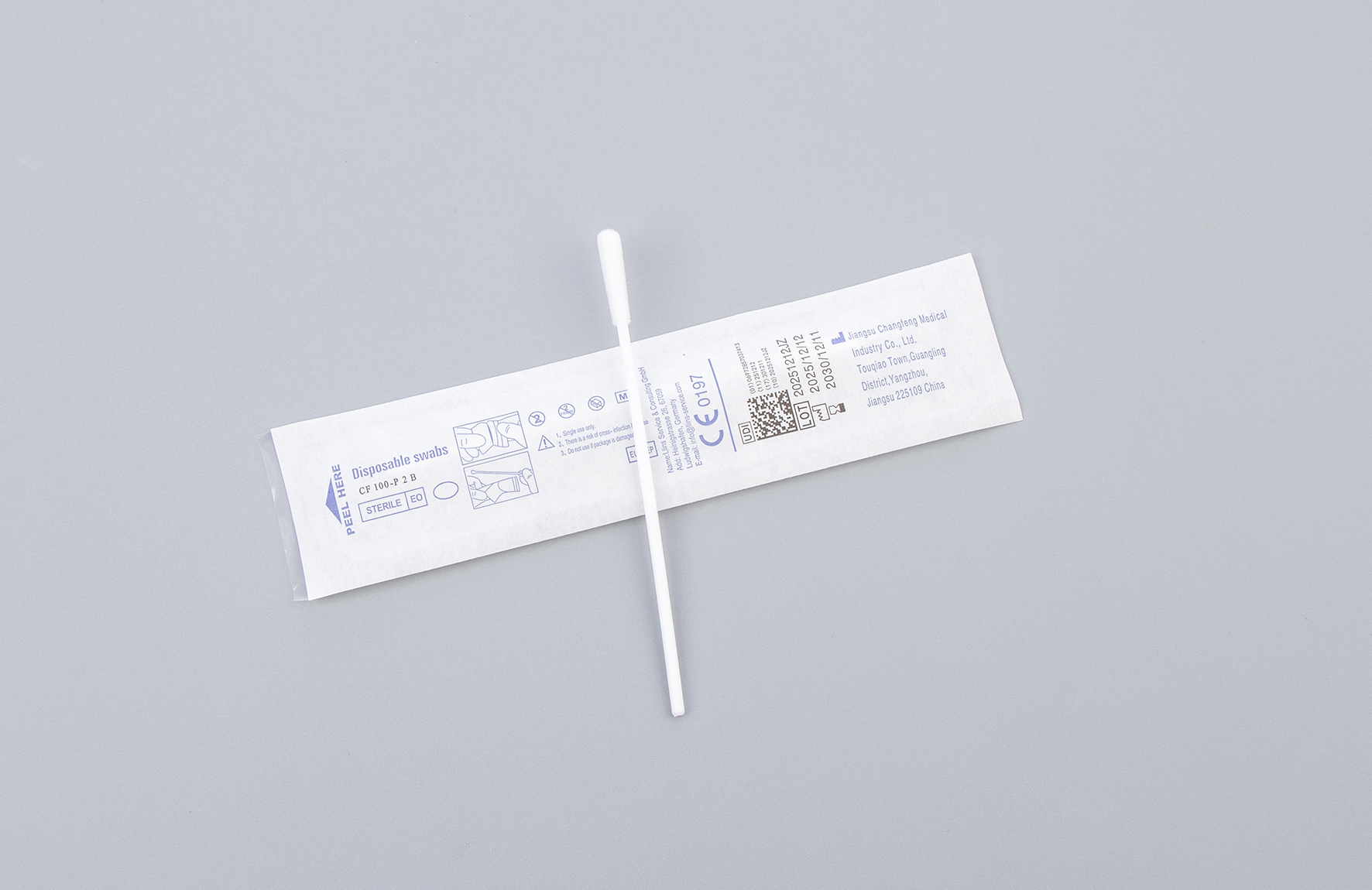
The transport medium you pair with your specimen collection swabs determines whether target pathogens survive the journey from patient to laboratory, and whether nucleic acids remain intact for molecular testing. If you’re selecting transport systems for respiratory virus testing, bacterial culture, or multi-pathogen panels, understanding the differences between viral transport medium (VTM), universal transport medium (UTM), Amies medium, and dry transport will help you match the right preservation method to your specific diagnostic requirements.
What Transport Medium Does
Transport medium serves three critical functions between specimen collection and laboratory processing:
Preservation: Maintains the viability of living organisms for culture or preserves nucleic acids for molecular testing during the delay between collection and analysis.
Protection: Buffers pH changes, provides osmotic stability, and prevents desiccation that would degrade specimens.
Contamination control: Contains antimicrobial agents that suppress overgrowth of normal flora and environmental contaminants without affecting target organisms or interfering with downstream testing.
The medium you choose must be compatible with your target pathogens, your testing methods, and your specimen handling workflow. Using the wrong medium can result in loss of organism viability, nucleic acid degradation, or test inhibition.
Viral Transport Medium (VTM)
Composition and Purpose
Viral transport medium is formulated specifically to maintain viral viability and preserve viral nucleic acids during transport and storage. Standard VTM formulations contain:
- Buffered salt solution: Maintains pH and osmotic balance
- Protein stabilizers: Albumin, serum, or gelatin protects viral envelope proteins from degradation
- Antibiotics: Suppress bacterial growth without affecting viruses
- Antifungal agents: Prevent fungal contamination during storage
The protein component is particularly important for enveloped viruses like influenza, SARS-CoV-2, and respiratory syncytial virus (RSV). These viruses have lipid membranes that can deteriorate in simple saline solutions, causing loss of infectivity.
Best Applications
VTM is the appropriate choice when you’re performing:
- Viral culture (requires living, infectious virus)
- Molecular detection of respiratory viruses (influenza, SARS-CoV-2, RSV, human metapneumovirus, parainfluenza)
- Viral load quantification where specimen stability is critical
- Antigen detection tests that require intact viral proteins
For respiratory virus PCR testing, VTM is the standard transport system recommended by public health agencies and test manufacturers. It provides reliable nucleic acid preservation for at least 48-72 hours at refrigerated temperatures, and longer when frozen.
Limitations
VTM is not suitable for bacterial culture because the antibiotics it contains will kill or inhibit bacterial pathogens you’re trying to detect. If you attempt to culture bacteria from specimens collected in VTM, you’ll get false negative results.
VTM formulations vary between manufacturers. Some use fetal bovine serum as the protein source, while others use bovine serum albumin or synthetic alternatives. Performance can differ, so verify that your chosen VTM is compatible with your test platforms before committing to large purchases.
Universal Transport Medium (UTM)
Composition and Design Philosophy
Universal transport medium is engineered to support a broader range of organisms than VTM alone. UTM formulations include components that maintain viability or preserve nucleic acids from viruses, bacteria (including fastidious species), chlamydia, mycoplasma, and ureaplasma.
The “universal” designation means the medium accommodates multiple organism types in a single tube, which is valuable when you’re collecting specimens for multi-pathogen testing panels or when the target organism is unknown at collection time.
Key Differences from VTM
While both VTM and UTM contain buffered solutions, protein stabilizers, and antimicrobials, UTM is formulated with:
- Carefully balanced antibiotic concentrations that suppress environmental contaminants while allowing recovery of common bacterial pathogens
- Components that support fastidious organisms like Neisseria and Haemophilus species
- Additives that preserve nucleic acids from both RNA and DNA organisms
The challenge in designing UTM is balancing competing requirements—enough antimicrobial activity to prevent overgrowth of normal flora, but not so much that target pathogens are inhibited.
Best Applications
UTM is particularly useful for:
- Multi-pathogen respiratory panels that test for viruses and bacteria simultaneously
- Sexually transmitted infection (STI) panels detecting viruses, bacteria, and mycoplasma
- Situations where you’re unsure which organism you’re looking for and want flexibility
- Molecular diagnostics targeting multiple organism classes from a single specimen
For laboratories running comprehensive syndromic panels—respiratory panels that include 15-20 viral and bacterial targets, or STI panels covering multiple pathogens—UTM simplifies workflow by eliminating the need for multiple collection tubes with different media.
Limitations
UTM represents a compromise. While it supports many organism types, it may not preserve any single organism as well as a specialized medium designed specifically for that target. For dedicated viral testing where you’re certain of your target, VTM may offer slightly better viral recovery or longer specimen stability.
UTM is generally not suitable for traditional bacterial culture where you need to isolate and identify organisms on selective media. The antimicrobials in UTM will reduce bacterial viability, though molecular detection is not affected.
Amies Transport Medium
Composition and Traditional Use
Amies medium is a classical transport system developed decades ago for bacterial culture. It contains a buffered salt solution with charcoal, which absorbs toxic metabolic byproducts that would otherwise inhibit bacterial growth during transport. Some formulations include a small amount of agar to maintain a semi-solid consistency.
Unlike VTM and UTM, Amies medium does not contain antibiotics, which allows bacterial pathogens to remain viable without inhibition. The charcoal component is particularly important for maintaining viability of fastidious bacteria like Neisseria gonorrhoeae.
Best Applications
Amies medium is the appropriate choice for:
- Bacterial culture where you need to isolate and identify organisms
- Wound cultures, abscess cultures, and other specimens destined for bacterial microbiology
- Situations where bacterial antimicrobial susceptibility testing will be performed (requires living organisms)
- Transport of specimens for Neisseria gonorrhoeae culture
If your laboratory still performs traditional bacterial culture methods rather than molecular detection, Amies medium with swabs is a proven system that maintains bacterial viability for 24-48 hours at room temperature or refrigerated.
Limitations
Amies medium is not formulated for viral preservation. If you’re performing viral testing, Amies is not appropriate because it lacks the protein stabilizers needed to maintain viral integrity.
For molecular detection of bacteria where you’re analyzing nucleic acids rather than culturing living organisms, Amies medium works but offers no particular advantage over VTM or UTM. The charcoal component can sometimes interfere with nucleic acid extraction if not properly washed from specimens.
Amies medium has largely been replaced by molecular diagnostics in many laboratories. If you’re still using Amies-based systems, evaluate whether your test menu would benefit from switching to media optimized for nucleic acid preservation.
Dry Transport (No Medium)
When Dry Transport Works
Dry transport means placing the specimen swab in a sterile empty tube without any liquid medium. This approach is acceptable for certain molecular diagnostic tests when specimens will be processed within a short time frame.
Some test manufacturers validate dry swab transport as an option in their instructions for use, particularly for tests with same-day or next-day processing. The advantage is simplicity—no need to manage liquid media inventory, storage, or expiration dating.
Nucleic Acid Stability Concerns
Without the protective environment of transport medium, viral RNA and DNA degrade more rapidly. RNA viruses are particularly vulnerable—RNA is chemically less stable than DNA and degrades through enzymatic and chemical processes that are accelerated at room temperature.
For tests requiring high sensitivity or for specimens that may sit in transport for more than 24 hours, dry transport introduces risk of false negatives due to nucleic acid degradation. The risk is highest in warm environments or when cooling during transport is unreliable.
Best Applications
Consider dry transport only when:
- Your test manufacturer explicitly validates and approves dry swab collection
- Specimens will be processed within 24 hours or less
- Environmental temperature is controlled (air conditioned facilities, refrigerated transport)
- The target pathogen is robust and nucleic acid is stable (DNA viruses like adenovirus are more stable than RNA viruses like influenza)
Some point-of-care testing platforms and rapid antigen tests use dry swab collection because the swab is directly inserted into the test device immediately after collection, eliminating transport delay.
Limitations
Dry transport is inappropriate for viral culture, which requires living virus maintained in a protective medium. It’s also unsuitable for bacterial culture, where organisms need moisture and nutrients to remain viable.
If you’re batching specimens for processing or if your laboratory is located at a different facility than collection sites, the extended delays and variable transport conditions make dry transport risky. You may experience reduced test sensitivity, increased test failures, or higher rates of specimen rejection.
Storage Temperature and Time Limits
Refrigerated Storage (2-8°C)
Most transport media provide adequate specimen preservation for 48-72 hours when refrigerated immediately after collection. This window accommodates overnight shipping and batch testing workflows.
For VTM and UTM, refrigeration slows enzymatic degradation and microbial metabolism. Viral nucleic acids remain stable for molecular testing, though viral viability for culture may decline over time.
Amies medium with refrigeration maintains bacterial viability for bacterial culture, though some fastidious organisms may begin to lose viability after 24 hours.
Frozen Storage (-70°C or Colder)
When specimens must be stored longer than 72 hours before testing, freezing at -70°C or colder is required for most applications. Frozen storage preserves nucleic acids for weeks to months.
However, freeze-thaw cycles damage specimens. Viral viability is lost upon freezing (frozen specimens are not suitable for culture), and repeated freezing and thawing degrade nucleic acids. Divide large-volume specimens into multiple aliquots before freezing to avoid repeated freeze-thaw cycles.
Room Temperature Storage
Some transport media manufacturers claim room temperature stability for defined periods—typically 24-48 hours. However, room temperature stability claims depend on actual temperature. A specimen sitting in a hot vehicle or un-air-conditioned building is exposed to temperatures far higher than the 20-25°C “room temperature” used in stability testing.
For critical diagnostic applications, don’t rely on room temperature stability. Refrigerate specimens as soon as possible after collection unless your test manufacturer specifically validates extended room temperature storage.
Matching Medium to Test Method
PCR and Molecular Diagnostics
For molecular testing, nucleic acid preservation is the priority. VTM and UTM are both effective for most viral and bacterial nucleic acid tests. The protein stabilizers in these media protect nucleic acids from enzymatic degradation.
Verify that your chosen medium is compatible with your extraction method. Some extraction kits work best with certain media formulations, and incompatibilities can reduce nucleic acid yield or introduce inhibitors.
Viral Culture
Viral culture requires living, infectious virus. Only VTM or certain UTM formulations maintain viral viability. The specimen must be refrigerated immediately and processed as soon as possible—ideally within 24-48 hours.
For viral culture, never use dry swabs, never freeze specimens before culture, and never allow specimens to sit at room temperature for extended periods.
Bacterial Culture
Bacterial culture requires living organisms and should use Amies medium or similar formulations without antibiotics. The specimen should be processed within 24 hours if possible, and refrigerated only if transport delays are unavoidable (some fastidious organisms are damaged by refrigeration).
Antigen Detection
Rapid antigen tests often specify dry swabs or specific transport media. Follow the test manufacturer’s instructions precisely—using the wrong medium can dilute antigens below the detection threshold or introduce interfering substances.
Procurement and Quality Considerations
Shelf Life and Storage
Transport media have expiration dates based on validated stability studies. VTM and UTM typically have shelf lives of 12-24 months when stored properly. Amies medium may have different stability depending on formulation.
Store media according to manufacturer specifications—usually at room temperature or refrigerated, protected from light and temperature extremes. Don’t order more media than you’ll use before expiration.
Regulatory Status
Some transport media are FDA-cleared or CE-marked medical devices, while others are manufactured under general laboratory supply standards. For clinical diagnostic use, verify that your media meets applicable regulatory requirements and that your test manufacturer’s IFU accepts the specific product you’re using.
Compatibility Testing
Before committing to a large media purchase, test compatibility with your swabs, extraction systems, and test platforms. Collect pilot specimens in the candidate medium and verify that performance meets expectations—nucleic acid yield, lack of inhibition, and expected Ct values or detection rates.
Frequently Asked Questions
Can I use VTM for bacterial testing?
VTM is not suitable for bacterial culture because it contains antibiotics that kill bacteria. For bacterial molecular testing (PCR), VTM can work, but you should verify compatibility with your specific assay since it’s not optimized for bacterial nucleic acid preservation.
Is UTM better than VTM for respiratory virus testing?
Both work for viral molecular diagnostics. VTM is optimized specifically for viruses, while UTM is designed for broader organism coverage. If you only test for viruses, VTM may offer slightly better performance. If you run multi-pathogen panels including bacteria, UTM provides more flexibility.
How long can specimens sit in transport medium before testing?
Follow your test manufacturer’s IFU. Typical guidance is 48-72 hours refrigerated for most viral molecular tests in VTM or UTM. Longer storage requires freezing at -70°C or colder. Bacterial culture specimens should be processed within 24 hours when possible.
Can I make my own transport medium to save money?
Not recommended for clinical diagnostics. Transport media require validated formulations, sterility assurance, quality control testing, and stability validation. Manufacturing your own medium introduces unacceptable quality risks and regulatory compliance problems. Use commercially manufactured media from qualified suppliers.
What if my specimen freezes during winter transport?
Freezing kills viable organisms, making frozen specimens unsuitable for viral or bacterial culture. For molecular testing, a single freeze-thaw cycle is usually tolerable, though repeated cycles degrade nucleic acids. If specimens regularly freeze during transport, use insulated shipping containers or adjust shipping methods.
Do I need different media for nasal vs throat swabs?
No, the anatomical collection site doesn’t determine medium selection. Choose medium based on the organism you’re testing for and the test method (culture vs molecular). The same VTM or UTM can be used for nasopharyngeal, oropharyngeal, nasal, or other respiratory specimens.
Can I pool multiple swabs in the same tube of transport medium?
Only if your test protocol specifically allows pooled specimens. For individual patient testing, use one tube per patient. For surveillance pooling strategies (testing multiple specimens together), follow validated pooling protocols that account for dilution effects and specify how many swabs per tube.
What should I do if transport medium leaks during shipping?
Leaked specimens are contaminated and likely degraded. Mark them as unsuitable for testing and request recollection if clinically necessary. Investigate packaging integrity and shipping methods to prevent recurrence. Train staff to ensure tube caps are properly tightened before shipping.
Select the Right Medium for Reliable Transport
Transport medium selection directly affects specimen quality and test results. VTM is the standard for respiratory virus testing and viral culture. UTM provides flexibility for multi-pathogen panels. Amies medium remains appropriate for bacterial culture. Dry transport works only for specific validated applications with rapid processing.
Verify that your chosen medium is compatible with your test platform, organism targets, and specimen handling workflow. Store media properly, respect expiration dates, and follow validated temperature and time limits between collection and testing.
Need help selecting compatible transport media for your swab collection system? Our team can provide recommendations based on your specific diagnostic testing requirements and help ensure specimen integrity from collection to analysis.