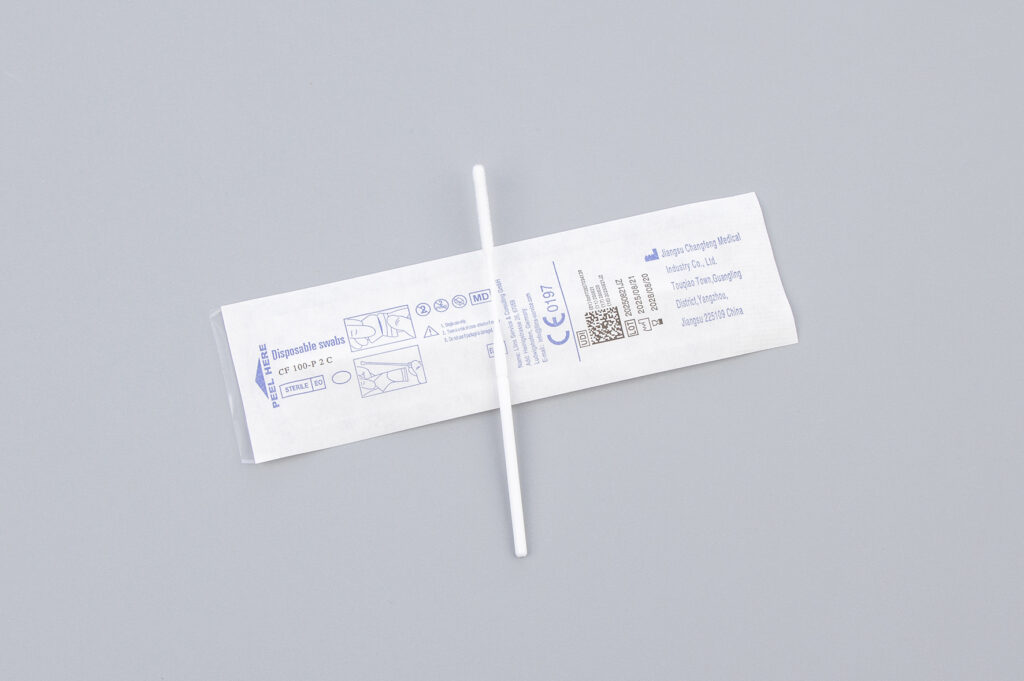
Nasopharyngeal vs Oropharyngeal Swabs: Which to Use for Respiratory Testing

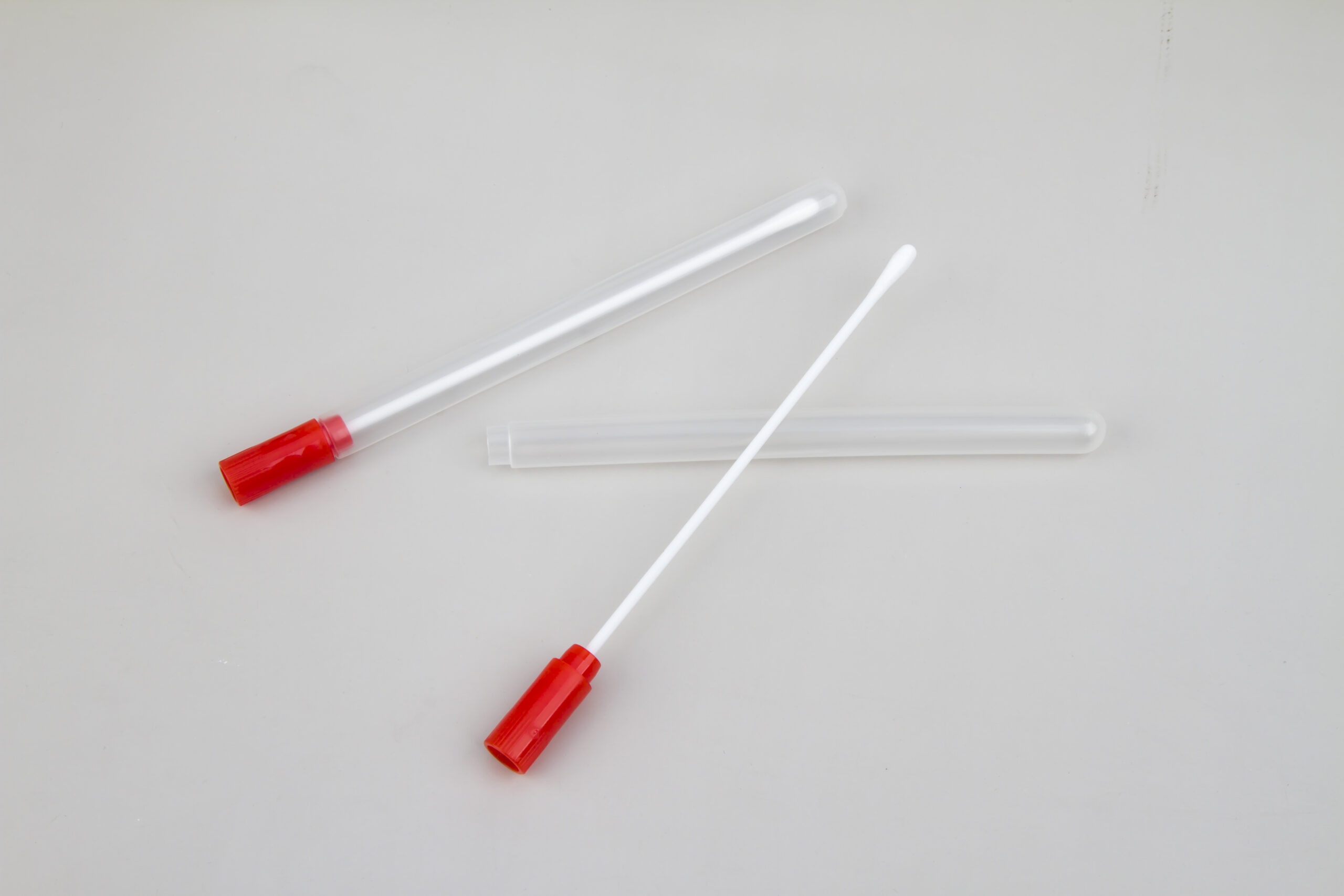
When your facility tests for respiratory viruses or bacteria, choosing between nasopharyngeal and oropharyngeal swabs affects test sensitivity, patient comfort, and workflow efficiency. If you’re establishing specimen collection protocols or selecting swabs for respiratory pathogen testing, understanding the anatomical, clinical, and practical differences between these two sampling sites will help you make decisions that balance diagnostic accuracy with operational feasibility.
Anatomical Differences and Sampling Technique
Nasopharyngeal (NP) Swabs
The nasopharynx is the upper part of the pharynx located behind the nose, above the soft palate. It’s the first region where inhaled air contacts the respiratory epithelium, making it a primary site for respiratory virus replication.
Nasopharyngeal swabbing requires inserting a flexible swab horizontally through the nostril along the floor of the nasal cavity until it reaches the posterior nasopharyngeal wall—typically 6-8 cm in adults. The swab should reach the point where resistance is felt, then be rotated gently against the mucosa for several seconds to collect epithelial cells and secretions.
This technique requires proper training. Inserting the swab at an upward angle rather than horizontally can cause discomfort and may fail to reach the nasopharynx. Staff performing NP swabbing need to understand nasal anatomy and practice correct insertion angles.
Oropharyngeal (OP) Swabs
The oropharynx is the middle section of the pharynx located behind the oral cavity, extending from the soft palate to the epiglottis. It includes the back of the throat, tonsils, and posterior pharyngeal wall.
Oropharyngeal swabbing is performed by depressing the tongue with a tongue depressor and swabbing the posterior pharynx and tonsillar areas without touching the tongue, teeth, or buccal mucosa. The swab should contact the areas where lymphoid tissue is concentrated and where respiratory secretions drain.
This technique is simpler than NP swabbing and requires less specialized training. Most healthcare workers can perform adequate OP swabbing with basic instruction.
Viral Load and Diagnostic Sensitivity
Where Viruses Concentrate
Respiratory viruses enter through the nose and initially replicate in the nasal and nasopharyngeal epithelium. Viral loads are typically highest at the site of entry and primary replication before spreading to lower respiratory regions.
For most respiratory viruses, the nasopharynx harbors higher viral concentrations than the oropharynx, particularly in the early stages of infection. This anatomical fact translates to higher diagnostic sensitivity when using NP specimens for viral detection.
Clinical Evidence for Influenza
CDC guidance on respiratory specimen collection states that nasopharyngeal specimens generally have higher detection rates for influenza viruses compared to throat swabs alone. Studies comparing NP and OP specimens for influenza detection consistently show that NP swabs detect more positive cases, particularly when viral loads are low or when patients are sampled later in their illness.
Combined NP/OP specimens—where both sites are swabbed and placed in the same transport tube—can improve sensitivity compared to OP alone, though they may not perform as well as NP specimens alone.
Performance for SARS-CoV-2
During the COVID-19 pandemic, extensive research compared NP and OP swabs for SARS-CoV-2 detection. NP swabs demonstrated higher sensitivity in most studies, though the difference was less pronounced than for influenza.
Some test protocols allow alternative specimen types including OP swabs, anterior nasal swabs, or mid-turbinate swabs when NP swabbing is not feasible. However, test manufacturers typically establish performance claims based on NP specimens and may report lower sensitivity for other specimen types.
Other Respiratory Pathogens
For respiratory syncytial virus (RSV), human metapneumovirus, parainfluenza viruses, and adenovirus, NP specimens are generally preferred over OP specimens for the same reasons—higher viral loads in the nasopharynx translate to better detection rates.
For bacterial pathogens like Streptococcus pyogenes (strep throat), OP swabs are the correct specimen type because the infection is localized in the oropharynx and tonsils. Using NP swabs for strep testing would miss the site of infection.
Patient Tolerance and Acceptance
Discomfort and Adverse Reactions
Nasopharyngeal swabbing causes more discomfort than oropharyngeal swabbing. Patients commonly report sensations of pressure, gagging, eye watering, and temporary nasal irritation. While serious adverse events are rare, NP swabbing can occasionally cause minor nosebleeds, particularly in patients with fragile nasal mucosa or coagulation disorders.
Oropharyngeal swabbing is less invasive and better tolerated by most patients. The main discomfort is gagging, which can be minimized by having patients open their mouths wide and breathe through their mouths during swabbing.
Pediatric Considerations
Children often tolerate OP swabs better than NP swabs, though both procedures can be challenging in young or uncooperative patients. For pediatric respiratory testing, some facilities prefer anterior nasal swabs or mid-turbinate swabs as a compromise between sensitivity and tolerability.
When NP swabbing is required in children, using appropriately sized pediatric swabs with smaller tip diameters and shorter shaft lengths can reduce discomfort.
Self-Collection Options
Oropharyngeal swabs can be self-collected by patients with proper instruction, though quality may be variable. Patients can see what they’re doing in a mirror and can control the depth and pressure of swabbing.
Nasopharyngeal swabs are difficult for patients to self-collect correctly because they cannot see the insertion angle and may not reach the nasopharynx. Mid-turbinate and anterior nasal swabs are more suitable for self-collection when healthcare worker-collected NP swabs are not feasible.
Swab Design Requirements
Nasopharyngeal Swabs
NP swabs require specific design features:
- Length: 15 cm or longer total length to reach the nasopharynx in adults
- Flexibility: The shaft must be flexible enough to navigate the nasal passage without causing trauma, but stiff enough to maintain control during insertion
- Tip size: Small diameter tips (typically 2-3 mm) that fit comfortably through the nostril
- Tip shape: Rounded or tapered tips to minimize mucosal trauma
- Breakpoint: Pre-scored breakpoint allowing the shaft to snap at the correct height for tube closure
The most common materials for NP swabs are flocked nylon or polyester on flexible plastic shafts. The flocked design maximizes sample collection from the relatively small contact area in the nasopharynx.
Oropharyngeal Swabs
OP swabs have different requirements:
- Length: Shorter than NP swabs—typically 15 cm total length is adequate
- Rigidity: Can be less flexible than NP swabs since they follow a straight path
- Tip size: Larger tips (4-6 mm diameter) that can contact more surface area in the posterior pharynx
- Handle: Easy-to-grip handle for controlled swabbing
OP swabs can use flocked synthetic fibers, rayon, or in some cases cotton, depending on the downstream testing method. For bacterial culture, traditional rayon or cotton swabs may be adequate. For viral molecular testing, synthetic flocked swabs are preferred.
Workflow and Operational Considerations
Staff Training Requirements
Nasopharyngeal swabbing requires more training and practice to perform correctly. Staff need instruction on nasal anatomy, correct insertion angle, appropriate depth, and how to recognize when the swab has reached the nasopharynx. New staff should be supervised until they demonstrate competent technique.
Oropharyngeal swabbing is easier to teach and can be performed by a wider range of healthcare workers with minimal training.
Time per Collection
Both NP and OP swabbing take similar amounts of time when performed by experienced staff—typically 30-60 seconds per patient. However, NP swabbing may take longer in patients who are anxious, uncooperative, or have anatomical variations that make insertion difficult.
Personal Protective Equipment
Both procedures generate a risk of respiratory droplet exposure. Staff should wear appropriate PPE including masks (surgical or N95 depending on infection control protocols), eye protection, gloves, and gowns when indicated. NP swabbing may trigger coughing or sneezing more often than OP swabbing, increasing exposure risk.
Contamination Risk
Oropharyngeal swabs have a higher risk of contamination from saliva, food particles, or oral bacteria if the swab touches the tongue, teeth, or inside of the cheeks during collection. This contamination does not typically affect viral testing but can complicate interpretation of bacterial culture results.
Nasopharyngeal swabs, when performed correctly, are less likely to contact non-target areas, though improper technique can result in sampling the anterior nares only rather than the nasopharynx.
Test Manufacturer Specifications
Always check your test’s instructions for use (IFU) to determine which specimen types are validated and what performance you can expect from each.
Some molecular diagnostic tests specify nasopharyngeal swabs as the primary or preferred specimen type, with oropharyngeal or other specimens listed as acceptable alternatives with potentially reduced sensitivity. Other tests validate multiple specimen types equally.
Do not substitute specimen types without confirming that your test manufacturer supports the alternative and that your lab has validated its performance. Using non-validated specimen types can lead to false negatives and quality system failures during audits.
When to Use Each Type
Use Nasopharyngeal Swabs When:
- Maximum diagnostic sensitivity is required
- Testing for respiratory viruses in early infection or low viral load scenarios
- Your test protocol specifies NP specimens
- Trained staff and appropriate swabs are available
- Patient tolerance is acceptable and contraindications are absent
Use Oropharyngeal Swabs When:
- Testing for bacterial pharyngitis (strep throat)
- NP swabbing is not feasible due to patient factors (facial trauma, surgery, severe epistaxis)
- Your test protocol allows OP specimens and sensitivity is adequate for your clinical needs
- Patient comfort or acceptance is a priority (screening programs, occupational testing)
- Combined NP/OP specimens are collected in the same tube
Consider Combined NP/OP Collection When:
- You want to improve sensitivity compared to OP alone
- Your test manufacturer supports combined specimens
- You’re willing to accept slightly more complex collection procedures
Frequently Asked Questions
Can I collect both NP and OP swabs and place them in the same tube?
Yes, if your test manufacturer allows combined specimen types. Use one swab for NP collection and a second swab for OP collection, then place both swabs in the same transport tube. This may improve sensitivity compared to either specimen alone, though it increases cost and collection time.
What if a patient refuses NP swabbing?
Discuss alternatives with your medical director. Options include OP swabs, anterior nasal swabs, or mid-turbinate swabs depending on what your test platform supports. Document the alternative specimen type used and inform the ordering provider that sensitivity may be reduced compared to NP specimens.
Are anterior nasal swabs the same as nasopharyngeal swabs?
No. Anterior nasal swabs sample just inside the nostrils (anterior nares) and are much less invasive than NP swabs. They’re easier to collect and better tolerated, but generally have lower sensitivity for respiratory viruses than NP swabs. Some test manufacturers have validated anterior nasal specimens as acceptable alternatives, particularly for SARS-CoV-2 testing.
Can I use the same swab design for both NP and OP collection?
Technically yes, but it’s not optimal. NP swabs are designed with narrow tips and long flexible shafts for nasal insertion, while OP swabs work better with larger tips that contact more posterior pharynx surface area. Using purpose-designed swabs for each specimen type will give you better sample quality.
How do I know if my staff is performing NP swabbing correctly?
Provide initial training with demonstration and practice, then observe new staff during supervised collections. Signs of correct technique include appropriate insertion angle (horizontal, not upward), adequate depth (resistance felt when reaching the nasopharynx), and rotation against the mucosa. Patient feedback also provides clues—excessive pain may indicate incorrect angle, while lack of any sensation may mean the swab didn’t reach deep enough.
What should I do if a patient bleeds during NP swabbing?
Minor bleeding is uncommon but can occur. Have the patient lean forward and pinch their nose just below the nasal bone for 5-10 minutes. Most minor nosebleeds resolve quickly. Document the event and evaluate whether technique adjustments are needed. Patients on anticoagulants or with known bleeding disorders should be swabbed with extra care or alternative specimen types considered.
Are there situations where I should never use NP swabs?
Avoid NP swabbing in patients with recent nasal surgery, severe facial trauma, skull base fractures, cerebrospinal fluid leaks, or significant coagulation disorders. Consult with medical staff if you’re unsure whether NP swabbing is safe for a particular patient.
Do OP swabs need to be collected on an empty stomach?
There’s no strict requirement, but collecting OP swabs before eating or drinking may reduce contamination from food particles and dilution from beverages. If testing must be done after eating, have patients rinse their mouth with water first and wait a few minutes before swabbing.
Select the Right Specimen Type for Your Testing Program
Nasopharyngeal swabs deliver higher sensitivity for most respiratory virus testing and are the preferred specimen type when maximum diagnostic accuracy is needed. Oropharyngeal swabs offer a more tolerable alternative with simpler collection technique, though sensitivity may be reduced depending on the pathogen and timing of collection.
Review your test manufacturer’s validated specimen types, train your staff on proper collection technique, and establish protocols that balance diagnostic performance with operational feasibility and patient acceptance. Document your specimen type selection rationale in your quality management system.
Need swabs designed specifically for nasopharyngeal or oropharyngeal collection? Our range includes flocked synthetic swabs in appropriate lengths and tip sizes for both specimen types, with breakpoint designs compatible with standard transport tubes.