How to Choose a Swab for Respiratory Specimen Collection?

Choosing a swab for respiratory specimen collection depends on the collection site, specimen type, test method, swab tip material, shaft design, sterile packaging, and transport system. A nasal swab, throat swab, and nasopharyngeal swab may all be used for respiratory-related workflows, but they are not the same product.
For medical buyers, laboratories, distributors, and procurement teams, the goal is not simply to buy a respiratory swab. The goal is to match the swab design to the customer’s collection protocol, testing workflow, packaging requirement, and supply chain needs.
What Is a Respiratory Specimen Collection Swab?
A respiratory specimen collection swab is a swab used to collect specimens from respiratory-related collection sites, such as the nasal cavity, nasopharynx, or throat. The exact swab type depends on the intended collection method and test requirement.
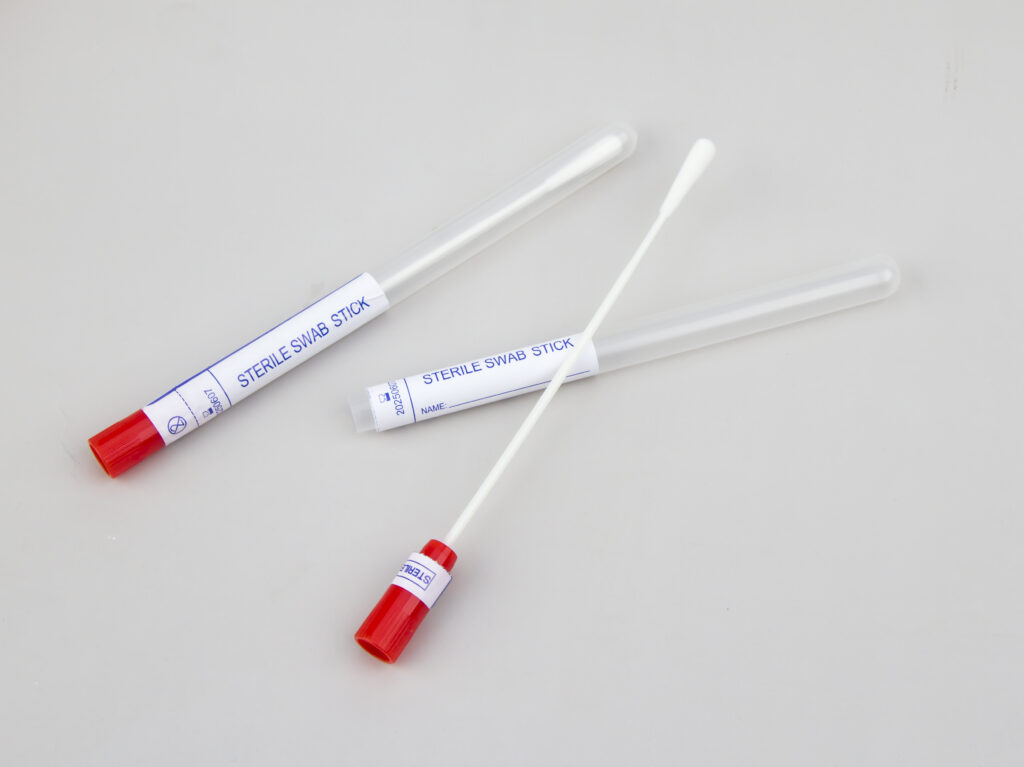
Common respiratory swab options may include nasal swabs, nasopharyngeal swabs, throat swabs, flocked swabs, polyester swabs, sterile dry swabs, and transport swabs.
Start with the Collection Site
The collection site is the first factor to confirm. A swab designed for nasal collection may not be suitable for throat collection. A throat swab may not be suitable for nasopharyngeal collection. Each site may require a different tip size, shaft length, and shaft flexibility.
Buyers should confirm whether the customer needs a nasal swab, nasopharyngeal swab, throat swab, or another swab format before comparing prices.
Nasal Swab
A nasal swab is used for nasal cavity collection. It usually requires a soft and appropriately sized tip for the nasal collection workflow. Shaft length and flexibility should match the intended use.
For buyers, key points include tip material, tip size, shaft comfort, sterile packaging, tube compatibility, and whether the swab is supplied dry or with a transport system.
Nasopharyngeal Swab
A nasopharyngeal swab is designed for deeper upper respiratory collection. It usually needs a smaller tip and a thin, flexible shaft compared with many standard nasal or throat swabs.
Buyers should pay close attention to shaft flexibility, total length, breakpoint position, tip softness, sterile packaging, and transport tube compatibility. A swab that is too rigid or too large may not match the intended workflow.
Throat Swab
A throat swab is used for oropharyngeal collection. It usually needs enough shaft length for stable handling and a suitable tip structure for the throat collection site.
Throat swab options may include standard throat swabs or double-tip throat swabs depending on the customer’s preferred product design.
Choose the Right Tip Material
Tip material affects specimen collection, absorption, sample release, and workflow compatibility. Common swab tip materials include nylon flocked fiber, polyester fiber, foam, rayon, cotton, and other materials.
For medical and diagnostic workflows, synthetic fiber swabs are commonly selected. Buyers should confirm the material required by the customer’s laboratory, test method, or collection protocol.
Nylon Flocked Swab
A nylon flocked swab has short fibers on the tip surface. This structure can support specimen collection and sample release into transport medium or extraction systems in many workflows.
Flocked swabs are often considered when sample release is important. However, buyers should still confirm tip size, shaft design, sterile status, and compatibility with the intended test system.
Polyester Swab
A polyester swab uses synthetic polyester fiber. It may be suitable for routine medical or laboratory sampling workflows when the material matches the customer requirement.
Polyester swabs can be a practical option for buyers who need synthetic fiber swabs for general respiratory-related collection or laboratory use.
Cotton Swab
Cotton swabs are common in general use, but they are not always suitable for medical or diagnostic respiratory specimen collection. Buyers should not choose cotton swabs for clinical workflows unless the customer or testing protocol accepts them.
When material compatibility matters, synthetic swabs such as polyester swabs or nylon flocked swabs may be preferred.
Check Shaft Design
Shaft design is just as important as the swab tip. The shaft affects reach, flexibility, strength, handling, and tube compatibility.
Buyers should check shaft material, total length, usable length, diameter, flexibility, and breakpoint position. Nasopharyngeal swabs often need more flexibility, while throat swabs usually need stable handling and enough length.
Check Breakpoint Position
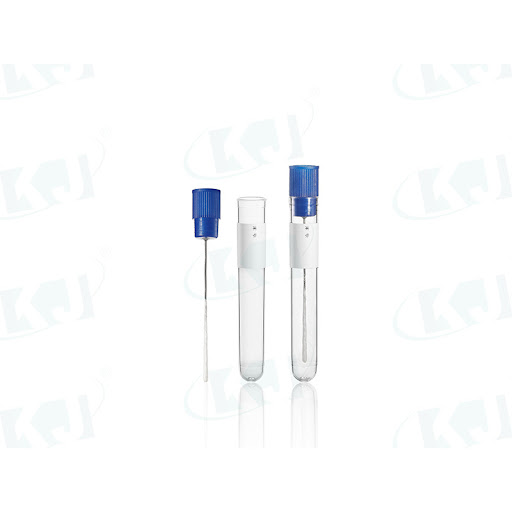
Many respiratory swabs are used with tubes. A breakpoint allows the shaft to be snapped after collection so the swab tip can remain inside the tube.
Breakpoint position should match the tube length and cap closing space. If the breakpoint is too high or too low, the swab may not fit the tube properly after collection.
Dry Swab or Transport Swab?
A dry swab is supplied without transport medium. It may be suitable when the sample is processed quickly or placed into a separate extraction system.
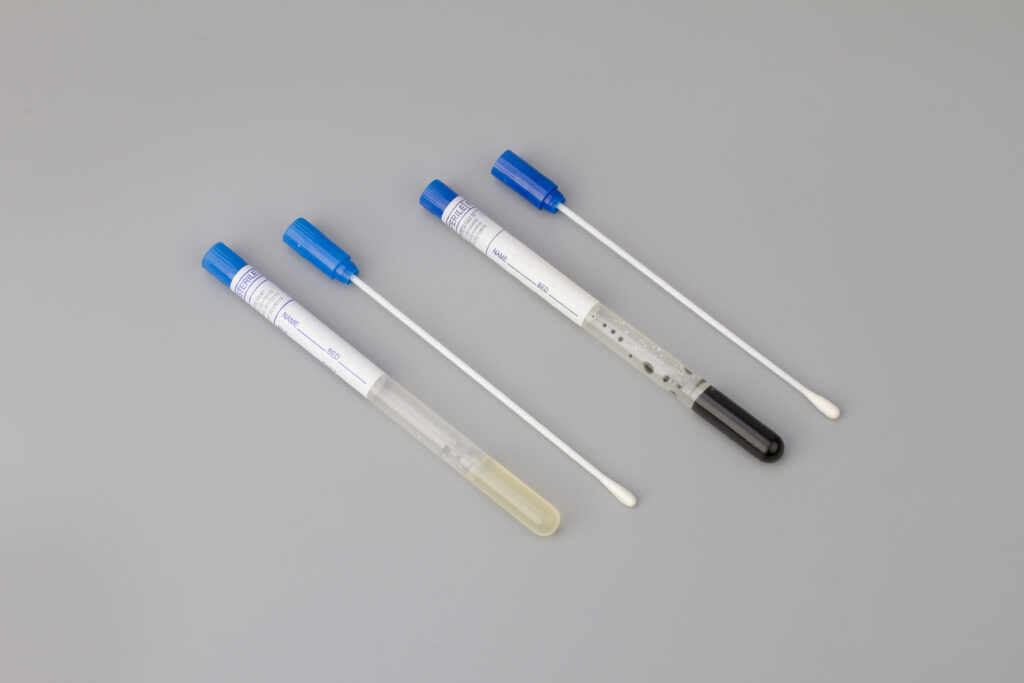
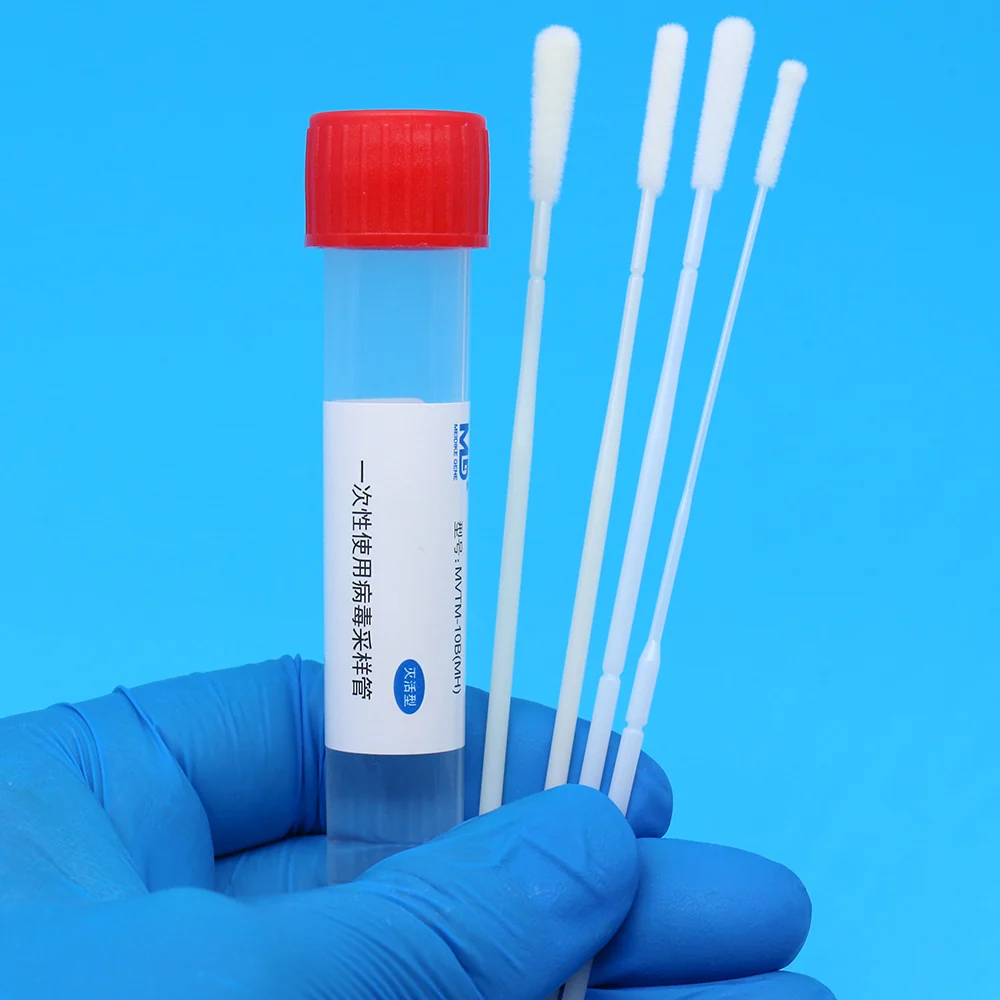
A transport swab is used when the collected specimen needs support after collection and before testing. It may include a tube, transport medium, or media-coated format. The right choice depends on the customer’s workflow.
Transport Medium Considerations
Some respiratory collection workflows use transport medium. Buyers should confirm medium type, tube size, storage conditions, shelf life, and compatibility with the swab material.
The swab and transport medium should be evaluated as one system. A good swab tip may still create problems if the tube, cap, breakpoint, or medium is not compatible.
Sterile Packaging Matters
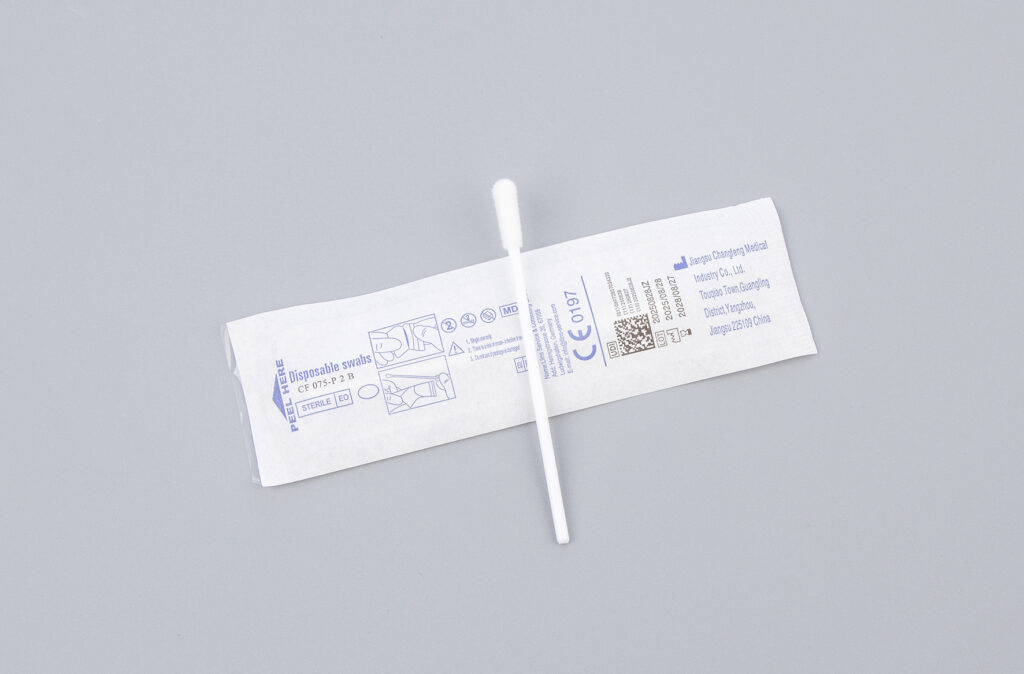
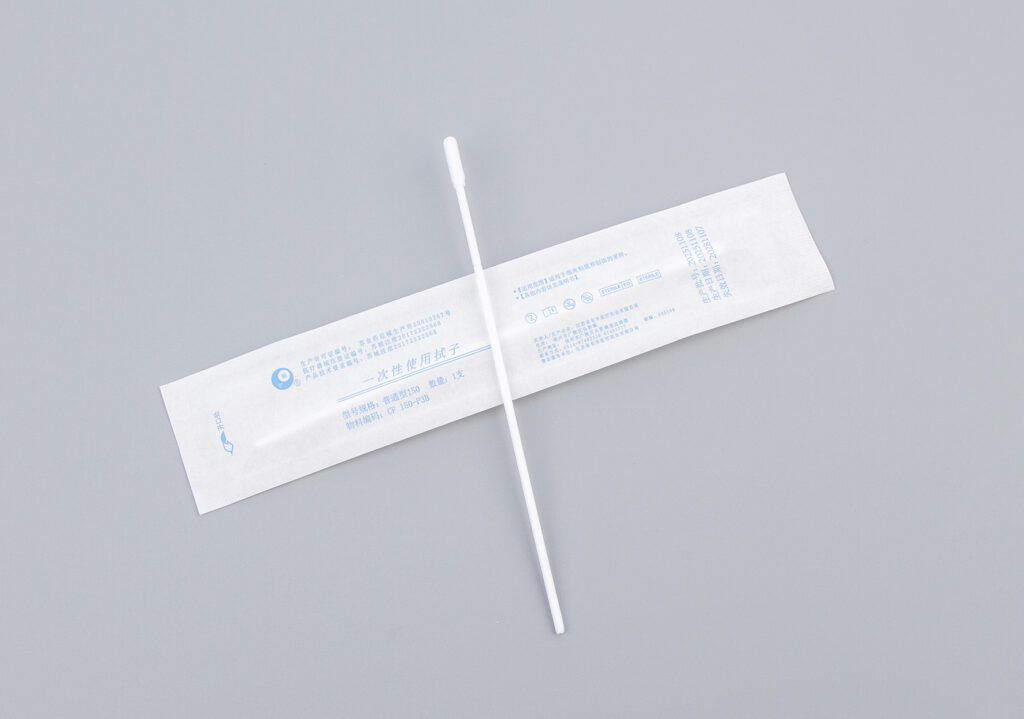
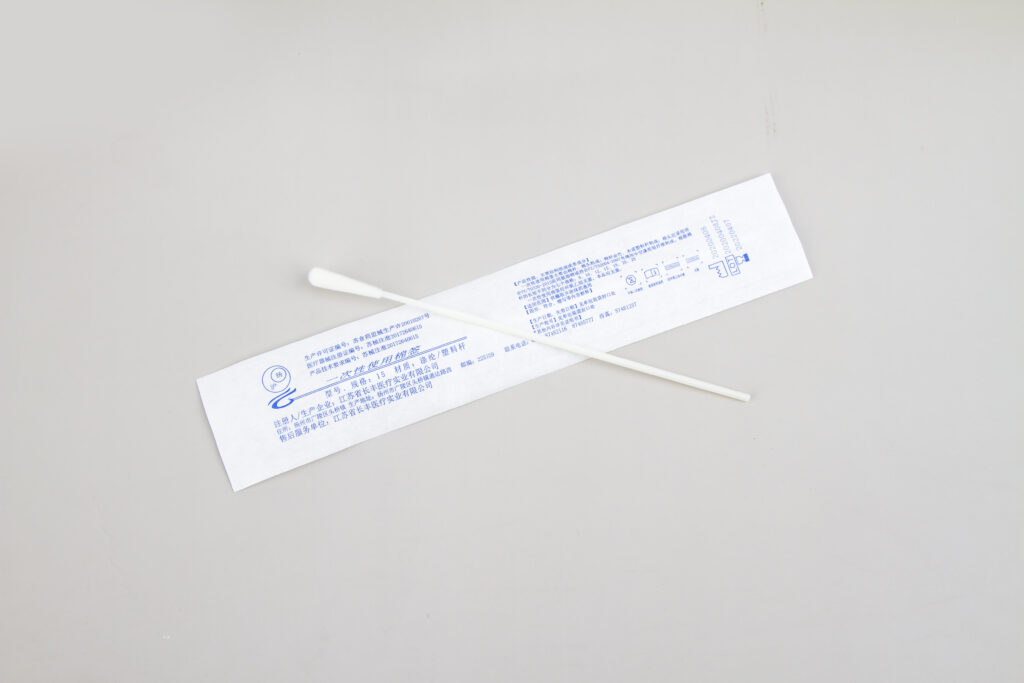
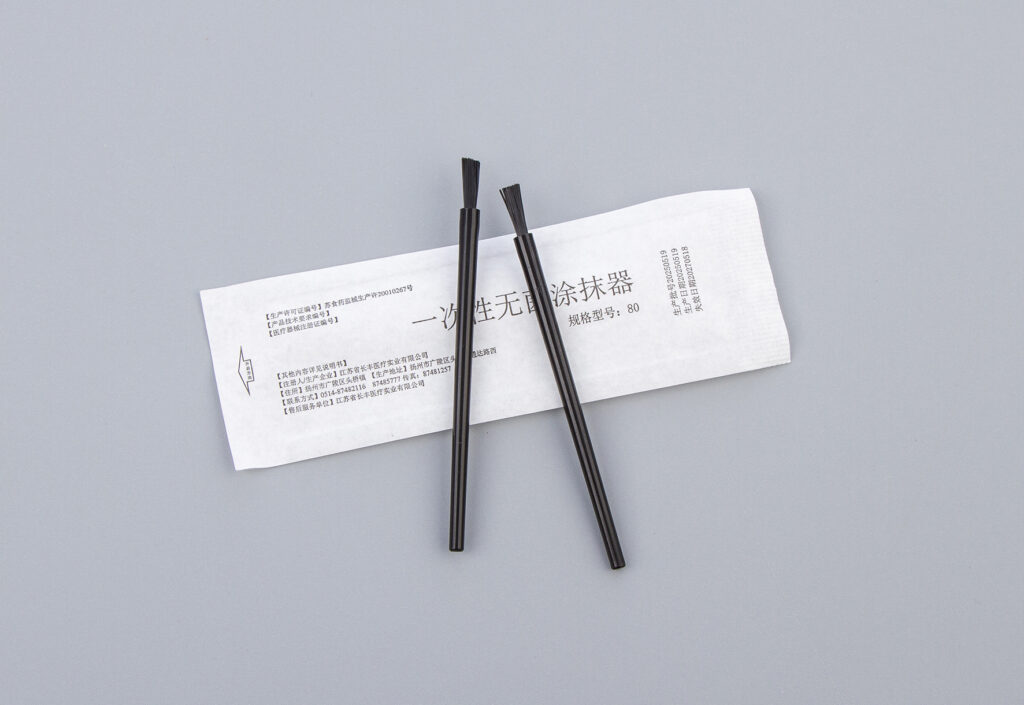
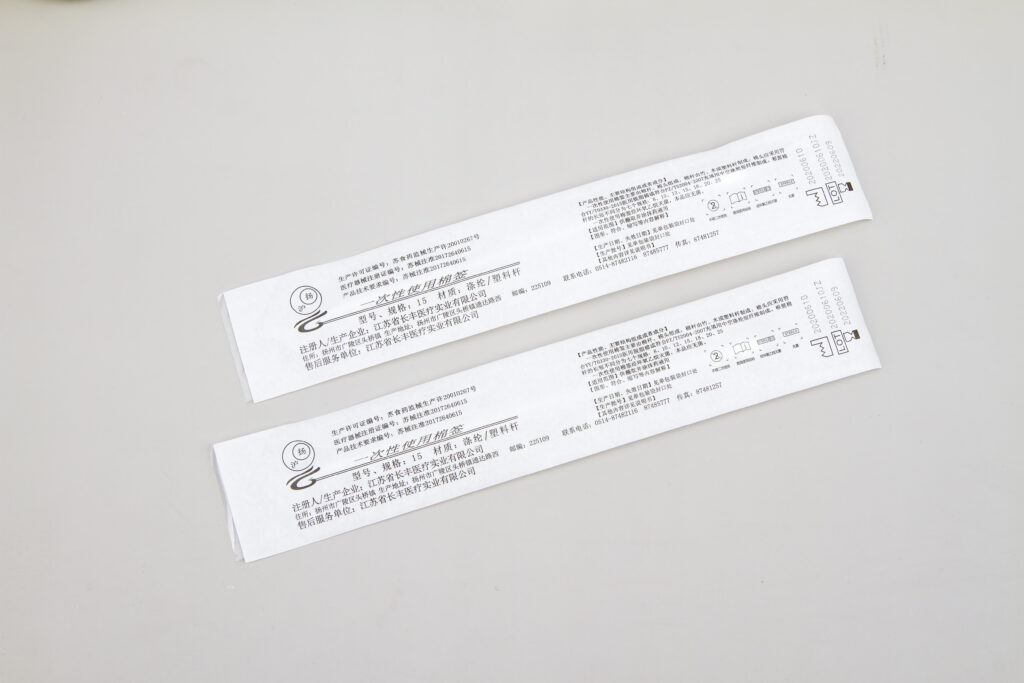
Respiratory specimen collection swabs are often supplied sterile and individually packaged. Sterile packaging helps protect the swab before use and supports cleaner handling.
Buyers should check pouch material, seal strength, opening convenience, lot number, expiration date, sterile status, shelf life, storage conditions, and carton protection.
Large-Headed Swab or Small-Tip Swab?
Tip size should match the collection site. A larger swab tip may provide broader surface contact, but it is not suitable for every respiratory collection workflow.
Nasal or nasopharyngeal collection may require smaller tips, while certain other sampling workflows may accept larger swab heads. Buyers should not assume that bigger means better.
Comfort and Handling
Respiratory swabs should support practical handling and user comfort. Tip softness, shaft flexibility, shaft stability, and pouch opening design can all affect the user experience.
For bulk procurement, buyers should request samples and check the actual handling feel rather than relying only on product photos.
What Buyers Should Check Before Ordering
Before ordering respiratory specimen collection swabs, buyers should confirm collection site, swab type, tip material, tip size, shaft material, shaft length, shaft flexibility, breakpoint position, sterile status, packaging format, tube compatibility, transport medium requirement, shelf life, storage conditions, sample availability, and supplier documentation.
Common Mistakes When Choosing Respiratory Swabs
One common mistake is using one product name for several different swabs. Nasal swabs, nasopharyngeal swabs, and throat swabs may have different designs and should not be treated as interchangeable.
Another mistake is focusing only on tip material and ignoring shaft flexibility or breakpoint position. The swab must work in the full collection and transport workflow.
Buyers should also avoid placing bulk orders without checking packaging, shelf life, tube fit, and customer requirements.
How to Choose a Supplier
A reliable supplier should provide clear specifications, stable product quality, samples, sterile packaging options, and export documentation. For respiratory swabs, buyers should also evaluate tip consistency, shaft flexibility, breakpoint performance, pouch integrity, and tube compatibility.
Before bulk ordering, buyers can ask for samples, material information, swab dimensions, packaging details, sterilization information, carton specifications, lead time, MOQ, and private label options.
Conclusion
To choose a swab for respiratory specimen collection, buyers should start with the collection site and then confirm tip material, tip size, shaft design, breakpoint, sterile packaging, transport medium, tube compatibility, shelf life, and supplier documentation.
The right swab depends on the actual workflow. Nasal swabs, nasopharyngeal swabs, throat swabs, flocked swabs, polyester swabs, and transport swabs all serve different needs.
Changfeng Medical supplies sampling swabs for diagnostic, clinical, and laboratory applications, including nasal swabs, large-headed flocked swabs, polyester fiber swabs with sheath, media-coated swabs, and double-tip throat swabs. Contact us to discuss respiratory swab specifications, packaging options, and bulk supply solutions for your market.
FAQ
What swab is used for respiratory specimen collection?
The swab type depends on the collection site and test method. Common options include nasal swabs, nasopharyngeal swabs, throat swabs, flocked swabs, polyester swabs, and transport swabs.
Is a nasal swab the same as a nasopharyngeal swab?
No. A nasal swab is used for nasal cavity collection, while a nasopharyngeal swab is designed for deeper upper respiratory collection and usually requires a smaller tip and more flexible shaft.
Why are flocked swabs used for respiratory sampling?
Flocked swabs are often selected when sample collection and release into liquid medium or extraction systems are important.
Do respiratory swabs need to be sterile?
Many medical respiratory specimen collection workflows require or prefer sterile individually packaged swabs. Buyers should confirm the customer’s requirement.
Should buyers choose dry swabs or transport swabs?
The choice depends on the workflow. Dry swabs may be used for direct or quick processing, while transport swabs may be needed when the specimen requires transport support.
What should buyers check before ordering respiratory swabs?
Buyers should check collection site, tip material, shaft design, breakpoint, sterile status, packaging, tube compatibility, transport medium, shelf life, samples, and documentation.